

Exam Code: GCP-GC-REP
Exam Name: Genesys Cloud Certified Professional - Reporting and Analytics
Certification Provider: Genesys
Corresponding Certification: GCP-GC
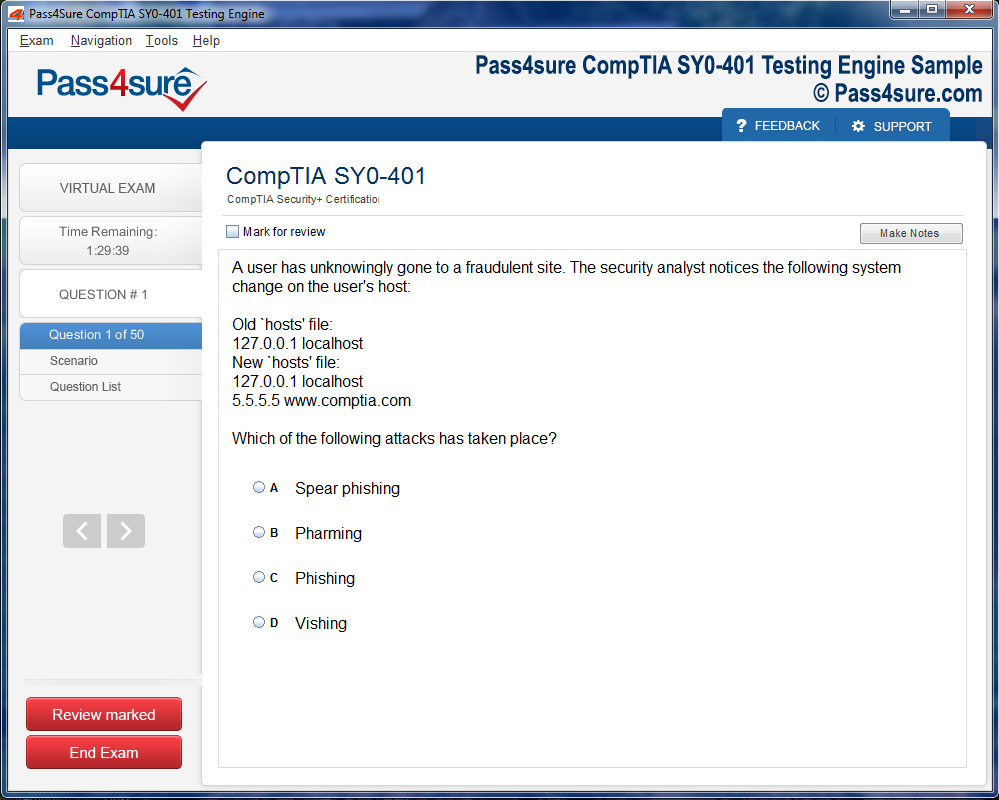
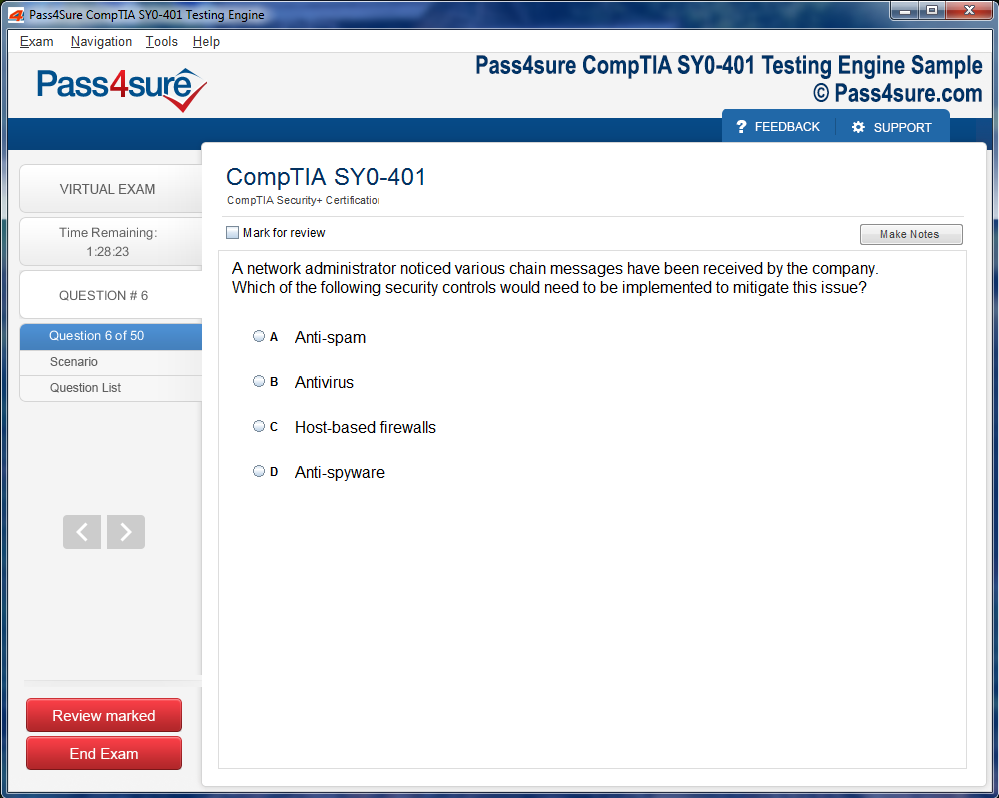
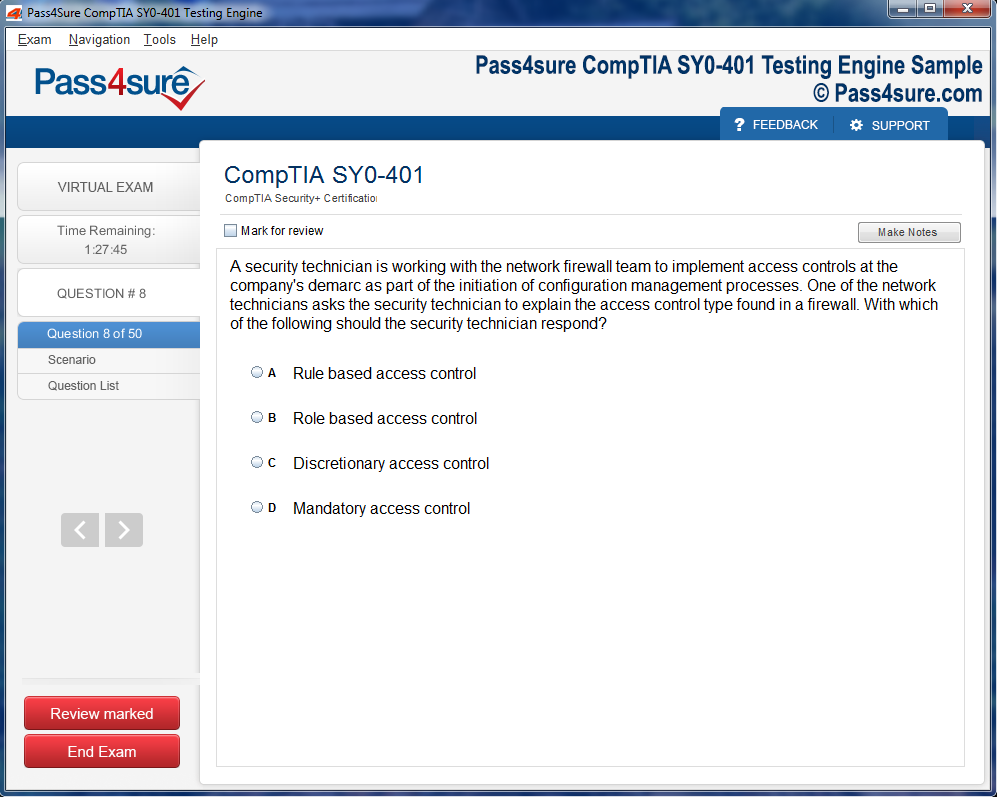
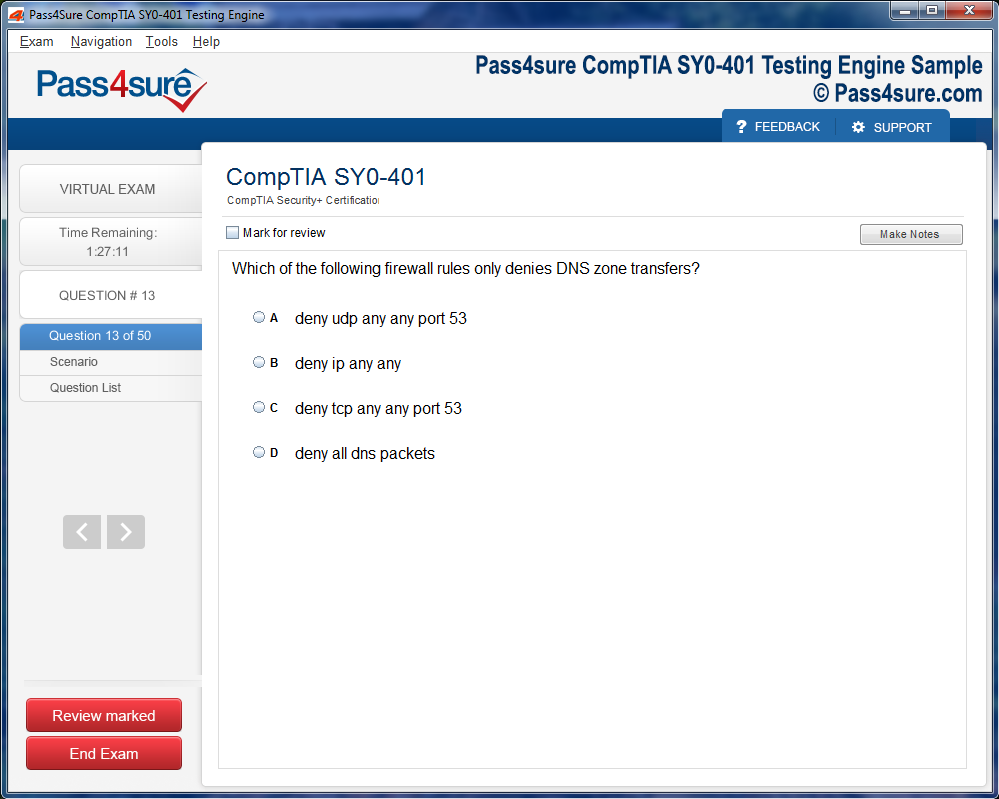
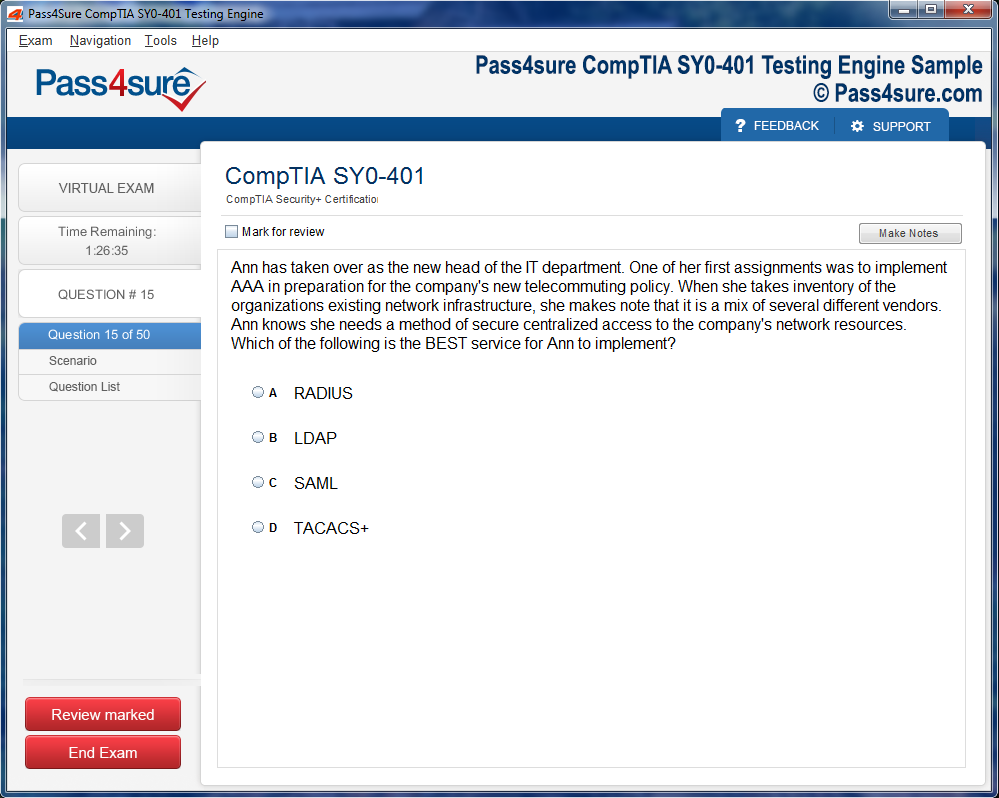
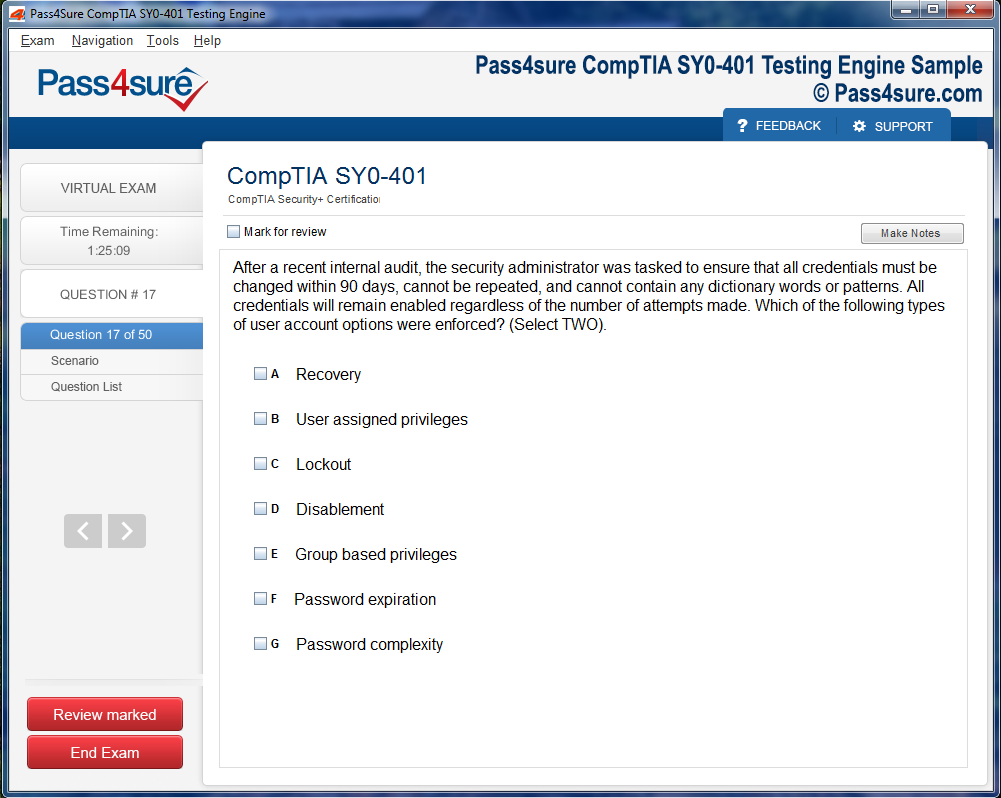
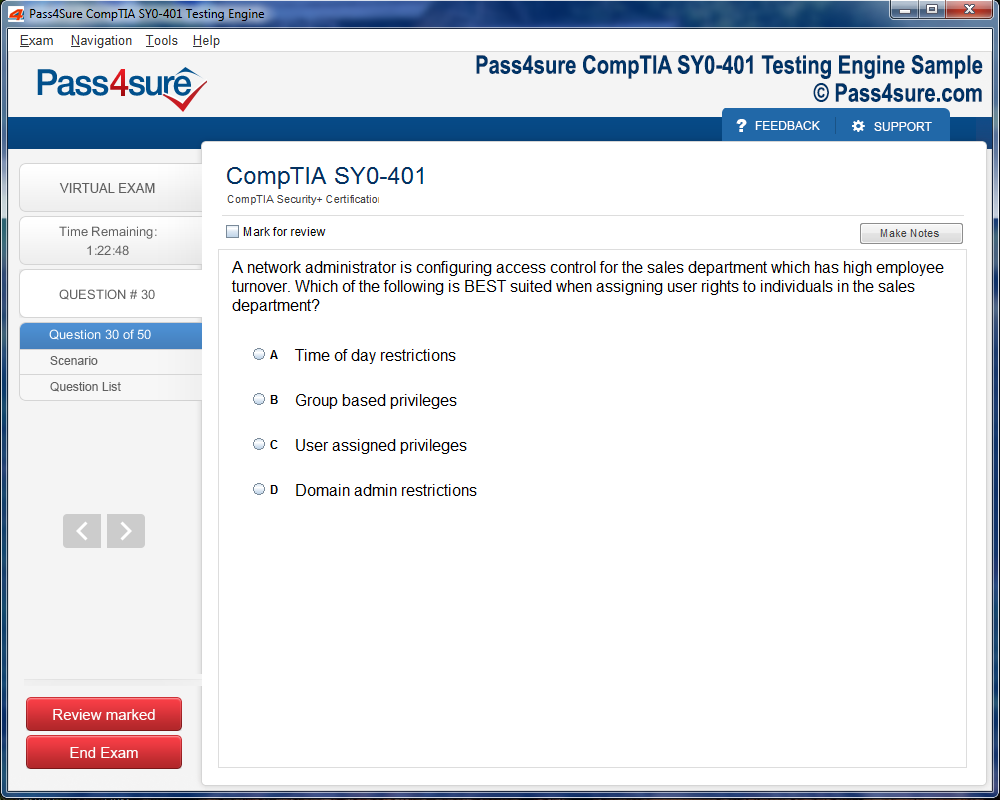
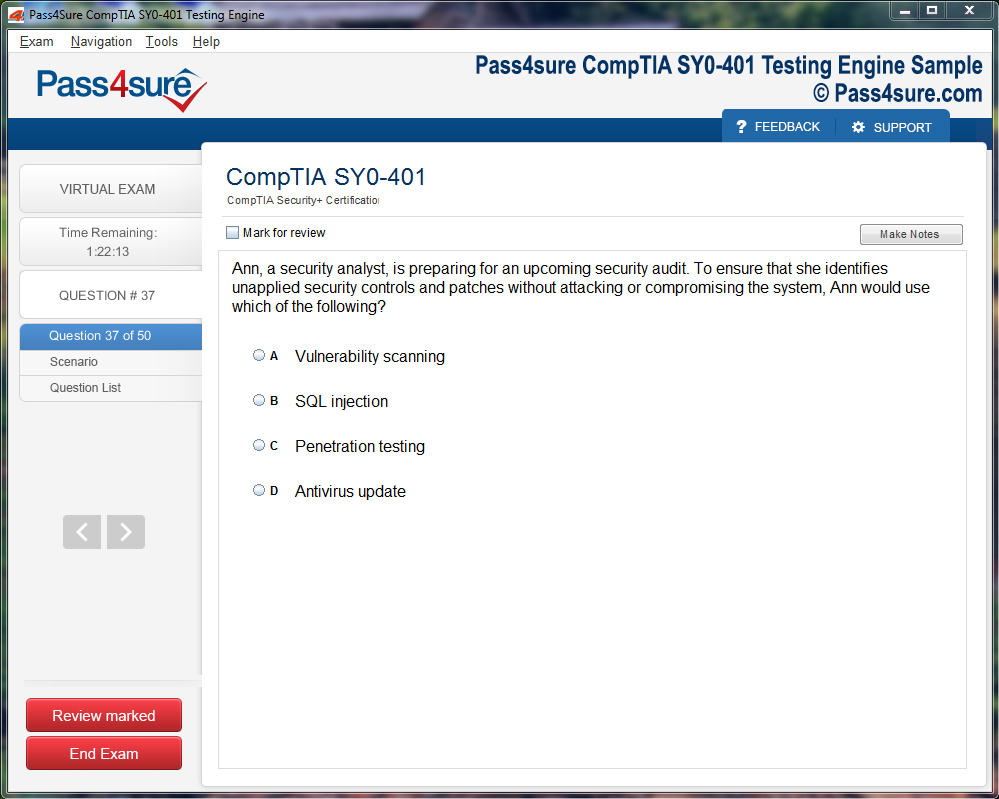
Product Screenshots
Frequently Asked Questions
How does your testing engine works?
Once download and installed on your PC, you can practise test questions, review your questions & answers using two different options 'practice exam' and 'virtual exam'. Virtual Exam - test yourself with exam questions with a time limit, as if you are taking exams in the Prometric or VUE testing centre. Practice exam - review exam questions one by one, see correct answers and explanations.
How can I get the products after purchase?
All products are available for download immediately from your Member's Area. Once you have made the payment, you will be transferred to Member's Area where you can login and download the products you have purchased to your computer.
How long can I use my product? Will it be valid forever?
Pass4sure products have a validity of 90 days from the date of purchase. This means that any updates to the products, including but not limited to new questions, or updates and changes by our editing team, will be automatically downloaded on to computer to make sure that you get latest exam prep materials during those 90 days.
Can I renew my product if when it's expired?
Yes, when the 90 days of your product validity are over, you have the option of renewing your expired products with a 30% discount. This can be done in your Member's Area.
Please note that you will not be able to use the product after it has expired if you don't renew it.
How often are the questions updated?
We always try to provide the latest pool of questions, Updates in the questions depend on the changes in actual pool of questions by different vendors. As soon as we know about the change in the exam question pool we try our best to update the products as fast as possible.
How many computers I can download Pass4sure software on?
You can download the Pass4sure products on the maximum number of 2 (two) computers or devices. If you need to use the software on more than two machines, you can purchase this option separately. Please email sales@pass4sure.com if you need to use more than 5 (five) computers.
What are the system requirements?
Minimum System Requirements:
- Windows XP or newer operating system
- Java Version 8 or newer
- 1+ GHz processor
- 1 GB Ram
- 50 MB available hard disk typically (products may vary)
What operating systems are supported by your Testing Engine software?
Our testing engine is supported by Windows. Andriod and IOS software is currently under development.
Step-by-Step Path to Passing the Genesys GCP-GC-REP Certification
The sinews of Genesys Cloud's omnichannel architecture reside in its dexterous interaction routing mechanisms. Each communication thread—be it vocal, textual, or visual—must traverse an intricate lattice of rules, algorithms, and priority schemas. Understanding this orchestration necessitates a comprehension of both deterministic and probabilistic routing paradigms. Deterministic pathways allow predictable interaction flow, whereas probabilistic models harness historical data to prognosticate optimal agent allocation.
Pragmatic mastery of routing strategies is augmented by scenario simulations. Candidates must not only memorize routing hierarchies but also internalize how they modulate customer experience under variable load conditions. Consider the nuances of queue segmentation, skill-based routing, and overflow contingencies. Each parameter influences latency, satisfaction metrics, and operational throughput. The interplay between automated self-service channels and live agent interventions further complicates the ecosystem, demanding a cognitive agility that transcends rote memorization.
Navigating Workforce Engagement and Optimization
A paramount facet of Genesys Cloud lies in its workforce engagement orchestration. The platform’s Workforce Engagement Management (WEM) modules synthesize scheduling, forecasting, and performance analytics into a holistic managerial vista. Candidates must decipher the algebra of agent availability, occupancy rates, and adherence indices, synthesizing these metrics into actionable strategies.
The conceptual depth of WEM is heightened by its predictive capabilities. Forecasting engines analyze historical interaction patterns, seasonal fluctuations, and emergent behavioral trends to anticipate staffing exigencies. Understanding the latticework of these predictions allows practitioners to preempt operational bottlenecks. Additionally, the gamification and coaching features introduce a human-centric dimension, promoting morale and efficiency. Engaging with these modules in sandbox environments reinforces theoretical comprehension and fosters nuanced insight into workforce orchestration.
Immersing in Real-Time Analytics and Performance Metrics
Genesys Cloud transcends conventional reporting by embedding a real-time analytical paradigm. Performance dashboards are not mere repositories of historical data; they are dynamic, pulsating visualizations that chart system health, agent efficacy, and customer sentiment. Mastery of these metrics requires familiarity with KPIs that extend beyond the superficial, delving into response latency, interaction abandonment ratios, and agent resolution efficacy.
Interpreting these dashboards is a cognitive exercise in pattern recognition. Candidates must learn to discern anomalies, trace causal chains, and correlate disparate datasets. The platform’s predictive analytics capabilities further enhance strategic foresight, allowing preemptive interventions to mitigate emerging issues. Exposure to these real-time analytical vistas cultivates both technical proficiency and intuitive decision-making skills.
Integrating with External Systems and CRM Ecosystems
Genesys Cloud’s prowess is amplified through its integrative faculties with external systems, particularly Customer Relationship Management (CRM) platforms. Integration pathways demand fluency in API consumption, webhook configurations, and data schema alignment. Exam candidates must apprehend the subtleties of synchronous versus asynchronous data flows, understanding latency implications and data integrity considerations.
Practical exercises in integration scenarios illuminate the interdependencies between Genesys Cloud and peripheral systems. Whether orchestrating seamless data exchange for case management or embedding analytics into omnichannel dashboards, candidates gain a multidimensional perspective of enterprise communication ecosystems. Mastery of these integrations not only bolsters exam readiness but also reinforces operational fluency for real-world deployment.
Security Configurations and Compliance Imperatives
Genesys Cloud operates within a lattice of regulatory and organizational mandates. The platform’s security configurations extend beyond rudimentary authentication protocols to encompass encryption strategies, role-based access controls, and audit trail management. Candidates must internalize the rationale behind these security measures and their implications for compliance with data privacy standards.
Understanding these imperatives requires an appreciation of both technical and juridical dimensions. The candidate must navigate the tension between user accessibility and stringent security postures, balancing operational flexibility with regulatory adherence. Sandboxed experimentation with permission sets, data masking, and anomaly detection fortifies comprehension, transforming abstract concepts into tangible operational knowledge.
Engaging with Sandbox Environments and Practical Labs
The crucible of practical proficiency lies within sandbox environments. These controlled ecosystems permit the exploration of complex configuration permutations without jeopardizing live operations. Candidates are encouraged to experiment with routing hierarchies, WEM settings, dashboard visualizations, and integration pipelines.
Active engagement in labs cultivates a cognitive dexterity essential for the GCP-GC-REP examination. The tactile experience reinforces theoretical understanding, fosters pattern recognition, and hones problem-solving acuity. Beyond examination preparation, this immersive practice embeds an operational intuition that translates seamlessly into professional deployment, rendering the candidate both confident and capable.
Conceptualizing Platform Architecture and Modular Interdependencies
At the heart of Genesys Cloud lies a modular architecture whose interconnections dictate system resilience and scalability. Each module—routing, analytics, workforce optimization, or integration—functions as a node within an elaborate network, influencing and being influenced by every other component.
Candidates must cultivate a holistic comprehension of these interdependencies. For instance, the efficacy of routing mechanisms is contingent on real-time analytics, just as workforce engagement strategies are predicated on accurate forecasting models. Visualizing the platform as an interconnected lattice rather than a set of discrete modules empowers candidates to anticipate cascading effects, troubleshoot efficiently, and optimize system configurations.
Unraveling the Intricacies of Interaction Orchestration
Interaction orchestration in modern contact center ecosystems embodies a labyrinthine interplay of logic, precision, and predictive acuity. It is not merely about connecting a customer to an agent but about choreographing interactions in a manner that harmonizes efficiency with human-centric experience. The Genesys Cloud Platform exemplifies this paradigm, providing a versatile framework where voice, chat, email, and social media converge into a single conduit of engagement. Mastery of this orchestration requires delving beyond superficial mechanics into the latent intricacies of omnichannel routing, queue dynamics, and predictive allocation algorithms.
Omnichannel routing is predicated on the philosophy that each interaction, irrespective of its medium, carries equal significance. Candidates must navigate the subtle nuances that differentiate synchronous channels, such as voice or live chat, from asynchronous channels like email or social messaging. Voice demands immediate attention, often necessitating skill-based allocation and real-time prioritization, while digital channels offer the flexibility of deferred response, permitting nuanced triage. Within this ecosystem, predictive routing algorithms function as sentient entities, dynamically calculating the optimal path based on agent proficiency, historical response patterns, and current workload distribution.
Configuring Queues and Prioritization Schemes
The skeletal structure of routing lies within queues and prioritization strategies. Queues serve as ephemeral reservoirs where interactions await assignment, yet their configuration requires foresight and a deep understanding of behavioral patterns. Skill-based routing, for instance, mandates that agents are tagged with competencies not merely as categorical labels but as dynamic proficiencies that adapt to evolving demand. This necessitates a rigorous approach to agent profiling, workload analysis, and scenario planning.
Consider the scenario of an abrupt influx of high-priority interactions. A superficial approach may result in agent inundation and deteriorating customer satisfaction. However, strategic overflow queue configuration, paired with algorithmic prioritization, allows interactions to be judiciously distributed, ensuring critical customers receive prompt attention while maintaining equilibrium across less urgent engagements. By simulating such scenarios within a controlled environment, candidates cultivate not only procedural knowledge but an intuitive grasp of cause-and-effect relationships within routing frameworks.
Predictive Analytics and Workflow Optimization
At the heart of effective routing lies predictive analytics, a mechanism that transcends reactive problem-solving and ventures into anticipatory orchestration. Real-time dashboards provide instantaneous visibility into system performance, while historical datasets enable trend extrapolation and demand forecasting. By interpreting these analytics, practitioners can adjust routing schemas dynamically, recalibrating workflows to optimize throughput and enhance the end-user experience.
Workflow optimization, in this context, encompasses more than the allocation of interactions. It involves scrutinizing latency metrics, understanding peak demand intervals, and calibrating agent schedules to align with both anticipated volume and qualitative performance indicators. This symbiosis between predictive foresight and operational agility defines the apex of expertise within the Genesys Cloud environment, reflecting the practical acumen necessary for the GCP-GC-REP examination.
Integrating Workforce Management and Performance Insights
Routing efficacy cannot exist in isolation; it is intertwined with workforce management, an often-underappreciated dimension of operational mastery. Scheduling, forecasting, and performance analytics serve as complementary elements that inform routing decisions and elevate service quality. Scheduling algorithms must reconcile agent availability, skill alignment, and adherence to labor regulations, while forecasting models anticipate interaction surges and potential bottlenecks.
Performance dashboards, rich with KPIs ranging from handle time variability to customer satisfaction indices, provide actionable intelligence that informs continuous improvement. By cross-referencing routing patterns with agent performance metrics, candidates develop the ability to diagnose inefficiencies, implement corrective measures, and iterate on workflow designs with surgical precision. The integration of these elements is critical for maintaining consistency in service delivery, even under volatile operational conditions.
Cultivating an Investigative Mindset
Beyond technical proficiency, the GCP-GC-REP framework emphasizes cognitive dexterity—the capacity to probe, hypothesize, and refine. An investigative mindset transforms routine configuration exercises into analytical explorations, wherein each routing adjustment becomes a controlled experiment. By systematically altering queue parameters, testing predictive logic, and observing resultant outcomes, candidates gain a granular understanding of the platform’s behavioral ecology.
This approach transcends rote memorization, fostering an intuitive comprehension of how minute changes propagate through the system. Whether calibrating escalation paths, redefining skill sets, or testing overflow contingencies, the practitioner evolves from a passive executor to an active orchestrator, capable of anticipating systemic ripple effects and preemptively optimizing performance metrics.
Advanced Scenario Planning and Contingency Strategies
Scenario planning constitutes a pivotal dimension of routing mastery, particularly when confronting operational volatility. Candidates are encouraged to model extreme scenarios, such as sudden surges in traffic, system outages, or atypical customer behavior patterns. Each scenario demands a bespoke routing strategy, informed by both predictive analytics and experiential heuristics.
Contingency strategies, including fallback routing, automated response triggers, and real-time agent reassignment, serve as stabilizing mechanisms. By simulating these contingencies, candidates not only internalize procedural knowledge but also cultivate resilience in decision-making. The iterative process of scenario evaluation, strategy adjustment, and outcome analysis mirrors the practical realities of live operational environments, equipping aspirants with the adaptive capabilities requisite for certification excellence.
Synthesizing Knowledge Through Experiential Learning
The final layer of mastery emerges through experiential synthesis—an immersive process where conceptual understanding, analytic reasoning, and operational execution coalesce. Experimentation with routing permutations, coupled with rigorous outcome analysis, enables candidates to internalize complex interactions between system modules, agent dynamics, and customer expectations.
By documenting and reflecting on these experiences, practitioners construct mental models that expedite decision-making and enhance foresight. This iterative learning cycle cultivates not only competency but also confidence, empowering candidates to navigate the multifaceted challenges inherent in omnichannel customer engagement with dexterity and insight.Understanding the Quintessence of Security in Cloud Ecosystems
In the labyrinthine milieu of contemporary cloud infrastructures, security transcends mere procedural formalities; it becomes a fulcrum upon which organizational integrity pivots. The Genesys Cloud ecosystem epitomizes this paradigm, demanding perspicacious attention to the concatenation of authentication schemas, cryptographic safeguards, and granular access controls. Cognizance of multifarious authentication methodologies, including federated identity protocols and multi-factor authentication matrices, equips administrators with the dexterity to preempt nefarious incursions and fortify systemic fortresses.
The esoteric nuances of role-based access control (RBAC) warrant meticulous deliberation. Assigning privileges is not merely a mechanical endeavor; it constitutes a stratagem to delineate operational boundaries, obviate privilege escalation, and engender a culture of principled access governance. By instituting a polymorphic RBAC architecture, administrators can sculpt bespoke access profiles that mirror organizational hierarchies while simultaneously mitigating vectors of internal vulnerability.
Cryptographic Practices and Encrypted Sanctuaries
Encryption serves as the sine qua non of data sanctity within cloud habitats. The Genesys Cloud platform necessitates a profound comprehension of symmetric and asymmetric cryptographic methodologies, encompassing AES, RSA, and elliptic curve constructs. Safeguarding data in transit and at rest ensures that even if systemic perimeters are transgressed, intelligible information remains impervious to extraction or manipulation.
Equally salient is the concept of key management orchestration. Keys, when mismanaged, can transmute from bulwarks into Achilles’ heels. Proficient administrators must navigate the arcane intricacies of automated key rotation, hierarchical key derivation, and secure vaulting to preserve the cryptographic aegis of the platform.
Regulatory Compliance and the Labyrinth of Governance
Navigating the Byzantine corridors of regulatory frameworks is an inexorable dimension of cloud administration. Comprehending GDPR, HIPAA, and sector-specific compliance edicts is indispensable for cultivating trust and operational legitimacy. Beyond mere adherence, it necessitates the cultivation of proactive monitoring mechanisms capable of auditing data flows, logging access events, and detecting anomalies with forensic granularity.
Data sovereignty concerns amplify the complexity of compliance. Administrators must meticulously map data ingress and egress trajectories, ensuring that geographical stipulations and jurisdictional edicts are inviolate. Regulatory congruence thereby evolves from a reactive posture into a strategic vector that enhances both resilience and reputational capital.
Auditing, Monitoring, and Anomalous Behavior Detection
Systemic vigilance is paramount in anticipating and neutralizing threats. Auditing mechanisms, when judiciously deployed, afford a panoramic view of access patterns, configuration mutations, and operational anomalies. The orchestration of continuous monitoring tools—augmented with anomaly detection algorithms—enables administrators to discern subtle perturbations that may presage security incidents.
Proficiency in leveraging log aggregation, SIEM frameworks, and heuristic anomaly detection fortifies the administrator’s arsenal. These methodologies transcend mere reactive paradigms, enabling anticipatory interventions that preserve systemic continuity and obviate potential disruptions.
Multifactor Authentication and Identity Fortification
The stratagem of multifactor authentication (MFA) operates as an indispensable bulwark against credential compromise. By integrating dynamic verification vectors—ranging from ephemeral token generators to biometric modalities—administrators can substantively attenuate the risk of unauthorized ingress.
An advanced understanding of adaptive authentication paradigms further accentuates security. Evaluating contextual signals, such as geolocation, device fingerprinting, and behavioral biometrics, permits the orchestration of responsive access policies that balance security rigor with operational fluidity.
System Administration as an Art of Operational Resilience
System administration within the Genesys Cloud ecosystem transcends mundane maintenance; it embodies an art of orchestrating resilience. Maintaining performance metrics, surveilling server vitality, and orchestrating judicious software updates constitutes a choreography of operational alacrity. Administrators must cultivate an anticipatory ethos, cognizant of both systemic fragilities and latent perturbations that may impinge upon platform efficacy.
Proactive monitoring of CPU utilization, memory consumption, and network throughput permits timely interventions. Coupled with automated alerting mechanisms, these practices ensure that anomalies are intercepted before they metastasize into critical failures.
Backup Strategies and Disaster Recovery Protocols
The edifice of operational resilience is buttressed by comprehensive backup and disaster recovery paradigms. Administering incremental, differential, and full backups ensures that data continuity persists amidst unforeseen contingencies. Beyond storage, meticulous testing of restoration procedures validates the efficacy of these mechanisms, transforming theoretical safeguards into practical reliability.
Disaster recovery blueprints, when integrated with real-time replication and failover strategies, cultivate an infrastructure capable of rapid recuperation. Such methodologies are not merely procedural; they exemplify a philosophical commitment to continuity, underscoring the primacy of anticipatory stewardship in system administration.
Documentation as an Intellectual Repository
Methodical documentation functions as both mnemonic scaffolding and tactical reference. Cataloging configurations, procedural nuances, and troubleshooting heuristics engenders a compendium of institutional knowledge that accelerates problem resolution and fortifies operational consistency.
Documentation, when treated as a living artifact, evolves alongside system updates, regulatory mandates, and emerging threat vectors. Administrators who embed this practice into their quotidian routines cultivate a strategic advantage, enabling rapid response to both routine queries and exigent incidents.
Proactive Mitigation and Incident Simulation
Simulating security incidents within sandbox environments imparts experiential acumen. Administrators can orchestrate controlled breach scenarios, evaluate system responses, and refine mitigation protocols. This praxis cultivates a cognitive agility, allowing practitioners to navigate unanticipated incidents with precision and poise.
Scenario-based drills encompassing privilege escalation attempts, DDoS simulations, and data exfiltration vectors empower administrators to anticipate systemic vulnerabilities. The iterative refinement of these exercises enhances both technical proficiency and strategic foresight.
Orchestration of Access Controls and Role Management
Granular control over user roles constitutes a critical axis of security governance. Beyond simple assignment, effective role management entails continuous audit, least-privilege enforcement, and dynamic adaptation to evolving organizational structures.
The conceptualization of roles as living entities—subject to temporal, contextual, and operational modifiers—ensures that access permissions remain commensurate with functional necessity. This paradigm mitigates exposure while fostering an operational culture anchored in accountability and vigilance.
Continuous Learning and Adaptive Administration
In a technological ecosystem characterized by perpetual flux, static knowledge rapidly becomes obsolete. Continuous learning, facilitated by sandbox experimentation, regulatory updates, and community engagement, fortifies the administrator’s adaptability.
Adaptive administration entails not merely responding to incidents but preemptively sculpting systemic configurations to anticipate emergent threats. This dynamic posture transforms administration from a reactive chore into a strategic endeavor, harmonizing security, compliance, and operational efficiency.
Cognitive Scaffolding for Exam Mastery
Exam mastery is rarely a product of rote memorization; it thrives in a crucible of cognitive scaffolding. By mapping conceptual frameworks onto tangible tasks, aspirants reinforce neural pathways that enhance recall under duress. Employing mind-maps, synoptic charts, and mnemonic lattices transforms abstract constructs into palpable schemata. This methodology encourages candidates to visualize complex processes, creating mental anchors that facilitate rapid retrieval of intricate knowledge components.
Adaptive Iteration Through Practice Loops
Effective exam preparation embraces the notion of adaptive iteration. Candidates should design recursive practice loops where each cycle intensifies engagement with prior mistakes. Deliberate reflection on incorrect responses nurtures metacognition, cultivating a heightened awareness of personal error patterns. These loops are particularly efficacious when integrated with temporal modulation, where time-limited exercises simulate the pressure of the actual exam environment, refining both decision-making speed and accuracy.
Simulation-Driven Scenario Engagement
Simulated scenarios provide fertile terrain for experiential learning. By crafting virtual problem sets that mirror real-world constraints, candidates can interrogate the ramifications of their choices without incurring operational risk. This approach is invaluable for mastering complex tasks such as orchestrating multi-channel communications, configuring layered routing protocols, and balancing competing system priorities. Each simulation acts as a cognitive laboratory, encouraging hypothesis testing, consequence analysis, and strategic adaptation.
Reflective Journaling for Metacognitive Enhancement
Reflective journaling operates as a cognitive catalyst for exam readiness. Maintaining a dedicated journal allows candidates to chronicle insights, document recurrent errors, and articulate evolving strategies. This process fosters metacognitive refinement, permitting learners to recognize underlying knowledge deficiencies and adjust preparation strategies proactively. Journals can also serve as a repository of exemplar solutions, a compendium of cognitive heuristics, and a barometer of progress over successive practice cycles.
Microlearning Integration for Retention Amplification
Microlearning—breaking content into discrete, digestible fragments—augments retention by leveraging the brain’s propensity for episodic encoding. Integrating microlearning into revision schedules ensures frequent reinforcement of critical concepts, which mitigates cognitive decay over time. Short, focused bursts of study interspersed with reflective pauses allow the consolidation of knowledge into long-term memory, providing a scaffold for rapid retrieval during high-stakes examination scenarios.
Multimodal Cognitive Engagement
Engaging multiple sensory modalities can exponentially enhance learning efficacy. Candidates are encouraged to combine textual review with auditory reinforcement, visual schematics, and kinesthetic enactments where possible. For example, verbally summarizing process flows, sketching configuration architectures, or physically manipulating simulated interfaces creates rich neural encoding that strengthens memory retention. Multimodal engagement also nurtures cognitive flexibility, equipping aspirants to approach exam problems from diverse analytical angles.
Strategic Error Anticipation and Correction
The deliberate anticipation of errors is a hallmark of elite preparation. Candidates should catalog predictable pitfalls and actively rehearse their mitigation strategies. This proactive approach transforms potential weaknesses into opportunities for mastery. By repeatedly confronting and correcting predictable errors in a controlled environment, aspirants develop resilience and cognitive agility, ensuring that exam-induced stress does not compromise performance.
Temporal Calibration of Study Intensity
The judicious modulation of study intensity is paramount for cognitive endurance. Alternating periods of concentrated effort with restorative intervals prevents burnout while sustaining high levels of engagement. Techniques such as the Pomodoro method, ultradian rhythm alignment, or adaptive time-slicing help maintain attentional acuity. Over time, temporal calibration enables candidates to maintain peak cognitive performance across extended revision marathons, simulating the endurance required during lengthy examinations.
Cognitive Anchoring Through Knowledge Layering
Layered knowledge integration provides a cognitive anchor, enabling candidates to interlink discrete topics into coherent mental frameworks. This stratification fosters deeper understanding, allowing aspirants to draw connections between theoretical concepts and practical applications seamlessly. By iteratively layering foundational principles, procedural intricacies, and high-order problem-solving strategies, candidates cultivate a robust mental schema capable of accommodating novel scenarios with agility.
High-Fidelity Mock Examination Protocols
Mock examinations function as both evaluative and formative instruments. High-fidelity simulations, designed to mirror the exam’s structure, timing, and question typology, provide invaluable feedback. Candidates gain insight into time management, question prioritization, and adaptive reasoning under pressure. The iterative administration of mock exams, coupled with post-assessment analysis, enables aspirants to refine strategies, shore up weak knowledge nodes, and acclimate to the cognitive demands of high-stakes testing.
The Nuances of Real-Time Telemetry
Real-time telemetry is the cerebral cortex of operational intelligence, where every signal from customer interactions reverberates instantaneously through the system. The intricacies of call volume oscillations, chat surge phenomena, and asynchronous queue fluctuations demand acute perceptual acuity. Dashboards must transcend mere enumeration of events, instead offering synoptic vistas of emergent trends. Dynamic visualizations, incorporating temporal granularity and contextual overlays, catalyze decision-making processes that are both anticipatory and reactionary. Observing the ephemeral interplay between agent responsiveness and customer patience indices allows for preemptive interventions that avert service degradation.
Historical Data Archeology
Historical data archeology entails exhuming latent patterns from accumulated datasets to uncover causative relationships and latent inefficiencies. Retrospective analysis illuminates trends imperceptible in the immediacy of real-time monitoring. For instance, cyclic dips in first-contact resolution rates may coincide with subtle shifts in agent onboarding timelines or seasonal customer sentiment fluctuations. Analysts must synthesize heterogeneous data streams—call logs, interaction transcripts, and customer feedback—into cohesive narratives that inform strategic recalibrations. This temporal excavation empowers leaders to allocate resources judiciously, optimize staffing matrices, and refine routing topologies with surgical precision.
KPI Cartography and Metric Articulation
Key Performance Indicators constitute a cartographic representation of organizational health. Beyond conventional metrics, rarefied indicators such as conversational entropy, sentiment drift, and agent adaptability scores offer a multidimensional perspective. Crafting bespoke metrics requires not only technical dexterity but also a nuanced understanding of business imperatives. Analytical practitioners must discern which signals are noise and which are harbingers of operational turbulence. By mapping KPI trajectories over time and correlating them with process perturbations, teams can orchestrate interventions that yield exponential gains in efficiency and customer satisfaction.
Custom Dashboards and Operational Synesthesia
Customization of dashboards invokes a form of operational synesthesia, where disparate datasets coalesce into a coherent, sensorially intuitive interface. The construction of these dashboards demands meticulous attention to color semantics, metric hierarchies, and contextual annotations. Configurable alert thresholds act as neural triggers, prompting immediate response to aberrant conditions. By simulating variations in interaction volume or agent availability, practitioners cultivate anticipatory strategies that buffer against unforeseen exigencies. The synergy between human cognition and digital visualization enhances situational awareness to a level where latent inefficiencies become conspicuously tractable.
Analytical Cognition and Interpretive Dexterity
Analytical cognition encompasses more than the mechanical interpretation of metrics; it is a deliberate cultivation of interpretive dexterity. Transforming raw telemetry into actionable intelligence necessitates both lateral thinking and probabilistic reasoning. Identifying inflection points where agent fatigue intersects with customer dissatisfaction requires an appreciation of nuanced behavioral dynamics. Simulation exercises that manipulate workload distribution, call routing patterns, and skill-based agent allocation sharpen these faculties. Ultimately, mastery of analytical cognition equips professionals to transcend reactive management, instilling a culture of predictive optimization.
Performance Bottleneck Excavation
Performance bottleneck excavation is the deliberate pursuit of latent impediments that curtail operational fluidity. Queue congestion, suboptimal routing algorithms, and uneven agent load distribution often masquerade as systemic normalcy until subjected to rigorous analysis. Techniques such as throughput modeling, latency benchmarking, and anomaly detection illuminate the concealed fractures within workflows. Proactive resolution of these constraints mitigates service delays, enhances agent efficacy, and preserves customer satisfaction continuity. This diagnostic rigor exemplifies the intricate understanding that distinguishes a proficient professional from a mere operational participant.
Adaptive Routing and Workflow Refinement
Adaptive routing embodies the principle of dynamic responsiveness, modulating interaction flows based on real-time conditions and historical proclivities. The calibration of routing matrices—factoring agent skill clusters, priority tiers, and contextual urgency—maximizes both efficiency and customer delight. Workflow refinement entails iterative experimentation, whereby simulated perturbations yield insights into optimal sequencing, resource allocation, and escalation protocols. The iterative feedback loop, when informed by precise metrics, transforms standard operating procedures into agile, responsive systems capable of withstanding fluctuating operational pressures.
Anomaly Detection and Predictive Vigilance
Anomaly detection extends beyond statistical outliers to encompass patterns suggestive of systemic irregularities. Sudden deviations in call duration distributions, sentiment analysis scores, or agent utilization profiles may indicate emergent problems requiring immediate remediation. Coupling anomaly detection with predictive vigilance allows organizations to preempt operational crises before they manifest. Machine learning–enhanced heuristics, when properly interpreted by seasoned analysts, amplify the foresight of operational leadership. The fusion of detection and prediction crystallizes into a formidable toolset for sustaining both efficiency and customer-centricity.
Iterative Evaluation and Continuous Enhancement
Iterative evaluation fosters a culture of continuous enhancement where processes are perpetually scrutinized and recalibrated. Each analytical cycle, whether through post-mortem report review or proactive scenario simulation, contributes to a refined understanding of operational dynamics. The act of quantifying improvements against bespoke KPIs creates a feedback loop that drives incremental yet impactful gains. Such iterative methodology ensures that optimization is not a static goal but a living, evolving practice, embedded into the organizational DNA.
Strategic Insight Synthesis
Strategic insight synthesis represents the pinnacle of analytical practice, wherein disparate data streams are integrated into coherent, foresighted strategies. Beyond operational adjustments, this synthesis informs policy formation, workforce development, and customer engagement paradigms. By interlacing empirical observation with conceptual foresight, leaders can anticipate trends, mitigate risks, and sculpt an agile, resilient operational architecture. The ability to translate numerical abstraction into tangible strategic action underscores the value of advanced reporting and analytics acumen within the Genesys Cloud Platform ecosystem.
Translating Certification Into Tangible Competence
The culmination of any rigorous certification process, such as the GCP-GC-REP, is not merely a credential but a transformation of cognitive proficiency into operational dexterity. A certificate, while emblematic of theoretical mastery, achieves true value only when applied to the labyrinthine complexities of real-world enterprise environments. Professionals who traverse this journey must transcend rote memorization, cultivating a praxis-oriented mindset wherein each configuration or workflow adjustment becomes a deliberate act of problem-solving.
Operational competence manifests not in isolated tasks but in systemic orchestration. Implementing intelligent routing mechanisms, optimizing omni-channel touchpoints, and synthesizing granular data into actionable insights exemplify how abstract knowledge is transmuted into measurable organizational impact. The professional’s role evolves from a passive executor to an architect of experiential journeys, harmonizing technology with human-centric interactions.
Enhancing Customer Engagement Through Strategic Insight
Customer engagement is no longer a superficial metric; it is a dynamic interplay of anticipation, response, and adaptation. Certified professionals wielding Genesys Cloud must employ a confluence of analytics, behavioral modeling, and strategic orchestration to cultivate enduring connections. Each interaction, be it digital, telephonic, or hybrid, represents an opportunity to transmute data into insight and insight into action.
The art of engagement lies in discerning latent patterns within customer behavior. Predictive analytics, sentiment evaluation, and historical interaction mapping allow professionals to tailor experiences with surgical precision. By leveraging these insights, one can craft routing schemas that are simultaneously efficient and empathetic, ensuring that each engagement resonates with relevance and responsiveness.
Collaborative Synergy in Organizational Ecosystems
Real-world application extends beyond individual mastery. True professional acumen emerges within the interstitial spaces of collaboration. Mentoring colleagues, co-designing workflow architectures, and facilitating cross-departmental integration exemplify how knowledge dissemination amplifies collective efficacy. Collaboration is less a procedural obligation than a dynamic ecosystem where diverse competencies coalesce to generate compounded value.
This synergy demands not only technical fluency but emotional acuity. Leading optimization initiatives entails negotiating divergent priorities, reconciling conflicting workflows, and cultivating stakeholder trust. Professionals who excel in these domains convert certification into a conduit for organizational transformation, enabling teams to navigate complexity with cohesion and precision.
Leveraging Data-Driven Optimization
The operational landscape is suffused with latent opportunities for efficiency and innovation, yet these potentials remain obscured without meticulous data analysis. Certified professionals are uniquely positioned to exploit this terrain, employing diagnostic metrics and performance dashboards to identify bottlenecks, redundancies, and areas for strategic enhancement.
Data-driven optimization extends beyond mere reporting; it is an iterative process of hypothesis, experimentation, and recalibration. Every adjustment to routing rules, agent scripting, or customer segmentation must be evaluated against measurable outcomes, thereby transforming abstract knowledge into iterative, empirically validated improvements. The professional becomes a steward of both process and outcome, ensuring that organizational operations evolve in tandem with technological advancements.
Sustaining Relevance Through Continuous Learning
The digital ecosystem, particularly within contact center technologies, is not static but fluid, characterized by continual innovation and emergent paradigms. Genesys Cloud, emblematic of this dynamism, introduces new functionalities, integrations, and analytic capabilities at a relentless pace. Certified professionals must cultivate a posture of perpetual learning, not merely to maintain relevance but to anticipate and leverage forthcoming developments.
Engagement with advanced modules, experimental integrations, and emerging automation paradigms fosters a proactive rather than reactive professional ethos. By internalizing novel functionalities and deploying them judiciously, individuals can preempt operational inefficiencies, innovate service models, and serve as invaluable institutional knowledge-bearers. Continuous learning is therefore both a strategic imperative and a professional differentiator, conferring a competitive advantage in increasingly complex organizational landscapes.
Mentorship and Knowledge Propagation
The journey from novice to certified expert is enriched and accelerated by active mentorship and the propagation of expertise. Sharing insights with peers, guiding novices through intricate configuration procedures, and facilitating experiential workshops are avenues through which professionals reinforce their own understanding while amplifying organizational capability.
Mentorship embodies a dual function: reinforcing mastery and cultivating systemic resilience. By translating tacit knowledge into accessible frameworks for others, experts create an environment where excellence becomes replicable, and operational continuity is safeguarded against personnel turnover or evolving business exigencies. This propagation of knowledge extends the impact of certification beyond individual achievement, embedding it within the organizational DNA.
Strategic Problem-Solving in Complex Environments
Certification provides the foundational lexicon of tools, processes, and protocols, but mastery is realized through strategic problem-solving under conditions of uncertainty. Professionals encounter scenarios where pre-configured solutions are insufficient, requiring ingenuity, cross-functional synthesis, and contextual judgment. The ability to navigate these scenarios differentiates the practitioner who merely passes an exam from the professional who transforms operational landscapes.
Strategic problem-solving entails diagnostic acumen, anticipatory modeling, and adaptive experimentation. Each decision, from workflow adjustment to escalation protocol, necessitates a judicious balance between risk mitigation and innovative intervention. The professional who cultivates this skill set not only resolves immediate challenges but positions the organization for resilient, long-term operational efficacy.
Harnessing Emerging Technologies for Operational Advantage
The Genesys Cloud ecosystem is but one node in a wider constellation of technological evolution encompassing artificial intelligence, machine learning, and omnichannel orchestration platforms. Certified professionals who actively explore these adjacent domains can leverage synergies, integrating advanced analytic algorithms, predictive automation, and real-time sentiment analysis into operational workflows.
Harnessing emerging technologies requires both technical literacy and conceptual foresight. Professionals must discern which innovations align with organizational objectives, anticipate adoption challenges, and orchestrate seamless integration into existing processes. By doing so, they convert potential disruption into strategic leverage, demonstrating the transformative power of certification when combined with visionary application.
Reflective Practice as a Catalyst for Growth
Reflection is a cognitive catalyst that consolidates experiential learning into enduring proficiency. Professionals who regularly analyze the outcomes of configuration changes, workflow optimizations, and customer engagement strategies develop a meta-cognitive awareness of operational dynamics. This reflective practice fosters adaptive expertise, allowing individuals to anticipate challenges, identify emergent patterns, and continuously refine their approach.
Engaging in structured reflection transforms routine tasks into rich learning opportunities. Each report analyzed, each workflow modified, and each customer interaction evaluated contributes incrementally to a sophisticated, context-sensitive understanding. The professional evolves from procedural competence to strategic insight, embodying a depth of knowledge that transcends the static scope of certification.
Integrating Practical Expertise Into Organizational Culture
The true measure of certification efficacy is observed not merely in individual performance but in cultural integration. Professionals who translate knowledge into operational frameworks, collaborative norms, and adaptive protocols infuse the organizational milieu with a culture of excellence. Best practices become standardized, innovation is valorized, and operational resilience is systematically reinforced.
Cultural integration of practical expertise necessitates persuasive communication, exemplary modeling, and a commitment to continuous improvement. By demonstrating the tangible benefits of applied knowledge, professionals cultivate an environment where technical proficiency, analytical rigor, and strategic foresight are not isolated attributes but integral elements of the organizational ethos.
Navigating Change With Confidence and Foresight
Organizations are perpetually in flux, confronted by shifting market conditions, evolving customer expectations, and technological innovation. Certified professionals serve as stabilizing agents within this dynamism, applying their knowledge to guide decision-making, anticipate operational bottlenecks, and implement proactive adaptations.
Navigating change demands confidence rooted in evidence-based practice, coupled with foresight cultivated through iterative learning and reflective engagement. Professionals who integrate these competencies are equipped not merely to respond to change but to shape it, transforming uncertainty into opportunity and fortifying the organization’s trajectory toward sustainable success.
Optimizing Multi-Channel Orchestration
The contemporary operational environment is inherently polyphonic, with customer interactions spanning voice, chat, email, social media, and emerging digital channels. Certified professionals are entrusted with the orchestration of these multi-channel touchpoints, ensuring coherence, efficiency, and contextual relevance. Mastery in this domain requires a nuanced understanding of channel-specific dynamics, latency effects, and customer expectations across different modalities.
Orchestration is not merely about connectivity; it involves the harmonization of disparate systems into a seamless experiential continuum. Professionals must anticipate friction points, strategically route interactions based on agent expertise and workload, and continuously recalibrate operational flows to align with evolving customer behavior. Each orchestration decision becomes a microcosm of systemic intelligence, reflecting the practitioner’s ability to translate certification into operational symphony.
Advanced Workflow Configuration and Dynamic Adaptation
Workflows represent the structural scaffolding of operational efficacy. Beyond basic configurations, advanced workflow design demands foresight, precision, and iterative adaptation. Professionals apply certification knowledge to architect workflows that anticipate contingencies, optimize resource allocation, and integrate real-time analytic feedback.
Dynamic adaptation is critical. Workflows cannot remain static; they must evolve in response to emergent data patterns, agent performance metrics, and customer sentiment fluctuations. Professionals employ diagnostic dashboards, predictive modeling, and simulation environments to iterate workflow designs, thereby embedding resilience and agility into operational systems. The capacity to adapt dynamically distinguishes the operationally proficient from those constrained by procedural rigidity.
Leveraging Predictive Analytics for Proactive Interventions
Certification imparts the conceptual lexicon and procedural know-how to manipulate and interpret data streams, but real-world impact arises when these capabilities are deployed for predictive, rather than reactive, interventions. Predictive analytics allows professionals to forecast peak demand periods, preemptively allocate resources, and tailor interactions to anticipated customer needs.
Proactivity transforms operational strategy. Instead of responding post hoc to service bottlenecks or dissatisfied customers, the professional anticipates emergent scenarios, mitigating friction before it manifests. Predictive models, integrated with workflow orchestration, enable anticipatory routing, pre-emptive escalation protocols, and resource optimization, demonstrating how abstract knowledge translates into tangible organizational advantage.
Cultivating Organizational Intelligence Through Knowledge Repositories
The accumulation and codification of experiential knowledge are as critical as immediate operational application. Certified professionals should actively contribute to centralized knowledge repositories, documenting workflows, best practices, troubleshooting protocols, and strategic insights.
Such repositories serve multiple purposes: they facilitate onboarding, accelerate decision-making, and institutionalize expertise. They also create a feedback loop whereby operational outcomes inform continuous improvement, transforming tacit knowledge into explicit, reproducible frameworks. The professional becomes not only a practitioner but a custodian of organizational intelligence, ensuring that certification’s impact persists beyond individual tenure.
Strategic Integration of AI and Automation
Artificial intelligence and automation constitute transformative forces within contemporary operational landscapes. Certified professionals must evaluate these technologies through a strategic lens, discerning which tools amplify efficiency, which augment decision-making, and which integrate seamlessly into existing processes.
Implementing AI-driven routing, sentiment analysis, and automated engagement modules demands a sophisticated understanding of system architecture, ethical constraints, and organizational objectives. By judiciously integrating automation, professionals reduce repetitive tasks, enhance response consistency, and enable agents to focus on high-value, human-centric interactions. Strategic integration elevates operational capacity, transforming routine certification knowledge into a conduit for scalable innovation.
Real-Time Monitoring and Adaptive Response Mechanisms
Operational excellence hinges on continuous situational awareness. Certified professionals employ real-time monitoring systems to track agent performance, customer engagement metrics, and workflow efficacy. These systems serve as the neural network of organizational operations, providing immediate feedback loops for adaptive interventions.
Adaptive response mechanisms rely on both analytical insight and experiential intuition. Professionals interpret metrics not as static indicators but as dynamic signals, identifying patterns that presage bottlenecks, service lapses, or emergent customer trends. Timely adjustments—rerouting interactions, reallocating resources, or modifying scripts—exemplify the operationalization of certification knowledge in contexts where immediacy and accuracy are paramount.
Navigating Cross-Functional Dependencies
Operational ecosystems are rarely siloed; workflows, data, and objectives frequently intersect across departments. Certified professionals must navigate these cross-functional dependencies, mediating between technical, operational, and strategic domains.
Success in this realm requires a dual fluency: technical mastery to articulate process intricacies and interpersonal acumen to negotiate priorities, resolve conflicts, and foster collaboration. Professionals who adeptly manage these intersections convert certification knowledge into integrative leadership, ensuring that operational improvements propagate harmoniously across the organizational matrix.
Designing Metrics for Continuous Performance Enhancement
Measurement is the lodestar of professional efficacy. Professionals translate certification insights into actionable performance metrics, encompassing not only efficiency and throughput but also qualitative dimensions such as customer satisfaction, engagement depth, and experiential resonance.
Metric design is itself a sophisticated practice, requiring sensitivity to organizational priorities, statistical literacy, and interpretive nuance. Properly constructed metrics illuminate latent inefficiencies, validate process interventions, and guide iterative enhancement. In this manner, the professional transforms knowledge into evidence-driven action, catalyzing continuous operational refinement.
Incident Response and Escalation Protocol Mastery
Certification knowledge provides the foundational schemas for incident resolution, but the crucible of real-world application reveals the need for adaptive escalation expertise. Professionals encounter unforeseen disruptions—system outages, agent unavailability, or sudden spikes in demand—that require rapid, judicious intervention.
Effective incident response is predicated on pre-emptive protocol design, rigorous scenario testing, and experiential intuition. Escalation mechanisms must be both structured and flexible, enabling decisive action without compromising procedural integrity. Mastery in this domain exemplifies the practical deployment of certification knowledge under high-stakes conditions, where timing, precision, and judgment converge.
Mentoring as a Vector for Systemic Excellence
Beyond personal competence, the propagation of expertise magnifies organizational impact. Mentorship constitutes a vector through which certified professionals disseminate best practices, cultivate analytical rigor, and instill adaptive problem-solving skills across teams.
Mentorship is reciprocal; the act of teaching reinforces the professional’s own comprehension, exposes latent assumptions, and cultivates reflective insight. Through sustained guidance, novices internalize sophisticated methodologies more rapidly, while the organization accrues cumulative capability, illustrating how certification knowledge, when shared, becomes an accelerant for systemic excellence.
Integrating Behavioral Insights into Operational Strategy
Operational decisions are increasingly informed by behavioral science, which illuminates patterns of human cognition, decision-making, and interaction. Certified professionals can incorporate these insights to enhance engagement, refine workflow design, and optimize agent-customer interactions.
Understanding cognitive biases, response latency, and decision heuristics allows professionals to anticipate friction, tailor messaging, and structure interactions for maximal receptivity. By embedding behavioral intelligence into operational strategy, certification knowledge transcends procedural mechanics, influencing outcomes at the level of experiential perception and engagement resonance.
Scenario-Based Training for Operational Resilience
Certification provides a theoretical scaffolding, but resilience emerges from the iterative experience of scenario-based simulations. Professionals benefit from designing and executing role-specific exercises that replicate real-world complexities, including high-demand periods, cross-channel surges, and atypical customer behaviors.
Scenario-based training cultivates adaptive agility, sharpening diagnostic reasoning, and fostering confidence in the application of certification knowledge. By confronting hypothetical contingencies, professionals internalize protocols, anticipate emergent challenges, and refine their capacity for rapid, effective intervention when confronted with operational anomalies.
Continuous Feedback Loops and Iterative Refinement
Operational excellence is inherently iterative. Certified professionals establish continuous feedback loops, capturing metrics, agent observations, and customer sentiment data to inform successive refinements. These cycles embody the principle of Kaizen, where incremental enhancements cumulate into substantial, sustainable improvement.
Feedback loops extend beyond procedural adjustments. They enable professionals to recalibrate strategic objectives, harmonize multi-channel workflows, and anticipate emergent challenges. Iterative refinement transforms certification knowledge from static proficiency into dynamic operational intelligence, ensuring relevance, resilience, and continuous value creation.
Ethical Considerations in Data-Driven Operations
The proliferation of analytics, AI, and automated decision-making imposes an ethical imperative on certified professionals. Handling customer data responsibly, ensuring algorithmic fairness, and preserving transparency are not peripheral concerns but central to sustainable operational practice.
Ethical stewardship requires both procedural vigilance and conceptual literacy. Professionals must establish data governance frameworks, monitor compliance with regulatory standards, and integrate ethical review into workflow design. This conscientious application of certification knowledge safeguards organizational integrity while fostering trust and long-term stakeholder confidence.
Cultivating a Mindset of Proactive Innovation
Beyond maintaining operational continuity, certified professionals are positioned to catalyze innovation. By actively exploring emerging technologies, evaluating novel workflow paradigms, and experimenting with untested configurations, professionals can preempt market shifts and operational inefficiencies.
Proactive innovation is predicated on curiosity, analytical rigor, and a willingness to embrace calculated risk. Certification provides the foundational lexicon and methodologies, but the professional who engages with inventive exploration converts theoretical knowledge into pioneering practice, elevating organizational capability to new thresholds.
Agent Behavior Modeling and Interaction Dynamics
Agent behavior modeling delves into the granular intricacies of human-computer symbiosis, exploring how individual cognitive patterns influence operational efficacy. Each agent manifests a unique constellation of response latencies, empathy gradients, and problem-solving heuristics, which collectively shape the trajectory of customer interactions. By capturing these behavioral signatures through advanced telemetry, organizations can anticipate deviations in performance and adjust workflow allocation preemptively. Sophisticated modeling transcends simple metrics like handle time, integrating probabilistic inference of agent fatigue, stress accumulation, and situational adaptability. Such foresight enables preemptive coaching, targeted workload redistribution, and personalized support interventions, ultimately harmonizing human potential with system architecture.
Predictive Workload Management
Predictive workload management transforms historical patterns into anticipatory blueprints, guiding resource allocation with surgical precision. Through algorithmic extrapolation, contact surges can be forecasted with remarkable granularity, incorporating variables such as seasonality, promotional campaigns, and emergent customer sentiment trends. Predictive models allow supervisors to preconfigure staffing matrices, adjust skill-based routing priorities, and calibrate self-service channels to absorb excess demand. The resultant anticipatory orchestration reduces latency, minimizes agent stress, and preserves service level agreements, forging a proactive operational culture rather than a reactive one.
Multi-Channel Analytical Integration
The modern contact center operates across a symphony of channels—voice, chat, email, social media, and emergent messaging platforms. Multi-channel analytical integration aggregates disparate streams into a unified operational tableau, enabling holistic insight into interaction trends. By correlating metrics across channels, organizations can detect patterns invisible within isolated silos. For instance, a spike in social media complaints may presage an uptick in live chat volume, while email response latency can reveal underlying knowledge base inadequacies. Integrated analytics empowers leadership to orchestrate cross-channel interventions, streamline workflows, and achieve a harmonized, omnichannel customer experience.
Advanced Metric Design and Semantic Relevance
Beyond conventional KPIs, advanced metric design demands an appreciation of semantic relevance—the capacity of a metric to convey meaningful insight rather than mere numerical abstraction. Metrics such as interaction sentiment drift, resolution elasticity, and conversational volatility capture dimensions of performance often neglected in standard dashboards. The design of these metrics entails a careful balance between statistical rigor and interpretive clarity, ensuring that each data point contributes to actionable understanding. Moreover, metric evolution should be iterative, reflecting shifting operational priorities, customer expectations, and emergent communication patterns, thereby sustaining analytical relevance over time.
Cognitive Load Analysis and Agent Sustainability
Cognitive load analysis evaluates the mental burden borne by agents during high-intensity operational periods. Metrics such as task-switch frequency, inquiry complexity, and interaction concurrency provide quantifiable proxies for cognitive strain. By monitoring these indices, organizations can implement measures to preserve agent sustainability, including adaptive break scheduling, workload redistribution, and targeted training interventions. Maintaining equilibrium between operational demand and cognitive capacity is pivotal, as sustained overload precipitates burnout, attrition, and erosion of service quality. Analytical foresight in this domain ensures the longevity of a high-functioning, resilient workforce.
Latency Mapping and Temporal Optimization
Latency mapping examines the temporal architecture of customer interactions, tracing intervals between touchpoints, response times, and resolution sequences. By visualizing these temporal dynamics, bottlenecks and inefficiencies become conspicuously apparent. Temporal optimization leverages this insight to restructure workflows, streamline routing algorithms, and automate repetitive tasks. Subtle adjustments in response timing, escalation protocols, and skill-based allocation can yield disproportionate improvements in throughput and customer satisfaction. Mastery of latency mapping transforms operational performance from a reactive measure into a deliberate, orchestrated construct.
Interaction Sentiment Analytics
Interaction sentiment analytics transcends the superficial evaluation of customer satisfaction, probing the affective substratum of interactions. Through natural language processing, tonal modulation analysis, and semantic parsing, subtle cues in conversation can be quantified and interpreted. Sentiment trajectories illuminate emergent frustration, disengagement, or loyalty, enabling proactive interventions tailored to individual interactions. Integration of sentiment analytics into performance dashboards creates a feedback loop where agent training, workflow design, and resource prioritization are informed by emotional intelligence, not solely operational metrics.
Anomaly Forecasting and Operational Contingency
Anomaly forecasting synthesizes historical deviations and real-time signals to anticipate future operational disruptions. Unlike traditional anomaly detection, which reacts to aberrations, forecasting predicts potential inflection points where service degradation may occur. Techniques such as time-series extrapolation, clustering of atypical patterns, and predictive scoring empower decision-makers to enact preemptive contingency measures. Whether it involves reallocating agents, modifying routing logic, or initiating automated customer communications, anomaly forecasting embeds resilience into operational frameworks, ensuring that disruptions are managed before they manifest.
Cross-Functional Performance Correlation
Cross-functional performance correlation examines the interplay between disparate operational units, identifying how performance in one domain influences outcomes in another. For example, inefficiencies in knowledge management can propagate through agent response times, affecting customer satisfaction and escalation frequency. By correlating metrics across functions—training efficacy, system uptime, interaction volume, and customer sentiment—organizations uncover latent interdependencies. This multidimensional perspective fosters holistic interventions, ensuring that improvements in one domain are amplified across the broader operational ecosystem rather than remaining isolated enhancements.
Dynamic Alerting and Decision Acceleration
Dynamic alerting transcends static threshold notifications, instead employing contextual intelligence to prioritize alerts based on operational significance. Alerts can be tuned not merely to numeric thresholds but to deviation patterns, interaction criticality, and predictive risk scoring. By delivering nuanced, high-fidelity signals to decision-makers, organizations accelerate response times, enhance situational awareness, and reduce alert fatigue. Decision acceleration is thereby achieved, allowing leadership to intervene with precision rather than conjecture, maintaining service continuity even under volatile operational conditions.
Simulation-Driven Optimization Exercises
Simulation-driven optimization exercises provide a laboratory for testing theoretical adjustments in a risk-free environment. By modeling variations in call volume, agent skill allocation, and workflow logic, practitioners can evaluate potential outcomes prior to real-world implementation. These exercises foster analytical dexterity, allowing teams to identify unintended consequences, optimize resource distribution, and validate the efficacy of intervention strategies. The iterative nature of simulation ensures that optimization is grounded in empirical evidence, reducing reliance on intuition and enhancing organizational confidence in strategic decisions.
Resource Elasticity and Operational Scalability
Resource elasticity concerns the capacity of an organization to modulate operational resources in response to fluctuating demand. Analytical insights into historical patterns, agent utilization, and channel-specific surges inform decisions regarding temporary staffing augmentation, dynamic shift scheduling, and cross-skilling initiatives. Scalability is thereby embedded into operational design, enabling rapid adaptation to peak periods without compromising service quality. By harmonizing human and technological resources in a fluid, responsive framework, organizations maintain continuity of operations while maximizing efficiency.
Feedback Loop Integration and Adaptive Learning
Feedback loop integration transforms operational metrics into instruments of adaptive learning. Continuous monitoring of KPI trajectories, agent behavior, and customer sentiment informs ongoing refinement of workflows, training programs, and routing algorithms. Adaptive learning systems evolve in response to empirical evidence, enhancing predictive accuracy and operational foresight. Through iterative feedback, organizations cultivate a self-reinforcing culture of improvement, where lessons from prior interactions directly inform future operational decisions and strategic planning initiatives.
Data Fusion and Multi-Dimensional Insight
Data fusion involves synthesizing heterogeneous datasets to derive multi-dimensional insights that surpass the sum of individual metrics. Combining telephony logs, chat transcripts, sentiment analyses, and system performance indicators creates a layered understanding of operational dynamics. Multi-dimensional insight enables identification of causal relationships, latent inefficiencies, and emergent trends that might otherwise remain obscured. The capacity to navigate and interpret this complex informational topology distinguishes advanced practitioners, empowering them to drive interventions with both precision and strategic impact.
Operational Resilience through Predictive Analytics
Predictive analytics underpins operational resilience by anticipating disruptions before they materialize. By modeling potential scenarios, from staffing shortages to system outages, organizations can implement preemptive countermeasures that mitigate adverse effects. Predictive models incorporate variables such as historical volatility, agent availability patterns, and channel-specific engagement dynamics. Resilience, in this context, is not a passive state but an actively cultivated attribute, grounded in foresight, continuous monitoring, and iterative refinement of operational strategies.
Cognitive Flexibility in Complex Problem Solving
Examinations frequently present intricate scenarios requiring dynamic cognition and fluid reasoning. Cognitive flexibility, the ability to shift perspectives and adapt strategies on the fly, is indispensable for navigating these challenges. Candidates should engage in exercises that demand divergent thinking, such as exploring multiple pathways to a single solution, evaluating trade-offs between conflicting priorities, and anticipating cascading consequences of system configurations. Such activities cultivate mental agility, ensuring that aspirants remain composed and inventive under exam constraints.
Heuristic Development for Rapid Decision-Making
Heuristics, or mental shortcuts, allow candidates to make expedient yet accurate decisions when confronted with unfamiliar problems. Developing personalized heuristics entails analyzing prior exercises to discern recurring patterns, identifying trigger cues that dictate response selection, and codifying these observations into actionable rules of thumb. By internalizing these cognitive heuristics, aspirants can navigate complex tasks with both efficiency and precision, mitigating the risk of indecision during high-pressure examination scenarios.
Metacognitive Calibration for Performance Optimization
Metacognition—awareness of one’s cognitive processes—serves as a cornerstone for high-performance preparation. Candidates should routinely evaluate their understanding, recognizing not only what they know but also the limits of their knowledge. Self-assessment techniques, such as targeted questioning, retrospective error analysis, and concept mapping, enable learners to recalibrate their study strategies proactively. This reflective vigilance ensures continuous refinement of problem-solving approaches, aligning effort with the most impactful areas for improvement.
Experiential Reinforcement Through Scenario Simulation
Scenario simulation offers a sandbox for experiential reinforcement, bridging the chasm between theoretical comprehension and practical application. By emulating high-stakes operational conditions, candidates confront realistic system constraints, prioritize competing tasks, and practice adaptive responses. These simulations may include complex routing scenarios, high-volume data interactions, or multi-layered reporting challenges. Each exercise consolidates procedural knowledge, fosters anticipatory reasoning, and instills confidence in managing analogous real-world situations.
Interleaved Practice for Long-Term Retention
Interleaving, the practice of mixing related but distinct topics during study sessions, enhances long-term retention and transferability of knowledge. By alternating between different modules, candidates avoid cognitive inertia and cultivate the ability to retrieve relevant concepts across diverse contexts. Interleaved practice strengthens associative networks in memory, allowing learners to apply theoretical principles with dexterity, even when confronted with novel or composite problems during examinations.
Stress Desensitization Through Controlled Exposure
Examination stress can erode cognitive performance if left unmitigated. Controlled exposure techniques, wherein candidates deliberately simulate high-pressure conditions, serve to desensitize the nervous system to anxiety triggers. Methods may include timed mock tests, rapid-response drills, or dual-task simulations that combine problem-solving with environmental distractions. Over repeated iterations, aspirants develop resilience, maintaining clarity of thought and accuracy under conditions that would otherwise induce cognitive disruption.
Strategic Chunking for Cognitive Load Management
The human brain operates optimally when information is presented in manageable segments. Strategic chunking, the division of complex material into coherent units, allows candidates to assimilate knowledge without overwhelming cognitive resources. By grouping related concepts, procedural steps, or configuration patterns into discrete clusters, learners can enhance comprehension and expedite recall. This method is particularly effective for mastering multi-step processes, intricate rule sets, or high-volume operational sequences.
Semantic Networking for Deep Conceptual Integration
Semantic networks enable candidates to interlink concepts, fostering deep understanding and intuitive problem-solving. By constructing mental maps that connect theoretical principles, procedural knowledge, and practical applications, learners create a lattice of meaning that facilitates flexible reasoning. Semantic networking not only aids recall but also enhances the ability to extrapolate from known scenarios to unfamiliar contexts, a critical skill when encountering novel questions during high-stakes examinations.
Adaptive Metaphors as Cognitive Anchors
Metaphorical reasoning provides a mechanism for translating abstract ideas into concrete mental models. Candidates should cultivate adaptive metaphors that encapsulate complex processes, operational dependencies, or systemic behaviors. For example, likening data flow sequences to navigable river networks or configuration hierarchies to architectural scaffolds allows aspirants to conceptualize interdependencies intuitively. These cognitive anchors simplify reasoning, reduce mental friction, and improve both comprehension and retention.
Iterative Feedback Integration
The iterative integration of feedback is vital for continuous improvement. Candidates should treat each practice exercise, simulation, or mock assessment as a feedback loop, analyzing performance data, identifying inefficiencies, and recalibrating strategies accordingly. This cyclical process encourages incremental learning, reinforces effective approaches, and mitigates the recurrence of errors. Over successive iterations, feedback integration transforms initial weaknesses into robust competencies.
Sensory Enrichment for Cognitive Reinforcement
Sensory enrichment, the deliberate activation of multiple sensory modalities, can significantly enhance memory consolidation. Candidates may employ auditory cues, visual schematics, kinesthetic enactments, or tactile interfaces to reinforce cognitive encoding. Engaging multiple senses fosters deeper neural embedding, creating redundant memory pathways that facilitate rapid retrieval under stress. Such multisensory engagement is particularly effective for mastering complex procedural sequences, intricate system architectures, or nuanced operational rules.
Pre-Mortem Analysis for Error Mitigation
Pre-mortem analysis, a strategy borrowed from risk management, involves anticipating potential points of failure before they occur. Candidates should systematically consider hypothetical scenarios in which they might falter, identifying cognitive blind spots, procedural vulnerabilities, and common misjudgments. By devising preemptive countermeasures, aspirants reduce the likelihood of errors during actual examination conditions and cultivate a proactive, solution-oriented mindset.
Distributed Practice Across Cognitive Domains
Distributed practice, spreading study sessions over time and across related domains, optimizes retention and understanding. Rather than concentrating learning in intensive marathons, candidates should intersperse sessions with adequate spacing, revisiting core concepts periodically. This spacing effect allows for memory consolidation, reinforces neural pathways, and enhances the transfer of knowledge across contexts. Distributed practice ensures sustained preparedness and mitigates the risk of cognitive fatigue or retention decay.
Cognitive Redundancy for Risk Aversion
Establishing cognitive redundancy entails developing multiple, overlapping pathways for knowledge retrieval and problem-solving. Candidates should reinforce key concepts through diverse methods—written summaries, verbal explanation, diagrammatic mapping, and simulation-based practice. Redundant encoding ensures that even if one retrieval pathway falters under stress, alternative routes remain accessible. This layered approach enhances reliability, fortifies confidence, and reduces vulnerability to cognitive overload during high-stakes examinations.
Reflexive Evaluation for Dynamic Adaptation
Reflexive evaluation involves continuously scrutinizing one’s cognitive strategies and adjusting them in response to emergent insights. Candidates should adopt a mindset of dynamic adaptation, reviewing not only outcomes but also the processes that led to them. By monitoring decision-making heuristics, time allocation, and procedural fidelity, learners can identify inefficiencies, recalibrate approaches, and enhance overall efficacy. Reflexive evaluation transforms passive practice into an active, growth-oriented endeavor.
Advanced Cryptographic Constructs and Homomorphic Encryption
As cloud ecosystems burgeon in complexity, conventional encryption methodologies, though robust, occasionally confront limitations in analytic flexibility. Homomorphic encryption emerges as a paradigm-shifting construct, permitting computations on encrypted datasets without decryption. This facilitates real-time analytics while preserving confidentiality—a desideratum for sensitive contact center data.
Administrators must cultivate fluency in cryptographic constructs beyond AES and RSA. Elliptic curve cryptography (ECC) offers a high-security-to-key-length ratio, optimizing performance while ensuring robust confidentiality. Pairing ECC with forward secrecy protocols fortifies communication channels against retrospective compromise, an imperative in maintaining long-term data integrity.
Zero-Trust Architecture in Cloud Administration
The zero-trust security paradigm transcends traditional perimeter-based defenses, postulating that no entity—internal or external—should be inherently trusted. Within the Genesys Cloud framework, zero-trust mandates micro-segmentation, continuous verification, and context-aware access controls.
Implementation involves meticulous network segmentation, API-level security checks, and adaptive authorization mechanisms that evaluate the legitimacy of each request. Administrators must orchestrate identity-centric policies, continuously reevaluating trust parameters in response to behavioral anomalies, geographic deviations, or device anomalies.
Insider Threat Mitigation and Behavioral Analytics
While external breaches capture headlines, insider threats frequently impose greater latent risk. Employees or contractors with elevated privileges can inadvertently or maliciously compromise system integrity. Proactive mitigation necessitates behavioral analytics, pattern recognition algorithms, and anomaly detection engines that scrutinize access frequency, data download volumes, and temporal access patterns.
Leveraging machine learning to establish normative baselines enables the detection of subtle deviations indicative of insider malfeasance. These interventions, when integrated with alerting and automated mitigation, reduce dwell time for threats and enhance organizational resilience.
Compliance Automation and Regulatory Orchestration
Manual compliance auditing, though historically standard, is increasingly untenable in dynamic cloud environments. Automation of compliance workflows ensures that GDPR, HIPAA, and other sector-specific mandates are continuously enforced.
Compliance-as-code paradigms allow policies to be embedded directly into infrastructure definitions, ensuring that deviations trigger automated remediation. Administrators who adopt such mechanisms can achieve both regulatory fidelity and operational efficiency, transforming compliance from a labor-intensive chore into a seamless, auditable process.
Granular Monitoring Techniques and Observability
Observability transcends traditional monitoring by providing deep insights into system state, interdependencies, and emergent behaviors. Beyond CPU and memory metrics, observability encompasses event correlation, dependency mapping, and latency analysis across microservices.
Administrators should employ synthetic transaction monitoring to simulate user interactions, detect performance bottlenecks, and preemptively identify degradation. Coupled with anomaly detection frameworks, this allows for rapid triage and minimizes the latency between symptom manifestation and resolution.
AI-Assisted Anomaly Detection and Predictive Maintenance
Artificial intelligence and machine learning can amplify security and operational vigilance. Predictive maintenance algorithms analyze historical performance data, identifying patterns that presage failures before they manifest.
In the security domain, AI-driven anomaly detection scrutinizes log streams, flagging deviations from established baselines. These tools enable administrators to prioritize interventions, reducing cognitive load while maintaining vigilance across sprawling infrastructures.
Hybrid Cloud Considerations and Multi-Environment Governance
Genesys Cloud deployments increasingly leverage hybrid architectures, integrating on-premises resources with public cloud instances. Administration in such environments requires nuanced understanding of data flows, access policies, and replication mechanisms across heterogeneous platforms.
Governance strategies must accommodate varying compliance regimes, latency considerations, and resilience requirements. Techniques such as data tagging, cross-environment RBAC, and unified monitoring dashboards enable administrators to maintain a cohesive security posture despite environmental heterogeneity.
API Security and Microservices Hardening
The proliferation of microservices introduces new attack surfaces, particularly through APIs. Administrators must enforce stringent authentication, rate limiting, and anomaly detection at the API layer.
Techniques such as token rotation, OAuth 2.0 enforcement, and granular permission scopes reduce exposure, while API gateways provide centralized orchestration for traffic inspection and anomaly mitigation. Proficiency in these areas ensures that the modular architecture of Genesys Cloud does not compromise systemic security.
Data Lifecycle Management and Retention Policies
Security and compliance extend beyond access control to encompass the entire data lifecycle. Administrators must define retention policies, ensuring that data is archived, anonymized, or purged in accordance with regulatory and business requirements.
Automated enforcement mechanisms, integrated with audit trails, prevent inadvertent retention of sensitive information. By embedding lifecycle governance into system architecture, administrators can preempt regulatory infractions and reduce operational overhead associated with ad hoc data management.
Threat Intelligence Integration and Proactive Defense
Incorporating threat intelligence into administrative practices allows organizations to anticipate emerging risks. By ingesting curated feeds of indicators of compromise, administrators can align defensive postures with contemporary threat landscapes.
Correlation of internal logs with external intelligence enables rapid identification of attack vectors and informs preemptive mitigation strategies. The iterative refinement of these practices cultivates a security ecosystem that is adaptive, anticipatory, and resilient.
Sandbox Environments and Tactical Experimentation
Sandbox environments offer a controlled theater for experimentation, training, and incident simulation. Administrators can replicate complex scenarios—ranging from privilege escalation attempts to large-scale DDoS simulations—without jeopardizing production systems.
This tactical experimentation enhances cognitive agility, allowing practitioners to refine incident response protocols, evaluate mitigation efficacy, and validate recovery workflows. Beyond technical acumen, sandbox exercises cultivate strategic foresight, instilling confidence in managing emergent crises.
Adaptive Patch Management and Software Lifecycle Oversight
Maintaining software currency is an often-overlooked pillar of security. Administrators must balance the exigencies of patch deployment with operational continuity, ensuring that updates do not disrupt service availability.
Adaptive patch management, augmented by pre-deployment testing and rollback contingencies, minimizes risk while maintaining system hygiene. Coupled with software inventory management and version tracking, these practices constitute a proactive defense against vulnerabilities exploited through obsolescence.
Endpoint Security and Device Hardening
While cloud infrastructure often dominates attention, endpoint security remains a critical vulnerability vector. Administrators must enforce device hardening, endpoint encryption, and behavioral monitoring to mitigate threats originating from client hardware.
Integration of endpoint telemetry with centralized security dashboards enables cohesive threat assessment, correlating anomalous device behavior with broader systemic patterns. This holistic approach ensures that the security perimeter is not constrained to cloud infrastructure but extends seamlessly to all touchpoints.
Incident Response Playbooks and Operational Rigor
Developing comprehensive incident response playbooks transforms ad hoc reactions into orchestrated interventions. Each playbook should delineate roles, escalation paths, communication protocols, and remediation workflows.
Routine rehearsals of these playbooks, coupled with post-incident retrospectives, instill operational rigor and enhance organizational learning. By codifying responses, administrators reduce cognitive load during crises and ensure systematic mitigation of emergent threats.
Network Segmentation and Microperimeter Enforcement
Network segmentation subdivides the digital environment into insulated zones, reducing lateral movement opportunities for malicious actors. Microperimeter enforcement further isolates critical assets, applying policy controls at granular levels.
Administrators must carefully architect segmentation policies, balancing security imperatives with operational fluidity. Techniques such as virtual LANs, software-defined networking controls, and microfirewalls empower administrators to sculpt resilient network topologies that impede compromise propagation.
Real-Time Logging, Forensics, and Investigative Capabilities
Robust logging frameworks underpin both operational monitoring and forensic investigation. Real-time log ingestion, indexing, and correlation allow administrators to reconstruct events with high temporal fidelity.
Forensic readiness involves preconfiguring logging schemas to capture relevant data, including access attempts, configuration changes, and API interactions. This preparedness accelerates incident analysis, supports regulatory reporting, and enhances post-incident remediation strategies.
Harnessing Omnichannel Synergy
Omnichannel synergy represents the zenith of customer experience orchestration. It requires a deliberate alignment of voice, chat, email, social messaging, and emerging digital touchpoints into a coherent operational continuum. Each channel possesses distinct temporal and cognitive demands: voice demands immediacy and precision, chat requires asynchronous multitasking proficiency, and social messaging often necessitates contextual sentiment analysis.
Candidates must internalize the interdependencies between these channels. A single interaction may traverse multiple conduits: a customer initiates a chat, escalates to a voice call, and concludes via email confirmation. Efficient orchestration demands that the routing engine not merely react to each touchpoint independently but anticipate the trajectory of the interaction across channels. This foresight enhances continuity, prevents redundancies, and amplifies perceived responsiveness.
The Genesys Cloud Platform facilitates this synergy through advanced omnichannel routing algorithms that consider historical engagement patterns, agent expertise, and channel-specific constraints. Predictive logic calculates optimal paths, ensuring that high-priority interactions are expedited without compromising the equilibrium of concurrent workflows. By mastering these dynamics, candidates cultivate a strategic mindset capable of harmonizing operational efficiency with customer-centric imperatives.
AI-Driven Routing and Predictive Intelligence
Artificial intelligence introduces a transformative layer to interaction orchestration. AI-driven routing harnesses machine learning models to discern patterns, forecast demand surges, and dynamically adjust workflow parameters. Unlike static rule-based systems, AI-enabled routing evolves iteratively, learning from historical interaction data, agent performance metrics, and real-time operational fluctuations.
Predictive intelligence enables proactive resource allocation. For instance, if an algorithm identifies a recurring spike in chat inquiries following marketing campaigns, it can preemptively redistribute agent availability and prioritize skill-specific queues. Similarly, sentiment analysis algorithms evaluate incoming messages for urgency and emotional tone, allowing the system to escalate critical interactions automatically.
Candidates should explore the intricacies of AI integration, understanding model parameters, training data dependencies, and threshold configurations. By experimenting with predictive routing simulations, aspirants gain insight into algorithmic behavior, including potential biases or unintended consequences, ensuring that AI enhances operational efficacy rather than introducing unpredictability.
Dynamic Queue Reconfiguration
Queues are not static entities; their effectiveness depends on continuous monitoring, realignment, and optimization. Dynamic queue reconfiguration involves adjusting parameters such as maximum wait times, overflow thresholds, skill-based prioritization, and automated routing rules in real time.
Consider a scenario in which an unexpected surge in high-value customer interactions occurs. Static queue rules may lead to bottlenecks, frustrated customers, and agent overload. Dynamic reconfiguration allows supervisors to redistribute interactions across available agents, elevate priority levels for strategic customers, and deploy automated callbacks or virtual assistant interventions.
This practice necessitates a deep comprehension of interrelated performance metrics, including average handle time, abandonment rates, and service-level compliance. By correlating these metrics with routing adjustments, candidates develop an analytical framework for iterative improvement, ensuring that operational decisions are data-driven, responsive, and adaptive.
Integrating Workforce Optimization
Workforce optimization (WFO) complements routing expertise by aligning human resources with anticipated interaction demand. Effective WFO encompasses scheduling, forecasting, real-time adherence monitoring, and performance evaluation. Scheduling algorithms reconcile agent availability, required skill sets, labor regulations, and predicted interaction volumes, ensuring optimal coverage.
Forecasting extends beyond numerical projection. It integrates behavioral analytics, historical trends, and seasonal variations to anticipate spikes, lulls, and emergent patterns. This insight informs proactive routing strategies, enabling the pre-positioning of agents in high-demand queues and the redistribution of workloads in real time.
Performance analytics closes the loop by providing granular visibility into agent efficiency, quality adherence, and customer satisfaction. By cross-referencing performance data with routing outcomes, candidates can identify systemic inefficiencies, develop targeted coaching strategies, and iterate workflow configurations. This holistic integration of workforce optimization and routing mastery constitutes the cornerstone of operational excellence in omnichannel contact centers.
Scenario-Based Learning and Contingency Simulation
Experiential learning through scenario simulation is indispensable for internalizing complex routing principles. Candidates should create diverse operational scenarios, ranging from routine traffic fluctuations to extreme contingencies, including system outages or surges from viral social media campaigns.
For example, a sudden influx of priority interactions may require simultaneous execution of overflow routing, skill-based reallocation, and automated virtual assistant engagement. By simulating these conditions, candidates observe the cascading effects of routing adjustments, identify potential failure points, and refine contingency protocols.
Contingency simulation also encompasses customer sentiment dynamics. An escalated customer interaction may require immediate routing to a senior agent, a personalized acknowledgment, or deployment of AI-driven empathy scripts. Candidates who engage in scenario-based experimentation cultivate an anticipatory mindset, capable of preemptively mitigating operational risks while preserving service quality.
Metrics-Driven Optimization and Feedback Loops
Continuous improvement in routing efficacy depends on rigorous metrics analysis and the establishment of closed-loop feedback systems. Key performance indicators (KPIs) include average handle time, first-contact resolution, abandonment rates, agent occupancy, and customer satisfaction indices.
Candidates must develop the ability to interpret these metrics within the context of routing logic. For instance, high abandonment rates may indicate inadequate queue prioritization, insufficient agent coverage, or misaligned skill assignments. Similarly, prolonged handle times may reflect process inefficiencies, insufficient training, or AI misclassifications.
Feedback loops, incorporating both agent and customer input, enhance iterative refinement. Agents can provide frontline insight into workflow friction points, while customer feedback illuminates experiential gaps. By synthesizing these data streams, practitioners can optimize routing algorithms, reconfigure queues, and recalibrate workforce deployment, achieving a balance between operational efficiency and experiential quality.
Adaptive Routing in Real-Time Operations
Adaptive routing embodies the capacity for instantaneous recalibration in response to fluctuating operational conditions. Unlike pre-defined static rules, adaptive routing leverages real-time data streams—such as agent availability, system load, interaction priority, and customer sentiment—to continuously adjust routing decisions.
This capability is critical during volatile periods. For instance, during an unexpected marketing campaign, the sudden influx of inquiries may overwhelm certain channels. Adaptive routing algorithms respond by redistributing interactions, escalating high-priority cases, and leveraging automated agents to preserve service levels.
Candidates must understand the technical underpinnings of adaptive systems, including event-driven triggers, dynamic thresholding, and prioritization hierarchies. By experimenting with real-time adjustments, aspirants develop the operational acumen necessary to maintain equilibrium, prevent customer frustration, and optimize agent performance under unpredictable conditions.
Advanced Agent Enablement Techniques
Routing efficiency is intrinsically linked to agent readiness. Advanced agent enablement techniques focus on equipping agents with tools, knowledge, and contextual insight to handle interactions with dexterity and precision.
Unified agent desktops consolidate interaction history, channel context, and customer profile data, enabling agents to respond swiftly and accurately. AI-assisted recommendations, knowledge base integration, and predictive guidance enhance decision-making, reducing handle times and improving first-contact resolution.
Candidates should explore strategies to maximize agent efficacy, including dynamic skill mapping, targeted coaching based on performance analytics, and adaptive interface configurations. By aligning routing sophistication with agent enablement, practitioners ensure that the operational ecosystem functions as an integrated, high-performing organism rather than a collection of isolated components.
Conclusion
Achieving the Genesys GCP-GC-REP certification is more than just passing an exam—it is a transformative journey that combines conceptual understanding, hands-on practice, and strategic problem-solving. By following a structured approach that includes mastering core functionalities, routing, security, reporting, and practical exercises, candidates not only prepare effectively for the certification but also develop the expertise to excel in real-world environments.
The six-part pathway emphasizes clarity, engagement, and applied knowledge, ensuring that learners can navigate complex scenarios with confidence. Practical experimentation in sandbox environments, scenario-based exercises, and continuous learning foster an intuitive understanding of the Genesys Cloud Platform, turning theoretical insights into actionable solutions.
Beyond the certification, the skills acquired empower professionals to optimize customer experiences, enhance operational efficiency, and lead innovation within their organizations. Continuous curiosity, proactive learning, and a problem-solving mindset ensure long-term success, making the GCP-GC-REP certification a meaningful milestone on the path to mastery.
In essence, this journey is not only about achieving a credential but also about cultivating expertise, resilience, and the confidence to leverage the full potential of the Genesys Cloud Platform in dynamic, real-world settings.
Top Genesys Exams
- GCP-GCX - Genesys Cloud CX Certified Professional - Consolidated
- GCX-GCD - Genesys Cloud CX: Developer
- GCP-GC-ARC - Genesys Cloud Architect Certified Specialist
- GC-AI-DB - Genesys Cloud: AI - Digital Bots & Knowledge
- GCP-GC-ADM - Genesys Cloud Certified Professional - Contact Center Admin
- GCP-GC-IMP - Genesys Cloud Certified Professional - Implementation
- GCP-GC-REP - Genesys Cloud Certified Professional - Reporting and Analytics
- GCX-ARC - Genesys Cloud CX: Architect
- GCX-WFM - Genesys Cloud CX: WEM - Workforce Management Certified Specialist