

Exam Code: ECSS
Exam Name: EC-Council Certified Security Specialist
Certification Provider: ECCouncil
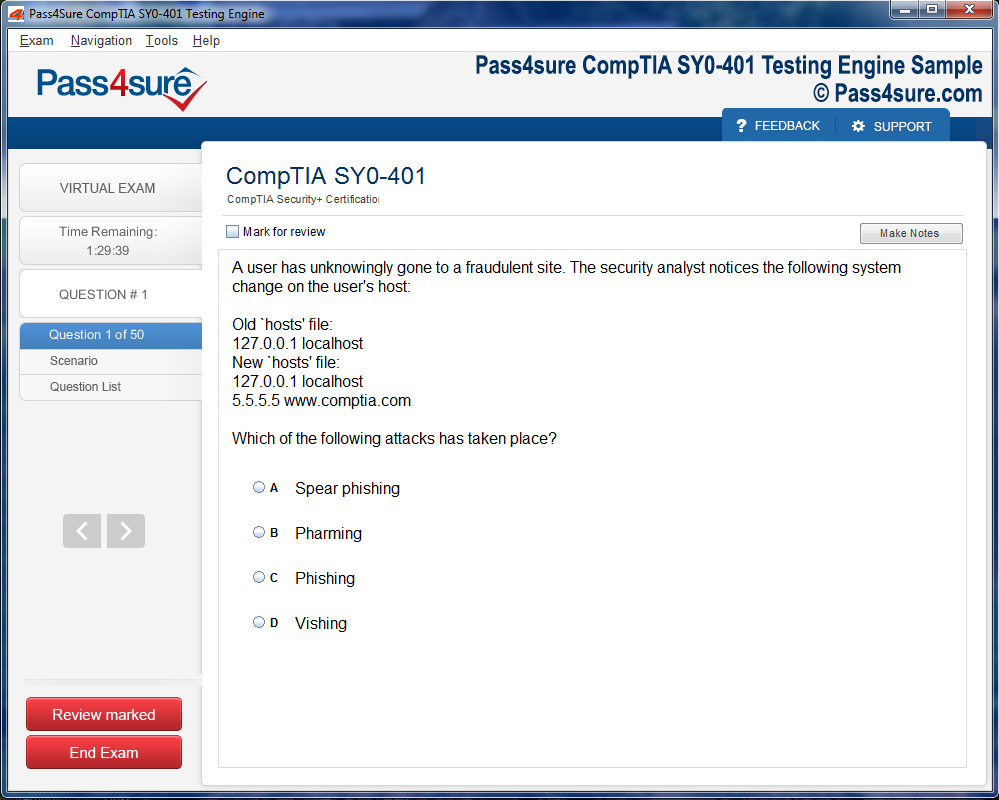
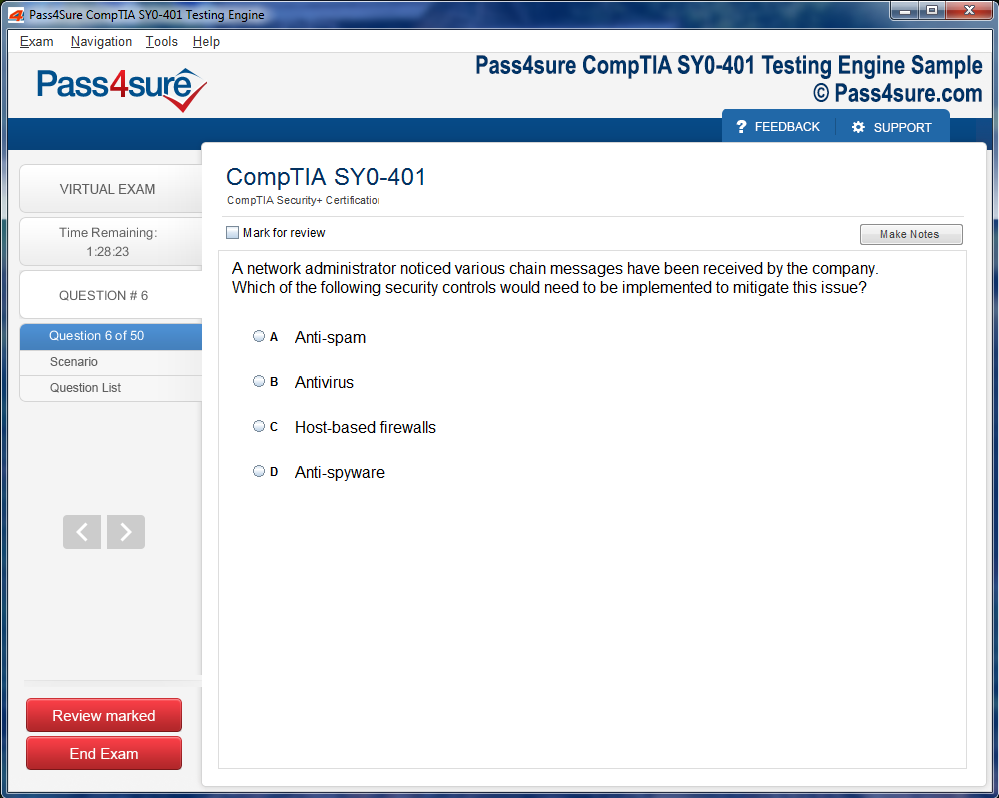
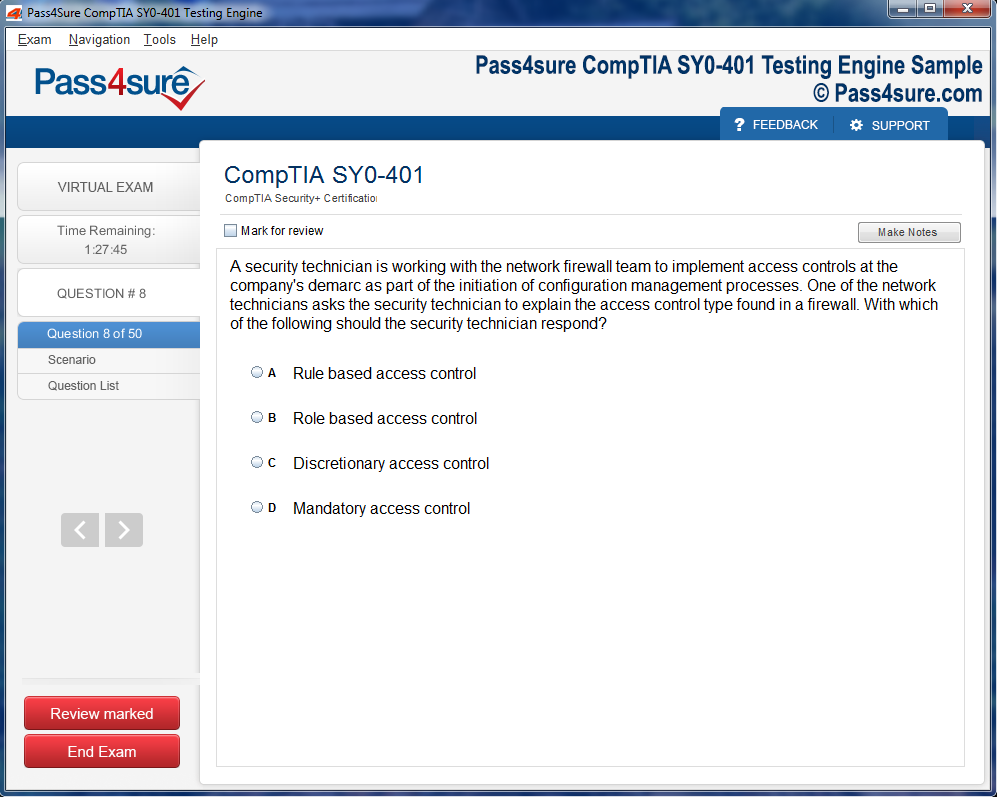
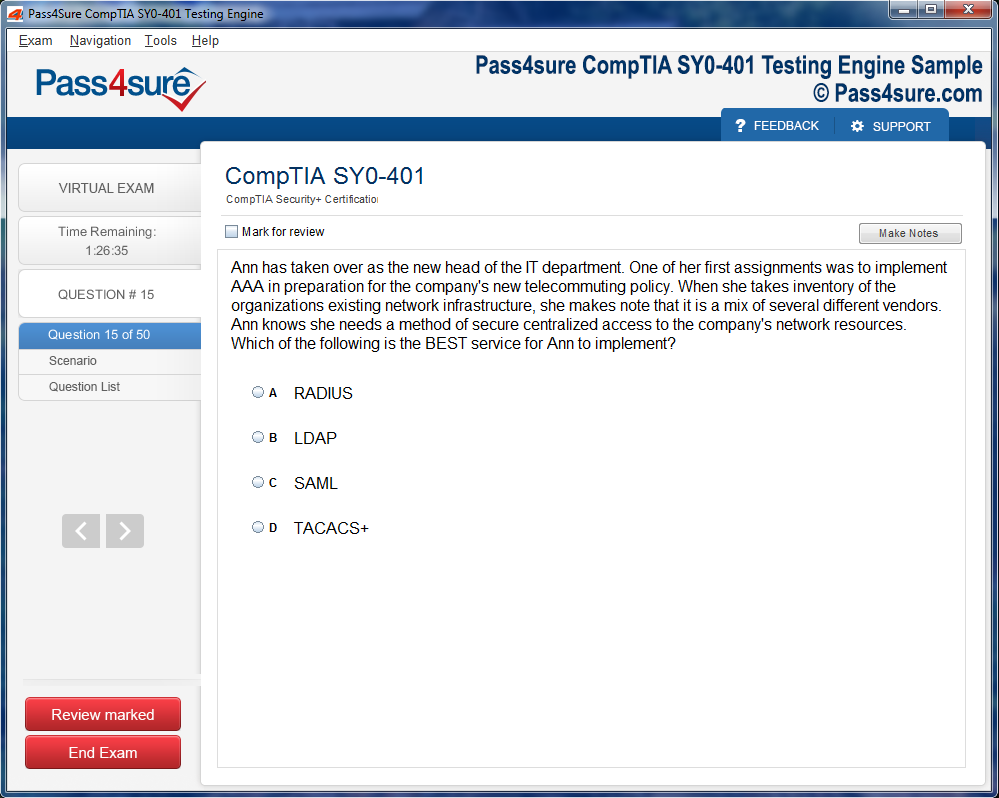
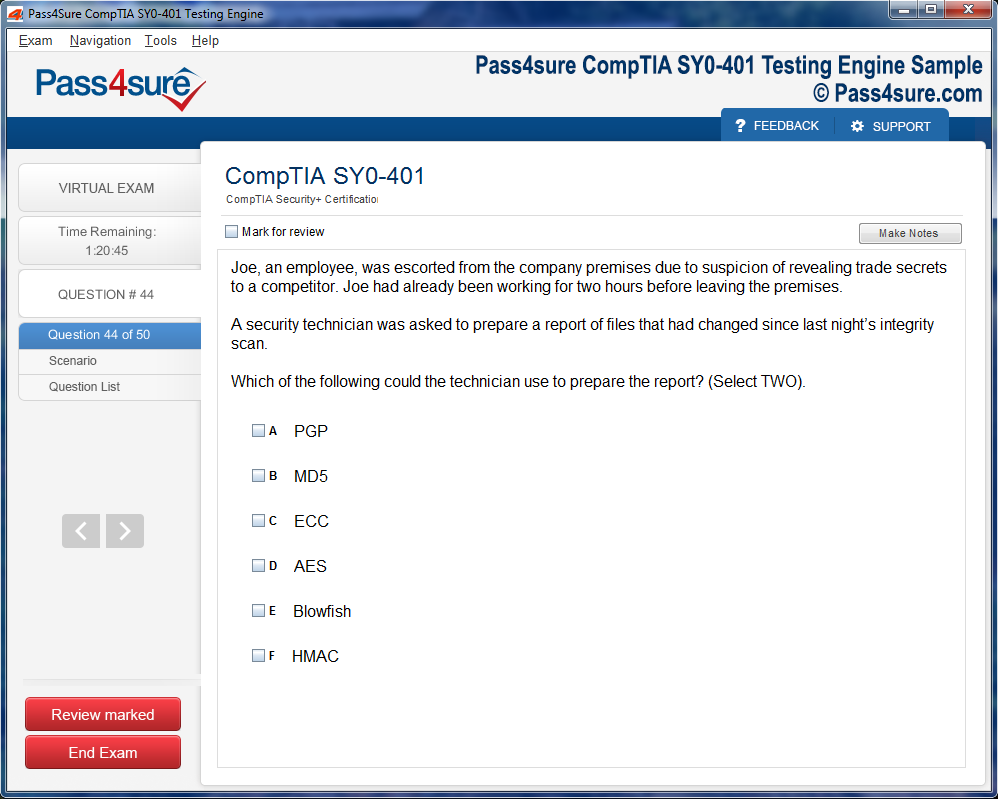
Product Screenshots

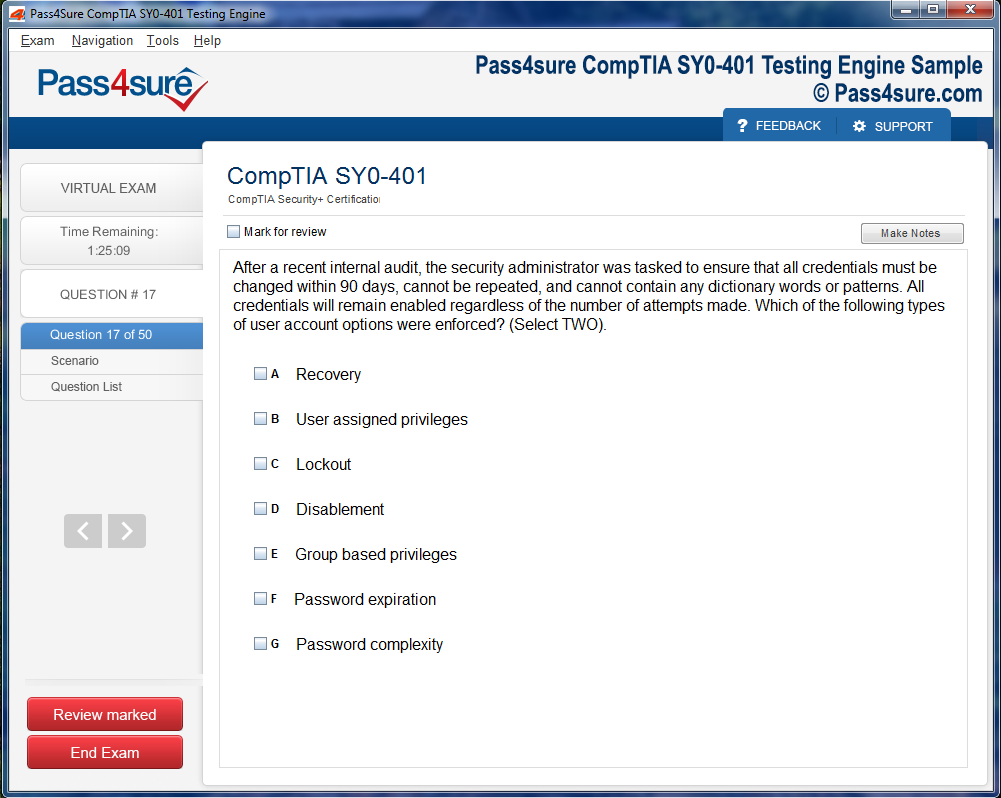
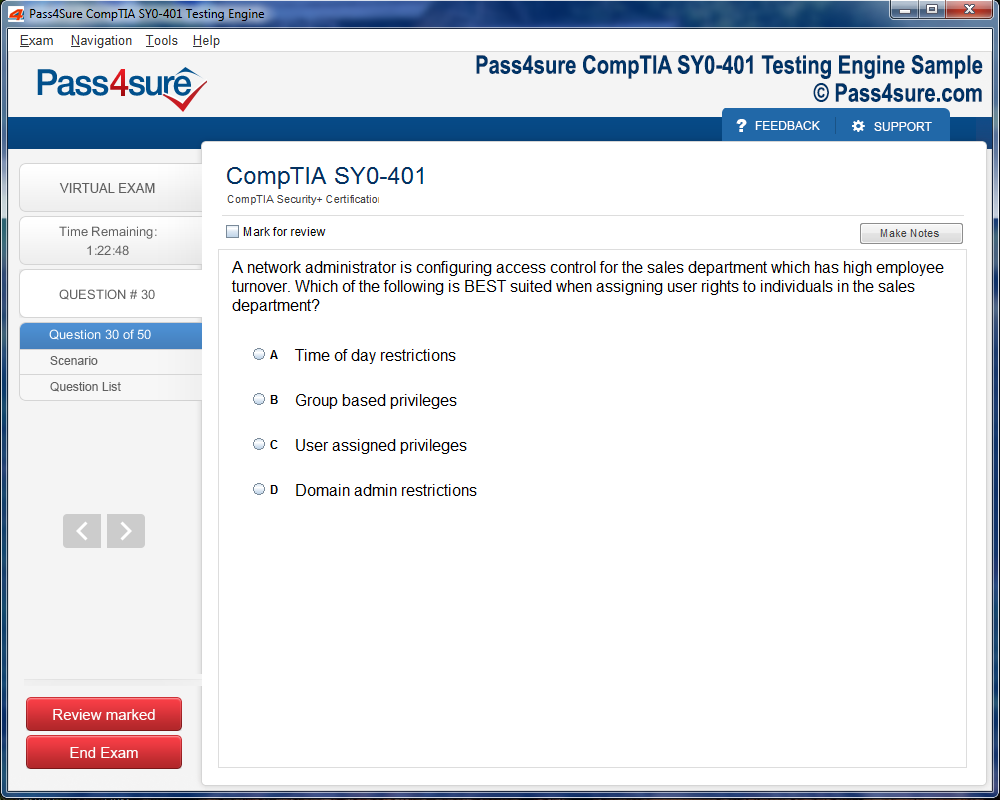
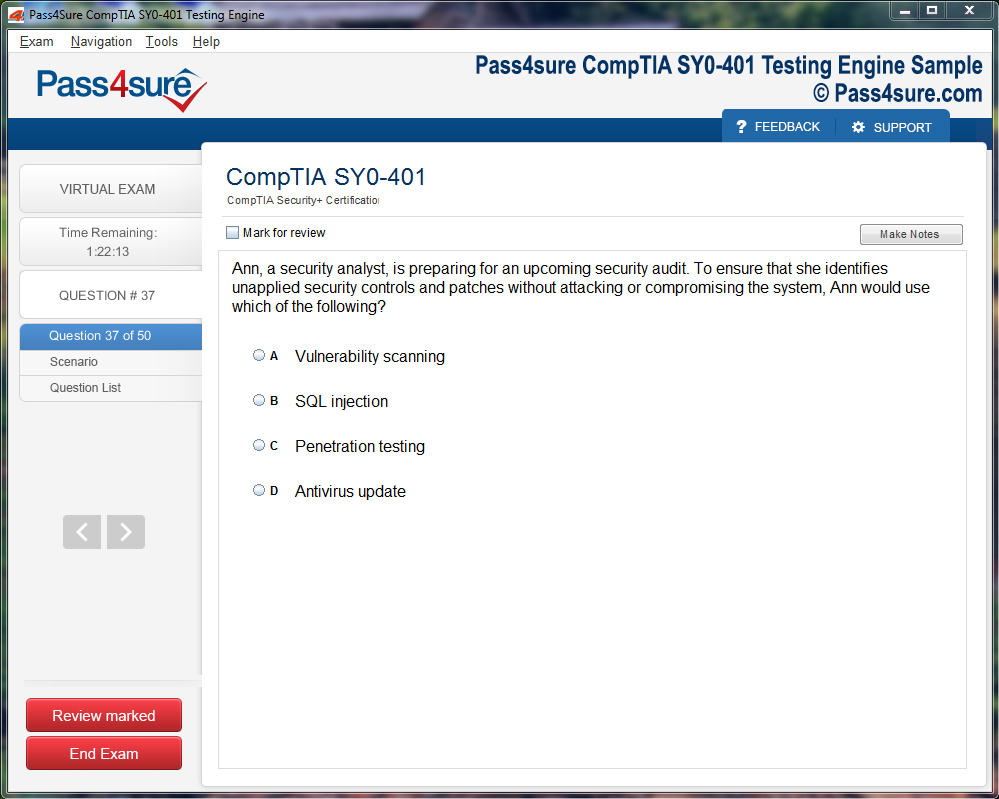
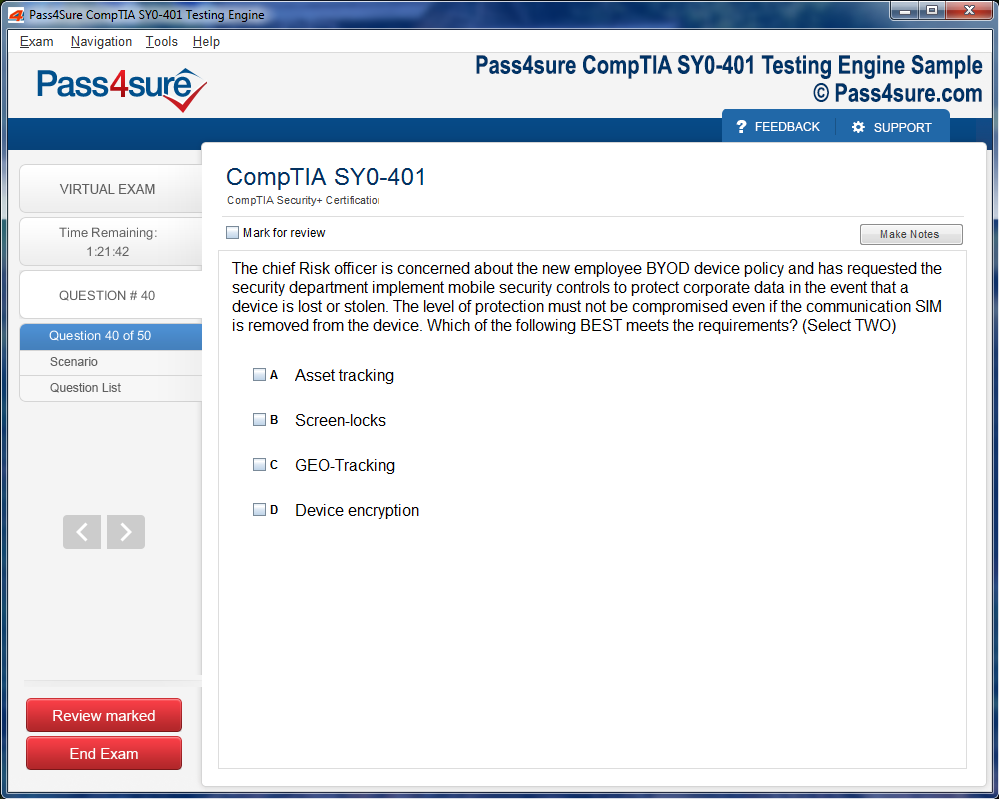
Frequently Asked Questions
How does your testing engine works?
Once download and installed on your PC, you can practise test questions, review your questions & answers using two different options 'practice exam' and 'virtual exam'. Virtual Exam - test yourself with exam questions with a time limit, as if you are taking exams in the Prometric or VUE testing centre. Practice exam - review exam questions one by one, see correct answers and explanations.
How can I get the products after purchase?
All products are available for download immediately from your Member's Area. Once you have made the payment, you will be transferred to Member's Area where you can login and download the products you have purchased to your computer.
How long can I use my product? Will it be valid forever?
Pass4sure products have a validity of 90 days from the date of purchase. This means that any updates to the products, including but not limited to new questions, or updates and changes by our editing team, will be automatically downloaded on to computer to make sure that you get latest exam prep materials during those 90 days.
Can I renew my product if when it's expired?
Yes, when the 90 days of your product validity are over, you have the option of renewing your expired products with a 30% discount. This can be done in your Member's Area.
Please note that you will not be able to use the product after it has expired if you don't renew it.
How often are the questions updated?
We always try to provide the latest pool of questions, Updates in the questions depend on the changes in actual pool of questions by different vendors. As soon as we know about the change in the exam question pool we try our best to update the products as fast as possible.
How many computers I can download Pass4sure software on?
You can download the Pass4sure products on the maximum number of 2 (two) computers or devices. If you need to use the software on more than two machines, you can purchase this option separately. Please email sales@pass4sure.com if you need to use more than 5 (five) computers.
What are the system requirements?
Minimum System Requirements:
- Windows XP or newer operating system
- Java Version 8 or newer
- 1+ GHz processor
- 1 GB Ram
- 50 MB available hard disk typically (products may vary)
What operating systems are supported by your Testing Engine software?
Our testing engine is supported by Windows. Andriod and IOS software is currently under development.
How EC-Council ECSS Certification Can Boost Your Cybersecurity Career
Cybersecurity has rapidly evolved into a domain of unparalleled importance, driving the need for competent professionals who can anticipate, analyze, and counter cyber threats. In a digital world where every organization is dependent on technology, safeguarding information has become more than a necessity—it is a strategic imperative. The EC-Council Certified Security Specialist (ECSS) certification emerges as a pivotal credential for individuals seeking to establish themselves in this dynamic arena. Designed to blend foundational knowledge with practical application, ECSS ensures learners develop skills that are both relevant and immediately usable in real-world scenarios.
Unlike advanced cybersecurity certifications that often intimidate newcomers, ECSS serves as an accessible gateway for beginners and professionals alike. By offering structured learning across key areas such as information security, network security, and computer forensics, the certification provides a comprehensive overview of essential concepts. This balance between theory and practice equips learners to navigate increasingly complex digital environments, bridging the gap between curiosity and competence. Organizations worldwide recognize EC-Council certifications for their rigor and relevance, adding significant weight to a professional profile.
The essence of ECSS lies in its ability to demystify cybersecurity. Many individuals approach this field with apprehension, overwhelmed by its technical depth and rapid evolution. ECSS breaks down these barriers, focusing on digestible modules that build understanding progressively. Through this approach, learners gain clarity about core security principles and practical methodologies, creating a foundation upon which more specialized knowledge can later be built.
Understanding the Core Domains of ECSS
The EC-Council Security Specialist certification revolves around three central domains: information security, network security, and computer forensics. Each domain is crucial for developing a holistic understanding of cybersecurity practices, ensuring that certified professionals can operate effectively in diverse scenarios.
Information security forms the bedrock of ECSS training. This domain introduces learners to concepts such as cryptography, access management, and security policy implementation. Cryptography, for instance, is not merely about encrypting data; it encompasses strategies for ensuring data integrity, authentication, and confidentiality. By mastering these principles, learners can identify vulnerabilities and implement safeguards that prevent unauthorized access. Access management emphasizes defining user permissions and roles, ensuring that sensitive information remains restricted to authorized personnel. Similarly, the development and enforcement of security policies ensure that organizations maintain a consistent and proactive approach to information protection.
Network security, the second domain, equips professionals with knowledge to defend digital communication channels. With networks forming the backbone of organizational operations, securing them is critical. ECSS introduces learners to firewalls, intrusion detection systems, and virtual private networks, highlighting how these tools function collectively to create a secure network environment. Understanding network topologies and potential vulnerabilities enables professionals to anticipate threats, respond to breaches, and maintain business continuity. This knowledge is increasingly vital as cybercriminals employ sophisticated techniques to exploit network weaknesses.
The third domain, computer forensics, focuses on the investigative aspects of cybersecurity. Professionals trained in computer forensics learn to preserve digital evidence, analyze breaches, and support legal and compliance requirements. This skill set is invaluable during incident response, enabling organizations to trace attacks, identify culprits, and implement corrective measures. Beyond technical investigation, computer forensics instills critical thinking and analytical capabilities, empowering professionals to interpret complex digital evidence accurately.
Practical Benefits of ECSS Certification
One of the most compelling aspects of the EC-Council Security Specialist certification is its practical applicability. Unlike theoretical courses that emphasize concepts without context, ECSS ensures learners acquire skills directly relevant to professional environments. This hands-on approach prepares individuals to tackle challenges ranging from configuring secure networks to responding to cybersecurity incidents efficiently.
Organizations highly value ECSS-certified professionals because the credential signals competence and readiness. In industries such as finance, healthcare, and technology, where data breaches can result in significant financial and reputational damage, having personnel who understand security fundamentals is critical. ECSS certification assures employers that candidates possess the ability to safeguard sensitive information, maintain network integrity, and support compliance initiatives. For professionals, this translates into enhanced employability, higher earning potential, and accelerated career progression.
ECSS also serves as a stepping stone to more advanced cybersecurity certifications. Individuals who begin with ECSS can later pursue credentials like Certified Ethical Hacker (CEH) or Certified Information Systems Security Professional (CISSP). This progression allows professionals to gradually deepen their expertise while building a robust and recognized portfolio. By structuring career development in this manner, ECSS provides a clear roadmap for both beginners and seasoned practitioners seeking advancement.
Exam Structure and Preparation Strategies
Successfully earning the ECSS certification requires a combination of theoretical understanding and practical proficiency. The exam is structured to evaluate knowledge across all three domains, featuring 50 multiple-choice questions to be completed within a two-hour timeframe. A passing score of 70% ensures that candidates demonstrate a solid grasp of essential concepts. Flexible exam options, including online testing and authorized test centers, accommodate diverse schedules and learning preferences.
Effective preparation involves a strategic approach. While EC-Council provides official training materials, additional resources such as practice exams, discussion forums, and supplementary reading can enhance comprehension and retention. Regular practice and scenario-based exercises help learners apply concepts in practical settings, reinforcing understanding and building confidence. By dedicating consistent effort and time to study, candidates can approach the exam with assurance, minimizing stress and maximizing performance.
Preparation is not only about passing an exam; it is about developing a skill set that translates into professional competence. Engaging with real-world simulations and case studies enhances problem-solving abilities, ensuring that knowledge acquired is functional and adaptable. This holistic approach to learning enables ECSS-certified professionals to make immediate contributions to their organizations, elevating their value and impact.
Confidence and Career Advancement
Achieving ECSS certification fosters confidence in aspiring cybersecurity professionals. Many individuals feel intimidated by the breadth of knowledge required in this field, but ECSS provides a structured learning path that gradually builds expertise. By starting with fundamental concepts and progressively advancing, learners gain clarity about where to focus their efforts. This methodical approach reduces overwhelm and encourages continuous development, which is essential in a field defined by constant technological evolution.
ECSS certification also enhances career prospects. In a competitive job market, credentials serve as tangible proof of skills, distinguishing candidates from peers. Certified professionals often gain access to higher-paying roles, management opportunities, and specialized projects that require trusted expertise. Salary potential increases significantly, with many ECSS holders earning competitive remuneration while positioning themselves for future growth. Beyond financial incentives, certification instills credibility and authority, empowering professionals to influence organizational strategies related to cybersecurity.
Additionally, ECSS provides flexibility in career development. Unlike extensive degree programs, it allows learners to study at their own pace while balancing other commitments. This accessibility ensures that a wide range of individuals, including students, working professionals, and career changers, can pursue cybersecurity expertise without sacrificing other responsibilities. By accommodating diverse learning needs, ECSS contributes to building a more inclusive and skilled cybersecurity workforce.
Financial and Strategic Value of ECSS
Investing in ECSS certification offers not only professional growth but also significant financial rewards. Industry trends indicate that certified cybersecurity professionals consistently outperform non-certified peers in terms of salary and career progression. By demonstrating verified competency, ECSS holders gain leverage in negotiations, positioning themselves for higher compensation and more influential roles. The certification can also facilitate transitions into leadership positions, where strategic decision-making and oversight of security operations become key responsibilities.
From an organizational perspective, employing ECSS-certified professionals strengthens cybersecurity posture. Skilled personnel reduce vulnerability exposure, enhance incident response capabilities, and ensure compliance with regulatory requirements. This dual benefit—personal advancement and organizational resilience—makes ECSS a valuable asset for both individuals and employers. The strategic advantage of having certified personnel underscores the relevance of ECSS in today’s threat-laden digital landscape.
The dynamic nature of cybersecurity ensures that professionals must remain adaptable and forward-thinking. ECSS equips learners with a foundation that can evolve alongside emerging technologies and threat vectors. By instilling a mindset of vigilance, problem-solving, and continuous improvement, the certification prepares individuals to navigate future challenges confidently. This long-term adaptability is crucial, as the digital ecosystem grows increasingly complex and interconnected.
Lifelong Learning and Skill Sustainability
ECSS emphasizes the importance of ongoing education and skill refinement. Cybersecurity is not static; techniques, threats, and technologies continually evolve, making lifelong learning essential. Certified professionals benefit from exposure to a broad spectrum of concepts, enabling them to pursue specialized knowledge areas as their careers advance. This proactive approach fosters professional resilience and ensures sustained relevance in a field defined by rapid change.
The certification also nurtures critical thinking and analytical skills, which are transferable across multiple disciplines. Beyond technical proficiency, ECSS encourages learners to approach problems methodically, evaluate risks, and implement effective solutions. These capabilities are invaluable in high-stakes environments, where informed decision-making can mitigate potential losses and safeguard organizational assets. By cultivating both technical and cognitive competencies, ECSS prepares professionals to excel in multifaceted roles within cybersecurity.
Finally, the certification experience fosters a community of learners and professionals. Engaging with peers, mentors, and industry forums expands networks, promotes knowledge sharing, and exposes individuals to diverse perspectives. This collaborative dimension reinforces learning, encourages innovation, and supports career growth. By participating in a vibrant professional ecosystem, ECSS-certified individuals gain insights that extend beyond textbooks, preparing them to contribute meaningfully to the evolving cybersecurity landscape.
Understanding the Essence of the EC-Council Security Specialist Exam
The EC-Council Security Specialist exam stands as a gatekeeper to an evolving world of cybersecurity. This assessment does not merely probe superficial knowledge but scrutinizes the depth of comprehension in information security, network integrity, and forensic investigation. Aspiring candidates must approach it with a mindset that transcends rote memorization. To truly excel, one must embrace conceptual clarity, analytical reasoning, and practical aptitude.
The exam evaluates one’s ability to navigate intricate security challenges, decode encrypted communications, and identify vulnerabilities within networks. Therefore, a superficial glance at study material is insufficient. Candidates need to internalize principles and comprehend interconnections between security protocols, cryptography, and threat mitigation strategies. This holistic understanding transforms theoretical knowledge into actionable intelligence.
Success hinges on a deliberate strategy rather than sporadic effort. Recognizing this, learners must adopt structured routines, integrate interactive learning techniques, and balance theoretical study with practical exercises. The EC-Council Security Specialist certification is not merely a credential; it is an affirmation of one’s proficiency in safeguarding digital landscapes and mitigating cyber risks.
Building a Consistent Study Habit
Consistency forms the backbone of effective preparation. Candidates often underestimate the power of regular, focused study sessions, but incremental progress compounds into substantial understanding over time. Establishing a daily or weekly study schedule enables learners to absorb complex topics without succumbing to cognitive fatigue.
Begin by segmenting the curriculum into manageable portions. Instead of attempting to master network security, cryptography, and forensic principles simultaneously, dedicate specific time blocks to each domain. This focused approach reduces overwhelm and fosters deeper comprehension.
Repetition is another critical element. Revisiting concepts periodically consolidates memory and ensures retention. For example, revisiting cryptographic algorithms after a few days reinforces understanding and reduces the likelihood of confusion under exam pressure. Using flashcards, concise notes, or mind maps further aids memorization while making review sessions engaging and interactive.
Moreover, creating a conducive study environment enhances concentration. Eliminate distractions, allocate quiet spaces, and adopt tools that support learning, such as digital organizers or timer apps. Over time, these routines cultivate discipline, enabling candidates to study efficiently even when under time constraints.
Leveraging Practice Exams for Mastery
Practice exams are indispensable for bridging the gap between knowledge and application. They offer a microcosm of the actual testing experience, familiarizing candidates with question formats, time constraints, and the cognitive pressure encountered during the real exam.
Engaging repeatedly with practice questions strengthens analytical thinking. It helps identify patterns, anticipate tricky scenarios, and highlight weak areas requiring additional attention. For instance, if questions related to network intrusion detection repeatedly present challenges, focused sessions on intrusion prevention systems can remediate deficiencies.
Another benefit of practice exams is time management. The EC-Council Security Specialist exam imposes strict time limits, and candidates who have rehearsed under timed conditions are better equipped to allocate attention across all sections efficiently. Over time, practice tests build confidence, reduce anxiety, and provide tangible markers of progress.
In addition, reviewing answers from practice exams is equally vital. Understanding why certain responses are correct and others incorrect deepens conceptual clarity. This reflective learning approach ensures that mistakes become stepping stones rather than setbacks.
Harnessing Peer Learning and Collaborative Study
Learning in isolation can often limit comprehension. Engaging with peers through study groups or online communities introduces an interactive dimension to preparation. These platforms facilitate knowledge exchange, allow collaborative problem-solving, and provide alternative perspectives on complex topics.
For example, dissecting digital forensics scenarios within a group encourages critical thinking. Participants can debate evidence interpretation, analyze potential vulnerabilities, and simulate investigative procedures. Similarly, cryptography concepts often become clearer when explained by a peer, as teaching reinforces the teacher’s understanding.
Collaborative learning also nurtures motivation and accountability. Sharing progress milestones, tackling challenging exercises together, and celebrating incremental achievements fosters a sense of community. This camaraderie mitigates the isolation often associated with exam preparation and transforms the process into an engaging, dynamic experience.
Integrating Hands-On Practical Experience
Theory alone cannot substitute practical proficiency. Hands-on experimentation equips candidates with the ability to translate abstract concepts into tangible skills. Even for foundational certifications like EC-Council Security Specialist, applying knowledge through real-world scenarios enhances retention and comprehension.
Setting up a small lab environment is an effective strategy. Candidates can experiment with firewall configurations, intrusion detection tools, or forensic software without risking production systems. This experiential approach illuminates the mechanics behind security principles, such as packet filtering, encryption processes, and malware analysis.
Simulating attacks and defenses in a controlled environment sharpens analytical thinking. Candidates learn to anticipate threats, evaluate system vulnerabilities, and implement mitigation strategies. These exercises bridge the gap between theory and practice, ensuring that learners are not merely memorizing concepts but internalizing their practical applications.
Additionally, hands-on experience fosters confidence. The ability to navigate security tools, troubleshoot configurations, and interpret forensic evidence underpins success in both the exam and professional cybersecurity roles.
Segmenting Study Material for Incremental Learning
Breaking down the vast body of knowledge into digestible segments prevents cognitive overload and encourages mastery. Attempting to absorb all topics at once can lead to frustration, shallow learning, and diminished retention. A structured, phased approach mitigates these risks.
For instance, candidates can allocate initial weeks to information security fundamentals, covering risk management, cryptography, and compliance policies. Subsequent weeks can focus on network security, examining firewalls, VPNs, and intrusion detection systems. The final phase could delve into computer forensics, exploring evidence collection, analysis techniques, and legal considerations.
This sequential approach encourages depth over breadth. Each domain is explored thoroughly before transitioning to the next, ensuring that knowledge builds cumulatively rather than superficially. Coupled with periodic review sessions, segmenting study material transforms preparation into an organized, stress-minimizing process.
Prioritizing Mental and Physical Well-Being
Preparation is not solely a cognitive endeavor; it demands physical and emotional resilience. Sustaining focus, processing complex concepts, and retaining information hinge on mental clarity and physical health. Neglecting well-being can undermine even the most disciplined study plan.
Adequate rest is foundational. Sleep consolidates memory, enhances problem-solving skills, and maintains cognitive agility. Likewise, proper nutrition fuels concentration, supports energy levels, and mitigates fatigue. Incorporating brief breaks, light exercise, or meditation during study sessions prevents burnout and enhances long-term productivity.
Stress management techniques are particularly relevant as exam day approaches. Visualization exercises, controlled breathing, or short mindfulness sessions can reduce anxiety and improve performance. Maintaining a balanced routine ensures that preparation is sustainable, effective, and conducive to peak cognitive function.
Unlocking Career Horizons with ECSS Certification
The digital age is a labyrinth of endless possibilities, and cybersecurity stands as the sentinel guarding its corridors. EC-Council Security Specialist (ECSS) certification is not merely a validation of knowledge; it is a gateway to an expansive spectrum of career opportunities. Professionals who hold this credential are equipped to navigate complex cyber terrains with dexterity and acumen. The cybersecurity industry is burgeoning, and organizations across the globe are seeking individuals who can safeguard their digital assets while maintaining operational fluidity.
ECSS certification amplifies employability in an era where technical prowess is paramount. Organizations prioritize candidates whose skills have been rigorously tested and validated. Holding this certification signals to employers that the individual possesses both theoretical knowledge and practical proficiency. ECSS-certified professionals can aspire to roles such as security analyst, IT security administrator, network security associate, and computer forensics technician. These positions often serve as foundational pillars, providing a springboard into advanced cybersecurity roles that require deeper analytical capabilities and strategic foresight.
The certification also functions as a beacon for professional growth, illuminating a path toward career advancement. Many IT professionals leverage ECSS as a stepping stone, gradually ascending toward more specialized and high-responsibility positions. In an industry characterized by rapid technological evolution, having a credential that is both current and relevant ensures that professionals remain competitive and visible in a crowded marketplace. The knowledge and confidence derived from ECSS training allow individuals to approach complex cybersecurity challenges with clarity, enhancing both personal and organizational performance.
Amplified Earning Potential for Certified Specialists
Financial incentives are among the tangible rewards of ECSS certification. Industry insights reveal that certified professionals often command salaries ranging from $75,000 to $100,000 annually, contingent upon factors such as experience, geographic location, and supplementary qualifications. Beyond base compensation, certification positions professionals for promotions, leadership roles, and specialized assignments that carry additional remuneration.
Certification not only augments monetary rewards but also fosters long-term career stability. In an increasingly competitive job market, having a recognized credential can differentiate a candidate, opening doors to exclusive positions that may not be accessible to non-certified individuals. Employers are willing to invest in professionals who demonstrate validated cybersecurity competencies because these individuals reduce organizational risk and enhance operational resilience.
Moreover, ECSS certification can act as a catalyst for negotiating improved employment terms. Whether seeking higher pay, flexible work arrangements, or leadership responsibilities, certified professionals wield a demonstrable advantage. The investment in certification often yields a compounding return, offering both immediate and long-term benefits that extend beyond financial metrics.
Pathways to Advanced Certifications and Specializations
ECSS certification is not the terminus of a professional journey; it is a foundational milestone that facilitates access to advanced credentials. Professionals frequently utilize ECSS as a launchpad toward certifications such as Certified Ethical Hacker (CEH) or Certified Information Systems Security Professional (CISSP). These advanced credentials open doors to specialized and strategic roles within the cybersecurity ecosystem.
For instance, pursuing CEH certification can lead to positions in penetration testing, vulnerability assessment, and ethical hacking consultancy. CISSP, on the other hand, positions professionals for leadership roles encompassing cybersecurity strategy, policy development, and risk management. By following a structured certification pathway, ECSS holders can methodically ascend toward senior-level positions, each step reinforcing expertise and credibility.
Additionally, continuous professional development is an intrinsic part of the cybersecurity domain. Technology evolves at a relentless pace, and certified professionals must remain vigilant to emerging threats and innovative defense mechanisms. ECSS lays the groundwork for lifelong learning, equipping individuals with a mindset geared toward curiosity, adaptability, and strategic thinking. This foundation ensures that professionals remain relevant, resilient, and prepared for future challenges.
Global Recognition and Professional Versatility
One of the distinctive advantages of ECSS certification is its international recognition. Organizations worldwide acknowledge the credential, making it a versatile addition to a professional portfolio. Whether an individual aspires to work domestically or pursue opportunities abroad, ECSS certification signals competence, reliability, and a commitment to cybersecurity excellence.
This global acceptance enhances mobility, allowing professionals to explore diverse industries, cultural contexts, and technological environments. From multinational corporations to governmental agencies, the credential is a testament to both skill and dedication. Professionals who carry ECSS certification are often perceived as assets capable of navigating complex security landscapes, contributing to organizational resilience, and fostering trust among stakeholders.
Furthermore, global recognition cultivates professional confidence. Knowing that one’s skills are acknowledged and respected across borders instills a sense of pride and motivation. This confidence translates into proactive problem-solving, innovative thinking, and a willingness to embrace challenging assignments. The credential, therefore, is not only a career enhancer but also a catalyst for personal growth and professional empowerment.
Enhancement of Soft Skills and Cognitive Acumen
While technical proficiency is the cornerstone of cybersecurity, soft skills are equally pivotal for career success. ECSS certification fosters the development of problem-solving abilities, analytical thinking, and meticulous attention to detail. These traits are indispensable when addressing multifaceted cybersecurity issues that require both strategic insight and operational precision.
Professionals trained under ECSS guidelines develop the capacity to analyze complex situations, anticipate potential threats, and implement preventive measures effectively. They become adept at incident response, threat mitigation, and system recovery, demonstrating a holistic understanding of cybersecurity operations. In addition, ECSS training encourages critical thinking, collaboration, and communication skills, enabling professionals to articulate technical concepts to non-technical stakeholders with clarity and confidence.
The cultivation of soft skills enhances employability, promotes leadership potential, and fosters a collaborative work environment. Organizations value professionals who can integrate technical knowledge with interpersonal dexterity, creating teams that are both competent and cohesive. By bridging the gap between technical expertise and human interaction, ECSS-certified individuals occupy a unique position of influence and responsibility within their organizations.
Organizational Impact and Strategic Value
ECSS-certified professionals deliver substantial value to the organizations that employ them. They play a crucial role in preventing cyberattacks, maintaining regulatory compliance, and ensuring operational resilience. In sectors where data integrity is paramount, such as healthcare, finance, and government, the expertise of certified specialists is indispensable.
Employers recognize that investing in certified personnel mitigates risk, reduces potential losses, and fortifies the organization against evolving threats. ECSS-trained professionals bring structured methodologies, best practices, and practical experience to their roles, enhancing security protocols and incident response capabilities. Their presence contributes to a culture of vigilance, accountability, and continuous improvement.
Moreover, certified professionals often act as catalysts for organizational innovation. Their exposure to emerging technologies, threat landscapes, and strategic frameworks allows them to propose novel solutions and optimize existing systems. By integrating security considerations into broader operational strategies, ECSS holders elevate organizational performance, ensuring both stability and growth in an increasingly digital world.
Networking Opportunities and Community Engagement
Beyond technical training and professional recognition, ECSS certification provides access to a vibrant community of cybersecurity practitioners. EC-Council maintains an active network of certified professionals, offering platforms for mentorship, knowledge sharing, and collaborative problem-solving. Engaging with this community exposes ECSS holders to industry trends, innovative practices, and emerging technologies, ensuring that their skills remain current and relevant.
Networking within the ECSS community fosters professional relationships that can translate into career opportunities, collaborative projects, and guidance from experienced mentors. Knowledge exchange within this ecosystem promotes continuous learning, providing insights into best practices, case studies, and real-world challenges.
Active participation in this network not only enhances technical expertise but also cultivates leadership qualities and a sense of professional identity. By contributing to forums, attending workshops, and engaging with peers, ECSS-certified professionals become integral members of a global cybersecurity community, sharing knowledge and driving collective progress.
The EC-Council Security Specialist (ECSS) certification is more than just an academic achievement. Its true essence lies in the practical value it brings to professionals and organizations alike. Beyond passing an exam, ECSS equips individuals with actionable knowledge that directly addresses security challenges in everyday operations. This knowledge transforms how professionals perceive, approach, and resolve cybersecurity risks.
In modern workplaces, security is not optional—it is a foundational requirement. The principles taught in ECSS allow individuals to anticipate vulnerabilities, safeguard sensitive information, and prevent incidents that could disrupt organizational activities. Professionals with ECSS certification are trained to think proactively, spotting weaknesses before malicious actors exploit them. This forward-thinking approach strengthens organizational defenses and builds a culture of trust among clients, partners, and internal teams.
Practical Applications in Organizational Security
ECSS certification provides a toolkit for professionals to manage security in practical, real-world scenarios. One of the most significant benefits lies in understanding information security principles. Knowledge of access control mechanisms, encryption strategies, and risk assessment techniques empowers certified specialists to create fortified digital environments. Such measures reduce the probability of breaches, ensuring that critical data remains confidential and intact.
In daily operations, ECSS-certified professionals are adept at designing policies and procedures that enhance security posture. From controlling user permissions to implementing multifactor authentication, these steps act as the first line of defense against potential threats. The ability to foresee risks and implement mitigation strategies separates certified specialists from general IT personnel, making them invaluable assets for any organization seeking to strengthen its cybersecurity infrastructure.
Mastering Network Security Through ECSS
Network security remains a cornerstone of cybersecurity, and ECSS certification equips professionals with the expertise needed to protect complex systems. Configuring firewalls, monitoring network traffic, and installing intrusion detection systems are critical responsibilities that ECSS-trained professionals can execute effectively. These skills ensure that unauthorized access is prevented and that anomalies are identified promptly.
A robust understanding of network security allows certified specialists to maintain the integrity and availability of essential services. Organizations can rely on these professionals to detect irregularities before they escalate into full-scale incidents. The ability to respond quickly to network threats not only preserves operational continuity but also minimizes financial and reputational damage. In a world where cyber threats are increasingly sophisticated, the ability to secure network infrastructure is an indispensable skillset.
Advancing Computer Forensics Capabilities
Another crucial domain enhanced by ECSS certification is computer forensics. Professionals gain the knowledge to preserve digital evidence accurately, investigate breaches, and support both legal and regulatory processes. In cyber incidents, this expertise proves invaluable for reconstructing events, identifying perpetrators, and implementing preventive measures.
Certified specialists can analyze systems, trace unauthorized activities, and document findings meticulously, ensuring that organizations meet compliance requirements. By integrating forensic skills with other cybersecurity measures, ECSS-certified professionals offer a comprehensive approach to threat management. This combination of technical prowess and investigative insight makes them critical in both prevention and post-incident response scenarios, reinforcing the overall security ecosystem of an organization.
Fostering a Security-First Mindset
Beyond technical abilities, ECSS certification cultivates a vigilant and methodical mindset. Professionals trained under ECSS guidelines develop heightened awareness of potential threats and learn to approach problems systematically. This mindset extends beyond day-to-day tasks into policy creation, system audits, and team oversight, ensuring that security is prioritized across all organizational levels.
Being detail-oriented and cautious does not only benefit system management—it shapes professional behavior. ECSS-certified individuals tend to anticipate challenges, mitigate risks proactively, and foster a culture of accountability within their teams. Such habits not only reduce security incidents but also contribute to a more disciplined and resilient organizational environment. In an era of growing cyber threats, the ability to maintain constant vigilance is an invaluable trait.
Long-Term Career Benefits and Growth Trajectories
ECSS certification is not just a credential; it is a gateway to long-term professional development. Cybersecurity is an ever-evolving field, and individuals who hold ECSS certification possess the foundational knowledge to adapt to new technologies, threats, and regulatory changes. Continuous learning becomes easier, and career advancement opportunities expand significantly.
Professionals often move from foundational roles to specialized positions, such as ethical hacking, security management, or advanced forensics. With each step, responsibilities grow, alongside earning potential and professional influence. ECSS certification acts as a launchpad for this progression, providing credibility and competence that employers value highly. Over time, these professionals can assume leadership roles, guiding teams in implementing robust security frameworks and mentoring the next generation of cybersecurity experts.
Organizational Impact and Strategic Advantage
Employing ECSS-certified professionals delivers tangible benefits for organizations. Risk reduction is an immediate advantage, as certified individuals are equipped to anticipate, detect, and neutralize threats before they escalate. Additionally, having certified staff enhances organizational credibility. Clients, partners, and regulators recognize the importance of verified expertise in safeguarding sensitive data, which can influence business growth, partnership opportunities, and compliance outcomes.
ECSS-certified professionals also contribute strategically. Their insights inform policy creation, system improvements, and long-term planning. Organizations gain a competitive edge by having personnel who can integrate security measures seamlessly into operations, ensuring resilience in a digitally driven marketplace. In essence, ECSS certification creates a symbiotic relationship: professionals gain skills and growth opportunities, while organizations benefit from strengthened defenses and enhanced trustworthiness.
Understanding the EC-Council Security Specialist Certification
Embarking on the journey toward the EC-Council Security Specialist certification is like exploring a vast landscape of digital knowledge. This certification evaluates both theoretical understanding and practical application, making it crucial for anyone aiming to excel in cybersecurity. Unlike other exams that focus on memorization, the ECSS encourages candidates to think critically, solve problems, and apply principles to real-world situations. It creates a foundation for advanced skills in information protection, network security, and digital forensics.
The certification is suitable for beginners and professionals alike. It introduces multiple domains without overwhelming learners, helping them develop a versatile skill set. Through ECSS, candidates gain knowledge in protecting data, securing networks, and investigating cyber incidents, which are essential in today’s technology-driven world.
The ECSS Exam Format and Structure
The ECSS exam consists of 50 multiple-choice questions and lasts for two hours. It is designed to test three primary domains: information security, network security, and computer forensics. Candidates must score at least 70 percent to pass. The exam is accessible through online proctoring or authorized testing centers, allowing learners worldwide to take it conveniently.
Questions often present real-world scenarios, requiring candidates to analyze situations and apply concepts rather than relying on rote memorization. For example, a question may involve a simulated network breach, where the candidate must identify vulnerabilities and propose solutions. This approach ensures that certified professionals are prepared for practical challenges in their careers.
Information Security: The Bedrock of Cyber Defense
Information security is a core domain of the ECSS syllabus. It covers fundamental principles for protecting digital data, systems, and organizational assets. Cryptography is a key topic, teaching how to encrypt and decrypt information to maintain confidentiality and integrity. Candidates also learn risk management, which involves identifying potential vulnerabilities, assessing threats, and implementing strategies to reduce risks.
Security policies and frameworks, both technical and organizational, guide the secure management of information. Physical security is another focus area, ensuring that systems and data are protected from unauthorized access or damage. By mastering information security, learners gain the ability to anticipate risks and develop proactive measures to safeguard digital assets.
Network Security: Safeguarding Digital Pathways
Network security focuses on protecting communication networks and infrastructure. Candidates learn to use firewalls, intrusion detection systems, and intrusion prevention systems to monitor and secure network traffic. Secure network design, including segmentation and access control, helps reduce vulnerabilities and prevent unauthorized access.
Understanding network protocols and their weaknesses is essential for effective defense. Professionals also learn to conduct vulnerability assessments, configure secure communication channels, and respond to potential threats. Network security emphasizes both technical expertise and strategic planning, enabling candidates to defend systems against evolving cyber threats.
Computer Forensics: Investigating Digital Footprints
Computer forensics teaches how to investigate cyber incidents and preserve digital evidence. Candidates learn to use specialized tools for collecting and analyzing data, ensuring evidence remains intact and legally admissible. Incident response strategies are covered, including containment, mitigation, and recovery.
Legal and regulatory knowledge is also important, as mishandling evidence can compromise investigations. Computer forensics trains learners to think like detectives, identifying anomalies, tracing malicious activity, and reconstructing events from digital clues. Mastery of this domain prepares professionals to respond to security incidents effectively and contribute to organizational resilience.
Effective Strategies for Exam Preparation
Preparing for the ECSS exam requires a structured approach. Using official EC-Council study materials ensures alignment with exam objectives. Practice exams help familiarize candidates with question formats and improve time management. Participating in study groups or online communities provides additional support, allowing learners to discuss concepts and share strategies.
Incremental learning is recommended. Starting with basic concepts and gradually progressing to advanced topics helps retain knowledge and build confidence. Hands-on practice, such as configuring firewalls, performing vulnerability assessments, and conducting mock forensic investigations, bridges the gap between theory and practical application.
Integrating Practical Application with Conceptual Understanding
The ECSS certification emphasizes the combination of theory and practice. Many questions simulate real-world situations, requiring candidates to apply knowledge contextually. Consistent study routines, daily or weekly, reinforce understanding over time. Practical exercises, including network configuration and forensic simulations, enhance problem-solving skills and prepare learners for professional challenges.
By integrating conceptual learning with hands-on experience, candidates develop a versatile skill set that is valued in cybersecurity careers. This approach cultivates adaptability, critical thinking, and resilience, which are essential traits for handling evolving threats and complex security incidents.
The Holistic Approach of ECSS Certification
The ECSS program introduces learners to multiple cybersecurity domains in a balanced and accessible way. It highlights essential skills while encouraging exploration of more advanced topics. Candidates gain a well-rounded understanding of information security, network protection, and forensic investigation.
Through diligent study, practice, and real-world scenario exercises, candidates build a strong foundation for future cybersecurity roles. The knowledge and skills obtained through ECSS extend beyond the exam, fostering a mindset of vigilance, problem-solving, and adaptability. Certified professionals emerge with the confidence to face diverse cybersecurity challenges in professional settings.
In today’s digitally-driven world, cybersecurity is no longer a niche profession—it is a critical necessity. Organizations across industries face constant threats from hackers, malware, and other cyber risks, making the demand for skilled cybersecurity professionals higher than ever. The EC-Council Security Specialist (ECSS) certification is designed to equip individuals with foundational cybersecurity skills, preparing them to safeguard information systems and respond to emerging threats. Beyond technical knowledge, ECSS certification serves as a gateway to career growth, offering professionals the confidence and credibility needed in an increasingly competitive industry.
Enhanced Career Opportunities
One of the most immediate benefits of ECSS certification is the enhancement of career opportunities. In the modern job market, employers actively seek candidates who can demonstrate verified cybersecurity expertise. ECSS-certified professionals are qualified for roles such as security analyst, IT security administrator, network security associate, and computer forensics technician. These positions often serve as stepping stones toward more advanced roles in cybersecurity, such as penetration tester, ethical hacker, or cybersecurity manager.
The certification signals to employers that an individual possesses both theoretical understanding and practical experience. This combination is highly valued because it indicates readiness to handle real-world security challenges. Professionals with ECSS certification are more likely to stand out in recruitment processes, making it easier to secure positions in organizations where digital security is a top priority.
Increased Earning Potential
Another significant advantage of ECSS certification is its impact on earning potential. Cybersecurity professionals with recognized certifications typically earn higher salaries compared to their non-certified counterparts. Industry research indicates that ECSS-certified individuals can expect annual salaries ranging from $70,000 to $100,000, depending on experience, location, and additional credentials.
Certification can also accelerate promotions and career progression. Employers are often willing to offer raises and higher-level responsibilities to professionals who have validated their skills. In addition, the expertise gained through ECSS training allows individuals to handle more complex security tasks, which further justifies higher compensation. By investing in certification, professionals position themselves for financial growth while simultaneously increasing their career stability.
Foundation for Advanced Certifications
ECSS certification is not just a standalone credential; it serves as a foundational step toward advanced cybersecurity certifications. Many professionals use ECSS as a springboard to pursue credentials such as Certified Ethical Hacker (CEH) or Certified Information Systems Security Professional (CISSP). These higher-level certifications open doors to specialized roles, including penetration testing, cybersecurity consulting, and strategic security management.
By establishing a solid understanding of core cybersecurity concepts, ECSS prepares individuals for more complex topics in advanced certifications. Professionals who follow this structured certification path can gradually move into senior-level roles, demonstrating both technical expertise and professional growth. This pathway ensures continuous learning, allowing individuals to remain competitive in a field that evolves rapidly.
Practical Skills for Real-World Challenges
ECSS certification emphasizes practical, hands-on skills that are directly applicable to real-world cybersecurity challenges. Through its training and examinations, professionals learn to identify vulnerabilities, implement security measures, monitor networks, and respond effectively to security incidents. These skills are invaluable for organizations that need employees who can prevent breaches and mitigate potential risks.
Beyond technical abilities, ECSS also helps develop problem-solving, analytical thinking, and attention to detail. Professionals trained under this program can evaluate complex situations, anticipate potential threats, and implement preventive measures. These cognitive skills enhance overall job performance and make certified individuals more effective contributors to organizational security efforts.
Organizational Impact and Value
ECSS-certified professionals provide significant value to the organizations they serve. By ensuring that systems are secure, they reduce the risk of data breaches, financial loss, and reputational damage. In sectors such as healthcare, finance, and government, where data security is critical, having certified personnel is particularly important. These professionals act as the first line of defense, proactively identifying vulnerabilities before they can be exploited. Their role extends beyond technical implementation to shaping organizational policies and guiding strategic decision-making around cybersecurity investments.
Employers recognize that investing in skilled cybersecurity professionals is not just a precaution—it is a strategic advantage. ECSS-certified individuals help maintain compliance with regulatory standards, strengthen operational resilience, and create a culture of security awareness. Their expertise supports both preventive measures and incident response, allowing organizations to operate confidently in a digital environment. For instance, when a new software system is introduced, ECSS professionals can conduct risk assessments and implement safeguards to prevent potential breaches, ensuring smooth adoption without compromising security.
The organizational benefits extend further to cost mitigation. Cyberattacks can lead to multi-million-dollar losses through data theft, service disruption, or legal penalties. By employing ECSS-certified staff, companies minimize the likelihood and impact of such incidents. This proactive approach reduces downtime, maintains customer trust, and protects shareholder value. In essence, the certification translates into tangible financial advantages by lowering the probability of costly security failures.
Moreover, ECSS-certified professionals foster a culture of security mindfulness. They educate staff about best practices, phishing threats, and safe handling of sensitive data, making every employee a participant in maintaining cybersecurity. This cultural shift enhances organizational resilience, ensuring that security is embedded in everyday operations rather than treated as an afterthought.
In dynamic industries where cyber threats evolve rapidly, the continuous learning ethos of ECSS-certified professionals is crucial. Their up-to-date knowledge of emerging threats, malware trends, and network vulnerabilities allows organizations to stay ahead of cybercriminals. This forward-looking perspective not only protects current assets but also positions the organization to confidently adopt new technologies, such as cloud platforms or Internet of Things (IoT) devices, without compromising security integrity.
Finally, the presence of ECSS-certified professionals reinforces stakeholder confidence. Clients, partners, and regulators are assured that the organization takes cybersecurity seriously. This credibility enhances market reputation, strengthens partnerships, and opens avenues for business growth in sectors where security compliance is a prerequisite. Organizations with certified experts can navigate audits seamlessly, respond to incidents efficiently, and make informed decisions regarding security investments, ultimately converting cybersecurity into a strategic organizational asset.
Global Recognition and Professional Credibility
One of the distinguishing features of ECSS certification is its global recognition. The credential is acknowledged worldwide, making it a versatile asset for professionals who wish to explore opportunities in different regions or industries. Whether seeking local employment or international roles, ECSS certification demonstrates competence, reliability, and a commitment to cybersecurity excellence.
This recognition also boosts professional credibility. Employers and peers are more likely to trust the expertise of certified individuals, enhancing both workplace reputation and career prospects. By holding a credential that is respected across borders, professionals gain confidence in their skills and can approach complex challenges with authority.
Networking and Community Engagement
Beyond personal and professional advancement, ECSS certification opens doors to a global community of cybersecurity practitioners. EC-Council maintains an active network where certified professionals can share knowledge, seek mentorship, and discuss emerging trends. Engaging with this community provides valuable exposure to industry developments, best practices, and innovative security strategies.
Networking within this ecosystem can lead to collaboration opportunities, guidance from experienced mentors, and even career advancements. Active participation allows professionals to stay informed, refine their skills, and contribute to collective growth within the cybersecurity field. This community aspect ensures that ECSS holders are not only technically proficient but also connected to a broader professional ecosystem.
EC-Council ECSS certification is more than a credential—it is a catalyst for career growth, financial advancement, and professional credibility. By providing foundational cybersecurity knowledge, practical skills, and global recognition, ECSS prepares professionals to navigate the complexities of digital security with confidence. Certified individuals gain access to enhanced career opportunities, higher earning potential, advanced certifications, and valuable professional networks.
In an industry where technology evolves rapidly and threats are constantly emerging, ECSS equips professionals to remain competitive, competent, and confident. For those seeking a fulfilling and dynamic career in cybersecurity, EC-Council ECSS certification is an essential step toward success.
Conclusion
In today’s digital era, cybersecurity is not just a technical necessity—it is a strategic imperative. Organizations worldwide are grappling with increasingly sophisticated cyber threats, creating an urgent demand for skilled professionals who can safeguard critical information. The EC-Council Certified Security Specialist certification provides a unique gateway for individuals to step confidently into this high-demand field.
From foundational knowledge in information security, network security, and computer forensics to practical skills applicable in real-world scenarios, ECSS equips learners with a comprehensive toolkit. By preparing for and passing the ECSS exam, professionals validate their capabilities, demonstrate reliability to employers, and set themselves apart in a competitive job market. The certification is particularly valuable for beginners seeking a structured introduction to cybersecurity, yet it also serves as a stepping stone toward advanced credentials like CEH or CISSP for those aiming at long-term career growth.
The benefits of ECSS extend beyond technical knowledge. Certified professionals enjoy increased employability, promising salary prospects, and access to a global professional community. They gain the confidence, analytical skills, and problem-solving abilities needed to thrive in dynamic and high-pressure environments. Furthermore, ECSS fosters a security mindset that enables individuals to anticipate risks, implement effective safeguards, and respond to incidents with competence and efficiency.
In essence, the EC-Council Security Specialist certification is more than a credential; it is a strategic investment in your professional future. By acquiring this certification, individuals position themselves for a rewarding career in cybersecurity, with opportunities for advancement, specialization, and long-term success. Whether you are taking your first steps into the field or seeking to validate and enhance your expertise, ECSS provides a strong foundation and opens doors to a world of possibilities in the ever-evolving landscape of cybersecurity.
Top ECCouncil Exams
- 312-50v13 - Certified Ethical Hacker v13
- 212-89 - EC-Council Certified Incident Handler
- 312-39v2 - Certified SOC Analyst (CSA) v2
- 312-49v11 - Computer Hacking Forensic Investigator
- 312-38 - Certified Network Defender
- 312-85 - Certified Threat Intelligence Analyst
- 712-50 - EC-Council Certified CISO
- 312-50v12 - Certified Ethical Hacker v12 Exam
- ICS-SCADA - ICS-SCADA Cyber Security
- 312-50 - CEH Certified Ethical Hacker (312-50v9)
- 312-40v2 - Certified Cloud Security Engineer (CCSE) v2
- 312-39 - Certified SOC Analyst
- 212-82 - Certified Cybersecurity Technician
- 312-97 - Certified DevSecOps Engineer (ECDE)
- 312-49 - Computer Hacking Forensic Investigator
- 312-49v10 - Computer Hacking Forensic Investigator
- 312-96 - Certified Application Security Engineer (CASE) - JAVA
- 312-40 - Certified Cloud Security Engineer
- 312-76v3 - EC-Council Disaster Recovery Professional