

Exam Code: ECSAv10
Exam Name: EC-Council Certified Security Analyst
Certification Provider: ECCouncil
Corresponding Certification: ECSA
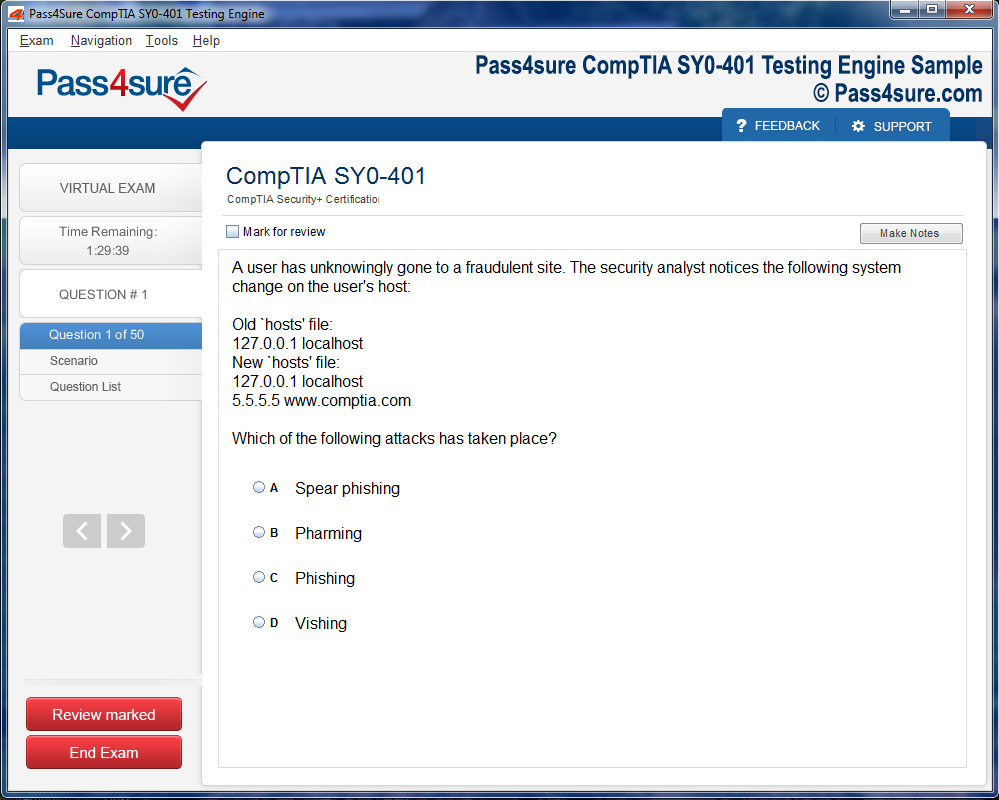
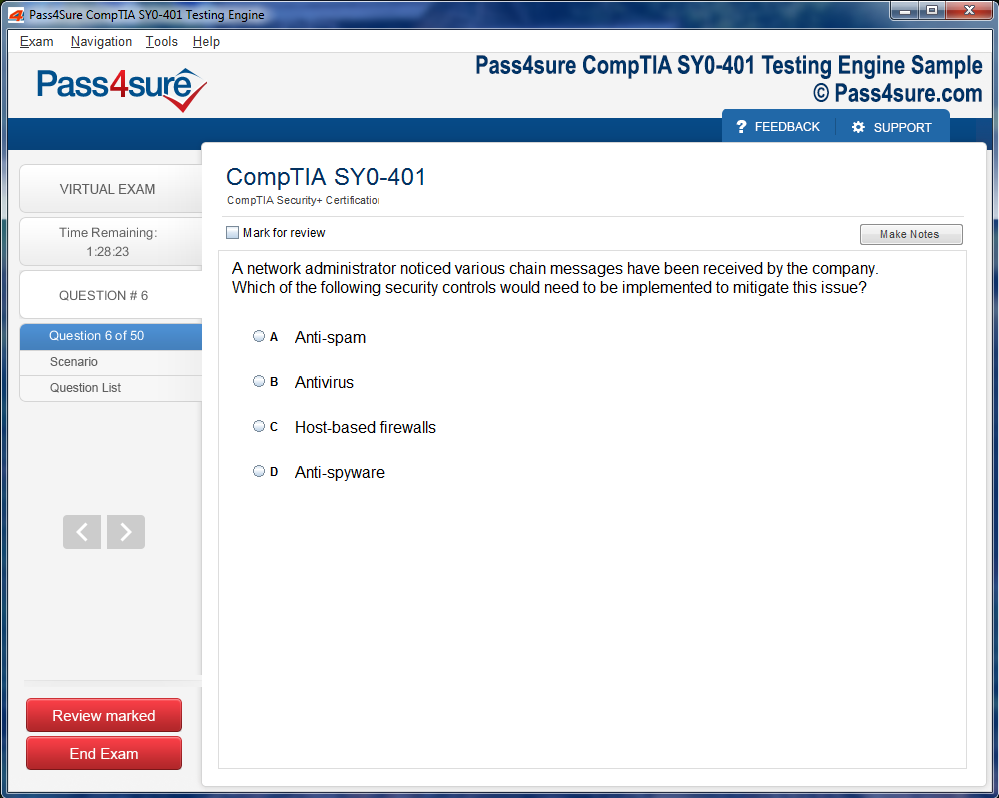
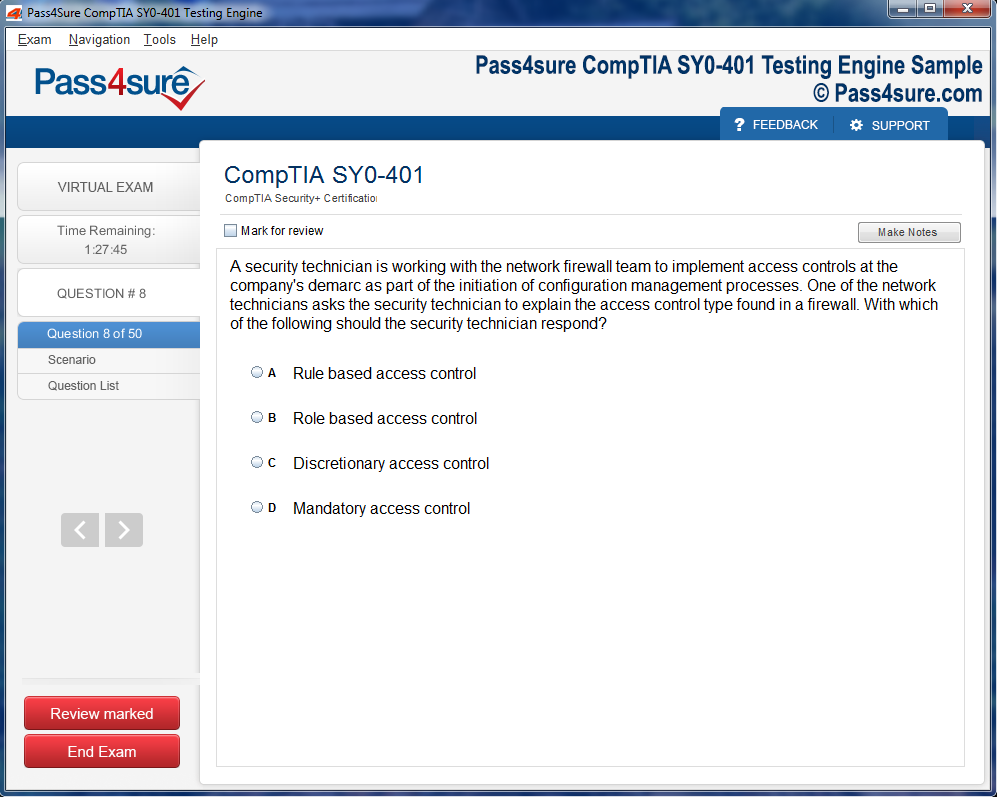
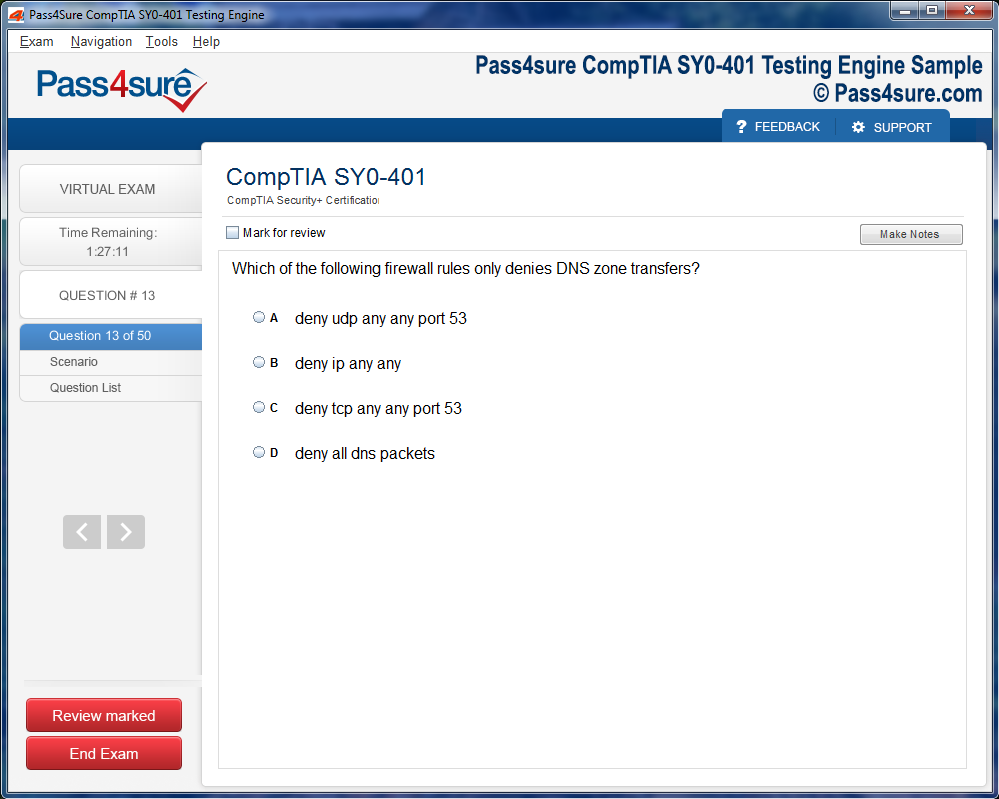
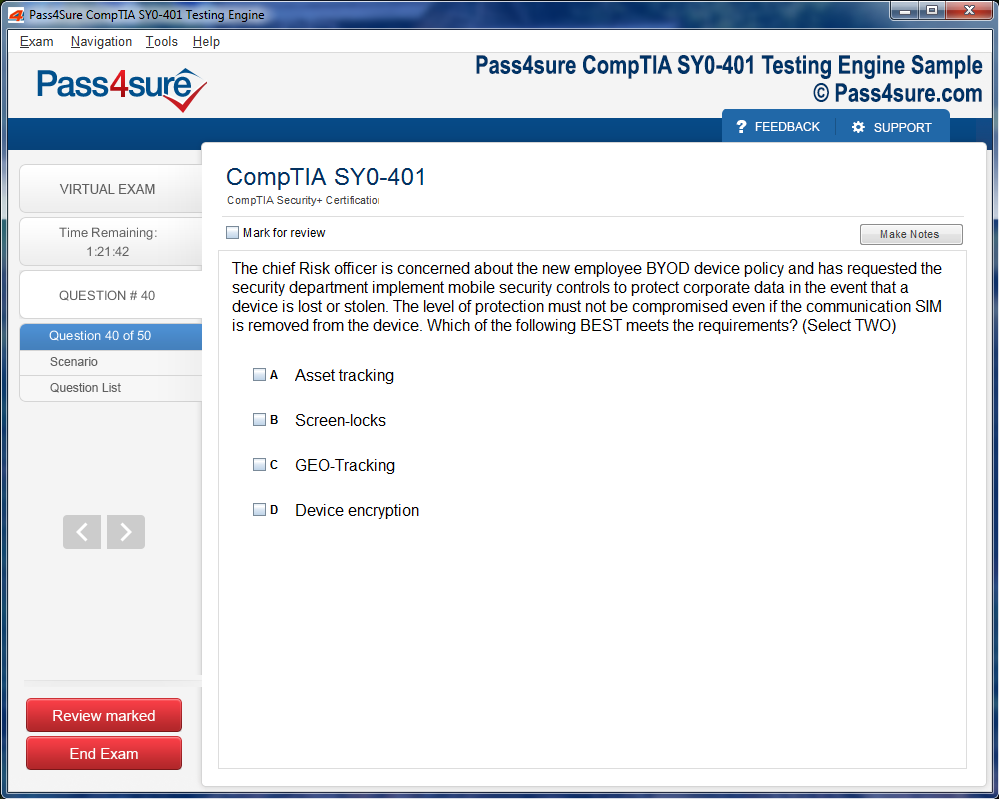
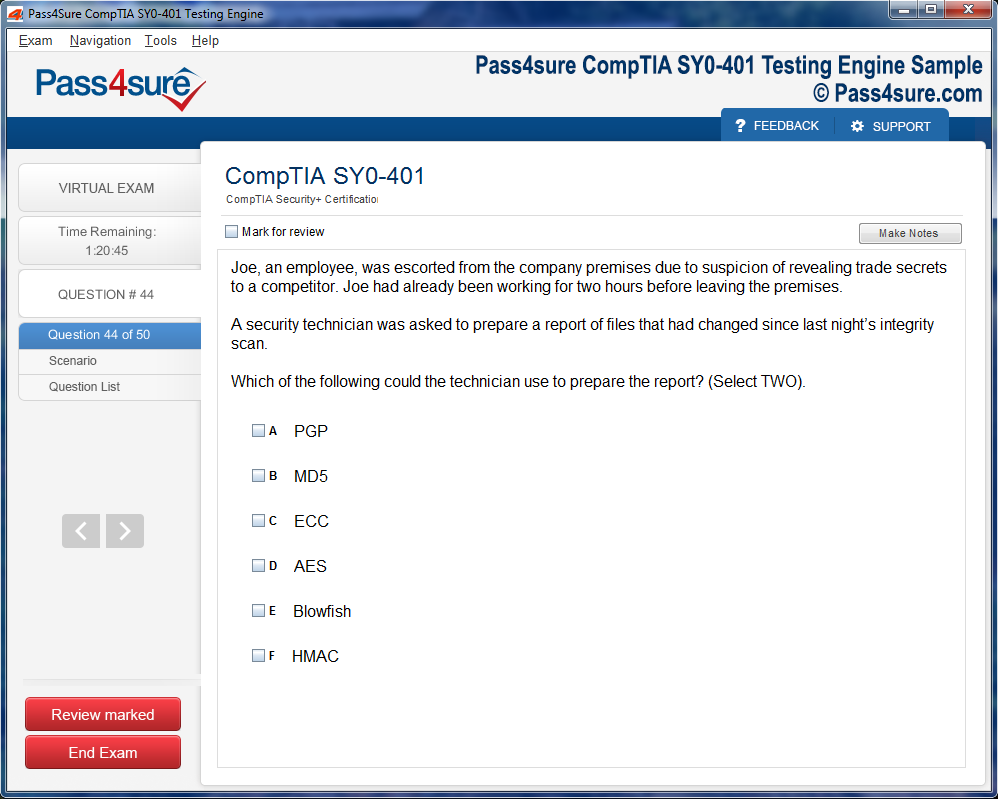
Product Screenshots
Frequently Asked Questions
How does your testing engine works?
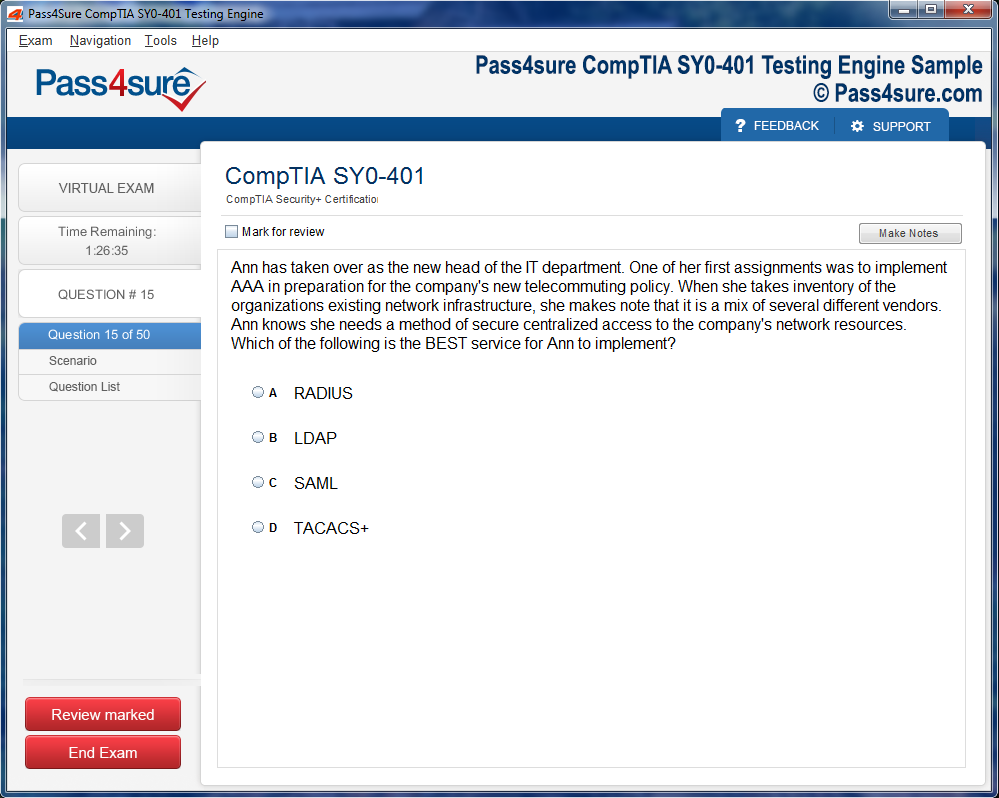
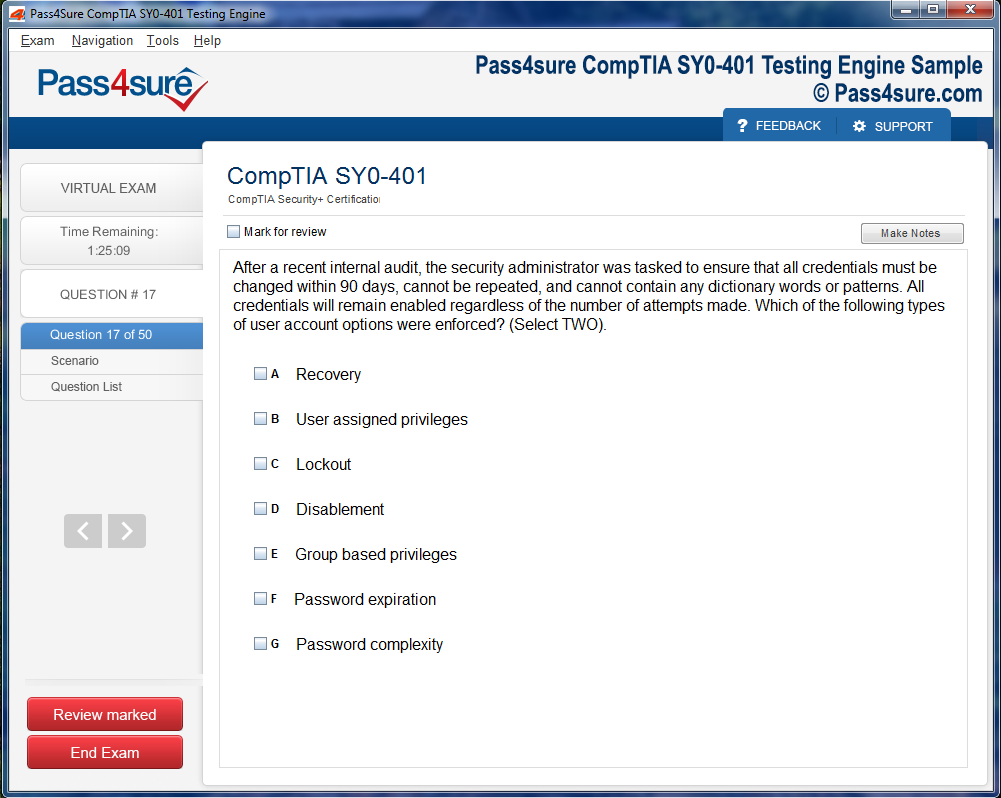
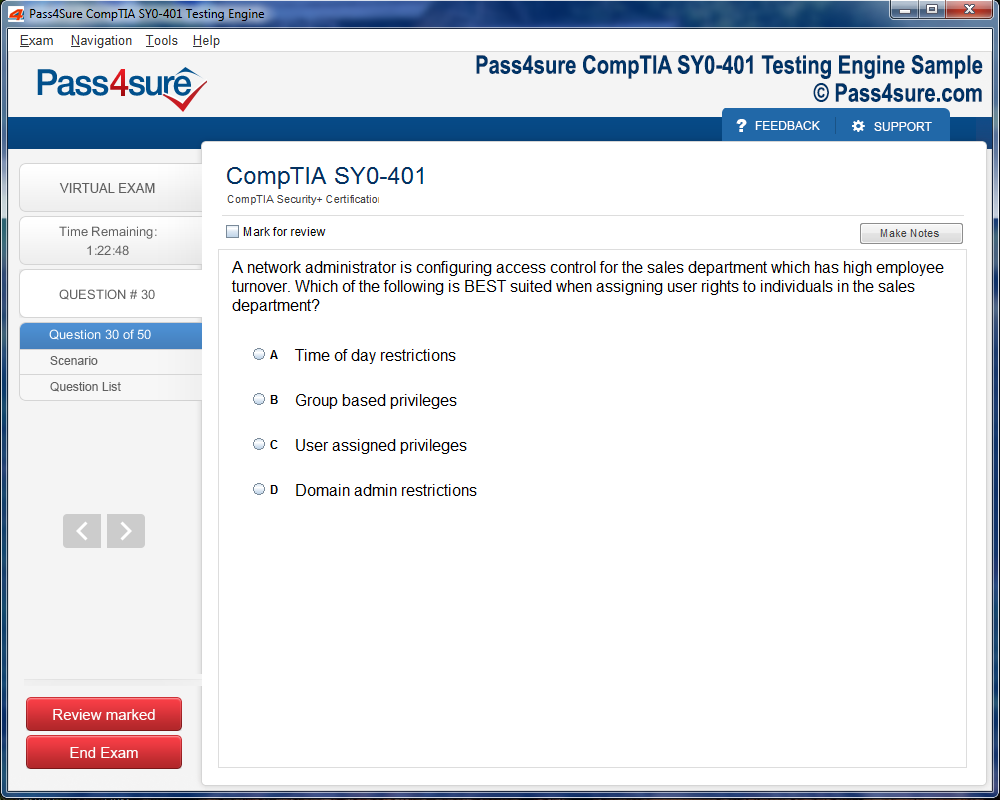
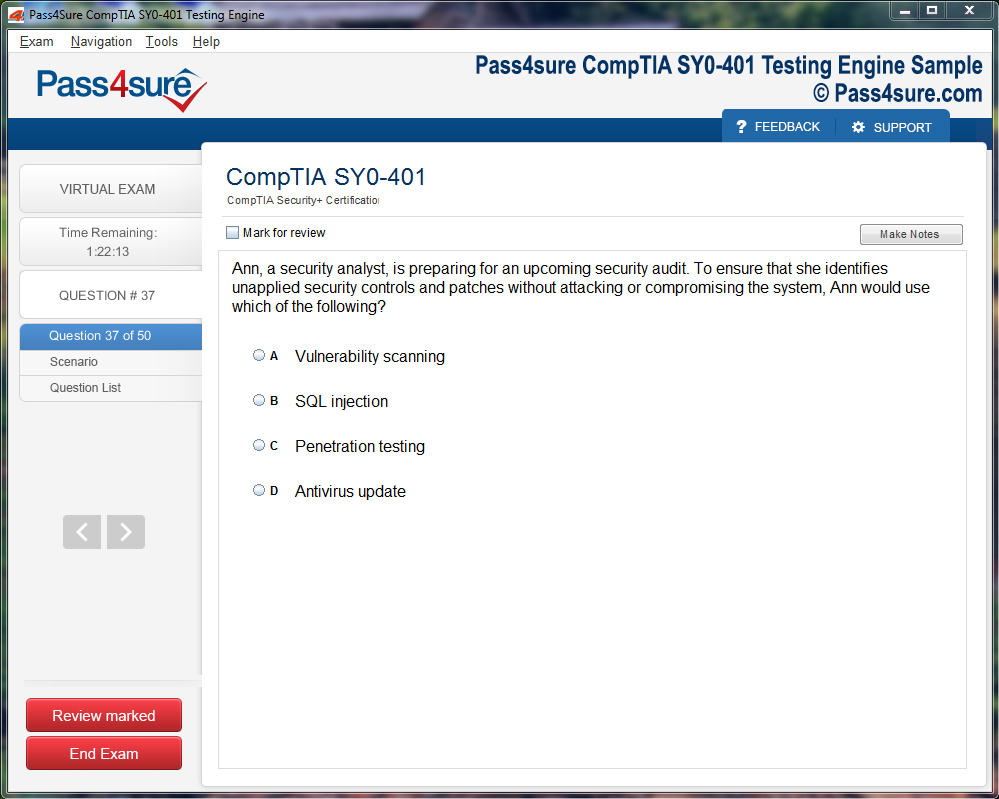
Once download and installed on your PC, you can practise test questions, review your questions & answers using two different options 'practice exam' and 'virtual exam'. Virtual Exam - test yourself with exam questions with a time limit, as if you are taking exams in the Prometric or VUE testing centre. Practice exam - review exam questions one by one, see correct answers and explanations.
How can I get the products after purchase?
All products are available for download immediately from your Member's Area. Once you have made the payment, you will be transferred to Member's Area where you can login and download the products you have purchased to your computer.
How long can I use my product? Will it be valid forever?
Pass4sure products have a validity of 90 days from the date of purchase. This means that any updates to the products, including but not limited to new questions, or updates and changes by our editing team, will be automatically downloaded on to computer to make sure that you get latest exam prep materials during those 90 days.
Can I renew my product if when it's expired?
Yes, when the 90 days of your product validity are over, you have the option of renewing your expired products with a 30% discount. This can be done in your Member's Area.
Please note that you will not be able to use the product after it has expired if you don't renew it.
How often are the questions updated?
We always try to provide the latest pool of questions, Updates in the questions depend on the changes in actual pool of questions by different vendors. As soon as we know about the change in the exam question pool we try our best to update the products as fast as possible.
How many computers I can download Pass4sure software on?
You can download the Pass4sure products on the maximum number of 2 (two) computers or devices. If you need to use the software on more than two machines, you can purchase this option separately. Please email sales@pass4sure.com if you need to use more than 5 (five) computers.
What are the system requirements?
Minimum System Requirements:
- Windows XP or newer operating system
- Java Version 8 or newer
- 1+ GHz processor
- 1 GB Ram
- 50 MB available hard disk typically (products may vary)
What operating systems are supported by your Testing Engine software?
Our testing engine is supported by Windows. Andriod and IOS software is currently under development.
Quick Guide to EC-Council’s ECSA V10 Certification
In today’s rapidly shifting digital ecosystem, cybersecurity has transcended from a technical necessity to a strategic imperative. Organizations are constantly under siege by cyber adversaries who no longer rely solely on rudimentary attacks. Instead, these threats have metamorphosed into sophisticated, multi-pronged campaigns that probe not only network infrastructures but also cloud environments, mobile endpoints, and human behavior. Against this backdrop, professional penetration testing has become an indispensable bulwark in modern defense strategies. While beginners often start with entry-level security courses, it is advanced programs like EC-Council’s ECSA v10 that truly convert theoretical understanding into actionable, real-world expertise.
Penetration testing extends beyond merely uncovering system vulnerabilities. It encompasses a holistic comprehension of technological interconnections, anticipatory threat modeling, and the simulation of realistic cyber-attacks within a controlled environment. ECSA v10 distinguishes itself by offering a meticulously structured curriculum, mapping each module to industry benchmarks and regulatory frameworks. From network penetration testing to cloud security and social engineering assessments, the program empowers professionals to navigate the labyrinthine security landscape with confidence and precision.
A distinctive facet of ECSA v10 is its adherence to the NICE 2.0 Framework, specifically emphasizing the Analyze (AN) and Collect and Operate (CO) domains. This alignment ensures that participants acquire both technical proficiency and an in-depth understanding of standardized professional practices. By integrating methodologies such as ISO 27001, OSSTMM, and NIST, the course furnishes a comprehensive toolkit for structured and compliant penetration testing.
ECSA v10 also harmonizes automated tools with human expertise. While automation accelerates repetitive tasks and highlights overt vulnerabilities, nuanced assessments demand human intuition and critical thinking. This synthesis trains professionals to differentiate between tool-generated noise and genuine security weaknesses—a skill that delineates competent testers from elite penetration experts.
Practical exposure forms the cornerstone of ECSA v10. Beyond theoretical lectures, the program immerses participants in simulated real-world scenarios, guiding them through the entire penetration testing lifecycle—from scoping and engagement methodology to reporting and post-test remediation. This hands-on approach cultivates not only technical proficiency but also adaptive problem-solving, preparing professionals to confront unique organizational challenges with ingenuity.
The curriculum’s inclusion of a social engineering module reflects contemporary threat landscapes, where a substantial fraction of breaches originates from human manipulation. By equipping professionals to anticipate and mitigate risks stemming from human behavior, ECSA v10 addresses an often-overlooked vulnerability vector, ensuring that graduates are well-rounded in both technical and psychological facets of cybersecurity.
Ultimately, ECSA v10 transcends conventional training. It is a transformative journey that propels security practitioners from basic tool usage to orchestrating comprehensive, standards-aligned penetration testing operations, establishing them as authoritative figures in the domain of vulnerability assessment and ethical hacking.
The Evolution of Cyber Threats and the Need for Advanced Testing
Cyber threats are no longer isolated incidents; they have evolved into highly coordinated operations orchestrated by sophisticated actors. Attackers exploit every conceivable entry point, from insecure APIs to social engineering, ransomware campaigns, and zero-day exploits. The modern digital ecosystem, with its intricate interdependencies, amplifies the potential impact of these attacks. This environment necessitates a proactive and professional approach to security evaluation, where mere detection is insufficient—anticipation and preemptive mitigation are critical.
Advanced penetration testing bridges the gap between theoretical knowledge and actionable defense. Unlike rudimentary security checks, professional testing involves replicating adversarial behavior with precision, evaluating not only software vulnerabilities but also systemic weaknesses and organizational blind spots. Programs like ECSA v10 offer a curriculum designed to mirror real-world conditions, allowing professionals to hone techniques that mirror those used by threat actors, thereby elevating organizational resilience.
One of the salient advantages of this approach is the cultivation of threat intelligence skills. By understanding attack methodologies and tactics, professionals can construct predictive models to forecast potential vulnerabilities. This anticipatory strategy transforms cybersecurity from a reactive discipline into a proactive, intelligence-driven practice. As cyber threats continue to diversify, the ability to anticipate and neutralize complex attacks becomes a cornerstone of organizational security.
Integrating Manual and Automated Penetration Techniques
The dichotomy of manual versus automated testing often sparks debate in professional circles. While automation streamlines vulnerability scanning and accelerates routine tasks, it lacks the nuanced judgment required to interpret ambiguous results or detect subtle logic flaws. Conversely, manual testing empowers experts to exercise discretion, apply contextual understanding, and pursue complex attack scenarios that tools alone cannot uncover.
ECSA v10 emphasizes a balanced integration of both approaches. By incorporating automated scans for efficiency and manual techniques for depth, the program ensures that testers develop a holistic perspective. Participants learn to scrutinize tool-generated findings, verify false positives, and prioritize vulnerabilities based on potential impact. This methodology cultivates a disciplined approach to penetration testing, enabling professionals to deliver assessments that are both accurate and actionable.
Additionally, the synergy between manual and automated testing enhances analytical reasoning. Professionals trained under ECSA v10 are adept at synthesizing diverse datasets, identifying patterns, and drawing strategic conclusions that inform remediation plans. This analytical agility transforms penetration testing from a mechanical exercise into a sophisticated problem-solving endeavor, crucial for defending against multi-vector attacks in real time.
Social Engineering: The Human Factor in Cybersecurity
Despite advances in technology, human behavior remains a critical vulnerability in cybersecurity. Social engineering exploits psychological tendencies, manipulating individuals to disclose confidential information, bypass security protocols, or unknowingly facilitate attacks. Studies consistently show that a significant portion of breaches originates from human factors, underscoring the necessity of incorporating behavioral assessments into penetration testing.
ECSA v10 addresses this dimension through a dedicated module that explores the mechanics of deception, persuasion, and influence. Participants engage with practical scenarios that simulate phishing campaigns, pretexting attempts, and other social engineering techniques. By understanding the psychology behind manipulation, professionals can design mitigation strategies, conduct awareness training, and implement safeguards that reduce the likelihood of human-centric breaches.
This focus on human factors transforms penetration testing from a purely technical exercise into a multidisciplinary endeavor. Security practitioners emerge not only as technical experts but also as behavioral analysts, capable of assessing organizational culture, employee awareness, and procedural vulnerabilities. The integration of social engineering into the ECSA v10 curriculum ensures that graduates possess a comprehensive skill set, addressing both technological and human dimensions of cybersecurity risk.
Navigating the Penetration Testing Lifecycle
Professional penetration testing follows a structured lifecycle designed to maximize effectiveness and minimize disruption. This lifecycle encompasses several stages, including scoping, reconnaissance, vulnerability analysis, exploitation, post-exploitation, and reporting. Each phase requires specialized knowledge, strategic planning, and meticulous execution.
Scoping establishes the parameters of a test, defining objectives, permissible techniques, and organizational boundaries. Effective scoping prevents scope creep, ensures ethical compliance, and aligns testing efforts with strategic priorities. ECSA v10 equips participants with frameworks for defining comprehensive scoping documents, enabling clear communication with stakeholders, and establishing the foundation for a successful assessment.
Reconnaissance and vulnerability analysis involve gathering intelligence, identifying potential targets, and evaluating weaknesses. Here, professionals employ a blend of passive and active techniques, combining automated scans with manual inspections to detect vulnerabilities that automated tools might overlook. The program emphasizes precision in data collection, teaching participants to differentiate between low-risk anomalies and critical vulnerabilities that demand immediate attention.
Exploitation and post-exploitation focus on validating vulnerabilities, assessing the extent of compromise, and exploring lateral movement opportunities. These stages require careful planning to avoid unintended disruption while extracting actionable insights. ECSA v10 provides hands-on labs that replicate these real-world scenarios, reinforcing skills in ethical exploitation, system control assessment, and threat containment.
Finally, reporting and remediation involve translating technical findings into actionable recommendations. Comprehensive reports articulate the severity of vulnerabilities, potential business impact, and prioritized mitigation strategies. ECSA v10 stresses clarity, accuracy, and professional communication, ensuring that participants can effectively convey technical insights to both technical and non-technical stakeholders.
Adhering to Professional Standards and Compliance
Penetration testing is not solely a technical exercise; it is governed by professional standards, regulatory requirements, and ethical mandates. Compliance ensures that assessments are conducted responsibly, data is protected, and results are defensible in both corporate and legal contexts.
ECSA v10 emphasizes adherence to global frameworks such as ISO 27001, NIST, and OSSTMM. These standards provide guidelines for risk management, control assessment, and operational excellence. By incorporating these methodologies, professionals can conduct assessments that meet stringent industry requirements while maintaining methodological consistency and auditability.
The program also highlights the importance of documentation, traceability, and accountability. By cultivating disciplined practices in data handling, test execution, and reporting, participants learn to conduct penetration tests that are both effective and ethically sound. This dual focus on technical skill and professional integrity distinguishes ECSA v10 graduates as trusted experts capable of performing high-stakes security evaluations.
Cloud and Network Security in Modern Penetration Testing
As organizations migrate to cloud environments and embrace hybrid infrastructures, the scope of penetration testing has expanded. Traditional network assessments are now complemented by cloud security evaluations, API testing, and endpoint analysis. Each layer introduces unique challenges, from multi-tenant vulnerabilities to misconfigured access controls.
ECSA v10 integrates cloud security modules that reflect contemporary IT architectures. Participants explore cloud-specific attack vectors, evaluate privilege escalation scenarios, and assess the security posture of virtualized environments. This training ensures that professionals can identify vulnerabilities across both traditional networks and emerging cloud infrastructures, maintaining comprehensive organizational resilience.
Moreover, network security assessments remain a foundational component of penetration testing. By examining firewalls, routers, intrusion detection systems, and endpoint configurations, professionals can detect weaknesses that may be exploited by external or internal adversaries. ECSA v10 provides hands-on exercises in both simulated and real-world environments, enabling participants to bridge theoretical knowledge with practical application.
Understanding the Essence of ECSA v10
ECSA v10, or the EC-Council Certified Security Analyst version 10, represents an advanced curriculum meticulously crafted to produce proficient penetration testers. Unlike superficial programs that only skim surface-level concepts, ECSA v10 delves deeply into the architecture of cybersecurity. Participants are not merely trained to follow steps; they are guided to understand the rationale behind each methodology, fostering critical thinking that can navigate complex digital landscapes. This approach is pivotal in modern cybersecurity, where threats evolve rapidly, and conventional patterns of defense can no longer suffice.
The essence of ECSA v10 lies in its balanced combination of theoretical understanding and practical execution. While foundational knowledge is introduced, the course emphasizes applying these principles in real-world scenarios. By instilling a mindset of inquiry and analytical reasoning, the program ensures participants become capable of identifying vulnerabilities that even experienced professionals may overlook. It transforms learners from passive recipients of information into active architects of security solutions.
Moreover, ECSA v10 recognizes that cybersecurity is not merely a technical endeavor; it is also a strategic one. Each module encourages participants to assess risk in context, weigh operational priorities, and communicate findings in a manner that stakeholders can comprehend. This holistic approach separates ECSA v10 from other offerings, providing a comprehensive pathway toward mastery rather than a fragmented skill set.
Pre-Engagement and Scoping Methodologies
Before any penetration test can commence, understanding the boundaries and objectives is paramount. ECSA v10 dedicates substantial focus to pre-engagement and scoping processes, which form the bedrock of ethical and effective testing. Participants learn to define the rules of engagement, negotiate limitations with stakeholders, and map out the testing perimeter meticulously. These preparatory steps prevent operational misunderstandings and ensure that tests are both legally compliant and technically meaningful.
The scoping phase involves identifying assets, evaluating potential threats, and designing a testing framework tailored to the organization’s environment. It is a meticulous process requiring analytical foresight and precise documentation. By practicing these steps in structured exercises, learners cultivate the discipline needed to plan complex penetration tests without overlooking critical variables.
ECSA v10 also emphasizes ethical considerations within this phase. Understanding the legal and organizational constraints of penetration testing is crucial tomaintainingn professional integrity. Participants explore case studies that highlight potential consequences of non-compliance, reinforcing the principle that effective cybersecurity is as much about ethical diligence as technical skill.
Mastering Open Source Intelligence (OSINT)
A distinctive strength of ECSA v10 is its detailed exploration of Open Source Intelligence, or OSINT. This skill set equips participants to gather, interpret, and leverage publicly available information about a target system or organization. OSINT is not merely a reconnaissance tool; it forms the strategic foundation upon which subsequent testing phases are built.
Through carefully structured exercises, learners practice extracting actionable insights from seemingly mundane data. They learn to analyze social media footprints, public records, domain registries, and other publicly accessible sources to assemble a comprehensive intelligence profile. The program emphasizes critical evaluation, ensuring that participants can discern credible information from misleading or irrelevant data.
The mastery of OSINT enables penetration testers to anticipate potential attack vectors before launching technical tests. By understanding an organization’s digital footprint, testers can design more targeted interventions, reduce unnecessary probing, and enhance overall test efficiency. This proactive approach distinguishes ECSA v10 participants from others who may rely solely on technical exploits without strategic foresight.
Social Engineering: Navigating Human Vulnerabilities
Cybersecurity is not exclusively about networks and systems; it is equally about human behavior. ECSA v10 provides a thorough examination of social engineering, a discipline that identifies and exploits human vulnerabilities. Participants learn techniques such as phishing, pretexting, baiting, and tailgating, gaining insights into how attackers manipulate trust to breach defenses.
The program does not merely teach offensive strategies. It equips participants with knowledge to design preventive measures, raising organizational resilience against human-targeted attacks. By simulating real-world scenarios, learners understand the psychological principles underlying social engineering, such as authority perception, reciprocity, and cognitive bias.
Social engineering exercises reinforce the importance of observation, empathy, and adaptability. Participants gain practical experience in crafting subtle manipulations, but they also explore mitigation strategies like awareness campaigns, policy enforcement, and user education. This dual perspective cultivates security professionals capable of defending both technological infrastructure and human elements.
Network Penetration Testing Across Dimensions
Network security forms the backbone of any organization’s cybersecurity posture. ECSA v10 addresses network penetration testing through a multidimensional lens: external, internal, and perimeter device testing. Each dimension focuses on unique challenges and potential vulnerabilities, ensuring participants develop a comprehensive understanding of network defense and attack methodologies.
External network testing simulates attacks originating from outside an organization, such as internet-based threats and hacker intrusions. Learners analyze firewalls, routers, and exposure points, identifying weaknesses that could compromise critical systems. Internal testing, conversely, emulates insider threats, including malicious employees or compromised internal accounts. This phase highlights the importance of monitoring, access control, and internal threat detection.
Perimeter device testing completes the triad, focusing on the security of gateways, firewalls, intrusion detection systems, and other boundary devices. By mastering all three dimensions, participants develop the capability to identify vulnerabilities comprehensively, anticipate attack vectors, and propose robust countermeasures that reinforce organizational defense.
Advanced Application and Cloud Security Testing
Beyond networks, ECSA v10 emphasizes penetration testing of applications, databases, wireless systems, and cloud infrastructures. Web application security is a core component, highlighting common vulnerabilities such as injection flaws, authentication weaknesses, and session management issues. Learners practice methodical assessment techniques to uncover and report these vulnerabilities, aligning with best practices in secure software development.
Database security forms another critical module, addressing misconfigurations, privilege escalation, and SQL-based vulnerabilities. Participants gain hands-on experience in assessing how databases interact with applications, understanding the potential cascading effects of compromised data.
Cloud security testing introduces participants to a rapidly evolving domain. Modern organizations increasingly rely on cloud infrastructure, necessitating specialized knowledge of cloud-native security configurations, access policies, and threat detection mechanisms. By simulating cloud-based attacks, learners develop skills to evaluate multi-tenant environments, ensuring that sensitive data remains protected from both external and internal threats.
Report Writing and Communication Mastery
A hallmark of ECSA v10 is its emphasis on communication and documentation. Technical expertise alone is insufficient; findings must be conveyed in a manner that is actionable and understandable to stakeholders. The program dedicates significant attention to report writing, training participants to create clear, precise, and professional documentation.
Reports generated during penetration tests serve as both evidence of security gaps and recommendations for remediation. ECSA v10 teaches participants to translate complex technical details into layperson-friendly insights without diluting critical information. Standardized templates, structured reporting formats, and guidance on prioritizing vulnerabilities ensure that participants can deliver reports that enhance organizational decision-making.
The ability to communicate findings effectively distinguishes competent penetration testers from technically skilled but poorly articulate professionals. By mastering both technical testing and strategic communication, ECSA v10 participants gain a competitive edge in the cybersecurity field.
Hands-On Labs and Experiential Learning
Practical experience is central to ECSA v10’s pedagogy. The course integrates hands-on labs that simulate real-world penetration testing scenarios across diverse environments. These labs allow participants to practice scoping, reconnaissance, network testing, and report writing within controlled settings, reinforcing theoretical concepts through applied learning.
Exercises are designed to mirror industry challenges, ensuring that learners develop the problem-solving agility required in professional contexts. From exploring internal networks to conducting cloud assessments, participants encounter a variety of scenarios that foster adaptability, critical thinking, and technical precision.
Supplementary self-study modules enhance this experiential learning, covering topics like password cracking, denial-of-service testing, physical security assessments, and email security evaluations. By combining structured instruction with autonomous exploration, ECSA v10 cultivates self-sufficient learners capable of navigating complex cybersecurity landscapes with confidence.
The ECSA v10 practical exam represents a pivotal milestone in the trajectory of cybersecurity professionals. Unlike theoretical assessments that measure rote memory, this evaluation mandates applied proficiency, compelling candidates to navigate intricate security landscapes. The exam's architecture is deliberately designed to simulate authentic cyber environments, prompting aspirants to demonstrate dexterity in recognizing vulnerabilities, exploiting flaws ethically, and mitigating risks with precision.
Participants are immersed in scenarios that encompass multifaceted domains such as network infrastructures, web applications, cloud ecosystems, and human-centric vulnerabilities often exploited through social engineering. The examination is not merely about tool manipulation; it emphasizes strategic thinking, requiring candidates to synthesize information from diverse sources and execute calculated interventions. By anchoring the assessment in practical realities, ECSA v10 ensures that certified professionals transcend theoretical knowledge and evolve into actionable security strategists.
The practical exam’s structure also encourages the cultivation of resilience and adaptability. Candidates encounter dynamic obstacles that shift based on their actions, simulating the unpredictable nature of real-world cybersecurity engagements. This deliberate unpredictability trains aspirants to respond to evolving threats with both creativity and methodical rigor. As a result, individuals who succeed in the ECSA practical assessment emerge not just as testers but as problem solvers capable of navigating the chaotic intricacies of contemporary digital ecosystems.
Mastery Through Penetration Testing Domains
ECSA v10 distinguishes itself by assessing competence across a spectrum of penetration testing domains. Unlike singular-focused certifications, this program mandates fluency in an array of arenas, encompassing network architecture, web vulnerabilities, cloud infrastructures, and social engineering vectors. Each domain introduces unique challenges that necessitate both analytical acumen and tactical precision.
Network testing, for instance, compels participants to identify latent weaknesses within routers, switches, firewalls, and virtual networks. Testers must navigate segmentation boundaries, assess access controls, and simulate real-world intrusions without disrupting operational stability. In parallel, web application testing scrutinizes the robustness of online platforms, demanding recognition of vulnerabilities like SQL injections, cross-site scripting, and authentication bypass techniques. By navigating these distinct terrains, ECSA professionals cultivate an expansive toolkit, blending automated solutions with meticulous manual probing to achieve comprehensive security assessments.
The cloud domain introduces novel intricacies. With organizations increasingly migrating infrastructure to cloud platforms, the potential attack surface expands exponentially. ECSA v10 equips professionals to examine cloud configurations, permissions, and service integrations critically. Participants learn to balance the advantages of automation with the nuanced judgment required for human-driven analysis, ensuring that cloud environments remain resilient against sophisticated adversaries.
Social engineering, though human-centric, is treated with equal importance. Understanding psychological manipulation, phishing strategies, and insider threat potential allows testers to evaluate organizational vulnerability holistically. By integrating these diverse domains, ECSA v10 cultivates professionals capable of executing full-scale, multidimensional penetration engagements that mirror real-world cyber incidents.
Bridging Theory and Practical Expertise
One of the defining features of ECSA v10 is its emphasis on bridging theoretical comprehension with practical application. While foundational knowledge remains critical, its true value manifests only when applied to tangible security scenarios. The certification ensures that candidates do not merely memorize attack vectors but internalize methodologies for exploiting and mitigating them effectively.
This bridging process involves structured engagement strategies. Professionals are trained to conduct meticulous reconnaissance, enumerate assets, identify vulnerabilities, and prioritize remediation recommendations. Each step is interdependent, requiring careful calibration and a strategic mindset. ECSA v10 cultivates an understanding that cybersecurity is not a series of isolated actions but a holistic process demanding foresight, adaptability, and analytical rigor.
Moreover, by embedding real-world simulation into assessments, ECSA v10 nurtures a mindset oriented toward operational decision-making. Candidates learn to balance efficiency with thoroughness, optimizing their workflow while minimizing oversight. This integration of theory and practice ensures that certified professionals are prepared to confront evolving threat landscapes with both confidence and competence, transforming conceptual understanding into actionable expertise.
The Strategic Value of ECSA Certification
Achieving the ECSA credential conveys a signal of strategic expertise to the cybersecurity industry. Beyond validating technical skills, it establishes professionals as capable of orchestrating comprehensive security assessments, mentoring junior practitioners, and guiding organizations toward informed defense strategies. The credential’s significance is magnified by its alignment with contemporary organizational needs, where proactive risk identification and mitigation are paramount.
Certified ECSA professionals are often entrusted with high-stakes responsibilities. They analyze intricate systems, deliver actionable intelligence, and shape security policies that impact operational resilience. This strategic dimension distinguishes them from practitioners who solely possess tool proficiency. By mastering structured reporting, engagement methodology, and pre-assessment planning, ECSA-certified individuals contribute directly to organizational decision-making, ensuring that security investments yield maximal value.
In addition, the credential holders are positioned as thought leaders within cybersecurity ecosystems. Organizations increasingly recognize the value of professionals capable of articulating complex technical insights to non-technical stakeholders, translating vulnerabilities into strategic recommendations. The ECSA framework cultivates this dual capability, blending technical mastery with communicative clarity, thereby enhancing professional influence across multiple organizational levels.
Career Trajectories and Professional Opportunities
The ECSA v10 certification opens doors to diverse and dynamic career paths. Security organizations and enterprises actively seek experts capable of evaluating complex infrastructures, preempting threats, and devising actionable mitigation strategies. Roles such as penetration tester, security analyst, security engineer, and risk assessment consultant align naturally with the skill set fostered by ECSA training.
Beyond traditional roles, ECSA credentials enable specialization in emerging domains. Professionals may pursue cloud security, advanced network defense, cyber threat intelligence, or red team operations, leveraging their comprehensive knowledge to address sophisticated threats. The certification not only validates existing expertise but also provides a foundation for continuous professional evolution, encouraging lifelong learning and adaptability.
The career advantage conferred by ECSA is also accentuated by market recognition. Organizations increasingly value demonstrable, hands-on competence over theoretical familiarity alone. By providing a tangible measure of applied skill, the certification enhances employability, credibility, and long-term career growth. Certified professionals can expect opportunities to engage in high-impact projects, influence organizational security strategy, and shape the cybersecurity landscape proactively.
Enhancing Organizational Cybersecurity Posture
ECSA v10 transcends individual career advancement by enabling participants to influence organizational cybersecurity posture meaningfully. Professionals are trained to conduct assessments that not only identify vulnerabilities but also contextualize risks in operational and business terms. By prioritizing remediation strategies and resource allocation, ECSA-certified experts empower organizations to make informed decisions that enhance resilience.
The methodology emphasizes structured reporting, clarity of findings, and actionable recommendations. This approach ensures that technical insights translate into tangible organizational benefits. Security teams can leverage these assessments to optimize defenses, streamline incident response protocols, and strengthen compliance adherence. The ripple effect of skilled penetration testing extends beyond immediate technical remediation, shaping long-term strategic planning and risk management.
Furthermore, ECSA training instills an ethos of ethical responsibility and professional accountability. Practitioners are encouraged to navigate complex ethical dilemmas, maintain integrity during assessments, and advocate for a robust security culture. This holistic perspective ensures that cybersecurity is not merely a technical function but a strategic organizational capability that safeguards assets, reputation, and continuity in an increasingly digitized world.
Preparing for Advanced Challenges
ECSA v10 equips professionals to confront sophisticated cyber threats with confidence and precision. The program’s rigorous practical exam cultivates problem-solving agility, critical thinking, and adaptive learning, ensuring participants are prepared for challenges that transcend conventional attack scenarios. By simulating real-world conditions, the certification fosters proficiency in identifying subtle vulnerabilities, understanding adversary behavior, and implementing effective countermeasures.
Preparation for the ECSA practical exam involves iterative skill development. Candidates engage in scenario-based exercises, perform meticulous reconnaissance, execute controlled exploits, and document findings comprehensively. This experiential learning approach not only reinforces technical competence but also cultivates strategic foresight. Participants learn to anticipate potential attack paths, evaluate risk impact, and prioritize mitigation actions effectively.
By the culmination of the program, ECSA-certified professionals emerge as versatile, resilient, and highly capable security practitioners. They are equipped to transition seamlessly from tactical execution to strategic advisory roles, guiding organizational security initiatives, mentoring emerging talent, and contributing to the broader cybersecurity community with insight, experience, and authority.
The Evolution of Cybersecurity in the Digital Epoch
In the sprawling landscape of the digital era, cybersecurity has transformed from a peripheral concern to a central pillar of organizational survival. Modern enterprises are no longer solely focused on conventional firewalls or antivirus solutions. Instead, they are navigating a labyrinthine network of potential threats, each more sophisticated than the last. The exponential growth of data, the ubiquity of cloud platforms, and the increasing interconnectivity of devices have converged to create a volatile environment where vulnerabilities can manifest in unexpected ways. Organizations are compelled to adopt proactive, intelligence-driven strategies that anticipate rather than merely react to cyber threats. Understanding this metamorphosis requires a deep dive into the nuanced dynamics of both human and technological factors influencing security.
The Psychological Landscape of Social Engineering
Social engineering represents one of the most insidious challenges in modern cybersecurity. Unlike traditional attacks that exploit code or network weaknesses, social engineering manipulates human behavior, leveraging cognitive biases and psychological triggers. Attackers employ a repertoire of tactics, from phishing emails that simulate legitimate communications to elaborate pretexting operations that fabricate authority and trust. The potency of social engineering lies not merely in deception but in its subtle exploitation of human tendencies—curiosity, fear, urgency, and empathy. In response, organizations are developing robust training programs designed to cultivate employee vigilance, enhance situational awareness, and instill a security-conscious culture. These programs emphasize recognition of suspicious cues, verification protocols, and critical thinking as the first line of defense against psychological exploitation.
Navigating the Labyrinth of Cloud Security
The migration to cloud environments has unlocked unparalleled scalability, efficiency, and accessibility for organizations. However, these advantages are accompanied by unique security complexities. Cloud infrastructure, with its multi-tenant architecture and abstracted control layers, presents challenges distinct from traditional on-premises systems. Misconfigurations, inadequate identity management, and exposure of sensitive data are recurring concerns that demand meticulous attention. Modern penetration testers employ structured methodologies to identify these vulnerabilities, ensuring assessments are thorough and actionable. By understanding cloud-specific threat vectors, professionals can design security frameworks that harmonize operational agility with stringent protection measures, thereby fortifying the organization against both external and internal threats.
Wireless Vulnerabilities in a Hyperconnected World
Wireless technology forms the backbone of contemporary connectivity, enabling seamless communication across devices, networks, and platforms. Yet, the same convenience introduces a spectrum of security risks. Open networks, outdated encryption protocols, and rogue access points constitute entry points for malicious actors. Attackers may exploit these weaknesses to intercept sensitive information, launch denial-of-service campaigns, or pivot into internal networks undetected. The increasing prevalence of Internet of Things (IoT) devices exacerbates these vulnerabilities, as each connected device can serve as a potential breach vector. Effective defense strategies combine technical countermeasures—such as robust encryption and network segmentation—with rigorous monitoring protocols that can detect anomalous behavior in real time, ensuring the integrity of wireless communications across organizational environments.
Database Misconfigurations and Hidden Threats
Databases serve as repositories of an organization’s most critical information, from financial records to personal identifiers. However, misconfigurations and overlooked settings can render these assets perilously exposed. Common vulnerabilities include weak access controls, unpatched software, and poorly designed schemas that inadvertently permit unauthorized operations. Attackers exploit these lapses to exfiltrate sensitive data, manipulate records, or compromise operational integrity. Addressing these threats requires a comprehensive approach encompassing configuration audits, principle-of-least-privilege enforcement, and continuous monitoring. By integrating automated detection systems with manual review procedures, organizations can mitigate risks while maintaining efficient database operations, transforming potential liabilities into resilient points of defense.
Advanced Persistent Threats and Strategic Countermeasures
Advanced persistent threats (APTs) exemplify the convergence of technical sophistication and strategic intent. Unlike opportunistic attacks, APTs involve meticulously planned campaigns designed to infiltrate, persist, and exfiltrate critical assets over extended periods. These threats often employ a combination of malware, social engineering, and lateral movement techniques, making detection challenging. Organizations counteract APTs through multi-layered defense mechanisms that include threat intelligence integration, continuous network monitoring, and incident response preparedness. The ability to anticipate attacker behavior, combined with a robust understanding of organizational vulnerabilities, enables security teams to disrupt these campaigns before they achieve their objectives. APTs underscore the necessity of proactive cybersecurity frameworks capable of adapting to evolving threat landscapes.
Methodology and Standardization in Penetration Testing
Structured methodology is a cornerstone of effective penetration testing, ensuring that assessments are systematic, repeatable, and defensible. Professionals leverage frameworks such as ISO 27001, OSSTMM, and NIST to establish consistent protocols for identifying, analyzing, and mitigating vulnerabilities. This disciplined approach distinguishes professional penetration testers from those relying on ad-hoc techniques, providing both rigor and reliability. Methodological penetration testing encompasses pre-assessment planning, threat modeling, controlled exploitation, and detailed reporting, creating a holistic understanding of the security posture. By adopting standardized procedures, organizations gain actionable insights that inform risk management strategies, enhance compliance, and reinforce the overall security architecture against contemporary cyber threats.
Understanding the Essence of ECSA v10 Certification
ECSA v10 certification is not just another milestone; it is a transformational passage into the elite realm of cybersecurity. Unlike basic certifications, it demands both cerebral comprehension and dexterous application of advanced ethical hacking principles. Candidates embarking on this journey are required to establish a strong foundation, often grounded in prior certifications or hands-on experience. The essence of ECSA v10 lies in its dual focus on theory and practice. Participants are introduced to nuanced methodologies of penetration testing, encompassing reconnaissance, vulnerability identification, exploitation, and post-exploitation techniques. This balance between learning and application ensures that graduates do not merely memorize procedures but can synthesize information dynamically to tackle complex real-world security challenges.
The certification’s structure encourages professionals to cultivate a mindset attuned to security foresight. Ethical hacking becomes not just a skill set but an intellectual pursuit, combining curiosity with analytical rigor. This mindset is vital because the digital threat environment is constantly evolving, with attackers employing increasingly sophisticated methods. Therefore, ECSA v10 equips participants to anticipate potential vulnerabilities, analyze attack surfaces critically, and devise remediation strategies that are both effective and compliant with organizational standards.
Prerequisites and Preparing the Groundwork
Before diving into ECSA v10, aspirants must solidify their foundational knowledge. The prerequisites typically include a combination of formal education, relevant work experience, and familiarity with core cybersecurity concepts. Foundational understanding of networking protocols, operating systems, scripting, and common vulnerabilities is essential. This groundwork ensures that participants can maximize the value of advanced modules without being hindered by gaps in basic knowledge.
Preparation for ECSA v10 is multifaceted. Candidates are encouraged to engage in self-directed learning through structured resources such as simulation labs, study guides, and scenario-based exercises. Equally important is participation in accredited training programs, which provide immersive experiences guided by seasoned professionals. These programs often include live demonstrations, interactive labs, and collaborative exercises that mimic real-world environments. By integrating self-study and structured training, learners can create a robust preparation plan that accommodates different learning styles and schedules.
Another critical aspect of groundwork involves cultivating problem-solving resilience. Ethical hacking requires practitioners to navigate ambiguous scenarios, analyze incomplete information, and apply creative thinking to identify vulnerabilities. Training environments often simulate these challenges, reinforcing adaptive thinking and persistence. Professionals who invest time in building both technical and cognitive foundations are better positioned to succeed in the demanding ECSA v10 examination process.
Navigating the Training Landscape
Training for ECSA v10 transcends rote learning. Accredited centers offer a blend of lectures, hands-on labs, and collaborative exercises that are meticulously designed to mirror enterprise-level security assessments. Participants gain exposure to various penetration testing tools, frameworks, and methodologies, learning how to deploy them effectively within controlled environments. The structured training journey emphasizes engagement planning, reconnaissance techniques, network scanning, and vulnerability exploitation in an ethical, regulated context.
One of the distinguishing features of ECSA v10 training is its emphasis on real-world applicability. Rather than focusing solely on theoretical principles, participants are encouraged to execute comprehensive security assessments on simulated networks. This hands-on approach reinforces learning by transforming abstract concepts into tangible skills. Participants learn to document findings methodically, prepare detailed reports, and communicate technical insights to both technical and non-technical stakeholders.
Training also fosters collaboration and peer learning. Ethical hacking is rarely an isolated endeavor; it often involves teamwork, knowledge sharing, and collective problem-solving. Group exercises within training programs cultivate these interpersonal skills, ensuring that professionals are equipped not only to conduct penetration tests but also to work effectively within broader security teams. This blend of technical mastery and collaborative acumen forms the cornerstone of a successful ECSA v10 journey.
Mastering the Knowledge and Practical Exams
The ECSA v10 assessment framework consists of two pivotal components: the knowledge exam and the practical exam. The knowledge exam evaluates theoretical understanding, covering topics such as penetration testing methodologies, network security, system exploitation, and reporting standards. While it tests comprehension, it also examines the ability to synthesize information and apply it to hypothetical scenarios, ensuring that candidates can bridge theory and practice.
The practical exam, however, is the true test of capability. Participants are required to execute full-scale penetration tests on simulated enterprise networks, identifying vulnerabilities, exploiting weaknesses, and compiling structured reports. The exam emphasizes meticulous documentation, highlighting not just the identification of issues but also the articulation of actionable remediation strategies. Successful candidates demonstrate proficiency in both technical execution and strategic thinking, proving their ability to operate as professional penetration testers.
Preparation for these exams demands consistent practice, scenario analysis, and iterative learning. Candidates are encouraged to revisit complex modules, simulate attack vectors, and refine documentation skills. By integrating feedback and embracing iterative learning, aspirants can enhance both their speed and accuracy, critical factors in high-pressure examination settings. Mastery of both theoretical and practical dimensions ensures that certified professionals are not only knowledgeable but also adept at applying their skills in real-world environments.
Leveraging ECSA v10 for Career Advancement
Achieving ECSA v10 certification significantly elevates a professional’s career trajectory. Beyond credential recognition, it opens avenues for leadership roles in cybersecurity operations, penetration testing teams, and strategic advisory positions. Certified individuals possess the expertise to design engagement plans, conduct in-depth vulnerability analyses, and present findings in a manner that influences organizational decision-making.
The value of ECSA v10 extends to mentoring and skill development within teams. Professionals who have mastered advanced penetration testing can guide junior colleagues, sharing methodologies, best practices, and experiential insights. This knowledge transfer strengthens the overall competency of security teams and fosters a culture of continuous learning.
In addition, certified practitioners are often entrusted with policy development, compliance auditing, and risk management initiatives. Their ability to interpret security frameworks, align testing procedures with regulatory requirements, and recommend actionable improvements positions them as strategic assets within organizations. By combining technical mastery with leadership aptitude, ECSA v10 holders can influence security postures, mitigate threats proactively, and contribute meaningfully to enterprise resilience.
Embracing Continuous Learning in Cybersecurity
The cybersecurity landscape is in perpetual flux, driven by evolving threat vectors, emerging technologies, and shifting regulatory landscapes. For ECSA v10 professionals, continuous learning is not optional—it is essential. Staying abreast of new attack methodologies, defensive techniques, and industry standards ensures that skills remain relevant and effective.
Continuous learning can take multiple forms, from participating in workshops and webinars to experimenting with new tools in controlled lab environments. Engaging with professional communities, reading research papers, and analyzing case studies of recent breaches allows professionals to anticipate trends and adapt their strategies accordingly. This proactive approach cultivates intellectual agility, enabling practitioners to respond swiftly to novel challenges.
Moreover, the habit of reflective practice enhances skill retention and application. By reviewing past engagements, identifying areas for improvement, and experimenting with alternative techniques, professionals can refine their methodologies and elevate the quality of their assessments. Continuous learning fosters not only technical competence but also a growth-oriented mindset, essential for navigating the dynamic, high-stakes world of cybersecurity.
Expanding Influence Beyond Penetration Testing
ECSA v10 certification equips professionals to exert influence beyond immediate technical roles. Certified individuals can contribute to organizational strategy, shaping security policies, compliance protocols, and risk mitigation frameworks. Their insights inform executive decision-making, ensuring that cybersecurity considerations are embedded within broader business objectives.
The certification also enables professionals to participate in cross-functional initiatives, collaborating with IT, legal, and operational teams to align security practices with organizational goals. This holistic perspective transforms ethical hackers into strategic advisors, bridging the gap between technical execution and business outcomes.
Furthermore, ECSA v10 holders often engage in community-building and knowledge dissemination. By sharing experiences through workshops, articles, or mentoring programs, they contribute to the broader cybersecurity ecosystem, enhancing collective expertise and fostering resilience against sophisticated cyber threats. This expanded influence underscores the transformative impact of the certification, extending benefits beyond individual careers to organizational and societal levels.
ECSA v10, or the EC-Council Certified Security Analyst version 10, represents an advanced curriculum meticulously crafted to produce proficient penetration testers. Unlike superficial programs that only skim surface-level concepts, ECSA v10 delves deeply into the architecture of cybersecurity. Participants are not merely trained to follow steps; they are guided to understand the rationale behind each methodology, fostering critical thinking that can navigate complex digital landscapes. This approach is pivotal in modern cybersecurity, where threats evolve rapidly, and conventional patterns of defense can no longer suffice.
The essence of ECSA v10 lies in its balanced combination of theoretical understanding and practical execution. While foundational knowledge is introduced, the course emphasizes applying these principles in real-world scenarios. By instilling a mindset of inquiry and analytical reasoning, the program ensures participants become capable of identifying vulnerabilities that even experienced professionals may overlook. It transforms learners from passive recipients of information into active architects of security solutions.
Moreover, ECSA v10 recognizes that cybersecurity is not merely a technical endeavor; it is also a strategic one. Each module encourages participants to assess risk in context, weigh operational priorities, and communicate findings in a manner that stakeholders can comprehend. This holistic approach separates ECSA v10 from other offerings, providing a comprehensive pathway toward mastery rather than a fragmented skill set.
In addition, ECSA v10 encourages a mindset of resilience and adaptability. Participants are challenged to think beyond conventional attack methods, exploring creative ways to approach penetration testing. This cultivates professionals who are not only technically competent but also intellectually agile, capable of anticipating and countering emerging threats. The program emphasizes that cybersecurity is a dynamic discipline, requiring continuous learning, vigilance, and a proactive approach to problem-solving.
Pre-Engagement and Scoping Methodologies
Before any penetration test can commence, understanding the boundaries and objectives is paramount. ECSA v10 dedicates substantial focus to pre-engagement and scoping processes, which form the bedrock of ethical and effective testing. Participants learn to define the rules of engagement, negotiate limitations with stakeholders, and map out the testing perimeter meticulously. These preparatory steps prevent operational misunderstandings and ensure that tests are both legally compliant and technically meaningful.
The scoping phase involves identifying assets, evaluating potential threats, and designing a testing framework tailored to the organization’s environment. It is a meticulous process requiring analytical foresight and precise documentation. By practicing these steps in structured exercises, learners cultivate the discipline needed to plan complex penetration tests without overlooking critical variables.
ECSA v10 also emphasizes ethical considerations within this phase. Understanding the legal and organizational constraints of penetration testing is crucial tomaintainingn professional integrity. Participants explore case studies that highlight potential consequences of non-compliance, reinforcing the principle that effective cybersecurity is as much about ethical diligence as technical skill.
Furthermore, this phase introduces participants to risk assessment matrices and threat prioritization strategies. Learners evaluate which vulnerabilities pose the highest operational risk and develop structured approaches to address them. This pre-engagement rigor ensures that subsequent penetration testing is focused, efficient, and aligned with organizational objectives.
Mastering Open Source Intelligence (OSINT)
A distinctive strength of ECSA v10 is its detailed exploration of Open Source Intelligence, or OSINT. This skill set equips participants to gather, interpret, and leverage publicly available information about a target system or organization. OSINT is not merely a reconnaissance tool; it forms the strategic foundation upon which subsequent testing phases are built.
Through carefully structured exercises, learners practice extracting actionable insights from seemingly mundane data. They learn to analyze social media footprints, public records, domain registries, and other publicly accessible sources to assemble a comprehensive intelligence profile. The program emphasizes critical evaluation, ensuring that participants can discern credible information from misleading or irrelevant data.
The mastery of OSINT enables penetration testers to anticipate potential attack vectors before launching technical tests. By understanding an organization’s digital footprint, testers can design more targeted interventions, reduce unnecessary probing, and enhance overall test efficiency. This proactive approach distinguishes ECSA v10 participants from others who may rely solely on technical exploits without strategic foresight.
Additionally, participants explore advanced OSINT tools and platforms, learning to automate intelligence collection and analysis. They gain insights into how seemingly trivial pieces of data, when combined, can reveal significant vulnerabilities. This layer of sophistication empowers learners to make informed decisions, design more effective tests, and ultimately deliver higher-value security assessments.
Conclusion
In today’s digital landscape, cybersecurity threats are evolving faster than ever, and organizations require professionals who can anticipate, identify, and mitigate these risks with precision. The ECSA v10 program stands out as a comprehensive, professional-level penetration testing course that equips security experts with the skills, methodologies, and practical experience needed to stay ahead of modern cyber threats.
By combining hands-on labs, standardized methodologies, and advanced modules such as social engineering and cloud security, ECSA v10 ensures participants are not just knowledgeable but capable of applying their skills in real-world scenarios. The program’s emphasis on both manual and automated testing, pre-engagement planning, and report writing prepares professionals to conduct structured, compliant, and actionable penetration tests.
Moreover, ECSA v10 builds on foundational knowledge from CEH v10, creating a seamless progression from learning baseline skills to mastering advanced techniques. The practical exam further validates expertise, positioning certified professionals as trusted leaders in the VAPT domain.
Ultimately, ECSA v10 is more than a certification—it is a transformative journey that turns ethical hackers into strategic cybersecurity experts, ready to defend organizations against complex, evolving threats and contribute meaningfully to the broader cybersecurity ecosystem.
Top ECCouncil Exams
- 312-50v13 - Certified Ethical Hacker v13
- 212-89 - EC-Council Certified Incident Handler
- 712-50 - EC-Council Certified CISO
- 312-85 - Certified Threat Intelligence Analyst
- 312-39 - Certified SOC Analyst
- 312-50v12 - Certified Ethical Hacker v12 Exam
- 312-39v2 - Certified SOC Analyst (CSA) v2
- 312-38 - Certified Network Defender
- 212-82 - Certified Cybersecurity Technician
- 312-49v11 - Computer Hacking Forensic Investigator
- 312-97 - Certified DevSecOps Engineer (ECDE)
- 312-50 - CEH Certified Ethical Hacker (312-50v9)
- 312-49 - Computer Hacking Forensic Investigator
- 312-96 - Certified Application Security Engineer (CASE) - JAVA
- 212-81v3 - EC-Council Certified Encryption Specialist
- 312-76v3 - EC-Council Disaster Recovery Professional
- 312-50v11 - Certified Ethical Hacker v11 Exam
- ICS-SCADA - ICS-SCADA Cyber Security