

Certification: ECSA
Certification Full Name: Ec-Council Certified Security Analyst
Certification Provider: ECCouncil
Exam Code: ECSAv10
Exam Name: EC-Council Certified Security Analyst
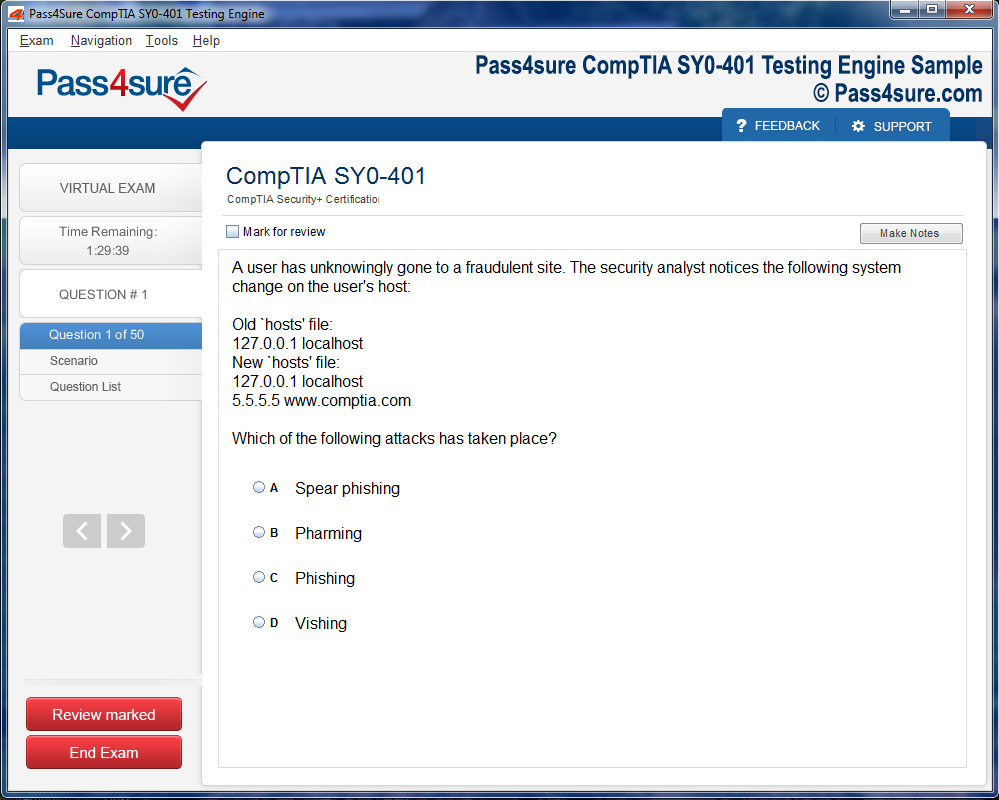
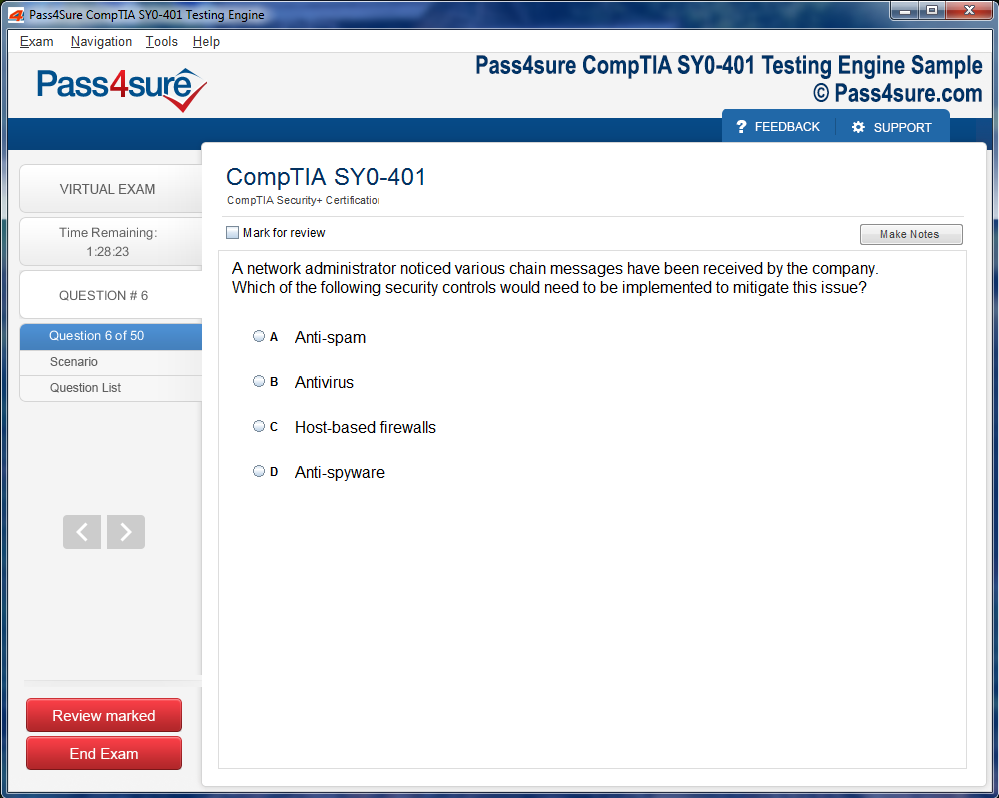
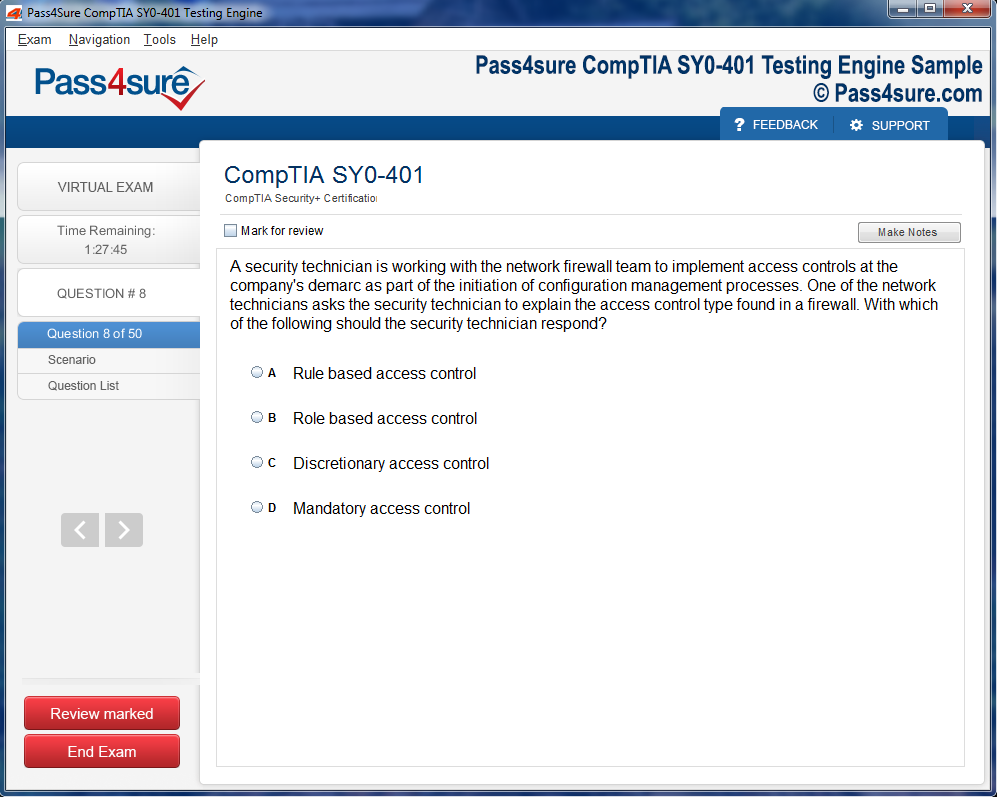
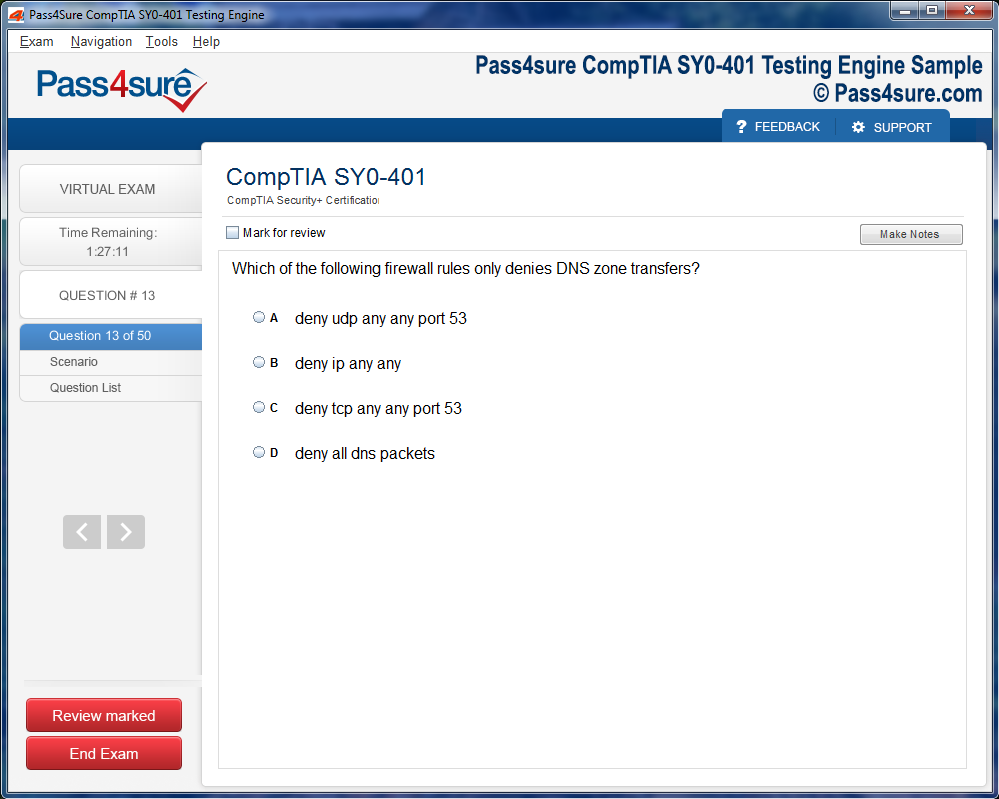
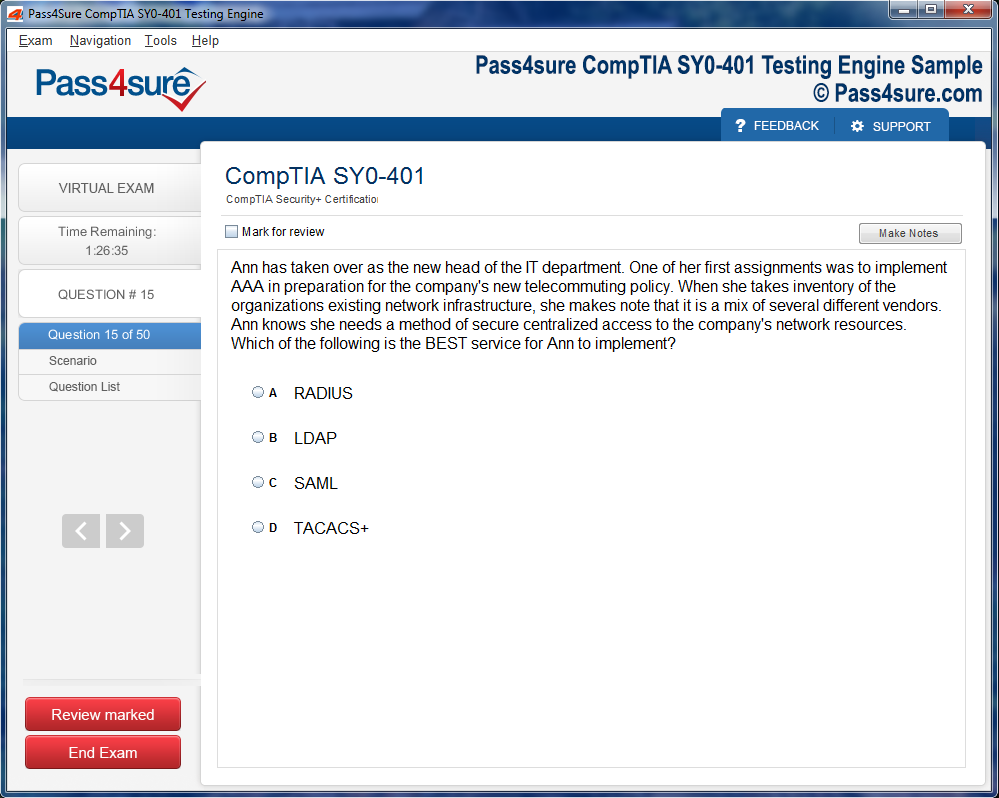
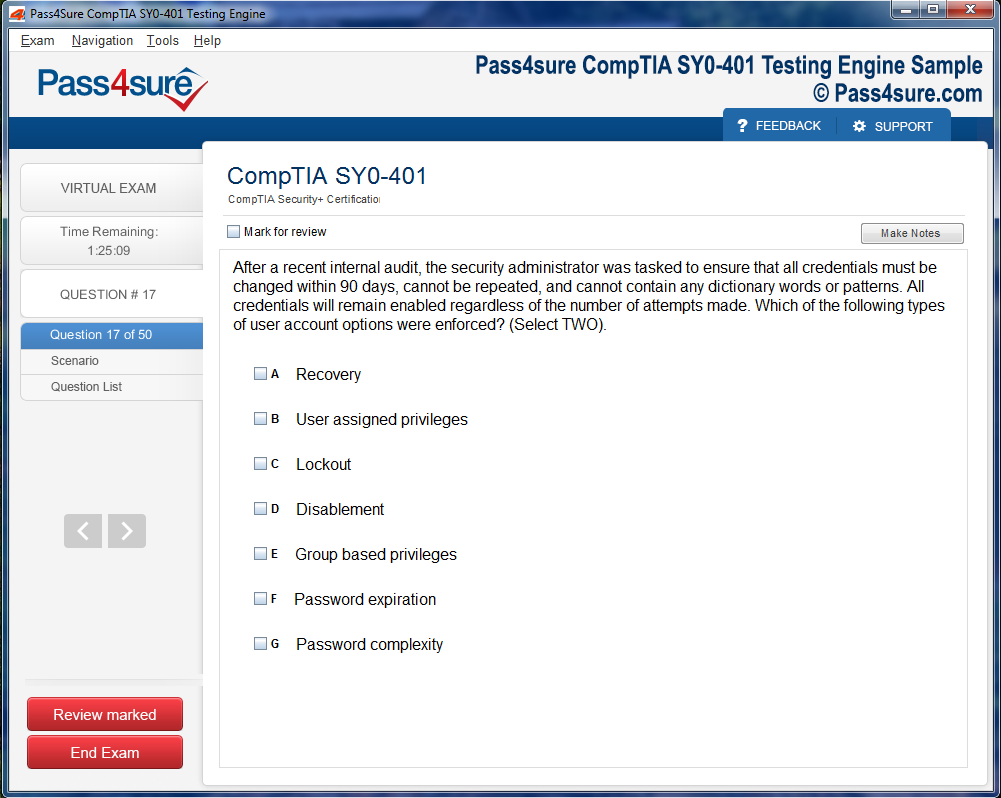
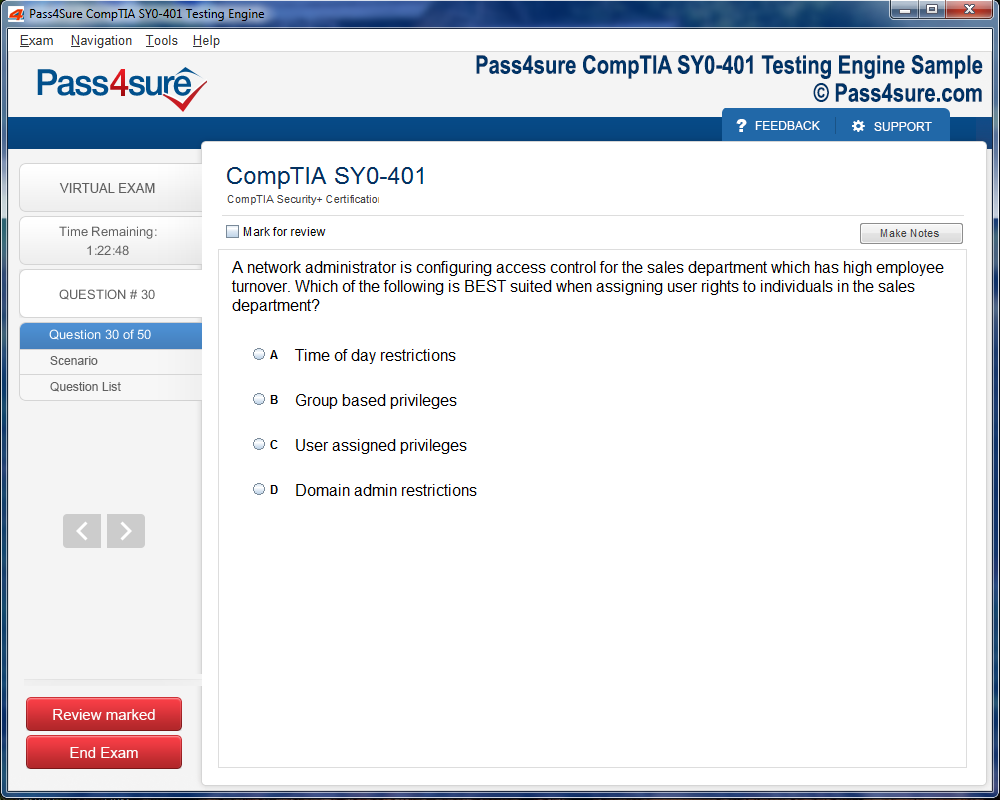
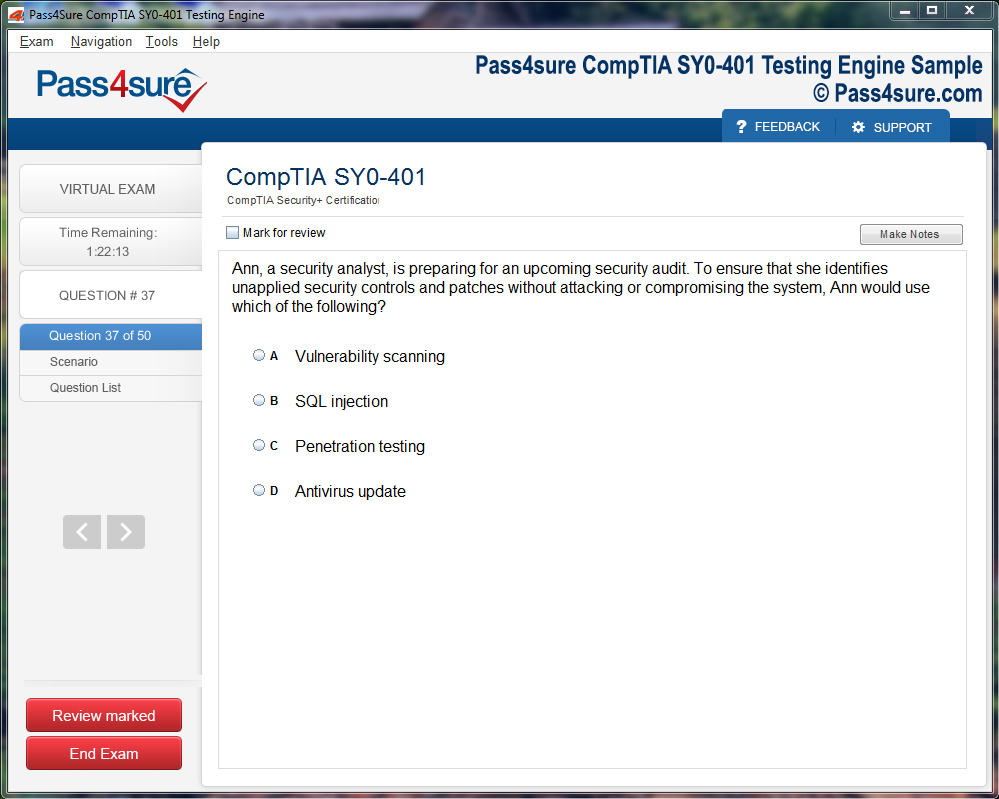
Product Screenshots
Certification Prerequisites
ECCouncil ECSA Exam: Your Path to Becoming a Certified Security Analyst
Cybersecurity has grown into one of the most critical professional disciplines of the modern era, and the demand for analysts who can think like attackers while defending organizational assets has never been stronger. The EC-Council Certified Security Analyst certification, known as the ECSA, sits at an important position in the cybersecurity certification landscape as a credential that bridges the gap between foundational security knowledge and advanced penetration testing expertise. Where many security certifications focus on either defensive operations or conceptual frameworks, the ECSA emphasizes the analytical and methodological dimensions of offensive security testing, preparing candidates to conduct structured penetration tests that produce actionable intelligence for the organizations that commission them.
The ECSA builds directly on the foundation established by the Certified Ethical Hacker certification, also offered by EC-Council, and represents the logical next step for professionals who have moved beyond learning individual attack techniques and are ready to apply those techniques within a comprehensive, methodology-driven testing framework. Earning the ECSA demonstrates that a professional can plan, execute, document, and communicate the results of penetration tests in a manner that meets professional standards and delivers genuine value to clients and stakeholders. This combination of technical capability and professional methodology is what distinguishes certified security analysts from technicians who can run tools without understanding how their findings fit into a broader security assessment context.
What the ECSA Certification Actually Represents
The ECSA is not simply a harder version of the CEH. It represents a qualitatively different kind of certification that tests a different set of skills and a different level of professional maturity. While the CEH focuses heavily on the techniques and tools used in ethical hacking, the ECSA focuses on the analytical framework within which those techniques are applied. A certified security analyst must understand not just how to identify vulnerabilities but how to structure a penetration testing engagement from initial scoping through final reporting, how to select appropriate testing methodologies for different target environments, and how to translate technical findings into risk assessments that non-technical stakeholders can understand and act upon.
This analytical emphasis is reflected in both the examination format and the practical component that distinguishes the ECSA from many comparable certifications. EC-Council offers two pathways to ECSA certification: an examination-based pathway and a fully practical pathway. The practical pathway requires candidates to complete a rigorous hands-on assessment that tests their ability to conduct actual penetration testing activities against target systems rather than simply answering questions about how such testing should be conducted. This practical component gives the ECSA particular credibility among security professionals and employers who understand that cybersecurity competency cannot be fully assessed through multiple-choice questions alone.
The Prerequisites and Experience Requirements for ECSA
EC-Council recommends that candidates pursuing the ECSA hold the CEH certification or possess equivalent knowledge before attempting the ECSA examination. This recommendation reflects the genuine knowledge dependency between the two credentials. The ECSA assumes that candidates already understand the tools and techniques of ethical hacking at a working level and are ready to apply that understanding within a structured penetration testing methodology. Candidates who attempt the ECSA without this foundational knowledge often find the analytical and methodological content difficult to engage with because they lack the technical context needed to make sense of why specific testing approaches are appropriate in specific situations.
Beyond the CEH, EC-Council specifies that candidates should have at least two years of information security experience before pursuing the ECSA. This experience requirement is not merely administrative gatekeeping. Penetration testing methodology is most meaningful to professionals who have encountered the kinds of security environments, organizational constraints, and stakeholder dynamics that real testing engagements involve. A candidate who has spent two years working in security operations, vulnerability management, or network administration brings contextual understanding to the ECSA content that accelerates comprehension and deepens the analytical capability the certification is designed to develop. Candidates who lack this experience may pass the examination through intensive study but will likely find the practical application of ECSA skills more challenging when they encounter real-world testing engagements.
The ECSA Examination Structure and Content Domains
The ECSA examination consists of multiple-choice questions administered over a defined time period, testing candidates across the full range of penetration testing methodology domains that the certification covers. The examination blueprint includes coverage of penetration testing scoping and engagement, information gathering and reconnaissance techniques, network and infrastructure testing, web application penetration testing, wireless network testing, social engineering assessment, physical security testing, and report writing and communication. Each domain represents a distinct phase or dimension of professional penetration testing practice, and the examination tests both conceptual understanding and the ability to apply concepts to realistic scenarios.
The information gathering and reconnaissance domain deserves particular attention because it sets the foundation for everything that follows in a penetration testing engagement. Understanding how to conduct thorough reconnaissance using passive and active techniques, how to organize and analyze gathered intelligence, and how to use reconnaissance findings to prioritize subsequent testing activities is a skill that separates methodical analysts from technicians who jump directly to exploitation without adequate preparation. The ECSA examination tests this analytical discipline explicitly, requiring candidates to demonstrate that they understand the value and application of reconnaissance within the broader testing methodology rather than treating it as a preliminary step to be completed as quickly as possible.
Penetration Testing Methodology as the Core of ECSA Content
The penetration testing methodology that the ECSA teaches and tests is not a rigid checklist but a flexible framework that guides professional judgment across varying engagement contexts. The methodology begins with pre-engagement activities including scoping discussions with clients, rules of engagement definition, and legal authorization confirmation. These activities establish the boundaries within which testing will occur and ensure that both the testing team and the client organization have clear, aligned expectations about what will be tested, how it will be tested, and what constitutes success for the engagement.
Execution phases of the methodology follow a logical progression from reconnaissance through scanning and enumeration, vulnerability identification, exploitation, post-exploitation analysis, and finally reporting and remediation guidance. Each phase informs the next, with findings from reconnaissance shaping the scanning approach, vulnerability identification guiding exploitation priorities, and post-exploitation analysis revealing the real-world impact of identified weaknesses. The ECSA teaches candidates to execute each phase with professional discipline, documenting findings carefully, maintaining chain of custody for any evidence collected, and keeping client communication appropriately informed without compromising the integrity of ongoing testing activities.
Web Application Penetration Testing in the ECSA Framework
Web application security represents one of the largest and most consequential areas of penetration testing practice, and the ECSA dedicates significant coverage to web application testing methodology. Modern organizations expose enormous attack surfaces through their web applications, and weaknesses in these applications represent some of the most commonly exploited vulnerabilities in real-world breaches. The ECSA framework for web application testing aligns with established industry references including the OWASP Testing Guide, covering vulnerability categories such as injection flaws, authentication weaknesses, session management issues, access control failures, security misconfigurations, and cryptographic weaknesses.
Candidates preparing for the ECSA web application domain need to understand not just the individual vulnerability types but how they interact within a realistic application testing engagement. A SQL injection vulnerability discovered during initial testing might enable credential extraction that then allows authentication bypass, which in turn reveals additional injection points in authenticated functionality. Tracing these chains of connected vulnerabilities and understanding their cumulative impact on organizational risk requires the analytical thinking that the ECSA develops and examines. Candidates who can reason through these attack chains, prioritize their testing activities accordingly, and communicate the business impact of connected vulnerability chains in their reports are demonstrating exactly the kind of analytical maturity the ECSA is designed to recognize.
Network Penetration Testing and Infrastructure Assessment
Network and infrastructure penetration testing covers the assessment of an organization's network architecture, devices, protocols, and configurations for security weaknesses that could be exploited to gain unauthorized access or move laterally within an environment. The ECSA framework for network testing includes external and internal network assessment approaches, firewall and router configuration testing, wireless network security assessment, and the evaluation of network segmentation controls that are intended to limit the blast radius of a successful breach.
A particularly important concept in network penetration testing that the ECSA addresses is the distinction between external and internal testing perspectives. External testing simulates an attacker who has no prior access to the organization's internal network, starting from an unauthenticated position outside the perimeter and attempting to breach it. Internal testing simulates an attacker who has already achieved some level of access, whether through a phishing attack, a compromised external service, or a malicious insider, and is attempting to expand their access and move toward high-value targets. Understanding both perspectives and being able to conduct testing from each position is essential for providing clients with a complete picture of their network security posture, and the ECSA examination tests this dual-perspective understanding explicitly.
Report Writing and Communication as Professional Differentiators
One of the dimensions that most clearly separates the ECSA from purely technical security certifications is its emphasis on report writing and professional communication as core competencies. A penetration test that identifies critical vulnerabilities but produces an incomprehensible report delivers little value to the client organization. Conversely, a thorough, well-written penetration testing report transforms technical findings into actionable intelligence that security teams, management, and boards can use to make informed decisions about remediation priorities and risk acceptance.
The ECSA teaches and examines a structured approach to penetration testing report writing that includes executive summaries designed for non-technical leadership, technical findings sections with sufficient detail for security engineers to reproduce and remediate identified issues, risk ratings that communicate severity in business-relevant terms, and remediation recommendations prioritized by impact and implementation feasibility. Candidates who invest preparation time in understanding what makes penetration testing reports genuinely useful rather than merely comprehensive will find that this knowledge transfers directly to their professional work and differentiates them from peers who treat report writing as an afterthought to the technical testing itself.
The Practical ECSA Pathway and Its Distinctive Value
The practical ECSA pathway represents a significant differentiator in the cybersecurity certification landscape. Rather than demonstrating knowledge through examination questions alone, candidates pursuing the practical pathway must complete a structured penetration testing challenge against EC-Council's iLabs environment, demonstrating hands-on competency across multiple testing domains within a defined time window. This practical assessment cannot be passed through memorization or test-taking strategy. It requires genuine ability to apply penetration testing methodology, use testing tools effectively, identify real vulnerabilities, and document findings in a professional manner.
Preparing for the practical ECSA pathway requires a different study approach from examination-only preparation. Candidates must build genuine hands-on proficiency across all testing domains, which means spending substantial time in lab environments that simulate the kinds of targets they will encounter in the assessment. Setting up personal lab environments using virtualization software, working through guided exercises on platforms that provide structured penetration testing practice, and completing full end-to-end testing simulations that cover all phases from reconnaissance through reporting are all essential preparation activities. Candidates who have been actively working in penetration testing roles will have a meaningful advantage in the practical pathway, while those transitioning from other security disciplines should plan for an extended hands-on preparation period.
Building a Study Plan for Effective ECSA Preparation
Effective ECSA preparation requires a structured study plan that allocates time appropriately across conceptual learning, hands-on practice, and examination-style review. A realistic preparation timeline for candidates with CEH-level knowledge and relevant work experience falls between eight and sixteen weeks, depending on the depth of prior penetration testing experience and the chosen examination pathway. Candidates without prior hands-on penetration testing experience should lean toward the longer end of this range and invest heavily in lab-based practice before attempting either the examination or the practical assessment.
The official EC-Council courseware for the ECSA provides a structured curriculum aligned to the examination blueprint and includes access to the iLabs environment for hands-on practice. Working through the official curriculum provides coverage of all examination domains and builds familiarity with EC-Council's specific methodological framework, which is the reference framework the examination uses. Supplementing the official curriculum with additional practice in personal lab environments, study groups with other security professionals preparing for the same credential, and independent research into the topics that the official materials introduce but do not explore in full depth produces the most robust preparation. Candidates should also allocate time specifically to practicing penetration testing report writing, reviewing sample reports, and developing templates that they can adapt to different testing scenarios.
Career Opportunities That ECSA Certification Opens
The ECSA positions certified professionals for roles at the intersection of technical security expertise and analytical capability. Penetration tester, security analyst, vulnerability assessment specialist, red team analyst, and security consultant are all roles where ECSA certification carries meaningful recognition. These positions are available across a wide range of organizational contexts including in-house security teams at large enterprises, managed security service providers, dedicated penetration testing consultancies, and government security agencies. The diversity of available roles reflects the broad applicability of penetration testing methodology skills across different organizational environments and security maturity levels.
Compensation for ECSA-certified professionals reflects the genuine scarcity of analysts who combine technical penetration testing capability with professional methodology and communication skills. In North American markets, penetration testers and security analysts with ECSA-level credentials and relevant experience typically earn between ninety thousand and one hundred forty thousand dollars annually, with senior roles and consulting positions at the higher end of that range. The ECSA also serves as a stepping stone toward more advanced credentials including the Licensed Penetration Tester designation and eventually the Certified Penetration Testing Professional, for professionals who want to continue advancing along the EC-Council certification pathway toward the highest levels of recognized penetration testing expertise.
Integrating ECSA with Other Security Certifications
The ECSA does not exist in isolation from the broader cybersecurity certification ecosystem, and thoughtful professionals consider how it complements other credentials in their portfolio. For professionals who hold the CEH, the ECSA represents the natural next step, deepening the analytical framework around the technical skills the CEH established. For professionals with CompTIA Security Plus or CompTIA PenTest Plus credentials, the ECSA adds EC-Council's specific methodological framework and the option of a practical assessment pathway that CompTIA credentials do not offer. For professionals targeting the OSCP from Offensive Security, the ECSA can serve as a methodologically focused complement to the OSCP's intensely technical and exploit-focused approach.
The combination of ECSA with defensive security credentials such as the Certified Information Systems Security Professional or the Certified Information Security Manager creates a particularly compelling professional profile. Security professionals who understand both offensive and defensive perspectives bring a more complete picture of organizational risk to their work, because they understand not just what defenders need to protect but how attackers actually think and operate. This dual perspective is increasingly recognized by employers who understand that the most valuable security professionals are those who can bridge the gap between offensive testing and defensive implementation, using penetration testing findings to directly improve security controls rather than simply producing reports that security teams must interpret independently.
Conclusion
Pursuing the ECSA certification is a commitment to professional excellence in a discipline that genuinely matters for organizational security. The preparation process develops analytical thinking, methodological discipline, and communication skills that transfer directly to penetration testing practice and make certified analysts more capable and more valuable than their preparation hours alone might suggest. The certification examination tests these capabilities rigorously enough that passing it represents genuine achievement rather than a formality, and the practical pathway option adds a dimension of hands-on validation that elevates the credential's credibility among employers and peers who understand what the assessment demands.
The analytical mindset that the ECSA develops extends beyond penetration testing into the broader discipline of security thinking. Professionals who learn to approach security assessments with methodological rigor, to trace the connections between individual vulnerabilities and their organizational impact, and to communicate technical findings in terms that drive action rather than simply document findings become more effective contributors in any security role they occupy. This mindset shift, from technician to analyst, is the most lasting benefit of serious ECSA preparation and the quality that most distinguishes professionals who have genuinely internalized the certification's content from those who have merely passed its examination.
The cybersecurity profession rewards professionals who combine technical depth with analytical breadth and communication clarity, and the ECSA is specifically designed to develop and recognize exactly this combination. Organizations facing an increasingly sophisticated threat landscape need security analysts who can conduct thorough, methodical assessments, identify the vulnerabilities that genuinely matter, and translate their findings into remediation priorities that improve actual security posture. Certified security analysts who bring this capability to their work are not simply filling a job description. They are contributing directly to the resilience of the organizations they serve and to the broader project of making digital infrastructure more secure for everyone who depends on it.
For professionals ready to make the commitment that ECSA preparation requires, the path forward combines structured study of penetration testing methodology, serious investment in hands-on laboratory practice, deliberate development of professional reporting skills, and honest assessment of current knowledge gaps that require focused attention. Candidates who approach this preparation with the same methodological discipline that the certification itself teaches will find that the knowledge and capability they develop along the way makes the credential they earn at the end genuinely representative of who they have become as security professionals.
Frequently Asked Questions
How does your testing engine works?
Once download and installed on your PC, you can practise test questions, review your questions & answers using two different options 'practice exam' and 'virtual exam'. Virtual Exam - test yourself with exam questions with a time limit, as if you are taking exams in the Prometric or VUE testing centre. Practice exam - review exam questions one by one, see correct answers and explanations).
How can I get the products after purchase?
All products are available for download immediately from your Member's Area. Once you have made the payment, you will be transferred to Member's Area where you can login and download the products you have purchased to your computer.
How long can I use my product? Will it be valid forever?
Pass4sure products have a validity of 90 days from the date of purchase. This means that any updates to the products, including but not limited to new questions, or updates and changes by our editing team, will be automatically downloaded on to computer to make sure that you get latest exam prep materials during those 90 days.
Can I renew my product if when it's expired?
Yes, when the 90 days of your product validity are over, you have the option of renewing your expired products with a 30% discount. This can be done in your Member's Area.
Please note that you will not be able to use the product after it has expired if you don't renew it.
How often are the questions updated?
We always try to provide the latest pool of questions, Updates in the questions depend on the changes in actual pool of questions by different vendors. As soon as we know about the change in the exam question pool we try our best to update the products as fast as possible.
How many computers I can download Pass4sure software on?
You can download the Pass4sure products on the maximum number of 2 (two) computers or devices. If you need to use the software on more than two machines, you can purchase this option separately. Please email sales@pass4sure.com if you need to use more than 5 (five) computers.
What are the system requirements?
Minimum System Requirements:
- Windows XP or newer operating system
- Java Version 8 or newer
- 1+ GHz processor
- 1 GB Ram
- 50 MB available hard disk typically (products may vary)
What operating systems are supported by your Testing Engine software?
Our testing engine is supported by Windows. Andriod and IOS software is currently under development.