

Exam Code: NSK200
Exam Name: Netskope Certified Cloud Security Integrator (NCCSI)
Certification Provider: Netskope
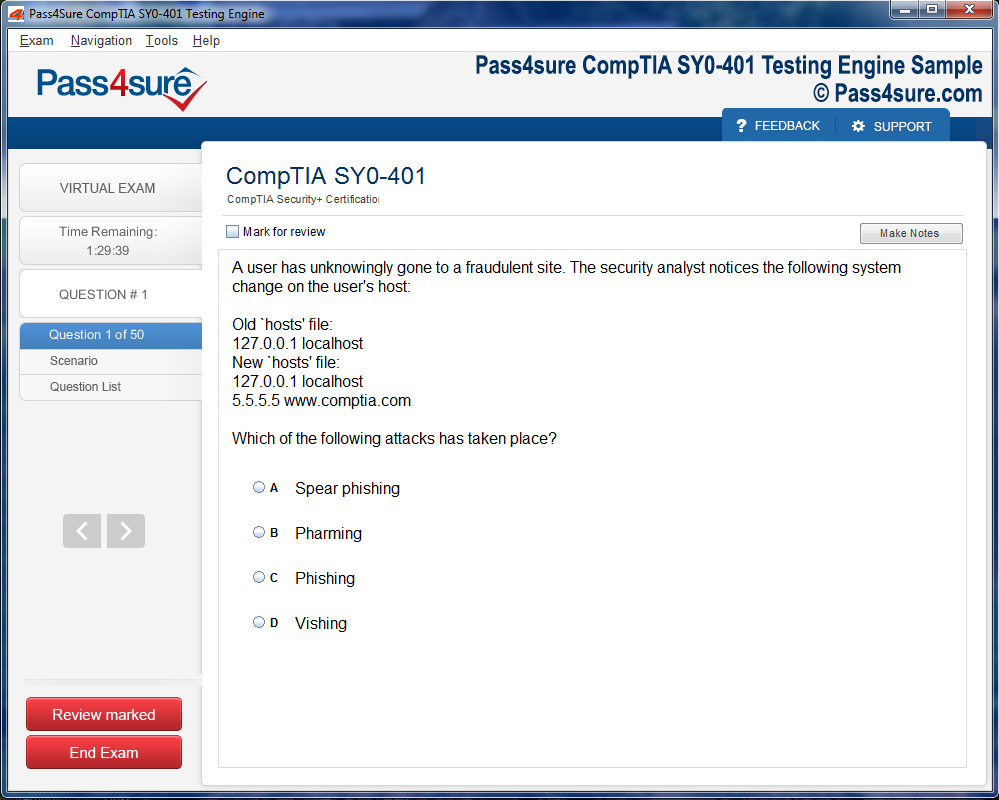
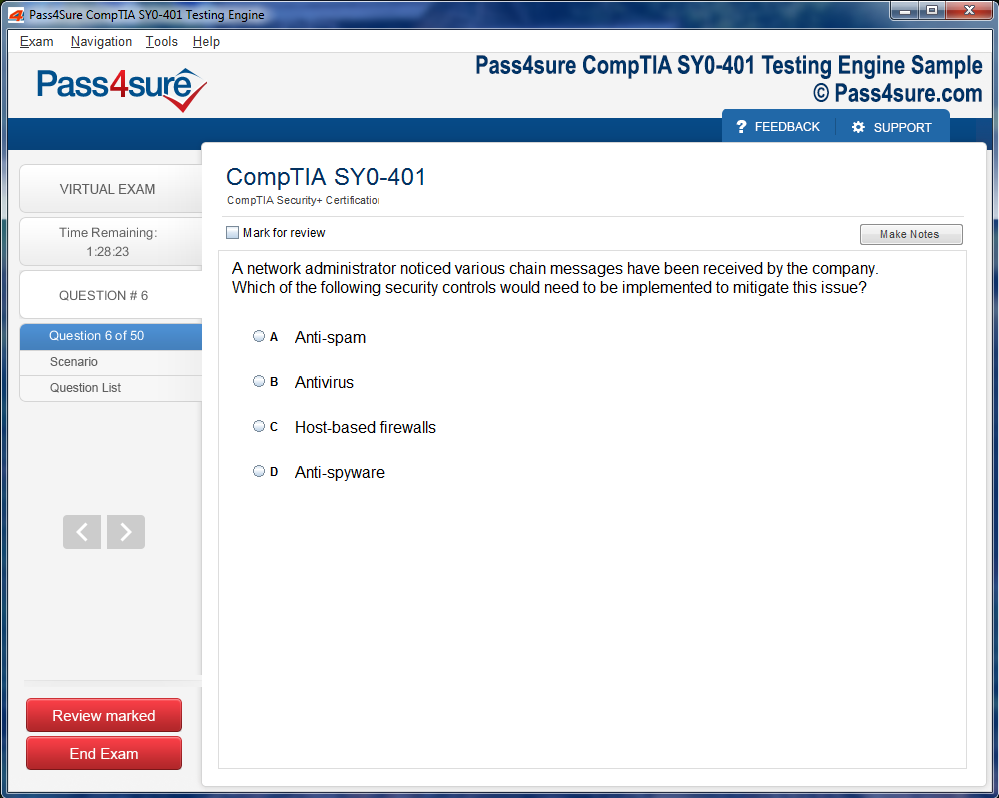
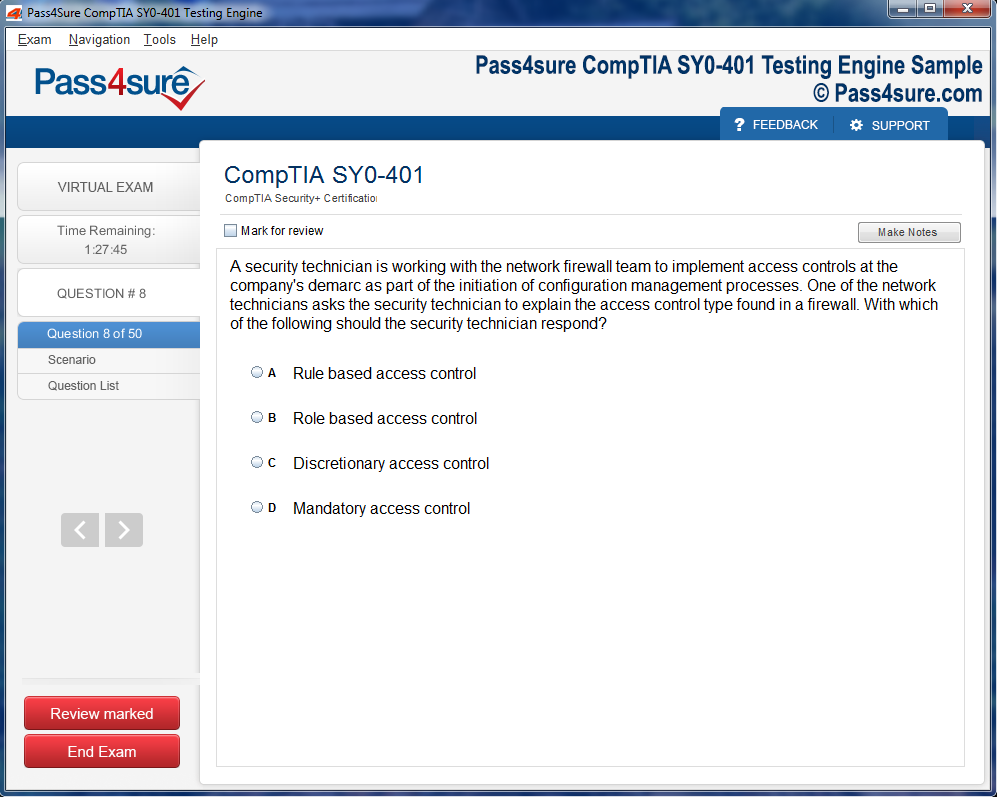
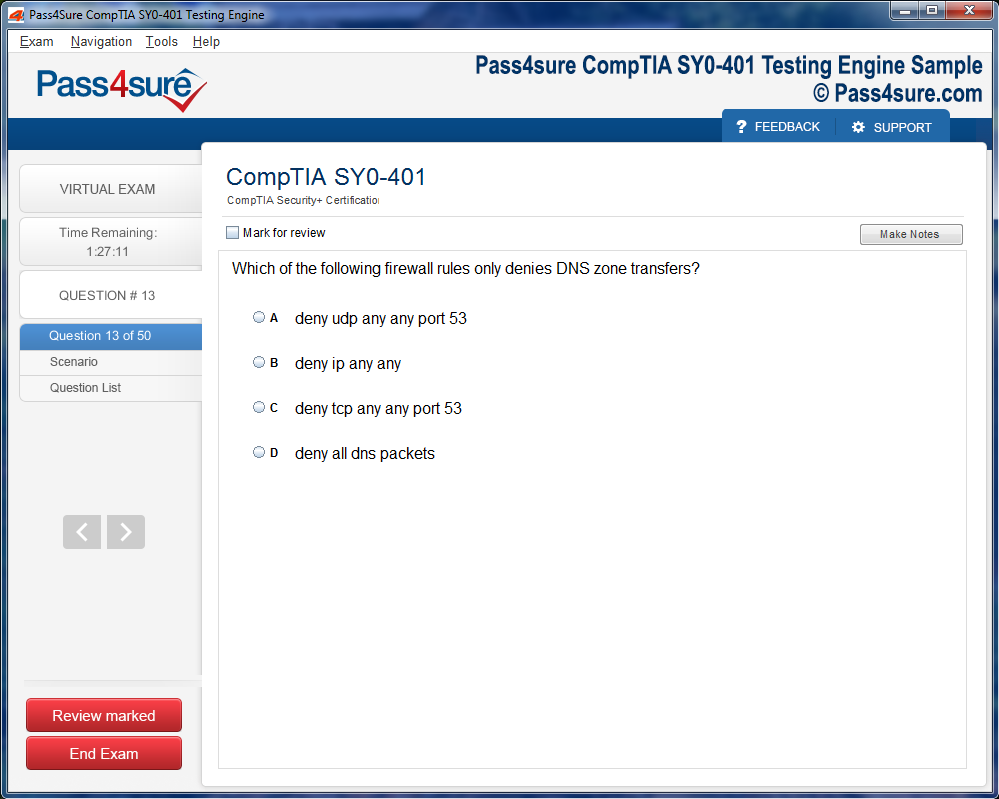
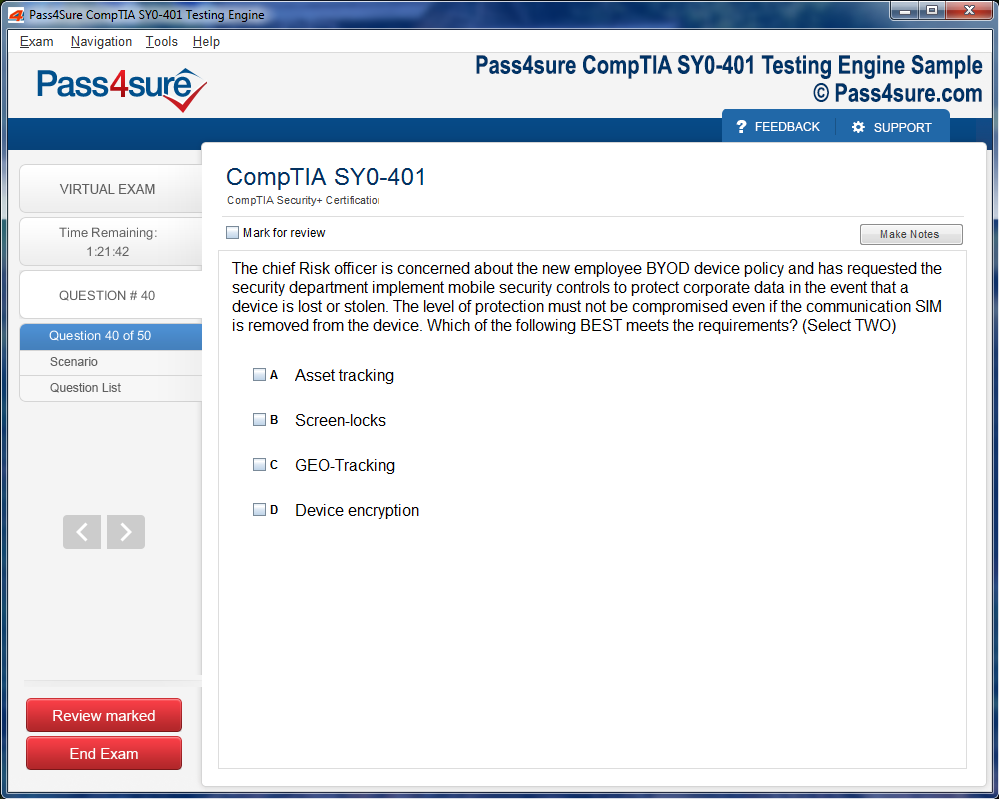
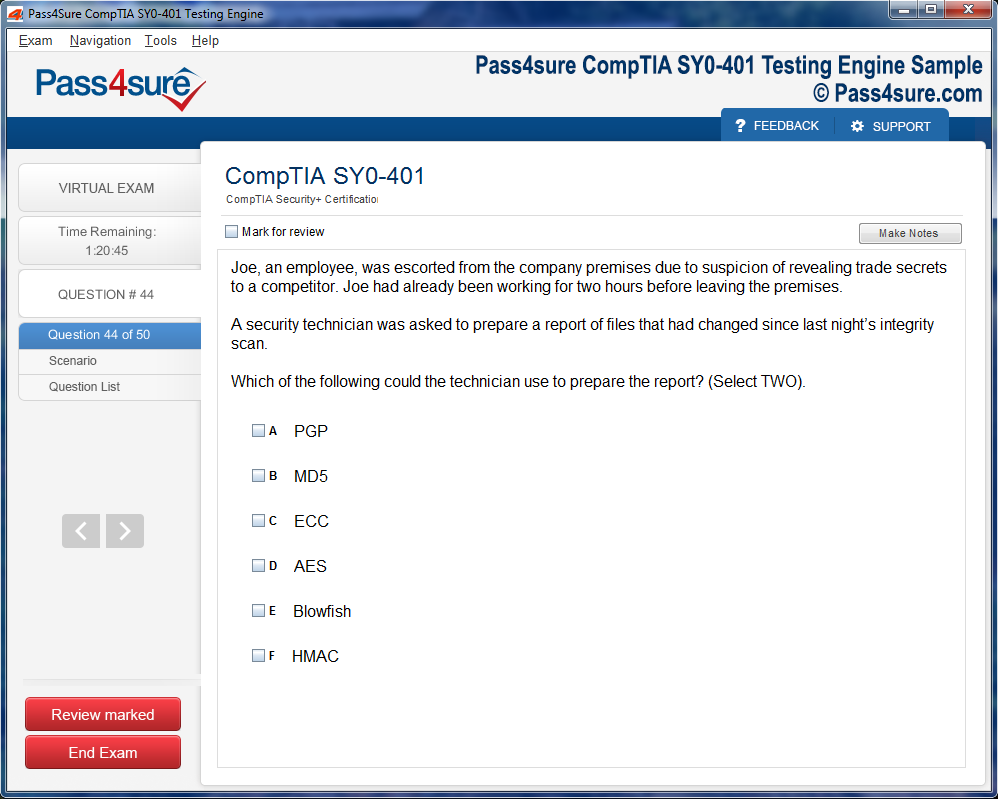
Product Screenshots
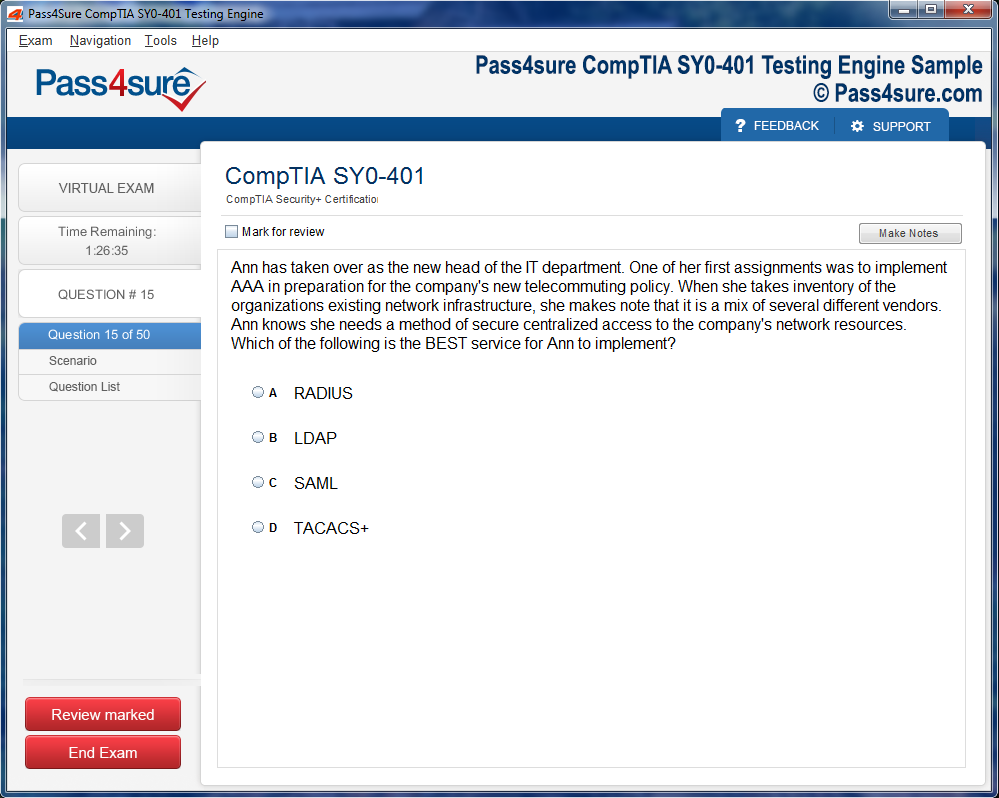
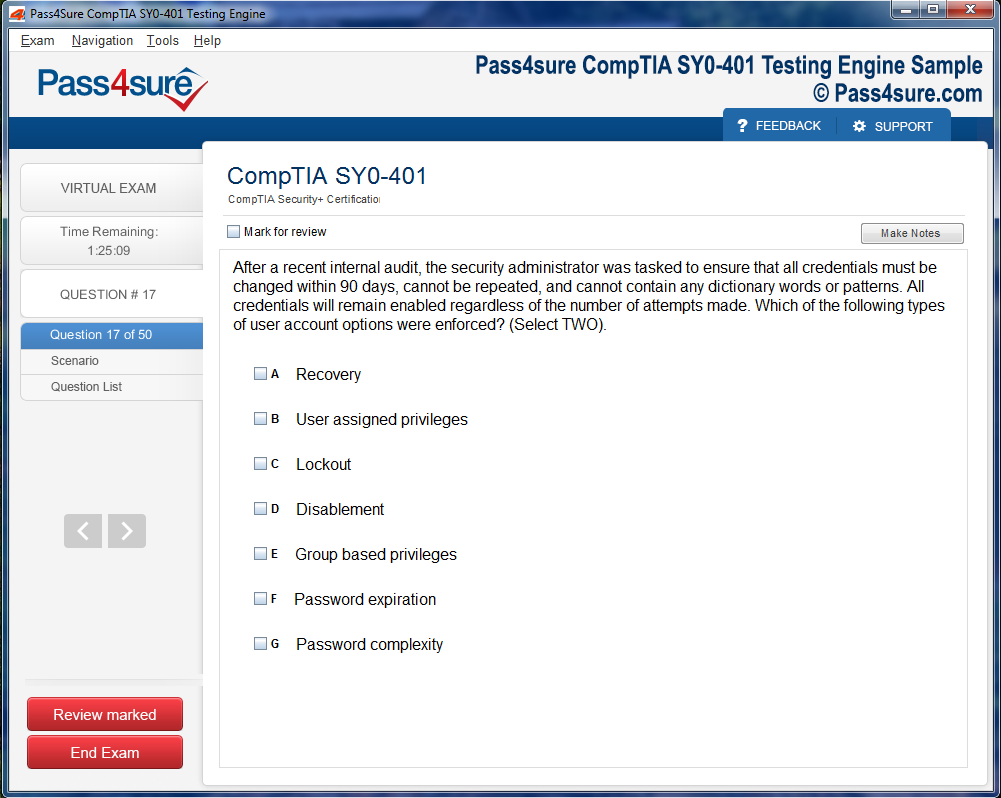
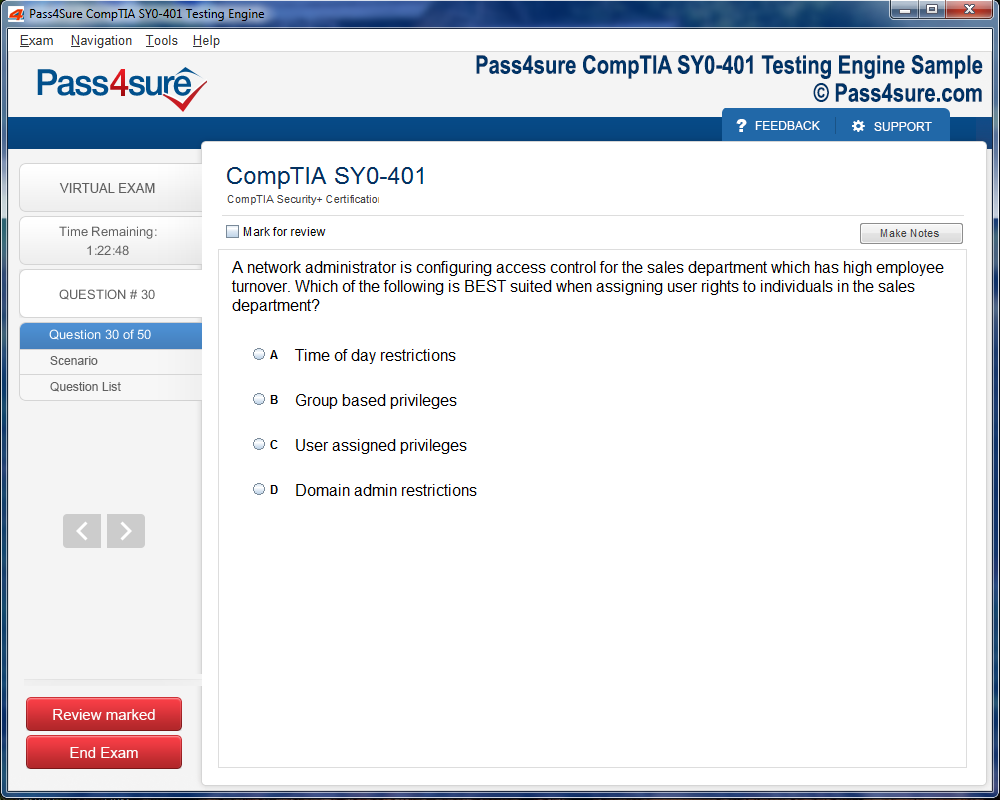
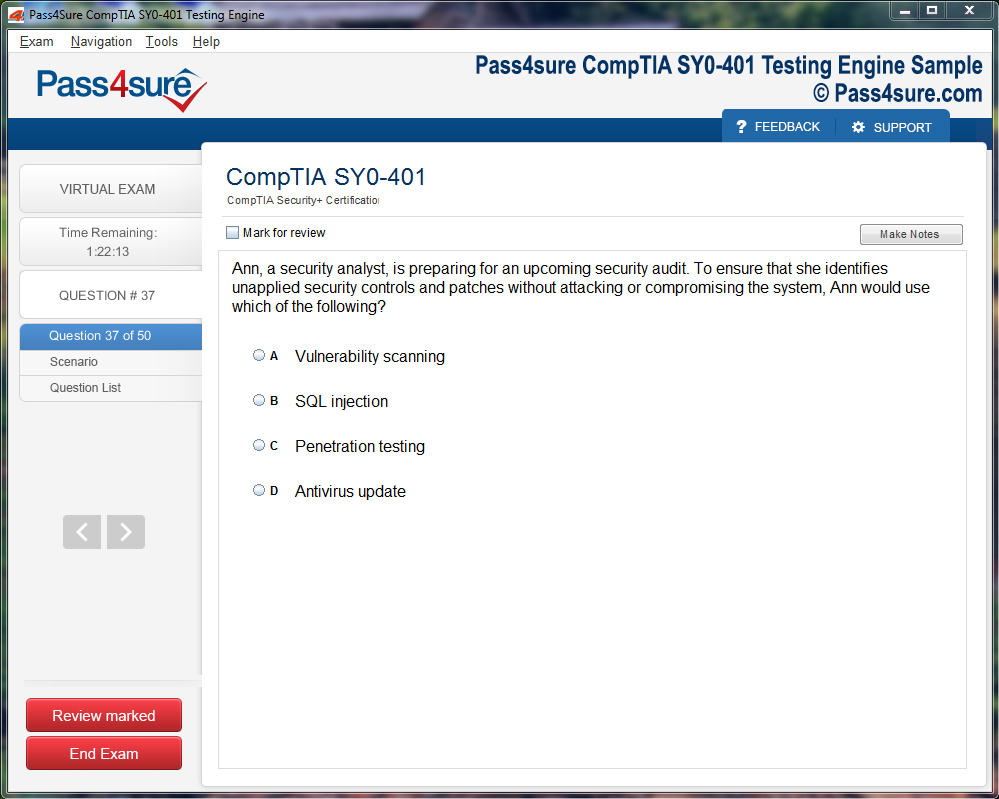
Frequently Asked Questions
How does your testing engine works?
Once download and installed on your PC, you can practise test questions, review your questions & answers using two different options 'practice exam' and 'virtual exam'. Virtual Exam - test yourself with exam questions with a time limit, as if you are taking exams in the Prometric or VUE testing centre. Practice exam - review exam questions one by one, see correct answers and explanations.
How can I get the products after purchase?
All products are available for download immediately from your Member's Area. Once you have made the payment, you will be transferred to Member's Area where you can login and download the products you have purchased to your computer.
How long can I use my product? Will it be valid forever?
Pass4sure products have a validity of 90 days from the date of purchase. This means that any updates to the products, including but not limited to new questions, or updates and changes by our editing team, will be automatically downloaded on to computer to make sure that you get latest exam prep materials during those 90 days.
Can I renew my product if when it's expired?
Yes, when the 90 days of your product validity are over, you have the option of renewing your expired products with a 30% discount. This can be done in your Member's Area.
Please note that you will not be able to use the product after it has expired if you don't renew it.
How often are the questions updated?
We always try to provide the latest pool of questions, Updates in the questions depend on the changes in actual pool of questions by different vendors. As soon as we know about the change in the exam question pool we try our best to update the products as fast as possible.
How many computers I can download Pass4sure software on?
You can download the Pass4sure products on the maximum number of 2 (two) computers or devices. If you need to use the software on more than two machines, you can purchase this option separately. Please email sales@pass4sure.com if you need to use more than 5 (five) computers.
What are the system requirements?
Minimum System Requirements:
- Windows XP or newer operating system
- Java Version 8 or newer
- 1+ GHz processor
- 1 GB Ram
- 50 MB available hard disk typically (products may vary)
What operating systems are supported by your Testing Engine software?
Our testing engine is supported by Windows. Andriod and IOS software is currently under development.
How to Pass Netskope NSK200 on the First Attempt
To truly harness the potential of Netskope, one must navigate the labyrinthine landscape of cloud security posture management. This domain is not merely about monitoring configurations; it is an orchestration of proactive vigilance, risk calibration, and strategic remediation. Candidates must develop an intimate familiarity with the metrics and heuristics that govern security posture evaluation, discerning subtle deviations that may portend vulnerabilities.
The process involves continuous assessment of cloud assets, delineating their exposure levels, and identifying latent misconfigurations that could compromise data integrity. Utilizing automated compliance frameworks and policy-driven enforcement mechanisms becomes indispensable, transforming abstract guidelines into actionable security imperatives. For aspirants, internalizing these mechanisms and understanding their operational cadence ensures that complex exam scenarios can be navigated with alacrity and precision.
Mastering Data Governance and Classification Strategies
Data, the lifeblood of modern enterprises, demands meticulous stewardship. Netskope’s data governance architecture emphasizes classification, contextual monitoring, and adaptive policy application. Exam candidates must cultivate proficiency in distinguishing between public, confidential, and regulated data categories, recognizing the ramifications of improper handling.
Moreover, the nuanced orchestration of dynamic policies—ranging from automated encryption to conditional access—requires both analytical acuity and tactical foresight. Practical exercises in tagging sensitive datasets and simulating breach containment scenarios enhance cognitive fluency, ensuring that theoretical comprehension is seamlessly translated into operational competence.
Navigating Threat Intelligence and Anomaly Detection
In the ever-evolving cyber ecosystem, anticipatory intelligence is paramount. Netskope’s platform leverages real-time analytics to detect aberrant behaviors, ranging from anomalous login patterns to lateral data movements. Candidates must grasp the interplay between heuristic algorithms, behavioral baselines, and signature-based detection models.
Integrating threat intelligence feeds with contextual awareness enhances the ability to preemptively mitigate risks. Studying historical incident reports and simulating forensic analysis provides aspirants with a granular understanding of attack vectors, remediation sequences, and containment protocols. This form of experiential cognition is critical for excelling in scenario-driven examination segments.
Orchestrating Access Policies with Precision
Access management extends beyond rudimentary role assignments; it embodies the strategic orchestration of permissions, risk thresholds, and conditional constraints. Netskope empowers enterprises to implement granular access policies that dynamically respond to contextual parameters such as location, device posture, and behavioral risk indicators.
For candidates, mastering this domain entails an intricate understanding of policy hierarchies, inheritance structures, and conflict resolution mechanisms. Practical exercises that simulate cross-cloud access scenarios cultivate an intuitive grasp of policy outcomes, ensuring that nuanced questions can be navigated efficiently during the exam.
Leveraging Visualization and Cognitive Mapping
Complex systems are best tamed through visual cognition. Constructing mind maps, flow diagrams, and interconnected schematics provides aspirants with a macroscopic yet detailed understanding of Netskope’s operational frameworks. Visual aids facilitate the internalization of multi-layered processes, such as traffic inspection, encryption enforcement, and anomaly correlation.
By employing color-coded schematics and process layering, learners can differentiate between reactive and proactive security mechanisms, comprehend interdependencies, and anticipate cascading impacts of policy changes. This cognitive scaffolding is particularly effective in mitigating the cognitive load during high-pressure exam conditions.
Engaging with Simulation Labs and Practical Exercises
Practical immersion is the fulcrum upon which theoretical mastery pivots. Netskope simulation labs offer aspirants a controlled environment to experiment with configurations, policy deployment, and threat mitigation strategies. Repeated engagement fosters dexterity, exposes latent nuances, and builds confidence in troubleshooting multifaceted scenarios.
Furthermore, practical exercises nurture a problem-solving ethos, compelling candidates to analyze outcomes, refine approaches, and internalize best practices. This iterative engagement translates abstract concepts into ingrained expertise, ensuring preparedness for both the NSK200 examination and real-world cloud security challenges.
Cultivating a Growth-Oriented Mindset
The NSK200 journey is as much intellectual as it is strategic. Beyond memorization, candidates must foster curiosity, resilience, and adaptive reasoning. Confronting complex scenarios with a growth-oriented mindset transforms obstacles into opportunities for skill refinement.
Embracing challenges encourages analytical experimentation, promotes continuous self-assessment, and cultivates the cognitive flexibility essential for navigating dynamic cloud security landscapes. This mindset, once internalized, empowers aspirants to tackle both exam questions and operational dilemmas with unwavering confidence.
The Intricacies of Cloud Security Ecosystems
Cloud security ecosystems represent a confluence of technical ingenuity and strategic foresight. Within this labyrinthine framework, administrators orchestrate protocols that safeguard data integrity, confidentiality, and availability across multifarious environments. These ecosystems demand a meticulous understanding of interdependent architectures, where misconfigurations or overlooked vulnerabilities can precipitate cascading breaches.
Unlike traditional on-premises networks, cloud environments are protean and ephemeral, necessitating adaptive defense mechanisms. Practitioners must internalize the nuances of ephemeral instances, dynamic scaling, and the transient nature of virtual assets. Mastery in this domain requires not only theoretical comprehension but also tactile experience in implementing protective measures that evolve in concert with changing workloads.
Granular Policy Architecture and Behavioral Analytics
Constructing robust cloud security policies is a process that melds granularity with predictive cognition. At the core, these policies delineate permissible interactions with sensitive datasets, dictating access based on multifaceted parameters such as geolocation, device provenance, and temporal access patterns. Netskope’s framework exemplifies this by allowing rule sets that dynamically adjust to the behavioral idiosyncrasies of users.
Behavioral analytics serve as the sentinel of this policy infrastructure. By employing anomaly detection and predictive modeling, administrators can anticipate aberrant activities before they metastasize into full-fledged threats. Practitioners are encouraged to engage in scenario-based simulations that mimic lateral movement, privilege escalation, and data exfiltration attempts. Such exercises transform abstract theoretical constructs into palpable operational expertise.
Encryption Paradigms and Tokenization Strategies
In the cryptic world of cloud security, encryption is both a bulwark and an enabler of compliance. Advanced encryption paradigms, such as homomorphic encryption and envelope encryption, offer mechanisms for safeguarding data without impeding computational efficacy. Tokenization further abstracts sensitive information, replacing identifiable elements with surrogate identifiers that preserve utility while mitigating risk exposure.
Administrators must cultivate proficiency in selecting appropriate cryptographic schemas tailored to data classification, risk appetite, and operational constraints. Additionally, understanding key management lifecycles, including rotation, revocation, and hierarchical key structures, is paramount for sustaining a resilient cryptographic posture.
Dynamic Access Controls and Contextual Authentication
The advent of cloud mobility necessitates dynamic access control models that supersede static identity paradigms. Contextual authentication leverages environmental cues—such as device posture, session history, and geospatial attributes—to calibrate access privileges in real time. Netskope’s policy orchestration facilitates these adaptive measures, allowing enterprises to fine-tune access according to a principle of least privilege without impeding productivity.
This approach requires a deep comprehension of zero-trust architectures, multifactor authentication vectors, and behavioral heuristics. Candidates must practice scenario-driven access modulation, evaluating how contextual shifts influence policy outcomes. Such exercises reinforce a practitioner’s ability to craft policies that are both stringent and operationally agile.
Regulatory Compliance as a Policy Imperative
Regulatory frameworks are no longer peripheral considerations; they are integral to policy formulation and enforcement. Compliance with statutes such as GDPR, HIPAA, and CCPA imposes specific obligations on data stewardship, logging, and breach response. Administrators must integrate these mandates into the operational fabric, ensuring that every policy not only fortifies security but also aligns with legal obligations.
Compliance extends beyond passive adherence; it encompasses proactive risk assessment, continuous monitoring, and audit readiness. By embedding regulatory awareness into daily workflows, practitioners mitigate exposure to legal repercussions while demonstrating operational maturity. Mastery in this realm requires understanding nuanced regulatory expectations, such as data subject rights, breach notification timelines, and cross-border transfer constraints.
Threat Intelligence and Predictive Mitigation
Modern cloud landscapes are besieged by threats that are increasingly sophisticated, polymorphic, and persistent. Threat intelligence amalgamates global data feeds, heuristic analysis, and machine learning to anticipate malicious campaigns. By correlating anomalous indicators with known threat vectors, administrators can preemptively neutralize vulnerabilities before exploitation.
Predictive mitigation strategies rely on continuous feedback loops, where incidents inform policy refinement and fortification. Hands-on engagement with threat simulations, including ransomware propagation, insider threats, and API abuse scenarios, ensures that practitioners internalize the cause-and-effect dynamics inherent in cyber threats.
Visualization, Monitoring, and Policy Refinement
Visualization tools and analytic dashboards transform voluminous log data into actionable intelligence. Effective monitoring entails identifying patterns, anomalies, and deviations from baseline behavior, enabling timely interventions. Netskope’s dashboard functionality allows administrators to synthesize metrics, generate alerts, and enact policy amendments with surgical precision.
Policy refinement is an iterative endeavor. Continuous observation of user interactions, system behavior, and threat patterns informs adjustments that bolster security posture. Practitioners are encouraged to adopt a cyclical approach: deploy, observe, analyze, and recalibrate. This methodology instills resilience, ensuring that policies remain adaptive in an environment characterized by perpetual flux.
Hybrid Cloud and BYOD Policy Considerations
The proliferation of hybrid cloud deployments and Bring Your Own Device (BYOD) paradigms introduces additional layers of complexity. Policies must account for heterogeneous device types, varying operating systems, and inconsistent security postures. Granular controls—such as conditional access, device health attestation, and selective data synchronization—are indispensable in mitigating risks associated with mobile endpoints and multi-cloud integrations.
Practical exercises simulating hybrid cloud interactions reinforce understanding of cross-domain vulnerabilities. Administrators must navigate challenges such as shadow IT, unsanctioned application usage, and cross-tenant data leakage. The ability to anticipate these risks and implement preemptive countermeasures defines operational competence.
Incident Response and Forensic Preparedness
Even the most meticulously constructed policies cannot preclude every incident. Incident response frameworks are essential for mitigating damage, restoring operations, and preserving evidence for forensic examination. Cloud-specific incident management requires familiarity with ephemeral instance snapshots, API call logging, and retention policies.
Forensic preparedness entails capturing immutable logs, maintaining chain-of-custody integrity, and conducting root-cause analysis with precision. By simulating breach scenarios, practitioners develop a reflexive agility that allows them to contain incidents, extract intelligence, and adapt policies to forestall recurrence.
Continuous Learning and Adaptive Expertise
Cloud security is a rapidly evolving discipline, demanding continuous learning and adaptive expertise. Professionals must remain conversant with emerging threats, evolving regulatory landscapes, and technological innovations. Certifications such as NSK200 serve as milestones in this journey, but real-world mastery stems from hands-on experimentation, analytical rigor, and reflective practice.
Adaptive expertise is characterized by the capacity to translate theoretical knowledge into situational judgment, balancing security imperatives with operational exigencies. By cultivating this mindset, administrators become not only custodians of cloud security but also architects of resilient, forward-looking infrastructures.
Experiential Learning as the Bedrock of Cloud Security Mastery
Immersive experiential learning constitutes the fulcrum upon which practical cloud security competence pivots. Theoretical comprehension, while indispensable, functions merely as scaffolding without tactile engagement in dynamic, realistic environments. By constructing meticulously curated simulations and laboratories, aspirants cultivate both dexterity and cognitive agility, preparing for multifaceted contingencies that pervade contemporary enterprise ecosystems.
The pedagogical philosophy underpinning this phase emphasizes iterative engagement. Candidates do not merely memorize procedural steps; they internalize the rationale and consequences underpinning each security action. Such cognitive scaffolding ensures that reflexive decision-making, rather than rote compliance, governs their responses in authentic operational scenarios.
Designing Labs to Replicate Authentic Enterprise Environments
The architecture of hands-on labs necessitates meticulous replication of enterprise-grade environments. Candidates must scaffold virtual topographies mirroring complex network topologies, integrating cloud resources, user hierarchies, and multi-tiered access policies. Such designs challenge practitioners to discern latent vulnerabilities, calibrate policy enforcement, and anticipate emergent threat vectors that evade conventional defenses.
A salient element involves conditional access rule configuration, where learners orchestrate granular permissions predicated on contextual variables such as device posture, geolocation, and behavioral anomalies. Iterative exposure to diverse permutations cultivates both technical acumen and anticipatory reasoning, equipping candidates with the intellectual elasticity required for unforeseen operational exigencies.
Simulations for Incident Response and Remediation
Simulations provide a crucible for refining incident response capabilities. By orchestrating synthetic breach scenarios, candidates observe the cascading repercussions of policy transgressions and emergent security incidents. Tracing unauthorized access, identifying anomalous user behavior, and executing remediation protocols impart not only procedural proficiency but also strategic foresight.
Participants are encouraged to document investigative processes, analyze systemic gaps, and communicate findings through structured reporting formats. Such practice fosters analytical precision, reinforcing the interplay between technical execution and narrative clarity—an essential competency when coordinating across cross-functional teams during live security events.
Cognitive Flexibility Through Repetition and Variation
Cognitive flexibility emerges as a byproduct of deliberate, iterative practice. Repeated engagement with variant lab exercises allows candidates to internalize core principles while adapting to divergent operational contexts. This iterative methodology mitigates the risks of rigid problem-solving heuristics and engenders fluid reasoning across both familiar and novel scenarios.
Variegated exercises—ranging from data exfiltration simulations to anomalous user detection drills—enhance situational awareness and encourage heuristic exploration. By confronting irregularities that defy textbook solutions, learners cultivate a repertoire of adaptive strategies indispensable for high-stakes cloud security operations.
Collaborative Enrichment and Peer-to-Peer Learning
While solo practice builds foundational skill, collaboration accelerates mastery. Peer-to-peer interactions, guided by structured mentorship, cultivate a polyphonic perspective on threat landscapes and remediation strategies. Engaging in dialectical exchanges elucidates alternative solutions and reveals nuances often occluded during isolated study.
Collaboration also fortifies resilience under pressure, as candidates negotiate divergent viewpoints, reconcile conflicting strategies, and synthesize optimal courses of action. This social dimension of learning mirrors real-world operational dynamics, where security professionals routinely integrate insights from cross-functional teams to devise cohesive defenses.
Integrating Governance and Risk Management in Practical Exercises
Practical mastery encompasses more than reactive threat mitigation; it extends to proactive governance and risk management. Candidates are urged to simulate policy enforcement frameworks that align with organizational compliance mandates, data retention protocols, and regulatory obligations.
Exercises may include designing data classification schemas, enforcing encryption policies, and auditing access logs for anomalies. Such undertakings hone a practitioner’s foresight, ensuring that operational decisions not only mitigate immediate threats but also uphold systemic integrity and regulatory fidelity.
Simulating Advanced Threat Scenarios
Advanced threat simulations elevate proficiency by introducing polymorphic attack vectors, lateral movement patterns, and multi-vector intrusion attempts. Candidates confront scenarios that defy simplistic heuristics, requiring synthesis of cross-domain knowledge encompassing identity management, endpoint security, and cloud-native threat detection.
The simulation environment serves as a safe yet rigorous arena for experimenting with defensive stratagems. Practitioners can calibrate alert thresholds, implement automated mitigations, and assess the efficacy of response workflows without jeopardizing actual enterprise assets. Such experiential rigor fosters both confidence and strategic discernment.
Leveraging Metrics and Analytics for Reflective Practice
Quantitative feedback amplifies the efficacy of hands-on exercises. By capturing performance metrics—such as incident resolution time, policy compliance rates, and false-positive frequencies—candidates gain empirical insight into their proficiency. Analytics-driven reflection encourages iterative improvement, transforming each lab session into a data-informed learning opportunity.
Reflective practice also cultivates meta-cognitive awareness. Candidates not only evaluate the efficacy of their actions but also scrutinize their decision-making paradigms, biases, and cognitive tendencies. This layer of introspection augments adaptive expertise, an attribute pivotal for navigating the evolving topography of cloud security.
Simulated Threat Hunting and Behavioral Analytics
Threat hunting exercises immerse candidates in proactive defense. By interrogating logs, analyzing anomalous patterns, and correlating disparate data points, practitioners develop anticipatory acumen. Such exercises necessitate interpretive dexterity, blending quantitative analysis with qualitative reasoning to discern subtle indicators of compromise.
Behavioral analytics, a cornerstone of contemporary cloud security, is further reinforced through these simulations. Candidates learn to profile normal operational baselines, detect deviations, and anticipate potential escalation vectors. This amalgamation of predictive insight and reactive capability underpins the development of comprehensive defensive acumen.
Embedding Operational Realism in Lab Exercises
Operational realism amplifies engagement and retention. By embedding time constraints, incident escalation pressures, and resource limitations into lab exercises, candidates experience the cognitive load and stress analogous to live environments. Such calibrated immersion fosters resilience, enhances prioritization skills, and cultivates a pragmatic mindset oriented toward mission-critical outcomes.
Moreover, integrating cross-system dependencies—such as interactions between identity platforms, cloud storage solutions, and endpoint security agents—enriches the exercise ecosystem. Candidates confront multifactorial challenges, necessitating holistic situational awareness and interdependent problem-solving strategies.
Continuous Iteration for Mastery and Confidence
Mastery is seldom linear; it emerges from iterative refinement and persistent engagement. Structured repetition of lab exercises, augmented by reflective analytics and collaborative discourse, instills confidence, hones dexterity, and reinforces strategic thinking.
Candidates are encouraged to embrace a cyclical model of practice: simulate, execute, evaluate, iterate. This recursive methodology ensures that skills are not merely transient but deeply ingrained, fostering operational readiness for the unpredictable complexities of contemporary cloud security environments.
Strategic Revision and Knowledge Reinforcement Techniques
In the labyrinthine corridors of intellectual pursuit, the act of revision emerges as a lodestar, guiding aspirants through the multifaceted terrain of NSK200 preparation. Strategic reinforcement transcends rote repetition, morphing into a deliberate choreography of cognition that consolidates comprehension, amplifies recall, and hones analytical acumen.
The Architecture of Structured Revision
A methodical revision blueprint functions as an architect’s schematic for cognitive fortification. Spaced repetition, the temporal orchestration of review intervals, engenders neural imprinting of pivotal concepts. By interweaving systematic recapitulation with episodic reinforcement, learners cultivate an enduring schema, circumventing ephemeral memory lapses.
Employing mind maps transmutes abstract knowledge into a cartography of interrelated ideas. Each node radiates conceptual linkages, fostering associative recall and integrative thinking. Complementary instruments, such as flashcards and summarization exercises, distill sprawling content into concise cognitive units, optimizing assimilation.
Active Recall as Cognitive Dexterity
The praxis of active recall metamorphoses passive review into a dynamic interrogation of understanding. Through scenario-laden questioning, mock examinations, and oral recitation, learners confront cognitive lacunae and rectify misconceptions preemptively. This iterative engagement not only consolidates memory but also refines deductive reasoning, a crucial faculty when navigating NSK200’s intricate problem sets.
Cognitive resilience is further bolstered by adaptive quizzing, wherein questions evolve according to performance patterns. Such calibrations ensure that retention is neither superficial nor perfunctory, fostering a robust intellectual scaffold.
Multi-Modal Learning and Neurocognitive Synergy
Diverse sensory channels amplify cognitive resonance, a principle harnessed in multi-modal learning. By synergizing textual analysis, video exegesis, interactive simulations, and tactile exercises, learners stimulate heterogeneous neural circuits. This polyphonic engagement enhances memory encoding, rendering retrieval during high-stakes examinations more fluid and precise.
The amalgamation of visual, auditory, and kinesthetic stimuli prevents monotony, sustaining attentional focus while deepening conceptual integration. Learners navigating NSK200 complexities benefit from alternating modalities, as each iteration reinforces the schema from complementary cognitive perspectives.
Iterative Reflection and Metacognitive Auditing
Self-assessment functions as a cognitive fulcrum, pivoting knowledge from transient acquaintance to durable mastery. Post-study reflection enables candidates to audit progress, identifying acumen, vulnerabilities, and areas meriting intensified scrutiny. This metacognitive exercise cultivates self-regulation, encouraging deliberate allocation of effort and strategic prioritization.
Journaling insights, cataloging errors, and constructing adaptive feedback loops transform routine revision into a sophisticated mechanism of continuous refinement. By embracing iterative reflection, aspirants engender a feedback-rich ecosystem conducive to exponential intellectual growth.
Stress Modulation and Cognitive Equilibrium
Preparation is not merely the accumulation of information but also the orchestration of mental equilibrium. Stress modulation, through techniques such as mindfulness meditation, controlled breathing, and structured interludes, enhances neurocognitive function. Sustained attention, mental clarity, and problem-solving agility flourish under conditions of emotional equilibrium.
Periodic cognitive respite counteracts fatigue, mitigating the deleterious effects of overexertion. In this equilibrium, revision transcends laborious repetition, evolving into a state of concentrated lucidity and deliberate cognitive engagement.
Integrating Analytical Synthesis
Beyond memorization lies the realm of analytical synthesis, wherein discrete concepts coalesce into holistic understanding. The iterative interplay of recall, reflection, and multi-modal reinforcement primes candidates for emergent problem-solving, enabling the navigation of unfamiliar NSK200 scenarios with dexterity.
Encouraging the juxtaposition of principles across domains stimulates higher-order thinking. Comparative analysis, hypothetico-deductive reasoning, and scenario extrapolation cultivate a cerebral agility essential for mastering complex, integrated assessments.
Temporal Optimization and Cognitive Momentum
Temporal structuring of study sessions engenders cognitive momentum, a continuous flow of attentional focus that propels learning efficacy. Micro-scheduling, alternating intense focus periods with restorative intermissions, enhances retention while mitigating mental fatigue.
This chronometric precision ensures that knowledge consolidation occurs incrementally, avoiding cognitive overload. By embracing temporal optimization, learners achieve a harmonic resonance between intellectual exertion and restorative repose.
Synthesis of Conceptual Frameworks
Constructing a lattice of interconnected frameworks facilitates adaptive knowledge application. By mapping principles, delineating causal pathways, and visualizing systemic interrelations, candidates transcend compartmentalized memorization. This structural cognition fosters insight, enabling the intuitive application of concepts under novel circumstances.
Engaging with complexity through schematic abstraction equips learners to navigate emergent challenges, transforming preparation from rote practice into strategic intellectual orchestration.
Adaptive Feedback and Performance Calibration
Dynamic feedback mechanisms amplify the efficacy of revision strategies. Real-time performance monitoring, error analysis, and iterative calibration cultivate an agile learning trajectory. By continually adjusting methods, learners optimize retention, refine analytical reasoning, and fortify comprehension.
Adaptive feedback transcends evaluative function, becoming a catalyst for metacognitive refinement. It engenders proactive correction of misconceptions, ensuring that knowledge remains accurate, integrated, and operationally potent.
The Imperative of Threat Cognizance in Cloud Infrastructures
In the labyrinthine domain of contemporary cloud architectures, threat cognizance transcends mere vigilance; it embodies the capacity to anticipate perturbations before they materialize. Candidates navigating Netskope NSK200 must cultivate perspicacity in distinguishing between ephemeral anomalies and systemic incursions. This involves assimilating telemetry from myriad vectors, ranging from internal audit logs to clandestine external repositories. The practitioner’s acumen lies in discerning the subtle foreshadowing of malevolent activity, often cloaked in ostensibly benign fluctuations.
Operationalizing Intelligence for Preemptive Security Posture
Threat intelligence ceases to be purely academic when operationalized into tangible security stratagems. By synthesizing Indicators of Compromise (IoCs) with historical exploit matrices, candidates orchestrate proactive defense postures. This operationalization demands a confluence of epistemic rigor and practical dexterity: the practitioner must correlate disparate datasets, anticipate lateral threat propagation, and recalibrate access controls dynamically. The essence of mastery is the metamorphosis of raw intelligence into prescriptive mitigations that preemptively stymie sophisticated incursions.
Behavioral Analytics as a Harbinger of Anomalies
Anomaly detection operates at the nexus of statistical inference and behavioral analysis, enabling the early detection of deviations that presage security incidents. Practitioners must apprehend the nuanced mechanics of behavioral baselines, anomaly scoring, and threshold calibration. In cloud ecosystems, where legitimate variance is omnipresent, the skillful delineation between innocuous perturbations and genuine threats is paramount. Machine learning algorithms amplify human perception, yet the candidate must interpret outputs through a lens of contextual sagacity.
Risk Stratification and Prioritization in Threat Scenarios
The lexicon of advanced threat management extends beyond identification; it encompasses meticulous stratification and prioritization. Each anomaly bears a risk quotient, derived from its potential impact, exploitability, and prevalence. Candidates are expected to deploy multidimensional frameworks that weigh the confluence of likelihood and severity, ensuring that response efforts are commensurate with risk magnitude. This stratagem mitigates cognitive overload while optimizing resource allocation, a skill indispensable for high-stakes cloud security operations.
Integrative Automation in Security Orchestration
Sophisticated threat landscapes necessitate orchestration frameworks that transcend manual intervention. Automation, underpinned by adaptive machine learning, facilitates rapid containment and remediation of anomalous behavior. Candidates should internalize the principles of automated response chains, encompassing incident correlation, enrichment, and real-time enforcement. By integrating anomaly detection outputs with policy engines, security orchestration becomes both prescient and self-reinforcing, embodying a proactive defense paradigm.
Interpreting Subtle Indicators and Precursors
In advanced threat intelligence, subtleties matter. Signals may manifest as ephemeral spikes in data exfiltration, minuscule aberrations in user behavior, or anomalous API call patterns. Candidates must develop an almost forensic sensibility, capable of discerning latent precursors that elude conventional detection methodologies. This involves an iterative cycle of hypothesis formation, pattern recognition, and verification against historical baselines, creating a dynamic tapestry of threat anticipation.
Cognitive Augmentation through Threat Simulation
Augmenting human intuition with simulated threat environments enhances comprehension of anomaly trajectories and attack vectors. By leveraging synthetic scenarios and red-team exercises, candidates explore the multifaceted repercussions of various threat modalities. Simulation cultivates a cognitive elasticity, enabling practitioners to extrapolate from controlled observations to unpredictable real-world phenomena. The didactic value is compounded when candidates integrate simulation-derived insights into adaptive cloud policies.
Fusion of Internal and External Intelligence Streams
Advanced practitioners recognize that threat intelligence is inherently multidimensional, requiring the amalgamation of internal telemetry with external intelligence feeds. Internal streams provide granular visibility into organizational operations, whereas external feeds offer insights into emerging exploits and adversarial tactics. Candidates must develop heuristics to reconcile discrepancies, validate sources, and prioritize actionable intelligence. This fusion engenders a holistic security vista, mitigating the blind spots endemic to unilateral analysis.
Machine Learning Paradigms for Predictive Security
Predictive anomaly detection hinges upon the judicious application of machine learning paradigms. Candidates must navigate unsupervised, supervised, and reinforcement learning models, each offering distinct advantages for identifying aberrant behavior. The adept practitioner calibrates model parameters, evaluates performance metrics, and integrates domain-specific heuristics to enhance detection fidelity. Mastery entails discerning when to intervene algorithmically versus when to defer to human adjudication.
Contextualizing Threats within Organizational Topography
Threats are seldom isolated; they propagate within the organizational topography, exploiting hierarchical structures, workflow dependencies, and privilege escalations. Candidates should cultivate an understanding of how anomalies interact with organizational processes, thereby prioritizing interventions with maximal strategic impact. Contextual analysis transforms raw signals into actionable intelligence, enabling interventions that are both precise and minimally disruptive to legitimate operations.
Strategic Orchestration of Examination Performance
Navigating the Netskope NSK200 examination necessitates more than mere rote memorization; it demands a meticulous orchestration of cognitive dexterity and tactical foresight. Exam strategy is not a mere perfunctory checklist but an elaborate schema of temporal allocation, topic prioritization, and iterative problem engagement. Candidates must delineate high-impact subject domains and modulate their intellectual exertion to prevent cognitive entropy. The orchestration involves an intricate understanding of adaptive questioning, scenario-based conundrums, and probabilistic reasoning to mitigate time wastage and optimize answer precision. Employing a metacognitive lens enables test-takers to preemptively recognize pitfalls, thereby cultivating an anticipatory approach to complex interrogatives.
Cognitive Fortification Through Confidence Engineering
Confidence is a psychometric sinew underpinning exam performance. The edifice of assurance is erected through repetitive simulation, immersive practice tests, and methodical rehearsal of problem-solving pathways. Mental visualization, akin to a cognitive dry run, allows candidates to traverse the examination labyrinth in a preemptive, stress-minimized manner. This preparatory immersion fosters neural habituation to the exam’s rhythm, diminishing the paralyzing effect of unforeseen queries. Confidence engineering also thrives on the integration of incremental mastery feedback loops, where iterative assessment and reflective appraisal refine cognitive schemas and reinforce decision-making acuity.
Stress Modulation and Neurocognitive Equilibrium
Sustaining peak performance mandates vigilant stress modulation. Physiological and psychological equilibrium can be maintained through precise interventions such as diaphragmatic respiration, micro-break oscillations, and sequential focus segmentation. Concentrating on singular interrogatives rather than the examination gestalt prevents cognitive overload and preserves working memory bandwidth. The neurocognitive implications of these interventions extend beyond transient relief, fostering synaptic reinforcement and enhanced executive function during high-stakes evaluative scenarios. Furthermore, cultivating mindfulness and attentional control equips candidates with resilience against anxiety-driven cognitive distortions.
Reflective Praxis and Iterative Cognitive Refinement
Post-practice introspection constitutes a fulcrum of cognitive refinement. Candidates benefit from deconstructing erroneous responses, dissecting underlying conceptual misapprehensions, and juxtaposing them against correct rationales. This reflective praxis engenders metacognitive awareness, enabling the conversion of errors into pedagogical assets. Iterative engagement with practice scenarios, punctuated by systematic analysis, fortifies problem-solving agility and accelerates schema consolidation. The reflective loop becomes a crucible in which cognitive resilience is forged, facilitating rapid retrieval of nuanced knowledge during examination exigencies.
Holistic Well-Being as a Cognitive Catalyst
Examination acumen is inextricably linked to physiological and psychological well-being. Sleep sufficiency ensures hippocampal consolidation, while balanced nutritional intake optimizes neurotransmitter efficacy. Mental tranquility, reinforced through relaxation protocols, amplifies focus and fortifies cognitive stamina. Candidates attuned to their somatic and psychological rhythms display heightened receptivity to complex analytical tasks and demonstrate sustained engagement across prolonged evaluative durations. Neglecting these parameters can precipitate cognitive fatigue, decision-making attenuation, and suboptimal performance even in thoroughly prepared individuals.
Temporal Dexterity and Problem-Solving Agility
Time management transcends mechanical pacing; it embodies temporal dexterity in the orchestration of attentional resources. Candidates must navigate the interplay between speed and accuracy, dynamically allocating temporal bandwidth to questions commensurate with their complexity and point value. Problem-solving agility is catalyzed through schema-based recognition, heuristic application, and contingency planning for atypical query constructs. The synergy of temporal dexterity and cognitive agility cultivates a mental milieu in which analytical precision coalesces with operational efficiency, optimizing both throughput and correctness.
Mental Simulation of Examination Scenarios
Immersive mental simulation, akin to cognitive rehearsal, enables candidates to internalize examination contingencies and preempt potential stressors. By envisioning the sequential progression of the test, candidates habituate to temporal pressures, question transitions, and scenario-based complexities. This anticipatory rehearsal reduces cognitive dissonance during actual evaluation, fostering a fluid, confident approach to each interrogative. Mental simulation also primes attentional allocation, ensuring that cognitive resources are optimally distributed across high-yield segments and unpredictable question constructs.
Synoptic Integration of Knowledge and Practice
The apex of preparation manifests when knowledge mastery and practical engagement coalesce into an integrated cognitive framework. Mere factual recollection is insufficient; candidates must translate theoretical comprehension into applied problem-solving. Scenario-based exercises, mock simulations, and adaptive questioning provide platforms for this synoptic integration. The dynamic interplay between conceptual understanding and practical application enhances cognitive flexibility, enabling rapid adaptation to unanticipated question types while preserving accuracy and confidence under examination duress.
Iterative Reinforcement Through Micro-Analytical Review
Micro-analytical review constitutes a granular mechanism for reinforcing neural pathways and refining decision-making heuristics. Candidates dissect individual questions to identify latent misconceptions, cognitive biases, and strategic inefficiencies. This iterative reinforcement not only consolidates domain-specific knowledge but also engenders meta-strategic insights applicable across diverse interrogative contexts. By engaging in deliberate, focused analysis, candidates cultivate a nuanced comprehension that transforms superficial familiarity into deep-rooted expertise, augmenting both speed and precision during assessment.
Psychophysiological Symbiosis for Optimal Exam Execution
The nexus of mental acuity and physiological readiness is pivotal for exemplary examination execution. Psychophysiological symbiosis involves harmonizing sleep cycles, nutritional equilibrium, hydration status, and stress regulation to achieve peak cognitive output. The interdependence of these factors ensures sustained attention, rapid problem-solving, and resilience under evaluative duress. Candidates who internalize the interplay between somatic wellness and intellectual performance exhibit a marked advantage in sustaining prolonged analytical engagement and preserving composure during high-stakes questioning.
Advanced Threat Mitigation Techniques in Cloud Environments
Proficiency in Netskope extends beyond basic threat detection; it encompasses anticipatory and adaptive mitigation strategies. Cloud infrastructures are fertile ground for sophisticated attack vectors, including lateral movement, privilege escalation, and data exfiltration. Candidates must comprehend the intricate choreography of defensive mechanisms, blending signature-based detection, behavioral analytics, and heuristic evaluation.
A cornerstone of advanced mitigation is anomaly correlation. By analyzing multifaceted event logs, traffic patterns, and user behaviors, security practitioners can identify subtle precursors to breaches. For instance, repeated, low-volume data access from disparate geographies may appear innocuous in isolation but, when correlated, signals potential compromise. Aspirants should develop a methodical approach to interpreting these signals, integrating them into both policy enforcement and incident response frameworks.
Dynamic Policy Enforcement and Conditional Access
The efficacy of cloud security policies hinges on their dynamism and contextual sensitivity. Static rules are insufficient in the fluid, distributed environments that modern enterprises operate in. Netskope empowers administrators to implement conditional access mechanisms, leveraging variables such as device posture, IP reputation, geolocation, and behavioral anomalies.
Candidates must internalize the operational logic behind policy prioritization and conflict resolution. For example, when multiple policies intersect—such as device-based encryption requirements versus location-based restrictions—understanding how the platform adjudicates conflicting directives is crucial. Simulating such intersections during practice labs cultivates foresight, preparing candidates for scenario-based questions where theoretical knowledge alone is insufficient.
Data Exfiltration Detection and Containment
The silent siphoning of sensitive data remains one of the gravest risks in cloud ecosystems. Netskope equips security practitioners with tools for real-time exfiltration detection, leveraging both content inspection and contextual analysis. Candidates should familiarize themselves with methods for identifying anomalous data movements, including high-volume transfers, access outside business hours, and irregular protocol usage.
Containment strategies require both precision and immediacy. Learning to configure automated response mechanisms—such as session termination, access revocation, and alert escalation—ensures that data exfiltration attempts are neutralized with minimal latency. Additionally, understanding the forensic implications of response actions, including audit trail preservation and incident documentation, is essential for comprehensive mastery.
Threat Intelligence Integration and Automation
Modern cloud security is inseparable from threat intelligence. Netskope integrates threat feeds and automated alerting systems to anticipate and preempt attacks. Candidates must grasp how to leverage external intelligence sources, correlating them with internal activity to generate actionable insights.
Automation plays a pivotal role in scaling security operations. From automatically quarantining compromised sessions to dynamically adjusting policy thresholds based on emerging threats, the platform transforms raw intelligence into proactive defense. Developing fluency in these automated workflows allows candidates to approach both exam simulations and real-world security incidents with strategic agility.
Incident Response Orchestration in Complex Scenarios
Incident response is the crucible where theoretical knowledge is rigorously tested. Netskope enables orchestrated response workflows, integrating alerts, logs, and user activity into a coherent operational framework. Candidates must understand the sequential logic of containment, eradication, and recovery phases while maintaining compliance with regulatory and organizational mandates.
Scenario-based practice is indispensable. Simulated incidents—such as a compromised privileged account attempting cross-application access—allow aspirants to internalize the interplay of detection, policy enforcement, and remediation. The ability to navigate complex scenarios with both precision and speed is a hallmark of mastery and a predictor of exam success.
Cloud Access Security Broker (CASB) Architecture and Operational Paradigms
At the core of Netskope’s platform lies the CASB architecture, a sophisticated mechanism for mediating interactions between users and cloud applications. Understanding its operational paradigms is critical for both examination and practical deployment.
Candidates must internalize how CASB frameworks inspect traffic, enforce policies, and monitor risk in real time. This includes appreciating the balance between inline and API-based controls, the nuances of adaptive policy application, and the integration with existing identity and access management systems. Mastery of CASB paradigms equips aspirants with the cognitive scaffolding to tackle scenario questions that probe operational depth rather than rote knowledge.
Anomaly Detection and Behavioral Analytics
Behavioral analytics transform raw user activity into actionable insights. Netskope employs sophisticated algorithms to establish baselines, detect deviations, and predict potential threats. Candidates should explore the full spectrum of behavioral indicators, from unusual login times to irregular data access patterns, and understand how these anomalies trigger alerts and automated responses.
Developing a mental model of behavioral analytics involves appreciating probabilistic reasoning and pattern recognition. Candidates who practice interpreting complex activity graphs and correlating multi-source logs gain an advantage, as they can translate abstract anomaly metrics into precise, scenario-specific conclusions.
Leveraging Mind Mapping for Cognitive Retention
The NSK200 syllabus spans interrelated domains that can overwhelm even seasoned professionals. Visual cognition strategies, particularly mind mapping, allow aspirants to synthesize complex interactions into coherent mental schemas.
Mapping data flows, policy hierarchies, and anomaly triggers visually reinforces neural pathways, enhancing recall during high-stress examination conditions. By integrating color-coded schemas, layered diagrams, and cross-referenced notes, candidates create a cognitive lattice that supports both retention and rapid retrieval of nuanced information.
Time Optimization and Study Cadence
Effective preparation is as much about strategy as it is about knowledge acquisition. Allocating study sessions based on topic complexity, prior proficiency, and cognitive load is essential. Techniques such as spaced repetition, active recall, and interleaved practice maximize retention while mitigating fatigue.
Candidates should also simulate exam conditions periodically, using time-boxed mock tests to develop pacing, focus, and endurance. This practice fosters an instinctive understanding of which questions warrant extended analysis versus rapid resolution, a critical skill for achieving first-attempt success.
Simulated Labs for Experiential Mastery
Practical immersion remains unparalleled in cementing theoretical knowledge. Netskope simulation labs offer aspirants an environment to experiment with policy deployment, threat mitigation, and anomaly investigation. Repeated engagement transforms conceptual understanding into operational fluency, exposing subtle platform nuances often overlooked in purely theoretical study.
Moreover, iterative lab exercises cultivate analytical resilience. By observing the consequences of configuration changes, policy adjustments, and incident responses, candidates internalize cause-and-effect relationships, enabling confident navigation of both exam scenarios and real-world security challenges.
Data Classification and Sensitivity Mapping
Effective cloud security begins with precise data classification. Not all information carries equal weight; some datasets contain personally identifiable information (PII), proprietary intellectual property, or regulated healthcare records. Sensitivity mapping entails cataloging data by confidentiality, integrity requirements, and potential business impact in the event of compromise.
Granular categorization enables policies to enforce differential controls—more stringent restrictions for high-value datasets, with more permissive treatment for public or low-risk information. Contextual awareness, such as identifying data in motion versus data at rest, further sharpens policy application. Practical exercises in sensitivity mapping cultivate discernment, enabling administrators to align controls with risk appetite while optimizing user experience.
API Security and Microservices Considerations
Cloud ecosystems increasingly rely on APIs and microservices, which expose intricate interdependencies and potential attack surfaces. Misconfigured API gateways or insufficiently authenticated microservices can become vectors for data exfiltration, privilege escalation, or denial-of-service attacks.
Administrators must understand how to implement token-based authentication, enforce strict rate-limiting, and monitor anomalous API behavior. Practical simulations—such as testing for parameter tampering, endpoint fuzzing, and injection vulnerabilities—reinforce theoretical knowledge. Mastery of API security ensures that microservices, though distributed and ephemeral, maintain robust integrity and resilience against sophisticated adversaries.
Cloud Entanglement and Multi-Tenancy Risks
Multi-tenant architectures are intrinsic to cloud deployment but introduce entanglement risks, where one tenant’s misconfiguration can compromise another’s security posture. Isolation failures, hypervisor exploits, and lateral movement within shared infrastructure underscore the importance of vigilant monitoring and granular policy enforcement.
Candidates should engage in exercises that simulate cross-tenant exposure, analyzing how mismanaged identity and access management (IAM) roles or shared storage could precipitate breaches. Understanding hypervisor-level controls, container isolation, and tenancy segmentation is crucial for preserving tenant-specific confidentiality without compromising operational efficiency.
Adaptive Threat Containment and Quarantine Mechanisms
In dynamic cloud environments, rapid containment of emerging threats is pivotal. Adaptive mechanisms, such as automated quarantine of suspicious endpoints or suspension of anomalous sessions, prevent lateral movement and data exfiltration.
Behavioral baselining aids these adaptive responses; systems learn normal user and device interactions, enabling deviation detection. Administrators benefit from scenario-based exercises simulating insider threats or rogue automation scripts, refining both policy precision and incident response agility. This approach transforms reactive defense into anticipatory, preemptive risk mitigation.
Shadow IT Discovery and Control
Shadow IT—unsanctioned applications and services used within the enterprise—represents a persistent challenge to cloud security. Left unchecked, it creates blind spots where sensitive data may reside without policy enforcement.
Policy frameworks must integrate shadow IT discovery mechanisms, scanning traffic patterns, application usage logs, and endpoint telemetry to identify unapproved tools. Practitioners should experiment with policy remediation techniques, such as conditional access blocking, data loss prevention (DLP) integration, and user education campaigns. Mastery in this area balances operational flexibility with uncompromising security oversight.
Continuous Policy Validation and Simulation
Policies are only as effective as their validation. Continuous testing, using simulation platforms and sandbox environments, enables administrators to observe policy behavior under diverse operational conditions.
Scenario-based simulations—ranging from attempted data exfiltration to credential misuse—allow practitioners to refine rulesets iteratively. Metrics such as false positive rates, incident response times, and policy coverage breadth provide tangible feedback, fostering a cycle of perpetual improvement. This iterative discipline ensures that cloud security remains adaptive, anticipatory, and robust in the face of evolving threats.
Insider Threat Profiling and Behavioral Forensics
Insider threats pose unique challenges due to legitimate access rights and intimate knowledge of systems. Behavioral forensics entails profiling normal user activity, identifying deviations, and correlating patterns with potential malicious intent.
Techniques such as session replay analysis, abnormal access frequency detection, and sensitive data download tracking provide early indicators of insider compromise. Hands-on exercises simulating both negligent and malicious insider activity cultivate an administrator’s capability to preemptively detect, investigate, and neutralize these complex threats.
Cloud-native Logging and Immutable Audit Trails
Immutable logging is a cornerstone of both security and compliance. Cloud-native logging solutions capture granular details of API interactions, data access events, and administrative actions. Immutable audit trails provide forensic evidence in the event of security incidents while supporting regulatory reporting obligations.
Practitioners should engage in exercises constructing, analyzing, and extracting insights from immutable logs. This includes correlating disparate logs across multiple cloud services to identify anomalous sequences, thereby enhancing situational awareness and operational intelligence.
Incident Automation and Orchestration
Modern cloud security increasingly leverages automation for incident response. Orchestration frameworks can automatically triage alerts, execute containment scripts, and escalate incidents to human operators when needed.
Candidates should explore automated workflows that respond to compromised accounts, abnormal file transfers, or malware signatures. By practicing automated remediation and policy-triggered actions, administrators acquire the dexterity to maintain security in expansive, high-velocity cloud environments while reducing response latency and operational overhead.
Data Residency and Geofencing Policies
Global cloud deployments introduce complexities related to data residency and jurisdictional compliance. Geofencing policies enable administrators to enforce location-specific access controls, ensuring that sensitive information remains within approved regions.
Practical exercises should simulate cross-border access attempts, evaluating policy efficacy and compliance adherence. Understanding the interplay between physical data storage, network routing, and regulatory obligations enhances the administrator’s ability to architect geographically aware security policies.
Machine Learning in Threat Detection
Machine learning (ML) is revolutionizing predictive threat detection. By analyzing vast datasets of user behavior, system telemetry, and historical incidents, ML models identify subtle patterns indicative of emerging threats.
Administrators should gain experience interpreting ML outputs, calibrating thresholds, and integrating model insights into existing policy frameworks. Exercises include tuning anomaly detection models, evaluating predictive accuracy, and assessing the operational impact of automated alerts. This integration of intelligence transforms policy enforcement from reactive to prescient.
Cloud Configuration Hardening and Benchmarking
Misconfigurations remain a prevalent source of cloud vulnerabilities. Hardening entails applying secure defaults, disabling unnecessary services, and enforcing strict access controls. Benchmarking against frameworks such as CIS (Center for Internet Security) standards ensures consistency and resilience.
Hands-on practice includes auditing cloud instances, remediating misconfigurations, and documenting baseline configurations. Administrators cultivate a mindset where security hygiene becomes habitual, minimizing exposure to preventable exploits and enhancing overall infrastructure robustness.
Security Metrics and Operational Telemetry
Operational telemetry—continuous collection of system and network metrics—empowers administrators with actionable insights. Security metrics, such as mean time to detect (MTTD) and mean time to respond (MTTR), quantify policy efficacy and incident management efficiency.
Scenario exercises include interpreting telemetry dashboards, identifying deviation trends, and correlating operational signals with policy gaps. Mastery of these analytical tools allows practitioners to make evidence-based decisions, continuously refining security posture while optimizing resource allocation.
Cloud-native Identity Governance
Identity governance orchestrates who has access to what, when, and under which conditions. Cloud-native solutions integrate identity lifecycle management, role-based access controls, and automated provisioning/deprovisioning.
Practical exercises involve designing least-privilege access schemas, simulating privilege escalation attempts, and testing conditional access rules. Administrators must understand how identity governance interweaves with policy enforcement, threat detection, and compliance reporting, creating a cohesive security fabric across dynamic cloud environments.
Cognitive Anchoring Through Elaborative Encoding
Elaborative encoding functions as a keystone in memory architecture, transforming ephemeral facts into robust cognitive anchors. By linking new information to pre-existing knowledge, learners create a web of associations that fortify long-term retention. Analogical reasoning, metaphorical integration, and narrative contextualization are potent instruments of elaborative encoding.
For instance, mapping abstract NSK200 principles onto real-world scenarios converts inert information into operational knowledge. The mental scaffolding formed through these associative linkages accelerates retrieval, rendering complex constructs accessible under high-stakes conditions.
Mnemonic Systems and Memory Palaces
Mnemonic devices remain unparalleled tools for consolidating voluminous content. Techniques such as acronyms, acrostics, and the method of loci leverage the brain’s predilection for structured patterns and spatial-temporal organization.
The memory palace method, in particular, transforms cognitive recall into a navigable architectural exercise. By situating information along imagined spatial routes, learners encode knowledge within a spatial-temporal matrix, enhancing both accuracy and speed of retrieval. Sequential placement of NSK200 concepts along this mental edifice fosters ordered recollection, reducing the likelihood of omissions or distortions.
Interleaved Practice and Cognitive Elasticity
Interleaving, the deliberate juxtaposition of disparate problem types during revision, cultivates cognitive elasticity. Rather than sequential, homogeneous repetition, learners alternate between thematic modules, forcing the brain to discriminate between principles and adaptively apply rules.
This dynamic engagement strengthens meta-learning—the capacity to select optimal strategies for novel problems. Interleaving disrupts automaticity, compelling attention to detail and sharpening analytical discernment, particularly beneficial for the multi-layered reasoning demanded by NSK200 assessments.
Gamification of Study Protocols
Gamified study frameworks inject an element of motivational alacrity into revision. By converting learning milestones into points, levels, and achievement-based progressions, learners sustain engagement while enhancing intrinsic motivation.
Integrating timed challenges, scenario simulations, and progressive difficulty levels stimulates dopamine-driven reinforcement pathways, enhancing retention and fostering a positive feedback loop. The playful yet structured nature of gamification mitigates cognitive fatigue, ensuring sustained intellectual vigor across protracted study sessions.
Socratic Questioning and Dialectical Refinement
The Socratic method, rooted in inquiry and dialectical examination, elevates knowledge acquisition from passive absorption to active interrogation. Through relentless questioning—Why? How? What if?—learners uncover underlying assumptions, test the robustness of arguments, and refine conceptual clarity.
This iterative scrutiny promotes metacognitive sophistication, fostering the ability to anticipate nuanced challenges in NSK200 scenarios. Engaging peers or mentors in dialectical exchanges amplifies cognitive depth, as alternative perspectives illuminate blind spots and expand analytical horizons.
Cognitive Chunking and Hierarchical Organization
Chunking, the cognitive consolidation of discrete information into integrated wholes, reduces working memory strain and enhances information retrieval. By hierarchically organizing concepts into primary frameworks, subcategories, and interlinked nodes, learners establish a mental lattice conducive to high-level synthesis.
For NSK200, chunking facilitates rapid pattern recognition, enabling candidates to categorize problem types efficiently. This structured organization also aids in the deployment of heuristic strategies, transforming abstract comprehension into actionable problem-solving acumen.
Cross-Domain Analogical Reasoning
Analogical reasoning bridges domains, allowing learners to transfer principles from familiar contexts to novel scenarios. By discerning structural similarities across disparate knowledge areas, candidates cultivate adaptive expertise and cognitive flexibility.
For example, patterns recognized in one segment of NSK200 may illuminate solutions in ostensibly unrelated modules. The practice of deliberate cross-domain mapping fosters inventive problem-solving, cultivating a mental agility that is invaluable in high-complexity assessments.
Retrieval Practice Through Scenario Simulation
Scenario simulation elevates revision from static recall to applied mastery. By reconstructing real-world or hypothetical NSK200 situations, learners actively deploy knowledge in situational contexts, testing both accuracy and adaptability.
This form of deliberate practice enhances procedural memory, ensuring that theoretical comprehension translates into functional competence. Iterative simulation also surfaces latent misconceptions, offering opportunities for targeted reinforcement before high-stakes evaluation.
Cognitive Spacing and Temporal Distribution
Temporal distribution of study, or cognitive spacing, optimizes memory consolidation by leveraging the spacing effect. Dispersed study intervals interleaved with reflective pauses facilitate synaptic consolidation, enhancing both retention and recall fidelity.
Strategically staggering revision cycles—interlacing complex modules with simpler review topics—prevents cognitive saturation while maintaining engagement. This rhythm of intense focus and restorative interludes aligns with natural attentional cycles, ensuring maximal cognitive efficiency.
Metacognitive Journaling and Reflective Synthesis
Journaling serves as both a reflective mirror and an analytical instrument. By articulating thought processes, identifying conceptual gaps, and mapping problem-solving strategies, learners externalize cognition, promoting clarity and introspection.
Reflective synthesis—summarizing insights, annotating errors, and projecting adaptive strategies—enhances meta-awareness, allowing candidates to self-calibrate and refine study approaches. Over successive cycles, this practice transforms knowledge acquisition into a consciously navigated, iterative process.
Interpersonal Knowledge Reinforcement
Collaborative learning leverages social dynamics to reinforce cognition. Peer discussion, debate, and cooperative problem-solving provide external validation, challenge assumptions, and introduce alternative analytical frameworks.
Engaging in study collectives encourages articulation of reasoning, which strengthens neural encoding. Additionally, exposure to diverse cognitive approaches cultivates intellectual elasticity, a critical attribute for navigating multifaceted NSK200 challenges.
Cognitive Load Management and Neuroplasticity
Effective revision demands careful modulation of cognitive load. Segmenting study material into manageable units, alternating between high-complexity and low-intensity tasks, and integrating multisensory stimuli preserves attentional capacity and prevents mental saturation.
Sustained engagement under optimal load conditions stimulates neuroplastic adaptation, reinforcing synaptic networks associated with memory, reasoning, and problem-solving. Over time, this process enhances both speed and precision of knowledge retrieval.
Immersive Case-Based Mastery
Case-based study immerses learners in intricate, context-rich scenarios that mimic the complexity of real-world NSK200 applications. By navigating these elaborate cases, candidates practice integrative thinking, strategic prioritization, and adaptive response deployment.
This method promotes cognitive transfer—the ability to apply abstract knowledge in tangible situations—while reinforcing procedural memory. Repeated immersion cultivates familiarity with patterns, accelerating recognition and response in novel circumstances.
Cognitive Resilience Through Deliberate Fatigue Exposure
Paradoxically, brief exposure to cognitive fatigue during controlled practice can bolster resilience. Challenging study sessions that push attentional limits encourage adaptive coping mechanisms, enhancing stamina for prolonged examination conditions.
Strategically alternating high-intensity cognitive exertion with restorative intervals ensures that the learner develops both endurance and clarity, a combination essential for navigating the exhaustive demands of NSK200 assessment modules.
Holistic Integration of Learning Strategies
The most efficacious approach synthesizes multiple reinforcement techniques. By combining elaborative encoding, mnemonic frameworks, active recall, multi-modal input, and reflective journaling, learners construct a resilient cognitive infrastructure.
This holistic integration ensures that knowledge is not only retained but also adaptable, accessible, and operationally potent. It fosters intellectual agility, allowing candidates to traverse complex problem spaces with both confidence and competence.
Conclusion
Achieving success in the Netskope NSK200 certification requires a holistic approach that integrates foundational knowledge, practical application, advanced threat intelligence, and strategic exam preparation. Each stage of preparation builds upon the previous one, creating a layered understanding of cloud security, policy management, anomaly detection, and compliance requirements. By systematically following this six-part guide, candidates can cultivate both technical proficiency and analytical acuity, essential for tackling complex scenarios during the exam.
Furthermore, maintaining confidence, leveraging reflective learning, and applying effective stress management techniques significantly enhance the likelihood of first-attempt success. By combining structured study plans with hands-on practice, scenario-based simulations, and wellness strategies, candidates are empowered to approach the Netskope NSK200 exam with clarity, focus, and assurance, ultimately achieving certification excellence and readiness for real-world cloud security challenges.