

Exam Code: NSK100
Exam Name: Netskope Certified Cloud Security Administrator
Certification Provider: Netskope
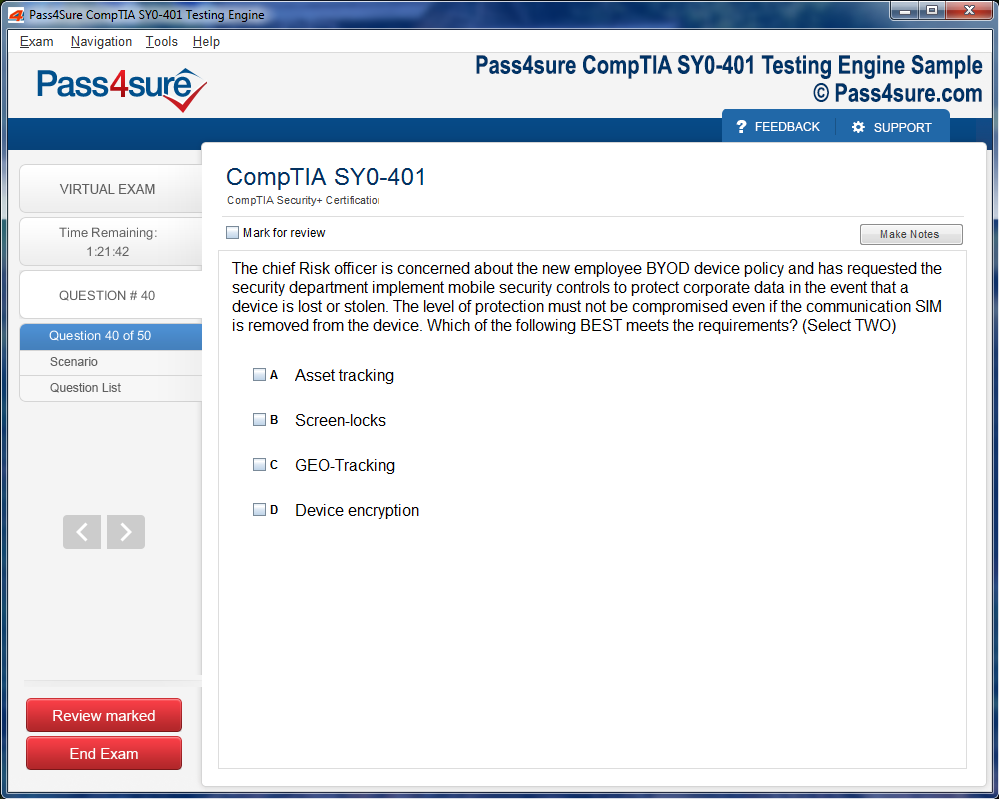
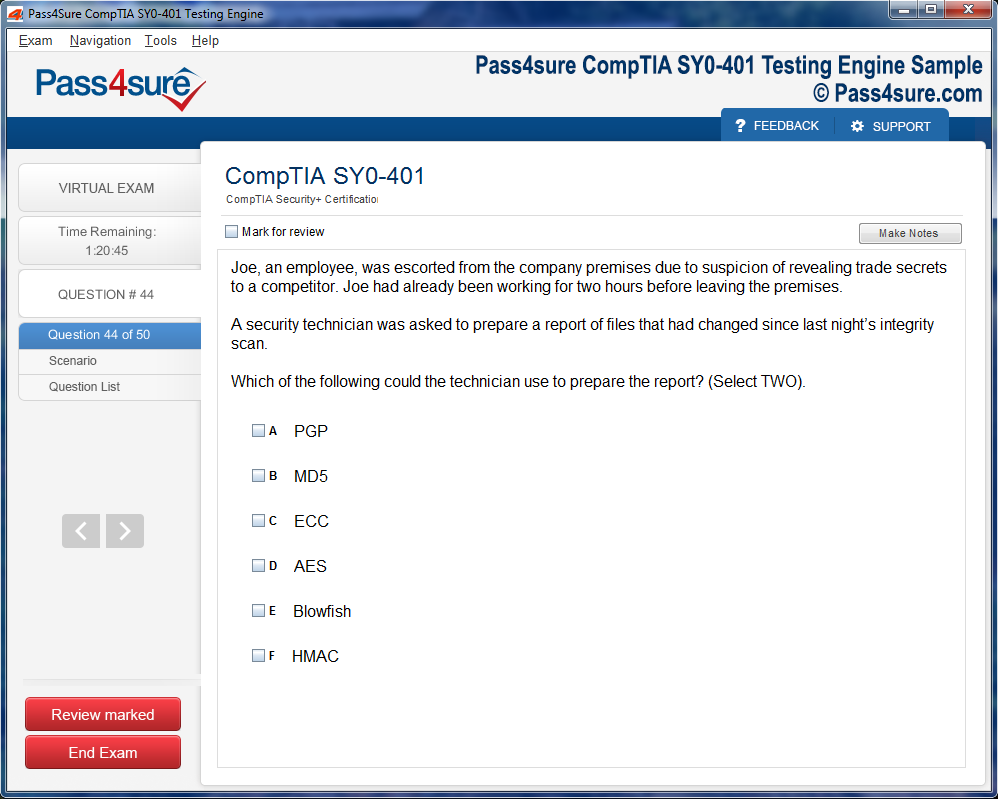
Product Screenshots
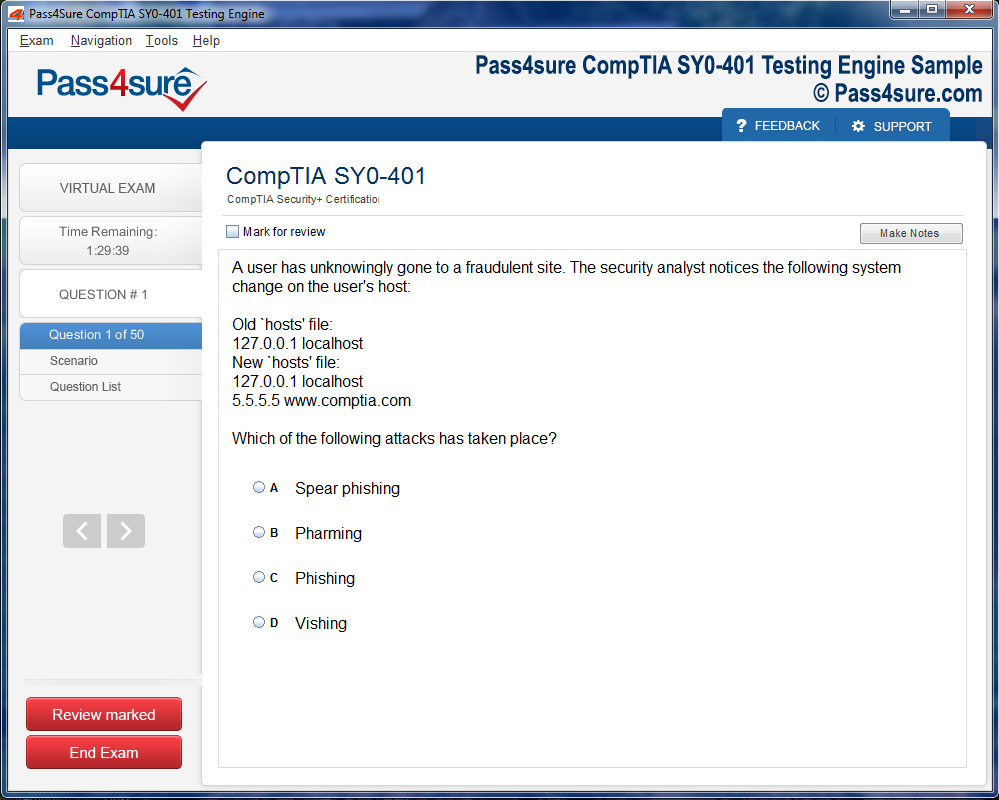
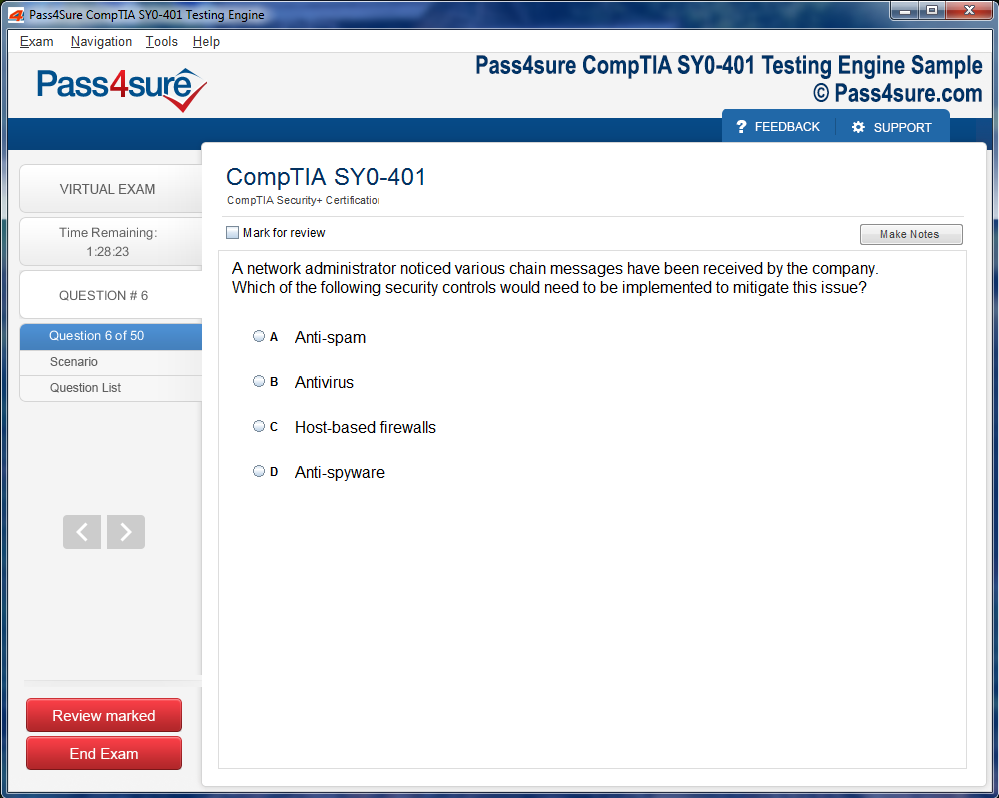
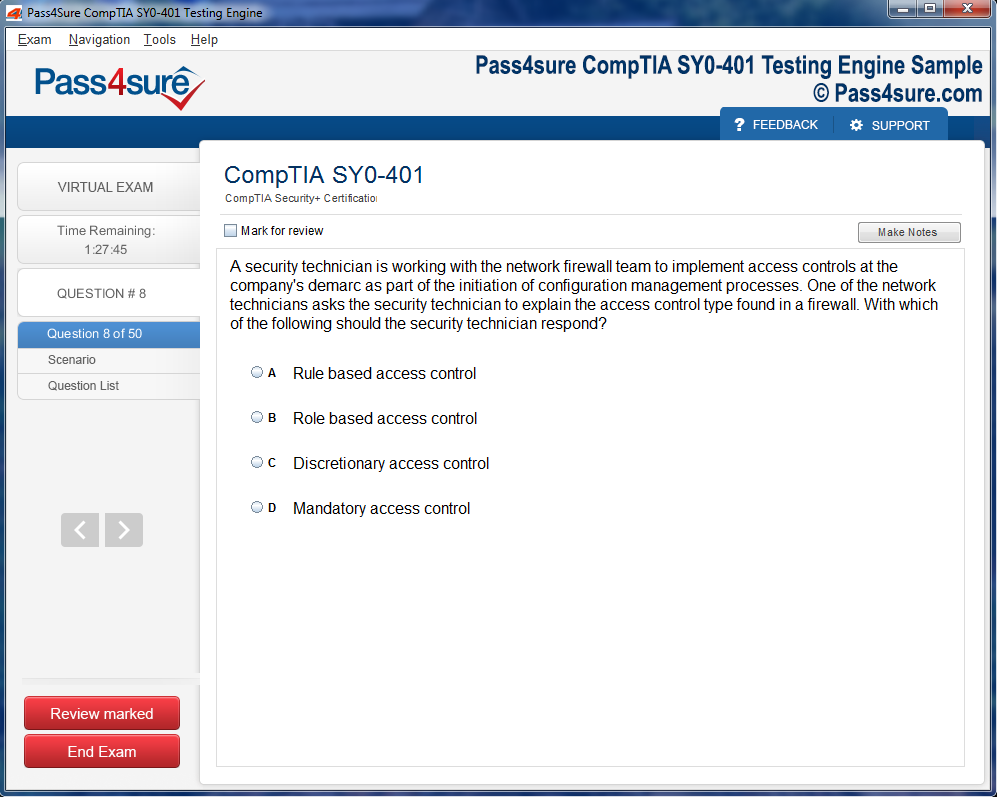
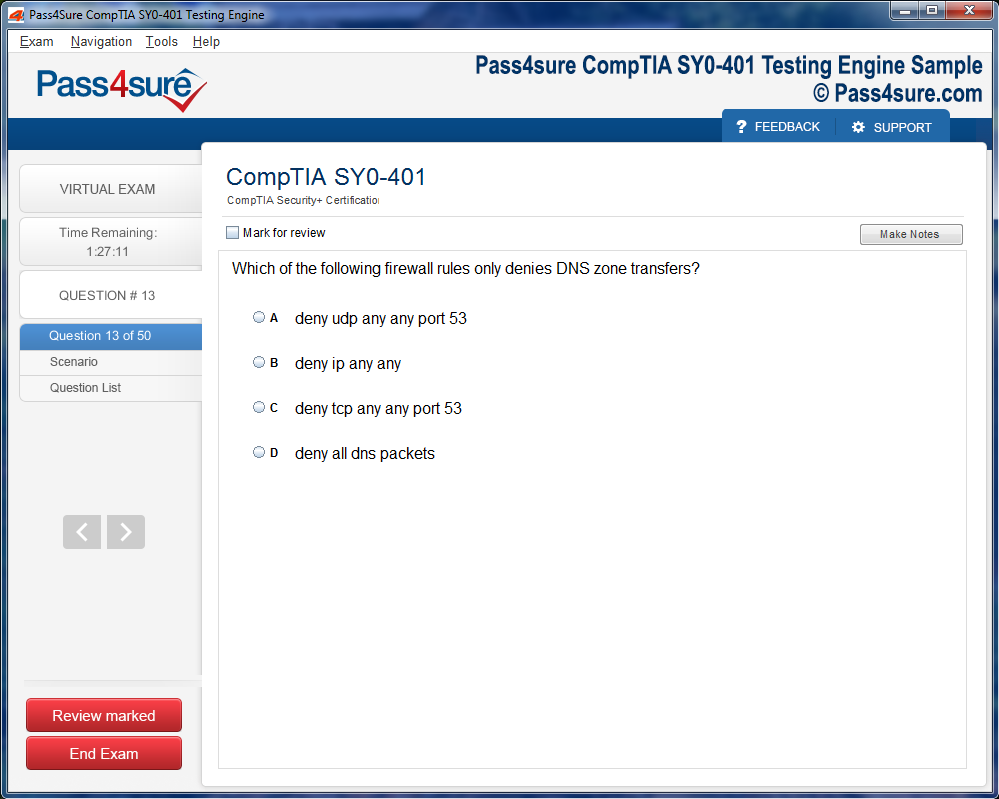
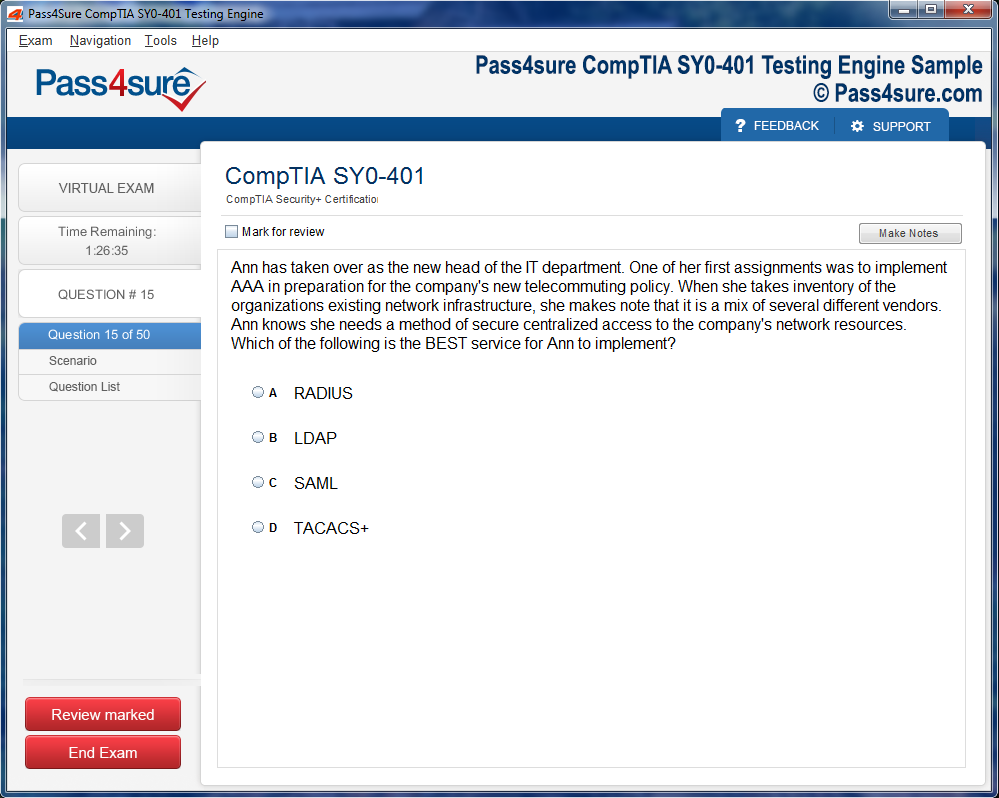
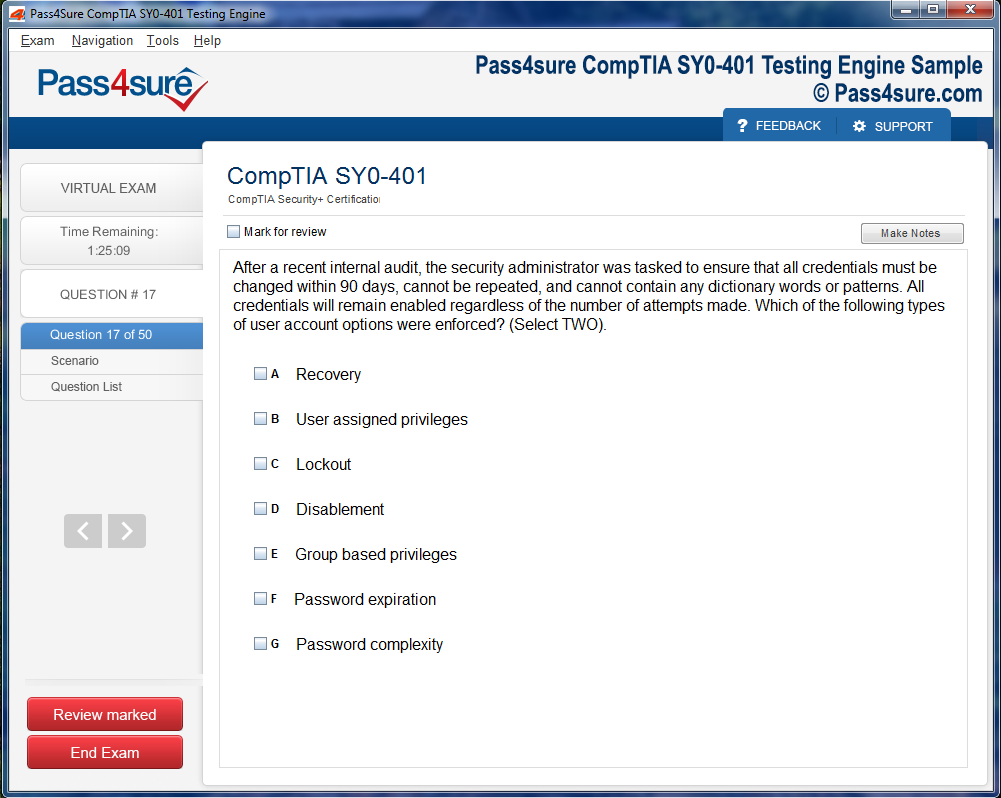
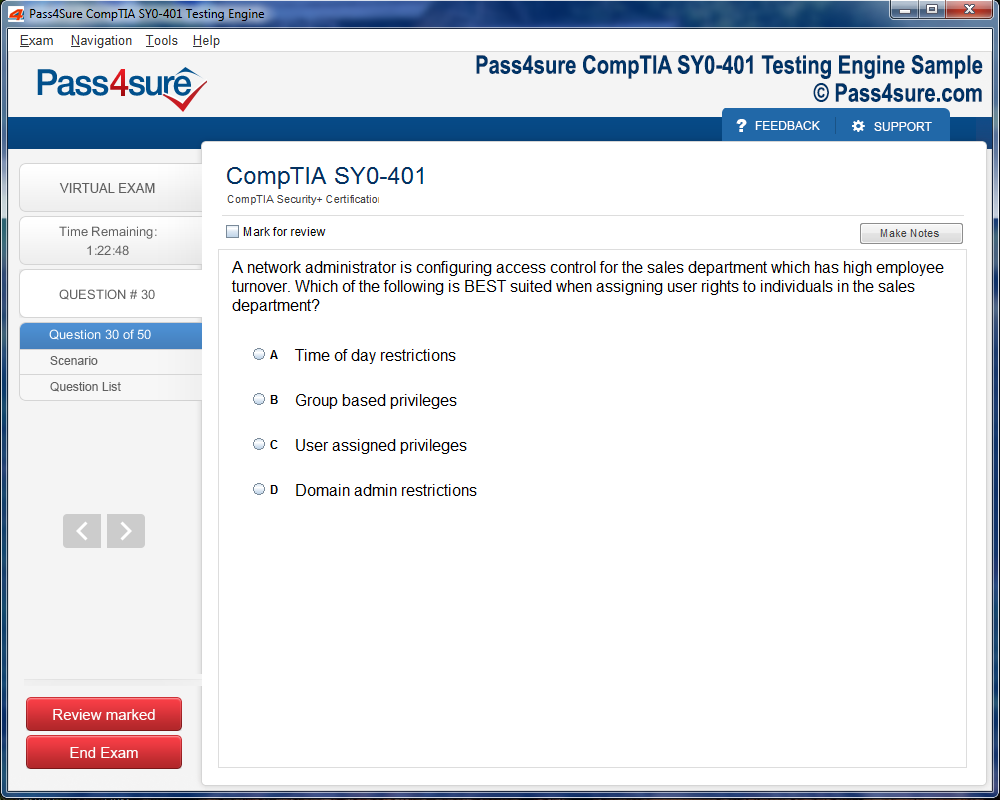
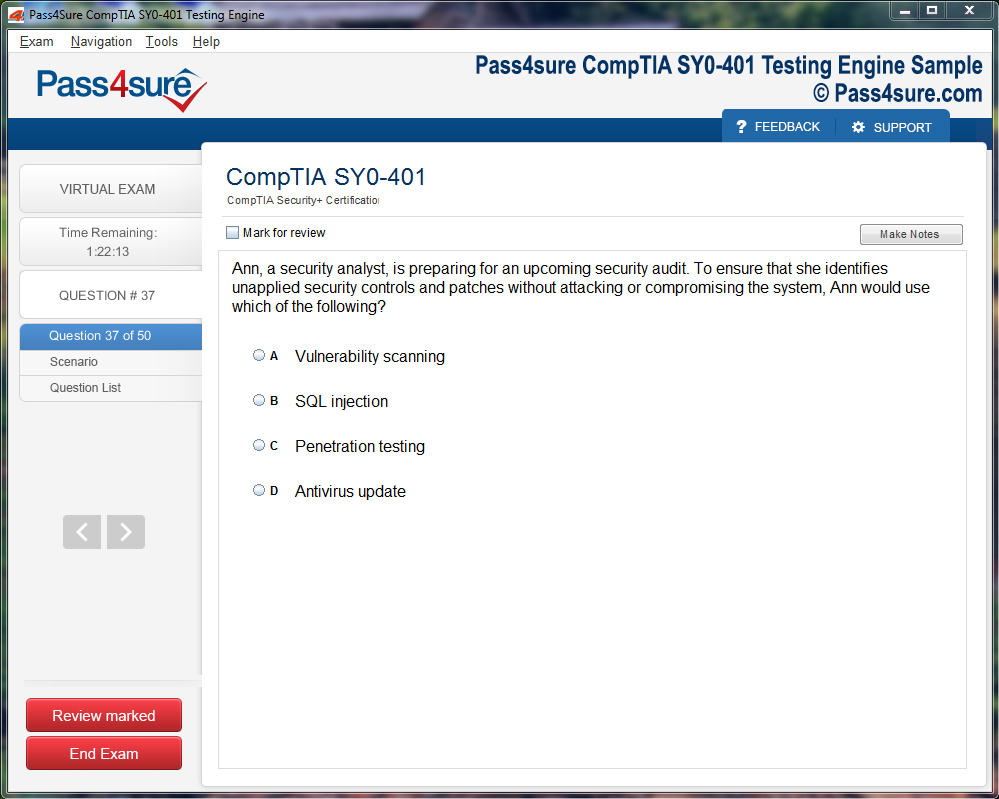
Frequently Asked Questions
How does your testing engine works?
Once download and installed on your PC, you can practise test questions, review your questions & answers using two different options 'practice exam' and 'virtual exam'. Virtual Exam - test yourself with exam questions with a time limit, as if you are taking exams in the Prometric or VUE testing centre. Practice exam - review exam questions one by one, see correct answers and explanations.
How can I get the products after purchase?
All products are available for download immediately from your Member's Area. Once you have made the payment, you will be transferred to Member's Area where you can login and download the products you have purchased to your computer.
How long can I use my product? Will it be valid forever?
Pass4sure products have a validity of 90 days from the date of purchase. This means that any updates to the products, including but not limited to new questions, or updates and changes by our editing team, will be automatically downloaded on to computer to make sure that you get latest exam prep materials during those 90 days.
Can I renew my product if when it's expired?
Yes, when the 90 days of your product validity are over, you have the option of renewing your expired products with a 30% discount. This can be done in your Member's Area.
Please note that you will not be able to use the product after it has expired if you don't renew it.
How often are the questions updated?
We always try to provide the latest pool of questions, Updates in the questions depend on the changes in actual pool of questions by different vendors. As soon as we know about the change in the exam question pool we try our best to update the products as fast as possible.
How many computers I can download Pass4sure software on?
You can download the Pass4sure products on the maximum number of 2 (two) computers or devices. If you need to use the software on more than two machines, you can purchase this option separately. Please email sales@pass4sure.com if you need to use more than 5 (five) computers.
What are the system requirements?
Minimum System Requirements:
- Windows XP or newer operating system
- Java Version 8 or newer
- 1+ GHz processor
- 1 GB Ram
- 50 MB available hard disk typically (products may vary)
What operating systems are supported by your Testing Engine software?
Our testing engine is supported by Windows. Andriod and IOS software is currently under development.
Mastering Netskope NSK100: Your Complete Certification Success Guide
In the kaleidoscopic realm of digital transformation, cloud security has transcended from a peripheral consideration to a fulcrum of organizational resilience. Enterprises navigate an intricate lattice of virtual ecosystems where data, applications, and users interweave across geographic and infrastructural boundaries. Netskope emerges as a sentient sentinel within this milieu, orchestrating a symphony of visibility, control, and intelligence that mitigates the chaotic entropy of cloud interactions.
As organizations pivot to cloud-native operations, traditional firewalls and legacy security appliances falter against the protean dynamics of software-as-a-service proliferation. The necessity for a security architecture that perceives both micro and macro vectors of data movement has never been more exigent. Netskope fulfills this imperative by offering a panoramic vista of user behavior, application telemetry, and data exfiltration trajectories, enabling the construction of nuanced, adaptive policies.
The Philosophical Underpinnings of NSK100
The NSK100 certification transcends rote technical assessment; it encapsulates a philosophical comprehension of cloud security orchestration. Candidates are not merely evaluated on procedural competencies but on their capacity to internalize the axioms of intelligent cloud protection. At its core, NSK100 interrogates one’s grasp of architecture, policy formulation, threat mitigation, and operational dexterity within the Netskope ecosystem.
Cloud security posture management is a linchpin within NSK100. Aspirants must understand the delicate interplay between configuration fidelity, risk exposure, and policy enforcement. The exam scrutinizes one’s ability to detect anomalous behaviors, anticipate potential threats, and deploy protective countermeasures that harmonize with organizational objectives.
Integrative Ecosystems and Interoperability
One of Netskope’s most captivating attributes is its facility for integrative synergy with preexisting security frameworks. Enterprises seldom operate in isolation; hybrid topologies and multi-vendor ecosystems are normative. Netskope acts as a bridging conduit, ensuring that innovation does not necessitate fragmentation. The NSK100 curriculum accentuates comprehension of these interconnections, empowering candidates to configure integrations that are both seamless and resilient.
Understanding interoperability requires familiarity with APIs, security orchestration, and event correlation. Certified professionals must demonstrate the acumen to synchronize Netskope’s capabilities with SIEM systems, endpoint security agents, and threat intelligence platforms. This orchestration facilitates a holistic security posture where visibility is not a fragmented artifact but a coherent continuum.
Architecture of Intelligent Security
The architecture of Netskope epitomizes intelligent security—an amalgam of advanced analytics, machine learning inference, and dynamic policy enforcement. Unlike static security constructs, this architecture anticipates and adapts to the shifting topography of cloud interactions. For NSK100 aspirants, comprehending these constructs is tantamount to understanding the cognitive substrate that underpins modern cloud defense.
Machine learning modules analyze voluminous data streams, discerning patterns and flagging deviations that elude conventional heuristics. Policy engines translate these insights into actionable rules, enabling real-time intervention without impeding user productivity. Mastery of these mechanisms equips professionals with the dexterity to implement nuanced controls, from granular access restrictions to contextual threat responses.
Mastery of Console and Analytical Insight
Operational proficiency is inseparable from theoretical understanding. The Netskope console serves as the nexus for monitoring, analysis, and remediation. NSK100 candidates cultivate expertise in navigating this interface, interpreting log streams, generating incisive reports, and initiating incident response workflows. Such capabilities elevate practitioners from passive observers to proactive guardians of organizational integrity.
Beyond mere functionality, the console embodies a philosophy of situational awareness. The capacity to translate telemetry into strategic insight is central to preemptive security. Candidates learn to identify subtle indicators of compromise, trace anomalous data flows, and synthesize information into reports that inform decision-making across executive and technical domains.
The Gateway to Cloud Security Proficiency
NSK100 certification is more than an ornamental credential; it is an epistemic gateway to cloud security mastery. Candidates who immerse themselves in its philosophy, architecture, and operational doctrines emerge as adept custodians of digital ecosystems. The knowledge acquired extends beyond examination performance, empowering professionals to navigate the vicissitudes of cloud security with confidence and acuity.
Through the prism of Netskope, practitioners perceive a world where data protection is proactive, intelligence-driven, and seamlessly integrated. The NSK100 framework ensures that certified professionals are not merely executors of policy but architects of resilient, adaptive security architectures that endure the relentless evolution of cloud landscapes.
Unraveling the Cloud-Native Paradigm of Netskope
Netskope manifests a transcendent approach to cybersecurity, diverging from antiquated, monolithic frameworks. Its cloud-native scaffold offers an elastic continuum, capable of scaling symphonically while capturing granular visibility into user comportment across an eclectic mélange of cloud applications. This architectural tapestry confronts contemporary digital predicaments such as shadow IT proliferation, data exfiltration, and sophisticated threat vectors, encapsulating a strategic bulwark against modern vulnerabilities.
The platform’s ethos is predicated upon a cloud-first paradigm, intertwining inline inspection mechanisms with API-mediated oversight. Inline security serves as a vigilant sentinel, scrutinizing data streams as they traverse cloud conduits. Concurrently, API connectors furnish unmediated insights into sanctioned applications, granting contextually astute governance without encumbering throughput. Grasping the nuances of these dual modalities is indispensable for aspirants seeking mastery of NSK100 principles.
Analytical Cognition and Behavioral Acumen
Central to Netskope’s conceptual framework is its analytics engine, an intricate lattice of algorithmic discernment. This engine perpetually deciphers user behavioral trajectories, isolates anomalous activity, and prognosticates latent threats. By leveraging machine learning heuristics, it refines interpretive acuity, enabling anticipatory mitigation strategies that forestall potential security incursions. Proficiency in configuring, interpreting, and operationalizing these insights is paramount for candidates aspiring to excel in NSK100, as it underpins proactive defense orchestration.
Deployment Modalities and Strategic Topology
Netskope offers a kaleidoscope of deployment schemas, each attuned to the idiosyncrasies of organizational infrastructure. Forward proxy deployment channels outbound traffic through inspection nodes, reverse proxy deployment interposes security inline with inbound services, and API-only configurations permit seamless monitoring without data path interception. Understanding these deployment modalities equips security professionals to architect optimal frameworks, troubleshoot anomalies, and tailor solutions congruent with network topology and application distribution.
Granular Data Protection Mechanisms
Data sanctity lies at the fulcrum of Netskope’s architecture. The platform operationalizes fine-grained Data Loss Prevention (DLP) policies that discern sensitive content with surgical precision. Measures extend from encryption to dynamic masking and selective blocking, safeguarding intellectual property and regulatory compliance. Command over these mechanisms is an essential competence for NSK100 aspirants, as it directly translates into operational efficacy and the preservation of digital assets.
Integrative Threat Intelligence and Adaptive Defense
Netskope’s threat protection repertoire thrives on symbiotic integration with external intelligence streams and expansive threat databases. This symbiosis empowers the platform to detect and neutralize malware, ransomware, and elusive zero-day exploits across cloud ecosystems. Mastery of alert configuration, triage, and response protocols is a sine qua non for candidates, ensuring a proactive and resilient security posture in dynamically evolving threat landscapes.
Contextualized Multi-Tenancy and Adaptive Policy Enforcement
In multi-tenant, hybrid, and multi-cloud environments, Netskope exhibits remarkable adaptability. The platform distinguishes among user roles, application typologies, and device contexts, dynamically modulating policies to conform to situational exigencies. This elasticity is pivotal in contemporary enterprises, where operational heterogeneity necessitates context-sensitive governance. Understanding and exploiting this capability is vital for professionals navigating complex, polymorphic network architectures.
Operational Visibility: Logging, Reporting, and Alerting
Netskope consolidates operational intelligence through comprehensive logging, reporting, and alerting conduits. Dashboards illuminate user activity trajectories, policy deviations, and security incidents with high-resolution granularity. Competence in generating incisive reports, analyzing emergent trends, and synthesizing actionable insights forms an operational cornerstone for NSK100 candidates, directly translating into proficient real-world security stewardship.
Interplay of Inline and API Controls for Dynamic Oversight
The symbiosis of inline and API-mediated control mechanisms engenders an adaptive oversight model. Inline mechanisms intercept and evaluate traffic in real-time, whereas API connectors facilitate retrospective, policy-aligned insights within sanctioned applications. Candidates must comprehend the intricate choreography between these modalities to optimize cloud security efficacy and ensure minimal performance latency.
Machine Learning Infusion and Predictive Threat Analytics
Netskope’s analytics paradigm is suffused with machine learning intelligence, furnishing predictive insights and anomaly detection capabilities. Behavioral analytics extrapolate patterns from voluminous datasets, illuminating subtle indicators of compromise. For NSK100 aspirants, understanding model configuration, tuning sensitivity thresholds, and interpreting predictive outputs are crucial competencies that transform raw data into actionable defense intelligence.
Architectural Symbiosis with Hybrid Cloud Ecosystems
Netskope’s architecture harmonizes seamlessly with hybrid and multi-cloud infrastructures, enabling consistent security enforcement across divergent environments. By correlating user identity, device posture, and application context, the platform ensures coherent policy application irrespective of network topology. Aspirants must internalize this harmonization principle, recognizing its significance in orchestrating cross-platform security postures.
Advanced DLP Tactics for Enterprise-Grade Security
Beyond conventional DLP, Netskope empowers security teams with context-aware enforcement strategies. Policies can be tailored to operational workflows, regulatory mandates, and content sensitivity, implementing proactive measures such as contextual encryption and adaptive masking. Mastery of these nuanced tactics constitutes a critical differentiator for candidates aiming to demonstrate expertise in cloud security governance.
Dynamic Threat Response and Automated Mitigation
The platform’s integration with real-time threat intelligence enables instantaneous threat response, leveraging automated mitigation workflows. From heuristic anomaly detection to real-time quarantine of suspect activity, Netskope equips organizations with the tools to curtail potential breaches. Understanding orchestration of automated and semi-automated responses is essential for candidates seeking to cultivate a defensive posture that anticipates, rather than reacts to, emergent threats.
Policies as the Quintessence of Cloud Security
In the labyrinthine domain of cloud security, policies emerge as the sine qua non for organizational fortification. Netskope orchestrates a symphony of nuanced, granular controls that dictate access, scrutinize data flows, and mitigate latent vulnerabilities. For NSK100 aspirants, the art of policy creation is a dual pursuit: it amalgamates theoretical mastery with pragmatic application. Policies serve as both sentinels and arbiters, balancing operational fluidity with impervious safeguards.
Dichotomy of Real-Time and Post-Event Governance
A perspicacious understanding of temporal control paradigms is indispensable. Real-time governance intercepts activity at the incipience of execution, permitting immediate rectification or restriction. Conversely, post-event mechanisms parse historical data, unearthing anomalies and latent threat vectors. Mastery of both paradigms undergirds a resilient security posture, equipping professionals to anticipate and neutralize emerging risks before they metastasize.
Esoteric Data Classification and Content Cognition
Effective policy architecture is predicated upon rigorous data classification. Netskope leverages advanced content cognition algorithms to stratify information based on sensitivity, ensuring that responses are commensurate with potential exposure. Aspirants must be adept at sculpting bespoke categories, orchestrating dynamic triggers, and configuring automated remediation workflows. The interplay between classification and policy enforcement is the linchpin of an adaptive security strategy.
Contextual and Granular Access Control
In the modern security landscape, indiscriminate access restriction is an anachronism. Netskope’s policies permit fine-grained differentiation based on user identity, device provenance, geolocation, and application context. This contextual perspicuity ensures precision in enforcement while preserving operational continuity. NSK100 candidates should internalize methodologies for applying these controls, evaluating their operational ramifications, and iteratively refining policy matrices.
Threat Prevention Through Pattern Cognition
Netskope’s threat prevention architecture transcends rudimentary detection by amalgamating behavioral heuristics, signature intelligence, and anomaly recognition. Policies can be sculpted to identify incipient malware, suspicious exfiltration, or aberrant usage patterns. The acumen to calibrate these policies—balancing security imperatives with user productivity—is essential. Overly draconian enforcement can stifle operational dynamism, whereas lax rules invite systemic compromise.
Regulatory Symbiosis and Compliance Engineering
Modern enterprises navigate a constellation of regulatory mandates. Netskope facilitates regulatory symbiosis through preconfigured templates and adaptable policy frameworks. Whether conforming to GDPR, HIPAA, or SOC 2 mandates, aspirants must comprehend the intricate weave of legal obligations and technical enforcement. Policies can be meticulously tailored to ensure organizational consonance with regulatory dictates while minimizing procedural overhead.
Orchestration of Incident Response Protocols
Incident response is a domain where theoretical knowledge meets kinetic exigency. Netskope empowers automated alerting, remediation orchestration, and integration with sophisticated security information and event management (SIEM) systems. Proficiency in constructing responsive workflows ensures rapid containment of breaches, minimizing business disruption. For NSK100 aspirants, familiarity with these orchestration mechanisms is a sine qua non.
Analytic Insight and Policy Iteration
The efficacy of policies is contingent upon rigorous analytic appraisal. Netskope furnishes actionable insights into policy performance, user comportment, and emergent vulnerabilities. Candidates must cultivate the capacity to interpret these metrics, recalibrate enforcement strategies dynamically, and articulate findings cogently to stakeholders. Continuous iteration, guided by empirical data, transforms static policy frameworks into living instruments of security resilience.
Proliferation of Cyber Threat Vectors in Cloud Ecosystems
The digital stratosphere has metamorphosed into a labyrinthine architecture where conventional defense paradigms falter. Modern cloud environments, by virtue of their heterogeneity, engender an array of pernicious threat vectors, ranging from stealthy exfiltration attempts to complex polymorphic malware. Organizations navigating these terrains necessitate a granular comprehension of security telemetry, anomaly heuristics, and adaptive containment strategies. NSK100 aspirants must internalize how these ecosystems evolve dynamically, emphasizing the need for preemptive threat reconnaissance and forensic precision.
Syncretic Threat Detection and Behavioral Cognition
Netskope's threat detection apparatus synthesizes signature-based heuristics with behavioral cognition engines, producing a confluence of deterministic and probabilistic analyses. Machine learning constructs operate on multidimensional datasets encompassing user interactions, file morphologies, and access topographies. This approach facilitates the discernment of both orthodox and cryptic malevolent patterns. Candidates must master the calibration of these analytical engines, understanding threshold modulation, alert fidelity, and anomaly scoring to ensure robust predictive defenses.
Real-Time Malware Interdiction and Risk Stratification
Integral to Netskope’s security continuum is its real-time malware interdiction capability. Through meticulous inspection of content payloads, the platform can intercept, quarantine, or neutralize threats before lateral propagation occurs. NSK100 aspirants are encouraged to familiarize themselves with nuanced file inspection methodologies, dynamic risk scoring matrices, and prioritization schemas that empower rapid decision-making. The confluence of automation and human oversight ensures that emergent threats are mitigated with surgical precision.
Vigilance Against Insider Subterfuge
While external threats often dominate discourse, insider subterfuge represents a cryptic yet catastrophic vector. Netskope’s platform leverages sophisticated behavior analytics to profile normal versus aberrant activity, identifying deviations indicative of potential malfeasance. By monitoring access patterns, data interactions, and temporal anomalies, organizations can preemptively flag internal threats. Candidates should explore the configuration of monitoring heuristics, interpret behavioral alerts, and fine-tune detection algorithms to mitigate insider risks efficiently.
Countermeasures for Zero-Day Exploits and Ransomware
Zero-day exploits and ransomware constitute a continually mutating threat horizon, impervious to traditional signature-based defenses. Netskope mitigates these hazards via integrated threat intelligence streams and sandboxing protocols, allowing emergent malware to be detonated in a controlled environment for diagnostic analysis. NSK100 aspirants must understand policy orchestration, automated mitigation triggers, and verification techniques to validate the resilience of defensive postures. This knowledge is pivotal in maintaining operational continuity in the face of unforeseen cyber incursions.
Data Fortification through Encryption and Secure Gateways
Data at rest and in transit are persistently susceptible to interception and manipulation. Netskope fortifies these vectors through encryption schemas, SSL inspection, and tokenization frameworks, ensuring the sanctity of sensitive information. Aspirants should delve into the intricacies of policy enforcement, cryptographic standards, and secure web gateway configuration. Mastery of these mechanisms underpins a comprehensive security paradigm that resists both opportunistic and orchestrated intrusions.
Automated Incident Orchestration and Response Efficacy
Incident management within cloud security is an orchestration of rapid detection, triage, and remediation. Netskope facilitates automated workflows capable of triggering mitigation scripts, generating incident tickets, and synchronizing with SIEM ecosystems. NSK100 candidates must simulate diverse threat scenarios, analyze the efficacy of response mechanisms, and refine orchestration pathways to achieve operational dexterity. Proficiency in these areas ensures that organizations are not merely reactive but proactively resilient.
Integrative Intelligence and Adaptive Policy Engineering
Adaptive policy engineering embodies the future of proactive cloud defense. Netskope’s platform synthesizes intelligence from diverse sources, allowing for dynamic policy adjustments in response to shifting threat paradigms. Candidates should engage with concepts such as conditional access modulation, context-aware anomaly thresholds, and iterative policy refinement. This continual feedback loop empowers organizations to anticipate adversarial maneuvers and recalibrate defensive postures in near real-time, fostering an ecosystem of persistent vigilance.
Forensic Analytics and Threat Attribution
Deep forensic analytics facilitate granular understanding of threat provenance and attack vectors. Netskope enables exhaustive logging, correlation of anomalous behaviors, and attribution analyses that elucidate the origins and modus operandi of cyber adversaries. NSK100 aspirants must cultivate the ability to interpret multifactor telemetry, trace lateral movements, and construct comprehensive threat narratives. This capability is indispensable for both strategic mitigation and post-incident intelligence generation.
Illuminating Cloud Security Through Comprehensive Visibility
In the ever-permeating labyrinth of digital landscapes, visibility serves as the fulcrum of resilient cloud security architectures. Netskope’s platform epitomizes the confluence of observation and action, furnishing administrators with perspicuous insights into organizational operations. Mastery of visibility mechanisms is paramount for NSK100 aspirants, as the ability to discern subtle patterns and anomalies can delineate the boundary between vulnerability and invulnerability. The platform’s dashboards provide a kaleidoscopic overview of user behaviors, application proliferation, policy infractions, and threat incidences, enabling stakeholders to apprehend the organizational pulse in real time.
Curating Insights Through Customizable Reporting
Reporting within Netskope transcends rudimentary enumeration of events, offering instead a labyrinthine matrix of metrics configurable to the idiosyncratic needs of each organization. Administrators may sculpt reports to prioritize salient data points, elucidate emerging trends, and anticipate nascent risks. NSK100 candidates must cultivate dexterity in generating these reports and decoding intricate patterns to catalyze informed decision-making. These reports are not merely repositories of information; they are instruments of strategic foresight that can preemptively mitigate exposure to latent threats.
The Nuances of Analytical Prognostication
Beyond static reporting lies the realm of analytical prognostication, where Netskope leverages statistical architectures, machine learning paradigms, and anomaly detection to yield predictive intelligence. This synthesis of computational foresight necessitates nuanced understanding of thresholds, parameter configurations, and result interpretation. For NSK100 aspirants, the ability to discern subtle deviations within massive data matrices can transform raw information into actionable premonitions, anticipating potential breaches before their fruition. This analytical acumen is indispensable for cultivating a proactive security posture rather than a reactive one.
Regulatory Symbiosis and Compliance Orchestration
Compliance in contemporary digital environments is a multidimensional mandate, encapsulating both statutory adherence and organizational discipline. Netskope offers an assemblage of templates and automated audits aligned with global regulatory frameworks, encompassing GDPR, HIPAA, PCI DSS, and SOC 2 standards. Mapping internal practices to these external mandates ensures that data governance strategies are both legally consonant and operationally sound. NSK100 candidates must immerse themselves in the intricacies of compliance reporting, audit readiness, and procedural documentation to navigate the regulatory labyrinth with confidence.
Integrative Incident Reporting and Contextual Awareness
Incident reporting is not an isolated function but an integrative conduit within the broader security operations ecosystem. Netskope amalgamates logs, historical trajectories, and behavioral analytics to furnish context-rich alerts, enhancing decision-making acuity during security events. Proficiency in interpreting these multidimensional reports is critical, providing both exam preparedness and real-world operational dexterity. The synthesis of temporal trends and activity vectors offers a panoramic understanding of organizational risk, facilitating swift, informed interventions.
Visual Cognition of Cloud Activity
Visual representation constitutes a pivotal axis of comprehension, converting abstract data into cognitive clarity. Netskope deploys a compendium of visual instruments, including heat maps, trend lines, and interactive charts, to portray user behaviors, application interactions, and incident trajectories. NSK100 aspirants should cultivate the ability to interpret and articulate these visualizations, translating complex data ecosystems into lucid narratives for stakeholders. Such visual literacy amplifies strategic communication and enables the articulation of security insights in an accessible, compelling manner.
Augmenting Threat Intelligence Through Pattern Recognition
An oft-overlooked facet of Netskope’s analytical capability is its emphasis on pattern recognition. Through the assimilation of historical data, behavioral heuristics, and anomaly indices, administrators can detect incipient threats and behavioral aberrations. Mastery of these techniques requires both conceptual fluency and practical engagement, ensuring that NSK100 candidates are equipped to recognize subtleties that may elude cursory inspection. Pattern recognition elevates the security posture from reactive to anticipatory, a transition vital in preempting sophisticated cyber incursions.
Automation as a Vanguard of Compliance Assurance
Automation within reporting and compliance is a strategic fulcrum, mitigating human error while expediting operational oversight. Netskope’s automation capabilities allow the systematic execution of compliance checks, anomaly identification, and policy enforcement. For NSK100 aspirants, proficiency in configuring and optimizing these automated processes is essential, as it enables sustained vigilance across sprawling cloud ecosystems without excessive manual intervention. Automation thus functions as both a sentinel and a steward, preserving organizational integrity while economizing administrative effort.
Temporal Trend Analysis and Strategic Forecasting
The capacity to decipher temporal trends constitutes an advanced skill in cloud security analytics. By examining the cadence and evolution of user activities, policy violations, and threat vectors, administrators can extrapolate future operational contours and emergent vulnerabilities. Netskope facilitates this predictive exploration, equipping NSK100 candidates with the tools to synthesize historical data into strategic foresight. Temporal analysis transcends reactive reporting, allowing organizations to anticipate challenges and marshal resources with prescient efficacy.
Synthesis of Behavioral Analytics and Risk Mitigation
Behavioral analytics constitutes a linchpin in Netskope’s security intelligence framework. By scrutinizing user actions, access patterns, and interactive anomalies, the platform constructs a behavioral mosaic capable of revealing concealed vulnerabilities. NSK100 aspirants must hone their capacity to synthesize this behavioral data into coherent risk assessments, translating abstract behavioral signals into actionable security strategies. This synthesis fosters a nuanced understanding of organizational dynamics, enabling precision-targeted interventions that minimize exposure while maximizing operational resilience.
Strategizing Conceptual Assimilation
Embarking upon the odyssey of NSK100 certification necessitates more than superficial acquaintance with theoretical frameworks. Candidates must cultivate a profound conceptual lattice, wherein each node—be it policy articulation, threat mitigation, or data governance—intertwines seamlessly. A sagacious approach involves iterative segmentation of the curriculum, whereby complex doctrines are distilled into intelligible constructs. This method, akin to cognitive cartography, ensures that retention is both durable and nuanced, circumventing the ephemeral nature of rote memorization. By rendering abstract principles into mental schemata, aspirants can traverse the labyrinthine intricacies of platform architecture and deployment paradigms with deliberate agility.
Immersive Experiential Engagement
Intellectual comprehension, while indispensable, attains maximal efficacy only when married to praxis. Netskope's simulation laboratories serve as crucibles for experiential learning, wherein policy formulations and deployment orchestrations are not merely theoretical abstractions but tactile engagements. Candidates who immerse themselves in these interactive environments develop an intuitive acuity, perceiving interdependencies between access controls, analytics dashboards, and compliance matrices that elude mere bookish preparation. Iterative experimentation, with conscientious observation of outcomes, cultivates a reflexive dexterity indispensable for both exam scenarios and real-world operational exigencies.
Temporal Optimization and Cognitive Calibration
Examinations are as much a contest of temporal discipline as of conceptual mastery. Strategic allocation of cognitive resources, coupled with meticulous rehearsal under simulated temporal constraints, fortifies resilience against the insidious pressures of timed assessment. Practice examinations function as cognitive scaffolds, permitting aspirants to calibrate response latencies while concurrently discerning latent knowledge lacunae. Each simulation elucidates not only technical proficiency but also strategic prioritization: which segments warrant concentrated focus, and which can be navigated with economized attention. Through this regimen, aspirants develop a cadence of both speed and accuracy, an equilibrium crucial for optimal performance.
Dialectical Peer Interaction
No intellectual enterprise thrives in isolation. Dialogic engagement with contemporaries constitutes an invaluable conduit for the refinement of understanding. Study cohorts and virtual forums offer a polyphonic exchange of perspectives, where nuances of threat analytics, deployment schemas, and compliance interpretation are scrutinized collaboratively. Exposure to divergent problem-solving paradigms fosters epistemic elasticity, enabling candidates to reconceptualize challenges from multifaceted angles. Furthermore, the communal milieu often surfaces tacit insights, heuristics, and mnemonic strategies that remain absent from formal didactic materials, thereby amplifying cognitive repertoire.
Analytical Acumen in Question Dissection
Exam questions, particularly those assessing NSK100 proficiency, often transcend straightforward recall. They are designed to probe analytical sagacity, requiring candidates to extrapolate principles and apply them in scenario-based contexts. Meticulous scrutiny of each inquiry, coupled with logical deduction and methodical elimination of distractors, is paramount. Here, the ability to transmute theoretical knowledge into actionable reasoning is tested rigorously. Candidates must cultivate an intellectual agility, seamlessly oscillating between abstract conceptualization and concrete operational interpretation, thereby demonstrating both depth and versatility of understanding.
Translational Application to Operational Ecosystems
Certification attainment is a milestone, yet the ultimate testament to mastery lies in real-world implementation. Netskope’s suite of policies, threat-detection mechanisms, and compliance protocols assumes tangible significance when deployed within organizational matrices. Candidates should envisage the integration of these constructs into operational workflows, assessing both efficacy and adaptability. By internalizing the translation from theory to praxis, professionals not only consolidate their learning but also generate immediate organizational value. This symbiotic interplay between exam preparation and practical execution reinforces knowledge retention while simultaneously cultivating proficiency in contemporary cloud security landscapes.
Adaptive Reinforcement and Iterative Mastery
The path to mastery is iterative, demanding periodic reinforcement and recalibration. As candidates progress, they should cyclically revisit foundational principles while incorporating emergent insights gained from practice labs, peer interaction, and temporal simulations. This recursive methodology engenders a dynamic equilibrium between retention and innovation, ensuring that knowledge remains both robust and adaptable. By adopting an adaptive learning paradigm, aspirants cultivate a lifelong framework for continuous skill enhancement, transcending the ephemeral utility of certification alone.
Cognitive Fortification through Scenario Simulation
Beyond structured exercises, aspirants benefit immensely from hypothetical scenario simulation, wherein complex threat vectors, policy conflicts, and compliance contingencies are envisioned and resolved cognitively. These mental rehearsals cultivate anticipatory reasoning, equipping candidates to navigate unforeseen exigencies with agility and confidence. By embedding such simulations within a disciplined study regimen, learners reinforce neural pathways that enhance both analytical foresight and operational intuition, bridging the gap between theoretical acumen and pragmatic competence.
Strategic Integration of Multi-Modal Resources
Optimal preparation leverages a heterogeneity of resources. Beyond official documentation and lab environments, candidates may incorporate visual schematics, mnemonic devices, and interactive quizzes to diversify cognitive engagement. Multi-modal integration facilitates synaptic plasticity, rendering the retention of complex interrelations more resilient. Such diversification not only sustains engagement but also cultivates a versatile understanding capable of adapting to the multifaceted nature of cloud security challenges and exam contingencies alike.
Ethical and Compliance Consciousness
A sophisticated comprehension of NSK100 domains inherently demands ethical cognizance. Candidates must internalize not only procedural compliance but also the broader ramifications of data governance, privacy mandates, and threat mitigation on organizational integrity. By approaching exam preparation through an ethical lens, aspirants develop a principled mindset, attuned to both technical excellence and the overarching responsibility inherent in cloud security stewardship. This consciousness permeates both exam performance and subsequent professional application, reinforcing the symbiosis of technical mastery and moral discernment.
Cloud-Native Threat Intelligence and Its Nuances
In contemporary digital ecosystems, threat vectors evolve with protean rapidity. Static defenses are ill-suited to counter ephemeral exploits, zero-day intrusions, and lateral movement across cloud environments. Netskope’s approach to threat intelligence is anticipatory rather than reactive, synthesizing behavioral analytics, anomaly detection, and heuristic insights into an orchestrated shield.
NSK100 candidates must grasp the conceptual scaffolding of cloud-native threat intelligence. This involves understanding how Netskope identifies indicators of compromise across SaaS applications, shadow IT environments, and ephemeral cloud workloads. Beyond mere detection, professionals learn to correlate disparate data points, discerning subtle deviations in user behavior or application usage that may presage compromise.
Threat intelligence within the Netskope platform is not confined to signature-based recognition. Rather, it leverages probabilistic modeling, contextual correlation, and continuous feedback loops to enhance predictive fidelity. For instance, deviations in file-sharing patterns or atypical login locations trigger analytical pipelines that suggest potential risks, enabling security teams to intervene before threats materialize.
Data Loss Prevention and Granular Controls
Data, the lifeblood of modern enterprises, demands unprecedented guardianship. Netskope’s Data Loss Prevention (DLP) framework transcends conventional filtering paradigms, embracing granular, contextual enforcement. NSK100 aspirants explore mechanisms for classifying sensitive data, enforcing policy adherence, and mitigating exfiltration attempts without compromising productivity.
Granularity in DLP entails policies that respond to specific users, applications, geographies, and even temporal contexts. For example, access to confidential financial documents may be permitted from corporate endpoints during business hours but blocked from personal devices or untrusted networks. NSK100 candidates gain proficiency in constructing these nuanced controls, ensuring compliance while accommodating dynamic business requirements.
DLP policies are further enriched by content inspection engines, pattern recognition algorithms, and contextual intelligence. Netskope analyzes both structured and unstructured data, identifying sensitive elements such as Personally Identifiable Information (PII), intellectual property, or regulatory-protected content. Mastery of these mechanisms enables professionals to preempt accidental or malicious data leakage, safeguarding both corporate assets and stakeholder trust.
Behavioral Analytics and Anomaly Detection
Beyond static policy enforcement lies the domain of behavioral analytics—a cornerstone of Netskope’s security philosophy. Users and applications exhibit discernible patterns over time, and deviations often signal potential compromise. NSK100 certification emphasizes the interpretation of these behavioral signals, transforming raw telemetry into actionable insight.
Machine learning engines evaluate frequency, volume, and sequence of user actions, constructing baseline profiles against which anomalies are measured. A sudden surge in document downloads, unusual access to sensitive repositories, or atypical collaboration patterns may trigger automated alerts or adaptive policies. Candidates are trained to differentiate benign anomalies from genuine threats, balancing security vigilance with operational fluidity.
Behavioral analytics also extends to SaaS application usage. Shadow IT proliferation—applications used without formal approval—introduces unmonitored vectors of risk. Netskope’s cloud-native sensors detect unsanctioned application usage, assess associated risks, and provide actionable insights for policy enforcement. NSK100 aspirants acquire the acumen to translate these insights into governance strategies that mitigate risk without inhibiting innovation.
Policy Frameworks and Adaptive Enforcement
At the heart of Netskope’s efficacy lies its dynamic policy framework. Unlike rigid, one-size-fits-all security schemas, adaptive enforcement aligns with contextual intelligence and risk assessment. NSK100 candidates delve into the construction, deployment, and continuous refinement of these policies, ensuring that security measures evolve in concert with organizational and technological shifts.
Policies may incorporate multilayered criteria, encompassing user identity, device posture, network attributes, application characteristics, and behavioral signals. For example, access to sensitive repositories may be permitted on compliant corporate devices but restricted for personal or untrusted endpoints. This contextual precision mitigates the risk of false positives while reinforcing security assurance.
Adaptive enforcement is further augmented by real-time feedback mechanisms. Netskope continuously evaluates policy efficacy, incorporating threat intelligence updates, anomaly detections, and audit results into iterative refinements. NSK100 aspirants learn to architect policies that are self-correcting, minimizing administrative overhead while maintaining rigorous control.
Incident Response and Operational Dexterity
Certification extends beyond preventative measures into the realm of operational response. Incident response within the Netskope ecosystem requires the integration of alert triage, investigative workflows, and remediation orchestration. NSK100 training cultivates the ability to manage these processes with precision and efficiency.
Candidates develop proficiency in interpreting logs, prioritizing incidents based on risk severity, and deploying automated or manual mitigation strategies. Incident response workflows encompass containment of compromised endpoints, isolation of affected applications, and revocation of anomalous access credentials. By mastering these procedures, professionals transform reactive response into strategic control, minimizing business disruption while fortifying security posture.
Operational dexterity is enhanced by the ability to synthesize insights across disparate sources. Netskope’s centralized console provides an integrated view of cloud activity, threat signals, and policy compliance. NSK100 aspirants learn to navigate this interface to discern trends, identify root causes, and implement corrective measures with surgical precision.
Cloud Security Posture Management
Cloud Security Posture Management (CSPM) represents a proactive dimension of enterprise defense. It focuses on ensuring that cloud configurations, access controls, and policy implementations conform to best practices and regulatory mandates. NSK100 certification emphasizes the evaluation and optimization of cloud posture, mitigating risks arising from misconfiguration or drift.
CSPM involves continuous monitoring of cloud resources, identification of non-compliant configurations, and automated remediation where appropriate. Candidates gain insight into tools for auditing cloud services, analyzing permissions, and enforcing standards that reduce attack surfaces. Netskope’s CSPM capabilities integrate seamlessly with broader security frameworks, enhancing the overall resilience of enterprise environments.
A nuanced understanding of CSPM also encompasses risk prioritization. Not all misconfigurations carry equal weight; some pose immediate threats, while others are minor vulnerabilities. NSK100 aspirants are trained to assess risk impact, implement corrective actions, and communicate findings to stakeholders in a manner that aligns technical detail with strategic imperatives.
Real-World Deployment Scenarios
Certification achieves its true value when knowledge translates into practical application. Netskope’s platform enables complex, real-world deployment scenarios encompassing hybrid environments, regulatory compliance, and cross-functional collaboration. NSK100 candidates explore case studies and simulations that mirror operational realities, enhancing both tactical and strategic proficiency.
Scenarios may involve orchestrating access policies for multinational teams, monitoring sensitive data movement across diverse applications, or responding to multifaceted threat campaigns. Candidates learn to balance security imperatives with operational fluidity, ensuring that protective measures do not hinder innovation or productivity.
The ability to implement Netskope solutions in real-world contexts underscores the practical utility of the NSK100 certification. Professionals emerge with not only theoretical understanding but also experiential insight, equipping them to architect, deploy, and optimize cloud security measures across diverse organizational landscapes.
Continuous Learning and Adaptive Expertise
In the fluid realm of cloud security, mastery is not static. Threat vectors, application paradigms, and regulatory landscapes evolve with relentless velocity. NSK100 certification instills a mindset of continuous learning, adaptive expertise, and intellectual agility. Candidates are encouraged to engage with emerging trends, analyze novel attack techniques, and iteratively refine their skills.
Continuous learning encompasses the exploration of advanced features, integration strategies, and emerging threats. Netskope’s adaptive architecture provides a platform for experimentation and skill expansion, ensuring that certified professionals remain at the forefront of cloud security innovation. NSK100 aspirants internalize the principle that expertise is iterative, dynamic, and perpetually evolving.
Sophisticated Forward Proxy Deployments and Network Interfacing
Forward proxy deployment in Netskope functions as an intercepting sentinel, mediating traffic between users and cloud services. This architecture allows organizations to capture granular telemetry while enforcing contextual security policies. Unlike traditional perimeter-based security, forward proxy deployments excel in modern ephemeral cloud environments, dynamically adapting to shifting IP ranges and network topologies. Candidates should be well-versed in configuring SSL/TLS inspection, routing rules, and bypass mechanisms to ensure seamless user experience without compromising security fidelity.
Reverse Proxy Architectures for Ingress Traffic Scrutiny
Reverse proxy deployment serves as an ingress control plane, intercepting inbound requests to cloud-hosted applications. By mediating access, Netskope ensures that only authenticated and authorized requests reach target resources, enforcing content inspection, malware scanning, and compliance validation in real-time. Understanding reverse proxy nuances—such as cookie handling, session persistence, and load balancing considerations—is pivotal for NSK100 aspirants aiming to deploy resilient, high-performance cloud security infrastructures.
API-Only Integration: Invisible Yet Omnipresent
API-only deployment provides a latent yet omnipresent monitoring layer, leveraging cloud provider APIs to gain telemetry without inline interception. This mode is particularly valuable for sensitive environments where traffic redirection is impractical. It enables policy enforcement, risk assessment, and anomaly detection across sanctioned SaaS platforms while maintaining zero network disruption. Proficiency in API token management, scope configuration, and integration with identity providers is essential for leveraging API-only deployments effectively.
Granular User Behavior Analytics and Risk Profiling
Behavioral analytics within Netskope extend beyond simple anomaly detection, encompassing a holistic evaluation of user interactions across cloud applications. The platform constructs multi-dimensional risk profiles by correlating factors such as login patterns, device posture, data access frequency, and geographic anomalies. Machine learning models iteratively refine these profiles, enabling predictive identification of insider threats and compromised accounts. Aspirants must understand how to tune sensitivity thresholds, interpret risk scores, and create alerting workflows that prioritize high-fidelity incidents.
Advanced Threat Intelligence Correlation
Netskope seamlessly ingests threat intelligence from diverse sources, creating a multi-vector detection matrix. Indicators of compromise, malware signatures, and behavioral heuristics are cross-correlated with internal telemetry to detect sophisticated attacks such as polymorphic malware, ransomware-as-a-service campaigns, and stealthy lateral movement attempts. Candidates should explore the configuration of threat feed ingestion, threat scoring, and automated response policies to maximize operational effectiveness.
Multi-Tenant Policy Segmentation and Role-Based Governance
In complex organizational environments, multi-tenancy and role-based governance enable granular policy segmentation. Netskope can enforce distinct rulesets per department, user group, or application cluster, ensuring that security posture aligns with operational priorities. Policies may vary by device type, network context, or application sensitivity, providing a dynamic security lattice that evolves with user behavior and threat landscape shifts. Mastery of policy inheritance, exception handling, and conditional enforcement is essential for NSK100 proficiency.
Real-Time Data Loss Prevention Across Hybrid Environments
DLP strategies in Netskope transcend conventional keyword-based filtering, incorporating context-aware and content-adaptive controls. Policies can detect sensitive information across structured and unstructured data formats, applying encryption, masking, or conditional access based on real-time risk assessment. In hybrid environments, DLP integrates seamlessly with cloud storage, email, collaboration tools, and endpoints, ensuring continuous data protection across organizational boundaries. Candidates must explore nuanced use cases, such as compliance-driven content classification and automated remediation workflows.
Machine Learning-Powered Threat Forecasting
The infusion of machine learning within Netskope enables predictive threat intelligence. Models leverage historical data, anomaly patterns, and external threat signals to anticipate attacks before they manifest. Techniques such as clustering, regression analysis, and neural network inference empower security teams to preemptively neutralize threats. Aspirants should focus on understanding model retraining cycles, performance tuning, and validation methodologies to ensure analytic integrity.
Adaptive Encryption and Masking Strategies
Netskope supports adaptive encryption, dynamically applying cryptographic controls based on content sensitivity, user role, and contextual risk factors. Masking techniques further obfuscate critical information in real-time, enabling secure collaboration without exposing sensitive data. Candidates should become adept at designing policy matrices that balance operational fluidity with regulatory compliance, particularly in sectors such as healthcare, finance, and government.
Integrating Netskope with Security Orchestration Platforms
Netskope’s interoperability extends to Security Orchestration, Automation, and Response (SOAR) platforms, enabling coordinated threat mitigation. By leveraging automated playbooks, alerts from Netskope can trigger containment measures, incident response protocols, and notification workflows across the security stack. NSK100 aspirants should understand how to design integration pipelines, map event taxonomy, and optimize orchestration sequences to maximize operational efficiency.
Multi-Cloud Visibility and Governance
Modern enterprises often operate across multiple cloud providers, creating fragmented security landscapes. Netskope centralizes visibility across SaaS, PaaS, and IaaS environments, correlating telemetry from disparate clouds into a unified risk dashboard. Understanding cross-cloud correlation, anomaly detection, and policy consistency is critical for candidates tasked with maintaining coherent governance across heterogeneous infrastructures.
Threat Hunting with Contextual Telemetry
Netskope enables proactive threat hunting by exposing detailed contextual telemetry, including file activity, API calls, and user session metadata. Analysts can query, visualize, and correlate this data to identify early indicators of compromise. NSK100 aspirants should practice crafting search queries, leveraging behavioral baselines, and identifying subtle deviations that signal potential breaches.
Cloud Access Security Broker (CASB) Nuances
As a CASB solution, Netskope extends security policy enforcement beyond traditional boundaries. It mediates cloud access, inspects content, and applies conditional controls based on dynamic risk assessment. Understanding CASB-specific functionalities—such as shadow IT discovery, OAuth token monitoring, and session risk evaluation—is essential for candidates seeking to architect comprehensive cloud security postures.
Orchestration of Granular Alerts and Incident Response
Netskope’s alerting system is not a mere notification tool—it is an operational nerve center. Alerts can be prioritized based on contextual risk, enriched with forensic data, and routed through automated incident response channels. Aspirants must understand how to configure alert thresholds, integrate with SIEM systems, and ensure that high-risk incidents trigger immediate mitigation actions.
Continuous Policy Refinement Through Analytics
One of Netskope’s unique differentiators is its feedback-driven policy refinement. Analytics provide actionable insights that guide policy adjustments, ensuring that enforcement remains aligned with evolving threat landscapes and organizational behavior. Candidates should study methodologies for continuous improvement, including anomaly trend analysis, policy impact assessment, and iterative optimization cycles.
Endpoint-Agnostic Security Enforcement
Netskope provides endpoint-agnostic enforcement, extending visibility and control to laptops, mobile devices, and remote workstations. By leveraging lightweight agents and cloud connectors, the platform maintains consistent policy enforcement across diverse endpoint profiles, ensuring security coherence even in distributed, dynamic environments. Understanding agent deployment, telemetry collection, and device compliance scoring is crucial for comprehensive cloud security strategy.
Advanced Reporting and Metrics Visualization
Operational insight is amplified through Netskope’s advanced reporting capabilities. Dashboards offer multidimensional views of user activity, policy violations, and threat patterns. Candidates should explore custom report generation, trend analysis, and visualization techniques that translate complex security data into actionable intelligence for executive and technical audiences alike.
Nuanced Policy Articulation
Mastery of NSK100 demands fluency not only in deploying policies but in discerning their subtleties and ramifications. Policy articulation transcends the mechanical act of configuration; it necessitates a granular understanding of interdependencies among access controls, threat mitigation mechanisms, and compliance stipulations. Candidates should engage in exercises that juxtapose seemingly minor policy alterations with system-wide outcomes, thereby cultivating an anticipatory intuition. For instance, modifying a data exfiltration rule may appear trivial, yet in complex enterprise topologies, such a change can ripple across multiple cloud services, triggering unintended access conflicts or compliance gaps. Engaging with these subtleties through repeated hands-on experimentation reinforces both conceptual depth and operational dexterity.
Layered Threat Simulation
True preparedness involves encountering threats in simulated or controlled contexts. Candidates should deliberately orchestrate layered threat scenarios within lab environments, testing detection mechanisms across multiple vectors. Consider a scenario wherein a user attempts unauthorized data extraction from a hybrid cloud environment while simultaneously triggering anomalous traffic in analytics pipelines. By observing system responses, analyzing alert patterns, and refining mitigation protocols, aspirants gain firsthand insight into real-world operational complexities. This iterative exposure hones reflexive decision-making, ensuring candidates can swiftly and accurately respond to intricate security events, both in the exam and in organizational deployments.
Temporal Resilience and Cognitive Endurance
The NSK100 exam, akin to high-stakes cognitive marathons, challenges temporal resilience as much as technical knowledge. Beyond mere familiarity with content, candidates must cultivate sustained focus and mental endurance. Techniques such as deliberate practice under timed conditions, spaced repetition of complex concepts, and interleaved problem-solving exercises bolster cognitive stamina. Aspirants may simulate full-length exam conditions, intermittently introducing distractors or compounded scenario questions, thereby conditioning the mind to navigate extended periods of high-pressure reasoning without cognitive fatigue.
Cross-Domain Synthesis
One hallmark of mastery is the ability to synthesize knowledge across domains. NSK100 aspirants benefit from exercises that compel them to integrate architectural principles, deployment configurations, and threat analytics into cohesive strategies. For example, candidates may be tasked with designing a deployment model that balances stringent compliance requirements with operational agility, while simultaneously mitigating advanced persistent threats. By engaging in these integrative exercises, learners cultivate the capacity to perceive systems holistically, enhancing both exam performance and real-world applicability.
Reflexive Error Analysis
An often-overlooked aspect of preparation is the methodical dissection of errors. After practice assessments or lab exercises, candidates should analyze mistakes with surgical precision, identifying not only knowledge gaps but also cognitive biases or habitual oversights. For instance, repeated misinterpretation of a policy scenario may indicate a tendency to prioritize technical minutiae over contextual comprehension. By engaging in reflexive error analysis, aspirants refine both their conceptual frameworks and decision-making heuristics, progressively transforming weaknesses into sources of insight and skill amplification.
Experiential Narrative Mapping
Candidates can augment retention and engagement by converting complex concepts into experiential narratives. For instance, envisioning the journey of a cloud request through authentication layers, policy checks, and anomaly detection pipelines transforms abstract sequences into coherent, story-like structures. This mnemonic scaffolding enhances memory consolidation while simultaneously cultivating an intuitive understanding of systemic interactions. By consistently mapping abstract procedures into narrative constructs, aspirants develop cognitive agility that proves invaluable for scenario-based examination questions.
Iterative Scenario Enhancement
Preparation should not be static. Candidates are encouraged to iteratively enhance scenario complexity in lab exercises. Begin with simple configurations, such as basic policy enforcement, then progressively introduce overlapping threat vectors, multi-cloud integrations, and compliance constraints. This escalation ensures that learners are continuously challenged, preventing habituation and fostering adaptive reasoning skills. By incrementally elevating scenario complexity, aspirants bridge the gap between theoretical knowledge and operational competence, creating a robust foundation for both exam success and professional practice.
Interdisciplinary Connectivity
Effective NSK100 candidates recognize that cloud security is inherently interdisciplinary, intersecting with network architecture, regulatory compliance, data governance, and user behavior analytics. Preparation strategies should reflect this connectivity, encouraging aspirants to draw analogies and insights from adjacent domains. For example, understanding principles of zero-trust network segmentation or principles from behavioral cybersecurity can illuminate policy design strategies within the Netskope framework. This interdisciplinary mindset nurtures versatile problem-solving skills and enriches the depth of comprehension necessary for mastering nuanced exam scenarios.
Cognitive Flexibility in Analytical Reasoning
Examiners often design NSK100 questions to evaluate the candidate’s cognitive flexibility: the capacity to adapt reasoning strategies to evolving problem contexts. Practicing with variable scenarios—altering network topologies, user behaviors, or policy objectives—conditions the mind to shift analytical frameworks efficiently. For instance, a single question may necessitate toggling between access control logic, compliance mandates, and threat anomaly patterns. Developing such mental agility ensures that candidates can navigate multifaceted questions with precision, balancing speed with depth of insight.
Strategic Resource Allocation
In preparation, candidates must judiciously allocate cognitive and temporal resources. Not all content areas warrant equal attention; certain modules, such as threat detection analytics or compliance reporting, often exhibit higher complexity or greater representation in exam contexts. By mapping a strategic study plan that emphasizes high-yield topics while periodically revisiting less prominent areas, learners optimize both efficiency and retention. Such intentional prioritization transforms preparation from a passive accumulation of knowledge into a proactive, performance-oriented strategy.
Scenario-Driven Peer Collaboration
Collaborative exercises provide an invaluable dimension to preparation. Candidates may convene in peer groups to simulate complex organizational scenarios, exchanging insights, negotiating policy decisions, and collectively resolving anomalies. This dialogic process exposes aspirants to alternative reasoning strategies and unforeseen perspectives, cultivating adaptive intelligence. Moreover, articulating and defending decisions in a group context reinforces conceptual clarity and cultivates confidence, both of which are critical during the pressure of examination conditions.
Meta-Cognitive Awareness
Achieving proficiency in NSK100 entails not only knowledge acquisition but also meta-cognitive awareness: an acute understanding of one’s cognitive processes, strengths, and vulnerabilities. Candidates benefit from reflective journaling, self-assessment rubrics, and periodic evaluation of learning strategies. By continuously monitoring and adjusting study methodologies, learners cultivate a dynamic feedback loop, ensuring that preparation remains efficient, targeted, and responsive to evolving comprehension levels.
Applied Compliance Engineering
Beyond policy configuration, aspirants should conceptualize the implementation of compliance requirements in operational environments. Consider the application of data residency constraints across a multi-cloud deployment or the orchestration of anomaly alerts in alignment with regulatory obligations. By practicing the translation of abstract compliance mandates into concrete operational workflows, candidates bridge theoretical understanding with tangible execution skills. This approach not only enhances exam readiness but also equips professionals to contribute substantive value in enterprise cloud security landscapes.
Reflexive Scenario Optimization
As preparation matures, candidates should refine their approach to scenario exercises by identifying recurring patterns, predictive threat indicators, and policy optimization opportunities. Such reflexive engagement transforms rote experimentation into strategic analysis. For example, repeated simulation of insider threat behaviors may reveal systemic policy gaps, prompting proactive configuration adjustments. By cultivating this reflexive mindset, aspirants develop the capacity to anticipate challenges, optimize responses, and internalize operational best practices.
Integrative Visualization Techniques
Visualization serves as a powerful cognitive amplifier, enabling learners to internalize complex structures and interactions. Candidates may construct flow diagrams, system maps, or policy matrices to represent deployment topologies, threat vectors, or compliance interdependencies. These visual representations function as cognitive anchors, enhancing comprehension, retention, and scenario application. Furthermore, integrative visualizations facilitate rapid mental traversal of complex systems during exam scenarios, reducing cognitive load and enhancing analytical precision.
Ethical Scenario Anticipation
Ethical acumen is inseparable from technical expertise. Candidates should engage in scenario exercises that foreground ethical dilemmas, such as data access conflicts or privacy breaches. Anticipating these challenges cultivates moral reasoning alongside technical proficiency, ensuring that decision-making during both exams and operational deployment aligns with principled, responsible practices. By embedding ethical foresight into preparation, aspirants reinforce the holistic dimensions of cloud security mastery.
Continuous Iterative Mastery
Preparation for NSK100 is inherently iterative. Repeated engagement with labs, scenario simulations, practice questions, and reflective exercises reinforces retention while progressively enhancing skill depth. Candidates should establish cyclical learning routines, revisiting core concepts while incorporating advanced exercises, peer insights, and adaptive strategies. This continuous, iterative approach cultivates enduring mastery, ensuring that knowledge remains both robust and dynamically applicable in evolving cloud security environments.
Conclusion
Mastering Netskope and achieving the NSK100 certification is more than simply passing an exam—it is about equipping yourself with the knowledge and skills to secure modern cloud environments effectively. Throughout this series, we explored the architecture, deployment strategies, policy creation, threat protection, reporting, analytics, and compliance mechanisms that form the backbone of the Netskope platform. Each element contributes to a holistic understanding of cloud security, enabling professionals to protect sensitive data, detect threats, and ensure regulatory adherence.
The NSK100 certification serves as a gateway for security practitioners to translate theoretical knowledge into practical solutions. By mastering policy configurations, understanding threat intelligence, and leveraging reporting tools, certified professionals can make informed decisions that enhance organizational security posture. Moreover, the ability to integrate Netskope with existing security infrastructures allows for seamless and scalable protection across diverse cloud applications.
Success in NSK100 requires a balanced approach: combining structured study, hands-on practice, and strategic exam preparation. Engaging with real-world scenarios, performing lab exercises, and analyzing case studies ensures that your learning extends beyond the exam into actionable expertise. The insights gained from this journey empower you to anticipate risks, respond to incidents efficiently, and maintain robust cloud security in dynamic enterprise environments.
Ultimately, NSK100 certification is not just a credential—it is a commitment to excellence in cloud security. By applying the knowledge and strategies shared in this guide, you position yourself as a proficient and confident cloud security professional, ready to navigate the challenges of modern digital landscapes with skill and foresight.