
Exam Code: IIA-CGAP
Exam Name: Certified Government Auditing Professional
Certification Provider: IIA
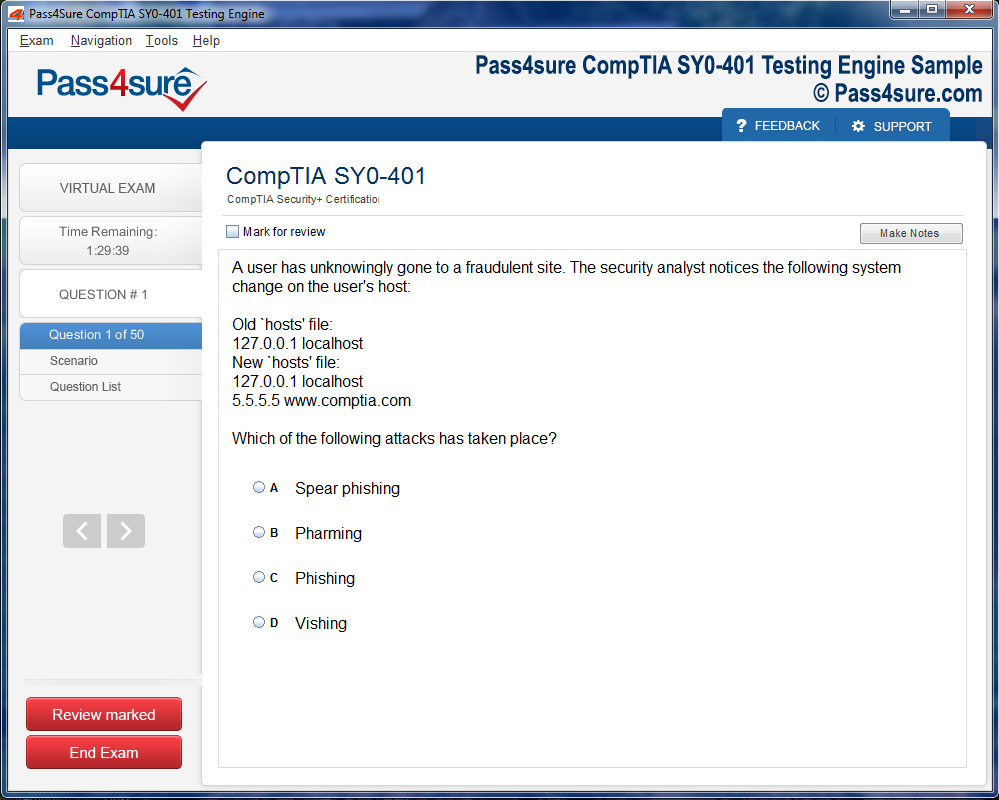
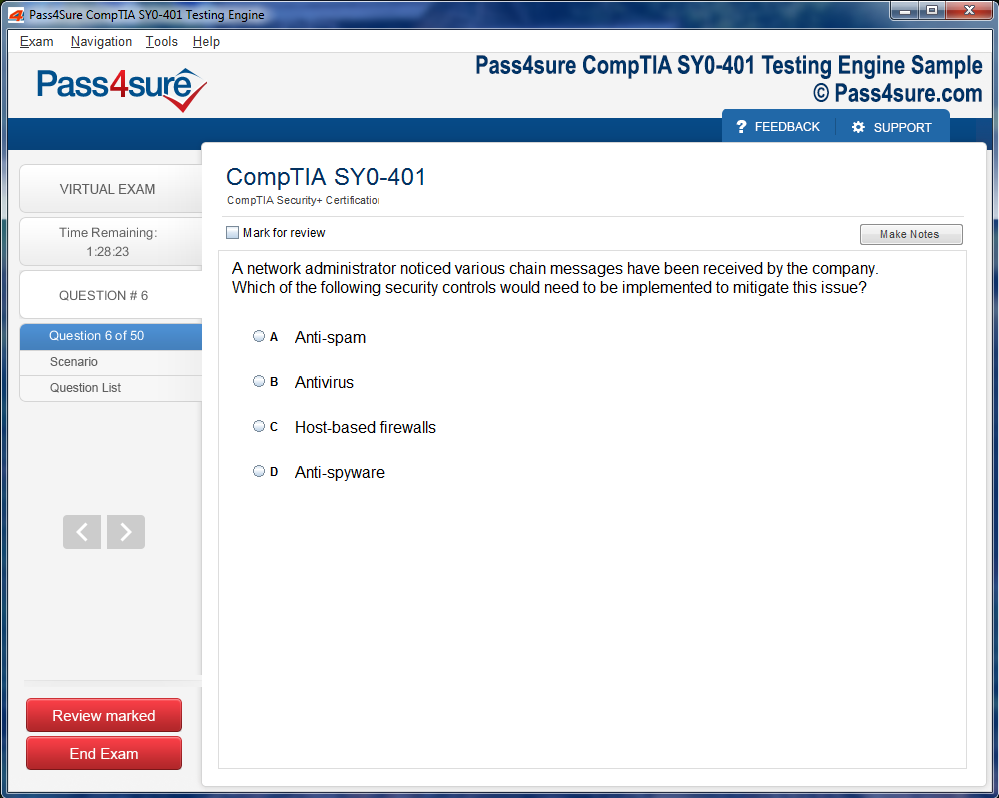
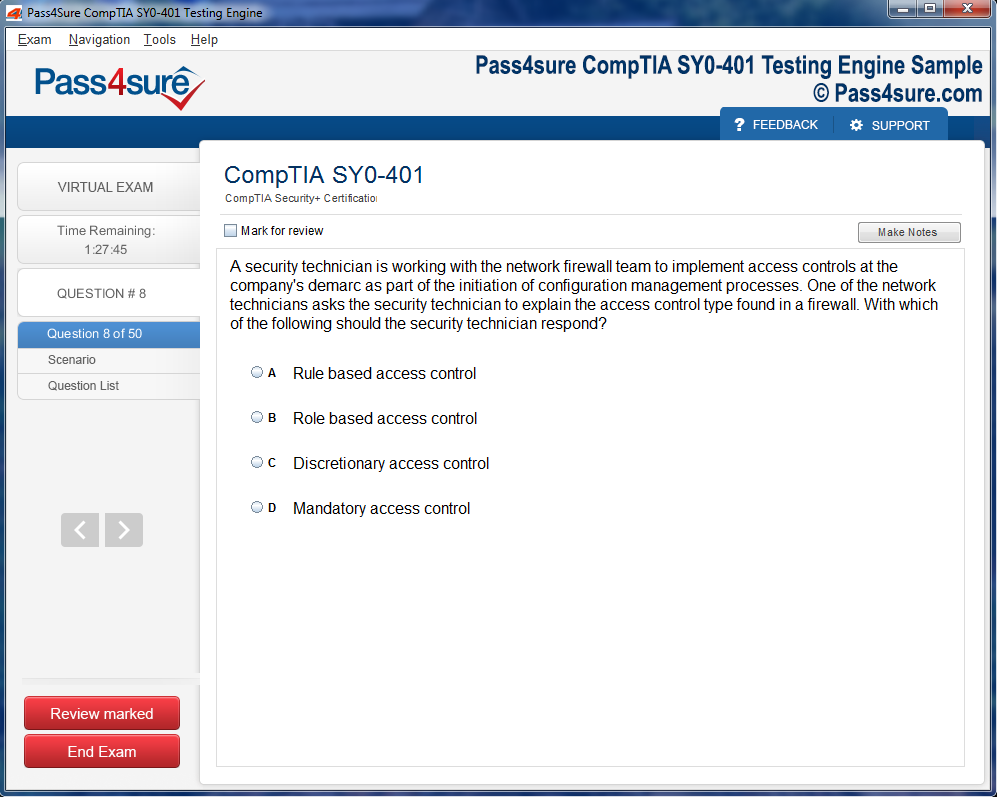
Product Screenshots
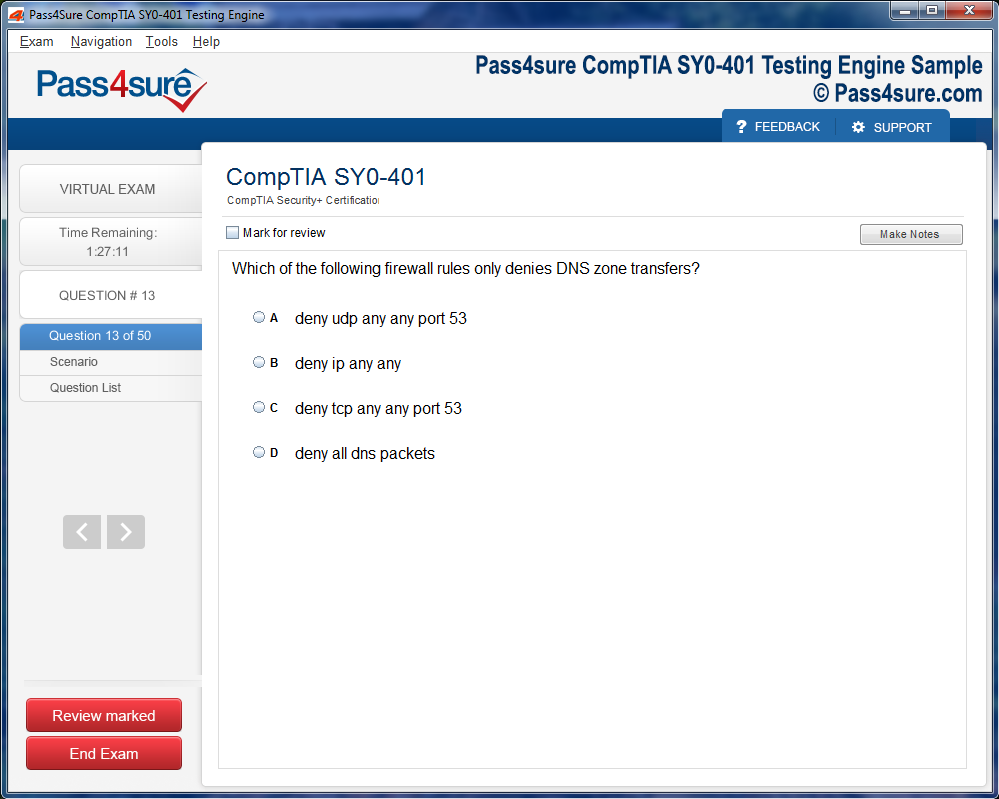
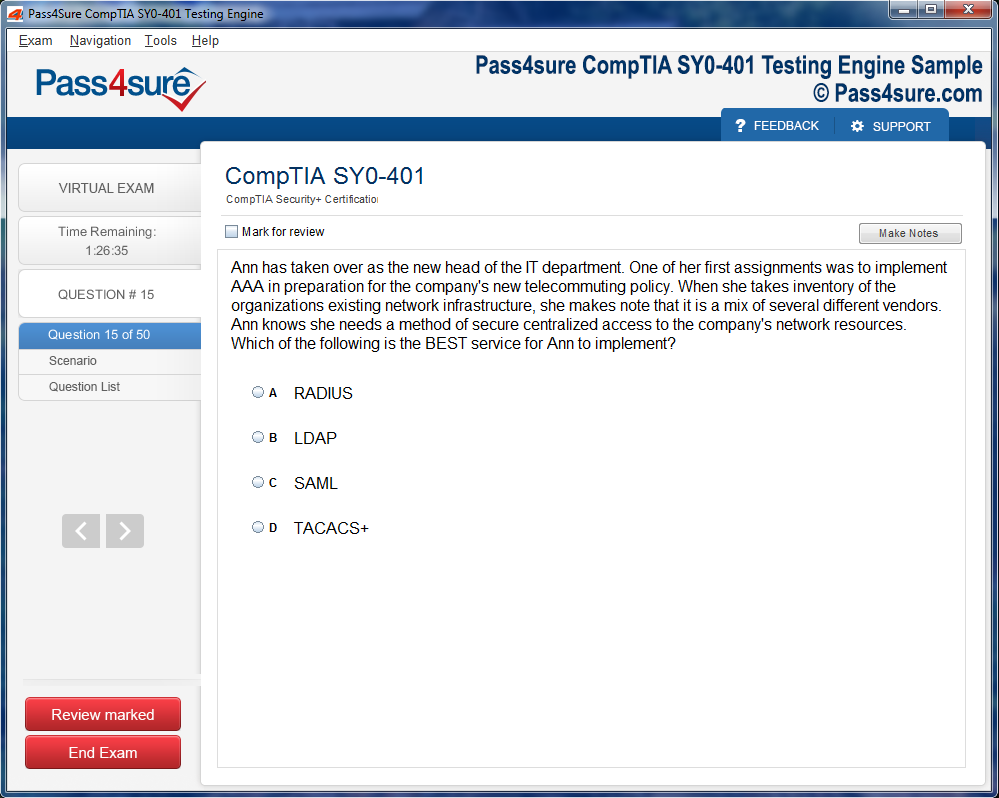
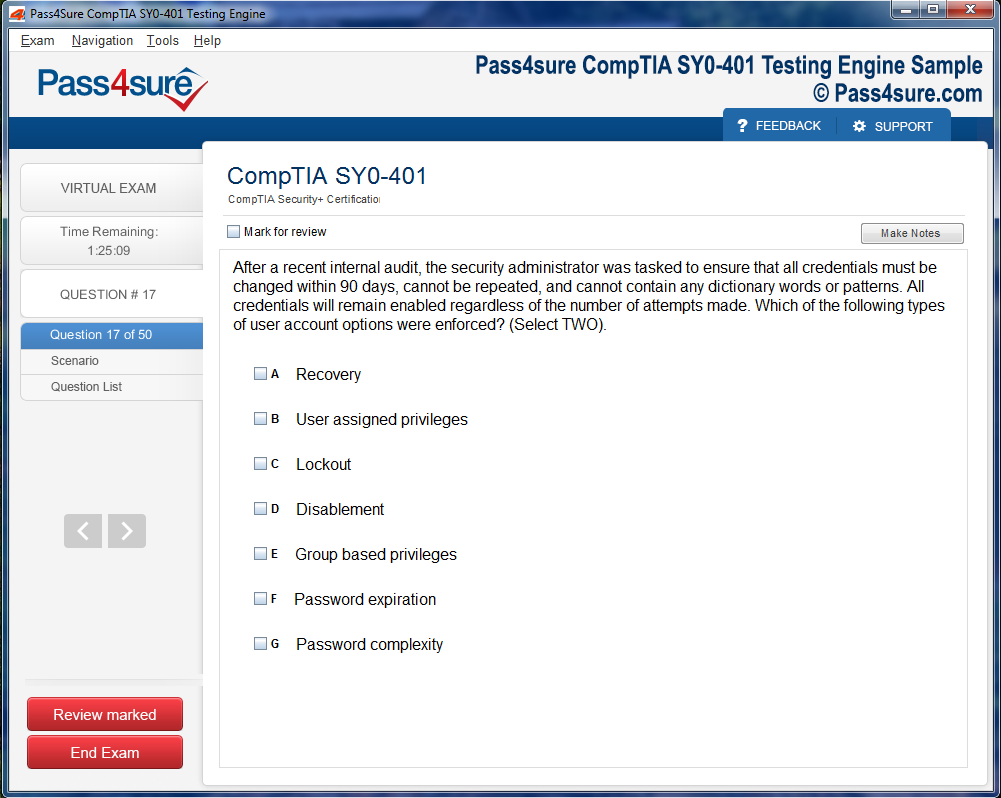
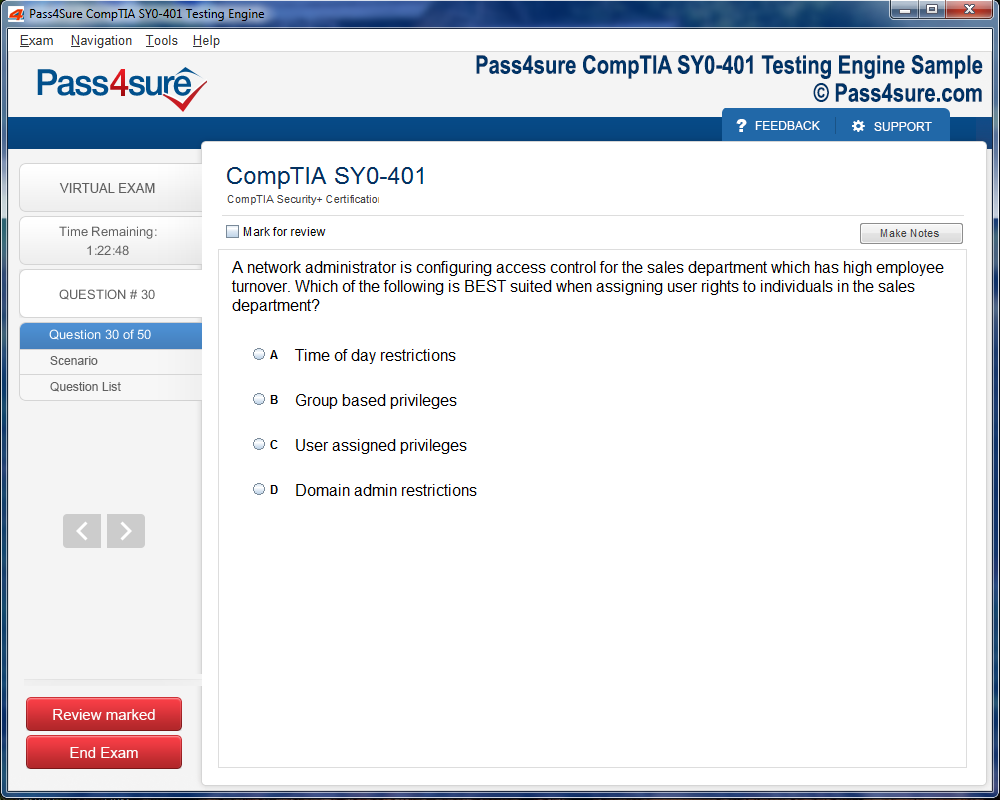
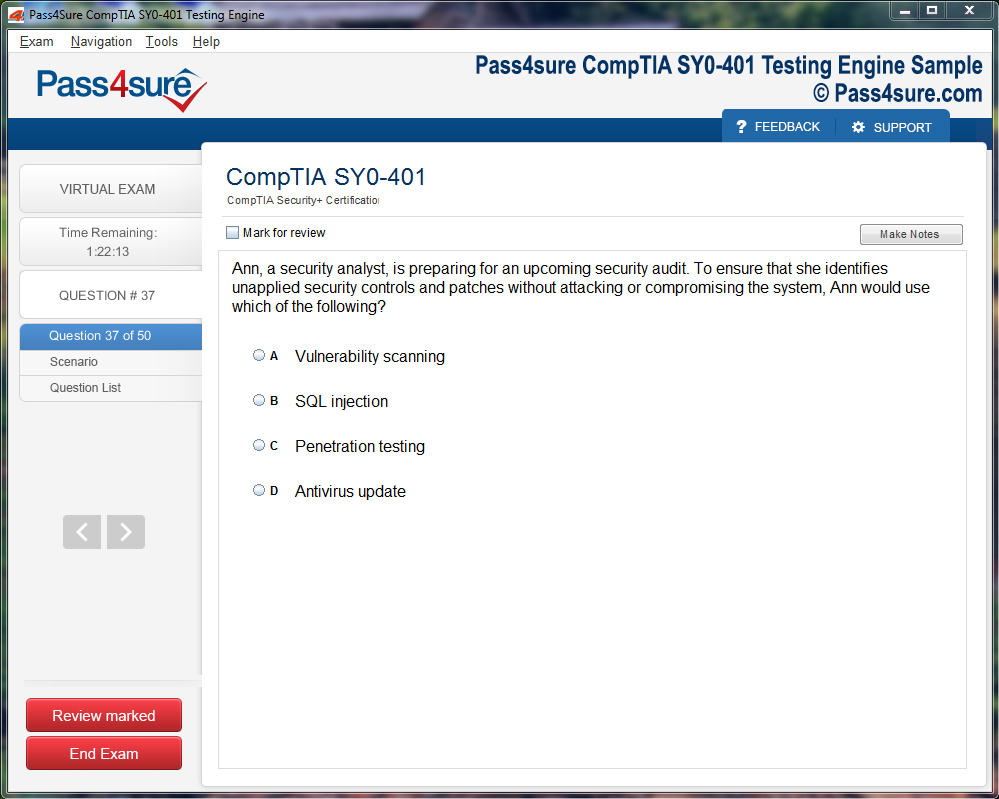
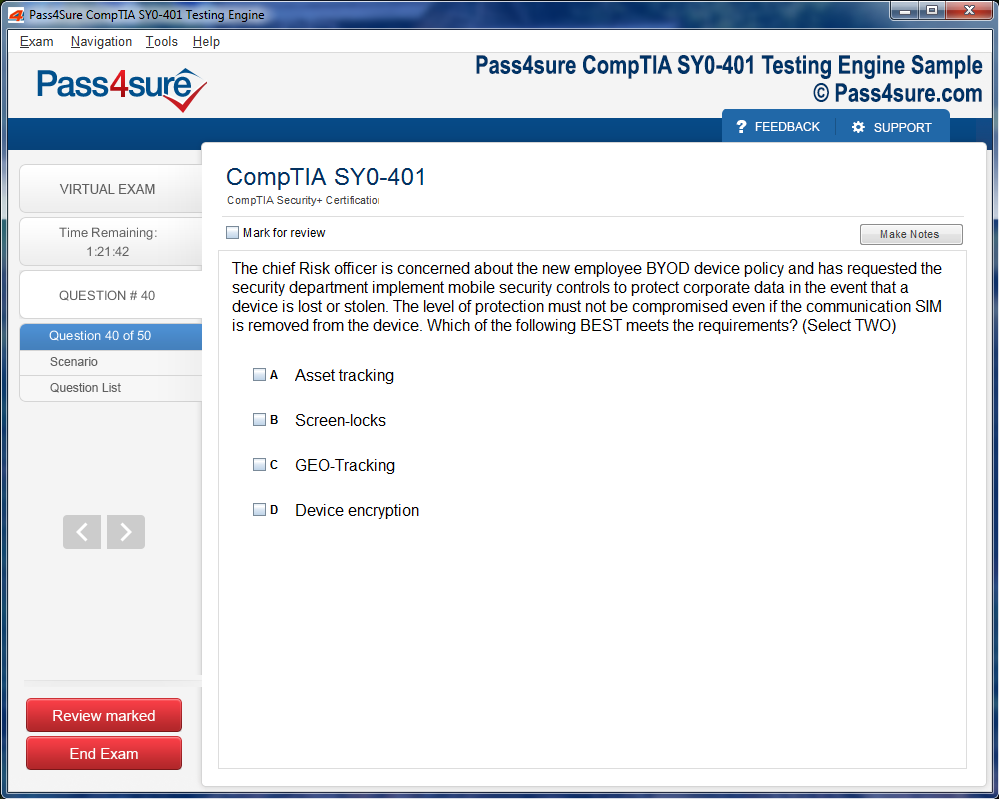
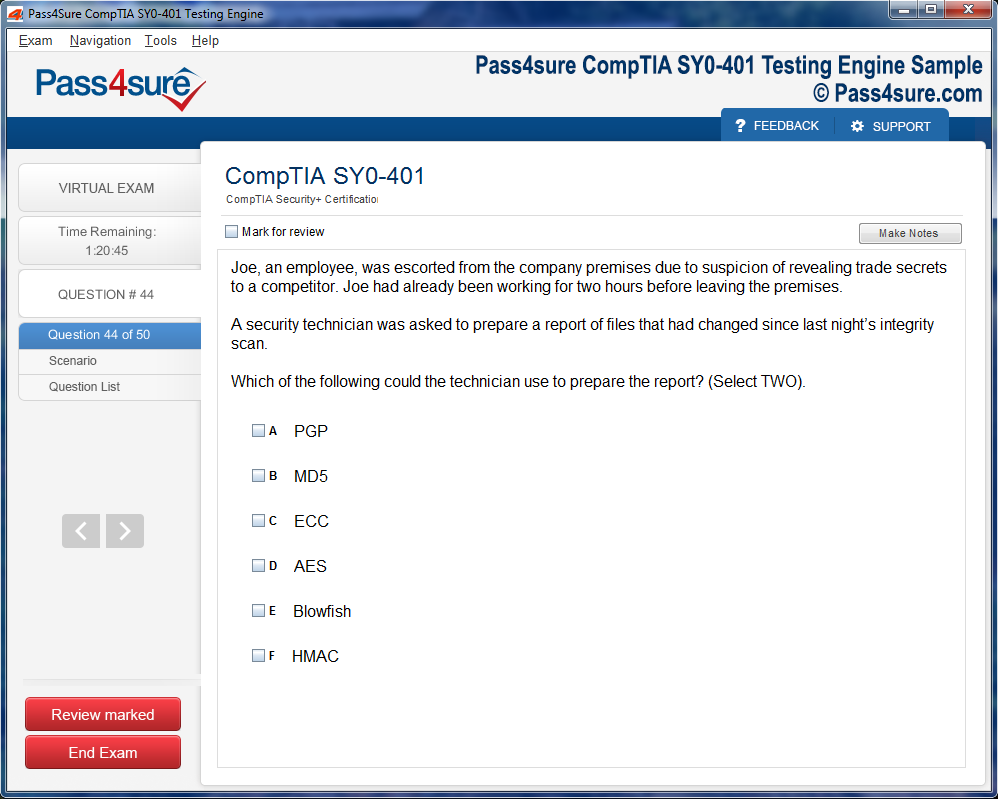
Frequently Asked Questions
How does your testing engine works?
Once download and installed on your PC, you can practise test questions, review your questions & answers using two different options 'practice exam' and 'virtual exam'. Virtual Exam - test yourself with exam questions with a time limit, as if you are taking exams in the Prometric or VUE testing centre. Practice exam - review exam questions one by one, see correct answers and explanations.
How can I get the products after purchase?
All products are available for download immediately from your Member's Area. Once you have made the payment, you will be transferred to Member's Area where you can login and download the products you have purchased to your computer.
How long can I use my product? Will it be valid forever?
Pass4sure products have a validity of 90 days from the date of purchase. This means that any updates to the products, including but not limited to new questions, or updates and changes by our editing team, will be automatically downloaded on to computer to make sure that you get latest exam prep materials during those 90 days.
Can I renew my product if when it's expired?
Yes, when the 90 days of your product validity are over, you have the option of renewing your expired products with a 30% discount. This can be done in your Member's Area.
Please note that you will not be able to use the product after it has expired if you don't renew it.
How often are the questions updated?
We always try to provide the latest pool of questions, Updates in the questions depend on the changes in actual pool of questions by different vendors. As soon as we know about the change in the exam question pool we try our best to update the products as fast as possible.
How many computers I can download Pass4sure software on?
You can download the Pass4sure products on the maximum number of 2 (two) computers or devices. If you need to use the software on more than two machines, you can purchase this option separately. Please email sales@pass4sure.com if you need to use more than 5 (five) computers.
What are the system requirements?
Minimum System Requirements:
- Windows XP or newer operating system
- Java Version 8 or newer
- 1+ GHz processor
- 1 GB Ram
- 50 MB available hard disk typically (products may vary)
What operating systems are supported by your Testing Engine software?
Our testing engine is supported by Windows. Andriod and IOS software is currently under development.
IIA-CGAP Explained: Step-by-Step Certification Guide
Government auditing is not merely a procedural exercise; it embodies an epistemological pursuit of truth within complex bureaucratic ecosystems. Unlike corporate audits, which predominantly scrutinize fiscal performance, government audits interrogate the veracity of reported compliance, operational efficacy, and fiduciary stewardship. Auditors must cultivate an investigative acumen akin to that of a forensic scholar, parsing through voluminous documentation, discerning latent inconsistencies, and reconciling divergent data narratives.
The epistemic rigor required in public auditing demands both inductive reasoning and deductive precision. Inductive reasoning allows auditors to detect patterns across departmental outputs, revealing systemic inefficiencies. Deductive precision enables auditors to verify whether activities conform to statutory mandates, internal policies, and ethical imperatives. Mastery of both reasoning modalities underpins the CGAP credential and distinguishes certified professionals from generalist auditors.
Cognitive Dexterity in Risk Appraisal
Risk appraisal within the public sector transcends mere probability calculations; it necessitates cognitive dexterity and anticipatory insight. Government auditors must navigate multifarious risk vectors, including operational lapses, compliance deviations, political contingencies, and reputational vulnerabilities. Each audit engagement requires synthesizing disparate information streams—financial ledgers, policy directives, programmatic outcomes—into coherent risk assessments that inform executive decision-making.
CGAP professionals deploy both qualitative heuristics and quantitative models to elucidate latent risks. Qualitative heuristics leverage experiential knowledge and contextual understanding, while quantitative models provide statistical corroboration. The interplay between these approaches enables auditors to generate nuanced, actionable recommendations rather than perfunctory compliance checklists.
Lexicon of Ethical Stewardship
Ethical stewardship is the sine qua non of public-sector auditing. The CGAP framework codifies a lexicon of ethical imperatives that guides auditors in morally complex terrains. Integrity, impartiality, confidentiality, and avoidance of conflicts constitute foundational principles. Auditors frequently encounter ethical dissonances where organizational expediency clashes with public accountability. Navigating such dissonances requires both moral courage and procedural tact.
In practice, ethical stewardship extends beyond personal conduct to encompass organizational influence. CGAP-certified auditors advocate for systemic reforms, champion transparency initiatives, and cultivate cultures of accountability. This ethical vigilance fortifies public trust, which is the cornerstone of effective governance and societal legitimacy.
Methodologies of Performance Auditing
Performance auditing constitutes a specialized methodology within the CGAP paradigm, oriented toward assessing efficiency, effectiveness, and economy of public programs. Unlike financial audits, which verify numerical accuracy, performance audits interrogate whether governmental initiatives achieve their intended outcomes and optimize resource utilization.
Auditors employ a diverse arsenal of analytical techniques: benchmarking against best practices, trend analysis across temporal datasets, and qualitative assessments of stakeholder feedback. The resultant audit reports synthesize empirical evidence with interpretive insight, enabling policymakers to make informed decisions and recalibrate operational priorities.
Navigating Regulatory Labyrinths
Government environments are often characterized by regulatory labyrinths—complex, overlapping statutes, guidelines, and procedural mandates that govern operations. Auditors must possess a navigational acuity that enables them to interpret, reconcile, and operationalize these frameworks without compromising compliance or objectivity.
CGAP candidates cultivate proficiency in interpreting legislative instruments, internal controls, and administrative directives. Such expertise allows auditors to identify noncompliance, evaluate regulatory efficacy, and provide recommendations that enhance both procedural adherence and programmatic performance.
Technological Augmentation in Auditing
Modern public auditing increasingly leverages technological augmentation to enhance precision, efficiency, and analytical depth. Data analytics, artificial intelligence, and audit management software allow CGAP-certified auditors to process vast datasets, detect anomalies, and visualize complex operational networks.
Technological augmentation does not supplant auditor judgment; rather, it amplifies cognitive bandwidth, enabling professionals to focus on interpretive and strategic dimensions. Mastery of these tools is now an implicit expectation for aspirants, reflecting the evolving nexus between governance, technology, and accountability.
Interdisciplinary Synergy in Audit Engagements
Effective public auditing thrives on interdisciplinary synergy. CGAP professionals frequently collaborate with legal experts, financial analysts, policy strategists, and operational managers. Such collaboration enriches audit perspectives, ensuring that evaluations are multidimensional and contextually grounded.
Interdisciplinary synergy also facilitates stakeholder engagement, fostering constructive dialogues that transcend adversarial scrutiny. By integrating diverse expertise, auditors can craft recommendations that are pragmatic, implementable, and attuned to organizational realities.
Strategic Cognition for Policy Alignment
The role of CGAP-certified auditors extends beyond transactional auditing to strategic cognition—aligning audit outcomes with broader policy imperatives. Auditors must discern how operational inefficiencies, compliance gaps, or resource misallocations impact policy objectives and public welfare.
This strategic orientation transforms the auditor into a policy ally, capable of influencing decision-making and driving systemic improvements. By situating audit insights within macro-level governance frameworks, CGAP professionals contribute to a more resilient, accountable, and adaptive public sector.
Exam Blueprint and Core Knowledge Areas
Navigating the labyrinthine structure of the IIA-CGAP examination necessitates more than mere rote memorization. Candidates must cultivate a synthesis of analytical acuity, procedural dexterity, and conceptual mastery. The examination blueprint delineates four cardinal domains, each with intricate layers of knowledge, practical application, and evaluative reasoning. Strategic alignment with this blueprint potentiates targeted preparation and augments confidence during assessment.
Exam Overview
The CGAP examination functions as a crucible for measuring both theoretical comprehension and pragmatic auditing aptitude. Candidates encounter multiple-choice interrogatives, scenario-driven dilemmas, and case-based analyses that emulate authentic governmental auditing scenarios. Harmonizing preparation strategies with the exam blueprint facilitates precision-focused study, mitigates inefficiencies, and cultivates intellectual resilience.
Domain 1: Auditing Standards and Practices
Auditing standards form the scaffolding of government audit methodology. This domain mandates proficiency in Generally Accepted Government Auditing Standards (GAGAS) and adeptness in operationalizing them across audit lifecycles.
Planning Audits
Effective audit planning embodies strategic foresight. Candidates must delineate audit objectives, articulate scope boundaries, and define evaluative criteria. Well-orchestrated planning mitigates ambiguity, enhances procedural efficiency, and ensures analytical rigor.
Gathering Evidence
Evidence collection demands discernment and methodological precision. Auditors deploy inspections, interviews, and analytical procedures to amass verifiable and pertinent data. Mastery of triangulation techniques—integrating multiple sources for corroboration—heightens the reliability of audit conclusions.
Evaluating Compliance
Compliance evaluation is an exercise in meticulous scrutiny. Auditors assess alignment with statutory mandates, regulatory frameworks, and internal policies. This necessitates a judicious blend of interpretative skill and regulatory literacy, ensuring that operational irregularities are identified with forensic accuracy.
Professional Skepticism
Skepticism is not mere doubt but a disciplined mindset fostering critical inquiry. Auditors must maintain vigilance for anomalies, inconsistencies, and potential malfeasance. Practicing scenario-based simulations sharpens judgment, cultivates anticipatory thinking, and reinforces ethical vigilance.
Domain 2: Governance, Risk, and Control
Understanding governance architectures and risk topographies is pivotal. This domain explores how institutional hierarchies, oversight mechanisms, and strategic imperatives influence operational integrity.
Governance Structures
Comprehension of governance involves decoding the interplay of boards, committees, and executive entities. Effective auditors perceive not only formal hierarchies but also informal channels of influence, thereby discerning the levers of accountability.
Risk Identification
Risk is an omnipresent facet of governmental operations. Auditors must recognize operational, fiscal, compliance, and strategic vulnerabilities. Sophisticated risk mapping techniques facilitate prioritization, enabling auditors to channel investigative energy toward high-stakes domains.
Control Frameworks
Control evaluation requires assessment of adequacy, efficacy, and congruence with organizational goals. Auditors must discern gaps between prescribed controls and actual implementation, offering pragmatic recommendations that harmonize procedural compliance with operational feasibility.
Domain 3: Internal Control Evaluation and Risk Assessment
Internal controls constitute the sinews of organizational accountability. Auditors scrutinize both preventive and detective mechanisms to safeguard resource stewardship.
Risk-Based Auditing
Prioritization is central to efficacious auditing. By weighting risks according to potential impact, auditors allocate effort judiciously, concentrating on areas with elevated vulnerability.
Testing Controls
Operational validation of controls involves rigorous testing of processes. Auditors ascertain whether mechanisms function as designed, identifying deficiencies before they manifest into systemic inefficiencies or fraud.
Identifying Weaknesses
Detection of control weaknesses requires both perceptiveness and analytical method. Illustrative examples, such as misappropriation of funds or procedural lapses, elucidate the repercussions of deficient controls, underscoring the imperative for structured risk assessment methodologies.
Domain 4: Audit Reporting and Communication
The culmination of audit endeavors is in communication, where findings are transformed into actionable insight. This domain prioritizes clarity, cogency, and persuasiveness in conveying evaluative conclusions.
Writing Audit Reports
Audit reports must balance conciseness with comprehensiveness. Each document requires a logical architecture, contextual clarity, and tailored expression suitable for stakeholders ranging from operational managers to executive boards.
Presenting Findings
Oral communication is as critical as written articulation. Auditors must develop the ability to present findings persuasively, fielding inquiries and substantiating recommendations with evidence-based rationale.
Recommendations
Proposals must be actionable, realistic, and prioritized according to operational impact. Effective auditors translate complex assessments into pragmatic guidance that informs policy, enhances internal control, and mitigates risk exposure.
Preparing for the Exam
Strategic preparation is an amalgam of introspection, scheduling, and iterative practice. Candidates must conduct a comprehensive gap analysis to illuminate strengths and deficits across domains, establishing a foundation for targeted study.
Study Schedule
Allocating temporal resources efficiently entails segmenting time for intensive reading, practice interrogatives, and scenario rehearsal. Integrative study—alternating theoretical immersion with applied exercises—enhances cognitive retention and practical acumen.
Mock Exams
Simulation of examination conditions fosters familiarity with timing pressures, question typologies, and stress modulation. Iterative practice under exam-like conditions conditions mental resilience and fortifies confidence.
Continuous Revision
Periodic revisitation of complex concepts consolidates understanding and mitigates attrition of knowledge. Employing cyclical review and reflective analysis ensures enduring comprehension, preparing candidates for nuanced application rather than superficial recall.
Understanding Audit Techniques
Government auditing is not merely procedural—it is an intricate dance of meticulous observation and forensic reasoning. The auditor’s craft requires the deployment of multifaceted techniques that transcend rote checklists. Among these, inspection and observation form the cornerstone. Inspecting documents, ledgers, and operational blueprints unveils latent discrepancies, while observation of processes illuminates ineffable inefficiencies that quantitative metrics often obscure.
Interviews and questionnaires constitute a complementary approach. Through judiciously framed inquiries, auditors distill information from personnel across hierarchical strata. The subtle nuances captured in responses can reveal control weaknesses or systemic gaps otherwise imperceptible. Analytical procedures, another indispensable technique, employ ratio analysis, trend extrapolation, and benchmark comparison to detect anomalies. Such procedures necessitate a perspicacious understanding of operational norms and the cognitive agility to differentiate between statistical noise and genuine deviation.
Sampling is an art of inference. Evaluating a carefully selected subset of transactions allows auditors to extrapolate conclusions regarding larger populations. This method not only economizes effort but also introduces probabilistic rigor into audit judgments. Mastery of these techniques ensures that evidence gathering is both efficient and resilient against the vicissitudes of organizational complexity.
Risk Assessment Strategies
Effective auditing is predicated on discerning which facets of governance demand the most scrutiny. Risk assessment is a strategic compass guiding auditors toward high-priority domains. The initial step involves identifying potential hazards encompassing operational missteps, financial misstatements, regulatory non-compliance, and strategic vulnerabilities. Each category requires tailored lenses; operational risks might manifest as procedural laxity, whereas strategic risks could arise from suboptimal resource allocation.
Evaluating the severity and likelihood of each risk is pivotal. Not all risks are created equal—auditors must gauge the potential impact on organizational objectives and the probability of occurrence. Quantifying these dimensions requires both analytical acumen and domain-specific knowledge. Mapping identified risks to extant controls further elucidates gaps in oversight. This exercise ensures that controls effectively mitigate vulnerabilities, transforming abstract risk landscapes into actionable audit matrices.
Prioritization is the final linchpin. Resource constraints necessitate a discerning allocation of audit effort. By concentrating on areas of heightened risk, auditors maximize impact and ensure that their scrutiny yields tangible benefits. This methodical approach integrates risk documentation, process linkage, and procedural design, fostering a culture of anticipatory vigilance rather than reactive oversight.
Conducting Fieldwork
Fieldwork is the crucible where theoretical constructs collide with operational realities. This phase demands an equilibrium of methodological discipline and adaptive dexterity. Gathering evidence in situ requires auditors to ensure that information is sufficient, relevant, and reliable. Verification extends beyond mere confirmation; it entails triangulating data from multiple sources to substantiate conclusions.
Documenting findings is an equally critical endeavor. Detailed workpapers function as both evidentiary repositories and analytical maps. They allow auditors to trace reasoning, validate interpretations, and provide a defensible foundation for subsequent reporting. Testing controls, through walkthroughs, re-performance, and operational verification, completes the evaluative triad. This not only affirms procedural compliance but also highlights latent weaknesses that might elude superficial scrutiny.
Fieldwork also necessitates an agile mindset. Unanticipated discrepancies or emergent risks may surface, demanding recalibration of audit procedures. The most effective auditors balance procedural rigor with adaptive intelligence, navigating complex bureaucracies while maintaining analytical integrity.
Tools and Technologies
The evolution of auditing has been profoundly influenced by technological augmentation. Contemporary auditors leverage sophisticated tools that enhance both efficiency and analytical precision. Audit software automates routine functions such as data extraction, sampling, and reporting, liberating human cognition for higher-order evaluation.
Data analytics is a transformative paradigm. By parsing voluminous datasets, auditors discern patterns, detect anomalies, and identify trends invisible to conventional review. Predictive modeling and statistical algorithms enable anticipatory insights, converting raw data into strategic intelligence.
Documentation platforms further streamline operational workflows. These systems ensure consistency, compliance with standards, and facile retrieval of historical records. Proficiency in these tools diminishes manual effort, augments accuracy, and empowers auditors to focus on interpretative and advisory functions rather than clerical tasks.
The interplay of traditional techniques and modern technologies represents a synergistic evolution. Auditors who can harmonize meticulous inspection with algorithmic analysis stand poised to extract maximal insight from complex organizational environments.
Reporting and Follow-Up
Audit fieldwork culminates in the articulation of findings and the orchestration of remedial measures. Drafting reports is a disciplined exercise in clarity and persuasiveness. Each conclusion must be substantiated with incontrovertible evidence, presented in a manner intelligible to both practitioners and stakeholders.
Recommendations transform observations into actionable directives. They require a delicate balance of pragmatism and prescriptiveness—advising feasible improvements without overstepping organizational autonomy. The efficacy of recommendations is contingent upon their alignment with operational realities and resource constraints.
Follow-up is a dynamic continuum, not a terminal step. Ensuring the implementation of corrective actions, monitoring their effectiveness, and reassessing residual risks are integral to the audit cycle. Iterative review fortifies accountability, fosters continuous improvement, and demonstrates the tangible value of audit interventions.
Strategic Integration of Audit Insights
The true impact of auditing transcends compliance. By embedding insights into organizational decision-making, auditors become architects of resilience. Strategic integration involves translating granular findings into macroscopic perspectives. Patterns discerned in operational anomalies may indicate systemic inefficiencies or latent governance challenges.
Auditors serve as interpreters of organizational health, offering prescriptive intelligence that informs policy, operational strategy, and resource allocation. This role demands an amalgamation of analytical rigor, sectoral knowledge, and communicative dexterity. Their influence extends beyond report issuance, shaping long-term strategic trajectories and cultivating cultures of transparency and vigilance.
Cognitive Dimensions of Auditing
Auditing is as much a mental discipline as a procedural one. It requires the cultivation of critical thinking, ethical reasoning, and probabilistic judgment. Auditors must navigate ambiguity, differentiate between correlation and causation, and anticipate behavioral responses within bureaucratic systems.
Cognitive agility enables the auditor to identify subtleties that evade formulaic analysis. Recognizing patterns, hypothesizing causal relationships, and evaluating control efficacy demand sophisticated mental frameworks. Emotional intelligence further complements cognitive prowess, facilitating effective stakeholder engagement and nuanced understanding of organizational dynamics.
Adaptive Risk Mitigation
In dynamic governmental environments, risk is neither static nor singular. Adaptive risk mitigation entails continuous recalibration in response to evolving operational landscapes. Auditors must remain vigilant against emerging threats, technological disruptions, and regulatory shifts.
Scenario planning, stress testing, and predictive analytics constitute proactive methodologies. By simulating potential contingencies, auditors can forecast vulnerabilities and preemptively strengthen controls. This approach reframes auditing from a retrospective exercise into a forward-looking strategic function, enhancing organizational resilience and safeguarding public resources.
Audit Methodology in Specialized Sectors
Certain governmental sectors, such as healthcare, defense, and public infrastructure, present unique auditing challenges. Each domain possesses specialized regulatory frameworks, operational idiosyncrasies, and sector-specific risks. Auditors must tailor methodologies accordingly, integrating domain expertise with core audit principles.
In healthcare, for instance, patient confidentiality and complex billing systems necessitate stringent compliance checks and meticulous data handling. In defense, security protocols and classified information introduce operational constraints and heightened risk sensitivity. Public infrastructure audits require longitudinal assessment of capital projects, cost overruns, and procurement integrity. These specialized approaches underscore the versatility and adaptability essential to effective auditing.
Continuous Professional Development
Proficiency in audit techniques and risk assessment is an evolving journey rather than a static achievement. Continuous professional development ensures auditors remain abreast of emerging standards, technological innovations, and sectoral nuances.
Workshops, certifications, and cross-functional engagements foster knowledge expansion and analytical refinement. Peer review mechanisms and knowledge-sharing networks further enhance competency, promoting collective intelligence and the dissemination of best practices. Lifelong learning is therefore integral to sustaining auditing excellence and preserving public trust.
Essential Study Resources
Navigating the labyrinthine terrain of CGAP preparation necessitates judicious selection of study resources. The official IIA guides emerge as seminal compendiums, meticulously detailing auditing standards, procedural nuances, and ethical imperatives. Their content is punctuated by arcane yet pivotal codices that, while dense, form the sine qua non of exam mastery. Complementing these guides are government auditing textbooks, repositories of both theoretical scaffolding and empirical exemplars, bridging the chasm between abstract principles and pragmatic exigencies.
Equally invaluable are practice questions and mock examinations, which cultivate not merely familiarity with the interrogation format but also the cognitive dexterity to navigate labyrinthine scenarios under temporal constraints. The cerebral endurance developed through such exercises is often underappreciated but paramount. Online courses and webinars, conversely, offer dynamic expositions, blending didactic rigor with interactive elucidation. Here, erudite auditors demystify convoluted procedures and furnish strategic heuristics, transforming rote memorization into nuanced comprehension.
Creating a Study Plan
A haphazard approach to CGAP preparation is an invitation to entropy. Meticulously crafting a study plan converts preparation into a deliberate, almost alchemical process of knowledge synthesis. Establishing granular milestones for each domain transmutes overwhelming syllabi into manageable vignettes, facilitating incremental mastery. Temporal allocation must be both judicious and fluid: domains of formidable complexity warrant disproportionate engagement, whereas familiar territories permit accelerated traversal.
Integrating iterative review sessions constitutes another crucial stratagem. Periodic revisitations consolidate memory and illuminate lacunae that may otherwise evade notice. Harmonizing diverse learning modalities—perusal, annotation, mnemonic devices, problem-solving exercises, and discursive dialogues—cultivates cognitive elasticity, ensuring information is encoded in multifaceted neural pathways rather than monolithic, brittle constructs.
Time Management Techniques
Temporal governance is a linchpin in successful CGAP preparation. The Pomodoro technique, segmenting study into concentrated bursts interspersed with brief respites, optimizes attention and mitigates cognitive fatigue. Prioritization is equally critical; focusing initially on high-weight or inherently challenging domains ensures maximal return on intellectual investment. Multitasking, a siren of modern efficiency myths, must be eschewed; concentrated engagement with singular topics engenders profound comprehension and retention.
Consistency eclipses intensity. Regular, quotidian study rituals forge neural circuits more robustly than sporadic, marathon-style endeavors. Each session, though brief, accumulates into a formidable reservoir of expertise, the steady drip of knowledge gradually sculpting a formidable cognitive edifice.
Leveraging Peer Learning
Isolation in preparation can ossify understanding. Engaging with peers or mentors engenders an ecosystem of reciprocal edification. Discussion groups provide arenas for dialectical reasoning, scenario analysis, and clarification of abstruse concepts, often unearthing insights that solitary study may overlook. Mentorship confers access to experiential wisdom, bridging the chasm between textual comprehension and operational acumen.
Simulated audits, conducted collaboratively, crystallize theoretical knowledge into actionable skills. Here, candidates confront quasi-realistic dilemmas, honing judgment, procedural application, and analytical agility. This crucible of collective praxis enhances both confidence and competence, converting knowledge from latent potential to operative mastery.
Maintaining Motivation
The protracted trajectory of CGAP preparation is replete with cognitive and emotional vicissitudes. Establishing tangible rewards at incremental milestones imbues the journey with momentum, transforming abstract ambition into concrete incentives. Visualization exercises, wherein success is mentally rehearsed in vivid detail, reinforce commitment and fortify resilience against episodic discouragement.
Systematic tracking of progress engenders a palpable sense of advancement. Logging completed topics, practice test scores, and areas of improvement creates a feedback loop, continuously informing and refining study strategies. Motivation thus becomes not a capricious force but a self-sustaining mechanism, cultivated and meticulously nourished.
Balancing Professional and Study Commitments
For many aspirants, preparation occurs amid the fulcrum of professional obligations. The orchestration of work and study demands strategic ingenuity. Flexible scheduling, predicated upon identification of peak cognitive periods, ensures study sessions coincide with maximal mental acuity. Delegation of non-essential work tasks frees temporal bandwidth, converting constraints into opportunities.
Self-care, often relegated to the periphery, underpins sustained cognitive performance. Adequate sleep, nutritional balance, and physical activity collectively enhance concentration, retention, and resilience. Neglecting these fundamentals introduces fragility into the preparation framework, eroding gains accrued through disciplined study.
Real-World Case Studies and Applied Practices
The apogee of CGAP mastery transcends theoretical paradigms, anchoring itself in tangible, real-world applications. Knowledge divorced from praxis remains ephemeral; hence, auditors must weave intellectual frameworks with empirical insights to engender efficacy. Applied practices constitute the crucible wherein standards are tested against organizational intricacies, revealing latent anomalies and operational lacunae.
The Imperative of Applied Practices
Auditing within the public sector necessitates navigating labyrinthine bureaucracies, heterogeneous stakeholder interests, and evolving statutory mandates. Applied practices serve as cognitive compasses, converting abstract precepts into actionable stratagems. The iterative engagement with practical scenarios cultivates perspicacity, hones decision-making acuity, and fortifies professional confidence. Moreover, it renders auditors adept at translating regulatory compliance into meaningful organizational improvement.
Case Study: Compliance Audit of a Municipal Department
In one instance, a municipal finance department exhibited perturbing inconsistencies in grant expenditure reportage. The audit unfolded through a meticulously delineated sequence:
Planning the Audit
Scope, objectives, and evaluative criteria were delineated to align meticulously with extant regulatory frameworks. The auditor envisaged the audit as a structured exploration rather than a perfunctory procedural check.
Fieldwork Execution
Documentation collection encompassed invoices, contracts, and financial statements. Complementary to this, qualitative data was obtained through targeted interviews with departmental personnel, elucidating operational nuances.
Risk Assessment
High-risk vectors were mapped, including grant misallocation, procedural delays, and reconciliation deficiencies. This risk cartography enabled prioritization of investigative efforts.
Evaluation of Controls
Internal controls surrounding fund disbursement, record-keeping, and reconciliation mechanisms were rigorously tested. Deviations illuminated latent vulnerabilities and procedural inefficiencies.
Reporting Findings
Audit reports were drafted with granularity, highlighting discrepancies, elucidating underlying causes, and proffering recommendations to fortify compliance and accountability. The exercise exemplified the auditor’s pivotal role in enhancing transparency within fiscal administration.
Case Study: Performance Audit of a Public Program
A state-sponsored healthcare initiative necessitated a performance audit to assess operational efficacy and outcome realization. The audit was characterized by systematic rigor:
Objective Delineation
The auditor assessed programmatic goals, operational throughput, and realized outcomes, juxtaposing intended objectives with tangible results.
Data Collection
Data acquisition leveraged surveys, empirical metrics, and financial records, synthesizing quantitative and qualitative evidence.
Analytical Dissection
Findings were interrogated to identify bottlenecks, inefficiencies, and resource misallocation. Discrepancies between anticipated and actual outputs informed remedial recommendations.
Prescriptive Recommendations
Auditors proposed enhancements encompassing process reengineering, judicious resource distribution, and improved monitoring frameworks. Performance audits, unlike compliance audits, emphasize outcome optimization alongside regulatory adherence.
Applied Practice Recommendations
Simulate Audit Environments
Controlled simulations and case-based exercises allow auditors to rehearse investigative techniques, thereby bolstering procedural confidence.
Meticulous Documentation
Comprehensive workpapers and corroborative evidence substantiate audit findings, mitigating contestation and reinforcing credibility.
Stakeholder Engagement
Transparent communication with management and operational staff ensures accurate information retrieval and fosters collaborative problem-solving.
Reflexive Learning
Critical review of antecedent audit reports illuminates recurrent challenges, methodological pitfalls, and exemplary practices, contributing to iterative skill enhancement.
Integrating Data Analytics into Auditing
The advent of sophisticated analytical tools has catalyzed a paradigm shift in auditing methodology:
Trend Analysis
Scrutiny of financial and operational data unveils anomalous patterns indicative of potential malfeasance or inefficiency.
Predictive Risk Modeling
Historical datasets inform probabilistic forecasting, enabling auditors to anticipate vulnerabilities with heightened precision.
Process Optimization
Data-driven insights illuminate procedural bottlenecks and suboptimal resource utilization, guiding recommendations for enhanced efficiency.
The synthesis of data analytics with traditional auditing acumen amplifies the precision and impact of audit interventions, rendering them both prescriptive and actionable.
Ethical Imperatives in Applied Practices
CGAP auditors frequently navigate ethically fraught scenarios. The profession mandates unwavering adherence to principled standards:
Objectivity
Professional judgment must remain impervious to personal bias or extrinsic influence.
Confidentiality
Sensitive information warrants meticulous safeguarding to preclude unauthorized disclosure.
Transparency
Audit findings must be communicated with fidelity, eschewing distortion or obfuscation.
Ethical vigilance ensures the credibility of audit outcomes and fortifies the trust reposed in public-sector auditors.
Continuous Learning Through Applied Case Studies
Professional evolution in auditing is inextricably linked to ongoing engagement with empirical case studies:
Examination of Past Reports
Historical audit reports elucidate recurring challenges, systemic vulnerabilities, and efficacious remediation strategies.
Participation in Skill Workshops
Targeted workshops foster skill augmentation, enabling auditors to assimilate emergent methodologies and best practices.
Peer Networking
Collaborative discourse with professional counterparts catalyzes knowledge exchange, enriches problem-solving capabilities, and nurtures innovation.
Through sustained immersion in practical contexts, auditors cultivate both dexterity and reputational capital, reinforcing their strategic value within public-sector institutions.
Navigating Complex Organizational Ecosystems
Public-sector entities are characterized by multidimensional hierarchies, diverse operational units, and intersecting regulatory obligations. Mastery of CGAP principles requires auditors to decode organizational DNA, map reporting hierarchies, and anticipate interdepartmental interdependencies. The analytical lens applied in these contexts transcends numeric assessment, encompassing qualitative insights into procedural efficacy and governance culture.
Audit Planning: A Strategic Imperative
Strategic audit planning is foundational to applied practice. The process encompasses scoping exercises, objective articulation, and risk mapping. Auditors employ a blend of qualitative intuition and quantitative heuristics to prioritize focal areas, allocate investigative resources, and delineate methodological pathways. Proactive planning mitigates emergent risks and optimizes audit efficiency.
Fieldwork Methodologies
Fieldwork constitutes the experiential nucleus of applied auditing. Techniques encompass document inspection, structured interviews, observational studies, and corroborative validation. The confluence of these methodologies engenders a holistic understanding of operational realities, illuminating latent inefficiencies and compliance deviations. Fieldwork demands adaptability, as auditors must navigate unanticipated data gaps and organizational resistance with professional dexterity.
Evaluating Internal Controls
Internal controls function as the bulwark of organizational accountability. Applied auditing scrutinizes control design, operational effectiveness, and resilience under stress. Techniques include walkthroughs, substantive testing, and reconciliation checks. The objective is to discern not only compliance adequacy but also the controls’ capacity to preempt systemic risk.
Reporting and Recommendations
Effective reporting transforms investigative findings into actionable insights. Beyond enumerating deficiencies, auditors articulate the implications of observed deviations and prescribe remedial measures. Reports employ analytical rigor, narrative clarity, and evidentiary substantiation, ensuring stakeholders comprehend both technical nuances and strategic significance. Recommendations often entail policy refinement, process optimization, and risk mitigation frameworks.
Leveraging Technology in Applied Audits
In today’s complex business environment, the role of technology in applied audits has become increasingly pivotal. Auditing, once a process dominated by manual verification and labor-intensive reconciliation, now integrates advanced technological solutions to streamline procedures, increase precision, and expand analytical capabilities. Technological augmentation enhances audit efficiency and analytical depth, enabling auditors to perform their work with greater speed, accuracy, and insight. Tools such as data mining platforms, automated reconciliation systems, artificial intelligence (AI)-driven analytics, and visualization dashboards have transformed the audit landscape, equipping auditors to operate in an increasingly data-intensive environment.
Data Mining and Advanced Analytics
One of the most transformative technological interventions in auditing is the use of data mining platforms. These systems enable auditors to sift through massive volumes of transactional data to identify patterns, trends, and irregularities that would be practically invisible in traditional sample-based auditing. Unlike conventional methods, which rely on selective sampling, data mining permits full-population testing, thereby reducing the risk of overlooking critical anomalies. For instance, by applying pattern recognition algorithms, auditors can flag unusual journal entries, duplicate invoices, or unauthorized transactions in near real-time. Beyond anomaly detection, predictive analytics, a subset of data mining, allows auditors to forecast potential risk areas, enabling preemptive corrective action rather than reactive assessment.
The application of machine learning algorithms further elevates the capacity of auditors to identify complex correlations and emerging risk indicators. By training models on historical audit outcomes, auditors can develop predictive systems that highlight transactions likely to involve errors or fraud. This not only improves the accuracy of audits but also allows for more strategic allocation of resources, as auditors can focus on high-risk areas rather than expending effort uniformly across all processes.
Automated Reconciliation Systems
Automated reconciliation systems represent another critical technological advancement. Traditionally, reconciling accounts, verifying balances, and matching transactions required extensive manual labor and were prone to human error. Modern reconciliation platforms automate much of this work by integrating directly with accounting systems and financial databases, comparing records across multiple ledgers and flagging discrepancies for further review. The benefits of such automation are manifold. First, it significantly reduces the time auditors spend on routine verification, freeing them to focus on higher-order analytical tasks. Second, it enhances accuracy by eliminating transcription errors and ensuring consistent application of reconciliation rules. Third, these systems create an auditable trail of reconciliations, strengthening transparency and compliance with regulatory standards.
Moreover, automation facilitates continuous auditing—a paradigm in which audit processes are no longer episodic but ongoing. Continuous auditing allows organizations to monitor financial activities in real-time, detecting errors or irregularities almost immediately after they occur. This proactive approach enhances internal control effectiveness and allows management to respond swiftly to operational or compliance issues.
Visualization Dashboards and Data Interpretation
While data mining and automation provide the analytical backbone of modern auditing, visualization dashboards offer the interpretive interface that converts raw data into actionable insight. Dashboards integrate complex datasets into intuitive graphical formats, allowing auditors to identify trends, outliers, and anomalies quickly. For example, heatmaps can reveal concentration of high-risk transactions across departments, time series graphs can track financial performance against budget forecasts, and interactive drill-down tools enable auditors to explore individual transactions underlying aggregate trends.
Effective visualization enhances both internal and external communication. Auditors can present findings to management and boards in a format that is immediately understandable, facilitating evidence-based decision-making. In external audits, visualization dashboards support clearer communication of risk assessments and control effectiveness to stakeholders, enhancing transparency and trust. Furthermore, these tools allow for scenario modeling, enabling auditors and management to simulate potential financial outcomes under varying assumptions, thereby supporting strategic planning and risk mitigation.
Artificial Intelligence and Cognitive Computing
Artificial intelligence (AI) and cognitive computing have expanded the potential of applied audits beyond traditional numerical analysis. Natural language processing (NLP) algorithms can analyze unstructured data, such as contracts, emails, and policy documents, to identify compliance risks, unusual clauses, or inconsistencies. AI-powered audit tools can even detect early signs of fraud by recognizing subtle behavioral patterns in financial transactions that would be imperceptible to human auditors.
Moreover, AI enhances the prescriptive capability of audits. Beyond identifying what has occurred, AI can suggest corrective actions or preventive measures based on historical trends and learned insights. For instance, if a recurring error is detected in expense reporting, AI systems may recommend changes in authorization protocols or provide predictive alerts when similar errors are likely to occur in the future. This transforms the audit function from a purely diagnostic exercise into a proactive advisory role that contributes directly to organizational governance and risk management.
Risk Management and Predictive Insights
Technology integration in audits fundamentally strengthens risk management frameworks. By combining historical data, real-time monitoring, and predictive analytics, auditors can model potential vulnerabilities across financial, operational, and compliance domains. Risk-based auditing, which prioritizes areas of greatest potential impact, is greatly enhanced by these technological tools. Auditors can simulate stress scenarios, evaluate the resilience of internal controls, and assess the probability and impact of adverse events before they materialize. Such predictive insights are invaluable for boards and executives seeking to navigate uncertain business environments and regulatory complexities.
Regulatory Compliance and Blockchain
Emerging technologies like blockchain further extend audit capabilities by providing immutable, transparent transaction records. Blockchain’s decentralized ledger system ensures that transactions are securely recorded and verifiable without relying solely on internal documentation. For auditors, this reduces reliance on manual verification of ownership or contractual agreements and increases confidence in the integrity of financial data. Smart contracts, programmable agreements executed on blockchain networks, enable automated enforcement of compliance requirements, reducing the risk of human error or deliberate manipulation.
Challenges and Considerations
Despite the immense potential of technology in applied audits, its adoption is not without challenges. Data quality remains a fundamental concern; inaccurate or incomplete data can compromise the efficacy of even the most advanced analytical tools. Cybersecurity is another critical consideration, as auditors increasingly access sensitive financial information through cloud-based platforms. Professional judgment also remains indispensable; while technology can identify anomalies, auditors must interpret findings in context, assess materiality, and consider qualitative factors that algorithms alone cannot fully capture. Furthermore, integrating technology requires ongoing training and change management to ensure that audit teams can leverage tools effectively without becoming over-reliant on automated processes.
Future Outlook
The trajectory of technological integration in auditing suggests an increasingly symbiotic relationship between human expertise and machine intelligence. Emerging trends include the use of robotic process automation (RPA) for repetitive tasks, AI-assisted fraud detection, real-time risk dashboards, and the integration of external data sources, such as social media or market intelligence, into audit analyses. As auditors adopt these innovations, the audit function is evolving from a retrospective, compliance-focused role to a forward-looking, strategic advisory function that contributes directly to organizational resilience and value creation.
leveraging technology in applied audits significantly enhances both efficiency and analytical depth. Data mining, automated reconciliation systems, visualization dashboards, AI, and blockchain collectively enable auditors to detect anomalies, forecast vulnerabilities, and model scenario outcomes with unprecedented precision. These tools amplify audit scope while maintaining methodological rigor, allowing for more incisive insights and prescriptive guidance. While challenges related to data quality, cybersecurity, and professional judgment remain, the benefits of technological integration are undeniable. As auditing continues to evolve, technology will not only augment traditional processes but also redefine the audit profession, transforming auditors into strategic partners in governance, risk management, and organizational decision-making.
Ethical Conundrums in Complex Audits
High-stakes audits frequently confront ethical ambiguities. Situations may involve conflicting stakeholder interests, confidentiality dilemmas, or discretionary interpretation of standards. Auditors must exercise principled discernment, balancing statutory mandates with professional integrity. Ethical deliberation is both preventative and corrective, safeguarding organizational credibility and societal trust.
Reflexive Skill Augmentation
Applied practice fosters reflexivity. Auditors iteratively evaluate methodological choices, interpretive judgments, and stakeholder interactions. Reflexive skill augmentation promotes continuous improvement, adaptive problem-solving, and nuanced understanding of organizational dynamics. This iterative learning process underpins professional longevity and strategic efficacy.
Cross-Sector Learning
Auditors benefit from cross-pollination of insights between diverse public-sector domains. Comparative analysis of audit methodologies, risk management practices, and control architectures cultivates innovative approaches. Exposure to heterogeneous institutional contexts enriches analytical perspectives, facilitating more holistic and adaptive auditing strategies.
Exam Day Preparation
The advent of the examination day evokes a mélange of anticipation and trepidation. To navigate this pivotal juncture, candidates must cultivate a perspicuous understanding of the exam’s architecture. Familiarity with question typologies, temporal allotments, and evaluative methodologies is indispensable for optimizing performance.
Equally crucial is the orchestration of corporeal and cognitive well-being. Adequate rest fortifies synaptic retention, while judicious nutritional choices enhance neural acuity. Consumption of nutrient-dense sustenance coupled with hydration strategies primes the mind for optimal responsiveness.
Mindful review supersedes frenetic cramming as the efficacious approach. Selective concentration on keystones—core definitions, frameworks, procedural formulas—engenders cognitive consolidation. During the examination, sagacious time management ensures each query receives proportional attention. Complex items may be flagged for subsequent scrutiny, preventing temporal myopia on challenging sections.
Calmness is not merely a psychological desideratum but a tactical instrument. Techniques encompassing diaphragmatic breathing, focused meditation, and visualization can attenuate stress-induced cognitive impediments. Examiners frequently witness a correlation between measured composure and enhanced performance metrics, underscoring the utility of equanimity under duress.
Continuous Professional Development
Certification signifies the inauguration of a perpetual educational odyssey rather than its culmination. CGAP-certified professionals must perpetually recalibrate their knowledge in consonance with evolving legislative frameworks, auditing standards, and governance protocols.
Immersive participation in workshops, symposia, and professional colloquia facilitates exposure to nascent auditing methodologies and emergent sectoral challenges. These engagements not only enrich technical acumen but also catalyze networking with cognoscenti, engendering a communal repository of insights and experiential wisdom.
Professional communities constitute crucibles of intellectual ferment. Engaging with peer networks, contributing to discourse, and exchanging best practices ensure the maintenance of a dynamic, contemporary understanding of public sector auditing. Such interactions provide scaffolding for both cognitive expansion and reputational capital within the auditing sphere.
Advancing Your Career
The attainment of CGAP certification confers an imprimatur of expertise that unlocks elevated trajectories within public sector governance, audit, and compliance domains. However, strategic career ascension demands deliberate cultivation of influence and demonstrable value. Certification alone is insufficient; the adept professional transforms technical knowledge into tangible organizational impact, positioning themselves as an indispensable asset within the bureaucratic apparatus.
Application of auditing principles to enhance organizational efficiency, mitigate systemic vulnerabilities, and reinforce accountability establishes a tangible benchmark of competence. Professionals who discern latent inefficiencies and proactively implement corrective measures gain reputational capital, which is pivotal for career propulsion. Such measures may include redesigning workflow protocols to reduce procedural redundancy, instituting risk assessment matrices that preempt operational failures, or deploying analytical frameworks to identify anomalies indicative of noncompliance. Each initiative not only demonstrates mastery of auditing principles but also underscores a capacity for strategic foresight.
Leadership roles, encompassing team oversight, project stewardship, and advisement to executive management on risk frameworks, amplify professional visibility. Assumption of leadership requires more than procedural acumen; it necessitates a synthesis of interpersonal dexterity, tactical planning, and ethical discernment. Leading audit teams entails delegating responsibilities judiciously, motivating colleagues toward collective objectives, and cultivating an environment conducive to analytical rigor. In project stewardship, the ability to harmonize resources, timelines, and stakeholder expectations distinguishes effective leaders from mere administrators. Advisement to senior management demands translating granular audit data into actionable insights, enabling decision-makers to navigate complex compliance landscapes with confidence. The professional who excels in these capacities emerges as a linchpin within organizational hierarchies.
Augmenting core CGAP competencies with adjunctive certifications or specialized training in domains such as forensic analysis, data analytics, or enterprise risk management fosters a multidimensional professional profile. Forensic auditing acumen enables the detection and investigation of irregularities, while data analytics competencies permit the extraction of actionable intelligence from voluminous datasets. Enterprise risk management skills equip auditors to anticipate systemic vulnerabilities and devise proactive mitigation strategies. By synthesizing these complementary proficiencies, professionals not only enhance their technical versatility but also cultivate a strategic lens that aligns auditing functions with organizational imperatives.
Mentorship further extends influence, enabling the transfer of expertise to nascent auditors while consolidating organizational knowledge repositories. Seasoned CGAP professionals serve as cognitive scaffolds, guiding junior colleagues through complex procedural nuances and fostering analytical independence. Mentorship is not a unidirectional exercise; it engenders reciprocal enrichment, as seasoned auditors gain fresh perspectives from emerging talent while reinforcing their own expertise through teaching. By institutionalizing mentorship programs, organizations cultivate a culture of continuous improvement, ensuring that accumulated knowledge persists beyond individual tenures.
Strategic networking is another critical vector for career advancement. Engaging with professional associations, participating in sectoral conferences, and contributing to thought leadership platforms amplifies visibility and fosters influential relationships. Interaction with peers, regulatory authorities, and subject-matter experts facilitates the exchange of insights, enabling auditors to remain abreast of emergent risks, regulatory amendments, and innovative audit methodologies. Such networks frequently serve as conduits to coveted opportunities, including advisory positions, cross-functional projects, and executive-level appointments.
Demonstrating measurable value through high-impact projects is equally essential. Professionals who lead initiatives that materially enhance operational efficiency, reduce compliance breaches, or optimize resource allocation gain recognition both internally and externally. Quantifying achievements—through metrics such as cost savings, risk reduction percentages, or audit resolution rates—translates abstract expertise into concrete evidence of efficacy. This empirical validation strengthens candidacy for promotion, executive sponsorship, and strategic project leadership.
Expanding influence beyond the immediate organizational context further distinguishes high-performing professionals. Contribution to governmental audit policy formulation, participation in inter-agency task forces, or publication of analytical commentaries on regulatory best practices positions the CGAP-certified auditor as a thought leader. These activities cultivate a professional persona characterized by intellectual authority, practical insight, and commitment to public accountability. Auditors who cultivate this persona often find themselves entrusted with strategic advisory roles, policy oversight responsibilities, or cross-sector collaborations.
Embracing digital transformation initiatives is increasingly indispensable. Proficiency in audit management software, data visualization tools, and artificial intelligence–driven analytics enables professionals to transcend traditional audit paradigms. By integrating technology into auditing processes, professionals enhance accuracy, efficiency, and foresight, thereby demonstrating innovation and adaptability—qualities highly prized in leadership trajectories. The modern CGAP professional is thus simultaneously a custodian of compliance and a catalyst for digital modernization.
Cultivating a strategic mindset further amplifies career trajectory. Beyond procedural proficiency, the professional must anticipate organizational vulnerabilities, interpret complex regulatory landscapes, and recommend interventions that align with overarching institutional objectives. This involves balancing operational pragmatism with visionary foresight, ensuring that recommendations are both implementable and impactful. Strategic auditors who can articulate the long-term ramifications of their findings to executive leadership effectively transition from operational specialists to organizational architects, shaping policy and governance frameworks at macro levels.
Personal branding and reputation management complement technical and strategic competencies. A CGAP-certified professional’s reputation for integrity, analytical rigor, and ethical adherence becomes a multiplier of opportunity. Colleagues and leadership alike rely on trusted auditors not merely for compliance validation but for consultative guidance in navigating risk-laden scenarios. Reputation, once cultivated through consistent performance and ethical conduct, generates momentum in career advancement, opening doors to roles that extend beyond traditional auditing functions into governance, advisory, and policy-making spheres.
Finally, continuous self-assessment ensures sustained professional growth. Periodic evaluation of strengths, identification of developmental gaps, and engagement in targeted learning initiatives maintain relevance in an evolving regulatory and technological milieu. By embracing a growth-oriented mindset, CGAP professionals perpetually refine their expertise, ensuring adaptability and preparedness for emergent challenges. This proactive self-cultivation positions them to seize advancement opportunities, ascend organizational hierarchies, and influence the trajectory of public sector auditing itself.
In essence, advancing one’s career post-CGAP certification entails a multifaceted approach: synthesizing technical proficiency, strategic acumen, leadership capabilities, mentorship engagement, and reputational capital. Professionals who navigate these domains with deliberation, creativity, and ethical rigor transform their certification into a dynamic instrument for personal and organizational impact. Career progression becomes less a matter of tenure and more a function of demonstrable value, strategic foresight, and enduring influence within the public auditing ecosystem.
Building a Strategic Mindset
Modern CGAP professionals are increasingly envisioned as strategic advisors rather than mere evaluators of compliance. This paradigm shift necessitates the development of anticipatory and analytical faculties capable of aligning audit interventions with organizational imperatives.
Identification of improvement opportunities mandates both analytical rigor and creativity. Recommendations must resonate with overarching objectives while preserving operational feasibility. Articulate communication is paramount; distilling complex technical assessments into intelligible, actionable guidance for decision-makers enhances strategic influence.
Innovation constitutes a fulcrum of efficacy in contemporary auditing. Integration of advanced data analytics, process automation, and efficiency-optimizing methodologies transforms conventional auditing into a proactive, foresight-driven enterprise. Professionals who embrace innovation engender not merely procedural compliance but organizational evolution.
Achieving Long-Term Impact
The ultimate aspiration of CGAP certification transcends procedural mastery, aiming instead for enduring transformation within public institutions. Certified auditors serve as catalysts for transparency, governance fortification, and societal trust enhancement.
Through meticulous audits and evidence-based recommendations, professionals ensure judicious stewardship of public resources. Strengthened internal controls, augmented oversight mechanisms, and rigorous procedural evaluation collectively bolster organizational integrity.
Public trust emerges as both an outcome and a metric of efficacy. Consistent delivery of objective, reliable audits cultivates confidence in governmental operations, fostering legitimacy and societal engagement. The strategic deployment of auditing expertise effectuates tangible improvements that resonate beyond organizational confines, contributing to systemic accountability and ethical governance.
Conclusion:
The IIA-CGAP certification serves as a pivotal credential for professionals aiming to excel in government auditing. By breaking down the process into clear, step-by-step guidance, this guide equips candidates with the knowledge, strategies, and confidence needed to succeed. From understanding core concepts and exam structure to mastering practical applications, following this roadmap transforms preparation into a manageable and structured journey—bringing you one step closer to achieving the prestigious CGAP designation.
Top IIA Exams
- IIA-CIA-Part2 - Certified Internal Auditor - Part 2, Practice of Internal Auditing
- CIA-Part2-2025 - CIA Part 2 - Internal Audit Engagement
- IIA-CIA-Part3 - Certified Internal Auditor - Part 3, Business Analysis and Information Technology
- IIA-CIA-Part1 - CIA Part 1 - Essentials of Internal Auditing
- IIA-CHAL-QISA - Qualified Info Systems Auditor CIA Challenge
- CIA-Part1-2025 - CIA Part 1 - Internal Audit Fundamentals