

Exam Code: A00-281
Exam Name: SAS Clinical Trials Programming Using SAS 9 - Accelerated Version 9 Accelerated Version
Certification Provider: SAS Institute
Corresponding Certifications: SAS Certified Clinical Trials Programmer Using SAS 9, SAS Foundation
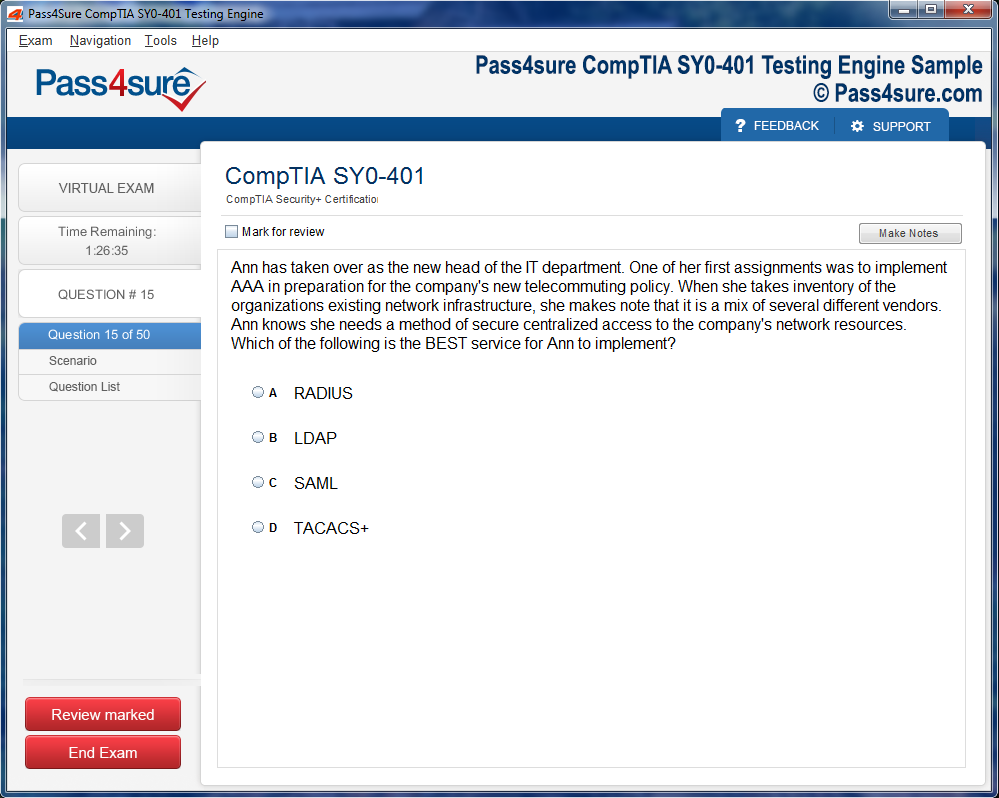
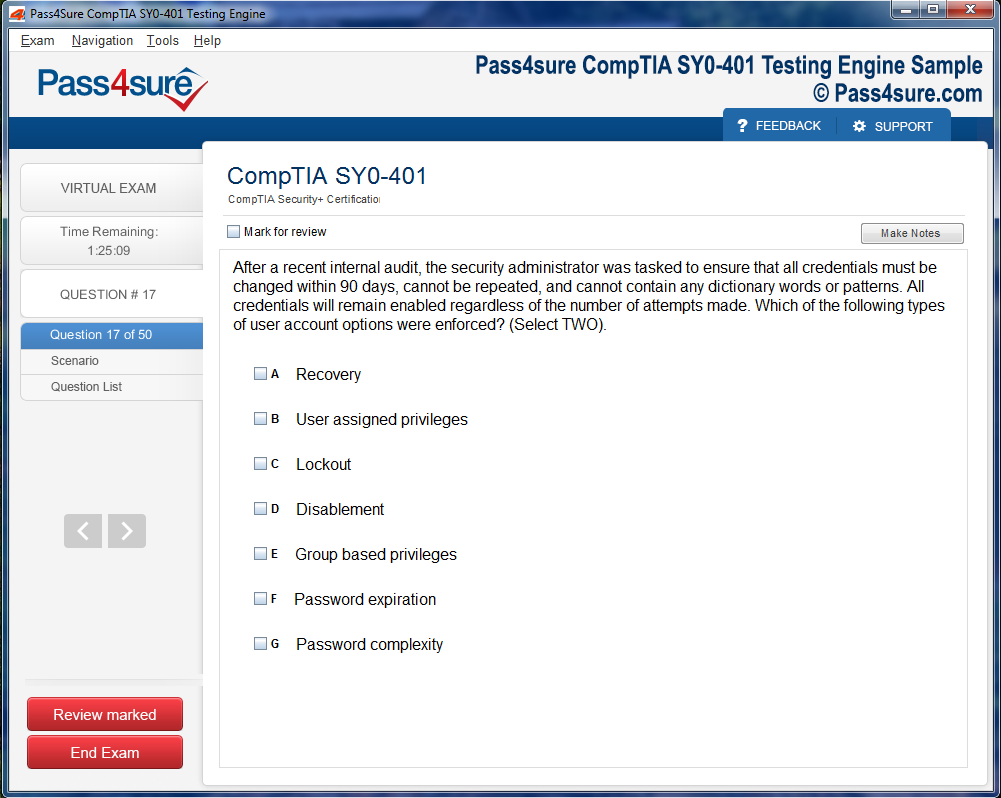
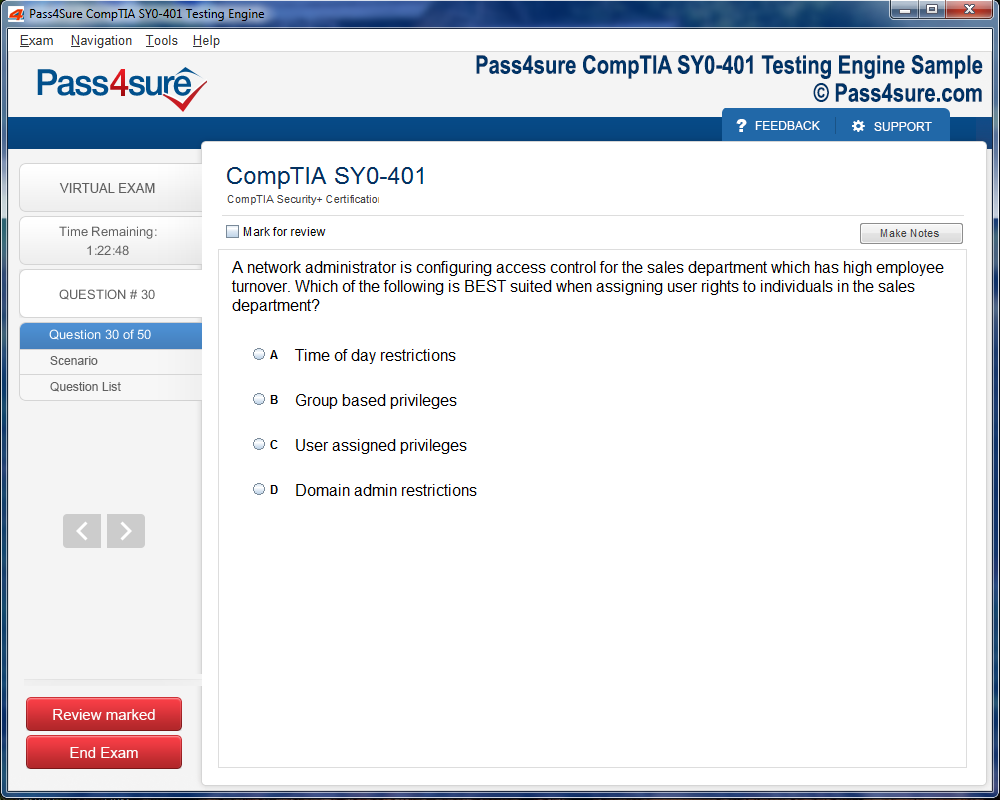
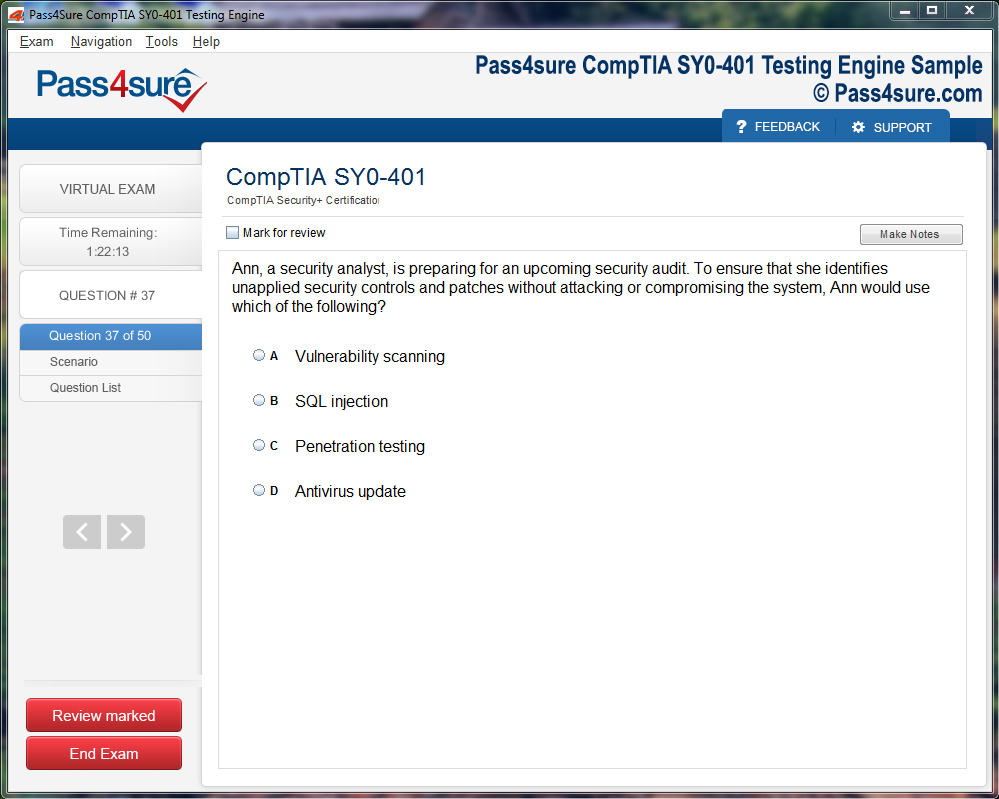
Product Screenshots
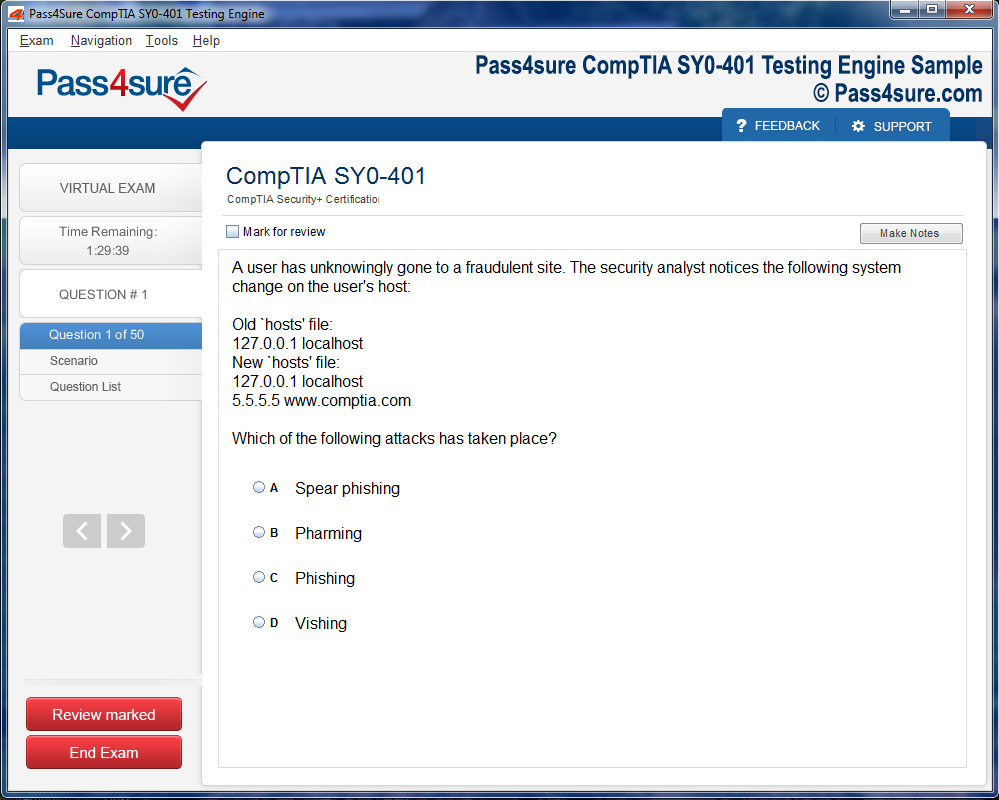
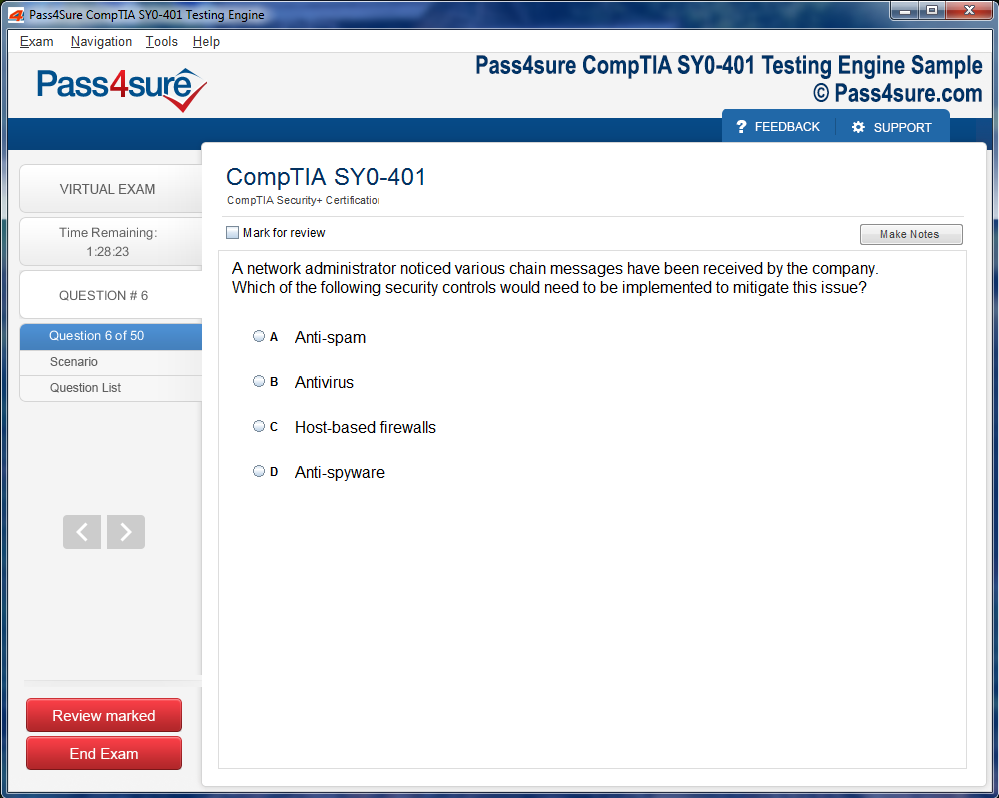
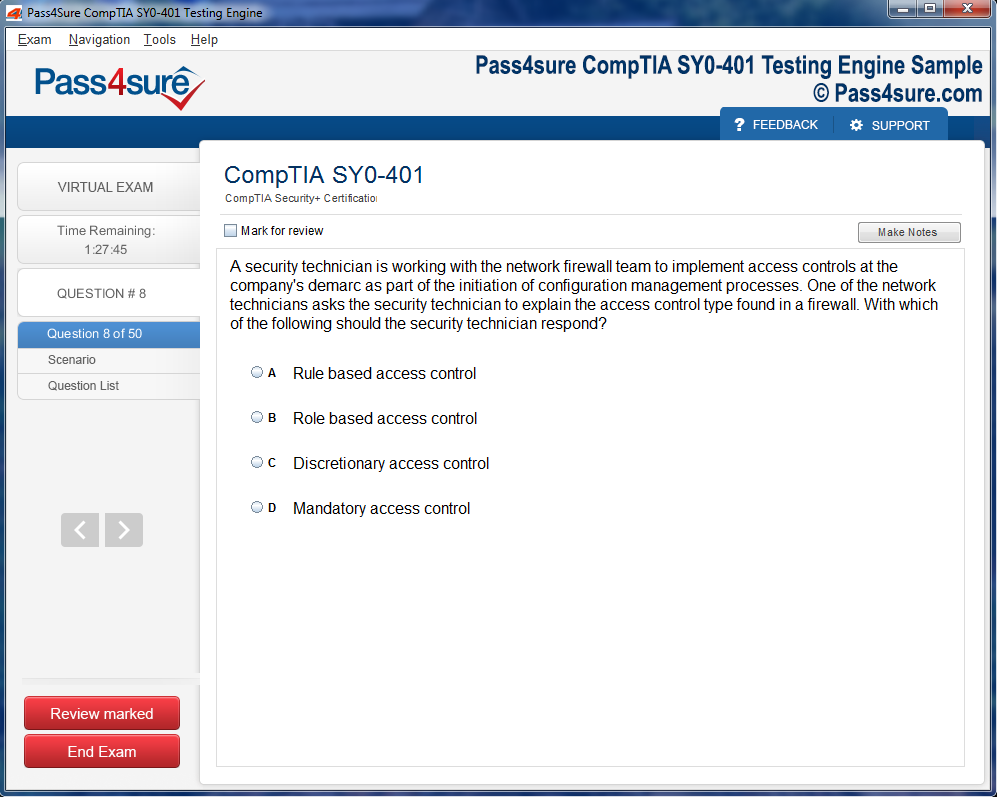
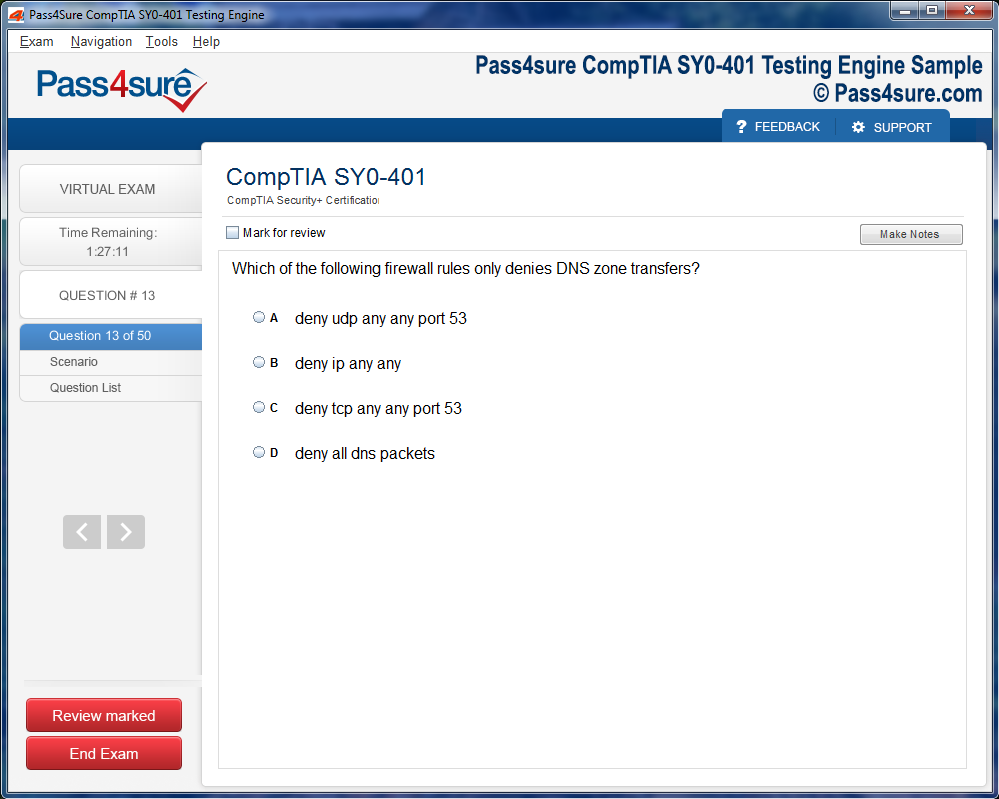
Frequently Asked Questions
How does your testing engine works?
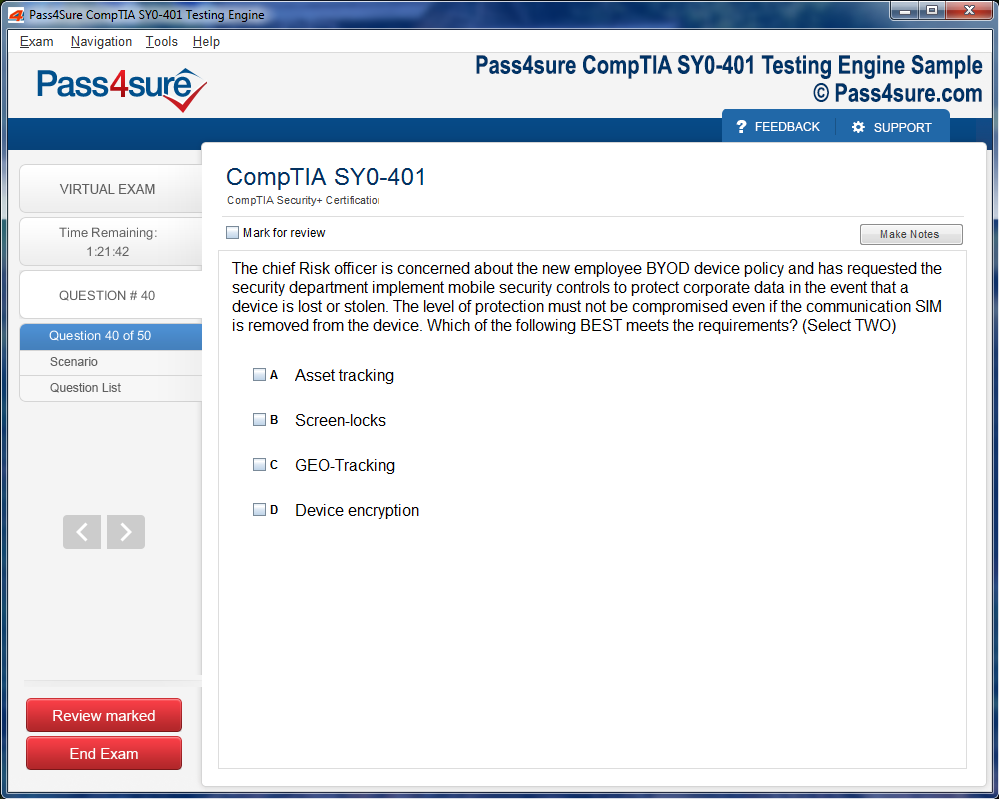
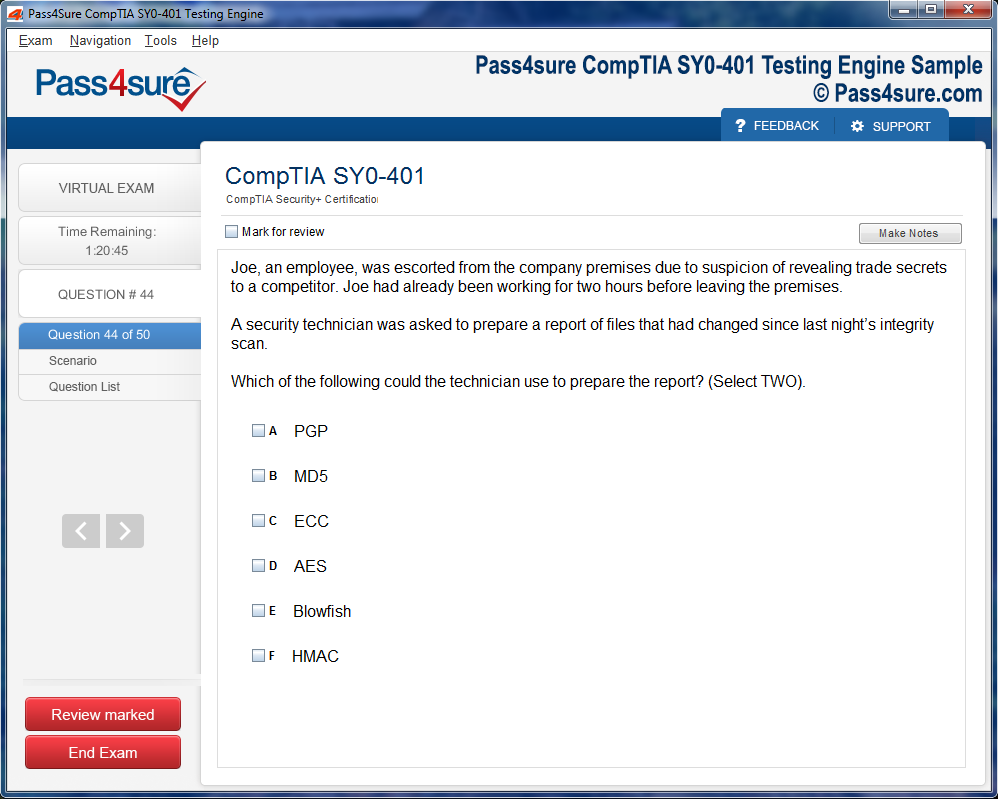
Once download and installed on your PC, you can practise test questions, review your questions & answers using two different options 'practice exam' and 'virtual exam'. Virtual Exam - test yourself with exam questions with a time limit, as if you are taking exams in the Prometric or VUE testing centre. Practice exam - review exam questions one by one, see correct answers and explanations.
How can I get the products after purchase?
All products are available for download immediately from your Member's Area. Once you have made the payment, you will be transferred to Member's Area where you can login and download the products you have purchased to your computer.
How long can I use my product? Will it be valid forever?
Pass4sure products have a validity of 90 days from the date of purchase. This means that any updates to the products, including but not limited to new questions, or updates and changes by our editing team, will be automatically downloaded on to computer to make sure that you get latest exam prep materials during those 90 days.
Can I renew my product if when it's expired?
Yes, when the 90 days of your product validity are over, you have the option of renewing your expired products with a 30% discount. This can be done in your Member's Area.
Please note that you will not be able to use the product after it has expired if you don't renew it.
How often are the questions updated?
We always try to provide the latest pool of questions, Updates in the questions depend on the changes in actual pool of questions by different vendors. As soon as we know about the change in the exam question pool we try our best to update the products as fast as possible.
How many computers I can download Pass4sure software on?
You can download the Pass4sure products on the maximum number of 2 (two) computers or devices. If you need to use the software on more than two machines, you can purchase this option separately. Please email sales@pass4sure.com if you need to use more than 5 (five) computers.
What are the system requirements?
Minimum System Requirements:
- Windows XP or newer operating system
- Java Version 8 or newer
- 1+ GHz processor
- 1 GB Ram
- 50 MB available hard disk typically (products may vary)
What operating systems are supported by your Testing Engine software?
Our testing engine is supported by Windows. Andriod and IOS software is currently under development.
Top Tips and Strategies for SAS A00-281 Exam Success
SAS programming forms the bedrock of analytical proficiency, and grasping its core concepts is pivotal. Variables, arrays, loops, and conditional logic form the backbone of every functional SAS program. At this stage, it is not enough to know syntax mechanically; one must understand the underlying logic that guides data manipulation and transformation. Practicing with diverse datasets strengthens conceptual clarity and cultivates an instinctive understanding of code behavior.
Data types and structures are fundamental building blocks that influence how programs operate. Recognizing the difference between numeric and character variables, or between simple vectors and multidimensional arrays, can dramatically improve efficiency in data handling. Techniques such as subsetting, filtering, and conditional transformations allow for tailored data views that enhance analytical outcomes. Meticulous attention to detail in variable naming conventions and proper structuring prevents errors and ensures readability, which becomes invaluable in complex projects.
Macros and automated scripts introduce another layer of sophistication. Mastery of these tools reduces repetitive work and increases adaptability in dynamic data environments. Learning how to construct parameterized macros or create reusable code blocks equips learners with time-saving mechanisms that simulate professional-level workflow. Equally, understanding common pitfalls, such as unexpected type conversions or misaligned loop iterations, sharpens troubleshooting skills.
At the interface of programming and logic lies debugging. Developing the habit of meticulously tracing code, line by line, cultivates precision. Identifying subtle errors—like off-by-one mistakes, missing semicolons, or mismanaged output datasets—prevents cascading problems. Debugging is not merely problem-solving but a practice that deepens familiarity with SAS behavior, ensuring smoother execution in high-pressure exam conditions.
Navigating Data Manipulation and Transformation
Data manipulation in SAS is both an art and a science. Transforming raw data into structured insights requires an intricate balance of technical skill and strategic thinking. Techniques such as sorting, merging, transposing, and aggregating data enable comprehensive analysis across multifaceted datasets. Each step in data transformation demands careful planning to prevent data loss or corruption.
Merging datasets exemplifies a scenario where precision is paramount. Ensuring correct key variables, understanding one-to-one versus one-to-many relationships, and anticipating duplicate entries reduces errors. Similarly, reshaping datasets with transposition or restructuring commands allows for more flexible analytical approaches. Practicing these transformations under simulated constraints enhances speed and accuracy, skills that are directly transferrable to the exam setting.
Equally important is mastering functions and procedures. Familiarity with mathematical, character, and date functions allows for dynamic data manipulation. Knowing when to apply concatenation versus substring operations, or calculating time differences efficiently, saves time and boosts analytical clarity. Procedures like PROC SORT, PROC TRANSPOSE, and PROC MEANS are not just commands—they are instruments for crafting data narratives that tell coherent stories to decision-makers.
A subtle but powerful approach is to maintain a running log of manipulation techniques. Documenting unusual challenges, creative solutions, and nuanced behaviors observed during practice sessions creates a personal repository of insights. This not only aids retention but also provides a quick reference for last-minute reviews. Cultivating such habits fosters a sense of mastery, ensuring that every interaction with data builds competence rather than confusion.
Harnessing Statistical Analysis With SAS
Statistical analysis forms the bridge between raw data and actionable insights. SAS excels in providing procedures that facilitate descriptive and inferential statistics, regression modeling, and hypothesis testing. Understanding these techniques conceptually is essential; it is equally crucial to apply them accurately to varied datasets.
Descriptive statistics, though seemingly straightforward, offer nuanced perspectives when handled correctly. Measures of central tendency, dispersion, and distribution illuminate patterns that guide decision-making. SAS procedures like PROC MEANS and PROC FREQ provide structured approaches, yet the true skill lies in interpreting outputs meaningfully. Observing anomalies, identifying outliers, and contextualizing results within the broader dataset enhances analytical acuity.
Regression analysis introduces predictive capabilities. Linear, logistic, and multivariate models allow for forecasting and understanding relationships between variables. Each model demands comprehension of assumptions, coefficient interpretations, and residual behavior. Testing assumptions, checking for multicollinearity, and examining model fit are steps that ensure results are valid and defensible. Practicing with real-world-inspired datasets strengthens intuition for when and how to deploy each analytical technique.
Hypothesis testing cultivates critical thinking. Framing null and alternative hypotheses, selecting appropriate tests, and interpreting p-values or confidence intervals are exercises in logical reasoning. SAS procedures streamline calculations, yet the analyst’s judgment determines relevance and reliability. Iterative practice, focusing on different data distributions and sample sizes, refines analytical agility, preparing candidates for diverse exam scenarios.
Mastering Report Generation and Data Visualization
Creating insightful reports is the culmination of programming and analysis. SAS provides powerful tools to transform data into communicative visual narratives. Whether through tabular outputs, charts, or integrated dashboards, effective reporting ensures that analysis translates into understanding.
Procedures like PROC PRINT, PROC REPORT, and PROC TABULATE allow structured presentation of findings. Beyond mere formatting, mastery involves selecting variables thoughtfully, highlighting trends, and summarizing results concisely. Layout considerations—such as ordering, grouping, and labeling—enhance readability and facilitate interpretation. Practicing these techniques in varied contexts builds fluency, reducing cognitive load during time-pressured exams.
Visualization adds an extra layer of clarity. Graphical outputs using PROC SGPLOT or PROC GCHART convert numerical relationships into intuitive representations. Choosing appropriate chart types, adjusting scales, and emphasizing key points transforms complex information into digestible insights. Visualization is not decorative; it is an analytical tool that communicates relationships, anomalies, and patterns effectively.
Attention to consistency and accuracy is critical in reporting. Minor discrepancies or misaligned data can undermine credibility. Developing habits of cross-verifying outputs against raw datasets ensures integrity. Keeping track of formatting conventions, color schemes, and labeling consistency enhances professionalism, skills that extend beyond exam success into real-world applications.
Optimizing Study Techniques for Long-Term Retention
Effective preparation is not merely about quantity of study but the quality and durability of learning. Cognitive science principles suggest that spaced repetition, active recall, and multisensory engagement improve long-term retention. Applying these strategies to SAS exam preparation yields substantial advantages.
Spaced repetition encourages revisiting material at calculated intervals. Returning to challenging topics, such as macro programming or regression diagnostics, reinforces neural pathways and prevents forgetting. Active recall, by attempting to reconstruct knowledge from memory rather than passive review, deepens understanding. Flashcards, mini-quizzes, and self-administered exercises simulate this process effectively.
Multisensory engagement combines reading, writing, visualization, and hands-on practice. Recreating examples in a sandbox environment while annotating explanations enhances comprehension. Creating mental maps of procedures and linking concepts across topics fosters an integrated understanding rather than fragmented memorization. This approach also improves confidence, as learners recognize connections between theory and application.
Peer discussions and collaborative problem-solving can supplement individual study. Explaining concepts to others, debating approaches, and analyzing errors collectively enhance insight. Exposure to diverse problem-solving methods reveals alternative perspectives and reinforces flexible thinking. Cultivating a community of engagement supports motivation and sustains consistent study habits over extended preparation periods.
Fine-Tuning Exam Strategy and Execution
Success in the SAS A00-281 exam hinges not only on knowledge but also on strategy. Time allocation, question prioritization, and mental resilience collectively determine performance. Practicing under realistic conditions builds familiarity with pacing, reduces anxiety, and cultivates strategic intuition.
Breaking down questions methodically prevents misinterpretation. Understanding what each question demands, isolating relevant data or commands, and systematically constructing responses minimizes errors. Complex scenarios often contain subtle traps; careful reading and stepwise execution guard against oversight.
Mental endurance is as vital as technical skill. Timed practice sessions condition the mind to focus under pressure, while relaxation techniques mitigate stress. Maintaining a steady pace, avoiding impulsive answers, and monitoring progress against allocated time creates equilibrium between speed and accuracy. Visualization techniques, such as mentally rehearsing question-solving sequences, further strengthen readiness.
Reflection after practice tests is crucial. Analyzing mistakes, identifying patterns, and adjusting strategies ensures continuous improvement. Tracking performance over time reveals progress and pinpoints persistent weaknesses, allowing targeted interventions. Developing adaptive strategies transforms preparation from reactive learning into proactive mastery, cultivating a confident and composed mindset for exam day.
Understanding the Essence of SAS Programming
SAS programming is more than just a technical skill; it is a gateway to transforming raw data into meaningful insights. At its core, SAS enables analysts to manipulate data, calculate metrics, and generate actionable reports in a structured and efficient manner. The initial encounter with SAS can seem daunting due to its wide array of functions, procedures, and intricate syntax rules. However, with a methodical approach, even complex concepts become approachable. The key to mastery lies in consistency and exposure to diverse datasets. Frequent practice allows one to recognize patterns, predict outcomes, and handle unexpected errors with calm precision. Over time, programming evolves from a mere task into a strategic tool that guides decision-making and enhances analytical reasoning. Understanding the essence of SAS is not only about knowing the commands but also appreciating the logical flow that underpins data analysis.
Building Proficiency Through Data Steps
The data step is the fundamental building block of SAS programming. It serves as the stage where datasets are created, variables defined, and observations structured. Beginning with simple tasks like reading CSV files or importing external datasets, a learner gradually develops fluency in assigning values, defining variable types, and controlling output formats. Each command executed in a data step lays the groundwork for more advanced manipulations. For instance, mastering conditional statements allows selective processing of data, enabling analysts to focus on pertinent information while discarding irrelevant entries. Maintaining a personal library of code snippets can greatly expedite this learning process. This library becomes a personalized reference, allowing the coder to recall frequently used commands and streamline routine operations. By systematically exploring data step techniques, one builds not only technical skill but also confidence in handling multifaceted data scenarios.
Exploring Core Procedures
Procedures form the operational backbone of SAS programming, translating raw data into interpretable results. Some procedures are indispensable due to their frequency of use and analytical power. For example, proc means provides summary statistics, proc freq reveals distributional patterns, proc sort organizes data for further analysis, and proc print generates a readable output. Engaging with these procedures on authentic datasets, such as sales records, survey results, or experimental measurements, reinforces understanding. The repetitive application of procedures cultivates intuition, making it easier to anticipate outcomes and identify anomalies. As proficiency grows, coders often encounter more sophisticated procedures that involve macro variables, array processing, and conditional execution. Mastery of these advanced functions differentiates capable programmers from those who rely solely on basic operations, as these areas often appear in nuanced examination questions and real-world analytics challenges.
Debugging and Error Management
An often underestimated aspect of SAS programming is debugging. The log window is a treasure trove of information, offering notes, warnings, and error messages that indicate the health of code execution. Learning to interpret these messages is crucial, as it allows for the rapid identification and resolution of issues. Effective debugging requires a systematic approach: first identifying the source of the problem, then testing potential solutions, and finally validating results. Establishing a habit of scrutinizing log entries prevents minor mistakes from escalating into larger obstacles. Additionally, adopting best practices such as proper indentation, consistent naming conventions, and descriptive commenting enhances code readability and maintainability. Over time, the ability to debug efficiently not only accelerates learning but also nurtures resilience, as coders become comfortable navigating complex datasets without fear of mistakes.
Data Transformation and Cleaning Techniques
Data transformation is a pivotal skill in the SAS programmer’s toolkit. Real-world datasets often arrive in inconsistent or incomplete forms, necessitating techniques for merging, reshaping, and cleaning data. Mastery of these methods enables the analyst to create structured and analyzable datasets from disparate sources. For example, handling missing values through imputation or conditional replacement ensures accuracy in subsequent analysis. Reshaping data using arrays or transpositions allows for flexible examination of variables from multiple perspectives. Although some learners may perceive these tasks as mundane, they form the cornerstone of meaningful analytics. Proficiency in data cleaning not only reduces errors but also fosters a deeper understanding of the underlying dataset. By routinely engaging with data transformation tasks, programmers develop intuition about data structure, patterns, and anomalies, resulting in faster and more accurate analytical outcomes.
Integrating Theory with Practice
True expertise in SAS programming emerges when conceptual understanding is seamlessly integrated with hands-on practice. Memorizing syntax in isolation is insufficient; the logic behind each function and procedure must be internalized. For example, understanding how proc sort interacts with subsequent procedures can prevent logical errors and enhance analytical efficiency. Practical exercises, such as analyzing customer behavior or operational performance, reinforce theoretical concepts by placing them in real-world contexts. This integrated approach accelerates learning and equips programmers with the ability to apply knowledge creatively. By bridging theory with practice, learners cultivate analytical agility, enabling them to approach novel problems with confidence. The synthesis of conceptual clarity and practical execution fosters not only exam readiness but also long-term professional competency in data analytics.
Advanced Techniques and Strategic Execution
As programmers advance, the focus shifts to strategic execution of complex techniques. Macros, for instance, automate repetitive tasks, reducing manual effort and minimizing the risk of errors. Array processing provides an elegant solution for manipulating multiple variables simultaneously, while conditional logic empowers coders to execute nuanced transformations based on specific criteria. Mastery of these advanced methods requires deliberate practice and experimentation. Incorporating these techniques into routine workflows enhances efficiency and analytical depth. Moreover, strategic execution involves understanding the interconnections between procedures and predicting how changes in one step affect downstream results. This level of sophistication transforms SAS programming from a mechanical activity into a strategic, problem-solving endeavor, equipping analysts to tackle intricate datasets and extract actionable insights with precision.
Cultivating Efficiency and Analytical Precision
Efficiency in SAS programming is achieved through the combination of technical skill, structured practice, and analytical foresight. Developing a workflow that minimizes redundancy while maximizing clarity ensures that tasks are completed swiftly and accurately. Regular exposure to diverse datasets builds familiarity with common challenges, such as outliers, missing values, and inconsistent formats. Analytical precision emerges from the consistent application of best practices, including thorough commenting, standardized naming conventions, and careful validation of outputs. Programmers who cultivate these habits not only perform well under examination conditions but also develop transferable skills applicable to real-world analytics projects. Efficiency and precision together create a strong foundation for sustained success, enabling coders to navigate complex datasets and deliver insightful analyses with confidence and speed.
Mastering the SAS Environment for Analytical Precision
Excelling in the SAS A00-281 exam requires an intimate familiarity with the SAS environment itself. Navigating the interface with confidence is not merely a matter of convenience; it is a catalyst for enhanced analytical performance. The workspace offers a spectrum of procedural options, each tailored for distinct analytical objectives. For example, mastering the data step is fundamental, as it underpins almost every data manipulation task. Understanding how to efficiently merge, subset, and transform datasets transforms cumbersome tasks into fluid processes.
Equally important is the adept use of libraries and formats, which ensure data integrity and streamline analysis. Novices often overlook the importance of proper dataset management, leading to errors that could easily have been prevented. By developing a habit of organized data structures, consistent naming conventions, and accurate format applications, candidates cultivate a disciplined approach. Such rigor is rewarded during the exam, where precision and efficiency are evaluated alongside analytical outcomes.
The power of SAS macros cannot be understated. Creating reusable code through macros enhances productivity and reduces the likelihood of repetitive mistakes. This technique requires an understanding of macro variables, conditional statements, and iterative loops. Candidates who internalize macro construction often find that procedural complexity is diminished, freeing cognitive bandwidth to focus on deeper analytical interpretation. The exam, though rigorous, becomes an arena to showcase both skillful navigation and strategic coding efficiency.
Statistical Foundations as Analytical Anchors
A profound comprehension of statistics provides the scaffolding upon which all analytical reasoning rests. The SAS A00-281 exam frequently emphasizes concepts such as hypothesis testing, variance analysis, and probability theory. Candidates who can internalize the subtle distinctions between types of distributions, test assumptions, and confidence intervals achieve a distinct advantage. These foundations are not merely academic; they enable nuanced interpretation of outputs from procedures like proc ttest, proc anova, and proc freq.
Exploring correlation and regression extends beyond mechanical execution. Understanding multicollinearity, interaction effects, and residual analysis imbues model outputs with interpretive richness. Candidates are often assessed on their ability to explain relationships in data with clarity and precision, not merely on producing correct coefficients. Such interpretive capability reflects both comprehension and sophistication, qualities that differentiate average performance from exceptional achievement.
Probability serves as the connective tissue between theory and application. Familiarity with discrete and continuous distributions, expected values, and conditional probabilities allows candidates to anticipate data behavior and make informed analytical choices. This foresight is especially valuable in predictive modeling, where assumptions about underlying distributions influence model selection, parameter tuning, and validation strategies. A candidate who internalizes probability theory approaches problems with both confidence and analytical foresight.
Predictive Modeling and Its Strategic Execution
Predictive modeling is an arena where SAS expertise intersects with statistical insight. Mastery of procedures such as proc logistic, proc reg, and proc glm empowers candidates to construct models that not only predict accurately but also withstand rigorous evaluation. Hands-on practice is essential, as understanding theoretical formulas without procedural application yields incomplete readiness. The act of creating, testing, and refining models mirrors real-world analytical scenarios, reinforcing the cognitive link between concept and execution.
Model evaluation is equally critical. Beyond accuracy, candidates must interpret metrics such as R-squared, AIC, and ROC curves to assess model robustness. Misinterpreting these indicators can lead to flawed conclusions, a pitfall that the exam rigorously evaluates. By integrating both construction and evaluation, candidates demonstrate a holistic grasp of predictive modeling, signaling both technical mastery and analytical judgment.
Advanced candidates often explore interaction effects, non-linear modeling, and variable selection techniques. Using stepwise selection, LASSO, or regularization approaches enhances model efficiency and interpretability. Engaging with these nuanced strategies not only strengthens exam readiness but also cultivates an analytical mindset poised for complex real-world problems. The iterative process of modeling, evaluating, and refining transforms predictive modeling from a procedural task into a creative analytical pursuit.
Data Visualization for Cognitive Clarity
Communicating complex analytical insights relies heavily on visualization. SAS procedures such as proc sgplot, proc sgscatter, and proc template provide a versatile toolkit for rendering datasets into digestible visual narratives. Visualization is not mere decoration; it serves as a cognitive anchor, enabling candidates to discern patterns, detect anomalies, and communicate findings with clarity. Effective visualization marries accuracy with aesthetic appeal, ensuring that conclusions are both compelling and transparent.
Choosing the correct chart type is a skill often underappreciated. Scatter plots, box plots, and histograms each reveal distinct facets of data, and selecting inappropriately can obscure critical insights. Customizing axes, adding trend lines, and highlighting outliers enhance interpretive value, allowing candidates to present nuanced analytical stories. The ability to translate quantitative complexity into intuitive visuals reflects both technical competence and analytical empathy, qualities highly prized in the SAS exam context.
Visualization also reinforces memory retention. By creating a mental map of data trends, candidates can more easily recall patterns during complex problem-solving tasks. This method serves as an internal scaffold for analytical reasoning, ensuring that outputs are not merely interpreted mechanically but understood conceptually. In essence, visualization transforms raw data into a strategic cognitive asset.
Navigating Complex Datasets with Precision
The SAS A00-281 exam often challenges candidates with datasets that are irregular, incomplete, or multidimensional. Skills in handling such datasets distinguish competent candidates from those unprepared for real-world analytical complexity. Techniques such as imputation, transformation, and outlier detection are not optional; they are essential tools in the analytical arsenal. Applying these methods in diverse contexts cultivates adaptability, a trait consistently observed among high achievers.
Missing data presents unique challenges. Candidates must decide between deletion, imputation, or predictive substitution, each choice carrying implications for model validity. Outlier detection, likewise, demands careful judgment; inappropriate removal can distort analytical outcomes, while neglecting anomalous points may obscure critical insights. Variable transformation, whether through normalization, log transformation, or standardization, further refines analytical clarity. Mastery of these techniques equips candidates with a flexible, resilient approach to complex data scenarios.
Simulated practice with messy datasets enhances both technical proficiency and cognitive agility. Repeated exposure to irregular patterns fosters instinctive problem-solving, allowing candidates to approach unfamiliar datasets with confidence. This iterative preparation cultivates an analytical mindset capable of transcending rote memorization and engaging with data dynamically, a hallmark of exam excellence.
Cognitive Strategies for Analytical Retention
Beyond technical proficiency, cognitive strategies significantly influence exam performance. Verbalization, for instance, is a potent tool for reinforcing memory. By articulating problem-solving steps aloud or teaching concepts to a peer, candidates consolidate understanding and expose gaps in knowledge. This method transforms passive review into active engagement, creating durable neural pathways that enhance recall during high-pressure exam scenarios.
Interleaving practice provides another cognitive advantage. Alternating between regression, clustering, and descriptive statistics mirrors the exam’s unpredictable question structure. This approach challenges the brain to adapt, improving cognitive flexibility and reinforcing conceptual interconnections. Candidates who employ interleaving develop a holistic perspective, capable of approaching multifaceted questions with agility and insight.
Mindful reflection complements these strategies. Periodically reviewing errors, analyzing reasoning pathways, and assessing procedural efficiency cultivates self-awareness and iterative improvement. Candidates who integrate reflection into their preparation demonstrate metacognitive sophistication, a factor strongly correlated with advanced analytical performance. By combining these cognitive strategies with procedural expertise, candidates position themselves for both confidence and competence.
Strategic Time Management for Exam Mastery
Time management emerges as a subtle yet decisive factor in exam success. Analytical proficiency alone is insufficient if candidates cannot allocate attention efficiently across diverse question types. Developing a rhythm for reading, analyzing, coding, and interpreting enables candidates to maximize performance under time constraints. Awareness of procedural complexity allows strategic prioritization, ensuring that high-yield tasks receive appropriate attention without sacrificing accuracy.
Practicing under timed conditions familiarizes candidates with exam pacing. This approach not only reduces anxiety but also enhances procedural fluency, allowing for rapid execution without compromising analytical integrity. Additionally, building micro-strategies for common procedural hurdles—such as data merging, variable recoding, or model validation—reduces cognitive load during high-pressure scenarios. Time management, therefore, functions as both a tactical tool and a psychological anchor, enabling sustained analytical focus.
Candidates who integrate time management with deep procedural knowledge, cognitive strategies, and visualization techniques approach the SAS A00-281 exam with a comprehensive, synergistic skillset. Each component reinforces the other, creating a self-reinforcing cycle of competence, confidence, and adaptability that distinguishes exceptional performance.
The Subtle Art of Exam Preparation
Exam preparation is more than memorizing facts; it is a delicate balance of structure, insight, and endurance. Success begins with cultivating a sense of rhythm in study habits, transforming scattered effort into cohesive mastery. The initial step involves mapping the syllabus with precision, identifying critical topics that carry the most weight while noting areas that require reinforcement. This mapping serves as a blueprint, allowing candidates to channel energy toward high-yield content.
Incorporating active learning strategies enhances retention and understanding. Passive reading often leads to superficial knowledge that evaporates under pressure. Engaging with material through self-explanation, paraphrasing, and teaching concepts aloud strengthens neural connections and deepens comprehension. Additionally, mixing problem-solving with conceptual review ensures both knowledge acquisition and application skills evolve simultaneously. By intertwining review with practice, learners internalize content, reducing reliance on last-minute cramming that often proves ineffective.
Time management during preparation is critical. Allocating consistent study sessions interspersed with short, restorative breaks enhances focus and prevents cognitive fatigue. Extended, unbroken study periods may appear productive but often result in diminished attention and memory retention. Prioritizing quality over quantity, balancing intense focus with relaxation, and avoiding burnout are strategies that cultivate resilience and efficiency, setting the foundation for success.
Building Cognitive Resilience
Developing cognitive resilience is an understated aspect of exam readiness. Resilience involves more than intelligence; it encompasses mental flexibility, emotional regulation, and sustained attention under pressure. Techniques such as interleaved learning, where topics are alternated rather than studied in blocks, train the brain to switch contexts fluidly, enhancing adaptability. This approach mirrors real exam conditions, where diverse question types and topics demand swift transitions of thought.
Memory consolidation is another pillar of cognitive resilience. Spacing repetition over time, rather than relying on massed practice, strengthens long-term retention. Creating mental associations and linking concepts to vivid imagery or narratives can enhance recall dramatically. These mnemonic strategies, when combined with consistent review, transform abstract ideas into tangible memory anchors, allowing candidates to retrieve information with ease under stress.
Equally important is nurturing emotional endurance. Exams often provoke anxiety that, if unmanaged, undermines performance. Developing a mindset of calm attentiveness involves recognizing stress triggers, practicing relaxation routines, and cultivating positive self-talk. A candidate who maintains composure despite challenging questions demonstrates cognitive resilience, turning potential obstacles into manageable challenges.
Strategic Problem-Solving Techniques
A hallmark of proficient exam takers is strategic problem-solving. Approaching questions with a structured methodology prevents errors born from haste or panic. Breaking down complex problems into manageable components allows for systematic analysis. By identifying underlying principles and separating known elements from unknown variables, candidates reduce cognitive load and approach solutions with clarity.
Pattern recognition plays a crucial role in efficient problem-solving. Many exam questions follow predictable structures or themes. Candidates who train themselves to identify these patterns can apply familiar methods rapidly, conserving time for more intricate problems. Strategic problem-solving also includes prioritizing tasks by difficulty and potential scoring impact. By addressing easier or high-yield questions first, candidates ensure consistent progress, reducing the likelihood of unfinished sections and accumulating confidence with each correctly answered item.
In addition, flexible thinking is essential. When a solution path proves unproductive, a capable candidate pivots, exploring alternative approaches rather than fixating on a single strategy. This adaptability not only improves accuracy but also fosters a sense of control, mitigating the frustration that can accompany challenging questions. Strategic problem-solving, therefore, is a combination of analytical rigor, perceptive insight, and mental agility, all cultivated through deliberate practice.
Optimizing Physical and Mental States
Exam performance is not exclusively a mental exercise; physical state profoundly influences cognitive capacity. Adequate sleep, balanced nutrition, and moderate physical activity collectively optimize brain function. Sleep, particularly in the days preceding an exam, consolidates learning, enhances focus, and regulates emotional responses. Neglecting rest impairs memory retrieval, reaction speed, and decision-making ability, transforming preparation into wasted effort.
Nutrition plays a complementary role. Consuming balanced meals that stabilize blood sugar prevents energy crashes and supports sustained concentration. Hydration is equally critical, as even mild dehydration can impair cognitive performance, slowing thought processing and diminishing attentional control. Exercise, meanwhile, stimulates blood flow, reduces stress, and promotes mental clarity. Brief sessions of physical activity, even simple stretching or walking, refresh the mind, creating optimal conditions for study and exam execution.
Mental state is equally vital. Candidates who cultivate mindfulness, deep-breathing practices, or visualization routines enhance cognitive performance under pressure. Visualizing calm, confident execution prepares the mind for the exam environment, reducing anticipatory anxiety. By combining physical well-being with deliberate mental strategies, candidates create a holistic readiness that extends beyond rote memorization, supporting peak performance during critical assessment moments.
Time Mastery During the Exam
Time management within the exam setting is a pivotal factor in success. A well-prepared candidate may falter if unable to distribute effort efficiently across questions and sections. Initial scanning of the exam provides a roadmap, revealing accessible questions and areas demanding greater attention. This early reconnaissance allows for strategic allocation of time, ensuring no portion is neglected.
Dynamic pacing is essential. Some questions require deliberate analysis and multiple steps, while others are quickly resolved through recognition of patterns or previously practiced techniques. Candidates benefit from maintaining a flexible approach, balancing speed with accuracy. Avoiding excessive time on a single difficult question prevents accumulation of stress and lost opportunities. Strategic use of remaining time for review reinforces accuracy, allowing for correction of minor oversights without undermining confidence.
Multiple-choice questions, in particular, demand a nuanced approach. Careful elimination of implausible options, combined with educated guessing when necessary, enhances success probability. Candidates must avoid overthinking or second-guessing, relying on preparation and intuition to navigate challenging questions. Mastery of time within the exam setting is therefore not merely chronological management but a strategic orchestration of effort, insight, and mental poise.
Psychological Readiness and Confidence
Psychological readiness underpins successful exam performance. A candidate who enters the exam with clarity, composure, and focus is better equipped to navigate challenges and capitalize on preparation. Confidence emerges from thorough preparation, practiced strategies, and positive reinforcement, creating a mindset resilient to stress.
Mindset cultivation includes reframing anxiety as a form of energy, channeling nervousness into alertness and engagement. Visualization exercises, where candidates mentally rehearse exam execution, reinforce neural pathways for calm and decisive action. Positive self-talk counters internal doubt, promoting a sense of competence and control. Preparing mentally is as important as mastering content; the mind’s state shapes perception, reaction, and adaptability during high-pressure situations.
Arrival rituals further enhance readiness. Ensuring timely arrival, checking equipment, and establishing comfort within the exam environment reduce distractions. Small practices, such as arranging materials and focusing on steady breathing before commencement, reinforce calmness. Psychological readiness, therefore, integrates preparation, confidence, and situational control, ensuring that candidates can perform at their optimal cognitive and emotional level.
Leveraging Practice Under Simulated Conditions
Simulated practice is an indispensable component of preparation. Replicating exam conditions in a controlled environment allows candidates to acclimate to timing pressures, question formats, and the mental endurance required. Mock exams provide insight into pacing, stress responses, and strategic approaches, highlighting areas that require adjustment before the actual assessment.
During simulated practice, reflective evaluation strengthens performance. Reviewing errors, analyzing time allocation, and adjusting strategies enhance preparedness. Repetition under realistic conditions trains the mind and body, instilling familiarity that reduces uncertainty on exam day. Practicing with varied problem types fosters flexibility, enabling candidates to navigate unexpected or unfamiliar questions without panic. Simulated practice transforms theoretical readiness into applied competence, bridging preparation with execution.
Additionally, incorporating deliberate stressors during practice sessions, such as timed limits or external distractions, prepares candidates for real-world pressures. Learning to maintain focus despite interruptions or time constraints develops resilience, ensuring that stress does not impede performance. Through simulated conditions, candidates internalize procedural fluency, cognitive endurance, and emotional composure, all essential for peak performance.
Understanding the Foundations of SAS
The journey toward mastering SAS begins with a firm grasp of its foundational concepts. Learning the syntax, data structures, and basic procedures creates a bedrock upon which more complex skills can flourish. Familiarity with libraries, datasets, and the nuances of SAS functions ensures that learners can navigate the software confidently. Initial practice might seem repetitive, yet it establishes the muscle memory necessary for efficient coding. The early stages of learning also cultivate a mindset attuned to logical problem solving, which proves indispensable when facing intricate data scenarios. Every small task completed within SAS, whether it is generating a simple report or performing basic calculations, strengthens the learner’s cognitive framework and primes them for advanced topics.
Engaging consistently with foundational exercises also fosters precision. Mistakes at this stage highlight gaps in understanding and offer opportunities for corrective learning. By internalizing best practices early, learners avoid ingraining inefficient methods, making subsequent progress more fluid. The foundational phase is not merely a preliminary hurdle; it is a stage of intellectual construction, building the scaffolding for analytical expertise.
Practical Application of Procedures
SAS is distinguished not just by its theoretical richness but by its practical versatility. Applying procedures to real datasets enhances comprehension in ways that theoretical study cannot replicate. Performing tasks such as data manipulation, summarization, and reporting allows learners to witness immediate outcomes of their coding efforts. This active engagement sharpens analytical thinking, as users must interpret results, verify accuracy, and consider alternative approaches. Repetition of procedural applications across diverse datasets hones adaptability, preparing candidates for the unpredictable nature of real-world problems.
Practical exercises also deepen familiarity with function hierarchies and procedural dependencies. Understanding how different procedures interact, the prerequisites for certain operations, and the subtle behavior of statistical functions cultivates confidence in handling large-scale datasets. Each successful application strengthens the learner’s ability to think critically, make informed decisions, and implement solutions efficiently. SAS proficiency is ultimately measured by the ability to translate theoretical understanding into reliable, repeatable outputs.
Continuous Practice and Iterative Improvement
Continuous practice forms the backbone of mastery. Beyond sporadic exercises, systematic and deliberate repetition allows learners to internalize processes. Regular practice tests simulate real-world pressure and foster mental endurance. These exercises highlight persistent weaknesses, enabling targeted improvement strategies. Over time, repeated engagement with challenging tasks builds not only technical skill but also resilience, focus, and confidence. Learners become capable of approaching complex problems with a calm, structured mindset rather than reactive stress.
Iterative practice encourages experimentation. By slightly altering procedures, combining multiple techniques, or testing unconventional approaches, learners discover nuanced insights into data behavior and coding optimization. Mistakes in these exercises are not setbacks but sources of wisdom, prompting reflection and adaptation. The combination of consistency, experimentation, and critical review ensures a dynamic learning process that continually refines both skill and intuition.
Engagement with Real-World Data
Working with real-world datasets transforms preparation into applied knowledge. Unlike curated textbook examples, authentic data often contain irregularities, missing values, and unexpected patterns. Navigating these complexities requires learners to think critically, develop problem-solving strategies, and employ creative solutions. By reconciling inconsistencies, cleaning datasets, and generating comprehensive reports, learners gain experience directly relevant to professional analytics environments. Each dataset processed contributes to a richer understanding of data behavior, statistical relationships, and reporting standards.
Real-world engagement also cultivates a sense of discovery. Exploring datasets can reveal trends, anomalies, and correlations that textbooks cannot simulate. Learners develop an investigative mindset, one attuned to curiosity, pattern recognition, and strategic interpretation. This mindset not only enhances exam readiness but also equips learners with skills essential for careers in analytics, business intelligence, and data science.
Collaborative Learning and Peer Exchange
Learning in isolation has limits, particularly in complex domains like SAS. Peer collaboration introduces diverse perspectives, coding techniques, and problem-solving strategies. Discussing challenging exercises, reviewing one another’s code, and sharing insights encourages deeper comprehension. Exposure to multiple approaches highlights efficiencies, uncovers overlooked errors, and sparks innovative thinking. Collaborative learning fosters both technical skill and communication ability, essential components of professional success.
Community engagement also introduces learners to uncommon scenarios, extending beyond standard examples. Peers often encounter unique problems or develop clever shortcuts, revealing strategies not documented in study guides. This exchange enriches understanding and broadens the learner’s toolkit. Beyond immediate knowledge gains, collaboration nurtures adaptability and creativity, empowering learners to respond effectively to new challenges in any analytic context.
Documentation and Reflective Practice
Documenting practice exercises and reflecting on progress solidifies knowledge. Maintaining a record of errors, breakthroughs, and innovative solutions creates a personal reference repository. Reflection encourages learners to identify patterns in mistakes, understand the reasoning behind successes, and adapt strategies accordingly. This metacognitive approach enhances memory retention and builds a structured learning pathway that supports continuous growth.
Reflective documentation also facilitates long-term mastery. By revisiting past exercises, learners recognize progress and recalibrate goals, fostering motivation and focus. The act of writing, reviewing, and annotating learning experiences reinforces cognitive connections, ensuring that knowledge is retained and transferable. Learners who combine rigorous practice with systematic reflection develop both technical proficiency and strategic insight, creating a strong foundation for ongoing success.
Advanced Analytical Thinking
Advanced analytical thinking is the culmination of foundational understanding, practical application, continuous practice, and reflective learning. At this stage, learners approach datasets with strategic foresight, anticipating potential challenges and planning efficient solutions. Complex procedures are applied with confidence, and analytical reasoning guides decision-making. Mastery of SAS is reflected not just in the ability to execute commands but in the capacity to design solutions, identify trends, and communicate insights effectively.
Developing this level of thinking requires integration of all previous learning stages. Learners must synthesize procedural knowledge, problem-solving skills, and reflective insights into coherent, agile reasoning. Analytical intuition emerges, allowing for rapid identification of key patterns, efficient troubleshooting, and creative exploration of possibilities. At this point, proficiency transcends technical competence and becomes a form of applied wisdom, enabling learners to tackle both exam challenges and professional projects with equal poise.
Understanding the Foundation of SAS Mastery
Achieving proficiency in SAS requires more than rote memorization or temporary familiarity with software interfaces. It demands cultivating a deep comprehension of data manipulation, analytical reasoning, and the principles underpinning statistical operations. SAS is not merely a tool but a platform that transforms raw datasets into meaningful insights, and the journey begins by appreciating the nuanced layers of data processing. Those who succeed in the SAS environment are those who perceive data as a living entity, recognizing patterns, anomalies, and trends that are often invisible to the casual observer. Developing this foundational mindset requires dedication to both conceptual understanding and practical application.
Early learning experiences in SAS often involve handling structured datasets, performing basic statistical computations, and creating elementary reports. While these initial exercises may appear rudimentary, they lay the groundwork for more complex analytical endeavors. Recognizing the interconnectivity of data elements, understanding variable types, and mastering the syntax for efficient coding establishes a robust framework for future growth. Moreover, approaching tasks with curiosity fosters an investigative mindset, allowing learners to experiment, hypothesize, and validate results with precision. This foundational fluency transforms routine assignments into opportunities for insight generation, ultimately accelerating the journey toward expertise.
Integrating Analytical Thinking with Practical Application
Developing analytical acuity in SAS extends beyond software navigation. It requires an intellectual synthesis of statistical theory, logic, and creative problem-solving. Each dataset presents a puzzle, where the analyst must decipher underlying structures, identify correlations, and predict trends with confidence. This integration of thought and practice is essential to harness the full potential of SAS and to extract actionable intelligence from data. Analytical thinking becomes a lens through which every dataset is examined, revealing patterns and relationships that inform decision-making.
Practical application reinforces conceptual understanding by transforming abstract theories into tangible outcomes. Engaging with real-world data projects, such as analyzing sales trends, customer behavior, or operational efficiency, cultivates intuition about data dynamics. This hands-on approach encourages experimentation with functions, procedures, and macros, while simultaneously refining the ability to detect anomalies and validate results. Over time, repeated application strengthens not only technical skills but also strategic thinking, ensuring that learners are equipped to address complex problems with methodical precision and insight.
Strategic Approaches to SAS Preparation
Preparation for SAS examinations or professional applications involves more than passive review. Strategic engagement encompasses deliberate practice, structured scheduling, and the utilization of diverse resources to reinforce knowledge retention. Setting incremental goals provides clarity and direction, transforming a potentially overwhelming task into manageable stages. Each step builds upon prior accomplishments, enhancing confidence and consolidating skills in a cumulative manner.
Adopting a varied approach to practice promotes deeper understanding. Rather than focusing solely on procedural memorization, integrating exercises that require interpretation, synthesis, and predictive modeling encourages holistic mastery. Simulating real-world scenarios, generating reports, and troubleshooting errors fosters resilience and adaptability. Furthermore, maintaining a disciplined routine, punctuated by reflective assessment, ensures that knowledge gaps are identified and addressed systematically. The combination of structured planning, adaptive learning, and persistent engagement creates a foundation for both exam success and enduring professional competence.
Leveraging Advanced SAS Features
Mastery of SAS is greatly enhanced by exploring advanced features that extend analytical capability and efficiency. Concepts such as macros, arrays, and modular programming empower analysts to handle complex datasets with precision and speed. By automating repetitive tasks, streamlining workflows, and integrating conditional logic, these advanced tools reduce manual effort and elevate analytical rigor.
Predictive analytics represents another domain where SAS expertise can be strategically expanded. Leveraging techniques such as regression modeling, clustering, and decision trees allows analysts to anticipate trends, identify influential factors, and generate actionable insights. Data visualization, often underappreciated in initial learning phases, further amplifies analytical impact by transforming abstract results into compelling narratives. The ability to craft intuitive charts, interactive dashboards, and graphical representations ensures that findings are not only accurate but also accessible and persuasive to stakeholders.
Continuous Learning and Professional Growth
The pursuit of SAS proficiency does not conclude with certification or project completion. Continuous learning is the linchpin of professional growth, ensuring that skills remain relevant in an ever-evolving analytical landscape. Engaging with emerging methodologies, attending workshops, and exploring supplementary tools fortifies expertise and broadens versatility. Integration with programming languages such as Python or R enriches analytical capacity, enabling hybrid approaches that leverage the strengths of multiple platforms.
Reflection is a critical component of lifelong learning. Analyzing both successes and setbacks cultivates a nuanced understanding of personal learning styles and identifies opportunities for improvement. This reflective mindset fosters resilience, allowing analysts to adapt strategies in response to new challenges or complex datasets. Moreover, deliberate engagement with professional communities, whether through collaboration, discussion, or contribution, enhances knowledge exchange and facilitates exposure to innovative techniques. The synergy of technical skill, continuous learning, and reflective practice sustains growth and positions analysts for long-term success.
Building Analytical Networks and Collaborative Skills
SAS mastery is amplified by engagement with professional networks and collaborative endeavors. Connecting with peers, mentors, and domain experts fosters an environment where knowledge is shared, challenges are addressed collectively, and innovations are explored. Collaboration enhances problem-solving by combining diverse perspectives, encouraging experimentation, and promoting critical evaluation of methodologies.
Active participation in analytical communities provides access to emerging trends, best practices, and thought leadership. Sharing experiences, discussing approaches, and contributing to projects reinforces comprehension and cultivates professional credibility. Moreover, collaborative environments encourage accountability, discipline, and the adoption of higher standards in analytical work. These interactions often lead to opportunities for mentorship, partnerships, and project involvement that extend beyond individual capability, creating a networked foundation for sustained professional development.
Maintaining Motivation and Engagement Over Time
Sustained engagement in SAS and analytical practice requires deliberate strategies to maintain motivation. Celebrating milestones, recognizing incremental achievements, and reflecting on progress reinforces a sense of accomplishment and purpose. These practices nurture intrinsic motivation, transforming effort into a rewarding experience rather than a mere obligation.
Variety in learning tasks contributes to engagement by introducing novel challenges that stimulate curiosity and prevent stagnation. Alternating between coding exercises, predictive modeling, and visualization projects ensures a dynamic and stimulating experience, promoting sustained attention and skill development. Additionally, adopting a mindset that views learning as a continuous journey rather than a finite goal encourages persistence, adaptability, and openness to innovation. Through consistent motivation, curiosity, and structured practice, analysts cultivate not only technical proficiency but also enduring enthusiasm for the craft of data analysis.
Leveraging Data Exploration Techniques
Data exploration forms the backbone of intelligent analysis. Before any formal processing or reporting, understanding the structure, characteristics, and peculiarities of datasets is crucial. Techniques such as descriptive statistics, summary tables, and visual inspections help learners uncover trends, outliers, and irregularities. Observing patterns within variables, understanding distributions, and identifying anomalies equips analysts with the insight necessary to make informed decisions. SAS provides a wealth of tools for exploration, and consistent practice with these functions strengthens analytical acuity.
Effective exploration also nurtures intuition. Learners begin to anticipate potential challenges, such as skewed distributions, missing values, or inconsistent formats, and prepare corrective strategies. By systematically documenting observations during exploration, learners cultivate a disciplined approach to analysis that is both thorough and strategic. Each encounter with a new dataset reinforces critical thinking, prompting learners to ask why anomalies exist and how they might affect subsequent procedures.
Mastering Data Cleaning and Preparation
High-quality analysis depends on meticulous data cleaning and preparation. Raw datasets are rarely perfect, often containing missing entries, duplicates, inconsistent formats, or erroneous values. Addressing these issues is essential for producing reliable outcomes. SAS offers an array of procedures to handle such challenges, including conditional filtering, imputation, and data merging techniques. Mastering these tools ensures that learners can transform raw, messy data into clean, actionable datasets.
The process of cleaning data also cultivates patience and attention to detail. Identifying hidden inconsistencies requires careful scrutiny, logical reasoning, and often iterative testing. Each cleaning operation is an opportunity to reinforce understanding of procedural syntax and functional dependencies. Beyond the technical aspect, learners also develop a mindset that values precision, foresight, and accountability—traits essential for professional analytics work.
Strategic Use of Functions and Procedures
Advanced mastery of SAS is achieved through strategic application of functions and procedures. While basic commands allow for routine operations, deeper understanding enables learners to combine multiple functions, automate repetitive tasks, and optimize workflow efficiency. Recognizing which procedure best addresses a specific problem is a skill honed through experience and experimentation. Learners who practice such strategies can accomplish complex tasks with minimal effort and maximize the power of SAS’s computational capabilities.
Incorporating strategic thinking also encourages innovation. Learners begin to identify shortcuts, reusable code structures, and novel approaches that reduce processing time and enhance accuracy. This skill not only improves exam performance but also translates directly into professional environments, where efficiency and adaptability are highly valued. Each carefully crafted procedure, therefore, represents both technical competence and creative problem-solving.
Building Analytical Resilience
Resilience in analytics emerges from repeated exposure to challenges and the persistence to overcome them. Complex datasets, unexpected errors, and intricate procedural requirements can initially be intimidating. However, consistent practice fosters the ability to remain composed, systematically analyze problems, and implement solutions without frustration. Analytical resilience is as much about mindset as it is about skill; learners who cultivate patience, adaptability, and focus are better prepared to tackle unfamiliar scenarios effectively.
Developing resilience also encourages self-directed learning. Facing difficulties independently stimulates curiosity, sharpens troubleshooting abilities, and builds confidence. Each obstacle overcome reinforces the notion that challenges are opportunities for growth rather than setbacks. Over time, learners internalize strategies for approaching complexity, making them more capable of handling both exams and real-world data analytics tasks with equanimity.
Integrating Visualization Techniques
Visualization is a crucial aspect of modern data analysis. Translating raw numbers into graphical representations aids comprehension, highlights key insights, and communicates results effectively. SAS provides extensive visualization capabilities, enabling learners to create bar charts, scatter plots, histograms, and more. Consistent practice in designing and interpreting visualizations strengthens both analytical reasoning and presentation skills.
Visualization also encourages pattern recognition and predictive thinking. By observing trends and correlations graphically, learners gain insights that may not be immediately apparent from raw data alone. This dual approach—numerical analysis combined with visual exploration—creates a more complete understanding of datasets. Moreover, learners become adept at presenting findings clearly, an essential skill for both academic evaluations and professional reporting.
Cultivating an Analytical Mindset
Beyond procedural mastery, SAS learning fosters an analytical mindset. This mindset involves curiosity, skepticism, and a methodical approach to problem-solving. Learners begin to question data quality, probe relationships between variables, and anticipate outcomes before executing code. Developing this cognitive habit transforms routine tasks into intellectually stimulating exercises, where each analysis becomes a mini-investigation.
An analytical mindset also improves efficiency. Rather than applying procedures mechanically, learners learn to plan their workflow strategically, identify the most appropriate techniques, and predict potential pitfalls. This approach not only enhances exam performance but also prepares learners for complex, real-world data projects. Each task completed with a deliberate, analytical perspective strengthens cognitive agility and decision-making skill.
Advanced Error Handling and Debugging
Encountering errors is inevitable in SAS practice, but mastering error handling is a hallmark of expertise. Learning to read log messages, identify the root cause of issues, and implement corrective strategies is essential for both exam success and professional competence. Regular engagement with debugging challenges cultivates patience, meticulousness, and logical reasoning, as learners dissect problems and reconstruct solutions.
Advanced error handling also encourages proactive thinking. Learners begin to anticipate common mistakes, implement preventive measures, and design robust code structures that minimize risk. This skill enhances confidence, reduces time spent on repetitive troubleshooting, and fosters an attitude of continuous improvement. Each debugging experience, therefore, becomes an opportunity to strengthen both technical skill and strategic foresight.
Applying Statistical Analysis Thoughtfully
SAS’s statistical procedures are powerful tools for deriving insights, testing hypotheses, and making data-driven decisions. However, understanding when and how to apply these techniques is equally important. Learners must interpret results critically, consider assumptions underlying statistical models, and validate outcomes rigorously. Thoughtful application of statistical methods transforms raw calculations into meaningful conclusions that inform decision-making.
Engaging with statistical analysis also nurtures analytical judgment. Learners develop the ability to differentiate between significant patterns and random noise, evaluate correlations critically, and assess the reliability of inferences. These skills extend beyond exam preparation, equipping learners with the discernment necessary for responsible, impactful analytics in professional contexts.
Enhancing Workflow Through Automation
Efficiency in SAS is amplified through automation. Learning to write reusable code, implement macros, and schedule routine tasks reduces manual effort and accelerates complex analyses. Automation not only streamlines workflows but also ensures consistency and accuracy across repeated tasks. Learners who integrate automation techniques gain a competitive advantage, demonstrating both technical skill and strategic foresight.
Automation also encourages higher-order thinking. Designing effective macros and reusable code requires planning, modular thinking, and anticipation of potential variations in data. Each automated solution represents a balance between creativity, technical proficiency, and practical problem-solving, reinforcing the learner’s capacity to approach complex projects systematically.
Conclusion
Successfully passing the SAS A00-281 exam requires more than just memorizing syntax or procedures; it demands a harmonious blend of knowledge, practical skills, strategic planning, and psychological readiness. From laying a solid foundation in SAS programming fundamentals to mastering advanced analytics techniques, every step of preparation builds confidence and competence.
Equally vital is the ability to manage time effectively, remain calm under pressure, and approach exam questions with strategic thinking. Regular practice, real-world application, and reflective learning ensure that concepts are not only understood but also retained and applied efficiently. Engaging with peers, analyzing authentic datasets, and simulating exam conditions strengthen problem-solving speed and adaptability.
Beyond the exam, continuous learning and professional development solidify SAS expertise, opening doors to broader analytics opportunities. By integrating structured study routines, hands-on practice, and mindful exam strategies, candidates transform preparation into a rewarding journey of skill mastery. Ultimately, dedication, persistence, and strategic effort converge to achieve success in the SAS A00-281 exam and build a strong foundation for a flourishing analytics career.