

Exam Code: 156-587
Exam Name: Check Point Certified Troubleshooting Expert - R81.20 (CCTE)
Certification Provider: Checkpoint
Corresponding Certification: CCTE
Product Screenshots
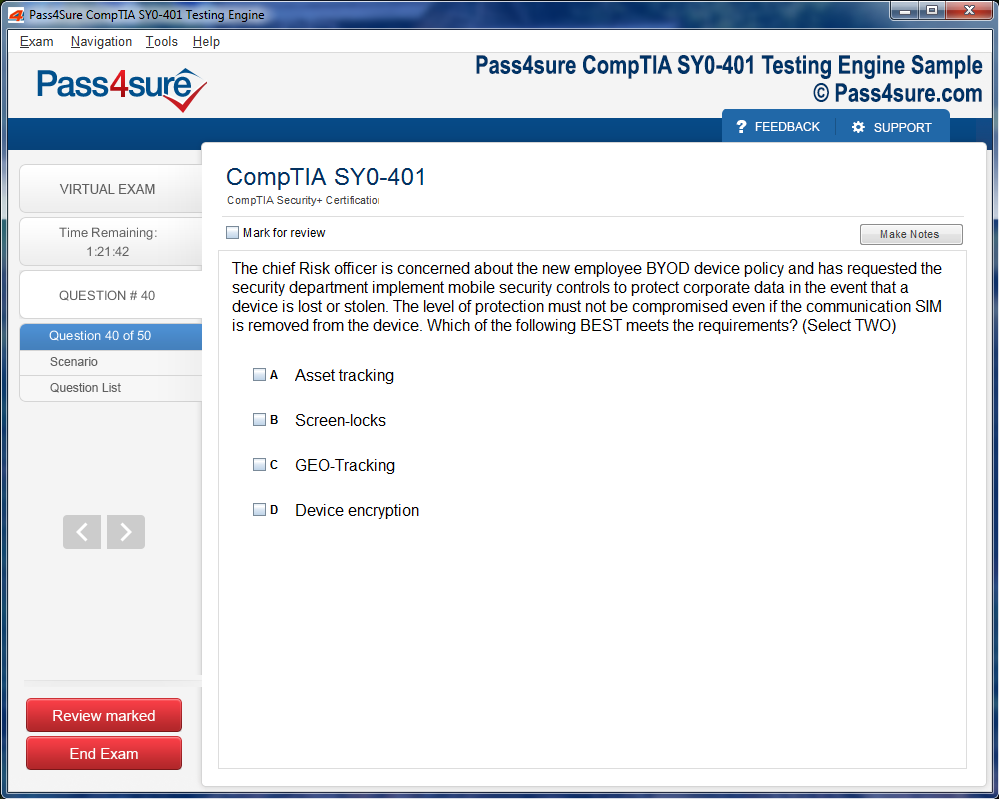
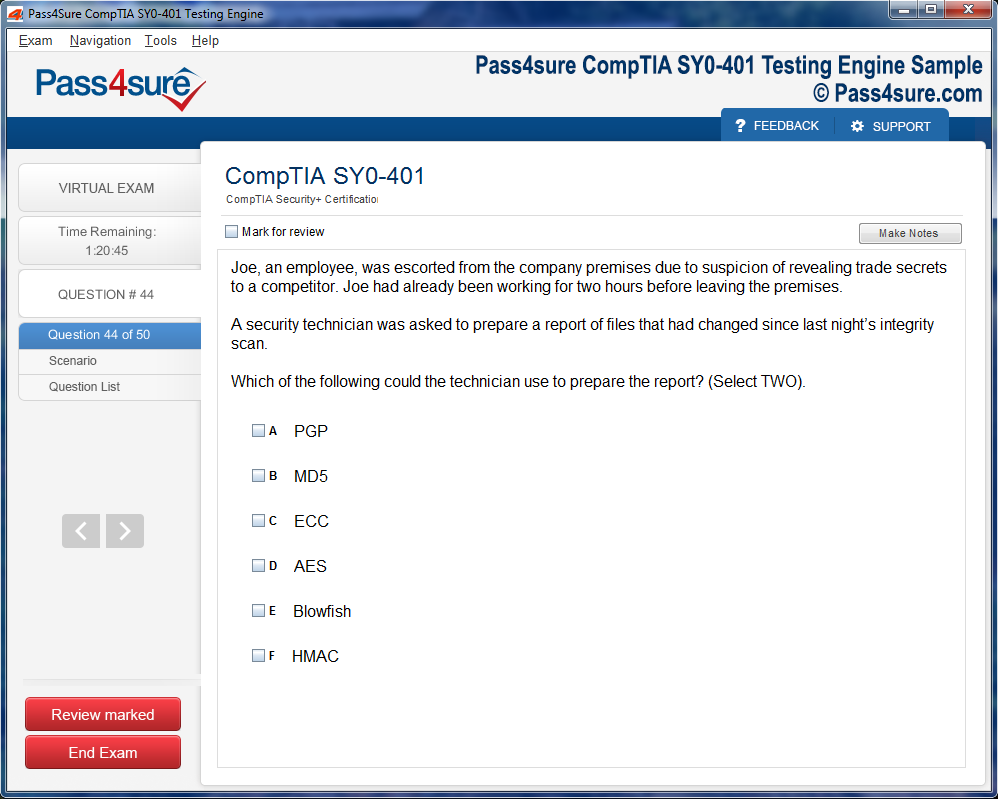
Frequently Asked Questions
How does your testing engine works?
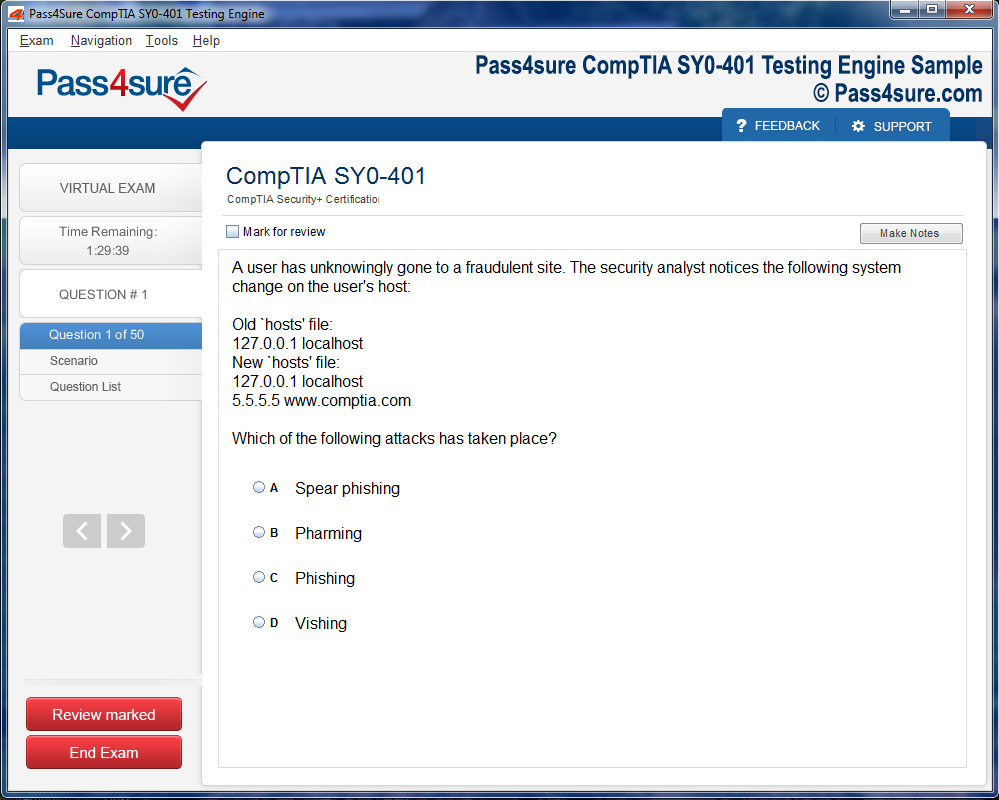
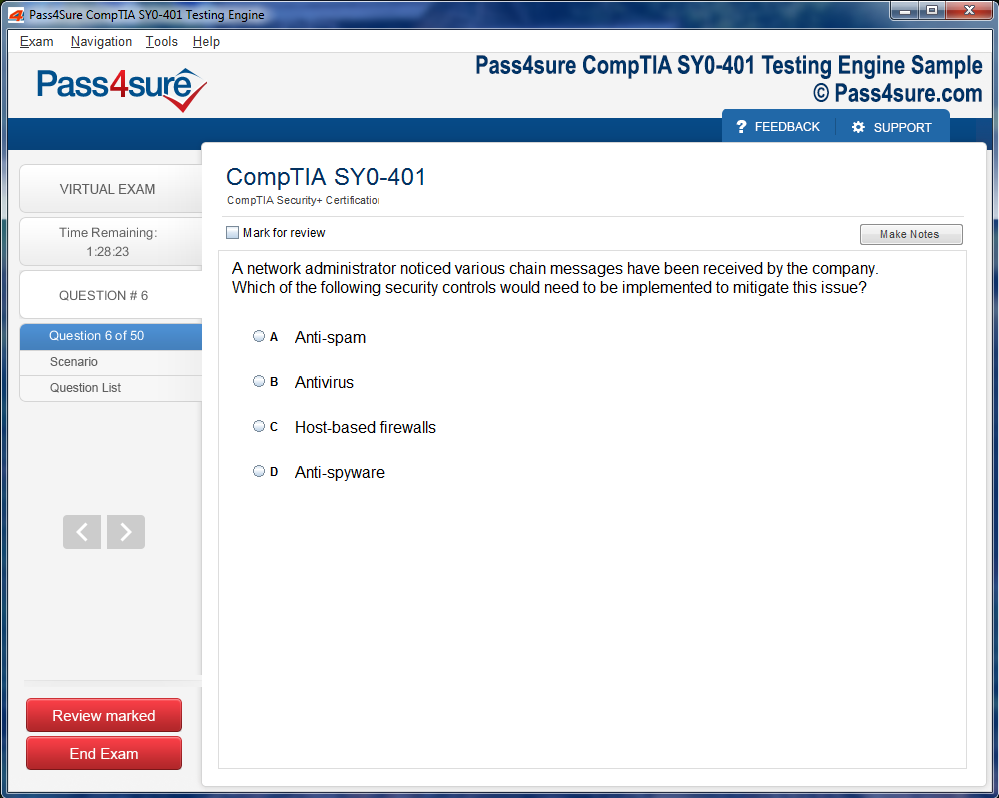
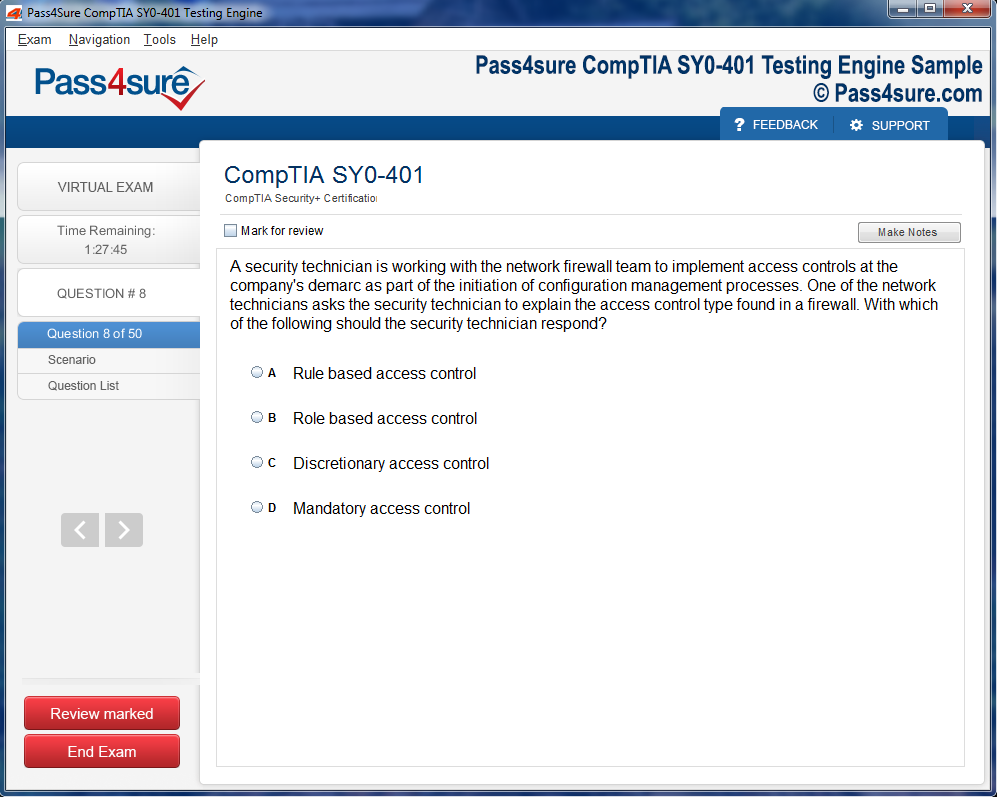
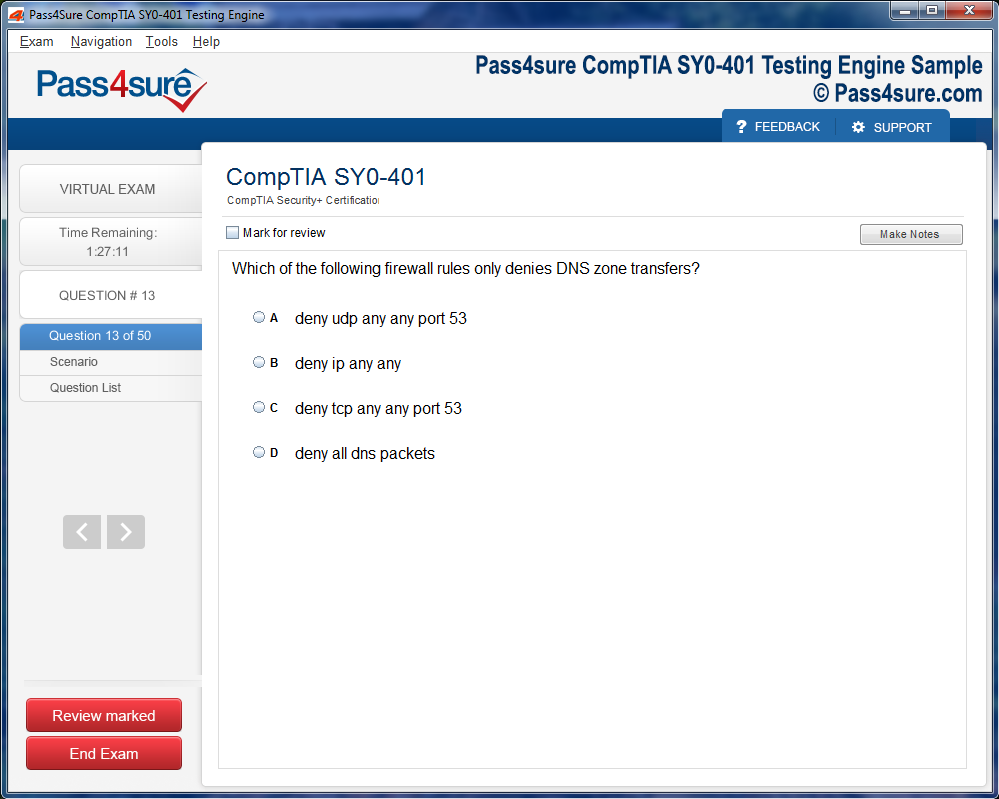
Once download and installed on your PC, you can practise test questions, review your questions & answers using two different options 'practice exam' and 'virtual exam'. Virtual Exam - test yourself with exam questions with a time limit, as if you are taking exams in the Prometric or VUE testing centre. Practice exam - review exam questions one by one, see correct answers and explanations.
How can I get the products after purchase?
All products are available for download immediately from your Member's Area. Once you have made the payment, you will be transferred to Member's Area where you can login and download the products you have purchased to your computer.
How long can I use my product? Will it be valid forever?
Pass4sure products have a validity of 90 days from the date of purchase. This means that any updates to the products, including but not limited to new questions, or updates and changes by our editing team, will be automatically downloaded on to computer to make sure that you get latest exam prep materials during those 90 days.
Can I renew my product if when it's expired?
Yes, when the 90 days of your product validity are over, you have the option of renewing your expired products with a 30% discount. This can be done in your Member's Area.
Please note that you will not be able to use the product after it has expired if you don't renew it.
How often are the questions updated?
We always try to provide the latest pool of questions, Updates in the questions depend on the changes in actual pool of questions by different vendors. As soon as we know about the change in the exam question pool we try our best to update the products as fast as possible.
How many computers I can download Pass4sure software on?
You can download the Pass4sure products on the maximum number of 2 (two) computers or devices. If you need to use the software on more than two machines, you can purchase this option separately. Please email sales@pass4sure.com if you need to use more than 5 (five) computers.
What are the system requirements?
Minimum System Requirements:
- Windows XP or newer operating system
- Java Version 8 or newer
- 1+ GHz processor
- 1 GB Ram
- 50 MB available hard disk typically (products may vary)
What operating systems are supported by your Testing Engine software?
Our testing engine is supported by Windows. Andriod and IOS software is currently under development.
Boost Your Security Career with 156-587 – Check Point Troubleshooting Expert
In the labyrinthine architecture of contemporary networks, packets do not merely traverse nodes—they engage in a silent choreography dictated by routing policies, firewall rules, and latency contingencies. Understanding packet behavior requires more than cursory observation; it necessitates an almost forensic scrutiny of headers, flags, and encapsulation protocols. Professionals versed in 156-587 recognize that a misrouted packet is often the symptom, not the root cause. The actual anomaly may reside in asynchronous updates between gateways, misaligned NAT configurations, or subtle incompatibilities between VPN encryption standards.
The act of analyzing packet flows transcends technical mechanics; it cultivates cognitive acuity. Experts develop an intuitive sense of what constitutes a normative flow and can detect aberrations that might escape automated monitoring tools. This perceptiveness allows preemptive remediation, transforming network troubleshooting from a reactive endeavor into a predictive art form. In essence, packet flow analysis is both a microscope and a compass: it reveals intricate details while guiding the broader trajectory of network health management.
Convergence of Threat Intelligence and Operational Vigilance
Modern cybersecurity extends beyond the mere fortification of infrastructure. Threat intelligence serves as the vanguard, providing foresight into emergent vulnerabilities and attack vectors. Professionals preparing for the 156-587 certification assimilate these insights into operational protocols, creating an anticipatory framework that is reactive only in the rarest circumstances. The convergence of intelligence feeds and firewall management fosters a dynamic environment where policies are continuously refined to preempt exploitation.
This synthesis requires a rarefied skill set. Beyond technical fluency, it demands discernment—knowing which alerts merit intervention and which are ephemeral noise. It also requires agility, as intelligence streams often evolve in real time, influenced by global threat landscapes. Mastery of this convergence equips professionals with an ability to orchestrate network defense strategies that are simultaneously robust and adaptive, ensuring resilience against both conventional and unconventional incursions.
Cognitive Cartography of Systemic Dependencies
Every network is a living ecosystem, with interdependencies that span physical hardware, virtual appliances, and cloud infrastructures. Troubleshooting experts cultivate what can be described as cognitive cartography: the mental mapping of system interactions, dependency hierarchies, and operational contingencies. This mental model allows rapid localization of faults, particularly in scenarios where symptoms are decoupled from underlying causes.
Cognitive cartography is not merely analytical; it is imaginative. Experts envision potential failure points before they manifest, simulating outcomes across nodes and layers. This anticipatory mindset minimizes downtime and mitigates cascading failures, reinforcing the organizational perception of cybersecurity personnel as both guardians and strategists. In high-stakes environments, such foresight can distinguish routine maintenance from transformative operational stewardship.
Orchestrating Cross-Domain Troubleshooting
Complex network environments often require troubleshooting across multiple technological domains simultaneously. A VPN latency issue may be intertwined with routing discrepancies, authentication misconfigurations, and external bandwidth throttling. Professionals trained under the 156-587 curriculum are adept at orchestrating cross-domain diagnostics, coordinating between disparate systems while maintaining analytical cohesion.
This orchestration demands both precision and narrative clarity. Each layer of investigation must be documented, interpreted, and communicated to stakeholders without dilution. The skill lies in translating technical intricacies into actionable intelligence, ensuring that resolutions are both effective and comprehensible to non-technical audiences. Such proficiency elevates the cybersecurity role from technician to operational integrator, where strategic insight is as prized as technical dexterity.
Temporal Dynamics of Incident Response
In the crucible of live network incidents, time itself becomes a vector of complexity. Delayed intervention amplifies damage potential, while precipitous action can inadvertently exacerbate the situation. Troubleshooting experts internalize the temporal dynamics of incident response, balancing immediacy with methodical precision. They develop heuristics that prioritize interventions based on severity, impact, and systemic interdependencies, creating a choreography that minimizes disruption while maximizing resolution efficacy.
Temporal awareness also informs post-incident analysis. Professionals dissect the sequence of events, extracting lessons that inform future policy adjustments and network hardening strategies. Over time, this iterative process cultivates a repository of institutional knowledge, transforming ad hoc troubleshooting into an evolving corpus of operational wisdom that benefits both individuals and organizations.
The Intricacies of Log Forensics in Security Ecosystems
Delving into the labyrinthine world of digital footprints, log forensics unveils a narrative hidden within the mundane streams of data. Every access attempt, packet drop, and protocol handshake leaves a trace, a cryptic whisper that, when deciphered, reveals the subtle aberrations of network behavior. Advanced practitioners employ an almost forensic methodology, correlating disparate events across gateways, management servers, and endpoint logs. This symbiotic interplay between observation and deduction transforms routine log parsing into an analytical art form.
Every anomaly tells a story; a packet dropped at an inconspicuous firewall rule may herald an impending breach, while a sporadic authentication failure could indicate misconfigured encryption parameters or ephemeral network congestion. The seasoned operator treats logs not as inert records but as a pulsating dataset, each line an encoded message waiting for interpretive decryption. Through this lens, the ostensibly arcane becomes intelligible, and the mundane becomes a prelude to profound insight.
Meticulous Packet Tracing and Network Cartography
Packet-level scrutiny represents an apex of troubleshooting dexterity. It requires navigating the intricate topography of network flows, where each segment, hop, and translation holds the key to uncovering latent misconfigurations. Professionals wield packet capture tools as an extension of their analytical acuity, dissecting headers, payloads, and sequence anomalies with surgical precision.
Within this realm, minor deviations can precipitate cascading operational failures. A misordered rule or an overlooked NAT translation might obfuscate the intended flow of information, creating phantom connectivity gaps or sporadic latency. Understanding the choreography of data movement—how packets traverse firewalls, gateways, and VPN tunnels—elevates troubleshooting from mere repair to anticipatory intelligence.
VPN Connectivity Conundrums and Analytical Resolution
Virtual private networks epitomize the intersection of security, accessibility, and operational complexity. When users encounter intermittent access to essential cloud services, the issue is rarely superficial. Each connection drop necessitates a methodical inquiry: gateway logs, policy verification, encryption protocol consistency, and client configuration alignment all demand scrutiny.
The resolution of such challenges often reveals deeper systemic insights. Discrepancies between security policy enforcement and client-side VPN parameters illustrate the delicate equilibrium required for resilient, uninterrupted communication. Addressing these inconsistencies not only reinstates functionality but reinforces a culture of preemptive vigilance, equipping teams to anticipate future disruptions.
Firewall Performance Optimization and Throughput Analysis
Performance degradation within firewall ecosystems often masquerades as network unreliability, yet its genesis is multifactorial. Excessively permissive rules, archaic hardware, and surges in concurrent sessions combine to create observable latency. Advanced troubleshooting mandates a dual focus: empirical metric evaluation and strategic rule pruning.
Operators examine throughput statistics, concurrent session thresholds, and inspection overhead with an exacting eye. Interventions may range from policy refinement to architectural enhancements, yet the overarching goal remains the harmonious balance of security efficacy and operational fluidity. Such optimization is less about superficial speed gains and more about cultivating enduring resilience within the network’s defensive lattice.
Simulated Failure Scenarios as Cognitive Calibration
A distinguishing hallmark of expert proficiency lies in anticipatory simulation. Recreating potential failure modes within controlled testbeds hones cognitive agility and operational foresight. By confronting candidates with synthetic crises, the training cultivates rapid diagnostic reasoning and methodical problem-solving under duress.
These simulated episodes extend beyond technical correctness; they nurture a mindset of vigilant preemption. Security anomalies are rarely isolated incidents but interconnected phenomena, and rehearsal in a risk-free environment enhances an operator’s ability to discern latent vulnerabilities before they crystallize into critical threats. This pedagogical strategy transforms experiential learning into strategic foresight.
Collaborative Dynamics in Multi-Disciplinary Troubleshooting
Technical mastery, however, is insufficient without communicative clarity. Security incidents frequently demand the convergence of network engineers, system administrators, and application developers. The ability to convey nuanced findings, contextualize anomalies, and propose actionable remediation plans defines professional indispensability.
Advanced practitioners cultivate a dialectic of precision and accessibility, translating esoteric diagnostic results into coherent, collaborative narratives. In doing so, they facilitate cross-domain problem resolution, ensuring that technical interventions are not only accurate but comprehensible and implementable by diverse stakeholders. The interplay of technical expertise and interpersonal dexterity establishes a standard of operational excellence.
The Confluence of Policy, Protocol, and Predictive Analysis
At the zenith of troubleshooting sophistication lies the integration of policy evaluation, protocol adherence, and predictive analytics. Security architectures are living ecosystems where each policy rule, packet inspection, and authentication mechanism interacts in non-linear, often unpredictable ways. Advanced professionals anticipate these interactions, identifying potential conflict points or performance chokepoints before they manifest operationally.
Predictive analysis, informed by historical log patterns and real-time telemetry, becomes a strategic instrument rather than a reactive measure. By synthesizing behavioral trends, anomaly detection, and configuration heuristics, practitioners preemptively mitigate risk, embodying the principle that true expertise resides not in responding to issues but in forestalling them.
Integrating Troubleshooting with Network Security Strategy
Advanced troubleshooting transcends mere technical remediation, evolving into a linchpin of holistic network defense. In contemporary enterprise ecosystems, where ephemeral threats and convoluted architectures coexist, troubleshooting must be reconceptualized as a strategic fulcrum. Professionals versed in the 156-587 methodology are encouraged to perceive troubleshooting not as a reactive artifact but as an anticipatory instrument that amplifies organizational resilience.
Strategic Visibility and Cognitive Cartography
At the foundation of a robust security paradigm lies comprehensive visibility. The capacity to delineate every node, gateway, and interstitial pathway within a network forms the bedrock for both preemptive and reactive interventions. Troubleshooting effectiveness hinges on the ability to synthesize an intricate mental map of topology, policy constructs, and operational workflows. By cataloging firewall hierarchies, VPN interdependencies, and intrusion prevention schemas, experts discern latent vulnerabilities and ensure the rigorous application of security edicts. This cerebral mapping transforms troubleshooting into a proactive endeavor that confers strategic advantage, enabling organizations to anticipate, rather than merely react to, network perturbations.
Change Management as Predictive Foresight
The act of modification within network infrastructure is inherently fraught with peril. Each adjustment to routing tables, firewall rules, or VPN parameters carries the potential to destabilize critical systems. Through disciplined troubleshooting methodologies, professionals can prognosticate the cascading effects of such changes, evaluate risk vectors, and architect mitigative countermeasures. The recalibration of a seemingly benign rule to accommodate a novel service, for instance, may inadvertently expose the enterprise to exploitable avenues. By employing methodical analysis and scenario modeling, network custodians preserve the sanctity of security postures while maintaining operational agility.
Incident Response as Analytical Alchemy
The interface between troubleshooting and incident response embodies a crucible of analytical precision. When anomalous activity or breaches manifest, experts must rapidly deconstruct the underlying causality, contain proliferating threats, and restore systemic equilibrium. The 156-587 curriculum instills the aptitude to navigate from detection to remediation with alacrity, harnessing real-time telemetry, heuristic frameworks, and strategic intuition. Each emergent incident is not merely a disruption but a conduit for refinement, offering insights to recalibrate defensive architectures, fortify policy frameworks, and inoculate the organization against analogous threats.
Automation and Proactive Network Stewardship
Contemporary troubleshooting is increasingly augmented by automation, which mitigates human fallibility and accelerates diagnostic cycles. By interweaving automated monitoring mechanisms with firewalls, gateways, and threat intelligence feeds, professionals attain a continuous perceptual horizon over network activity. Alerts for anomalous behavior are no longer episodic signals but triggers for immediate preemptive action. Over iterative cycles, this convergence of automation and monitoring fosters a paradigm shift from reactive troubleshooting toward predictive maintenance, an imperative in enterprises characterized by dynamic traffic patterns and mutable threat landscapes.
Tactical Implementation in Dynamic Enterprises
Consider a scenario where a mid-sized enterprise grapples with recurrent network latency during peak operational intervals. An adept professional initiates an exhaustive examination of firewall rule sequencing, throughput analytics, and packet traversal patterns. By optimizing policy hierarchies, upgrading latency-prone hardware, and deploying continuous monitoring scripts, the expert achieves more than ephemeral resolution; they architect a sustainable framework for performance assurance. Here, troubleshooting transcends its conventional remit, catalyzing enduring strategic refinement that reinforces both operational continuity and security fidelity.
Troubleshooting as Strategic Leverage
In essence, troubleshooting integrated with a network security strategy evolves into a mechanism of strategic leverage. It enables organizations to not only remediate immediate anomalies but also to cultivate a predictive understanding of network behaviors. Professionals trained under rigorous certifications such as the 156-587 learn to harness troubleshooting as both a diagnostic tool and a proactive shield. The symbiosis of real-time insight, analytical acuity, and preemptive governance transforms every technical intervention into a measured enhancement of the enterprise's cyber resilience.
The Alchemy of Practical Mastery
Mastery emerges not merely from rote memorization but through a deliberate, almost alchemical, fusion of theory and practice. Immersing oneself in labyrinthine network architectures and convoluted system topologies cultivates a nuanced comprehension that textbooks scarcely convey. By engaging directly with tangible, mutable systems, aspirants experience the subtle oscillations of cause and effect in cybersecurity operations, discerning patterns that are invisible in abstract diagrams. This tactile approach transforms theoretical understanding into instinctive cognition, an invaluable asset when navigating unforeseen contingencies.
Simulated Environments as Cognitive Catalysts
Virtualized ecosystems serve as cognitive accelerants for developing expertise. Constructing intricate topologies with layered gateways, multivariate firewalls, and interlinked devices allows for experimentation devoid of catastrophic risk. Within these controlled realms, candidates can deliberately engender misconfigurations, orchestrate simulated incursions, and evaluate remediation strategies with analytical precision. Each iteration fortifies mental schemas, honing the capacity for methodical troubleshooting while engendering a subtle sense of system empathy—an intuitive awareness of how networks "breathe" under duress.
Mentorship as Intellectual Osmosis
The transmission of knowledge through mentorship transcends conventional instruction. Apprenticeship within a cohort of seasoned experts precipitates intellectual osmosis, where nuanced heuristics and tacit strategies are absorbed almost imperceptibly. Observing adept professionals decipher cryptic logs, triage incidents with surgical precision, and synchronize across multidisciplinary teams imbues aspirants with a repertoire of problem-solving modalities. These experiences cultivate both dexterity in technical execution and sophistication in strategic judgment, accelerating the maturation of cybersecurity acumen.
The Artistry of Documentation
Documentation, often relegated to a perfunctory chore, functions as a crucible for refining comprehension. Systematically recording configuration changes, cataloging troubleshooting methodologies, and analyzing incident trajectories produces a dual benefit: immediate operational reference and enduring cognitive scaffolding. Over time, this archival practice evolves into a bespoke compendium of experiential knowledge, facilitating future interventions, mentoring of novices, and regulatory adherence. In essence, the meticulous chronicle of one’s operational narrative elevates mundane record-keeping into an instrument of intellectual fortification.
Perpetual Learning as a Strategic Imperative
In a landscape characterized by incessant technological evolution, perpetual learning is not optional—it is existential. The dynamism of network protocols, emergent threat vectors, and evolving defense architectures mandates an enduring commitment to edification. Whether through advanced credentialing, interactive seminars, or collaborative forums, the proactive pursuit of knowledge ensures that professionals remain both agile and prescient. Those who integrate structured pedagogical pathways with immersive experiential encounters attain a competitive advantage that transcends mere technical competence, embodying strategic adaptability and anticipatory problem-solving.
Cultivating Curiosity and Resilience
Curiosity and resilience are twin engines that propel professionals beyond procedural competence into realms of distinction. By reframing obstacles as catalysts for innovation rather than impediments, individuals cultivate an intrinsic motivation that fuels both skill acquisition and strategic insight. Encounters with previously insurmountable problems become exercises in creativity and analytical rigor, producing a mindset attuned to adaptive thinking and systemic comprehension. Over time, this philosophy fosters a professional identity anchored in resourcefulness, foresight, and enduring value within complex organizational ecosystems.
Experiential Synthesis and Strategic Cognition
The synthesis of hands-on experience, mentorship, meticulous documentation, and perpetual learning converges to produce a cognitive architecture optimized for strategic foresight. Professionals who internalize these modalities develop an anticipatory lens, perceiving latent vulnerabilities and emergent patterns before they materialize. This heightened perceptual acuity transforms reactive troubleshooting into proactive orchestration, where interventions are guided by both intuition and analytical rigor. In this manner, the competencies nurtured through rigorous engagement with network ecosystems extend beyond operational proficiency to encompass leadership, vision, and long-term organizational influence.
Long-Term Professional Growth and Leadership in Cybersecurity
The transcendental value of the 156-587 certification manifests most potently in its capacity to catalyze sustained professional growth and engender leadership ascendancy within the labyrinthine corridors of cybersecurity. Far beyond the mere accumulation of technical acumen, it imbues practitioners with perspicacity, strategic sagacity, and heuristic frameworks that empower them to orchestrate teams, influence policy edicts, and sculpt the overarching security posture of their organizations with precision.
Leadership Anchored in Mastery
True leadership germinates from unassailable expertise. Colleagues and subordinates innately gravitate toward guidance from professionals who have demonstrated finesse in navigating convoluted firewall matrices, mitigating esoteric threat vectors, and reconciling intricate network anomalies. Such credibility constitutes the bedrock for mentoring initiatives, orchestrating multifaceted projects, and ultimately commanding cross-functional teams with authority and grace. Professionals capable of instructing, galvanizing, and inspiring amplify their influence exponentially, transcending the limitations of individual contributions to effect transformative organizational impact.
Strategic Cognition and Influence
The cultivation of strategic influence represents an indispensable facet of long-term growth. Certified luminaries frequently contribute to the architecture of enterprise security, assess the ramifications of emerging technological adoption, and ensure adherence to labyrinthine regulatory frameworks. By possessing a dual lens that simultaneously scrutinizes the technical and operational strata of cybersecurity, these professionals bridge the chasm between IT cohorts and executive echelons. Their counsel, informed by comprehensive understanding, harmonizes innovation, risk management, and corporate objectives, rendering them pivotal arbiters of sustainable and resilient security strategy.
Navigating the Complexity of Global Cyber Threats
Contemporary cybersecurity landscapes are perpetually morphing, and the exigencies of global threat vectors accentuate the indispensability of advanced troubleshooting mastery. As organizations increasingly traverse cloud, hybrid, and multi-cloud ecosystems, the intricacy of preserving network sanctity escalates prodigiously. Professionals endowed with 156-587 certification are uniquely poised to surmount these intricacies, employing rigorously honed methodologies to fortify infrastructures against multifarious vulnerabilities. Their expertise metamorphoses into a strategic asset of considerable magnitude, underpinning organizational continuity and resilience amid evolving technological paradigms.
Entrepreneurial Horizons and Consultancy Excellence
Beyond conventional organizational roles, the credential precipitates a spectrum of entrepreneurial prospects. Certified experts may gravitate toward consultancy, leveraging their troubleshooting prowess to serve a plethora of enterprises. They can conduct forensic audits, refine security policies, and implement vanguard best practices across diverse industrial landscapes. The adaptability engendered by their comprehensive troubleshooting knowledge renders them invaluable as consultants, particularly in sectors where the stakes of network integrity are elevated. Their advisory capacities often shape institutional approaches to cybersecurity, conferring a reputation for both expertise and innovative problem-solving acumen.
Cultivating Personal Attributes for Professional Ascent
Intrinsic to the certification journey are personal development traits that resonate across professional milieus. Resilience, analytical rigor, meticulous attention to nuance, and proactive problem-solving become habitual dispositions. Professionals internalize the capacity to remain equanimous under pressure, articulate complex technical phenomena to diverse stakeholders, and transmute intricate cyber intelligence into actionable business insight. Such qualities transcend mere technical skill; they define visionary leaders, judicious decision-makers, and innovators whose influence radiates throughout organizational and industry spheres alike.
Strategic Visibility and Organizational Impact
Certification metamorphoses a practitioner’s role from a tactical problem solver to a strategic architect. Individuals acquire heightened visibility within their organizational hierarchies, positioning themselves as indispensable contributors whose insights inform policy, operational frameworks, and technological direction. Their capacity to foresee vulnerabilities, implement preemptive measures, and translate abstract threat intelligence into operational imperatives cultivates trust among peers, subordinates, and executives. In effect, certified professionals become linchpins in the delicate equilibrium between risk mitigation and technological advancement, shaping the trajectory of organizational cybersecurity strategy.
Evolution of Cybersecurity Expertise
The 156-587 credential is not merely an emblem of technical proficiency; it is a catalyst for the evolution of a practitioner’s intellectual and operational paradigm. By engaging with complex troubleshooting scenarios, professionals cultivate cognitive elasticity and methodological rigor, enhancing their capacity for creative problem resolution. This evolution fosters an enduring aptitude for adaptation, equipping individuals to navigate the ceaselessly shifting landscape of cyber threats with dexterity and foresight. The resulting expertise transcends conventional boundaries, embedding itself as an enduring pillar of organizational knowledge and strategic acumen.
Mentorship and Knowledge Propagation
Another profound consequence of advanced certification is the capacity to mentor emerging talent. Leaders who have mastered intricate cybersecurity frameworks become conduits of institutional knowledge, disseminating insights that elevate collective proficiency. Mentorship, undergirded by deep technical mastery, fosters environments where curiosity is nurtured, innovation is encouraged, and knowledge perpetually circulates. This propagation of expertise ensures organizational resilience, cultivating a cadre of adept professionals capable of sustaining security standards and pioneering solutions in the face of evolving cyber threats.
The Transformative Power of Check Point Troubleshooting Expertise
Possessing proficiency in Check Point troubleshooting transcends mere technical competency; it becomes a fulcrum for career ascension. Professionals adept at navigating the labyrinthine architecture of Check Point systems wield analytical acuity and methodical precision that distinguishes them in a saturated cybersecurity landscape. Their capacity to decipher obscure system anomalies, orchestrate remedial measures, and anticipate latent vulnerabilities renders them invaluable to organizational fortresses of data.
Amplifying Employability Through Niche Expertise
In a marketplace teeming with candidates possessing rudimentary certifications, those who manifest advanced troubleshooting mastery occupy a rarefied stratum. Employers instinctively recognize that professionals who can dissect complex network anomalies mitigate operational downtime, avert potential breaches, and safeguard regulatory compliance. This expertise transforms a candidate from competent to indispensable, often propelling them into leadership positions, high-visibility assignments, and strategic initiatives.
Economic Ascendancy Through Specialized Skills
Specialized proficiency in Check Point troubleshooting translates directly into tangible economic benefit. Salaries for such professionals often surpass those of generalist IT administrators, reflecting the premium placed on crisis mitigation, system optimization, and security orchestration. In competitive labor markets, mastery of Check Point intricacies serves as a career differentiator, enabling professionals to secure elevated remuneration and negotiate superior employment conditions. Their skillset acts as a catalyst, converting technical labor into measurable organizational advantage.
Versatility Across Technological Domains
The applicability of troubleshooting skills extends well beyond a singular domain. Mastery in firewall analysis, VPN diagnostics, and network anomaly resolution equips professionals to navigate multifaceted technological environments. Whether addressing cloud security integration, hybrid infrastructure optimization, or incident response protocols, the analytical dexterity cultivated through Check Point troubleshooting proves transferable. This adaptability fortifies career resilience, empowering individuals to pivot seamlessly amidst evolving cyber-threat landscapes and emerging technology paradigms.
Cultivating Influence Within the Cybersecurity Ecosystem
Certification in advanced troubleshooting functions as a gateway to professional networks of considerable influence. Membership in forums, workshops, and specialized knowledge-sharing cohorts immerses professionals in the latest threat intelligence, tactical innovations, and operational paradigms. Engagement in these ecosystems fosters mentorship, collaborative problem-solving, and exposure to pioneering projects. Over time, these connections cultivate a professional cachet, opening avenues to consultancy, strategic advisory roles, and participation in initiatives at the forefront of cybersecurity innovation.
Reputation as a Strategic Asset
Repeatedly demonstrating the ability to diagnose and rectify intricate system malfunctions establishes a professional reputation of exceptional reliability. Recognition by peers and organizational leadership as a dependable architect of solutions engenders trust, often resulting in participation in high-stakes projects and strategic planning exercises. This perception of reliability transforms troubleshooting prowess into a strategic asset, where professional insight informs decisions that reverberate across organizational infrastructure and policy frameworks.
The Mindset of Continuous Improvement
Check Point troubleshooting mastery engenders a mindset that embraces perpetual refinement. Each incident resolved contributes to a compendium of experiential intelligence, cultivating intuition for anomaly detection, system resilience prediction, and operational fortification. Over time, this iterative accumulation transforms procedural expertise into anticipatory strategic vision. Professionals evolve from reactive problem-solvers to proactive architects of secure, optimized networks, reinforcing both personal career trajectories and organizational robustness.
Strategic Differentiation in Competitive Markets
In sectors marked by rapid technological flux, the ability to discern subtle vulnerabilities and implement nuanced corrective measures differentiates leaders from the average practitioner. Check Point troubleshooting expertise equips professionals to approach systemic challenges with a synthesis of analytical depth and strategic foresight. By integrating diagnostic rigor with proactive system fortification, these specialists become pivotal agents in the orchestration of resilient, adaptive cybersecurity ecosystems, positioning themselves as indispensable to forward-looking enterprises.
The Interplay Between Technical Mastery and Leadership
Technical proficiency in isolation is a foundation; the integration of such knowledge into leadership practice is transformative. Professionals who couple troubleshooting expertise with strategic communication, cross-departmental collaboration, and project stewardship elevate their influence. Their insight informs executive decision-making, guiding cybersecurity investment, policy creation, and operational planning. In this interplay between technical mastery and leadership acumen, professionals cement their status as architects of secure, efficient, and resilient digital environments.
Intellectual Agility and Analytical Foresight
The cognitive demands of Check Point troubleshooting cultivate intellectual agility and sophisticated analytical foresight. Professionals develop the capacity to anticipate cascading system effects, preempt potential failures, and devise contingency architectures with precision. This foresight transcends immediate technical application, informing broader organizational strategy and risk management. By honing these faculties, specialists evolve into invaluable resources whose judgment shapes infrastructure decisions and long-term operational security.
Cross-Disciplinary Applications of Troubleshooting Expertise
The dexterity acquired through advanced troubleshooting resonates across multiple technological spheres. Knowledge accrued from network anomaly resolution can be leveraged in cloud deployment architectures, intrusion detection modeling, and hybrid network optimization. This cross-disciplinary fluency amplifies career versatility, allowing professionals to navigate intersections of emerging technologies with confidence. Their capacity to adapt analytical frameworks across disparate systems positions them as polymathic problem-solvers in the cybersecurity domain.
Elevating Organizational Security Posture
Expert troubleshooting has ramifications that extend beyond individual career trajectories; it elevates organizational resilience. The ability to rapidly isolate vulnerabilities, implement targeted mitigations, and optimize system performance contributes directly to the enterprise’s security posture. Professionals serve as sentinels, preemptively countering threats, fortifying network integrity, and embedding best practices into operational protocols. Their influence permeates organizational culture, fostering a proactive, security-conscious environment that prioritizes foresight over reaction.
The Interplay of Technical Mastery and Organizational Strategy
Cybersecurity leadership is rarely a function of technical skill alone; it is a delicate symbiosis of expertise and organizational foresight. Professionals who attain 156-587 certification find themselves uniquely positioned at this intersection. The ability to decipher complex firewall algorithms, remediate multifaceted network disruptions, and anticipate potential exploits is only part of the equation. Equally vital is the capacity to translate these technical insights into strategic imperatives that align with business objectives. This translation requires cognitive agility, persuasive communication, and an acute awareness of organizational dynamics. Those who master this duality often ascend beyond conventional operational roles into positions of influence where their judgments shape enterprise-wide security posture.
Cognitive Resilience and Adaptive Problem Solving
At the core of advanced troubleshooting lies cognitive resilience—a mental framework that allows professionals to confront unpredictable scenarios with composure and analytical precision. The labyrinthine nature of modern networks ensures that no two challenges are identical. Each intrusion attempt, misconfigured gateway, or protocol conflict demands a bespoke solution. Certification instills a structured approach to such problem-solving, equipping practitioners with methodologies that transcend rote procedural knowledge. They learn to anticipate cascading failures, assess multifactorial risks, and devise solutions that are both technically sound and operationally sustainable. Over time, this cognitive flexibility becomes second nature, enabling leaders to navigate the most volatile cybersecurity landscapes with confidence and authority.
Organizational Influence Through Security Architecture
Security architecture is a linchpin in any organization’s defense strategy, and certified professionals often occupy pivotal roles in its conception and evolution. The capacity to evaluate technology stacks, identify latent vulnerabilities, and recommend architectural enhancements demands not only technical acumen but also strategic discernment. By harmonizing security measures with operational workflows, these professionals ensure that protective mechanisms do not impede productivity while simultaneously fortifying the organization against potential threats. Their insights guide procurement decisions, cloud migration strategies, and regulatory compliance initiatives, making them indispensable stakeholders in organizational planning and innovation.
The Global Cybersecurity Ecosystem and Interconnected Risk
Modern cybersecurity does not exist in a vacuum. Organizations operate within a globally interconnected ecosystem where threats transcend geographic boundaries and regulatory jurisdictions. Certified experts are attuned to these macro-level dynamics, understanding how vulnerabilities in one sector or region can cascade into systemic risk. They analyze patterns of cyberattacks, anticipate emerging threat vectors, and deploy proactive measures to mitigate exposure. The ability to contextualize local operational challenges within a global threat landscape positions these professionals as strategic sentinels whose vigilance preserves both continuity and reputation on an international scale.
Mentorship as a Multiplier of Impact
One of the less tangible but profoundly influential outcomes of advanced certification is the capacity to serve as a mentor. Leadership in cybersecurity is not solely about directing operations; it is about cultivating the next generation of skilled practitioners. Professionals with deep expertise assume roles as knowledge custodians, fostering environments where emerging talent can develop sophisticated problem-solving abilities. By sharing methodologies, providing constructive critique, and modeling analytical rigor, they accelerate organizational learning and ensure that institutional knowledge is not only preserved but amplified. Mentorship transforms individual expertise into a collective organizational asset, multiplying impact far beyond the confines of personal contribution.
The Evolution of Threat Detection Methodologies
Cyber threats are evolving with unprecedented velocity, and staying ahead requires a continuous refinement of detection methodologies. Certified professionals develop an intuitive understanding of threat vectors, blending empirical analysis with heuristic reasoning. They can discern subtle anomalies, identify patterns indicative of emerging exploits, and implement monitoring strategies that preempt breaches. This proactive stance extends beyond reactive defense, fostering a security posture that is anticipatory rather than merely responsive. Their expertise informs the deployment of cutting-edge technologies, from intrusion detection systems to AI-driven anomaly recognition, ensuring that organizational defenses remain robust amidst an ever-changing threat landscape.
Bridging the Gap Between Technical and Executive Leadership
A hallmark of advanced certification is the ability to bridge the perennial gap between technical teams and executive leadership. Professionals translate complex network phenomena into comprehensible intelligence for decision-makers, framing cybersecurity imperatives in terms of business continuity, risk mitigation, and competitive advantage. This skill requires not only technical fluency but also narrative acumen—the capacity to craft a compelling story around potential risks, mitigation strategies, and strategic priorities. By serving as liaisons between technologists and executives, certified experts ensure that security initiatives are understood, supported, and integrated seamlessly into organizational strategy.
Entrepreneurial Ventures and Independent Consultancy
Beyond conventional organizational roles, advanced certification opens avenues for entrepreneurial engagement and independent consultancy. Professionals may leverage their expertise to provide bespoke solutions for a variety of industries, conducting security audits, optimizing defensive infrastructures, and shaping cyber governance frameworks. The versatility afforded by deep troubleshooting knowledge allows consultants to adapt rapidly to diverse technological ecosystems, whether in government, finance, healthcare, or industrial sectors. Their advisory role often extends beyond technical remediation to encompass strategic guidance, policy development, and executive training, making them influential actors in shaping cybersecurity standards across multiple organizations.
Cultivating Analytical Foresight and Predictive Capabilities
An often-overlooked advantage of rigorous certification is the development of predictive analytical skills. Professionals cultivate the ability to anticipate vulnerabilities before they are exploited, assess the likelihood of cascading failures, and simulate potential attack scenarios. This foresight transforms reactive problem-solving into a proactive strategy, enabling organizations to preempt threats with minimal operational disruption. By applying these predictive methodologies, certified experts elevate their role from technicians to strategists, whose insights inform enterprise risk management, continuity planning, and long-term security investments.
The Psychological Dimension of Cyber Leadership
Leadership in cybersecurity is as much psychological as it is technical. Professionals must navigate high-pressure situations, mediate conflicts between departments, and maintain morale during crisis incidents. Certification instills a disciplined mindset that balances technical rigor with emotional intelligence. Leaders learn to remain composed during incidents, communicate effectively with stakeholders, and make critical decisions under duress. These psychological competencies augment technical proficiency, creating leaders capable of steering organizations through uncertainty while maintaining trust, cohesion, and strategic focus.
Driving Innovation Through Security Strategy
The intersection of certification and strategic responsibility naturally fosters innovation. Professionals are positioned to identify gaps in existing security paradigms, propose novel approaches, and implement cutting-edge solutions. By evaluating emerging technologies, integrating automation, and optimizing workflows, they contribute to a culture of continuous improvement. Their influence extends beyond defense to shaping organizational efficiency, risk management practices, and even product development, demonstrating that cybersecurity leadership is inseparable from innovation and long-term strategic growth.
Experiential Immersion as Cognitive Alchemy
Immersion in complex operational scenarios acts as a crucible for cognitive alchemy. When professionals interact with multifaceted networks—replete with dynamic routing tables, protocol interdependencies, and layered access controls—they encounter emergent behaviors that defy simplistic categorization. These experiential encounters cultivate a form of intellectual plasticity, enabling individuals to navigate ambiguity with equanimity. Every misrouted packet, every simulated intrusion, and every configuration anomaly becomes a catalyst for refining analytical acuity and reinforcing an adaptive mindset.
Constructing Digital Ecosystems as Learning Terrains
The deliberate construction of digital ecosystems is tantamount to cultivating a laboratory of learning. Professionals who architect multilevel virtual environments, integrating heterogeneous operating systems and diverse communication protocols, gain exposure to nuanced interdependencies that textbooks rarely illustrate. By orchestrating deliberate perturbations—ranging from access violations to latency anomalies—learners observe firsthand the propagation of faults and the emergent behaviors of interconnected components. This practice fosters systemic intuition, a subtle but powerful capability to anticipate the consequences of interventions before they manifest in live environments.
The Subtlety of Observational Learning
Observation functions as an underappreciated yet profound vector for skill acquisition. By scrutinizing the methodologies of veteran practitioners, novices internalize heuristics and decision frameworks that defy codification. Watching an expert navigate an intricate incident, interpret incongruent log entries, and prioritize conflicting remediation tasks reveals cognitive patterns that textbooks cannot transmit. These observational experiences impart a form of tacit knowledge—intangible yet instrumental—allowing learners to internalize the rhythm of operations, the cadence of decision-making, and the finesse required for high-stakes problem resolution.
Iterative Experimentation and Reflexive Mastery
Iterative experimentation is a hallmark of sustained expertise. Engaging repeatedly with complex systems, testing hypotheses, and evaluating outcomes cultivates reflexive mastery, where decision-making becomes simultaneously analytical and intuitive. This recursive process reinforces cognitive schemas while expanding the capacity to discern subtle anomalies in system behavior. Over time, iterative engagement fosters an elegant interplay between deliberate analysis and instinctive response, enabling professionals to resolve unprecedented challenges with both precision and agility.
Collaborative Synergies in Professional Development
Collaboration is an indispensable catalyst for advanced learning. Working within multidisciplinary teams exposes professionals to alternative perspectives, fostering cognitive diversity and creative problem-solving. When analysts, engineers, and architects converge on shared objectives, the interplay of differing expertise engenders solutions that surpass the capabilities of isolated individuals. These collaborative synergies cultivate not only technical dexterity but also interpersonal acumen, enhancing the capacity to negotiate priorities, communicate complex insights, and integrate cross-domain knowledge effectively.
The Cognitive Dimensions of Documentation
Documentation is far more than procedural formalism; it is an instrument for cognitive amplification. By meticulously chronicling experimental designs, configuration modifications, and incident responses, professionals externalize thought processes, creating a tangible repository of experiential knowledge. This practice enhances metacognition, allowing individuals to reflect critically on strategies, identify recurrent patterns, and refine problem-solving approaches. Over time, documentation evolves into a dynamic cognitive scaffold, facilitating both immediate operational efficacy and longitudinal expertise development.
Navigating Technological Flux with Agility
The velocity of technological evolution in cybersecurity necessitates an agile mindset. Innovations in network architecture, encryption protocols, and threat mitigation strategies demand continual recalibration of skills and conceptual frameworks. Professionals who cultivate agility do not merely react to change; they anticipate, adapt, and exploit emerging capabilities. This anticipatory stance transforms potential disruption into opportunity, positioning practitioners to harness new tools, integrate novel paradigms, and maintain strategic advantage in a perpetually shifting landscape.
Resilience as a Professional Imperative
Resilience extends beyond the personal dimension, manifesting as an essential professional attribute. Complex environments are replete with unforeseen failures, escalating incidents, and systemic ambiguities. Those who cultivate resilience approach challenges as instruments of growth rather than sources of frustration, maintaining clarity and composure under pressure. This adaptive fortitude enables sustained operational effectiveness, preserves cognitive bandwidth during crises, and reinforces the capacity to extract learning from setbacks, ultimately converting adversity into strategic insight.
Cognitive Synthesis through Pattern Recognition
Pattern recognition is a defining hallmark of seasoned professionals. Through repeated engagement with diverse operational contexts, individuals develop the capacity to discern subtle correlations, anticipate system responses, and preemptively mitigate threats. This skill emerges from the integration of experiential knowledge, observational learning, and iterative experimentation, culminating in a cognitive synthesis that transforms raw data into actionable insight. Professionals adept in pattern recognition navigate complexity with confidence, translating ambiguity into clarity and uncertainty into structured action.
Experiential Feedback Loops
Feedback loops embedded within hands-on practice are indispensable for refining expertise. Immediate feedback from simulation exercises, peer reviews, and incident retrospectives provides the informational substrate necessary to adjust strategies, recalibrate approaches, and optimize outcomes. These loops promote self-correction and iterative refinement, reinforcing the neural pathways that underlie adaptive thinking. Over time, the iterative cycle of action, feedback, and adjustment fosters a resilient, self-reinforcing trajectory of skill acquisition and professional maturation.
Strategic Cognition and Operational Foresight
Hands-on experience cultivates a form of strategic cognition that transcends mere technical competence. Professionals develop foresight, anticipating emergent vulnerabilities, potential system bottlenecks, and latent inefficiencies before they manifest. This strategic orientation allows for proactive orchestration of resources, preemptive threat mitigation, and the optimization of complex workflows. By synthesizing experiential knowledge with analytical reasoning, individuals attain a vantage point that blends tactical precision with strategic vision, producing enduring value for organizations and stakeholders alike.
Curiosity-Driven Innovation
Curiosity is the propellant that converts experiential learning into innovation. Professionals who maintain insatiable inquisitiveness approach systems not merely as operational constructs but as fertile grounds for discovery. This curiosity-driven orientation fosters inventive experimentation, the identification of latent efficiencies, and the development of novel problem-solving heuristics. Over time, the interplay between structured methodology and creative exploration cultivates a form of intellectual dexterity that is both adaptive and generative, empowering professionals to innovate within complex technological ecosystems.
Resilience in the Face of Cognitive Complexity
Cognitive complexity is an inherent feature of advanced technological landscapes. The ability to manage multiple variables, reconcile conflicting priorities, and integrate heterogeneous data sources requires a resilient, disciplined mindset. Professionals who cultivate this resilience navigate cognitive overload without succumbing to analysis paralysis, employing structured heuristics and mental frameworks to maintain clarity. This capacity ensures that decision-making remains deliberate, adaptive, and strategically aligned, even amidst high-stakes, rapidly evolving operational contexts.
The Enduring Value of Experiential Expertise
Experiential expertise engenders value that extends well beyond operational proficiency. The skills acquired through immersive engagement, iterative experimentation, and strategic reflection equip professionals to assume leadership roles, mentor emerging talent, and contribute meaningfully to organizational strategy. By internalizing the principles of curiosity, resilience, and cognitive synthesis, practitioners transform technical competence into a multifaceted asset, positioning themselves as indispensable contributors within any technologically intensive environment.
Holistic Threat Perception and Cognitive Resilience
A pivotal facet of integrating troubleshooting into network security lies in cultivating holistic threat perception. Professionals must transcend the superficial symptomatology of network anomalies and apprehend the latent interconnections that propagate vulnerability. This necessitates a cognitive resilience wherein each perturbation is interpreted not merely as an isolated event but as a node within a complex lattice of potential threats. By internalizing such systemic cognition, experts anticipate emergent risks, identify stealthy infiltration vectors, and orchestrate interventions that preclude exploitation before it crystallizes. The cultivation of such mental frameworks elevates troubleshooting from a tactical exercise into an intellectual instrument of preemptive defense.
Behavioral Analytics as Diagnostic Compass
The incorporation of behavioral analytics into troubleshooting methodologies exemplifies a sophisticated evolution of practice. Networks, like biological systems, exhibit patterns of regularity interspersed with anomalies that presage disruption. By observing deviations in user behavior, traffic flows, and protocol interactions, security professionals gain a diagnostic compass that directs attention toward nascent vulnerabilities. Machine learning-driven anomaly detection and heuristic modeling augment human intuition, enabling experts to discern patterns imperceptible through conventional log inspection. This symbiotic interplay between analytical rigor and intuitive foresight transforms network troubleshooting into a predictive science rather than a reactive chore.
Policy Orchestration and Interdependency Analysis
An effective security strategy predicates itself on coherent policy orchestration. Troubleshooting, when strategically integrated, necessitates an acute awareness of interdependencies among firewall rules, access control lists, and routing policies. Minor misalignments in policy hierarchy can propagate unanticipated consequences, compromising system integrity. Professionals proficient in this domain systematically evaluate policy interlocks, simulating hypothetical scenarios to forecast impacts. Through meticulous orchestration, experts maintain a delicate equilibrium wherein operational agility coexists with impermeable security postures, ensuring that every intervention fortifies rather than undermines enterprise resilience.
Latency Diagnostics and Temporal Optimization
The temporal dimension of network performance—latency, jitter, and throughput fluctuations—demands specialized scrutiny within strategic troubleshooting. Advanced practitioners employ latency diagnostics not solely to rectify immediate bottlenecks but to optimize temporal orchestration across multi-node pathways. By analyzing packet traversal timing, prioritizing critical flows, and redistributing bandwidth resources, professionals engineer networks that respond to demand surges with minimal degradation. This temporal optimization extends beyond efficiency; it fortifies the network against exploitation strategies that leverage congestion or timing discrepancies, transforming routine troubleshooting into an instrument of defensive precision.
Forensic Troubleshooting and Root Cause Excavation
Troubleshooting attains its highest efficacy when approached through a forensic lens. Root cause excavation extends beyond superficial symptom mitigation, delving into historical logs, configuration drift, and event correlations to uncover latent causative agents. Professionals must exercise judicious synthesis, reconciling discrete anomalies into cohesive narratives that illuminate underlying systemic weaknesses. This forensic rigor not only resolves current disruptions but informs policy refinement, capacity planning, and risk modeling. Each resolved incident thus contributes to an evolving repository of institutional knowledge, enhancing both diagnostic speed and strategic foresight.
Predictive Threat Modeling and Proactive Fortification
The integration of predictive threat modeling represents the zenith of troubleshooting as a strategic enterprise. By extrapolating from historical incidents, network behaviors, and emerging threat intelligence, professionals forecast potential breach vectors and operational vulnerabilities. Proactive fortification—whether through rule recalibration, segmentation, or automated remediation scripts—preempts disruption before manifestation. Such anticipatory measures convert troubleshooting into a form of strategic clairvoyance, where the network is not merely defended but dynamically restructured to absorb and repel threats with minimal latency in response.
Human-Machine Synergy in Security Operations
Contemporary enterprise networks thrive on the synergy between human expertise and machine intelligence. Automation platforms, heuristic engines, and AI-driven diagnostics enhance throughput and consistency, while human oversight ensures contextual judgment, ethical consideration, and adaptive creativity. Troubleshooting, in this integrated paradigm, becomes a collaborative dialogue between cognitive acumen and computational precision. Professionals leverage algorithmic insights to prioritize interventions, simulate contingencies, and interpret nuanced behavioral deviations, creating a continuous feedback loop that enhances operational resilience while minimizing reliance on manual labor.
Adaptive Monitoring and Environmental Sensitivity
Networks exist within constantly shifting operational environments. Adaptive monitoring frameworks, when integrated with strategic troubleshooting, endow security teams with environmental sensitivity, enabling real-time recalibration in response to dynamic loads, threat emergence, or infrastructural changes. By continuously analyzing traffic patterns, device behaviors, and protocol deviations, professionals detect subtle indicators of stress or compromise. This vigilance allows interventions to be applied preemptively, transforming reactive troubleshooting into a form of continuous environmental attunement that preserves both performance and security integrity.
Scenario Simulation and Contingency Planning
Simulation of hypothetical scenarios constitutes a vital extension of strategic troubleshooting. Professionals model the impact of potential failures, misconfigurations, or targeted attacks to anticipate systemic responses and optimize contingency measures. By stress-testing network topologies and policy hierarchies in controlled virtual environments, experts identify vulnerabilities before they manifest operationally. These simulations cultivate a proactive mindset, ensuring that each troubleshooting action is informed by an understanding of broader systemic dynamics, thereby reinforcing resilience across the organizational infrastructure.
Knowledge Codification and Institutional Memory
Finally, the integration of troubleshooting within a strategic framework necessitates codification of knowledge into institutional memory. Each diagnostic endeavor, incident analysis, and optimization initiative contributes to a growing repository of operational intelligence. Documented methodologies, patterns of anomaly, and response templates become reference points for future interventions, reducing latency in problem resolution and enhancing consistency across teams. By formalizing knowledge, organizations transform ad hoc troubleshooting into a repeatable, scalable, and strategically aligned practice that perpetuates continuous improvement.
Intricacies of Stateful Inspection and Deep Packet Analysis
Stateful inspection represents the cornerstone of modern firewall intelligence, where every connection is meticulously cataloged and analyzed for temporal and contextual consistency. Unlike stateless packet filtering, stateful methodologies maintain a dynamic table of active sessions, enabling granular scrutiny of data flows. For the advanced practitioner, this necessitates not just understanding rule hierarchies but predicting how cumulative session states interact with policy enforcement.
Deep packet analysis extends this scrutiny into the payload itself, revealing embedded anomalies, protocol deviations, or unauthorized tunneling attempts. Operators leverage protocol dissectors and heuristic engines to dissect encapsulated streams, identifying covert behaviors that may evade superficial inspection. The interplay between stateful awareness and payload intelligence transforms firewall troubleshooting into an investigative discipline, akin to unraveling a complex forensic puzzle.
Interpreting Anomalous Behavior Through Entropic Metrics
Entropy within network traffic serves as a subtle yet profound indicator of abnormal activity. By analyzing the randomness or predictability of packet sequences, source-destination patterns, and payload structures, advanced professionals can detect incipient threats long before conventional signatures trigger alerts.
This methodology requires an appreciation for statistical nuance and temporal dynamics. A sudden spike in entropy may indicate a botnet-driven reconnaissance sweep, while a gradual increase in deterministic patterns could reflect a misconfigured automation script. By correlating entropic metrics with system logs, policy enforcement outcomes, and packet captures, operators transform abstract data into actionable intelligence, cultivating anticipatory response strategies.
Multi-Layered Threat Correlation and Contextual Synthesis
Troubleshooting in complex environments demands an ability to correlate disparate signals across multiple layers of the network stack. An authentication failure at the application layer may correspond to packet loss in transit, misaligned security policy, or even subtle timing anomalies within VPN negotiation sequences.
Professionals cultivate a mental schema of multi-layered causality, tracing an event from surface manifestations back to latent systemic causes. Contextual synthesis is not merely aggregation; it is the discernment of meaningful patterns amid informational noise. By mapping interdependencies between endpoint behavior, gateway rules, and policy hierarchies, experts achieve an almost anticipatory resolution capacity, identifying root causes that elude conventional linear analysis.
Encryption Misalignment and Cryptographic Diagnostics
Encryption, while central to secure communication, introduces a labyrinth of potential failure points. Misaligned cipher suites, expired certificates, or inconsistent key exchange parameters can manifest as intermittent connectivity failures, silent packet drops, or protocol negotiation stalls.
Advanced troubleshooting mandates familiarity with cryptographic primitives, handshake sequences, and key management protocols. Professionals employ diagnostic utilities to inspect session initiation, cipher negotiation, and certificate chains, tracing failures back to configuration anomalies or policy conflicts. Understanding the subtle interplay between encryption overhead and firewall inspection capabilities allows operators to optimize security without sacrificing throughput or reliability.
Latency Analysis and Temporal Deconvolution
Temporal phenomena often underpin network anomalies, with latency spikes, jitter, and delayed acknowledgments masquerading as functional failures. High-resolution timestamping and meticulous packet sequencing enable the deconvolution of these temporal disturbances, revealing subtle systemic bottlenecks.
Operators scrutinize end-to-end transmission intervals, identifying where queuing, inspection overhead, or retransmission loops induce latency. This diagnostic lens also highlights the cumulative effects of asynchronous inspection, concurrent session saturation, and hardware limitations. By quantifying temporal irregularities, experts develop targeted interventions, ranging from policy reshaping to hardware augmentation, ensuring network performance harmonizes with security imperatives.
Sophisticated NAT and Routing Diagnostics
Network Address Translation (NAT) and routing configurations often conceal nuanced connectivity pitfalls. Overlapping address spaces, asymmetric routing paths, and improperly sequenced NAT rules can create ephemeral communication failures that defy superficial investigation.
Advanced troubleshooting encompasses detailed route tracing, session table inspection, and address mapping validation. Professionals simulate communication flows across multiple ingress and egress points, identifying where translation inconsistencies or routing loops emerge. This iterative analytical process transforms ostensibly opaque network anomalies into predictable, resolvable patterns, reinforcing the operator’s capacity for preemptive intervention.
Security Policy Harmonization Across Distributed Gateways
Distributed security architectures introduce the complexity of maintaining coherent policy enforcement across multiple gateways, datacenters, and cloud environments. Inconsistencies, even minor, between policy repositories can manifest as blocked access, unlogged exceptions, or unauthorized privilege escalation.
Troubleshooting such environments requires a dual focus: verification of policy propagation and validation of contextual rule application. Professionals employ comparative analysis, cross-referencing intended policy states against actual enforcement metrics, identifying discrepancies in rule priority, object definitions, or inspection hierarchies. The harmonization of distributed policies ensures consistent defense postures while minimizing operational friction for end-users.
Incident Escalation and Interdisciplinary Coordination
Complex security incidents rarely reside within a single domain. A firewall anomaly may implicate network infrastructure, endpoint configuration, or application behavior. Effective resolution necessitates coordinated escalation protocols, clear documentation, and interdisciplinary collaboration.
Operators cultivate both technical fluency and diplomatic clarity, articulating findings to diverse teams with varying expertise. This coordination transforms isolated troubleshooting into orchestrated problem-solving, ensuring interventions are comprehensive and systemic rather than piecemeal. The synergy between technical insight and interpersonal dexterity amplifies the efficacy of incident resolution, establishing a professional as an indispensable asset in high-stakes operational contexts.
Behavioral Analytics for Preemptive Anomaly Detection
Behavioral analytics extends traditional monitoring by focusing on deviations from established patterns of network or user activity. Advanced operators leverage historical baselines, statistical thresholds, and machine-learning-driven heuristics to identify subtle anomalies that may herald security incidents.
By profiling endpoints, access patterns, and protocol usage, professionals detect irregularities such as unusual session durations, atypical data transfer volumes, or unexpected port utilization. Integrating these insights with log data, packet captures, and policy configurations enables a predictive troubleshooting framework, where potential issues are mitigated before user impact or systemic compromise occurs.
Redundancy Verification and Failover Assurance
High-availability architectures rely on redundancy and failover mechanisms that can mask underlying configuration errors. Failures often become apparent only during switchover events, making proactive verification essential.
Troubleshooting these scenarios involves simulation of failover conditions, validation of synchronization across redundant nodes, and confirmation of session continuity. Professionals ensure that state tables, policy caches, and routing tables remain consistent across primary and secondary devices, mitigating risks of service disruption. Mastery of redundancy diagnostics fortifies operational resilience and reduces the likelihood of unanticipated outages.
Adaptive Rule Tuning for Optimal Security Throughput
Firewall rule sets are living constructs, evolving with emerging threats, business requirements, and network topology changes. Static configurations can inadvertently degrade performance or permit unintended traffic.
Advanced operators continuously analyze rule efficacy, leveraging traffic analytics, session metrics, and threat intelligence to recalibrate enforcement policies. Adaptive tuning balances security rigor with operational fluidity, minimizing latency while maintaining comprehensive threat coverage. This iterative refinement transforms rule management into a proactive, intelligent discipline rather than reactive maintenance.
Systematic Troubleshooting Playbooks and Scenario Rehearsal
The cultivation of systematic troubleshooting methodologies distinguishes expert practitioners from general operators. Playbooks, detailing investigative sequences, diagnostic tools, and verification checkpoints, provide structured approaches to recurring anomalies.
Scenario rehearsal, conducted in isolated environments, enhances familiarity with rare or high-impact incidents. Professionals simulate multi-layered failures, integrating VPN, NAT, encryption, and routing anomalies into cohesive exercises. This experiential preparation fosters cognitive agility, ensuring rapid and precise responses when real-world incidents emerge. The interplay between structured methodologies and experiential learning establishes enduring expertise.
Conclusion
Achieving mastery in Check Point troubleshooting through the 156-587 certification represents a transformative step in any cybersecurity professional’s career. Beyond technical competence, it equips individuals with analytical precision, strategic insight, and problem-solving agility that are highly valued across industries. Each challenge faced, from firewall misconfigurations to complex VPN issues, becomes an opportunity to strengthen expertise and enhance organizational security.
The journey through advanced troubleshooting, strategic integration, and hands-on experience not only develops technical skills but also cultivates resilience, leadership, and a proactive mindset. Professionals who embrace this path gain the ability to influence security policies, mentor teams, and contribute meaningfully to long-term business objectives. They evolve from reactive technicians into trusted experts capable of guiding entire networks toward greater reliability and safety.
Ultimately, the 156-587 certification is more than a credential—it is a gateway to career elevation, professional recognition, and personal growth. Those who invest in mastering these skills position themselves at the forefront of cybersecurity, prepared to tackle emerging threats, optimize complex infrastructures, and lead the next generation of security innovation with confidence and authority.
Top Checkpoint Exams
- 156-215.82 - Check Point Certified Security Administrator R82
- 156-315.82 - Check Point Certified Security Expert - R82 (CCSE)
- 156-587 - Check Point Certified Troubleshooting Expert - R81.20 (CCTE)
- 156-590 - Check Point Certified Threat Prevention Specialist (CTPS)
- 156-536 - Check Point Certified Harmony Endpoint Specialist - R81.20 (CCES)
- 156-835 - Check Point Certified Maestro Expert
- 156-560 - Check Point Certified Cloud Specialist (CCCS)
- 156-582 - Check Point Certified Troubleshooting Administrator - R81.20 (CCTA)
- 156-215.81.20 - Check Point Certified Security Administrator - R81.20 (CCSA)
- 156-315.81.20 - Check Point Certified Security Expert - R81.20