

Exam Code: ITIL 4 BRM
Exam Name: ITIL 4 Specialist Business Relationship Management (BRM)
Certification Provider: ITIL
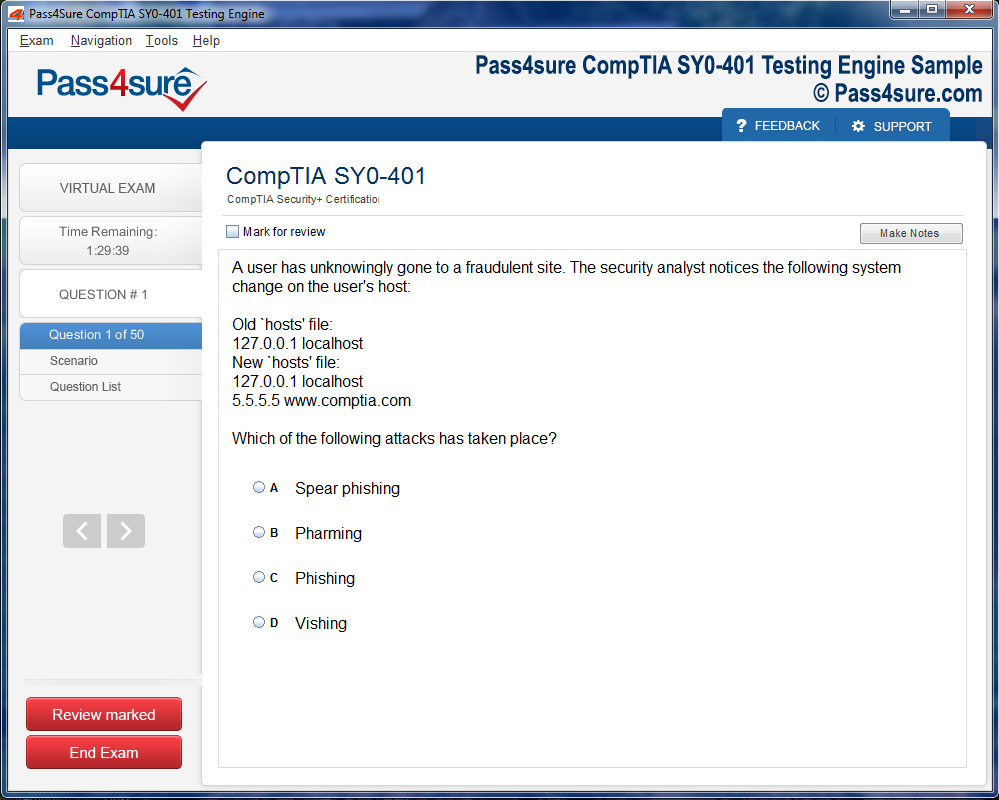
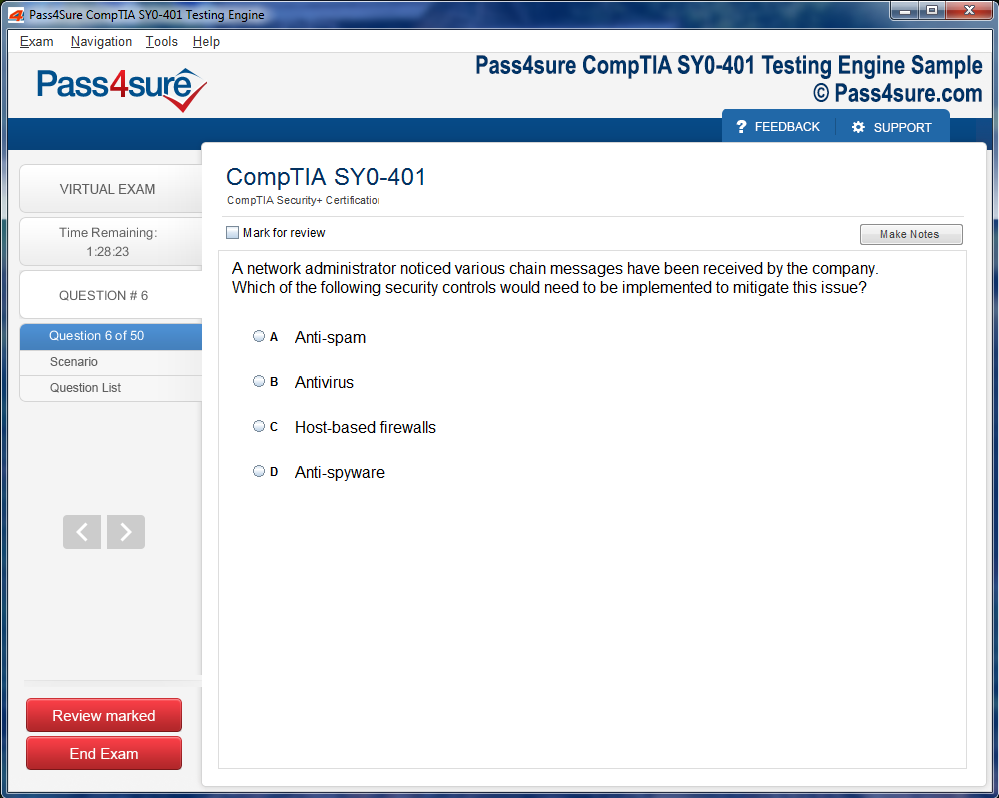
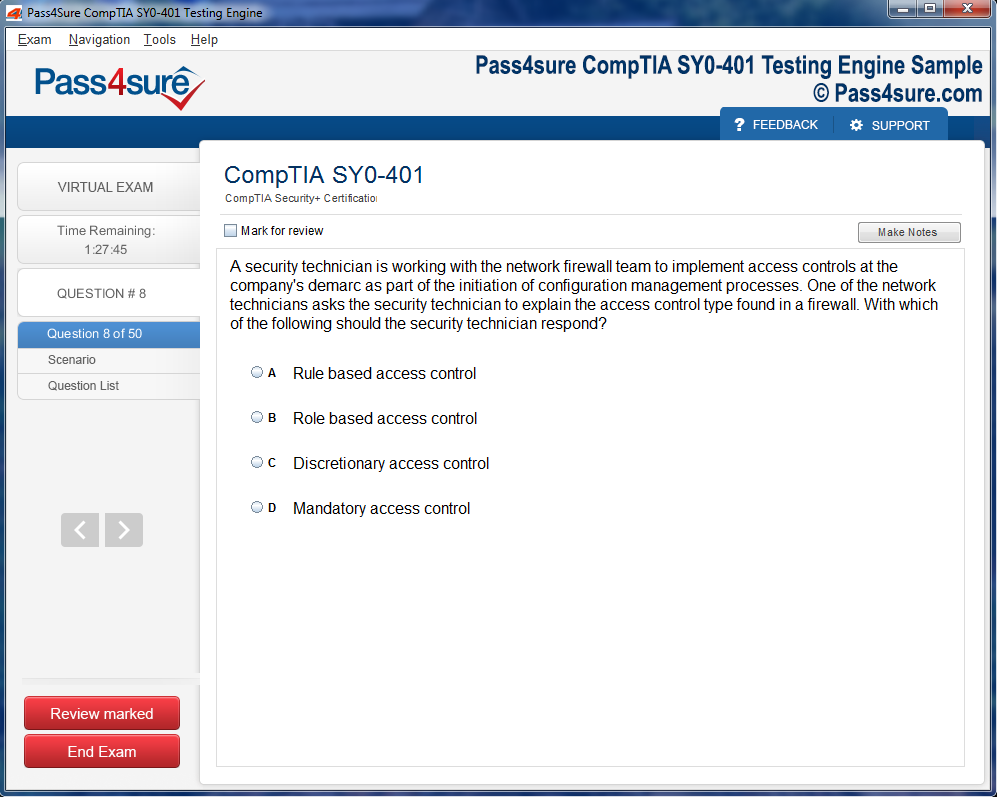
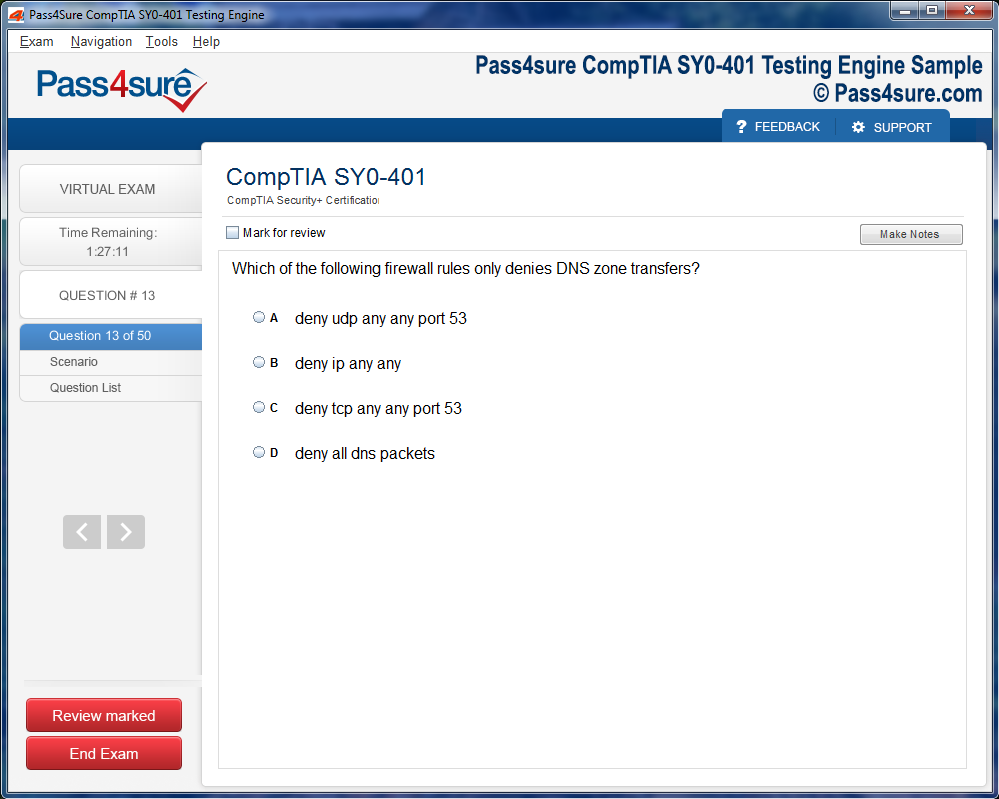
Product Screenshots
Frequently Asked Questions
How does your testing engine works?
Once download and installed on your PC, you can practise test questions, review your questions & answers using two different options 'practice exam' and 'virtual exam'. Virtual Exam - test yourself with exam questions with a time limit, as if you are taking exams in the Prometric or VUE testing centre. Practice exam - review exam questions one by one, see correct answers and explanations.
How can I get the products after purchase?
All products are available for download immediately from your Member's Area. Once you have made the payment, you will be transferred to Member's Area where you can login and download the products you have purchased to your computer.
How long can I use my product? Will it be valid forever?
Pass4sure products have a validity of 90 days from the date of purchase. This means that any updates to the products, including but not limited to new questions, or updates and changes by our editing team, will be automatically downloaded on to computer to make sure that you get latest exam prep materials during those 90 days.
Can I renew my product if when it's expired?
Yes, when the 90 days of your product validity are over, you have the option of renewing your expired products with a 30% discount. This can be done in your Member's Area.
Please note that you will not be able to use the product after it has expired if you don't renew it.
How often are the questions updated?
We always try to provide the latest pool of questions, Updates in the questions depend on the changes in actual pool of questions by different vendors. As soon as we know about the change in the exam question pool we try our best to update the products as fast as possible.
How many computers I can download Pass4sure software on?
You can download the Pass4sure products on the maximum number of 2 (two) computers or devices. If you need to use the software on more than two machines, you can purchase this option separately. Please email sales@pass4sure.com if you need to use more than 5 (five) computers.
What are the system requirements?
Minimum System Requirements:
- Windows XP or newer operating system
- Java Version 8 or newer
- 1+ GHz processor
- 1 GB Ram
- 50 MB available hard disk typically (products may vary)
What operating systems are supported by your Testing Engine software?
Our testing engine is supported by Windows. Andriod and IOS software is currently under development.
Master ITIL 4 BRM with Expert Tips and Strategies
In the labyrinthine realm of IT governance, Business Relationship Management, or BRM, emerges as a linchpin for organizational resonance. ITIL 4 frames BRM not merely as a functional designation but as an orchestration of strategic synergy, harmonizing the pulse of IT operations with the cadence of business aspirations. It is the fulcrum upon which value creation pivots, ensuring that technological endeavors are not isolated constructs but catalysts of tangible business outcomes.
The role of BRM is imbued with anticipatory intelligence, enabling professionals to navigate the flux of evolving business exigencies. It necessitates an intricate comprehension of organizational topography, where each IT service, procedure, or innovation is meticulously aligned with the overarching business strategy. A proficient BRM becomes the conduit through which strategic imperatives traverse the chasm between IT teams and corporate stakeholders.
Core Purpose of Business Relationship Management
At its nucleus, BRM thrives on symbiotic understanding and proactive engagement. Unlike reactive operational functions, BRM encompasses a strategic prescience, discerning latent business requirements and extrapolating future demands. It identifies ineffable gaps in service delivery, uncovers obscured requirements, and transmutes esoteric IT capabilities into lucid, business-centric benefits.
Equally imperative is the cultivation of enduring dialogue. Trust, transparency, and calibrated expectation management form the scaffolding of sustainable collaboration. Through this relational scaffolding, BRM ensures that organizational priorities are intelligibly reflected in service design, execution, and evaluation, producing measurable outcomes that resonate across hierarchical echelons.
Key Responsibilities of a BRM
The tapestry of BRM responsibilities in ITIL 4 is multidimensional, encompassing a spectrum of strategic, analytical, and relational undertakings.
Stakeholder Engagement entails continuous immersion in business unit dynamics, deciphering strategic imperatives, and elucidating challenges that demand IT intervention.
Demand Shaping leverages collaborative insight to influence service requirements, ensuring alignment with organizational stratagems while optimizing resource allocation.
Value Management foregrounds the quantifiable impact of IT services, maximizing cost-effectiveness and instituting a paradigm of perpetual enhancement.
Conflict Resolution mediates interdepartmental dissonance, cultivating consensus and fortifying organizational cohesion.
Performance Analysis deploys metrics and feedback mechanisms to critically evaluate service efficacy, illuminating avenues for refinement and innovation.
Principles Guiding BRM in ITIL 4
ITIL 4 encapsulates BRM within a holistic service management ethos. The underpinning principles orient practitioners toward sustainable value creation and relational fidelity.
Co-Creation of Value mandates a collaborative delineation of success metrics, ensuring that IT initiatives substantively bolster business objectives.
Outcome-Centricity privileges measurable benefits over mere operational outputs, accentuating tangible contributions to organizational progress.
Continual Improvement enshrines iterative enhancement, fostering adaptive strategies responsive to stakeholder feedback and empirical performance data.
Holistic Thinking posits the organization as an interdependent system, recognizing the interplay between IT interventions, cultural nuances, and strategic trajectories.
The Value Proposition of BRM
Organizations frequently encounter misalignment between IT capabilities and business exigencies, engendering resource inefficiencies, unmet objectives, and stakeholder dissatisfaction. BRM addresses these systemic fissures, offering a scaffolded methodology for translating business aspirations into actionable IT imperatives.
The value proposition crystallizes through multiple vectors: heightened interdepartmental communication, amplified comprehension of strategic priorities, data-driven decision-making, reinforced stakeholder trust, and the harmonization of IT initiatives with organizational vision.
Competencies Required for Effective BRM
Proficiency in BRM demands an eclectic amalgam of analytical acuity, business perspicacity, and relational dexterity.
Strategic Insight encompasses the capacity to synthesize corporate strategy into operational IT initiatives.
Emotional Intelligence underpins relationship management, facilitating empathy, patience, and adept navigation of complex social matrices.
Analytical Skills empower interpretation of metrics, reports, and data, translating them into actionable intelligence.
Communication Skills enable the demystification of intricate IT paradigms for non-technical stakeholders, ensuring clarity and engagement.
Negotiation and Influence are pivotal in aligning expectations, mediating discord, and securing collaborative consensus.
Embarking on the BRM Journey
Aspiring BRMs commence their odyssey with a granular understanding of organizational culture, goals, and IT topography. Mapping stakeholders, internalizing ITIL 4 frameworks, and defining performance indicators are foundational. Cultivating robust communication channels, engendering trust, and adopting adaptive strategies further consolidate the BRM function.
The journey is iterative, demanding sustained reflection, feedback assimilation, and agile recalibration of approaches. Through such deliberate praxis, BRMs transcend operational liaison roles, evolving into architects of strategic IT-business alignment.
The Quintessence of Communication in Business Relationship Management
In the labyrinthine corridors of modern enterprise, communication is the sinew that binds disparate functions into a coherent whole. Within the realm of Business Relationship Management, it transcends mere information transmission; it metamorphoses into an art of persuasion, alignment, and interpretive acumen. Masterful BRMs employ a lexicon suffused with clarity and contextual resonance, navigating through technical obfuscation and managerial parlance with equanimity.
One facet of communication is the transmutation of intricate, technical schemata into intelligible narratives that resonate with decision-makers. This requires not only linguistic dexterity but also cognitive empathy—an ability to apprehend the cognitive frames of diverse stakeholders. Active listening is indispensable here, an exercise in deciphering the unsaid, interpreting tacit cues, and apprehending latent aspirations. By synthesizing these perceptive insights into coherent narratives, BRMs facilitate a symbiotic understanding that fosters trust and aligns organizational trajectories.
Furthermore, consistent messaging is not merely repetition; it is a harmonization of corporate objectives, ensuring that every articulation reinforces strategic imperatives. Storytelling, too, assumes a pivotal role: projects and initiatives become episodic accounts, chronicles of progress, and prophecies of impact. Through these narratives, stakeholders internalize value, contextual relevance, and future potential, transforming abstract services into palpable assets.
Negotiation as a Strategic Instrument
Negotiation within BRM is not a transactional exercise but a delicate orchestration of competing imperatives, divergent priorities, and mutable constraints. Preparation is paramount: the erudite BRM undertakes meticulous reconnaissance, understanding not only explicit positions but underlying motives, interdependencies, and hidden exigencies. This panoramic insight enables crafting proposals that are both persuasive and contextually cogent.
A collaborative posture amplifies effectiveness, emphasizing integrative solutions rather than adversarial win-lose dynamics. Flexibility, in turn, allows adaptive recalibration as the negotiation tableau shifts, accommodating emergent variables without undermining core objectives. Assertiveness provides the equilibrium, enabling confident articulation of IT value propositions while maintaining receptivity to counterpoints.
Influence is inseparable from negotiation. Without formal authority, BRMs rely on relational capital, domain expertise, and reputational gravitas. This influence is exercised with finesse, subtly aligning stakeholder perspectives with organizational imperatives, ensuring both compliance and enthusiasm.
Proactive Stakeholder Engagement
Stakeholder engagement in BRM transcends perfunctory interactions; it is an endeavor in cultivating enduring relational ecosystems. Stakeholder mapping is the preliminary cartography of this landscape, identifying loci of influence, latent advocates, and critical decision nodes. Through this lens, BRMs anticipate expectations and calibrate interventions with precision.
Trust is the cornerstone of engagement. Demonstrating reliability, transparency, and unwavering commitment to shared outcomes engenders confidence, facilitating smoother adoption of initiatives. Consistent interaction, through both formal touchpoints and informal dialogue, ensures that concerns are addressed preemptively, and opportunities for alignment are seized with agility.
Personalization further elevates engagement, transforming generic communication into bespoke exchanges tailored to individual predilections, cognitive styles, and motivational vectors. This granularity fosters a sense of recognition, reinforcing the relational bond and enhancing receptivity to strategic propositions.
Emotional Intelligence as a Strategic Imperative
Emotional intelligence is the lodestar guiding BRMs through intricate interpersonal terrains. Self-awareness enables the regulation of emotive impulses, while empathetic acuity permits nuanced appreciation of stakeholder sentiments. Conflict management, a perennial challenge, is rendered constructive when approached with emotional intelligence, converting potential friction into collaborative problem-solving.
Building rapport is both an art and a science. It requires attunement to subtle social cues, modulation of communicative tenor, and cultivation of relational credibility. Through such dexterity, BRMs evolve beyond functional intermediaries into trusted advisors whose counsel shapes organizational decisions and influences outcomes.
Continuous Skill Cultivation and Adaptability
Expertise in BRM is not static; it demands relentless evolution. Continuous professional development, encompassing advanced workshops, certifications, and experiential learning, ensures that the BRM remains conversant with emergent paradigms. Mentorship from seasoned practitioners provides both scaffolding and reflective insight, accelerating the internalization of tacit knowledge.
Participation in cross-functional projects broadens strategic horizons, exposing BRMs to heterogeneous challenges and diverse operational modalities. Parallelly, vigilance in monitoring technological innovations and industry trends permits anticipatory guidance, positioning IT services as proactive enablers rather than reactive responders.
This commitment to perpetual learning cultivates agility, resilience, and strategic foresight—qualities indispensable for navigating the flux of contemporary organizational ecosystems.
Integrating Communication, Negotiation, and Engagement
The confluence of communication mastery, negotiation acuity, and stakeholder engagement forms the crucible in which expert BRMs are forged. Each skill is synergistic: communication amplifies negotiation effectiveness, negotiation reinforces trust in engagement, and engagement provides fertile ground for narrative influence.
Through deliberate practice and reflective iteration, BRMs evolve into orchestrators of strategic alignment, translating organizational vision into operational reality. They navigate complexity with poise, mediate competing interests with dexterity, and cultivate relational networks that underpin enduring business value.
Navigating Turbulence in Business Relationship Management
Even the most adroit Business Relationship Managers encounter vicissitudes that test their acumen. The interplay between mutable business priorities, emergent technologies, and organizational inertia can precipitate friction. Mastery of these perturbations is crucial to safeguarding long-term symbiosis between IT and business realms.
Artful Conflict Resolution
Disputes between business units and IT functions are inexorable. Exceptional BRMs employ prescient strategies to preempt and reconcile discord:
Identify Latent Causality: Instead of addressing superficial manifestations, delve into the substratum of disagreements to uncover systemic discrepancies.
Facilitate Equitable Dialogue: Employ mediation frameworks that ensure all stakeholders perceive their perspectives as acknowledged and validated.
Orchestrate Synergistic Compromises: Craft resolutions that harmonize operational imperatives with technological feasibility, avoiding zero-sum outcomes.
Codify Consensus: Document deliberations meticulously to forestall ambiguity and foster enduring clarity.
Proactive conflict navigation fortifies trust, reinforces alignment, and catalyzes collaborative synergy across organizational silos.
Preemptive Risk Stewardship
BRMs function as sentinels, anticipating threats that may compromise initiatives or erode relational capital:
Service Continuity Hazards: Vigilantly monitor for interruptions and devise redundancy protocols to preserve operational cadence.
Stakeholder Disaffection: Identify potential disengagement early, addressing concerns to mitigate attrition or apathy.
Strategic Misalignment: Evaluate investments against business trajectories, discerning latent misalignments before they crystallize into operational or reputational loss.
Credibility Safeguarding: Uphold trust by ensuring commitments remain feasible, measurable, and transparent.
Through rigorous risk audits and preemptive countermeasures, BRMs preserve both relational integrity and strategic objectives.
Catalyzing Change with Precision
The flux of technology and business mandates continual adaptation. BRMs shepherd transitions with meticulous attention to communication, alignment, and iterative learning:
Stakeholder Orientation: Communicate rationale, advantages, and repercussions of change in a lucid, anticipatory manner.
Strategic Harmonization: Align modifications with overarching business imperatives, ensuring resources and capabilities are judiciously deployed.
Impact Surveillance: Monitor adoption metrics, performance indices, and stakeholder sentiment to quantify efficacy.
Adaptive Iteration: Refine implementation approaches in real time, informed by feedback loops and empirical outcomes.
In orchestrating change, BRMs serve as navigational beacons, translating strategic imperatives into actionable, comprehensible, and value-generating initiatives.
Emotional Equanimity Amidst Complexity
The crucible of BRM necessitates a reservoir of resilience:
Sustain Composure: Maintain poise amidst conflicting demands and high-pressure environments.
Cultivate Patience: Navigate protracted negotiations with measured deliberation, recognizing that resolution often accrues gradually.
Leverage Emotional Acumen: Interpret nuanced interpersonal dynamics to defuse tension and facilitate mutual understanding.
Iterative Learning: Treat setbacks as pedagogical opportunities, integrating insights into future interactions and strategic deliberations.
BRMs endowed with emotional equanimity are perceived as sagacious advisors, capable of steering organizations through turbulence while preserving trust and credibility.
Strategic Synchronization of IT and Business Ecosystems
Beyond mitigation and mediation, BRMs engineer alignment between technological capabilities and business exigencies:
Operational Symbiosis: Ensure IT deliverables correspond to business cycles, optimizing responsiveness and relevance.
Innovation Facilitation: Identify avenues where emerging technologies can catalyze competitive advantage or process efficiency.
Cross-Functional Resonance: Promote dialogic exchange between disparate teams, nurturing a shared lexicon and collective strategic vision.
Value Realization: Quantify benefits in tangible and perceptible metrics, translating abstract capabilities into concrete business outcomes.
Through deliberate orchestration, BRMs transform latent potential into realized enterprise value, fostering cohesion and forward momentum.
Navigating Ambiguity with Analytical Foresight
The inherent uncertainty of dynamic enterprises demands anticipatory cognition and analytical dexterity:
Scenario Modeling: Construct hypothetical trajectories to preempt potential operational bottlenecks or stakeholder friction.
Decision Architecture: Employ structured frameworks to evaluate alternatives, balancing probabilistic risk with strategic intent.
Continuous Calibration: Adjust forecasts and interventions based on emergent data, cultivating agility and responsiveness.
By synthesizing analytical foresight with relational intelligence, BRMs convert ambiguity into a strategic lever rather than an impediment.
Reinforcing Collaborative Networks
Relationships constitute the sinews of organizational resilience. BRMs cultivate expansive, high-fidelity networks:
Reciprocal Trust: Engage stakeholders in a manner that emphasizes reliability, transparency, and mutual benefit.
Influence Without Authority: Navigate hierarchical and functional complexities through persuasion, evidence, and empathetic engagement.
Knowledge Brokerage: Facilitate the exchange of insights, ensuring that best practices and experiential learning permeate organizational strata.
Sustained relational investments amplify cooperation, expedite problem-solving, and enhance organizational agility.
Real-World Applications of BRM in Complex Enterprises
Business Relationship Management (BRM) transcends theoretical frameworks when deployed in multifaceted organizational structures. Its pragmatic significance emerges most vividly within sprawling enterprises, where interdepartmental coordination and strategic alignment are paramount. In these ecosystems, BRMs navigate labyrinthine hierarchies, harmonizing disparate business units through meticulous stakeholder orchestration and metric-driven oversight.
One multinational conglomerate exemplifies this orchestration. By instituting a centralized BRM apparatus to supervise IT initiatives across global divisions, the organization instituted uniform stakeholder engagement paradigms and standardized reporting schemas. The resultant operational synergy curtailed project latency by nearly a quarter, while concurrently amplifying end-user satisfaction indices. This paradigm demonstrates the efficacy of systematic frameworks in cultivating scalable alignment, revealing how structured BRM practices can transform complexity into coherence.
BRM in Agile and Iterative Frameworks
Agile methodologies have ushered a renaissance in organizational adaptability, demanding a recalibration of BRM functions. Within iterative environments, BRMs act as linchpins, bridging tactical execution with strategic intent. Their presence within agile squads ensures that each sprint embodies a precise reflection of business exigencies, optimizing both resource deployment and outcome relevance.
A pioneering software development enterprise integrated BRMs into its agile squads to function as the auditory conduit for business imperatives. During sprint planning and backlog refinement, BRMs meticulously translated stakeholder desiderata into actionable tasks, thereby ensuring that delivered features encapsulated maximum organizational value. This case exemplifies how agile-aligned BRMs facilitate nimble recalibration, continuous feedback loops, and collaborative co-creation of measurable business outcomes.
Catalyzing Innovation Through BRM
BRM’s strategic influence extends beyond operational alignment into the realm of innovation. By leveraging intimate stakeholder insights, BRMs identify latent opportunities, transforming abstract needs into concrete technological initiatives. This translational capacity elevates BRMs from administrative intermediaries to strategic architects of change.
For instance, a leading healthcare institution deployed BRMs to aggregate and interpret multifarious stakeholder perspectives in anticipation of digital transformation initiatives. These insights were instrumental in architecting telemedicine infrastructures that not only expanded accessibility but also enhanced patient outcomes. By serving as conduits between conceptual aspiration and actionable execution, BRMs convert strategic insights into tangible innovations, demonstrating their indispensability in shaping forward-looking enterprise trajectories.
Quantifying BRM Effectiveness
Measurable impact remains the touchstone of BRM legitimacy. Objective metrics substantiate the strategic contributions of BRMs, rendering their value incontrovertible. Across industries, salient indicators of BRM efficacy include elevated stakeholder satisfaction indices, truncated project delivery cycles, augmented adoption rates of enterprise IT services, and demonstrable business outcomes such as cost reductions or revenue accretions.
In practice, these metrics offer multidimensional validation. Stakeholder contentment reflects relational health, expedited project timelines signify operational efficiency, and service adoption illustrates the resonance of IT offerings. Collectively, these data points furnish a robust evidence base, illustrating that BRM is not an ancillary function but a pivotal determinant of enterprise performance.
Lessons from Applied BRM Practice
Experiential insights illuminate guiding principles for effective BRM execution. Foremost among these is the primacy of trust; durable influence is predicated upon authentic relational foundations. Equally crucial is comprehensive business acumen—BRMs who deeply understand organizational priorities wield the clarity necessary to navigate ambiguity. Clear and consistent communication precludes misalignment, while judicious use of metrics ensures that value is demonstrated, not merely asserted. Finally, adaptability is non-negotiable; the fluidity of contemporary IT and business landscapes necessitates perpetual recalibration.
These principles collectively underpin the praxis of BRM, transforming it from a procedural function into a strategic lever capable of orchestrating enterprise-wide synergy. Professionals who internalize these lessons cultivate the acumen to preemptively address challenges, harmonize competing interests, and deliver sustained organizational value.
Transforming Enterprises Through Strategic BRM
The true potency of BRM manifests when applied with foresight and strategic dexterity. Beyond mere service facilitation, BRMs sculpt the architecture of enterprise collaboration, anticipate emergent needs, and convert operational data into actionable insights. By anchoring IT initiatives to business imperatives, BRMs enable organizations to traverse the delicate equilibrium between efficiency and innovation, ensuring that every technological investment resonates with tangible organizational advantage.
In modern enterprises, this paradigm transcends conventional notions of project management. BRMs evolve into strategic partners, not merely coordinators, capable of translating abstract corporate visions into operationally executable frameworks. Their influence permeates organizational strata, fostering cultures of co-creation, foresight, and adaptive resilience. These practitioners do not simply manage relationships; they architect symbiosis between technology and business strategy, securing enduring enterprise agility and value.
Leveraging Metrics for Strategic Insight
In the contemporary landscape of business-IT convergence, metrics are not merely statistical artifacts; they are the lodestars guiding astute BRMs through the labyrinth of operational complexity. Advanced metrics transcend rudimentary performance indicators to become instruments of strategic revelation, illuminating areas where IT interventions catalyze measurable business augmentation.
Value realization metrics extend beyond perfunctory outputs and penetrate the substratum of enterprise efficacy. Instead of merely quantifying activity, these metrics appraise the corollaries of IT initiatives—cost amelioration, productivity accretion, revenue amplification, and the intangible accrual of organizational resilience. By correlating these metrics with overarching corporate stratagems, BRMs metamorphose from operational intermediaries into fulcrums of strategic insight.
Stakeholder experience metrics elucidate the sentiment tapestry woven across business constituencies. Measuring engagement, satisfaction oscillations, and perceptual dynamics provides nuanced intelligence regarding the relational health between IT and enterprise units. Such insights enable proactive amelioration of frictions before they metastasize into operational bottlenecks.
Service utilization metrics offer a lens into behavioral patterns, adoption trajectories, and functional relevance of IT deliverables. By scrutinizing utilization cadence and alignment with enterprise objectives, BRMs uncover latent opportunities for process optimization or service augmentation. These metrics, when triangulated with qualitative feedback, provide a panoramic view of IT efficacy.
Innovation metrics transcend the descriptive, venturing into evaluative terrain where IT’s capacity to engender novel capabilities or confer competitive differentiation is appraised. These measures quantify how technology initiatives cultivate organizational agility, invigorate product portfolios, or underpin market leadership.
Through meticulous calibration of metrics to enterprise strategy, BRMs demonstrate irrefutable relevance, positioning themselves as architects of both operational and strategic value.
Advanced Reporting Techniques
Reporting in advanced BRM practice is a narrative craft, transforming raw data into compelling stories that galvanize decision-making. Whereas conventional reporting relays static figures, sophisticated BRMs curate dynamic narratives that juxtapose performance trends with actionable insights, fostering informed leadership.
Executive-friendly dashboards distill intricate datasets into lucid visualizations, encapsulating value delivered, risk mitigated, and opportunities identified. Through judicious design, dashboards facilitate instantaneous comprehension while preserving the analytical depth necessary for strategic deliberation.
Trend analysis reports excavate longitudinal patterns, revealing performance inflection points, emergent demand vectors, and latent inefficiencies. By detecting cyclical or anomalous trajectories, BRMs equip leadership with anticipatory intelligence, enabling preemptive interventions that forestall operational disruption.
Predictive insights harness historical data through sophisticated inferential techniques, forecasting future service demands or potential operational contingencies. Such foresight empowers enterprises to allocate resources judiciously, synchronize IT initiatives with business imperatives, and navigate uncertainty with confidence.
Action-oriented reports transcend passive documentation. By embedding recommendations alongside analytical revelations, these reports operationalize insight into decision-making. BRMs thus shift from passive chroniclers to proactive orchestrators of organizational advancement.
Continual Improvement in BRM
The doctrine of continual improvement is axiomatic in ITIL and forms the sine qua non of advanced BRM proficiency. In a milieu where business exigencies evolve at an accelerated cadence, BRMs must cultivate mechanisms that perpetually refine service quality, stakeholder engagement, and strategic alignment.
Conducting regular reviews constitutes the empirical backbone of improvement. Systematic assessment of service efficacy, stakeholder sentiment, and alignment with enterprise objectives illuminates both strengths and latent deficiencies. These reviews provide a diagnostic foundation for targeted enhancements.
Identifying improvement opportunities requires a synthesis of quantitative metrics and qualitative feedback. BRMs must discern inefficiencies, procedural lacunae, and relational fissures, converting observation into actionable insight. Such discernment ensures that IT investments resonate with organizational priorities.
Facilitating collaborative workshops embodies the ethos of co-creation. By convening cross-functional stakeholders and IT teams, BRMs engender a dialogic space where shared understanding precipitates innovative solutions. These workshops reinforce relational capital and foster collective accountability for outcomes.
Implementing iterative enhancements embodies the principle of marginal gains, wherein incremental refinements accrue into substantial performance elevation. By continuously fine-tuning processes, communication paradigms, and service frameworks, BRMs ensure organizational adaptability and sustained value realization.
Advanced Communication and Influence
Advanced BRM practitioners transcend operational management, assuming the mantle of strategic counselors. Communication at this echelon is an artful blend of persuasion, evidence-based advocacy, and relational finesse.
Presenting complex insights persuasively demands rhetorical dexterity, narrative coherence, and precise framing. BRMs must translate intricate data analyses into actionable guidance comprehensible to executive audiences, facilitating informed decision-making.
Influencing enterprise choices necessitates not only data substantiation but also empathetic understanding of stakeholder priorities. BRMs must align recommendations with organizational objectives, crafting propositions that resonate with both strategic vision and operational exigencies.
Advocating for judicious investment in IT initiatives requires articulating long-term value propositions. Beyond immediate operational benefits, BRMs elucidate how technology underpins innovation, scalability, and market differentiation, reinforcing IT’s role as a strategic enabler.
Balancing tactical immediacy with strategic foresight underscores the dual responsibility of advanced BRMs. By addressing current challenges while anticipating future needs, BRMs cement their status as indispensable navigators of enterprise transformation.
Navigating Stakeholder Psyche
Business Relationship Management transcends transactional interactions; it is fundamentally an exploration of the stakeholder psyche. Understanding the cognitive and emotional drivers of business units enables a BRM to anticipate needs before they manifest explicitly. Stakeholders operate under a complex amalgamation of pressures, priorities, and latent aspirations. The perspicacious BRM deciphers these signals, transforming opaque expectations into actionable IT directives.
This requires acute observational acuity and nuanced communication strategies. Regular dialogues must incorporate both explicit goals and subliminal organizational currents. By identifying aspirational motivators, a BRM can construct value propositions that resonate profoundly, ensuring that IT services are not merely functional but perceptibly strategic.
Orchestrating Strategic Alignment
Strategic alignment is the sine qua non of BRM. It necessitates meticulous calibration between IT capabilities and business trajectories, ensuring that every technological initiative is undergirded by clear strategic rationale. Misalignment breeds inefficiency, duplication, and missed opportunities, eroding stakeholder confidence.
A proficient BRM operationalizes alignment through continual engagement, scenario planning, and iterative evaluation. This involves mapping IT services against business priorities, assessing impact vectors, and dynamically adjusting initiatives in response to shifting market landscapes. Alignment is less about rigid conformance and more about adaptive synchrony, where IT functions flexibly mirror strategic imperatives.
Demand Shaping as a Strategic Lever
Demand Shaping is one of the most potent tools in the BRM repertoire. It is the art of influencing, modulating, and prioritizing IT service requests to optimize organizational capacity and strategic coherence. Rather than passively responding to demand, BRMs proactively sculpt it, advocating for initiatives that deliver maximal value while deferring or recalibrating less critical efforts.
Effective demand shaping requires persuasive influence, empirical evidence, and a deep understanding of organizational priorities. It transforms IT from a reactive service provider into a proactive architect of business capability, ensuring that finite resources are expended on initiatives that produce strategic dividends.
Value Realization and Optimization
The essence of BRM is value realization. IT services are conduits of business value only when they tangibly enhance efficiency, competitiveness, or innovation. Measuring value extends beyond simple output metrics to encompass holistic impact, including operational agility, customer satisfaction, and strategic enablement.
A BRM employs sophisticated performance analytics to quantify these dimensions. Key Performance Indicators (KPIs) must capture both immediate outcomes and longitudinal benefits. By triangulating qualitative feedback, financial metrics, and operational data, BRMs construct a multidimensional value narrative, demonstrating the strategic significance of IT investments.
Navigating Organizational Complexity
Organizations are intricate ecosystems of interdependent processes, hierarchies, and cultures. BRMs operate within this complexity, mediating between competing priorities, diverse stakeholders, and variable resource constraints. The ability to navigate such complexity is a hallmark of effective BRM.
This involves cultivating organizational intuition, recognizing systemic interdependencies, and anticipating the ripple effects of IT interventions. Complexity navigation also requires conflict mediation skills, enabling BRMs to reconcile divergent objectives without diluting strategic intent. By mastering organizational intricacies, BRMs transform potential friction points into collaborative synergies.
Proactive Communication Strategies
Communication in BRM transcends mere information exchange. It is a deliberate orchestration of narrative, timing, and empathy. A BRM must distill technical jargon into compelling, actionable insights for business stakeholders while simultaneously articulating strategic priorities to IT teams.
Proactive communication entails anticipating stakeholder queries, addressing latent concerns, and framing information in a manner that underscores relevance and urgency. Visual storytelling, executive briefings, and tailored reports become essential instruments, enhancing comprehension, engagement, and trust.
Analytical Acumen for Strategic Decision-Making
BRMs operate at the nexus of data, intuition, and strategy. Analytical acumen enables the translation of raw metrics into strategic insights, revealing opportunities, inefficiencies, and emergent risks.
This requires proficiency in quantitative analysis, trend extrapolation, and scenario modeling. By synthesizing diverse data streams—ranging from service performance metrics to market intelligence—a BRM can inform decision-making with precision and foresight. Analytical rigor enhances credibility, ensuring that recommendations are anchored in empirical evidence rather than conjecture.
Building a Culture of Collaboration
A central tenet of BRM is fostering a culture of collaboration. Organizational silos impede innovation, reduce agility, and diminish service value. BRMs champion cross-functional collaboration, facilitating knowledge sharing, joint problem-solving, and co-creation of value.
Collaboration extends beyond formal structures, encompassing informal networks and ad-hoc alliances. By nurturing trust, respect, and mutual accountability, BRMs cultivate an environment where IT and business functions coalesce around shared objectives. Collaborative culture transforms transactional relationships into strategic partnerships.
Continuous Improvement and Iterative Refinement
ITIL 4 positions continual improvement as a foundational ethos of BRM. Iterative refinement is not confined to processes or services; it encompasses relationships, communication strategies, and engagement methodologies.
A BRM embeds feedback loops, leveraging stakeholder input, performance metrics, and lessons learned to enhance service relevance and relational efficacy. Iterative improvement also involves experimentation, piloting innovative approaches, and recalibrating strategies in real time. This dynamic adaptation ensures that BRM remains responsive, relevant, and value-centric.
Conflict Resolution and Negotiation
In complex organizational ecosystems, friction is inevitable. BRMs serve as mediators, employing negotiation and conflict resolution techniques to maintain strategic alignment. The objective is not merely compromise but the synthesis of solutions that optimize outcomes for all parties.
Conflict resolution involves empathetic listening, impartial evaluation, and creative problem-solving. By reframing disagreements as opportunities for alignment, BRMs convert potential disruption into value-enhancing collaboration. Negotiation skills are crucial, enabling the BRM to balance competing interests while safeguarding organizational priorities.
Technology as an Enabler, Not a Driver
A subtle but critical principle of BRM is viewing technology as an enabler rather than a driver. While IT capabilities are powerful, their true worth is realized only when they are aligned with strategic objectives and business realities.
BRMs must resist the allure of technological fascination, focusing instead on pragmatic deployment that maximizes business impact. This perspective requires discernment, foresight, and the ability to articulate the business rationale for technology investments in clear, compelling terms.
Measuring Success in BRM
Success in BRM is multidimensional and nuanced. It is assessed not merely by service delivery but by the depth of strategic alignment, stakeholder satisfaction, and demonstrable value creation.
Metrics include the timeliness and relevance of IT initiatives, the effectiveness of stakeholder engagement, the measurable outcomes of services, and the degree of trust cultivated across organizational boundaries. A sophisticated BRM constructs success dashboards that capture both quantitative and qualitative dimensions, ensuring that the value of the function is palpable and sustainable.
Developing BRM Competency Frameworks
To institutionalize BRM, organizations often construct competency frameworks encompassing strategic, relational, and analytical dimensions. These frameworks guide recruitment, professional development, and performance evaluation, ensuring that BRM capabilities are systematically nurtured.
Competencies span strategic insight, emotional intelligence, analytical proficiency, communication mastery, negotiation acumen, and adaptability. Embedding these in organizational structures cultivates a cadre of BRMs capable of delivering sustained, high-impact value.
BRM in Financial Institutions
Financial institutions operate within highly regulated environments where precision, compliance, and stakeholder trust are paramount. Here, BRMs perform a delicate balancing act, aligning IT capabilities with intricate business strategies while ensuring risk mitigation and regulatory adherence. Their role extends beyond facilitation; they are strategic sentinels who anticipate market shifts, technological disruptions, and evolving client expectations.
One investment bank exemplified this by embedding BRMs across its trading, compliance, and risk management units. By orchestrating cross-functional dialogues and standardizing requirements elicitation processes, BRMs ensured that digital solutions aligned with both operational exigencies and regulatory constraints. Project delivery timeframes contracted by 20%, and compliance-related incidents decreased, underscoring the BRMs’ capacity to harmonize operational agility with stringent oversight. This illustrates that in high-stakes sectors, BRM is not merely supportive but strategically integrative.
BRM in Healthcare Transformation
The healthcare sector presents a labyrinth of stakeholders, including providers, insurers, regulators, and patients, each with divergent needs and priorities. BRMs act as translators of these complex demands into actionable IT and operational strategies. Their capacity to synthesize insights across heterogeneous stakeholders catalyzes innovations that enhance patient outcomes while optimizing resource utilization.
A prominent hospital network leveraged BRMs to spearhead its electronic health record (EHR) modernization. BRMs conducted in-depth stakeholder interviews, mapped workflows, and identified redundancies that impeded efficiency. By translating these findings into technical requirements, the IT team deployed an EHR system that reduced administrative burdens by 30% and enhanced clinical decision-making. The initiative demonstrates that BRMs function as pivotal conduits for translating stakeholder knowledge into technological enablement, ultimately fostering systemic transformation.
BRM in Retail and Consumer Experiences
In consumer-facing industries, BRMs are instrumental in bridging the gap between evolving customer expectations and technological capabilities. Retail enterprises increasingly rely on BRMs to decipher consumer insights, streamline omnichannel experiences, and optimize digital investments.
A global retail chain integrated BRMs into its e-commerce and supply chain divisions. BRMs analyzed purchase behavior data, coordinated with marketing strategists, and aligned IT deliverables with seasonal campaigns. The resulting initiatives—ranging from predictive inventory systems to personalized recommendation engines—elevated conversion rates and reduced stockouts. This scenario underscores how BRMs act as architects of consumer-centric innovation, ensuring that business-IT alignment directly enhances customer experiences.
BRM in Manufacturing and Industrial IoT
Industrial sectors, particularly manufacturing, face the dual imperatives of operational efficiency and technological modernization. BRMs play a pivotal role in orchestrating the adoption of Industrial Internet of Things (IIoT) solutions, predictive maintenance frameworks, and smart factory initiatives.
A multinational manufacturing firm deployed BRMs to oversee IIoT integration across assembly lines. BRMs facilitated collaboration between plant managers, IT engineers, and supply chain strategists, translating operational bottlenecks into technological interventions. Predictive analytics sensors reduced unplanned downtime by 18%, while workflow digitization optimized throughput. This illustrates that BRMs do not merely connect business and IT; they operationalize strategic foresight into tangible performance enhancements.
BRM in Government and Public Sector
Governmental agencies face unique challenges, including political oversight, budget constraints, and complex stakeholder matrices. BRMs in the public sector must navigate these dynamics while ensuring that IT initiatives deliver societal value efficiently.
A national transportation agency employed BRMs to manage the rollout of a digital traffic management system. BRMs coordinated between city planners, IT vendors, and policy makers to ensure compliance with regulations while optimizing commuter outcomes. The implementation reduced congestion, improved emergency response times, and provided real-time analytics for decision-making. This case illustrates that BRMs are critical for orchestrating large-scale, multi-stakeholder initiatives where societal impact is paramount.
BRM in Digital Marketing and Analytics
In data-intensive domains like digital marketing, BRMs translate analytical insights into actionable business strategies. They bridge the gap between marketing technologists and business leaders, ensuring that data-driven initiatives drive measurable ROI.
An international marketing firm integrated BRMs into its analytics teams. By interpreting marketing campaign metrics, customer segmentation data, and AI-driven predictive insights, BRMs ensured campaigns were aligned with business objectives. The result was a 22% improvement in campaign conversion rates and enhanced cross-channel integration. This scenario underscores the role of BRMs as translators, transforming complex data into business-impacting insights.
Driving Strategic Alignment Through BRM
Strategic alignment remains the cornerstone of effective BRM. Without a clear line of sight between business imperatives and technological execution, enterprises risk resource misallocation and suboptimal outcomes. BRMs act as custodians of alignment, continuously auditing initiatives against strategic objectives and recalibrating as priorities shift.
A telecommunications company deployed BRMs to oversee its 5G rollout strategy. BRMs mapped network deployment schedules, stakeholder expectations, and customer service metrics to ensure each project delivered maximal strategic value. This proactive alignment reduced redundant expenditures, minimized stakeholder friction, and accelerated time-to-market. The example highlights the value of BRMs as dynamic alignment agents, ensuring enterprise initiatives are perpetually tethered to overarching strategic imperatives.
BRM in Cloud and Emerging Technologies
As enterprises migrate toward cloud infrastructures and embrace emerging technologies, BRMs assume critical roles in guiding adoption strategies, managing change, and maximizing ROI. They synthesize technical feasibility with business priorities to ensure investments yield measurable outcomes.
A global logistics company utilized BRMs to guide cloud migration for its supply chain management system. BRMs coordinated between IT architects, logistics planners, and operational teams, ensuring minimal disruption while optimizing cost efficiencies. The migration resulted in a 15% reduction in operational overhead and enhanced real-time visibility across the supply chain. This demonstrates that BRMs serve as navigators through technological evolution, ensuring enterprise adoption strategies are both pragmatic and strategically sound.
Cultural Transformation and BRM
Beyond technology and processes, BRMs influence organizational culture. By fostering collaboration, trust, and transparency between business and IT, they cultivate environments conducive to innovation and adaptive learning. Cultural transformation is particularly salient in enterprises transitioning from legacy hierarchies to agile, cross-functional ecosystems.
For example, a multinational consumer electronics firm leveraged BRMs to shift departmental mindsets toward co-creation and shared accountability. BRMs facilitated workshops, stakeholder roundtables, and cross-functional forums, resulting in a culture of proactive engagement and collaborative problem-solving. This illustrates that BRMs do not merely enable projects—they shape the organizational ethos, embedding relational intelligence into the enterprise fabric.
Metrics and Analytics for BRM Optimization
Data-driven evaluation amplifies BRM effectiveness. Metrics provide empirical evidence of alignment, performance, and value delivery. Commonly employed measures include stakeholder satisfaction indices, project delivery variance, adoption rates of digital solutions, and return-on-investment calculations. Advanced BRMs also leverage predictive analytics to anticipate stakeholder needs, optimize resource allocation, and preempt operational bottlenecks.
A technology services firm implemented a comprehensive BRM analytics dashboard that aggregated stakeholder feedback, project KPIs, and operational data. Insights from this dashboard informed proactive engagement strategies, prioritized initiatives, and enhanced executive reporting. The firm experienced a notable uptick in both project success rates and stakeholder satisfaction, demonstrating how analytic rigor transforms BRM from a relational discipline into a quantitatively validated strategic function.
Strategic Alignment through Metrics Synthesis
The quintessential BRM endeavor is harmonizing IT outputs with corporate imperatives. Advanced metrics synthesis is the fulcrum of this alignment, enabling BRMs to weave disparate data streams into coherent strategic intelligence. By integrating value realization, service utilization, stakeholder experience, and innovation metrics, BRMs cultivate a multidimensional perspective on organizational efficacy.
This synthesis allows for identification of latent synergies between IT initiatives and business objectives. For instance, a surge in service adoption might coincide with a subtle uptick in stakeholder satisfaction, signaling that a previously overlooked functionality delivers disproportionate value. Recognizing such correlations transforms metrics from mere indicators into instruments of strategic foresight.
Moreover, advanced synthesis entails contextual interpretation. Metrics cannot be evaluated in isolation; they acquire meaning only when juxtaposed against industry benchmarks, historical trends, and organizational trajectory. Through this lens, BRMs convert quantitative measures into qualitative insights that guide executive decision-making and operational prioritization.
Behavioral Analytics for Stakeholder Engagement
In contemporary BRM practice, understanding stakeholder behavior transcends conventional satisfaction surveys. Behavioral analytics dissects engagement patterns, response latency, communication frequency, and collaborative efficacy. These analyses illuminate the nuanced dynamics of enterprise relationships, allowing BRMs to tailor interventions with surgical precision.
For instance, mapping engagement heatmaps across functional units can reveal underutilized IT services or friction points in communication. By addressing these gaps proactively, BRMs mitigate potential disengagement and foster a culture of co-ownership between IT and business units. This behavioral intelligence thus becomes a cornerstone of relationship fortification.
Furthermore, predictive behavioral modeling allows BRMs to anticipate shifts in stakeholder priorities, enabling preemptive recalibration of IT initiatives. Such foresight ensures that the IT portfolio remains dynamically aligned with organizational exigencies, strengthening the perception of IT as a strategic partner rather than a reactive service provider.
Innovation Enablement Metrics
Innovation metrics are often the most elusive yet impactful aspect of advanced BRM practice. Unlike operational metrics, which quantify past performance, innovation metrics gauge the capacity of IT initiatives to catalyze transformative outcomes. They measure not only novelty but also the operationalization of creative ideas within the enterprise ecosystem.
Key dimensions of innovation metrics include the proliferation of new capabilities, acceleration of product or service delivery, and enhancement of competitive differentiation. For instance, the implementation of an AI-driven analytics tool may not immediately reduce costs but could enable faster market insights, thereby generating strategic advantage over competitors.
Advanced BRMs leverage innovation metrics to justify forward-looking investments and communicate the latent potential of IT interventions. By quantifying the intangible benefits of innovation—such as knowledge creation, cultural agility, or emergent revenue streams—BRMs bridge the gap between visionary strategy and operational execution.
Predictive and Prescriptive Reporting
Moving beyond descriptive reporting, advanced BRMs employ predictive and prescriptive methodologies to elevate decision support. Predictive reporting utilizes historical datasets to forecast service demand, performance deviations, or stakeholder response patterns. This temporal foresight equips enterprises to anticipate bottlenecks, optimize resource allocation, and preemptively mitigate risk.
Prescriptive reporting, by contrast, pairs predictive insights with actionable recommendations. By integrating scenario modeling, decision trees, and probabilistic analysis, BRMs propose concrete pathways that maximize value realization and minimize operational disruption. For example, a prescriptive report may advise prioritizing a specific IT enhancement that addresses both anticipated performance lags and emerging stakeholder needs.
Such reporting transforms conventional dashboards into strategic instruments, converting passive observation into proactive orchestration of organizational objectives. The interplay of predictive foresight and prescriptive guidance underscores the BRM’s role as a navigational architect in complex enterprise ecosystems.
Collaborative Governance Workshops
Governance workshops are an advanced BRM mechanism that operationalizes alignment between IT and business units. These sessions cultivate shared accountability, enabling stakeholders to co-create service roadmaps, establish prioritization frameworks, and reconcile competing objectives.
Workshops leverage structured facilitation techniques, such as scenario planning, root cause analysis, and impact mapping, to generate actionable outcomes. By fostering dialogic exchange, BRMs mitigate misalignment, reduce decision latency, and embed strategic consensus into operational workflows. The collaborative process also enhances stakeholder buy-in, transforming passive recipients of IT services into active contributors to enterprise value creation.
Iterative workshop cycles further reinforce continual improvement. By revisiting priorities, evaluating prior interventions, and recalibrating objectives, BRMs ensure that governance remains adaptive, responsive, and aligned with evolving organizational imperatives.
Service Portfolio Optimization
Advanced BRMs routinely engage in service portfolio optimization, a methodical appraisal of IT offerings in terms of value, utilization, and strategic alignment. This process involves classifying services according to strategic impact, operational efficiency, and risk exposure, thereby illuminating underperforming or redundant assets.
Portfolio optimization is guided by multidimensional analysis. Services delivering disproportionate value relative to cost are candidates for expansion, while low-impact services may be consolidated or retired. Such optimization not only enhances IT operational efficiency but also liberates resources for strategic innovation.
By continuously monitoring the portfolio through metrics and stakeholder feedback, BRMs create a living repository of service intelligence. This dynamic portfolio becomes a proactive tool for guiding investment, prioritizing initiatives, and demonstrating the strategic relevance of IT across the enterprise landscape.
Advanced Stakeholder Influence Techniques
Expert BRMs cultivate influence beyond formal authority, leveraging persuasion, data-driven storytelling, and strategic framing to guide executive decision-making. Influence is amplified when insights are anchored in credible evidence, aligned with organizational imperatives, and communicated with rhetorical finesse.
Techniques for advanced influence include framing IT initiatives within business value narratives, employing visual storytelling to elucidate complex data patterns, and leveraging relational capital to build consensus. These approaches ensure that recommendations resonate not only intellectually but also emotionally, facilitating alignment and swift action.
Furthermore, influence is iterative and adaptive. Advanced BRMs continually refine messaging, calibrate stakeholder engagement, and anticipate objections, ensuring that strategic counsel is received, internalized, and operationalized across functional hierarchies.
Embedding Continual Improvement into Culture
While processes and metrics are vital, the most enduring impact of BRMs arises from cultural transformation. Embedding continual improvement into organizational DNA ensures that learning, adaptation, and optimization transcend episodic initiatives.
BRMs foster such culture by institutionalizing feedback loops, celebrating incremental gains, and modeling adaptive behavior. By demonstrating the value of iterative enhancements and cultivating a mindset oriented toward learning, BRMs transform IT from a reactive function into a proactive, innovation-driven partner.
Mechanisms for cultural embedding include structured knowledge-sharing forums, gamified performance recognition, and cross-functional mentoring programs. These initiatives cultivate an environment where continuous improvement is normalized, anticipated, and collectively owned, extending the influence of BRM practices beyond formal structures.
Leveraging Predictive Analytics for Capacity Planning
Capacity planning in advanced BRM practice extends beyond reactive provisioning to proactive orchestration. Predictive analytics enables BRMs to forecast demand patterns, model resource constraints, and optimize IT deployment.
By analyzing historical service utilization, transaction volumes, and stakeholder engagement trends, predictive models identify potential capacity bottlenecks before they materialize. BRMs can then recommend strategic allocation of infrastructure, re-prioritization of services, or expansion of critical resources, ensuring uninterrupted operational performance.
Moreover, predictive capacity planning aligns IT resource allocation with strategic enterprise imperatives. Rather than merely supporting operational continuity, it becomes a lever for achieving business agility, responsiveness, and competitive differentiation.
The Nuances of Persuasive Communication in BRM
Persuasion in business relationship management transcends rhetoric; it is an intricate interplay of cognition, emotion, and strategic intent. BRMs must craft messages that are simultaneously informative, compelling, and contextually resonant. Unlike perfunctory exchanges, persuasive communication involves anticipating counterarguments, addressing latent objections, and presenting value propositions with irrefutable clarity.
Syntactic elegance and lexical precision serve as instruments of influence. The erudite BRM selects words that convey authority without alienating, framing proposals in a manner that emphasizes benefits while preemptively mitigating perceived risks. Moreover, communication is iterative: feedback loops, both formal and informal, provide opportunities to refine messaging, ensuring alignment with stakeholder perspectives and organizational priorities.
Narrative framing elevates communication from mere reporting to strategic storytelling. For instance, translating the deployment of an IT automation platform into a narrative about operational liberation, resource optimization, and future scalability fosters stakeholder investment not only intellectually but emotionally. These narratives serve as cognitive scaffolds, enabling stakeholders to visualize abstract initiatives as tangible contributions to organizational efficacy.
Strategic Negotiation in Complex Organizational Ecosystems
Negotiation within BRM is rarely linear; it is a dynamic dance influenced by power asymmetries, informational opacity, and temporal pressures. Advanced BRMs adopt a multidimensional approach, integrating analytical rigor with relational sensitivity.
Scenario modeling is a powerful preparatory tool. By simulating potential negotiation pathways, BRMs anticipate objections, identify leverage points, and explore trade-offs, cultivating readiness for divergent contingencies. Simultaneously, empathy informs strategy: understanding the emotional and psychological drivers of counterparties can reveal opportunities for compromise and collaboration previously obscured.
Beyond transactional outcomes, negotiation can serve as a catalyst for relational deepening. Collaborative negotiations, characterized by transparency, mutual respect, and equitable problem-solving, not only resolve immediate disputes but also solidify trust. The adept BRM views negotiation as both a conduit for value creation and a vehicle for reinforcing credibility.
Stakeholder Engagement Through Relational Intelligence
Relational intelligence—the ability to perceive, interpret, and respond to complex interpersonal dynamics—is central to stakeholder engagement. Beyond identifying key stakeholders, BRMs must understand relational hierarchies, informal influence networks, and cultural idiosyncrasies that shape decision-making processes.
Personalized engagement strategies are paramount. While some stakeholders respond optimally to detailed analytical reports, others are influenced by narrative-driven presentations or interactive workshops. Tailoring engagement to cognitive and emotional preferences not only enhances receptivity but also demonstrates attunement, fostering relational loyalty.
Proactive engagement also involves anticipatory problem-solving. By identifying potential barriers, conflicts, or misalignments before they manifest, BRMs position themselves as strategic enablers rather than reactive intermediaries. Regular touchpoints, whether through structured meetings, collaborative platforms, or informal dialogues, maintain relational fluidity, ensuring stakeholders perceive the BRM as accessible, reliable, and invested in their success.
Emotional Intelligence as a Cornerstone of Strategic Influence
Emotional intelligence (EI) permeates every facet of BRM, from negotiation to engagement, and is particularly critical in high-stakes environments. Self-regulation allows BRMs to maintain composure under pressure, while empathy enables nuanced interpretation of stakeholder sentiments.
Conflict resolution exemplifies the practical utility of EI. Rather than allowing divergent objectives to escalate into organizational friction, the emotionally intelligent BRM employs de-escalation techniques, reframing challenges as opportunities for collaborative problem-solving. Recognizing emotional undercurrents in discussions enables the BRM to craft responses that address both rational and affective concerns, enhancing the likelihood of favorable outcomes.
Rapport-building, a subtle yet potent skill, relies on authenticity, attentiveness, and social calibration. By consistently demonstrating respect, reliability, and situational awareness, BRMs cultivate relational capital that extends beyond transactional interactions, underpinning long-term strategic influence.
Advanced Techniques in Conflict Mediation
Conflict is an inevitable byproduct of organizational complexity, and BRMs frequently navigate the interstitial zones where competing priorities intersect. Advanced conflict mediation involves both procedural rigor and relational dexterity.
Firstly, the BRM diagnoses the conflict by discerning underlying causes, differentiating between surface-level disputes and systemic issues. This analytical decomposition enables targeted interventions rather than superficial remedies. Secondly, structured dialogues, employing techniques such as interest-based negotiation and collaborative problem-solving, facilitate constructive discourse.
Additionally, meta-communication—the discussion of communication patterns themselves—enhances mutual understanding, reducing misinterpretations that exacerbate tension. By framing conflict resolution as a shared journey toward optimal outcomes, BRMs transform potential adversarial encounters into opportunities for organizational learning and cohesion.
Leveraging Cross-Functional Collaboration
The contemporary enterprise is inherently multidimensional, necessitating cross-functional collaboration. BRMs serve as linchpins in this matrix, translating requirements across functional domains, harmonizing divergent priorities, and fostering integrative problem-solving.
Effective collaboration requires both structural and interpersonal strategies. Structurally, BRMs may employ frameworks that clarify roles, delineate responsibilities, and synchronize timelines. Interpersonally, they cultivate a culture of inclusivity, encouraging diverse perspectives while mediating differences.
Cross-functional engagement also expands the BRM’s cognitive repertoire. Exposure to varying operational paradigms, technological constraints, and strategic imperatives enriches understanding, enabling more nuanced recommendations and enhancing credibility as a strategic advisor.
Cultivating Strategic Foresight in BRM
Strategic foresight is the capacity to anticipate trends, identify latent opportunities, and navigate uncertainties with confidence. BRMs equipped with foresight do not merely react to emergent challenges; they shape the trajectory of IT and business alignment.
Environmental scanning, scenario planning, and trend analysis are essential tools. By monitoring technological innovations, market shifts, regulatory developments, and competitive dynamics, BRMs identify inflection points that may affect service delivery or strategic initiatives.
Foresight also informs prioritization. Initiatives with long-term impact may require early advocacy and resource allocation, while short-term interventions address immediate operational imperatives. Through proactive foresight, BRMs position themselves as architects of organizational agility, ensuring that IT capabilities anticipate, rather than lag behind, business needs.
Mentorship and Knowledge Propagation
Expert BRMs recognize that mastery is amplified when shared. Mentorship serves as both a developmental and strategic mechanism, transmitting tacit knowledge, institutional memory, and relational acumen.
By guiding emerging professionals, BRMs reinforce organizational continuity and cultivate a culture of relational excellence. Knowledge propagation is not limited to formal mentorship; it encompasses documentation, workshops, and collaborative problem-solving sessions. This dissemination of expertise enhances collective capability, creating resilient networks of informed stakeholders and potential successors.
Conclusion
Business Relationship Management under ITIL 4 is far more than a support function—it is a strategic capability that bridges the gap between IT services and business objectives. From understanding foundational principles to mastering advanced techniques, BRM empowers organizations to co-create value, drive innovation, and achieve measurable outcomes.
Throughout this series, we explored the core responsibilities of BRM, its strategic role in aligning IT and business goals, and the essential skills needed to succeed, including communication, negotiation, and stakeholder engagement. Advanced strategies such as metrics-driven reporting, continual improvement, and proactive risk management ensure that BRM functions remain relevant and impactful in dynamic business environments.
Challenges such as conflict resolution, change management, and evolving business priorities are inevitable, yet skilled BRMs turn these into opportunities to strengthen relationships, optimize services, and reinforce organizational trust. Real-world case studies demonstrate how BRM transforms enterprises—improving service adoption, accelerating innovation, and ensuring IT delivers tangible business value.
Ultimately, mastering ITIL 4 BRM is about cultivating a mindset of collaboration, foresight, and adaptability. By embracing these principles, professionals can elevate their role from service coordinators to strategic partners, guiding organizations toward sustained success, measurable value, and lasting competitive advantage.
Top ITIL Exams
- ITILFND V5 - ITIL Foundation (Version 5)
- ITILFND V4 - ITIL 4 Foundation
- ITIL 4 Specialist Create Deliver and Support - ITIL 4 Specialist Create, Deliver and Support
- ITIL 4 Strategist Direct and Plan and Improve - ITIL 4 Strategist: Direct, Plan and Improve
- ITIL 4 Leader Digital and IT Strategy - ITIL 4 Leader Digital and IT Strategy
- ITIL V5 Transformation - ITIL Transformation (Version 5)
- ITIL 4 Specialist High-Velocity IT - ITIL 4 Specialist High-Velocity IT
- ITIL 4 Specialist Collaborate Assure and Improve - ITIL 4 Specialist: Collaborate, Assure and Improve
- ITIL4 Specialist - Monitor and Support and Fulfil - ITIL4 Specialist: Monitor, Support and Fulfil
- ITIL 4 Specialist Plan Implement and Control - ITIL 4 Specialist Plan, Implement, and Control
- ITIL 4 Specialist - IT Asset Management - ITIL 4 Specialist - IT Asset Management
- ITIL 4 Specialist Drive Stakeholder Value - ITIL 4 Specialist: Drive Stakeholder Value