

Certification: CSA
Certification Full Name: Certified SOC Analyst
Certification Provider: ECCouncil
Exam Code: 312-39
Exam Name: Certified SOC Analyst
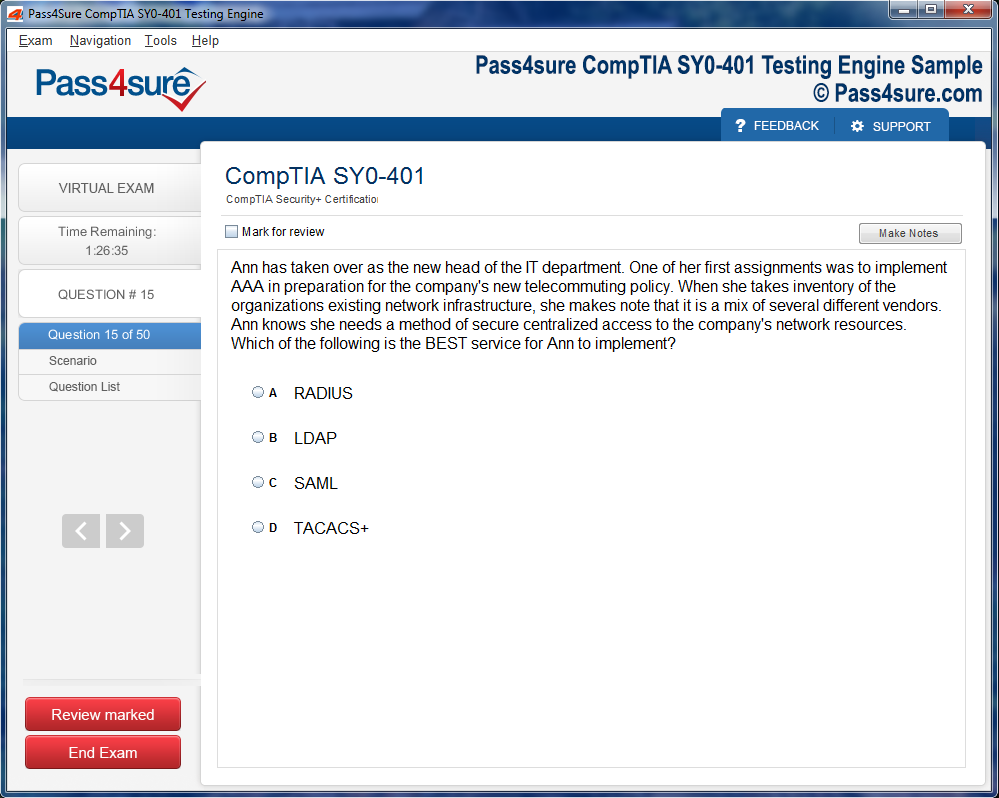
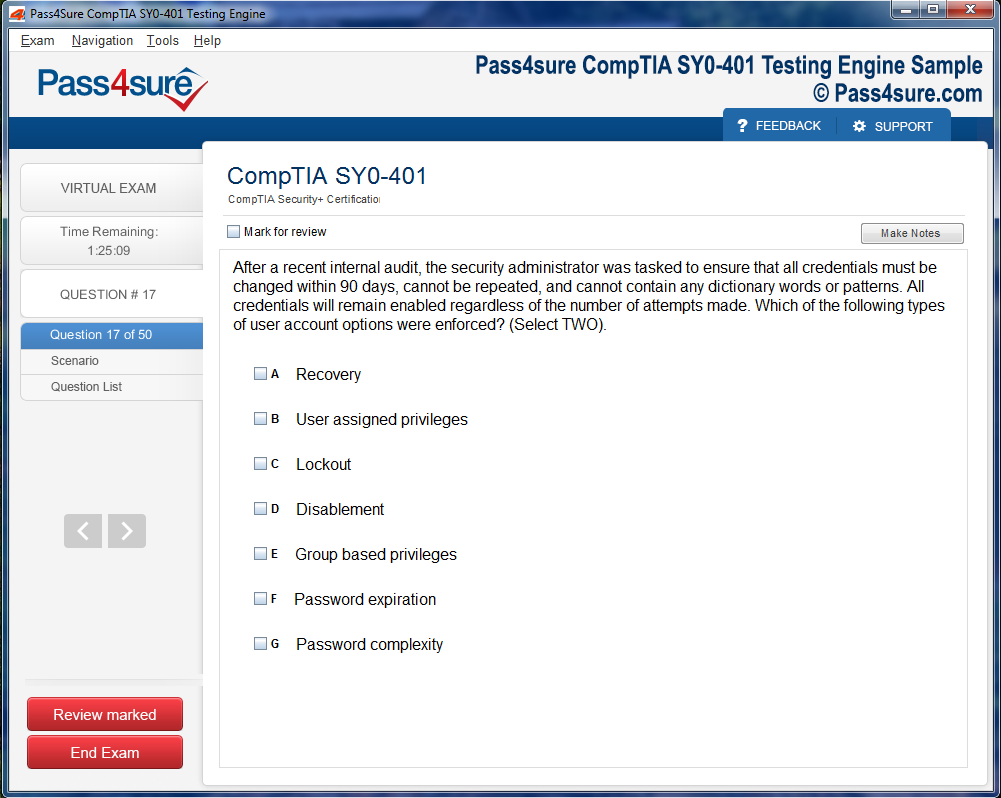
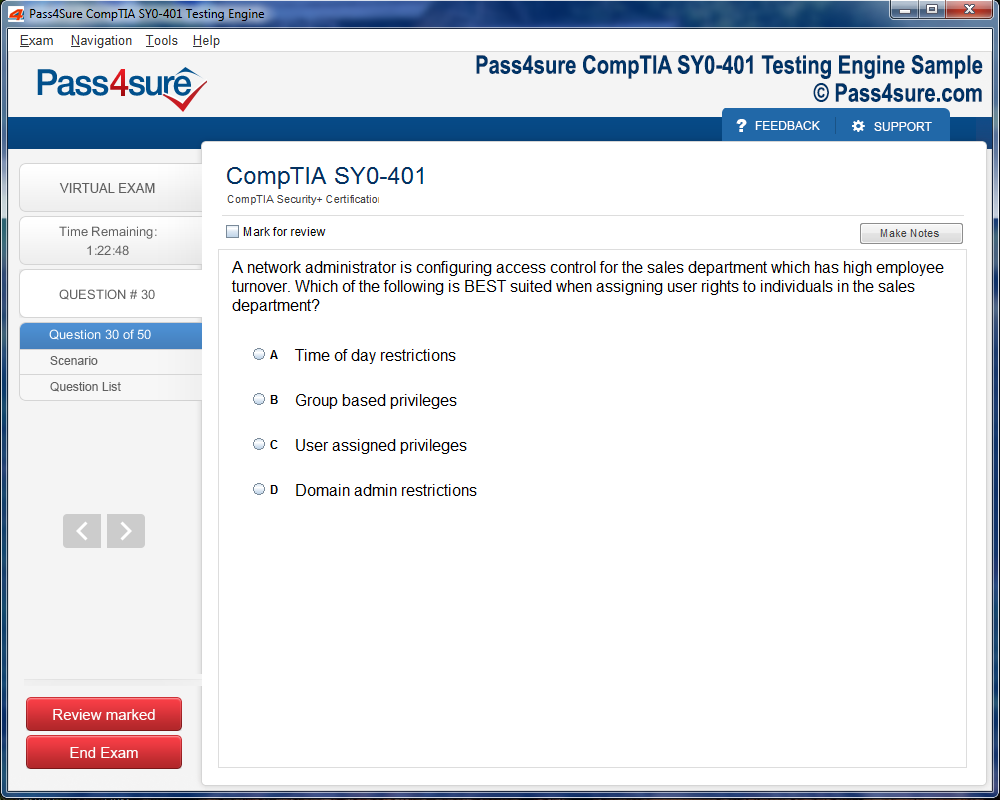
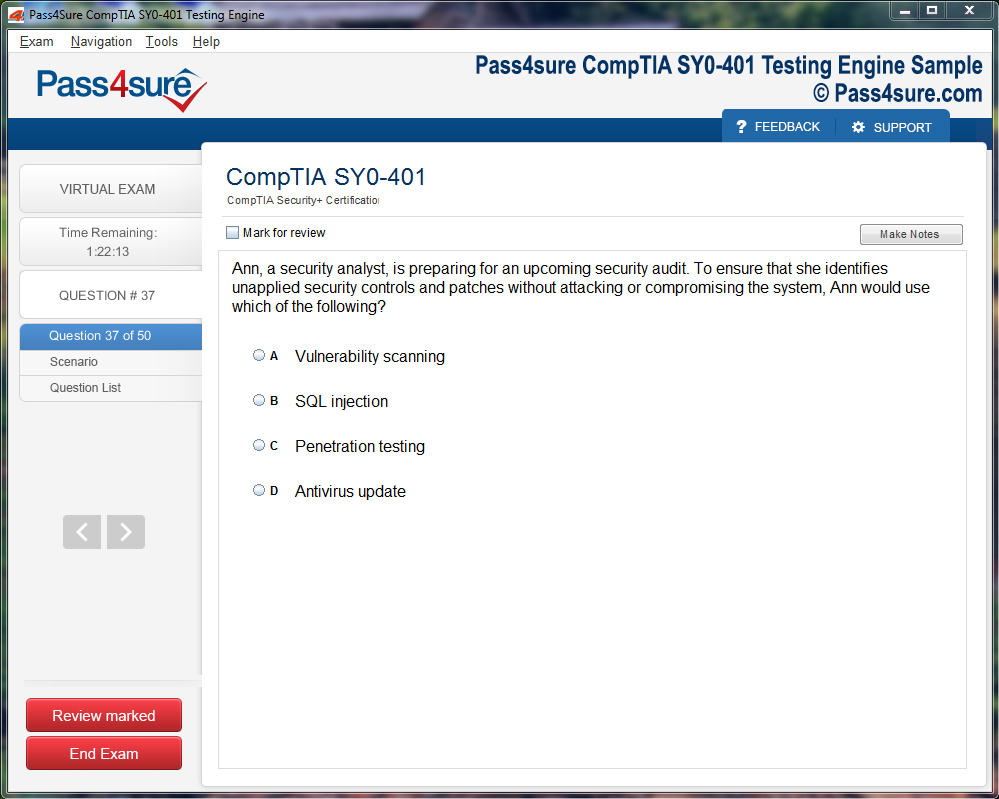
Product Screenshots
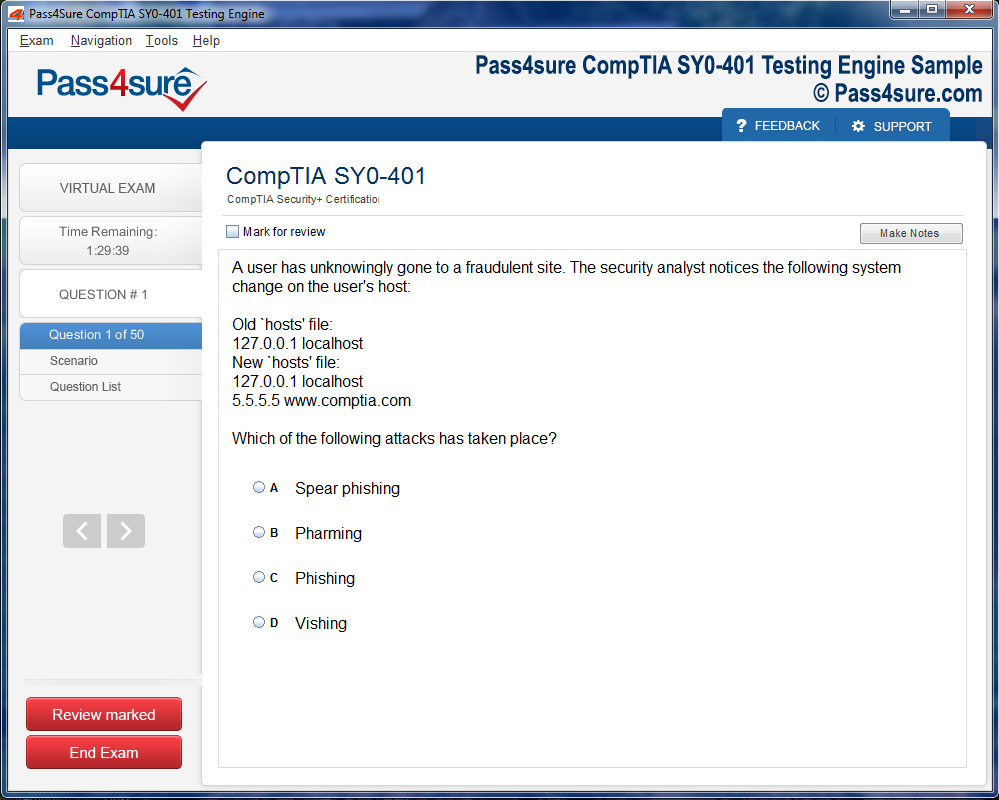
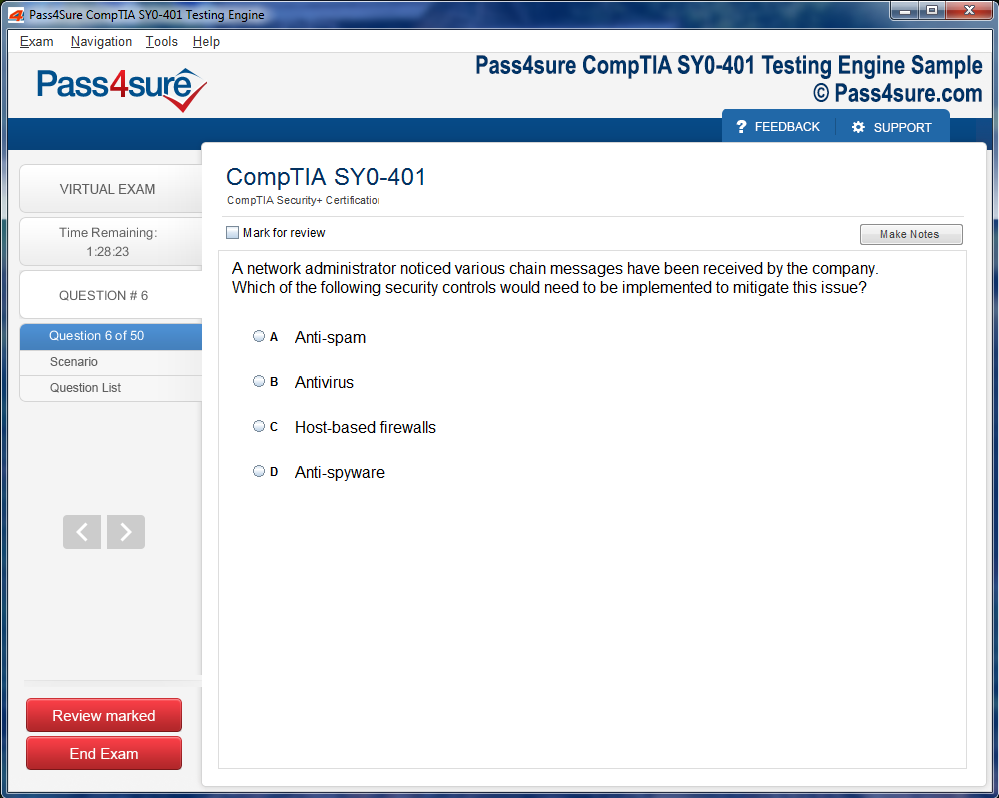
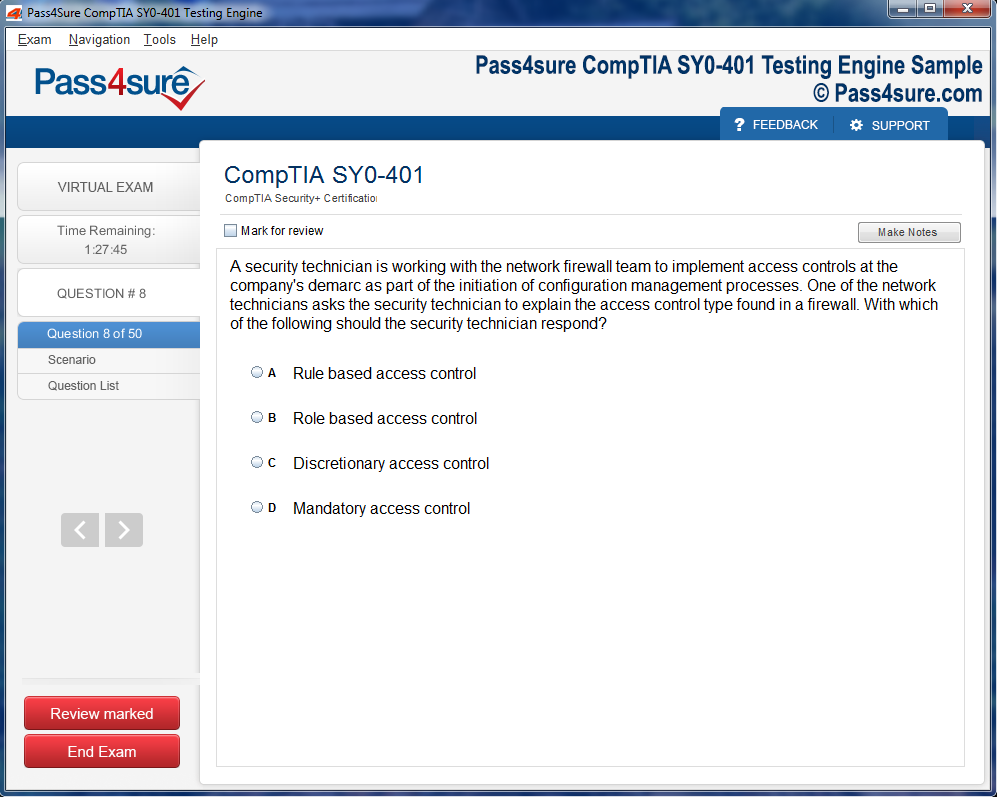
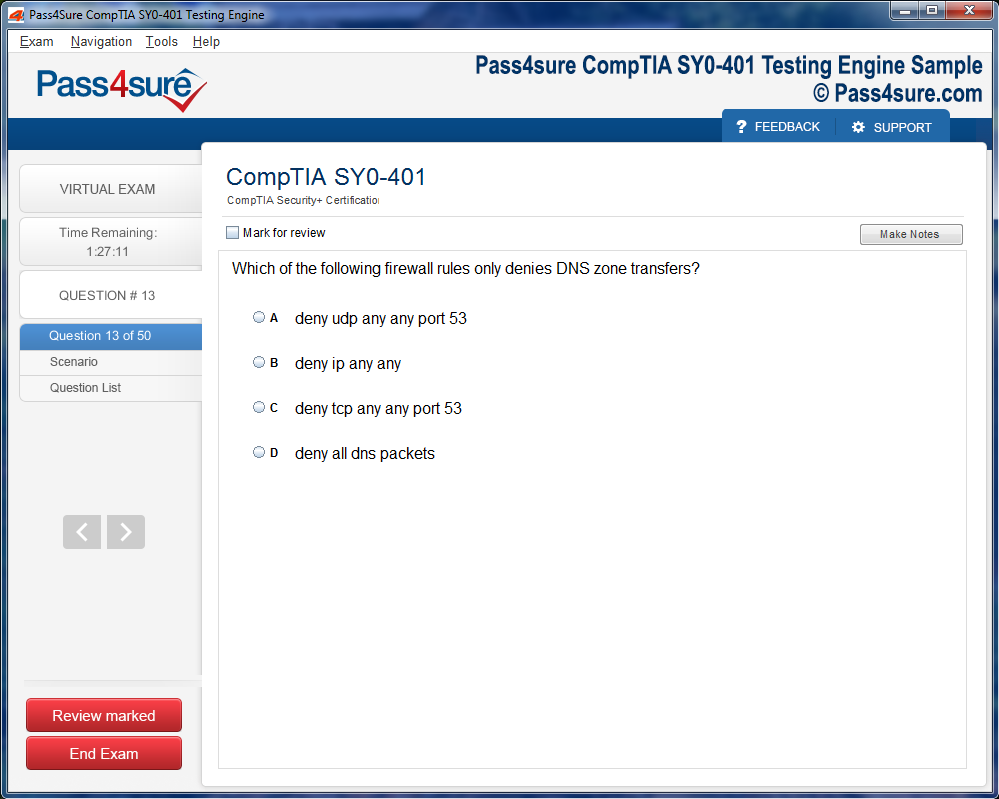
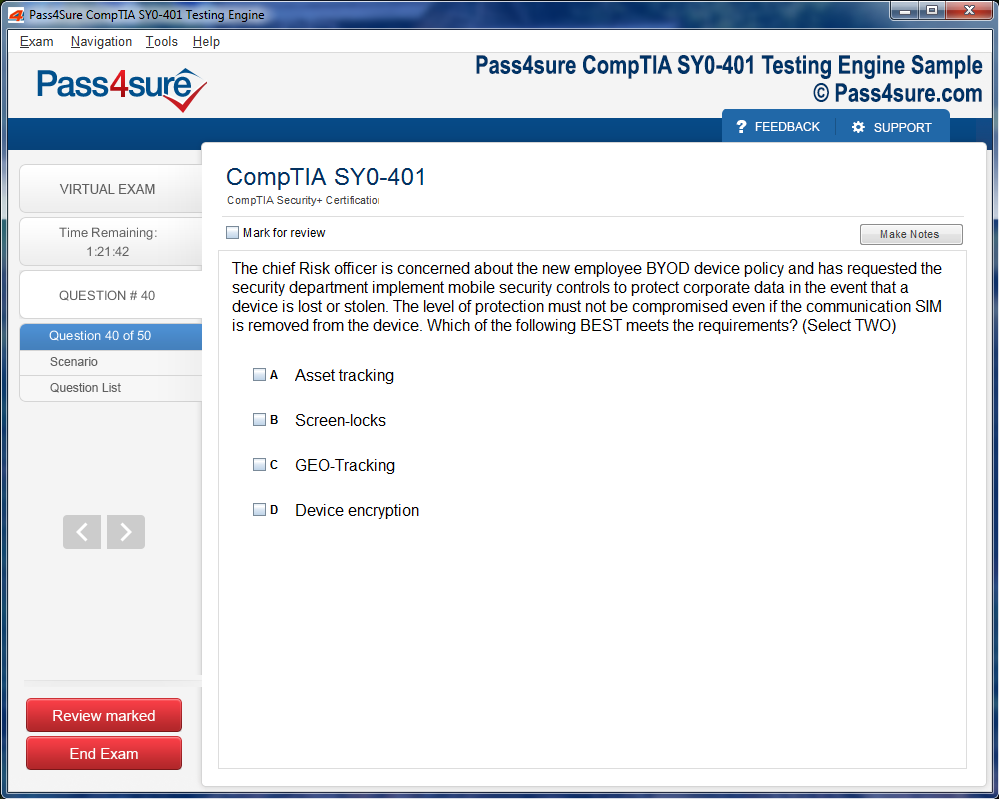
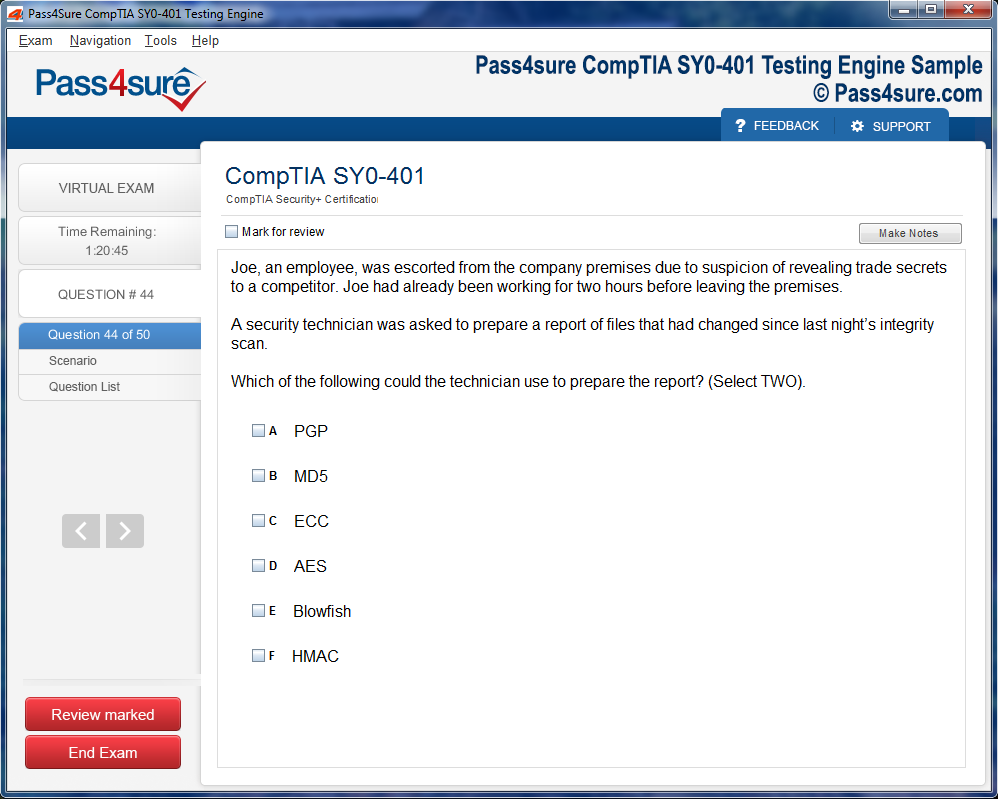
EC-Council CSA Certification: Unlock High-Paying Career Opportunities
In the ever-evolving domain of cybersecurity, the significance of Security Operations Centers (SOC) cannot be overstated. These hubs are where proactive measures against cyber threats are conceptualized, implemented, and continuously refined. Among the pivotal professionals in these centers are SOC analysts, individuals whose expertise ensures the safety and integrity of organizational data, systems, and infrastructure. As cyber threats become increasingly sophisticated, organizations face mounting pressure to fortify their defenses. This is where SOC analysts come into play—monitoring, detecting, and mitigating cyber risks in real-time. For those interested in taking on this vital role, pursuing the EC-Council Certified SOC Analyst (CSA) credential offers a structured path toward mastering the skills needed to excel.
The Growing Need for Cybersecurity Professionals
The surge in cyberattacks, data breaches, and online fraud has escalated the demand for skilled cybersecurity professionals. As organizations become more dependent on digital infrastructure, the threats they face multiply exponentially. Attackers no longer rely on traditional methods; they now employ highly sophisticated techniques such as ransomware, phishing, and Distributed Denial of Service (DDoS) attacks to bypass conventional security measures. This landscape creates a pressing need for professionals who can swiftly detect these attacks, contain potential damage, and recover swiftly.
SOC analysts, specifically those with the EC-Council Certified SOC Analyst (CSA) qualification, are uniquely equipped to handle these pressing concerns. With a certification in hand, these individuals are trained to operate within a Security Operations Center to protect data, maintain security protocols, and ensure that organizational systems remain resilient against external threats. The credential serves as proof of a candidate’s proficiency in handling complex security operations, positioning them as indispensable assets to their organizations.
EC-Council Certified SOC Analyst (CSA): A Gateway to Career Advancement
Becoming a certified SOC analyst is a gateway to numerous career opportunities in the rapidly expanding field of cybersecurity. The EC-Council CSA certification validates a professional’s ability to perform critical functions within a Security Operations Center. The certification covers an extensive range of skills, including threat detection, incident response, security monitoring, and vulnerability management. This knowledge equips professionals to handle some of the most pressing challenges in cybersecurity today.
For aspiring cybersecurity experts, obtaining the CSA credential ensures a solid foundation in key areas such as network security, incident response protocols, and security tools management. As the demand for cybersecurity professionals skyrockets, the CSA certification becomes an essential stepping stone for career advancement. For those already in the field, the certification provides an opportunity to enhance their expertise and pursue more advanced roles within the cybersecurity sector. The CSA certification provides a significant competitive edge in the job market, positioning certified professionals as highly desirable candidates for roles ranging from SOC analysts to incident response managers.
The 312-39 Exam: Key to Unlocking the SOC Analyst Role
The EC-Council CSA certification is attained through the successful completion of the 312-39 exam. This exam is the gateway to becoming a Certified SOC Analyst and serves as a comprehensive test of a candidate's knowledge and practical abilities. The 312-39 exam evaluates candidates on a wide range of topics related to security operations. From understanding the fundamentals of security monitoring and incident detection to operating advanced security tools, the exam ensures that candidates are well-versed in the necessary skills to thrive in a SOC environment.
The 312-39 exam is structured to assess a candidate’s ability to tackle real-world cybersecurity challenges. It tests candidates on their knowledge of various network protocols, security infrastructure, and the latest cybersecurity threats. More than just theoretical knowledge, the exam demands that candidates demonstrate practical capabilities, particularly in handling security incidents. This hands-on approach ensures that certified SOC analysts are ready to step into high-pressure environments and respond to cyber threats effectively and efficiently.
Core Skills and Competencies for SOC Analysts
A successful SOC analyst must possess a wide array of technical and analytical skills to monitor, detect, and respond to security threats. One of the core competencies required is a deep understanding of network security. A SOC analyst must be able to identify vulnerabilities in network configurations, detect unusual activities, and respond promptly to mitigate any potential threats. Additionally, expertise in security monitoring tools and systems is crucial for identifying and analyzing security incidents in real-time.
Incident response is another vital skill for SOC analysts. Cyberattacks can occur at any moment, and SOC analysts must be prepared to respond quickly and decisively to minimize potential damage. This involves a detailed understanding of the attack lifecycle and the ability to employ appropriate strategies to contain and resolve security breaches. Beyond technical skills, SOC analysts must also be adept in communication and collaboration, working closely with other cybersecurity professionals and management teams to ensure that security incidents are properly handled and mitigated.
Finally, a SOC analyst must possess strong problem-solving abilities. Cybersecurity is an ever-changing field, and new threats emerge onregularlyTo stay ahead, SOC analysts must think critically, adapt to new challenges, and find innovative solutions to emerging security issues. This combination of technical expertise and analytical thinking makes the SOC analyst role both challenging and rewarding.
The Importance of Real-Time Threat Detection and Incident Response
In today’s threat landscape, time is of the essence when it comes to detecting and responding to cyber threats. Once a security incident is detected, the clock begins ticking. The faster a SOC analyst can respond, the less damage a cyberattack can cause. This highlights the importance of real-time threat detection and incident response in the SOC analyst role.
Real-time threat detection is the first line of defense against cybercriminals. Using sophisticated monitoring tools, SOC analysts continuously monitor network activity, looking for signs of malicious behavior or unauthorized access. This requires an in-depth understanding of network protocols, security logs, and anomaly detection. By identifying suspicious activity early, SOC analysts can initiate containment measures before an attack escalates.
Once a threat is detected, the next step is a rapid and coordinated response. SOC analysts must follow established incident response protocols, such as isolating affected systems, preserving evidence, and mitigating any ongoing threats. Effective incident response not only limits the scope of a cyberattack but also helps prevent future incidents by identifying vulnerabilities and implementing corrective measures. Given the high stakes of modern cyber threats, the ability to detect and respond in real time is a defining characteristic of a successful SOC analyst.
The Evolving Landscape of Cybersecurity and the Future of SOC Analysts
Cybersecurity is not a static field; it is constantly evolving in response to emerging threats, new technologies, and shifting regulations. As such, the role of a SOC analyst is also evolving. The rise of artificial intelligence (AI) and machine learning (ML) is transforming the way security incidents are detected and responded to. Advanced algorithms can analyze vast amounts of data at speeds far beyond human capabilities, identifying patterns and anomalies that might otherwise go unnoticed.
Despite the growing influence of AI, human expertise remains indispensable. While AI can automate many aspects of threat detection, SOC analysts provide the critical thinking and judgment necessary to interpret complex situations and make decisions that machines cannot. The future of SOC analysts lies in the ability to work in tandem with AI-powered tools, enhancing their capabilities while retaining the human touch that is crucial for effective incident response.
Furthermore, as cyber threats become more sophisticated, SOC analysts will need to continuously update their skills and knowledge. This requires a commitment to lifelong learning and professional development. Those with certifications like the EC-Council CSA are well-positioned to stay ahead of the curve, adapting to new technologies and evolving threats. In this dynamic field, the ability to continuously improve and innovate is a hallmark of a successful SOC analyst.
The EC-Council Certified SOC Analyst (CSA) certification stands as one of the premier credentials for professionals aiming to delve deep into the world of cybersecurity, particularly in the realm of Security Operations Centers (SOCs). As organizations across the globe face an increasing number of cyber threats, the demand for skilled security professionals who can effectively manage security operations has never been higher. The CSA certification offers a pathway for individuals to gain the necessary skills and knowledge to manage SOC operations, respond to cyber incidents, and play an instrumental role in securing networks and information systems.
Unlike many certifications that focus primarily on theoretical knowledge, the CSA certification places a strong emphasis on practical experience. It prepares individuals to confront real-world challenges head-on by equipping them with the tools and methodologies required to handle complex security incidents. Whether it is detecting anomalous activity in a network or responding to an active cyberattack, the CSA certification ensures that professionals are well-prepared to handle a wide array of security scenarios. This makes it not only a valuable credential for aspiring cybersecurity professionals but also a critical qualification for those looking to elevate their careers in the cybersecurity field.
The Growing Importance of Security Operations Centers (SOCs)
In today’s digital age, businesses and organizations face constant threats from cybercriminals, hackers, and other malicious entities. With the proliferation of connected devices, cloud services, and online platforms, the attack surface for potential cyberattacks has expanded significantly. Security Operations Centers (SOCs) have emerged as the frontline defenders in the battle against cyber threats, and the professionals who operate within these centers are at the heart of an organization's cybersecurity strategy.
A SOC is essentially a command center that monitors, detects, and responds to security incidents in real time. It is where all cybersecurity activities are coordinated, and it plays a critical role in maintaining the integrity of an organization’s IT infrastructure. From analyzing system logs to identifying suspicious activity and mitigating threats, SOCs are responsible for safeguarding the entire enterprise from potential security breaches. This makes it imperative for SOC analysts to have the right set of skills and knowledge, which the EC-Council CSA certification aims to provide.
As organizations continue to face an ever-evolving landscape of cyber threats, the demand for skilled professionals who can operate within a SOC is expected to grow exponentially. This is where the CSA certification becomes highly valuable. By earning this credential, individuals are not only enhancing their knowledge but also positioning themselves as key players in the fight against cybercrime.
The Core Components of the CSA Certification
The EC-Council CSA certification covers a broad spectrum of topics related to cybersecurity operations, focusing on areas such as threat detection, incident response, log management, and forensic analysis. It ensures that candidates are equipped with a robust skill set, enabling them to work efficiently within a SOC environment. The core components of the certification revolve around practical skills that can be applied directly to real-world security challenges.
One of the primary areas of focus in the CSA certification is threat intelligence. SOC analysts must be adept at identifying potential threats, understanding how they manifest, and responding to them in a timely and effective manner. The CSA certification delves into threat intelligence frameworks, methodologies for analyzing security data, and strategies for detecting malicious activity. Candidates learn how to leverage security tools and platforms to correlate and analyze logs from various sources to uncover patterns and anomalies that might indicate a security breach.
Another critical aspect of the CSA certification is incident response. In any cybersecurity incident, time is of the essence, and the ability to act quickly and decisively can make the difference between mitigating a threat and allowing it to escalate. The CSA certification provides in-depth knowledge of incident response strategies, including how to conduct a thorough investigation, contain the threat, and recover from the incident. It also covers the communication strategies needed to report and escalate incidents within an organization, ensuring that all stakeholders are informed and the response is coordinated.
Hands-on Experience with Key Security Tools
A defining feature of the EC-Council CSA certification is its emphasis on hands-on experience with key security tools that are essential for SOC analysts. The certification ensures that candidates are not only familiar with these tools but also proficient in using them to detect, analyze, and mitigate cyber threats. This practical approach is vital for those looking to work in SOCs, as the tools used in these environments are integral to the day-to-day operations of cybersecurity professionals.
One of the most important tools that SOC analysts use is Security Information and Event Management (SIEM) software. SIEM platforms aggregate data from various security sources, such as firewalls, intrusion detection systems, and antivirus software, and provide a centralized location for monitoring and analyzing security events. The CSA certification provides candidates with hands-on training in using SIEM systems, enabling them to understand how to configure, manage, and analyze the data to identify potential security incidents. By correlating data from multiple sources, SOC analysts can detect patterns that may indicate malicious activity and take appropriate action to address the threat.
In addition to SIEM systems, the CSA certification also covers packet analysis tools. These tools are used to capture and analyze network traffic, which is crucial for identifying malicious communications, such as data exfiltration or denial-of-service attacks. Packet analysis is an essential skill for SOC analysts, as it allows them to monitor network traffic in real time and identify anomalies that could signal a cyberattack. Through hands-on experience with packet analysis tools, CSA-certified professionals gain the expertise needed to investigate network traffic, uncover hidden threats, and respond effectively to network-based attacks.
The Role of Incident Triage and Forensic Investigation
Another vital aspect of the EC-Council CSA certification is its focus on incident triage and forensic investigation. When a security incident occurs, SOC analysts must quickly assess the situation, determine its severity, and prioritize their response. This process, known as incident triage, is essential for ensuring that resources are allocated efficiently and that the most critical threats are addressed first.
The CSA certification equips candidates with the skills needed to perform incident triage by teaching them how to analyze security logs, identify indicators of compromise (IOCs), and determine the impact of a security incident. It also covers the techniques used to conduct a thorough forensic investigation, which is essential for understanding how a breach occurred, identifying the attacker’s methods, and preventing future incidents. By gaining expertise in incident triage and forensic analysis, CSA-certified professionals are able to respond more effectively to incidents and minimize the damage caused by cyberattacks.
The forensic investigation component of the CSA certification teaches candidates how to preserve evidence, gather relevant data, and analyze it in a manner that can be used for legal purposes. This is particularly important in the event of a data breach or cyberattack, as organizations may need to provide evidence to law enforcement or regulatory bodies. By mastering forensic investigation techniques, candidates can ensure that they are well-prepared to handle complex incidents and contribute to the organization’s overall security posture.
The Value of Real-World Applications and Problem Solving
What sets the EC-Council CSA certification apart from other cybersecurity credentials is its focus on real-world applications. While many certifications focus on theoretical concepts, the CSA certification ensures that candidates are prepared to handle the challenges they will face in a live SOC environment. The certification emphasizes problem-solving, decision-making, and the ability to adapt to an ever-changing threat landscape.
SOC analysts must be able to think critically and make decisions under pressure. The CSA certification’s hands-on approach to training helps candidates develop these essential skills by simulating real-world scenarios. This approach ensures that professionals are not only knowledgeable but also capable of applying their knowledge to solve complex security problems. Whether it is identifying a potential data breach or responding to an active cyberattack, the ability to think quickly and respond effectively is crucial for success in a SOC.
In addition to problem-solving, the CSA certification emphasizes communication skills. SOC analysts must be able to communicate effectively with team members, management, and external stakeholders. The certification teaches candidates how to document incidents, create reports, and communicate the findings of security investigations clearly and concisely. This ensures that all parties involved are informed and that the response to a security incident is coordinated.
Advancing Your Career with the EC-Council CSA Certification
For cybersecurity professionals looking to advance their careers, the EC-Council CSA certification can serve as a significant stepping stone. SOC analysts are in high demand, and organizations are seeking skilled professionals who can effectively manage security operations, respond to incidents, and mitigate threats. Earning the CSA certification demonstrates a commitment to professional development and a deep understanding of the skills required to succeed in a SOC environment.
The certification not only enhances an individual’s knowledge and expertise but also improves their marketability in the job market. Professionals with the CSA credential are viewed as highly qualified candidates for roles in SOCs, incident response teams, and other cybersecurity positions. Additionally, the hands-on experience gained during the certification process provides individuals with the confidence and competence needed to excel in their roles. By earning the CSA certification, individuals can differentiate themselves from other candidates and position themselves for career growth and advancement.
As the cybersecurity landscape continues to evolve, the need for skilled professionals will only increase. By earning the EC-Council CSA certification, individuals can ensure that they are well-equipped to meet the challenges of the future and play a vital role in protecting organizations from cyber threats.
The 312-39 exam serves as a significant milestone in the cybersecurity industry, specifically for those aspiring to obtain the EC-Council Certified SOC Analyst (CSA) certification. This prestigious credential is widely regarded as a valuable asset for professionals pursuing a career in security operations, incident response, and threat analysis. As cybersecurity threats become increasingly sophisticated, organizations depend on highly skilled security operations center (SOC) analysts to safeguard their networks, detect intrusions, and respond to incidents swiftly. Passing the 312-39 exam signifies that the candidate possesses the requisite knowledge and skills to handle such responsibilities effectively. This article provides an in-depth exploration of the exam structure, content areas, and preparation strategies to help candidates successfully navigate the certification process.
Exam Format and Structure
Understanding the format and structure of the 312-39 exam is essential for candidates to approach their preparation effectively. The exam consists of 100 multiple-choice questions, which candidates must complete within a three-hour time limit. While the number of questions may seem manageable, the depth and complexity of the topics covered require thorough preparation. The passing score for the exam is set at 70%, reflecting the level of competence expected of a certified SOC analyst. A score of 70% demonstrates that the individual can identify security threats, respond to incidents appropriately, and perform essential tasks to protect the organization's information assets.
The multiple-choice format is designed to assess both theoretical knowledge and practical application. Questions may require candidates to analyze different scenarios, identify appropriate responses to security incidents, and evaluate potential vulnerabilities in systems and networks. Therefore, it is not only important to understand the theoretical aspects of security operations but also to gain hands-on experience in dealing with real-world security incidents. A well-rounded preparation strategy should focus on mastering both these aspects.
Key Content Areas in the 312-39 Exam
The 312-39 exam is comprehensive, covering a wide range of topics critical for a SOC analyst's role. It assesses the candidate’s understanding of security operations, incident detection and response, threat analysis, and security monitoring. The key content areas tested in the exam include the following:
Security Operations and Management
A core aspect of the 312-39 exam is the ability to manage and operate security technologies and processes within a security operations center. SOC analysts are responsible for monitoring networks, identifying vulnerabilities, and preventing security breaches. This domain tests knowledge of security tools, procedures for configuring and maintaining security systems, and understanding the threat landscape. Analysts need to be proficient in evaluating security tools such as firewalls, intrusion detection systems, and security information and event management (SIEM) solutions, as well as responding to various alerts and anomalies.
Threat Detection and Analysis
Effective threat detection is a critical skill for SOC analysts. The 312-39 exam evaluates a candidate's ability to identify potential threats by analyzing network traffic, logs, and other system indicators. This area also covers the ability to detect anomalies in behavior and patterns that could indicate a cybersecurity breach. Understanding the various techniques used by cybercriminals, including malware analysis and identifying suspicious activities, is fundamental for detecting threats early on. Moreover, candidates are expected to demonstrate expertise in identifying attack methodologies, such as Distributed Denial of Service (DDoS) attacks and advanced persistent threats (APTs).
Incident Response Protocols
Incident response is a fundamental responsibility of SOC analysts. The 312-39 exam delves into the processes and protocols involved in managing security incidents, from identification to resolution. This domain tests the candidate’s ability to follow established incident response workflows, which include detection, containment, eradication, and recovery. In addition, candidates are expected to have knowledge of legal and regulatory requirements related to incident handling, as well as how to document and report incidents to stakeholders.
Malware Analysis and Reverse Engineering
A thorough understanding of malware and the techniques used to analyze it is another important aspect of the 312-39 exam. SOC analysts must be equipped to recognize different types of malware and understand how they propagate and operate within a system. Candidates must demonstrate proficiency in performing malware analysis and, in some cases, reverse engineering. By understanding how malware works, analysts can develop effective strategies for mitigating its effects and preventing future attacks. This domain covers key techniques for analyzing suspicious files, studying network traffic associated with malware, and applying appropriate defensive measures.
Cloud Security and SOC Functions in Cloud Environments
As organizations increasingly move their infrastructure to the cloud, cloud security has become a vital area of concern. The 312-39 exam incorporates questions about SOC functions within cloud environments, including how SOC analysts monitor and secure cloud-based systems. Cloud environments present unique challenges in terms of security, requiring SOC analysts to be familiar with cloud-specific threats, risks, and tools. Topics in this domain include cloud service models (IaaS, PaaS, SaaS), data protection in the cloud, and ensuring compliance with security standards and regulations.
Vulnerability Management and Risk Assessment
Vulnerability management is a key responsibility of SOC analysts, and the 312-39 exam tests knowledge in identifying, evaluating, and mitigating vulnerabilities within an organization’s systems. This involves using various scanning tools, conducting risk assessments, and implementing remediation plans to protect critical assets. Candidates are expected to demonstrate an understanding of the vulnerability management lifecycle, from asset inventory to remediation. Risk assessments are also a significant part of the exam, with candidates needing to evaluate potential threats and the likelihood of their occurrence to determine the best response strategies.
Preparation Strategies for the 312-39 Exam
Given the breadth and complexity of the content covered in the 312-39 exam, a strategic approach to preparation is essential for success. While the exam may seem overwhelming at first glance, breaking it down into manageable sections and focusing on key areas will significantly increase the chances of passing. Here are several effective strategies for preparing for the 312-39 exam:
Review the Official Syllabus and Study Material
A good starting point for exam preparation is to thoroughly review the official syllabus provided by the EC-Council. The syllabus outlines all the topics and subtopics that will be covered in the exam, helping candidates to structure their study plan effectively. By understanding the core objectives, candidates can allocate sufficient time to each area and focus on their weaker subjects. In addition to the syllabus, candidates should utilize study materials specifically designed for the 312-39 exam, including textbooks, video tutorials, and online courses.
Gain Hands-On Experience
While theoretical knowledge is important, practical experience is equally crucial for passing the 312-39 exam. SOC analysts must be able to perform real-world tasks, such as analyzing network traffic, responding to security incidents, and operating security tools. Participating in hands-on labs or training sessions that simulate SOC environments can provide valuable experience and reinforce theoretical concepts. Many online platforms and training providers offer simulated environments where candidates can practice various skills, from malware analysis to incident response.
Join Study Groups and Forums
Joining study groups and participating in online forums can be an effective way to prepare for the exam. Engaging with other candidates allows for the exchange of knowledge, ideas, and study materials. In addition, discussing complex topics with peers can provide new insights and improve understanding. Many online forums dedicated to cybersecurity and EC-Council certifications provide a platform for candidates to ask questions, share resources, and participate in mock exams.
Take Practice Tests
Taking practice exams is a highly effective way to assess your knowledge and readiness for the 312-39 exam. Practice tests simulate the real exam environment and help candidates familiarize themselves with the question format and time constraints. In addition, practice tests allow candidates to identify areas where they need further study and improve their test-taking strategies. Several resources, including official EC-Council practice exams, are available for candidates to use during their preparation.
Focus on Key Areas
The 312-39 exam covers a wide range of topics, but some areas are more heavily tested than others. Candidates need to prioritize their study efforts on the most crucial domains, such as threat detection, incident response, and cloud security. By focusing on high-priority areas, candidates can ensure that they are well-prepared for the most challenging aspects of the exam. However, it is still important to review all topics in the syllabus to ensure comprehensive preparation.
Stay Up-to-Date with Industry Trends
Cybersecurity is a rapidly evolving field, with new threats, technologies, and best practices emerging regularly. Staying informed about the latest developments in cybersecurity is crucial for candidates preparing for the 312-39 exam. Following industry news, attending webinars, and reading relevant articles can provide valuable insights into emerging threats and security technologies. This knowledge will not only help candidates on the exam but also enhance their ability to perform effectively as SOC analysts in the field.
Resources for 312-39 Exam Preparation
Several resources are available to help candidates prepare for the 312-39 exam. The EC-Council offers official study materials, including textbooks, practice exams, and online courses, that cover the key content areas of the exam. In addition to official resources, there are numerous third-party study materials, such as video tutorials, practice tests, and guides, that can aid in preparation. Candidates may also consider enrolling in instructor-led training programs, which provide a structured approach to learning and the opportunity to interact with experts in the field.
Real-World Skills Gained from the 312-39 Certification
The 312-39 certification is not just a credential on paper; it provides candidates with real-world skills that are directly applicable to their roles as SOC analysts. The knowledge and practical experience gained during the preparation process help candidates become more effective at identifying and responding to security threats. The certification also opens up new career opportunities, as many organizations seek SOC analysts with formal training and certification to safeguard their networks and data. By passing the 312-39 exam, candidates demonstrate their ability to handle the complexities of security operations and contribute to the overall cybersecurity posture of their organizations.
Understanding the EC-Council CSA Exam Structure
The EC-Council Certified SOC Analyst (CSA) exam, also known by its code 312-39, is a comprehensive test designed to evaluate the proficiency of individuals in the field of Security Operations Centers (SOCs). The exam assesses both theoretical knowledge and practical skills in managing security operations, incident detection, and forensic analysis. The CSA certification is ideal for those seeking to specialize in the ever-growing domain of cybersecurity, particularly in roles like SOC analysts and cybersecurity consultants.
The structure of the exam includes multiple-choice questions that cover a range of topics essential for security operations. These topics can be divided into several key domains, each of which requires a deep understanding and practical expertise. Candidates must be prepared to answer questions related to security operations, monitoring, incident response, threat intelligence, and more. By thoroughly reviewing each domain and its components, candidates can ensure they are fully equipped for the challenges presented in the exam. Understanding the weight and importance of each domain in the context of the exam is a crucial first step toward developing an effective study plan.
Developing a Robust Study Plan for the CSA Exam
An effective study plan is one of the most important aspects of preparing for the EC-Council CSA exam. Given the exam's extensive coverage of various topics, it is essential to create a schedule that allows for a well-rounded review of all subject areas. The first step in developing a study plan is to break down the exam syllabus into manageable chunks, focusing on one domain at a time. This approach ensures that candidates are not overwhelmed by the amount of material to be covered and can study each topic in detail.
The CSA syllabus typically consists of security operations, threat detection and response, incident management, forensics, and cyber threat intelligence. Allocating sufficient time to each area is important, but it is equally critical to maintain balance throughout the preparation process. Instead of cramming all the information at once, candidates should aim to study each topic regularly over an extended period. Consistency is key to retaining information and ensuring mastery over the material. It is also advisable to incorporate frequent review sessions into the study plan to reinforce previously learned concepts and improve retention.
Leveraging EC-Council's Official Study Materials
EC-Council offers a range of official study materials that are specifically designed to help candidates prepare for the CSA exam. These materials include comprehensive courseware, practice questions, and hands-on labs that provide a detailed overview of the topics covered in the exam. These resources are particularly valuable because they are curated by industry experts and align closely with the structure and content of the actual exam.
The courseware is an essential tool for understanding complex concepts and gaining a solid theoretical foundation in cybersecurity operations. It covers the core topics such as network defense, threat detection, incident handling, and the various tools and technologies used in security operations. By working through the official courseware, candidates can ensure they have a deep understanding of the theoretical knowledge required for the exam.
In addition to the courseware, EC-Council provides hands-on labs that allow candidates to practice real-world scenarios in a simulated environment. These labs are invaluable for gaining practical experience with the tools commonly used in SOC environments, such as Security Information and Event Management (SIEM) systems, intrusion detection systems, and network traffic analysis tools. The hands-on experience gained through these labs is critical for bridging the gap between theory and practice, enabling candidates to perform effectively in real-world security operations.
Practicing with Sample Exams and Quizzes
One of the most effective strategies for exam preparation is practicing with sample exams and quizzes. These practice tests help candidates become familiar with the format and structure of the CSA exam, allowing them to get a sense of the types of questions they will encounter on test day. By simulating the exam experience, candidates can also practice managing their time effectively, ensuring they can complete all the questions within the three-hour time limit.
Sample exams also provide an opportunity to identify any areas of weakness or gaps in knowledge. By reviewing their performance after each practice test, candidates can pinpoint the specific topics that require further study. This targeted approach to review allows candidates to focus their efforts on the areas where they need the most improvement, rather than spending time on topics they already understand well.
Additionally, practice exams help candidates develop their problem-solving skills and improve their ability to analyze complex scenarios. The CSA exam often includes scenario-based questions that require candidates to apply their knowledge to real-world situations. By practicing with sample questions that mirror the actual exam, candidates can build confidence and become more comfortable with the format and difficulty level of the test.
Gaining Practical Experience in a SOC Environment
While theoretical knowledge is crucial for the CSA exam, practical experience is equally important. A significant portion of the exam revolves around applying concepts in real-world scenarios, and this can only be achieved through hands-on experience. Gaining practical experience in a SOC environment allows candidates to understand how security operations are carried out daily and gives them insight into the challenges faced by security professionals in the field.
Candidates who are already working in a SOC or have access to a simulated SOC environment can gain invaluable exposure to tools such as SIEM systems, intrusion detection/prevention systems (IDS/IPS), firewalls, and incident management platforms. Working with these tools in a controlled setting provides the opportunity to develop the skills necessary to detect and respond to security incidents in real-time.
For those who do not have access to a live SOC environment, online training platforms and virtual labs can offer a similar experience. These platforms provide a simulated environment where candidates can practice tasks such as log analysis, traffic monitoring, incident response, and forensic investigations. The hands-on experience gained from these labs is an excellent way to complement theoretical learning and ensure candidates are fully prepared for the practical challenges of the CSA exam.
Joining EC-Council-Approved Training Programs
For those who prefer structured guidance, enrolling in EC-Council-approved training programs can be a highly effective way to prepare for the CSA exam. These programs offer instructor-led sessions that delve deep into the topics covered in the exam. EC-Council-certified trainers are experienced professionals who provide valuable insights, explain complex concepts, and offer practical tips for exam success.
Training programs also provide the opportunity to ask questions and clarify doubts, which can be particularly beneficial for candidates who are struggling with certain topics. Additionally, these programs often include practice exams, lab exercises, and other resources that help reinforce learning and improve exam performance. While the investment in a training program may require time and money, many candidates find that it significantly boosts their chances of success on the CSA exam.
Furthermore, these training programs offer the added benefit of networking with other professionals in the field of cybersecurity. Candidates can interact with peers who share similar goals and interests, providing an opportunity to exchange knowledge, share study tips, and build connections within the cybersecurity community.
Staying Motivated and Managing Stress During Preparation
Preparing for the EC-Council CSA exam can be a demanding and stressful experience, especially given the amount of material to cover and the technical nature of the topics. It is essential for candidates to stay motivated throughout the preparation process to avoid burnout and maintain focus. One effective strategy is to set small, achievable goals and celebrate progress along the way. Breaking down the study process into manageable tasks helps prevent overwhelm and provides a sense of accomplishment as each goal is met.
Additionally, maintaining a balanced lifestyle during the preparation period is crucial for mental and physical well-being. Regular exercise, a healthy diet, and adequate sleep are essential for maintaining focus and reducing stress. It is also important to take breaks during study sessions to avoid mental fatigue. Scheduling time for relaxation and hobbies can help candidates recharge and stay motivated throughout their preparation journey.
Another helpful tip for managing stress is to engage in mindfulness practices such as meditation or deep breathing exercises. These techniques can help calm the mind and reduce anxiety, allowing candidates to approach their studies with a clear and focused mindset. Staying positive and confident in one’s abilities is vital to success, and cultivating a mindset of resilience can make the study process more manageable.
Career Opportunities After Achieving EC-Council Certified SOC Analyst Certification
The world of cybersecurity is expanding at an unprecedented rate, as businesses and governments face increasingly sophisticated cyber threats. In response to this growing demand, the need for highly skilled professionals who can protect sensitive data and systems has never been greater. The EC-Council Certified SOC Analyst (CSA) certification serves as a key milestone for those looking to enter or advance in the cybersecurity field. This certification provides a comprehensive understanding of Security Operations Center (SOC) operations and equips professionals with the knowledge and skills required to detect, analyze, and respond to cyber threats in real time.
Upon achieving the EC-Council CSA certification, a wealth of career opportunities becomes available to individuals in the cybersecurity industry. These roles span from entry-level positions to more advanced leadership roles, and each offers exciting challenges and lucrative salaries. As organizations increasingly rely on SOCs to manage their security posture, the demand for certified professionals continues to grow. Let’s explore the range of career opportunities available after obtaining the EC-Council CSA certification.
The Role of a Certified SOC Analyst
One of the most fundamental roles that EC-Council CSA certification opens up is that of a Certified SOC Analyst. SOC analysts are responsible for monitoring security systems, analyzing network traffic, detecting threats, and responding to potential incidents. They are the frontline defense against cyberattacks and play a critical role in ensuring the safety of an organization’s digital assets.
As a Certified SOC Analyst, professionals must be proficient in using various monitoring tools and techniques to detect anomalies in network behavior. They are also tasked with analyzing security alerts, determining their severity, and escalating incidents to the appropriate teams. Additionally, SOC analysts may participate in conducting root cause analysis of security breaches and helping to improve the security infrastructure of the organization.
The average salary for a Certified SOC Analyst can range from $75,000 to $90,000 annually, depending on the individual’s experience and the location of the job. This makes the role an attractive option for those entering the cybersecurity field, as it offers both financial stability and room for career growth. As professionals gain experience and expertise, they can advance to more senior roles within the SOC, such as SOC team lead or manager.
Advancing to Threat Intelligence Analyst
For certified professionals looking to specialize in a more niche area of cybersecurity, becoming a Threat Intelligence Analyst is an excellent career path. Threat intelligence analysts focus on collecting, analyzing, and interpreting data related to potential cyber threats. Their primary goal is to stay ahead of emerging threats by providing actionable intelligence that can prevent attacks before they occur.
Threat intelligence analysts are responsible for monitoring the dark web, analyzing cybercriminal activities, and identifying new attack vectors. They also work closely with other cybersecurity teams to assess the potential impact of specific threats and provide recommendations for mitigating risk. Their work is vital in identifying and neutralizing threats before they can harm an organization.
The average salary for a Threat Intelligence Analyst typically ranges from $85,000 to $110,000 annually, depending on experience and expertise. As cyber threats become more sophisticated, the demand for skilled threat intelligence professionals continues to grow. For those who enjoy the process of research and analysis, this role provides an intellectually stimulating and highly rewarding career opportunity.
Transitioning to Incident Response and Management
Another career path for EC-Council CSA-certified professionals is that of an Incident Responder. Incident responders are responsible for investigating, containing, and resolving cybersecurity incidents when a breach or attack occurs. Their role is critical in limiting the damage caused by security incidents and restoring normal operations as quickly as possible.
When a security breach occurs, incident responders must act swiftly to determine the scope and nature of the attack. They work closely with other teams, including SOC analysts and forensic experts, to gather evidence, identify vulnerabilities, and contain the attack. Additionally, incident responders are often involved in conducting post-incident analysis to ensure that the organization learns from the event and strengthens its defenses.
Incident responders typically earn between $90,000 and $120,000 annually, depending on their level of experience and the severity of the incidents they handle. As organizations face more frequent and complex cyberattacks, the demand for skilled incident responders is expected to rise. This makes incident response a highly valuable and in-demand career path for individuals with EC-Council CSA certification.
The Leadership Path: Becoming a SOC Manager
For professionals who aspire to take on leadership roles, the EC-Council CSA certification can serve as a stepping stone to becoming a SOC Manager. SOC Managers are responsible for overseeing the daily operations of a Security Operations Center. They manage teams of SOC analysts and ensure that security protocols and incident response procedures are followed efficiently.
In addition to overseeing day-to-day operations, SOC Managers also play a key role in setting strategic security goals, allocating resources, and improving the overall security posture of the organization. They must stay abreast of the latest trends in cybersecurity and ensure that their teams are equipped with the necessary tools and knowledge to defend against emerging threats.
SOC Managers are among the highest-paid professionals in the cybersecurity field, with salaries typically ranging from $120,000 to $150,000 annually. These roles are essential for ensuring that organizations have the leadership and coordination necessary to respond to cyber threats effectively. For those with a strong foundation in security operations and a passion for management, becoming a SOC Manager offers a rewarding career path.
Other Specialized Career Opportunities
While the roles of SOC Analyst, Threat Intelligence Analyst, Incident Responder, and SOC Manager are some of the most common career paths for EC-Council CSA-certified professionals, there are other specialized opportunities available in the cybersecurity field. For example, professionals with a strong understanding of network security may choose to specialize in roles such as Network Security Engineer or Security Architect.
Network Security Engineers design and implement secure networks to prevent unauthorized access and protect sensitive data. They are responsible for ensuring that network devices, firewalls, and other security mechanisms are properly configured and functioning. This role requires a deep understanding of network protocols, encryption techniques, and firewall configurations.
Security Architects, on the other hand, are responsible for designing the overall security framework for an organization. They assess the organization’s current security posture, identify vulnerabilities, and develop strategies to protect against cyber threats. Security Architects often work closely with other departments to ensure that security is integrated into every aspect of the organization’s operations.
The salary range for both Network Security Engineers and Security Architects can vary depending on experience, but professionals in these roles can typically expect to earn between $90,000 and $130,000 annually. These specialized positions offer individuals the opportunity to focus on specific areas of cybersecurity while contributing to the overall security strategy of an organization.
The Future of Career Growth with EC-Council CSA Certification
As the cybersecurity landscape continues to evolve, the demand for skilled professionals with expertise in Security Operations Centers will only increase. The EC-Council CSA certification provides a strong foundation for individuals looking to build long-term careers in cybersecurity.
With the rise of new technologies such as artificial intelligence, machine learning, and cloud computing, cybersecurity professionals will need to stay ahead of emerging threats and adapt their skills accordingly. This creates an exciting opportunity for certified SOC Analysts to continuously grow and evolve in their careers.
Furthermore, many organizations are expanding their security operations and establishing SOCs as a central component of their cybersecurity strategy. This expansion creates more job opportunities for professionals who are trained and certified in SOC operations. As businesses face more sophisticated threats, the demand for qualified cybersecurity professionals will continue to grow, making the EC-Council CSA certification a valuable asset in the ever-changing field of cybersecurity.
Professionals who hold the EC-Council CSA certification can look forward to a dynamic and rewarding career path. With the right experience and expertise, they can take on roles of increasing responsibility and leadership, driving the security initiatives of organizations across various industries. Whether working as a SOC Analyst, Threat Intelligence Analyst, Incident Responder, or SOC Manager, the EC-Council CSA certification serves as a powerful tool for career advancement and success in the cybersecurity field.
Conclusion
The role of a SOC analyst is becoming increasingly critical in today’s cybersecurity landscape. As cyber threats become more sophisticated, organizations must rely on skilled professionals who can detect, analyze, and respond to security incidents in real time. The EC-Council Certified SOC Analyst (CSA) certification is an essential credential for anyone looking to embark on or advance in a cybersecurity career. Through the 312-39 exam, individuals gain the skills and knowledge needed to handle complex security operations and contribute to the protection of digital assets. With the growing demand for cybersecurity professionals, obtaining the CSA certification opens the door to a rewarding and impactful career, one where professionals play a pivotal role in safeguarding organizations against the evolving threat landscape.
Frequently Asked Questions
How does your testing engine works?
Once download and installed on your PC, you can practise test questions, review your questions & answers using two different options 'practice exam' and 'virtual exam'. Virtual Exam - test yourself with exam questions with a time limit, as if you are taking exams in the Prometric or VUE testing centre. Practice exam - review exam questions one by one, see correct answers and explanations).
How can I get the products after purchase?
All products are available for download immediately from your Member's Area. Once you have made the payment, you will be transferred to Member's Area where you can login and download the products you have purchased to your computer.
How long can I use my product? Will it be valid forever?
Pass4sure products have a validity of 90 days from the date of purchase. This means that any updates to the products, including but not limited to new questions, or updates and changes by our editing team, will be automatically downloaded on to computer to make sure that you get latest exam prep materials during those 90 days.
Can I renew my product if when it's expired?
Yes, when the 90 days of your product validity are over, you have the option of renewing your expired products with a 30% discount. This can be done in your Member's Area.
Please note that you will not be able to use the product after it has expired if you don't renew it.
How often are the questions updated?
We always try to provide the latest pool of questions, Updates in the questions depend on the changes in actual pool of questions by different vendors. As soon as we know about the change in the exam question pool we try our best to update the products as fast as possible.
How many computers I can download Pass4sure software on?
You can download the Pass4sure products on the maximum number of 2 (two) computers or devices. If you need to use the software on more than two machines, you can purchase this option separately. Please email sales@pass4sure.com if you need to use more than 5 (five) computers.
What are the system requirements?
Minimum System Requirements:
- Windows XP or newer operating system
- Java Version 8 or newer
- 1+ GHz processor
- 1 GB Ram
- 50 MB available hard disk typically (products may vary)
What operating systems are supported by your Testing Engine software?
Our testing engine is supported by Windows. Andriod and IOS software is currently under development.