

Exam Code: CPSA_P_New
Exam Name: CPSA Physical New
Certification Provider: PCI Security Standards Council
Product Screenshots
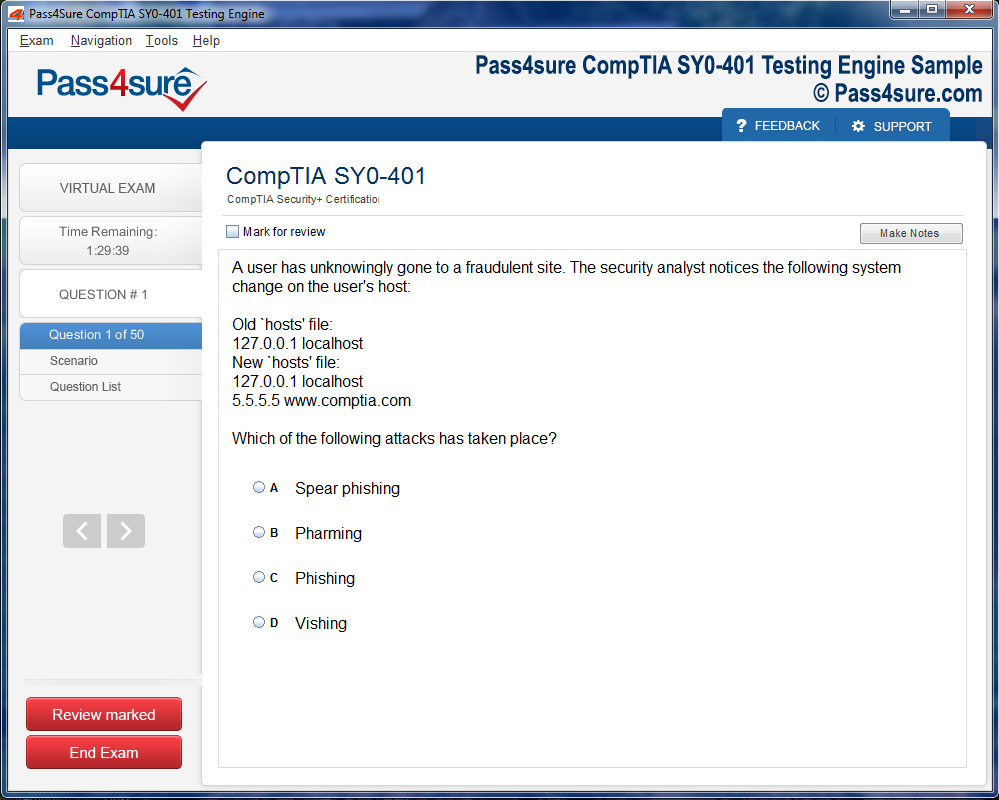
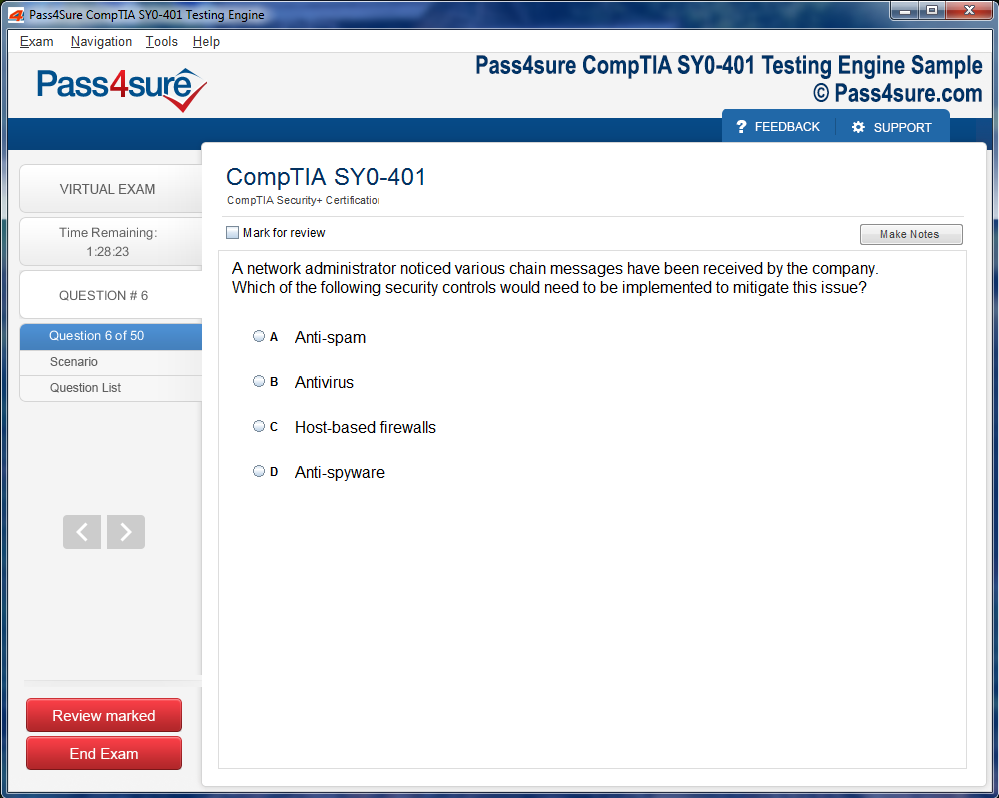
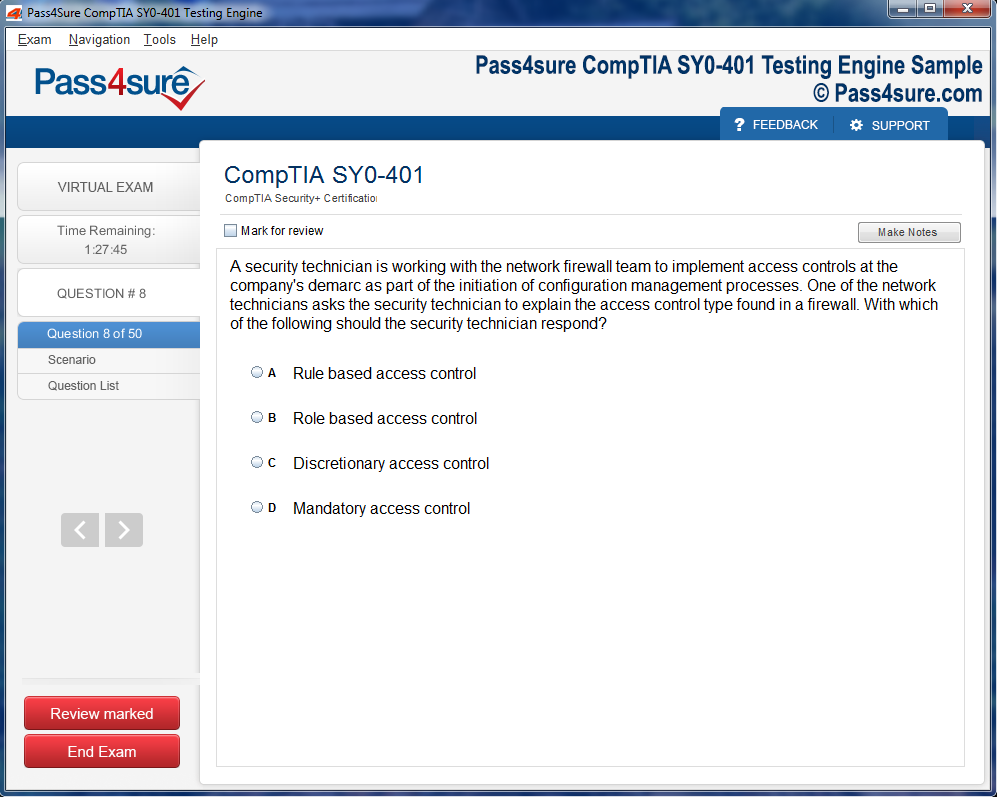
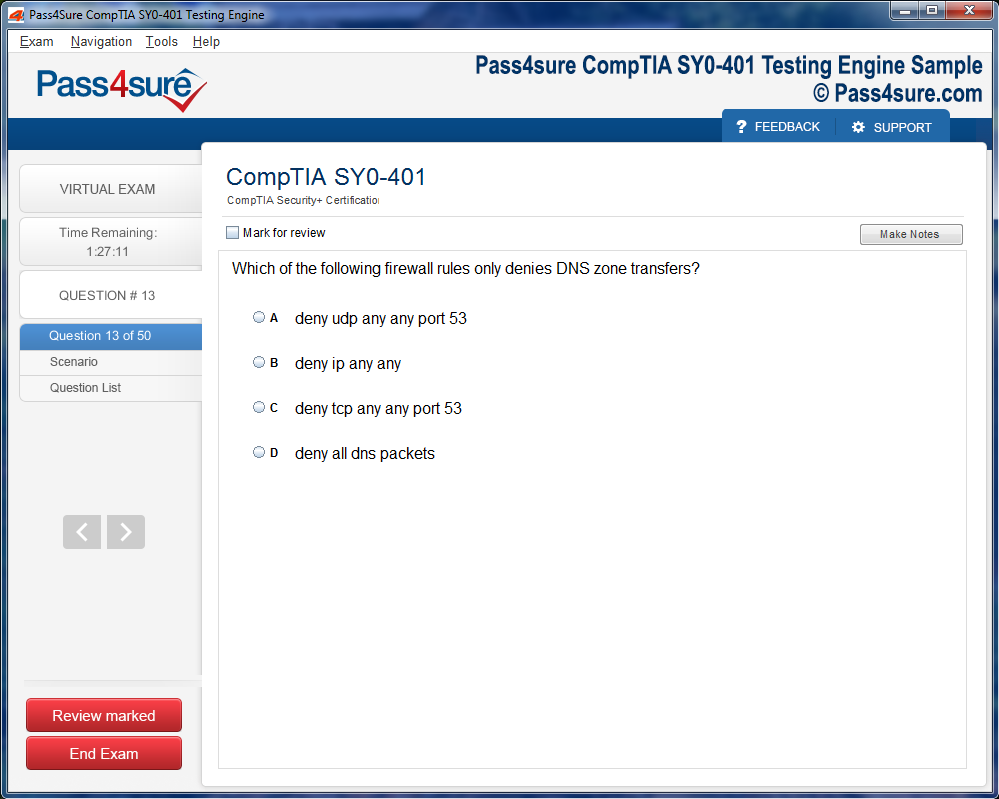
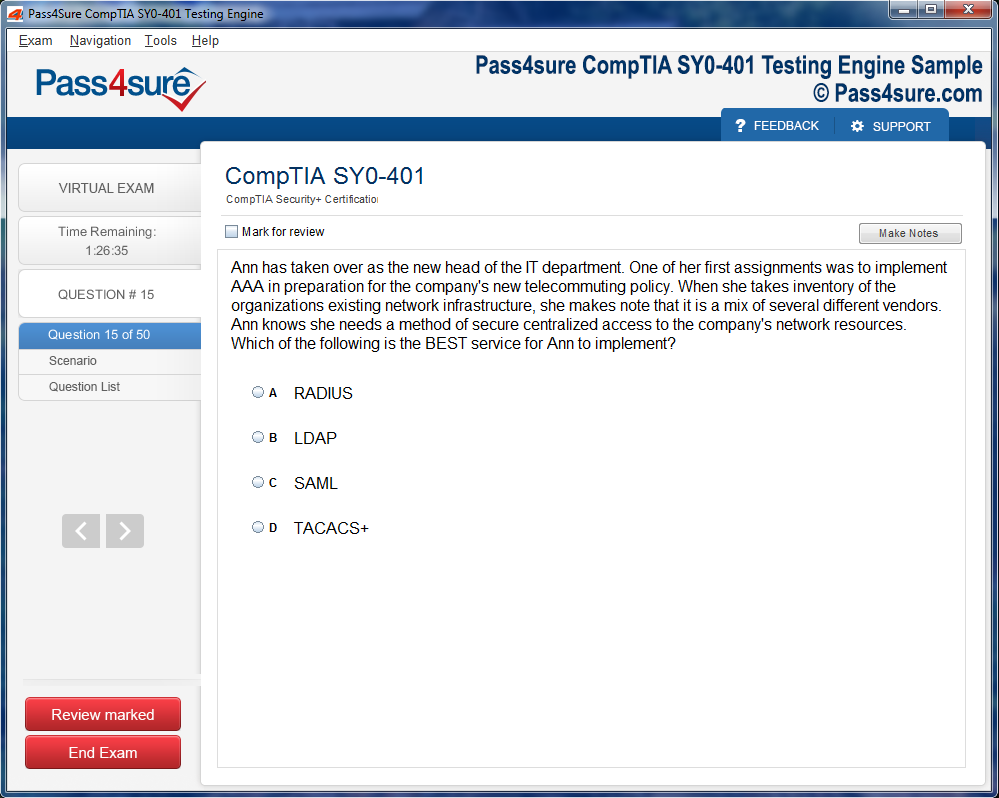
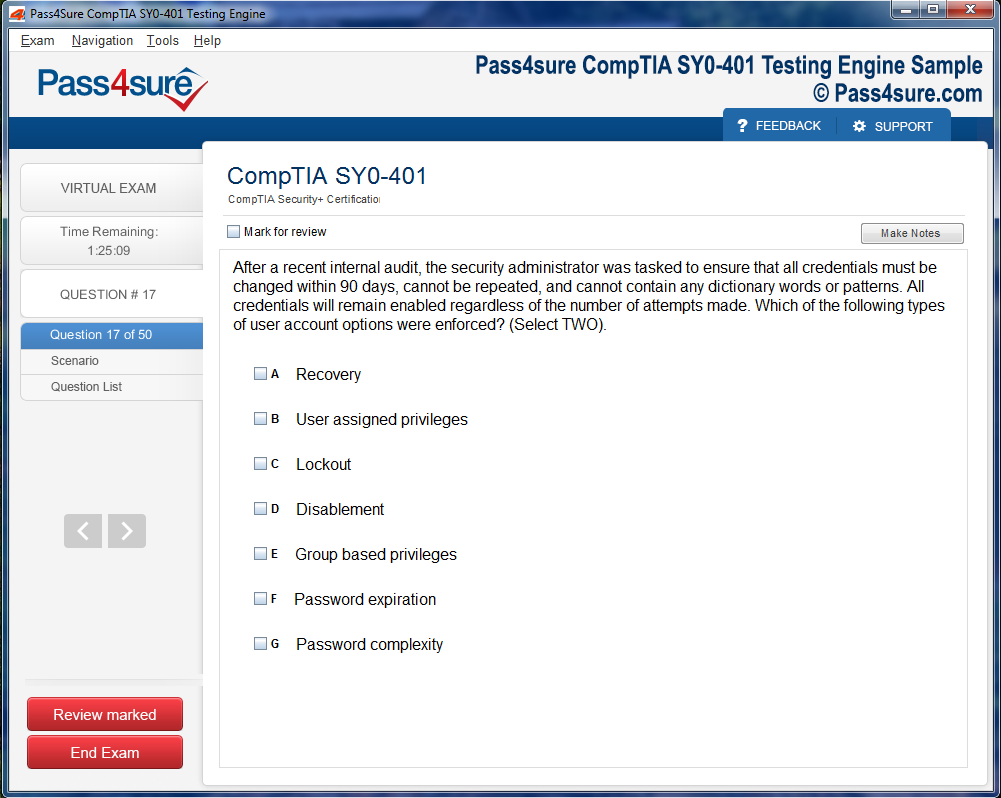
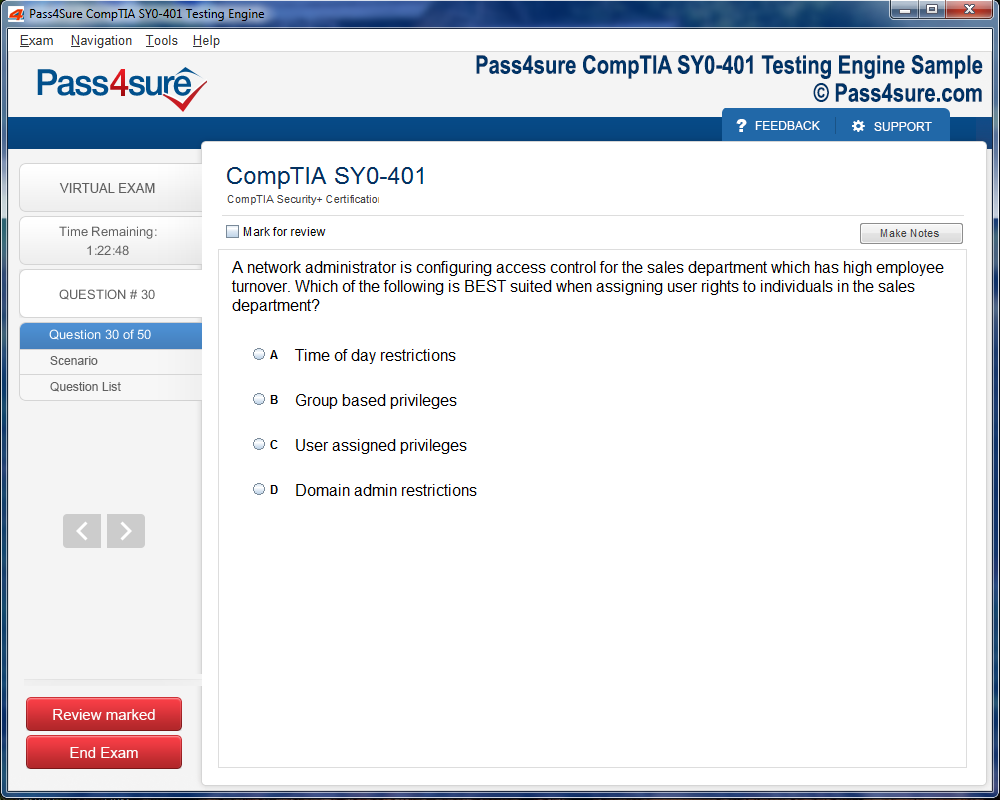
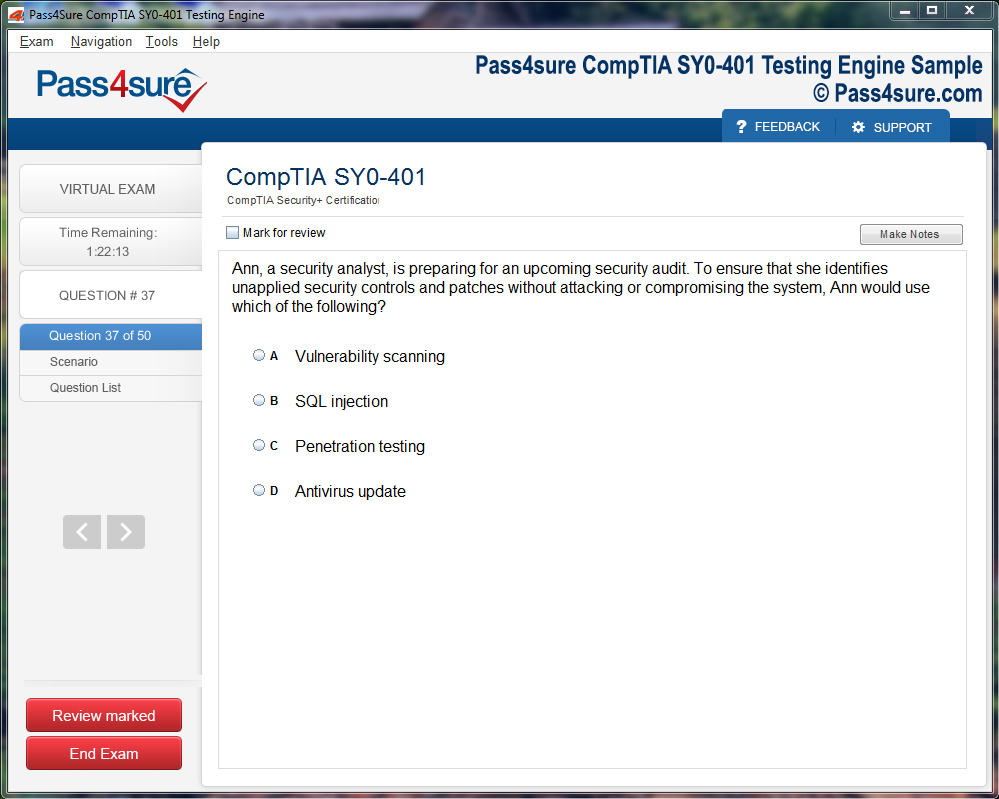
Frequently Asked Questions
How does your testing engine works?
Once download and installed on your PC, you can practise test questions, review your questions & answers using two different options 'practice exam' and 'virtual exam'. Virtual Exam - test yourself with exam questions with a time limit, as if you are taking exams in the Prometric or VUE testing centre. Practice exam - review exam questions one by one, see correct answers and explanations.
How can I get the products after purchase?
All products are available for download immediately from your Member's Area. Once you have made the payment, you will be transferred to Member's Area where you can login and download the products you have purchased to your computer.
How long can I use my product? Will it be valid forever?
Pass4sure products have a validity of 90 days from the date of purchase. This means that any updates to the products, including but not limited to new questions, or updates and changes by our editing team, will be automatically downloaded on to computer to make sure that you get latest exam prep materials during those 90 days.
Can I renew my product if when it's expired?
Yes, when the 90 days of your product validity are over, you have the option of renewing your expired products with a 30% discount. This can be done in your Member's Area.
Please note that you will not be able to use the product after it has expired if you don't renew it.
How often are the questions updated?
We always try to provide the latest pool of questions, Updates in the questions depend on the changes in actual pool of questions by different vendors. As soon as we know about the change in the exam question pool we try our best to update the products as fast as possible.
How many computers I can download Pass4sure software on?
You can download the Pass4sure products on the maximum number of 2 (two) computers or devices. If you need to use the software on more than two machines, you can purchase this option separately. Please email sales@pass4sure.com if you need to use more than 5 (five) computers.
What are the system requirements?
Minimum System Requirements:
- Windows XP or newer operating system
- Java Version 8 or newer
- 1+ GHz processor
- 1 GB Ram
- 50 MB available hard disk typically (products may vary)
What operating systems are supported by your Testing Engine software?
Our testing engine is supported by Windows. Andriod and IOS software is currently under development.
CPSA_P_New: PCI Security Standards Council Certification Guide
The voyage into CPSA_P_New certification necessitates not only familiarity but profound fluency with the nuanced architecture of PCI Security Standards. Professionals must cultivate a meticulous awareness of cryptographic methodologies, multifactor authentication mechanisms, and intrusion detection protocols. Immersing oneself in these paradigms transforms abstract frameworks into actionable intelligence, allowing practitioners to anticipate vulnerabilities and engineer resilient defenses. The intricate tapestry of payment security demands vigilance, for even the minutest lapse can cascade into systemic compromise, highlighting the essentiality of an anticipatory mindset.
An elevated comprehension extends to the subtle interplay between compliance mandates and operational practices. Certified individuals navigate the labyrinthine regulations with analytical precision, discerning the symbiosis between legal obligations and technical imperatives. Through this lens, adherence to standards is not a mere checklist exercise; it becomes a strategic instrument for fortifying organizational resilience. The capacity to interpret guidelines in context, adapting them to specific environments while preserving integrity, distinguishes expert practitioners from peripheral participants.
Cultivating Analytical Acumen
CPSA_P_New aspirants must develop an incisive analytical lens, capable of dissecting complex security landscapes. This entails mastering risk assessment methodologies, vulnerability appraisal, and incident prediction models. Analytical acumen empowers professionals to identify latent threats, quantify potential impacts, and orchestrate preemptive countermeasures. By synthesizing disparate datasets—from network logs to system audits—certified individuals illuminate hidden correlations that may otherwise evade detection, transforming uncertainty into actionable intelligence.
Scenario-based exercises serve as the crucible for honing this acumen. These simulated challenges mimic the chaotic dynamics of real-world breaches, compelling candidates to evaluate multifactorial conditions and respond with precision. The iterative engagement with these scenarios instills a rhythm of vigilance, fostering adaptability and enhancing situational awareness. Analytical competence thus becomes not a static skill but a dynamic, evolving practice aligned with the fluidity of digital threats.
Mastering Practical Implementation
Theory alone cannot suffice in the realm of payment security. CPSA_P_New certification emphasizes operational mastery, guiding professionals through the intricacies of deploying and managing security solutions. This encompasses network segmentation, secure data transmission protocols, and the orchestration of endpoint protection strategies. Mastery of these domains ensures that abstract standards are translated into tangible, resilient architectures capable of withstanding sophisticated attack vectors.
In parallel, candidates cultivate an intuitive grasp of incident response workflows. By engaging with simulated breaches, malware infiltration, and unauthorized access attempts, professionals learn to navigate high-stakes environments with composure. The integration of technical acumen with procedural fluency ensures that responses are both immediate and strategically aligned, minimizing disruption while preserving data integrity. Practical implementation thus becomes a synergistic dance between technical knowledge, procedural discipline, and adaptive cognition.
Embedding Continuous Learning
A defining characteristic of CPSA_P_New certification is the principle of continuous learning. In an ecosystem characterized by perpetual technological evolution, static knowledge quickly becomes obsolete. Professionals are thus encouraged to remain attuned to emerging threats, cryptographic innovations, and shifts in regulatory landscapes. This commitment to perpetual education cultivates intellectual agility, enabling certified individuals to anticipate trends and recalibrate strategies proactively.
Continuous learning extends beyond formal training. Engagement with industry forums, research publications, and collaborative networks reinforces practical insight and fosters the exchange of experiential knowledge. By maintaining this iterative dialogue with the broader security community, professionals not only enhance personal expertise but contribute to the collective intelligence that underpins the payment security domain. The CPSA_P_New credential, therefore, signifies not only current competence but sustained intellectual investment.
Navigating Strategic Perspectives
Security expertise transcends technical execution; it encompasses strategic foresight. Certified CPSA_P_New professionals comprehend the broader implications of security policies on business continuity, regulatory alignment, and customer confidence. By integrating security considerations into organizational strategy, they transform risk management from reactive mitigation into proactive advantage. This strategic orientation ensures that protective measures are congruent with operational objectives, fostering a resilient ecosystem in which compliance, efficiency, and trust coalesce.
The strategic perspective also informs resource allocation, prioritization of controls, and cost-benefit analysis of security interventions. Professionals adept in this domain harmonize technical rigor with organizational pragmatism, optimizing investments to achieve maximal protective efficacy. Such a holistic lens distinguishes practitioners capable of influencing executive decision-making, reinforcing the role of security as a foundational pillar of enterprise governance.
Enhancing Organizational Trust
CPSA_P_New certification embodies a tangible demonstration of expertise, instilling confidence among employers, clients, and stakeholders. Beyond operational competency, it signals a commitment to ethical stewardship, diligent oversight, and unwavering adherence to best practices. Organizations benefit not only from fortified defenses but from the reputational capital that accompanies demonstrated proficiency. Certified individuals thus become conduits for trust, fostering a culture of accountability and vigilance that permeates all levels of the enterprise.
Trust extends into customer relationships, wherein the assurance of robust security practices enhances engagement and loyalty. Payment security is inherently intertwined with consumer confidence; breaches can erode trust irreparably. Professionals bearing the CPSA_P_New credential mitigate this risk, offering a visible testament to the organization’s dedication to safeguarding sensitive data. In this way, certification operates as both technical credential and strategic asset, reinforcing credibility and facilitating sustainable business interactions.
Integrating Technological Foresight
The rapid evolution of payment technology necessitates a forward-looking mindset. CPSA_P_New certified professionals cultivate technological foresight, anticipating innovations that may disrupt existing security paradigms. By understanding trends in tokenization, blockchain integration, biometric authentication, and AI-driven fraud detection, individuals position themselves to implement anticipatory controls. This proactive stance enables organizations to stay ahead of adversarial tactics, preserving the integrity of financial transactions in an era of relentless digital sophistication.
Technological foresight also enhances adaptive capacity. Certified individuals are equipped to evaluate emerging tools, discern their strategic applicability, and integrate them seamlessly into established frameworks. This iterative approach mitigates obsolescence, ensuring that security infrastructures evolve in tandem with technological progression. Mastery of foresight, therefore, is not speculative but operational, blending insight with actionable implementation to secure enduring organizational advantage.
Holistic Risk Management in PCI Security
Beyond individual security measures, PCI standards advocate for a holistic approach to risk management. Organizations must not merely react to known threats but anticipate potential vulnerabilities within their ecosystems. This principle emphasizes the integration of risk assessment into every facet of operational planning. By mapping data flows, identifying high-risk touchpoints, and quantifying potential exposure, businesses gain a panoramic understanding of their threat landscape. Such foresight enables proactive countermeasures, reducing the likelihood of data compromise and aligning security initiatives with organizational objectives. Risk management becomes an iterative process, wherein assessments are revisited as technology, business processes, and threat vectors evolve.
Data Segmentation and Tokenization
One of the more sophisticated techniques embedded within PCI guidance is data segmentation. By isolating cardholder information from general business systems, organizations limit the scope of potential breaches. Segmentation reduces attack surfaces, confining sensitive data to fortified zones within the network. Complementary to segmentation is tokenization, an innovative method that replaces actual cardholder data with surrogate values. Tokens retain transactional utility without exposing real data, offering a practical balance between operational efficiency and security. These mechanisms exemplify the principle of minimizing exposure while maintaining functionality, underscoring the ingenuity of contemporary data protection strategies.
Continuous Compliance and Auditing
PCI standards are not static; they necessitate continuous vigilance. Organizations must institutionalize compliance as a dynamic, ongoing process rather than a periodic checkbox exercise. Auditing serves as the linchpin of this process, providing objective insights into adherence and uncovering latent weaknesses. Internal and external assessments, coupled with automated monitoring tools, allow for near-real-time oversight. Discrepancies are analyzed, remediated, and documented, reinforcing a culture of accountability. Continuous compliance transforms the organization into an adaptive entity, capable of responding to emergent threats and regulatory shifts with alacrity and precision.
Cryptographic Governance
Encryption alone is insufficient without robust cryptographic governance. PCI standards prescribe meticulous management of cryptographic keys, algorithms, and protocols. Effective governance entails lifecycle management of keys, regular rotation schedules, and the use of validated encryption methods resistant to contemporary cryptanalytic attacks. Equally important is the enforcement of stringent policies governing key access, ensuring that only authorized personnel can manipulate these critical assets. Cryptographic governance intersects technology with policy, creating a fortified bulwark against the clandestine efforts of cyber adversaries.
Intrusion Detection and Behavioral Analytics
Modern PCI compliance increasingly emphasizes predictive security through intrusion detection and behavioral analytics. Traditional defenses such as firewalls are augmented by intelligent systems capable of identifying anomalies in network traffic and user behavior. Behavioral analytics enables the detection of subtle patterns indicative of internal fraud, credential misuse, or early-stage compromise. These technologies offer preemptive insights, allowing security teams to neutralize threats before they escalate into tangible breaches. By merging human intuition with algorithmic foresight, organizations cultivate an anticipatory security posture, reducing reaction times and enhancing resilience.
Vendor and Third-Party Risk Oversight
PCI principles extend beyond the organizational perimeter, addressing risks introduced by third-party vendors and service providers. Every external partner handling cardholder data represents a potential vector for compromise. Organizations are encouraged to implement rigorous due diligence, contractual obligations, and ongoing oversight of vendor security practices. Continuous evaluation of third-party controls, coupled with penetration testing of shared systems, ensures that external dependencies do not undermine internal security initiatives. This outward-looking vigilance reinforces the broader principle that security is a network-wide responsibility, encompassing every entity interacting with sensitive data.
Adaptive Incident Response Mechanisms
Incident response within PCI frameworks transcends static protocols. Adaptive mechanisms emphasize flexibility and scenario-driven planning. Organizations are advised to develop modular response playbooks, tailored to various threat intensities and breach contexts. Simulated exercises, tabletop scenarios, and post-incident retrospectives cultivate organizational readiness. Such practices not only enhance technical response capabilities but also prepare leadership for strategic decision-making under pressure. Adaptive incident response exemplifies the fusion of operational preparedness with strategic foresight, ensuring that security measures remain robust under fluid conditions.
Data Lifecycle Stewardship
The lifecycle of cardholder data—from creation to destruction—is a central focus of PCI principles. Stewardship involves rigorous controls at every stage: secure collection methods, encrypted storage, monitored access, and safe disposal techniques. Data retention policies enforce minimal storage durations, reducing the temporal window of exposure. When data reaches end-of-life, secure deletion or anonymization processes render it irrecoverable. By conceptualizing data as a finite resource requiring careful handling, organizations embed a culture of accountability and foresight into their operational ethos. Data lifecycle stewardship transforms abstract compliance into tangible, enforceable practices.
Integration of Security with Business Processes
PCI standards advocate for the seamless integration of security within core business processes. Security cannot exist as a siloed function; it must permeate transactional workflows, software development lifecycles, and customer-facing operations. This principle necessitates a mindset shift: security is not merely a defensive layer but an enabler of trust, efficiency, and resilience. Embedding secure design principles in applications, leveraging secure coding practices, and aligning operational workflows with compliance mandates ensure that security complements, rather than constrains, business objectives. The symbiosis of security and business strategy enhances overall organizational robustness.
Threat Intelligence and Collaborative Defense
Finally, PCI emphasizes the strategic utilization of threat intelligence. Organizations are encouraged to actively participate in information-sharing consortia, exchanging anonymized data on emerging threats, vulnerabilities, and attack vectors. Leveraging collective knowledge enables faster recognition of novel exploits and informs defensive measures. Collaborative defense fosters a community-based security posture, wherein insights from one entity contribute to the resilience of many. This principle underscores the modern reality of cybersecurity: isolated efforts are insufficient, and shared vigilance amplifies protective capabilities across the ecosystem.
Operationalizing PCI Standards Through Strategic Frameworks
Transmuting abstract compliance mandates into operational reality demands a methodical framework, where strategy converges with execution. Organizations must embark on an intricate cartography of their digital topography, mapping data flows, systemic interdependencies, and transactional conduits. This meticulous mapping uncovers latent vulnerabilities that might otherwise elude cursory audits. By delineating the contours of both internal infrastructure and external connectivity, leadership can orchestrate interventions that are both precise and proportionate to identified risks.
The stratagem extends beyond mere technological implementation; it encompasses procedural codification and cultural inculcation. Policies must articulate not only the what but the why of security mandates, imbuing personnel with an understanding of operational imperatives. The embedding of compliance into quotidian workflows transforms abstract directives into instinctual practices, forging a nexus between policy and performance. Such integration ensures that protective measures are not episodic, but rather habitual, and that the organizational psyche internalizes security as an operational sinew rather than an external imposition.
Embedding Advanced Cryptography and Tokenization
In the crucible of modern cybersecurity, cryptography and tokenization emerge as indispensable bulwarks against the exfiltration of cardholder data. Advanced cryptographic algorithms, employing dynamic key rotation and asymmetrical encryption, render intercepted information inert to adversarial exploitation. Tokenization abstracts sensitive data into surrogate identifiers, ensuring that transactional processes can occur unimpeded without exposing original cardholder credentials. This dual approach synergistically mitigates both the probability and the impact of potential breaches.
However, encryption and tokenization are not merely technological artifacts; they necessitate harmonization with operational protocols. Key management practices, including rigorous access controls and lifecycle governance, dictate the efficacy of cryptographic safeguards. Likewise, tokenization workflows must be engineered to preserve transactional fidelity while maintaining a near-impermeable veil over sensitive data. The confluence of these technical measures with robust procedural oversight creates a lattice of protection that is both resilient and agile, capable of adapting to evolving threat topographies.
Cultivating a Vigilant Security Culture
Human factors persist as the most unpredictable vectors within the cybersecurity paradigm. Consequently, cultivating a vigilant security culture is paramount. Training initiatives must transcend perfunctory instructional sessions, evolving into immersive experiential programs that simulate adversarial tactics and exploit scenarios. Employees should not merely comprehend threats cognitively; they should internalize defensive behaviors reflexively. Gamified learning modules, scenario-based assessments, and reinforcement cycles foster retention and encourage proactive engagement with security protocols.
Equally critical is the instillation of a reporting ethos that valorizes transparency over obfuscation. Employees must perceive the disclosure of anomalies or lapses as a contribution to collective resilience rather than a punitive exposure. By transforming security from a compliance obligation into a shared organizational mandate, leadership galvanizes an ecosystem where human vigilance amplifies technological defenses. This interplay between personnel acumen and systemic fortification undergirds the comprehensive realization of PCI standards in practical contexts.
Integrating Continuous Monitoring and Intelligence
Static compliance is insufficient in a milieu characterized by rapid technological evolution and sophisticated threat actors. Continuous monitoring, therefore, becomes the linchpin of operational security. Real-time telemetry, powered by integrated security information and event management platforms, enables the detection of aberrant behaviors and anomalous transactions. Endpoint intelligence, coupled with network analytics, constructs a multidimensional panorama of system health and transactional integrity, revealing emergent threats before they metastasize.
Intelligence-driven insights augment monitoring capabilities by contextualizing raw data within broader threat landscapes. Anomalies are not assessed in isolation but are correlated with contemporaneous indicators, threat feeds, and historical patterns. This convergence of analytics and contextual intelligence facilitates predictive mitigation, allowing organizations to preemptively recalibrate defenses in anticipation of potential exploits. Consequently, PCI adherence transcends ritualistic auditing, evolving into a dynamic, anticipatory posture attuned to the fluidity of cyber threats.
Harmonizing Technology Ecosystems for Compliance
Fragmented technological ecosystems compromise both efficiency and security. Interoperability among security apparatuses is essential to achieving holistic PCI compliance. Endpoint defenses, intrusion detection mechanisms, network segmentation tools, and monitoring dashboards must operate in a synergistic architecture, enabling seamless data exchange and unified threat response. Disjointed implementations foster gaps that adversaries can exploit, whereas integrated systems promote cohesive visibility and coordinated mitigation.
Strategic alignment of technologies also entails lifecycle governance, ensuring that updates, patches, and legacy decommissions do not introduce inadvertent vulnerabilities. Automated orchestration, complemented by manual oversight, ensures that configuration drift is minimized and operational integrity is maintained. By embedding interoperability and governance into the technological substratum, organizations cultivate a robust scaffold for sustaining compliance over temporal and operational flux.
Institutionalizing Continuous Improvement
PCI compliance is not a static destination; it is an iterative journey. Organizational learning loops, informed by audits, incident analyses, and near-miss evaluations, enable the refinement of policies, procedures, and technologies. Lessons extracted from internal assessments and sectoral benchmarks catalyze incremental enhancements, fostering adaptive resilience. Continuous improvement is codified through regular risk reappraisals, policy recalibrations, and scenario-based testing, ensuring that defenses evolve in lockstep with emergent threats.
The institutionalization of this improvement ethos extends beyond technical modifications to encompass governance and cultural reinforcement. Stakeholders at all levels participate in evaluative processes, integrating insights into strategic planning and operational decision-making. By embedding reflection and adaptation as organizational constants, compliance transcends procedural checkboxing, manifesting as a living, responsive framework that harmonizes regulatory fidelity with operational pragmatism.
The Intricacies of Regulatory Convergence
Navigating the labyrinthine terrain of regulatory frameworks demands perspicacity and strategic foresight. PCI compliance does not exist in isolation; it intersects with broader mandates encompassing data privacy, cybersecurity, and operational resilience. Organizations must reconcile disparate requirements without succumbing to procedural inertia or superficial adherence. Harmonizing these frameworks fosters synergies, mitigates redundancy, and cultivates a coherent governance paradigm that transcends mere checklists.
Dynamic Risk Landscapes and Emerging Threats
The threat milieu is in perpetual flux, with cyber adversaries exploiting subtle vulnerabilities with precision. Emerging technologies, such as cloud-native infrastructures and decentralized payment protocols, introduce novel attack vectors. Organizations must cultivate anticipatory vigilance, leveraging threat intelligence and predictive analytics to forestall exploitation. Risk assessments should be iterative and adaptive, reflecting the mercurial nature of both internal operations and external threat ecosystems.
Cultural Embedding of Security Mindsets
Compliance efficacy is intrinsically linked to organizational culture. A top-down enforcement model is insufficient if employees lack intrinsic motivation to uphold security tenets. Cultivating a security-conscious ethos requires iterative reinforcement, recognition of exemplary behavior, and integration of compliance into performance metrics. Rituals such as immersive simulations, scenario-based exercises, and cross-functional workshops transform abstract policies into lived behaviors, embedding resilience at the operational core.
Sophisticated Access Control Architectures
Robust access governance constitutes the fulcrum of data protection. Granular role-based models, temporal access constraints, and cryptographically enforced authentication mechanisms thwart unauthorized intrusion. Access policies must be revisited regularly, incorporating dynamic privilege adjustments in response to organizational changes or anomalous activity detection. Failure to implement adaptive access frameworks leaves critical assets susceptible to both internal and external compromise.
Incident Response Orchestration
Effective incident management transcends ad hoc reaction; it is an orchestration of anticipation, detection, containment, and recovery. Playbooks should be meticulously codified, delineating responsibilities, escalation pathways, and communication protocols. Tabletop exercises simulate high-fidelity breach scenarios, revealing latent deficiencies and fortifying procedural rigor. Integrating automated alerting and forensic instrumentation accelerates response cadence and enables real-time remediation with minimal operational disruption.
Metrics and Continuous Auditing
Quantitative measurement underpins strategic decision-making in compliance domains. Key performance indicators must capture both the breadth and depth of adherence, encompassing process fidelity, technology efficacy, and behavioral compliance. Continuous auditing, bolstered by machine learning-assisted anomaly detection, ensures persistent visibility into system integrity. Metrics should be dynamic, contextualized, and actionable, serving as a navigational compass for resource allocation, risk prioritization, and iterative refinement of controls.
Strategic Vendor Management
Third-party ecosystems introduce both opportunity and vulnerability. Vendor risk management requires meticulous due diligence, contractual clarity, and ongoing surveillance of partner practices. Security expectations should be codified within binding agreements, with audit rights and remediation obligations clearly delineated. Maintaining a cohesive vendor governance framework mitigates supply-chain risk, ensuring that external dependencies do not undermine internal compliance postures.
Integrative Technology Deployment
The deployment of technological safeguards must be both deliberate and holistic. Disparate solutions yield fragmented visibility and operational friction, whereas integrated architectures provide comprehensive surveillance and incident correlation. Encryption, tokenization, and endpoint monitoring must coalesce within an overarching security fabric, ensuring both preventative and detective capabilities. Periodic validation through simulated attacks and penetration exercises ensures that technological investments translate into tangible risk reduction.
Psychological Dimensions of Human Error
Human factors remain a preeminent contributor to compliance lapses. Cognitive biases, habituation, and decision fatigue can inadvertently compromise controls. Organizations should adopt behavioral analytics to identify high-risk patterns, complemented by cognitive interventions such as nudges, contextual prompts, and decision support systems. Understanding the psychology of error enables targeted mitigation strategies, transforming potential vulnerabilities into areas of proactive fortification.
Iterative Policy Refinement
Policies should be treated as living instruments, responsive to evolving threats, technological shifts, and operational realities. Periodic review cycles, stakeholder consultation, and scenario-based testing ensure that regulations retain relevance and efficacy. Embedding iterative refinement into governance mechanisms fosters adaptability, reduces procedural stagnation, and reinforces organizational agility in the face of unanticipated exigencies.
The Evolutionary Trajectory of Payment Security
The tapestry of payment security is undergoing a profound metamorphosis, interwoven with technological innovation, regulatory intricacies, and an ever-escalating sophistication in cyber malfeasance. Payment ecosystems are no longer linear conduits of transactional data; they have evolved into dynamic, multifaceted networks that demand both strategic foresight and granular operational acuity. The PCI Security Standards Council, as the sentinel of industry best practices, perpetually refines its frameworks to encapsulate emerging transaction modalities, cutting-edge cryptographic algorithms, and holistic risk management paradigms. Within this constantly shifting milieu, professionals endowed with CPSA_P_New certification are uniquely poised to traverse and shape the contours of modern payment security, navigating organizations through labyrinthine challenges with prescient acumen.
Integration of Artificial Intelligence in Payment Security
Artificial intelligence has transcended its conceptual infancy to become an indispensable instrument in the orchestration of payment security. Machine learning algorithms, fueled by expansive datasets and predictive analytics, enable unprecedented levels of threat detection and anomaly recognition. These technologies permit systems to discern patterns, anticipate malicious activity, and implement mitigative measures before exploitation occurs. For CPSA_P_New professionals, fluency in AI integration is no longer optional; it is a strategic imperative. Understanding the nuances of algorithmic bias, model interpretability, and operational scalability allows security architects to deploy AI-driven tools with precision, transforming reactive security postures into proactive, anticipatory frameworks.
Machine Learning and Predictive Risk Modeling
Beyond conventional security measures, predictive risk modeling has emerged as a transformative mechanism for identifying vulnerabilities across transactional networks. Machine learning models synthesize historical attack vectors, behavioral anomalies, and environmental variables to generate probabilistic risk forecasts. Certified professionals are tasked with interpreting these predictive insights, translating abstract statistical inferences into actionable defense strategies. By embedding such analytical foresight into organizational processes, payment institutions can optimize resource allocation, fortify critical infrastructure, and cultivate resilience against both known and novel threat vectors.
Encryption Evolution and Cryptographic Strategies
Encryption technology remains the linchpin of payment security, yet its evolution is relentless. From symmetric-key systems to post-quantum cryptographic algorithms, the field demands continuous vigilance and expertise. CPSA_P_New professionals must possess an intimate understanding of cryptographic life cycles, key management protocols, and emerging encryption standards. Strategic deployment of these mechanisms mitigates the risk of data exfiltration and reinforces organizational trust. The interplay between cryptography, compliance mandates, and operational feasibility forms a complex calculus that necessitates both technical dexterity and executive-level judgment.
Regulatory Dynamics and Global Standards Harmonization
The regulatory landscape of payment security is a mosaic of national statutes, regional directives, and international standards. Harmonization efforts are increasingly critical, as organizations conduct transactions across diverse jurisdictions with divergent compliance requirements. CPSA_P_New certified professionals act as navigators through this regulatory labyrinth, ensuring that organizational practices align with the latest mandates while fostering operational agility. This necessitates not only technical knowledge but also a sophisticated grasp of policy interpretation, risk communication, and strategic foresight. Professionals must anticipate regulatory shifts, integrate them seamlessly into security architectures, and ensure continuous alignment with global best practices.
Cross-Industry Collaboration and Collective Defense
In an era of interconnected payment networks, security cannot be siloed. Cross-industry collaboration is paramount, encompassing joint threat intelligence initiatives, coordinated vulnerability disclosures, and multi-organizational defense protocols. CPSA_P_New professionals contribute to these ecosystems by sharing expertise, standardizing response mechanisms, and facilitating the transfer of knowledge across organizational boundaries. Such collaboration magnifies the collective resilience of the payment ecosystem, creating a formidable bulwark against adversaries. It transforms security from an isolated operational concern into a communal enterprise rooted in trust, transparency, and reciprocal accountability.
Strategic Leadership and Professional Empowerment
CPSA_P_New certification extends beyond technical mastery, cultivating strategic leadership and organizational influence. Professionals leverage their certification to articulate risk scenarios, advise executive stakeholders, and drive enterprise-wide security initiatives. This dual capability—combining granular technical insight with strategic perspective—elevates certified individuals to positions of influence, allowing them to shape organizational policies, guide technological investments, and foster a culture of continuous vigilance. Mastery of such competencies ensures that professionals remain not only relevant but indispensable in a rapidly evolving payment ecosystem.
Technological Convergence and Future-Proofing Security Architectures
The convergence of emerging technologies, from blockchain to quantum-resistant cryptography, heralds a new paradigm in payment security. CPSA_P_New professionals must anticipate and integrate these innovations, constructing architectures that are resilient, adaptive, and scalable. This requires an appreciation of both the technical underpinnings and the strategic ramifications of emerging tools. Future-proofing security systems entails iterative testing, scenario planning, and dynamic governance mechanisms that can absorb technological shocks without compromising operational continuity.
Cultivating Organizational Resilience
Resilience in payment security extends beyond technical fortifications; it encompasses organizational culture, process integrity, and human factors. Certified professionals champion initiatives that embed security awareness, operational agility, and risk-informed decision-making into organizational DNA. Training programs, simulation exercises, and continuous feedback loops ensure that teams are prepared to respond effectively to unforeseen challenges. This holistic approach transforms organizations into adaptive organisms, capable of surviving, learning, and thriving amid a landscape of ceaseless cyber threats.
Emerging Threat Vectors and Adaptive Countermeasures
The cyber threat landscape evolves with relentless ingenuity, encompassing sophisticated malware, social engineering exploits, and supply chain compromises. CPSA_P_New professionals must develop an anticipatory posture, employing adaptive countermeasures that evolve in concert with threat sophistication. Intelligence-driven security operations, automated threat mitigation, and continuous monitoring frameworks are essential tools in this endeavor. Professionals are not merely defenders; they become architects of anticipatory resilience, constructing systems that learn from attacks, adapt to changing conditions, and maintain continuity under pressure.
Professional Growth and Continuous Learning
In the context of rapid technological evolution, professional growth is inseparable from continuous learning. CPSA_P_New certification fosters a mindset of perpetual development, encouraging practitioners to expand their expertise, explore novel security paradigms, and contribute to industry discourse. Networking, knowledge exchange, and mentorship are integral to this growth trajectory, positioning certified individuals as thought leaders capable of influencing both organizational strategy and broader industry trends. This commitment to learning ensures sustained relevance and positions professionals as catalysts for innovation within the payment security domain.
Cultivating Trust and Strategic Influence
Trust is the currency of payment ecosystems, and the role of CPSA_P_New professionals extends into the realm of reputation management and strategic influence. By ensuring data integrity, regulatory compliance, and proactive risk mitigation, certified individuals reinforce stakeholder confidence. This trust underpins business continuity, supports strategic partnerships, and enhances competitive advantage. Professionals thus operate at the intersection of technical expertise and organizational diplomacy, leveraging their skills to shape perception, influence decision-making, and fortify systemic resilience.
The Imperative of Innovation and Proactive Adaptation
The future of payment security demands an unwavering commitment to innovation and proactive adaptation. CPSA_P_New professionals are tasked with continuously evaluating emerging technologies, integrating novel methodologies, and anticipating future threat vectors. Their expertise enables organizations to transition from reactive, compliance-focused paradigms toward predictive, intelligence-driven security postures. This orientation not only mitigates risk but also unlocks strategic opportunities, facilitating operational excellence, market differentiation, and sustained organizational growth.
Payment systems have transcended the confines of conventional banking corridors, evolving into expansive, multifaceted networks that encompass digital wallets, decentralized finance platforms, real-time settlement systems, and cross-border transaction infrastructures. This evolution is fueled by the proliferation of mobile technologies, blockchain architectures, and cloud-based payment platforms, all of which have democratized access to financial services while simultaneously amplifying the attack surface for cyber adversaries. As financial transactions proliferate in both volume and velocity, the operational landscape becomes increasingly complex, necessitating a fusion of strategic oversight, technical dexterity, and regulatory compliance. CPSA_P_New certified professionals emerge as indispensable navigators in this environment, orchestrating security strategies that preserve transactional integrity, fortify risk management, and ensure organizational resilience.
Digital Wallets and the Transformation of Consumer Behavior
Digital wallets have revolutionized consumer payment behavior, offering convenience, interoperability, and seamless integration with e-commerce ecosystems. These platforms store and transmit sensitive information, including personal identifiers and financial credentials, rendering them attractive targets for cybercriminals. CPSA_P_New professionals must develop an intimate understanding of digital wallet architectures, including tokenization, encryption standards, and authentication protocols. They assess vulnerabilities, design layered defense mechanisms, and implement continuous monitoring frameworks to detect anomalous activities in real time. Beyond technical oversight, they guide organizations in cultivating consumer trust, ensuring that the user experience remains frictionless while security postures remain robust.
Decentralized Finance and Blockchain-Based Payment Networks
The rise of decentralized finance (DeFi) platforms has introduced unprecedented flexibility and transparency into payment ecosystems. Smart contracts, distributed ledgers, and peer-to-peer transaction models enable rapid, automated settlements without centralized intermediaries. However, this decentralization introduces novel security and compliance challenges, including smart contract vulnerabilities, protocol exploits, and regulatory ambiguities. CPSA_P_New certified professionals are tasked with developing governance frameworks that reconcile innovation with accountability. They conduct comprehensive code audits, simulate attack scenarios, and devise strategies for disaster recovery and contingency planning. By bridging technical expertise with strategic foresight, these professionals ensure that decentralized networks operate securely and sustainably.
Cross-Border Transactions and Regulatory Complexity
Global payment flows amplify both operational potential and regulatory intricacy. Cross-border transactions traverse multiple jurisdictions, each governed by distinct financial regulations, anti-money laundering (AML) directives, and data protection statutes. CPSA_P_New professionals act as navigators of this regulatory mosaic, ensuring that organizational practices align with international standards while mitigating exposure to financial, legal, and reputational risk. They implement adaptive compliance frameworks capable of responding to evolving legislative environments, monitor regulatory updates, and advise executive leadership on policy implications. By integrating regulatory intelligence into operational workflows, they maintain the balance between operational efficiency and global compliance integrity.
Real-Time Payment Systems and Operational Resilience
The proliferation of real-time payment systems demands instantaneous transaction processing, leaving minimal tolerance for error or disruption. These systems enhance consumer satisfaction and streamline business operations but introduce heightened operational risk due to their immediacy. CPSA_P_New professionals design architectures that maintain high availability, transactional integrity, and fault tolerance. They implement redundant infrastructures, continuous monitoring, and predictive analytics to anticipate system stressors. Their expertise ensures that real-time payment ecosystems function seamlessly under fluctuating loads while preserving the security, confidentiality, and integrity of transactional data.
Integration of Emerging Technologies and Strategic Oversight
Emerging technologies, including artificial intelligence, machine learning, and quantum-resistant cryptography, are increasingly integrated into payment ecosystems to enhance security, fraud detection, and operational efficiency. AI-driven anomaly detection systems can flag unusual transaction patterns with predictive accuracy, while cryptographic advancements fortify data against emerging threats. CPSA_P_New certified professionals evaluate the applicability, operational impact, and potential vulnerabilities of these technologies, ensuring that adoption enhances rather than undermines security postures. Their strategic oversight ensures that technological integration aligns with organizational objectives, risk appetite, and regulatory obligations.
Risk Management and Threat Intelligence in Expanding Ecosystems
As payment ecosystems grow in scope, the attack surface expands, exposing organizations to multifaceted cyber threats ranging from sophisticated phishing campaigns to supply chain compromises. CPSA_P_New professionals develop comprehensive risk management frameworks that encompass threat intelligence, vulnerability assessments, and incident response planning. They establish proactive surveillance systems, integrate threat intelligence feeds, and perform continuous penetration testing to detect and remediate vulnerabilities before they are exploited. Their role extends beyond technical mitigation; they cultivate a culture of vigilance and risk awareness throughout the organization, ensuring that every stakeholder contributes to maintaining ecosystem integrity.
Consumer Trust and Reputation Management
The expansion of payment ecosystems heightens the stakes of consumer trust and brand reputation. A single breach or system disruption can erode confidence, trigger regulatory scrutiny, and inflict lasting reputational damage. CPSA_P_New professionals champion initiatives that reinforce trust, including transparent communication protocols, secure authentication processes, and demonstrable compliance with industry standards. By embedding security into the organizational ethos, they cultivate loyalty among consumers and stakeholders alike, positioning the organization as a trustworthy custodian of financial data in a complex digital landscape.
Strategic Collaboration Across Industries
The intricate interdependencies of modern payment networks necessitate strategic collaboration across financial institutions, technology providers, regulators, and industry consortia. CPSA_P_New certified professionals facilitate this collaboration by sharing expertise, standardizing security protocols, and contributing to joint threat intelligence initiatives. These collaborative frameworks enhance resilience across the entire payment ecosystem, enabling rapid response to emerging threats and fostering a collective defense posture. By participating in cross-industry dialogue, certified professionals help establish harmonized security benchmarks and operational best practices, elevating the standard of payment security on a global scale.
Operational Agility and Adaptive Governance
Expanding payment ecosystems require operational agility to accommodate new transaction types, evolving regulatory requirements, and technological innovations. CPSA_P_New professionals implement adaptive governance structures that allow organizations to respond to environmental changes without compromising security or compliance. They establish dynamic policy frameworks, conduct iterative risk assessments, and monitor performance metrics to guide strategic decision-making. This adaptive approach enables organizations to seize emerging opportunities while maintaining the integrity and reliability of payment operations.
Financial Inclusion and the Democratization of Payments
The expansion of payment ecosystems has profound implications for financial inclusion, enabling previously underserved populations to access banking services, digital payments, and global marketplaces. CPSA_P_New professionals play a critical role in ensuring that these expanded services maintain security and compliance standards, particularly in regions with limited regulatory oversight. They implement scalable security frameworks, provide guidance on risk mitigation, and facilitate secure onboarding processes. By safeguarding these digital channels, certified professionals support equitable access to financial services while mitigating systemic risk.
Future-Proofing Payment Ecosystems
Looking forward, the sustainability and security of payment ecosystems depend on proactive foresight, continuous innovation, and anticipatory risk management. CPSA_P_New certified professionals engage in scenario planning, emerging technology evaluation, and resilience testing to future-proof systems against evolving cyber threats and operational disruptions. They advocate for continuous learning, inter-organizational knowledge sharing, and iterative improvements, ensuring that payment networks remain robust, secure, and adaptive in the face of rapid technological evolution. Through their strategic influence, these professionals enable organizations to navigate uncharted territories with foresight, agility, and confidence, transforming challenges into opportunities for growth and innovation.
Resilient Architecture Design
Constructing resilient payment architectures necessitates foresight and modularity. Systems must be inherently robust against disruption, ensuring continuity amid cyber incidents, hardware failures, or process deviations. Architectural segmentation, microservices isolation, and fault-tolerant designs reduce systemic risk and prevent cascading failures. The integration of redundancy, adaptive load balancing, and self-healing protocols creates a landscape where disruption is not catastrophic but manageable, reinforcing confidence in compliance adherence.
Cryptographic Sophistication
Encryption alone is insufficient if cryptographic implementation is naive. Organizations must employ layered encryption methodologies, key rotation policies, and algorithmic diversification to counter sophisticated adversaries. Advanced cryptographic practices such as homomorphic encryption, secure multiparty computation, and post-quantum algorithms anticipate emerging threat vectors. Ensuring cryptographic agility enables rapid pivoting when vulnerabilities are discovered, maintaining continuity without operational compromise.
Adaptive Threat Intelligence
Proactive defense relies upon continuous, context-rich threat intelligence. Static threat feeds are insufficient; organizations require dynamic, multi-source intelligence that correlates cyber incidents, industry trends, and geopolitical developments. Machine-learning-enhanced systems can detect anomalies, predict attack trajectories, and generate actionable alerts. Embedding intelligence within operational decision-making ensures that PCI compliance is not merely a static checklist but an evolving, anticipatory capability.
Supply Chain Resilience
Modern enterprises operate in complex supply chain ecosystems, where third-party dependencies are intrinsic yet perilous. Supply chain resilience extends beyond contractual safeguards, incorporating systemic monitoring, behavioral analytics, and scenario simulations of partner compromise. Integrating visibility tools and continuous verification ensures that peripheral actors cannot circumvent internal controls, preserving data sanctity and operational integrity.
Dynamic Policy Automation
Manual policy enforcement is inherently prone to error, inconsistency, and latency. Dynamic automation of policies ensures real-time compliance and reduces operational friction. Policy engines can orchestrate data access, workflow approvals, and incident triggers, ensuring that controls are uniformly applied without human delay. By codifying complex compliance logic into executable rules, organizations maintain rigor while liberating personnel for higher-order strategic tasks.
Sophisticated Anomaly Detection
Advanced anomaly detection extends beyond signature-based monitoring. Behavioral analytics, probabilistic modeling, and unsupervised learning algorithms identify deviations indicative of malicious activity. Continuous calibration of detection models against operational baselines minimizes false positives while enhancing sensitivity to subtle threats. When coupled with automated remediation pathways, anomaly detection transforms latent vulnerabilities into proactive control mechanisms.
Continuous Organizational Vigilance
Maintaining compliance demands perpetual vigilance, not episodic attention. This requires establishing operational rhythms of monitoring, review, and response that are ingrained into organizational processes. Real-time dashboards, alert triaging, and audit simulations provide persistent situational awareness. Embedding vigilance into the organizational fabric ensures that emergent risks are immediately addressed, preventing compliance drift and operational complacency.
Forensic Readiness
Preparing for potential breaches involves more than reactive response; it entails forensic readiness. Organizations must maintain comprehensive, immutable logs, precise timestamping, and secure storage of evidence artifacts. Forensic readiness accelerates incident resolution, facilitates regulatory reporting, and supports legal or contractual obligations. Integrating forensic preparedness into system architecture ensures that evidence is both reliable and rapidly actionable.
Regulatory Foresight
Anticipating regulatory evolution is essential to sustainable compliance. PCI standards evolve alongside emerging payment technologies, and organizations must maintain foresight to preempt obsolescence. Horizon scanning, industry consortium participation, and regulatory simulations enable early adoption of forthcoming requirements. This proactive stance minimizes disruptive remediation efforts and positions organizations as leaders in compliance sophistication.
Immersive Training Paradigms
Conventional compliance training often fails to resonate; immersive paradigms deliver experiential learning that transforms abstract principles into operational proficiency. Gamified simulations, scenario-based workshops, and interactive modules cultivate decision-making skills, reflexive understanding of controls, and anticipatory threat response. Such immersive methods embed deep cognitive schemas, ensuring that employees internalize compliance behaviors beyond rote memorization.
Multi-Layered Defense Strategies
Single-layer defenses are inadequate against multifaceted threats. Multi-layered strategies integrate network segmentation, endpoint fortification, behavioral monitoring, and cryptographic safeguards into a coherent defensive posture. Each layer compensates for potential gaps in others, creating a resilient ecosystem where breaches are contained and mitigated. Strategic layering also simplifies compliance reporting, as controls are demonstrably redundant and robust.
Contextual Risk Prioritization
Not all threats carry equal weight, and efficient compliance requires contextual prioritization. Risk matrices, threat scoring algorithms, and scenario analyses enable organizations to allocate resources where they are most impactful. Prioritization ensures that high-severity vulnerabilities are remediated promptly, while low-probability risks are monitored proportionally. This disciplined approach optimizes operational expenditure and maximizes security ROI.
Cultural Incentives and Behavioral Economics
Incentivizing compliance through behavioral economics principles fosters enduring adherence. Recognition, micro-rewards, and positive reinforcement align individual behavior with organizational objectives. Behavioral nudges embedded into systems, such as context-sensitive prompts or proactive alerts, reduce inadvertent deviations. By coupling policy with motivation, organizations cultivate a self-reinforcing culture where compliance is both natural and aspirational.
Cognitive Load Management
Employees operating under high cognitive load are prone to error, undermining compliance objectives. Effective cognitive load management includes workflow simplification, interface ergonomics, and context-aware guidance. Systems should offload repetitive tasks, provide clear decision support, and integrate error-prevention mechanisms. By reducing mental friction, organizations enable consistent adherence to PCI protocols even in complex operational environments.
Cross-Functional Synergy
PCI compliance is not the purview of a single department; it thrives on cross-functional synergy. Collaboration between IT, legal, finance, and operations ensures holistic oversight, eliminates blind spots, and fosters unified accountability. Regular interdepartmental workshops, shared dashboards, and joint simulations cultivate a shared comprehension of risks, responsibilities, and response strategies, embedding compliance into the organizational DNA.
Threat Simulation and Red Teaming
Red teaming, penetration testing, and continuous threat simulation reveal latent vulnerabilities invisible under standard monitoring. Simulated adversarial engagements stress-test controls, human responses, and technological safeguards. Insights gained from these exercises inform policy refinement, technological upgrades, and personnel training. Over time, simulation-driven learning enhances resilience and embeds adaptive thinking into organizational behavior.
Adaptive Encryption Management
Encryption management must evolve beyond static implementation. Adaptive encryption involves dynamic algorithm selection, key lifecycle governance, and contextual data classification. Data in motion, at rest, and in use each demands tailored protective measures. Implementing adaptive strategies ensures that encryption efficacy is maximized, minimizing susceptibility to both conventional attacks and novel cryptanalytic techniques.
Continuous Improvement Ecosystems
Sustained compliance requires embedding continuous improvement into operational frameworks. Feedback loops, performance audits, and post-incident reviews provide empirical evidence for refinement. By integrating iterative learning, organizations avoid stagnation, preemptively address emerging threats, and maintain a trajectory of ascending security maturity. Continuous improvement transforms compliance from a static obligation into a strategic asset.
Cognitive Forensics
Beyond traditional digital forensics, cognitive forensics examines human decision-making in breach scenarios. It identifies behavioral patterns, decision biases, and latent procedural gaps that contribute to incidents. This discipline enables preemptive adjustments to training, workflow design, and policy formulation, enhancing resilience by addressing the human dimension of compliance vulnerabilities.
The genesis of payment security standards is rooted in the necessity to preempt sophisticated cyber threats that have continually evolved alongside technological advancements. Initially, rudimentary controls were employed, often fragmented and inconsistent, leaving vulnerabilities that cybercriminals exploited with increasing ingenuity. The establishment of structured security frameworks marked a transformative epoch, instilling a methodical approach to safeguarding sensitive financial data. These frameworks, particularly those promulgated by the council, introduced a codified set of principles that harmonized security practices across industries, thereby mitigating risk proliferation and fostering a culture of vigilance.
Over time, the sophistication of threats necessitated iterative refinement of these standards. No longer confined to mere encryption protocols or password policies, contemporary guidelines encompass holistic governance models, intrusion detection mechanisms, and real-time monitoring paradigms. The council’s iterative updates reflect a nuanced understanding of threat landscapes, incorporating empirical insights from breach analyses, vulnerability assessments, and emerging attack vectors. This evolution underscores a critical axiom in cybersecurity: static defenses are insufficient against dynamic adversaries, necessitating perpetual adaptation and foresight.
The council’s proactive stance in standard evolution also illustrates the interplay between regulatory foresight and technological innovation. By preemptively defining stringent requirements for data storage, transmission, and processing, the standards compel organizations to architect systems with intrinsic security, rather than retrofitting controls reactively. This paradigm shift from reactive mitigation to anticipatory fortification not only diminishes exposure to breaches but also catalyzes operational efficiency, as secure infrastructures tend to exhibit enhanced performance, resilience, and scalability.
Strategic Imperatives of PCI Compliance
Compliance with PCI standards transcends regulatory adherence; it constitutes a strategic fulcrum upon which organizational trust and reputational capital pivot. Businesses that integrate these guidelines into their operational fabric demonstrate a discernible commitment to safeguarding stakeholder interests, cultivating confidence among consumers, partners, and financial institutions alike. The implications of non-compliance extend beyond punitive fines, encompassing reputational erosion, diminished market share, and potential litigation exposure.
Strategically, PCI compliance enables organizations to harness data as a secure asset. In a digital economy driven by analytics, loyalty programs, and personalized services, safeguarding payment information becomes integral to unlocking business intelligence without compromising privacy. Compliance frameworks provide structured methodologies for encrypting sensitive information, segmenting networks, and instituting rigorous access controls, thereby creating an infrastructure where data can be leveraged responsibly and securely. In essence, compliance transforms risk management from a defensive posture into a competitive differentiator.
Furthermore, PCI standards necessitate rigorous auditing and reporting, engendering a culture of accountability and transparency. Businesses are compelled to document controls, track anomalies, and substantiate security measures, fostering operational discipline and institutional memory. This meticulous documentation is invaluable not only for regulatory assessments but also for internal governance, risk management, and strategic decision-making. Organizations that embed compliance into their core operations are better positioned to anticipate threats, adapt to changing conditions, and sustain long-term resilience.
Integration of Technology and Governance
A salient dimension of PCI adherence lies in the symbiotic integration of technological innovation and governance frameworks. Security is not merely a technical endeavor; it is a comprehensive orchestration of policy, process, and infrastructure. Technologies such as tokenization, end-to-end encryption, and advanced threat analytics provide the mechanistic safeguards necessary for protecting cardholder data, yet their efficacy is contingent upon coherent governance, disciplined policy enforcement, and vigilant oversight.
Governance structures delineate roles, responsibilities, and escalation pathways, ensuring that technical defenses are complemented by procedural rigor. Incident response protocols, risk assessments, and continuous monitoring constitute the operational scaffolding upon which technological safeguards operate. The council emphasizes that organizations must not only implement technical solutions but also cultivate an environment where human oversight, procedural discipline, and ethical stewardship converge to minimize exposure and optimize security outcomes.
This integration also extends to vendor management and supply chain oversight. In an interconnected ecosystem, the security posture of third-party service providers can significantly influence overall risk exposure. PCI standards mandate that organizations assess and monitor vendor compliance, creating an extended perimeter of accountability that reinforces the integrity of payment ecosystems. Such a holistic approach exemplifies the principle that security is a collaborative endeavor, encompassing internal practices, external partnerships, and ecosystem-wide vigilance.
Navigating Emerging Threat Landscapes
The cybersecurity terrain is in constant flux, shaped by the relentless ingenuity of threat actors and the rapid proliferation of digital payment technologies. Emerging threats—ranging from sophisticated phishing campaigns to state-sponsored intrusion attempts—necessitate a proactive, anticipatory security strategy. PCI standards serve as both a compass and a bulwark, guiding organizations in adapting defenses to address novel vulnerabilities while maintaining operational continuity.
Artificial intelligence and machine learning have introduced a dual-edged paradigm. While these technologies enhance threat detection, anomaly identification, and predictive analytics, they also empower adversaries to develop automated attack vectors capable of evading conventional defenses. The council’s standards encourage organizations to harness these technologies judiciously, blending human oversight with algorithmic precision to anticipate, detect, and neutralize threats in real time. This anticipatory posture exemplifies the council’s emphasis on resilience, adaptability, and continuous vigilance.
Simultaneously, the proliferation of mobile payments, contactless transactions, and cloud-based infrastructures expands the attack surface, requiring nuanced security strategies. PCI compliance demands that organizations implement layered defenses, encompassing endpoint protection, encryption, access management, and robust authentication protocols. By addressing these emerging complexities, organizations not only mitigate risk but also instill confidence in consumers who increasingly demand seamless yet secure digital experiences.
Cultivating a Culture of Security Awareness
Technological measures alone are insufficient to safeguard sensitive data; the human element is equally pivotal. PCI standards underscore the importance of cultivating a pervasive culture of security awareness within organizations. Employees, from executive leadership to frontline staff, must internalize the principles of data protection, recognize potential threats, and adhere rigorously to established protocols. Awareness programs, simulated phishing exercises, and continuous education initiatives reinforce this cultural paradigm, transforming personnel into vigilant custodians of sensitive information.
A robust security culture also facilitates rapid incident response. When employees understand the significance of compliance and the mechanisms for reporting anomalies, organizations can detect and contain breaches swiftly, minimizing potential damage. Moreover, a culture of security engenders accountability, encouraging personnel to act proactively in safeguarding cardholder data rather than relying solely on technical controls. This symbiosis of human vigilance and technological rigor exemplifies a holistic approach to risk management, reinforcing the enduring relevance of PCI standards in contemporary business ecosystems.
Conclusion
The CPSA_P_New certification and the PCI Security Standards Council framework together represent a cornerstone of modern payment security. By understanding, implementing, and continuously improving these standards, organizations protect sensitive cardholder data, mitigate risks, and strengthen trust among customers and partners. Compliance is not merely a regulatory requirement; it is a strategic imperative that fosters resilience, operational efficiency, and competitive advantage.
Throughout this series, we have explored the council’s purpose, the certification path, core principles, real-world implementation strategies, challenges, and emerging trends. Each element underscores the need for a holistic, proactive approach to payment security—one that integrates technology, processes, and human awareness. Encryption, access control, network security, incident response, and continuous training form the pillars of a robust security posture, ensuring organizations remain vigilant in a rapidly evolving threat landscape.
The journey to CPSA_P_New certification equips professionals with both technical expertise and strategic insight. Certified individuals are empowered to lead organizations in adopting best practices, navigating regulatory requirements, and embracing innovations that enhance security. Their role extends beyond compliance, shaping a culture of accountability, foresight, and resilience.
Looking ahead, the landscape of payment security will continue to transform. Emerging technologies, sophisticated cyber threats, and global regulatory changes demand adaptability, vigilance, and collaboration. Organizations and professionals who embrace these values will not only maintain compliance but also achieve long-term sustainability, trust, and success in the digital economy.
Ultimately, CPSA_P_New certification and adherence to PCI Security Standards cultivate confidence—for organizations, employees, and customers alike. They symbolize a commitment to excellence, the safeguarding of sensitive information, and the proactive pursuit of innovation in the ever-evolving world of payment security. Embracing these principles ensures that businesses remain secure, competitive, and prepared for the challenges of today and tomorrow.