

Exam Code: MSPF
Exam Name: Managing Successful Programmes Foundation, 5th edition
Certification Provider: Exin
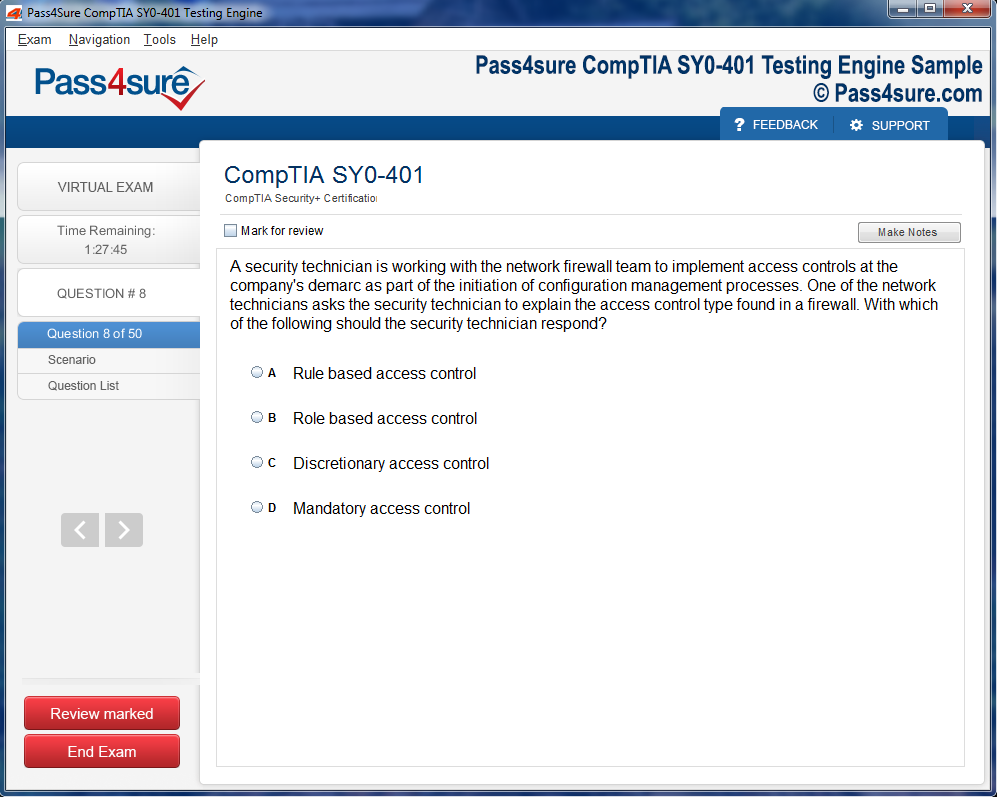
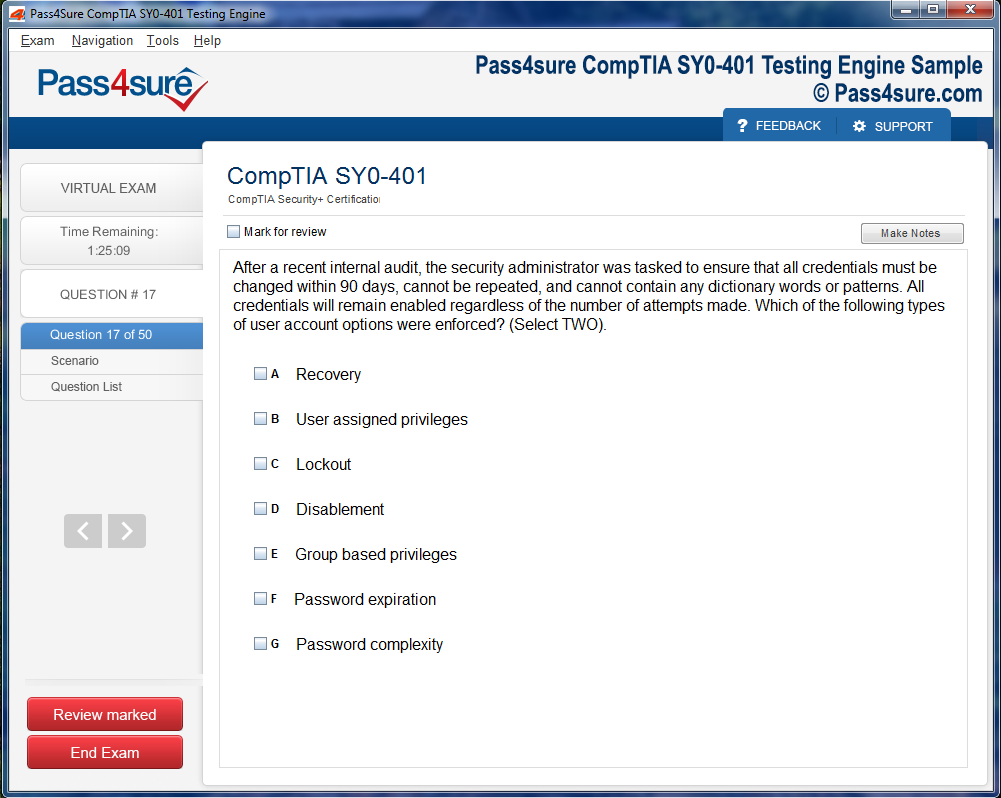
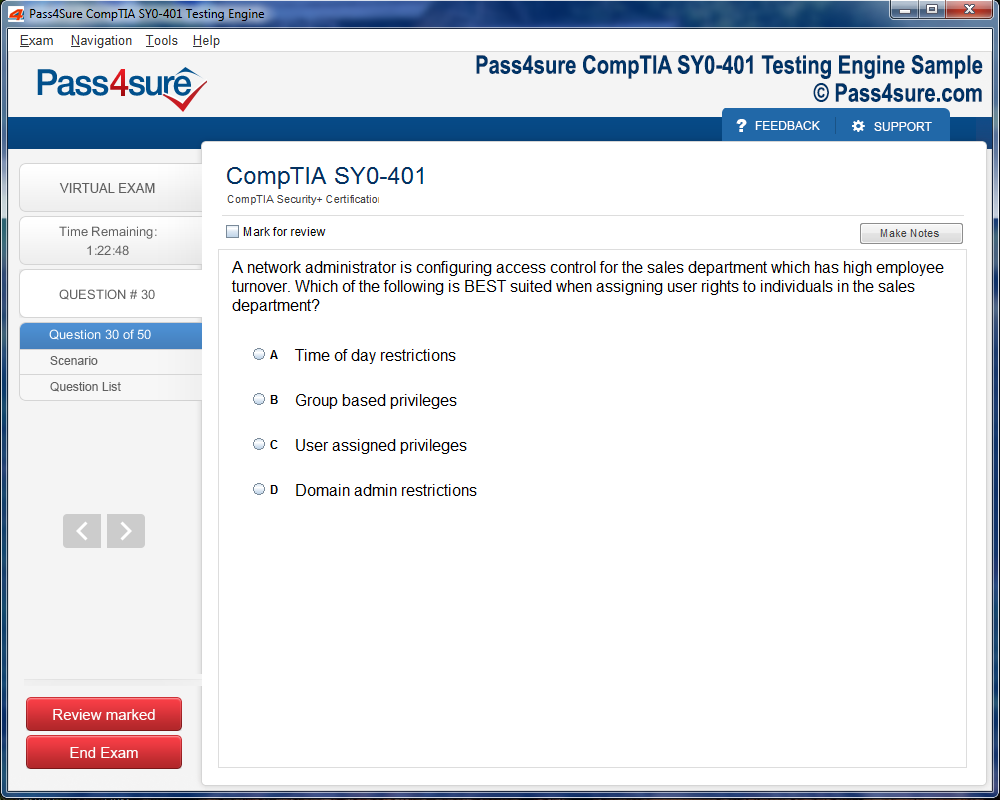
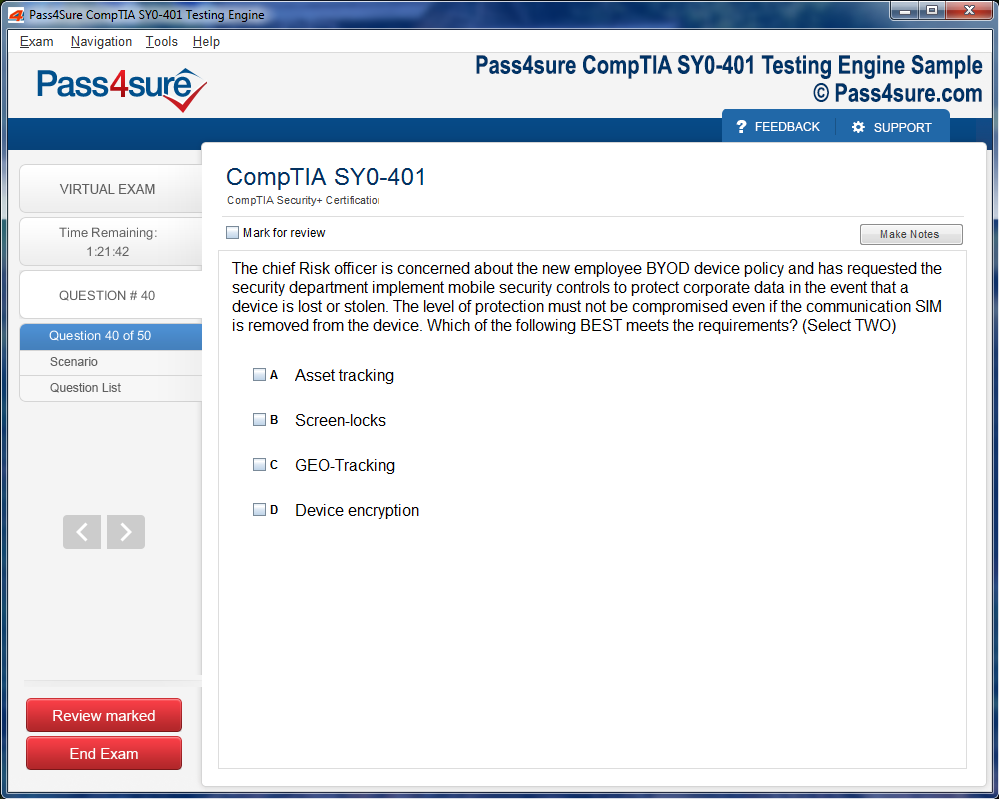
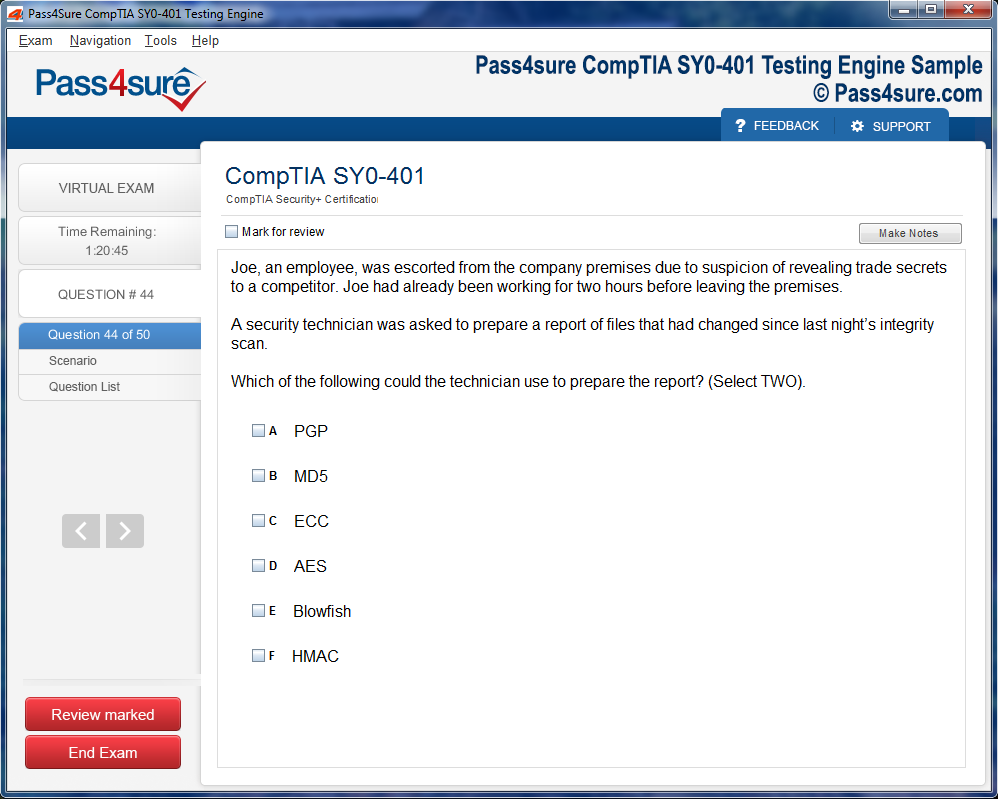
Product Screenshots





Frequently Asked Questions
How does your testing engine works?
Once download and installed on your PC, you can practise test questions, review your questions & answers using two different options 'practice exam' and 'virtual exam'. Virtual Exam - test yourself with exam questions with a time limit, as if you are taking exams in the Prometric or VUE testing centre. Practice exam - review exam questions one by one, see correct answers and explanations.
How can I get the products after purchase?
All products are available for download immediately from your Member's Area. Once you have made the payment, you will be transferred to Member's Area where you can login and download the products you have purchased to your computer.
How long can I use my product? Will it be valid forever?
Pass4sure products have a validity of 90 days from the date of purchase. This means that any updates to the products, including but not limited to new questions, or updates and changes by our editing team, will be automatically downloaded on to computer to make sure that you get latest exam prep materials during those 90 days.
Can I renew my product if when it's expired?
Yes, when the 90 days of your product validity are over, you have the option of renewing your expired products with a 30% discount. This can be done in your Member's Area.
Please note that you will not be able to use the product after it has expired if you don't renew it.
How often are the questions updated?
We always try to provide the latest pool of questions, Updates in the questions depend on the changes in actual pool of questions by different vendors. As soon as we know about the change in the exam question pool we try our best to update the products as fast as possible.
How many computers I can download Pass4sure software on?
You can download the Pass4sure products on the maximum number of 2 (two) computers or devices. If you need to use the software on more than two machines, you can purchase this option separately. Please email sales@pass4sure.com if you need to use more than 5 (five) computers.
What are the system requirements?
Minimum System Requirements:
- Windows XP or newer operating system
- Java Version 8 or newer
- 1+ GHz processor
- 1 GB Ram
- 50 MB available hard disk typically (products may vary)
What operating systems are supported by your Testing Engine software?
Our testing engine is supported by Windows. Andriod and IOS software is currently under development.
MSPF Foundation, 5th Edition: Managing Successful Programmes Certification
MSPF Foundation, 5th Edition, represents a paradigm shift in programme management, offering a structured methodology that transforms abstract strategic intent into tangible organizational value. The certification is not merely a credential but a cognitive framework, equipping practitioners with a lexicon, techniques, and heuristics to orchestrate complex programmes with dexterity. MSPF Foundation emphasizes the symbiotic relationship between projects and programmes, highlighting that outputs alone are insufficient; the ultimate imperative is benefits realization aligned with organizational strategy. Candidates are immersed in a philosophy that blends operational rigor with strategic acumen, cultivating the ability to navigate multifaceted interdependencies with poise.
The Philosophy Underpinning MSPF
At its core, MSPF Foundation promulgates a philosophy wherein programmes are conceived as vehicles of transformation rather than mere project aggregates. The 5th Edition accentuates the notion that programme success is predicated on the realization of benefits and the alignment of these benefits with overarching strategic objectives. MSPF promulgates structured governance, benefits-driven planning, and stakeholder-centric execution, creating a holistic ecosystem for programme orchestration. The framework is suffused with principles that encourage foresight, adaptability, and sustained value creation, ensuring that certified professionals can steward programmes from inception to strategic fruition.
MSPF Principles: Strategic Pillars of Programme Management
The MSPF methodology is anchored in seven interrelated principles, each of which provides a cognitive compass for programme management. These principles transcend procedural guidance, fostering a mindset that balances tactical execution with strategic foresight. MSPF encourages practitioners to envisage programmes as dynamic entities, responsive to environmental flux, stakeholder exigencies, and organizational imperatives. The principles serve as guiding axioms, ensuring that programme decisions remain congruent with strategic objectives and long-term value creation. By internalizing these tenets, MSPF-certified individuals gain the capacity to harmonize operational execution with transformative outcomes.
Governance: Ensuring Programme Integrity and Accountability
Governance within MSPF Foundation is not a perfunctory layer of oversight but an intricate architecture that safeguards strategic alignment, resource optimization, and risk mitigation. Effective governance ensures that decision-making is transparent, benefits are actively tracked, and programme performance is continuously scrutinized. MSPF emphasizes the establishment of clear roles and responsibilities, delineation of authority, and integration of control mechanisms that maintain coherence across complex programme structures. Governance becomes a living process, continuously reinforcing accountability while enabling agility in the face of emerging challenges.
Benefits Management: The Heartbeat of MSPF
Benefits management constitutes the quintessential focus of MSPF programmes. The 5th Edition underscores that outputs and deliverables are only valuable insofar as they contribute to tangible and intangible organizational gains. MSPF Foundation equips practitioners with the tools to identify, define, quantify, and sustain benefits throughout the programme lifecycle. Benefits are tracked using both leading and lagging indicators, ensuring that progress can be anticipated, monitored, and validated. The methodology advocates embedding realized benefits into organizational processes, thereby transforming ephemeral programme outputs into enduring strategic advantage.
Stakeholder Engagement: Cultivating Strategic Allies
MSPF Foundation places extraordinary emphasis on stakeholder engagement, recognizing that programme success is inextricably linked to stakeholder buy-in, advocacy, and validation. The framework encourages comprehensive stakeholder mapping, structured communication plans, and engagement strategies that foster collaboration and alignment. MSPF-trained practitioners are adept at navigating complex stakeholder landscapes, mediating divergent interests, and harnessing support to advance programme objectives. Engagement is conceived as a continuous dialogue, ensuring that stakeholders remain informed, motivated, and aligned with anticipated benefits throughout the programme lifecycle.
Managing Complexity: Navigating Multifaceted Programmes
Programmes are inherently complex, comprising interdependent projects, resources, and strategic objectives. MSPF Foundation imparts a methodology for managing this complexity, integrating risk management, resource orchestration, and adaptive planning. The framework encourages a panoramic view of programmes, wherein interdependencies are mapped, synergies exploited, and conflicts mitigated. MSPF-certified professionals develop a cognitive dexterity that allows them to balance competing priorities, anticipate emergent challenges, and orchestrate resources with precision. Complexity management becomes both an art and a science, anchored in structured methodologies and dynamic adaptation.
The Lifecycle of an MSPF Programme
MSPF programmes follow a structured lifecycle encompassing definition, planning, delivery, and closure, with each phase designed to optimize benefits realization and strategic alignment. During definition, anticipated benefits are articulated, scope is clarified, and strategic objectives are codified. Planning translates these insights into actionable roadmaps, delineating resources, timelines, and governance structures. Delivery focuses on executing projects in alignment with the benefits profile, continuously monitoring progress and mitigating risks. Closure emphasizes benefits transition, lessons learned, and institutionalization, ensuring that gains are embedded into organizational practice. The lifecycle framework ensures continuity, coherence, and enduring value.
Risk and Change Management in MSPF
MSPF Foundation emphasizes proactive risk management and adaptive change control as integral to programme success. Risks are identified, assessed, and mitigated through structured mechanisms, enabling programme managers to anticipate disruptions and safeguard benefits realization. Change management processes ensure that modifications to scope, resources, or timelines are deliberate, evaluated, and strategically aligned. MSPF-trained professionals develop an anticipatory mindset, adept at balancing stability with flexibility, and capable of converting uncertainties into opportunities for enhanced value creation.
Measurement, Evaluation, and Evidence-Based Practice
A hallmark of MSPF Foundation is its insistence on measurement and evidence-based practice. Leading indicators provide foresight into potential deviations, while lagging indicators validate the actualization of benefits. MSPF-certified practitioners are equipped to design robust performance metrics, collect data rigorously, and translate insights into actionable intelligence. Measurement and evaluation create a feedback-rich environment, fostering continuous improvement, organizational learning, and transparency. By anchoring programme decisions in empirical evidence, MSPF ensures credibility, strategic alignment, and sustainable value delivery.
MSPF Tools and Techniques: Enabling Precision and Insight
The MSPF methodology is supported by a suite of tools and techniques that enhance analytical acuity, planning precision, and executional insight. These include benefits mapping, stakeholder analysis, risk matrices, programme roadmaps, and governance frameworks. Tools are not merely mechanical instruments; they are cognitive scaffolds that facilitate structured thinking, informed decision-making, and dynamic adaptation. MSPF Foundation equips candidates to deploy these techniques with sophistication, ensuring that programmes are executed with rigor, responsiveness, and strategic clarity.
Professional Development and MSPF Certification Value
Achieving MSPF Foundation certification signifies more than procedural knowledge; it embodies mastery of strategic programme management principles. Certified professionals demonstrate a capacity to orchestrate complex programmes, align outputs with strategic benefits, and cultivate stakeholder engagement across organizational hierarchies. The credential enhances professional credibility, fosters career progression, and signals expertise in both tactical execution and strategic foresight. Organizations benefit from MSPF-certified personnel who can translate strategic vision into operational reality, maximizing value and fortifying organizational resilience.
Continuous Improvement and MSPF’s Evolving Framework
MSPF Foundation is dynamic, reflecting evolving best practices, emerging organizational paradigms, and lessons from global programme management experience. The 5th Edition incorporates contemporary insights on benefits realization, stakeholder engagement, and governance innovation. MSPF encourages continuous improvement, advocating iterative reflection, post-implementation reviews, and lessons learned codification. By embedding a culture of reflective practice, MSPF ensures that programmes remain adaptive, resilient, and capable of generating enduring strategic impact.
Navigating Complexity in Programme Ecosystems
Programme management operates within labyrinthine organizational ecosystems, where projects intersect, strategies evolve, and resource allocations shift unpredictably. MSPF Foundation equips candidates to navigate this intricate terrain with cognitive dexterity and methodological rigor. Understanding emergent patterns, feedback loops, and stakeholder influence networks is paramount, as programme outcomes are often contingent upon subtle interplays rather than isolated activities. Practitioners develop an anticipatory lens, enabling pre-emptive adjustments to governance structures and lifecycle strategies in response to evolving organizational dynamics.
Complexity also manifests in temporal constraints and interdependency chains. Programme managers must prioritize initiatives, reconcile competing objectives, and orchestrate phased deliveries that maximize benefits realization. MSPF Foundation fosters an appreciation of these dynamics, encouraging candidates to simulate decision-making across overlapping timelines and divergent stakeholder agendas. The ability to discern causal linkages and mitigate cascading risks becomes a hallmark of proficient programme management.
Strategic Stakeholder Influence and Engagement
Stakeholders represent the lifeblood of programme sustainability. MSPF Foundation underscores the importance of mapping influence, understanding expectations, and calibrating engagement strategies. Effective stakeholder management involves anticipating concerns, negotiating trade-offs, and cultivating alignment with strategic objectives. Candidates learn to deploy sophisticated communication frameworks, leveraging transparency and iterative feedback to foster trust, minimize resistance, and enhance cooperation.
Engagement is further nuanced by organizational hierarchies, cultural variables, and power asymmetries. MSPF Foundation emphasizes that stakeholder influence is rarely uniform; programme success depends on discerning which actors drive decision-making and which require persuasion or reassurance. Scenario exercises compel candidates to balance competing demands, ensuring that programme benefits are recognized, safeguarded, and integrated into broader strategic outcomes.
Risk Cognition and Mitigation Strategies
Risk is an omnipresent element in programme management, encompassing operational, financial, strategic, and reputational dimensions. MSPF Foundation cultivates a sophisticated risk cognition, enabling candidates to identify, quantify, and prioritize uncertainties with precision. Beyond mere identification, candidates are trained to design contingency plans, allocate risk ownership, and monitor evolving threats. The foundation teaches that proactive risk management transforms uncertainty from a source of disruption into a strategic lever for resilience and opportunity.
Advanced risk considerations involve interproject dependencies, external environmental pressures, and emergent stakeholder demands. Candidates explore how cascading risks propagate across programme portfolios and learn to implement mitigation strategies that preserve both value and momentum. Through scenario-based exercises, learners internalize the interplay between risk anticipation and adaptive governance, reinforcing the principle that foresight is inseparable from effective programme execution.
Lifecycle Integration and Phased Delivery
MSPF Foundation places significant emphasis on lifecycle comprehension, emphasizing that programme success is contingent upon synchronized phasing, coherent transitions, and cumulative benefits realization. Candidates explore initiation, planning, execution, and closure stages in granular detail, learning to align resource allocation, governance oversight, and stakeholder engagement across temporal junctures. The phasing of activities is not merely procedural; it is strategic, ensuring that outputs generate compounded benefits while minimizing disruption.
Integration across lifecycles demands analytical foresight and operational dexterity. Candidates are trained to anticipate bottlenecks, harmonize project interdependencies, and adapt sequencing in response to emergent constraints. MSPF Foundation reinforces that lifecycle management is iterative, requiring continuous monitoring, reflective adjustment, and alignment with organizational strategy. Phased delivery is thus a dynamic choreography, balancing predictability with responsiveness.
Governance Architecture and Decision Frameworks
Governance constitutes the scaffolding upon which programme success is built. MSPF Foundation imparts a nuanced understanding of governance architecture, including decision hierarchies, escalation protocols, and oversight mechanisms. Candidates learn to establish clear accountabilities, define roles and responsibilities, and enforce policy adherence without stifling flexibility. Governance is depicted as an enabler rather than a constraint, facilitating strategic alignment and ensuring transparent, accountable programme execution.
Decision frameworks are similarly emphasized. MSPF Foundation teaches candidates to employ structured methodologies for evaluating options, prioritizing initiatives, and resolving conflicts. By embedding logic, consistency, and evidence-based reasoning into decision-making, candidates cultivate the capacity to navigate ambiguity, mitigate bias, and optimize outcomes. The interplay between governance structures and decision frameworks equips practitioners with both operational control and strategic insight.
Cognitive Agility and Scenario Simulation
The simulation of complex scenarios is central to MSPF practical learning. Candidates engage with hypothetical constructs that replicate real-world ambiguities, including shifting stakeholder priorities, emergent risks, and resource constraints. Scenario simulation develops cognitive agility, enabling practitioners to analyze multiple variables simultaneously, anticipate ripple effects, and enact adaptive strategies. MSPF Foundation positions these exercises as rehearsal spaces, allowing learners to experiment with interventions without consequence while internalizing the causal logic of programme dynamics.
Simulation exercises are layered with nuance, requiring candidates to prioritize, negotiate, and reconcile competing pressures. Repeated engagement fosters an intuitive grasp of interdependencies and develops confidence in high-stakes decision-making. This immersive approach ensures that knowledge is not merely abstract but operationally actionable in organizational contexts.
Knowledge Codification and Organizational Memory
The systematic capture of insights represents a critical component of programme sustainability. MSPF Foundation encourages candidates to document lessons learned, codify best practices, and establish organizational memory repositories. Knowledge codification transforms ephemeral experiences into enduring institutional capital, facilitating continuous improvement and reducing repetition of avoidable errors. By integrating these practices into programme routines, candidates ensure that organizational learning compounds over time, enhancing both agility and strategic foresight.
Documentation encompasses more than procedural notes; it includes reflective narratives, decision rationales, and contextual analyses. MSPF Foundation emphasizes that these records serve as cognitive scaffolding for future initiatives, enabling successive programmes to benefit from accumulated wisdom, anticipate potential pitfalls, and capitalize on prior successes.
Benefits Optimization and Strategic Value Amplification
Realizing programme benefits is a multidimensional endeavor, extending beyond delivery metrics to encompass strategic value, stakeholder satisfaction, and long-term sustainability. MSPF Foundation trains candidates to define, monitor, and optimize benefits through iterative evaluation, phased realization, and adaptive planning. The focus shifts from output-centric measures to outcome-oriented impact, ensuring that programmes contribute substantively to organizational strategy.
Candidates are encouraged to employ predictive modeling, benefits mapping, and performance analytics to anticipate value trajectories and adjust interventions accordingly. MSPF Foundation underscores that benefits realization is dynamic, necessitating vigilant oversight, proactive adjustment, and alignment with evolving strategic imperatives. By mastering benefits optimization, practitioners elevate programme delivery from operational execution to strategic amplification.
Integrative Reflection and Adaptive Expertise
Adaptive expertise emerges when knowledge, experience, and reflective insight converge. MSPF Foundation promotes integrative reflection, urging candidates to synthesize learnings across exercises, case studies, and practical encounters. This metacognitive approach cultivates foresight, enabling practitioners to anticipate emergent challenges, recognize patterns, and implement nuanced solutions. Adaptive expertise transcends rote procedural knowledge, embodying a capacity to navigate novel circumstances with creativity, judgment, and strategic discernment.
Reflection is iterative and recursive, encompassing both success and failure. MSPF Foundation emphasizes that adaptive capability derives from confronting ambiguity, analyzing outcomes, and recalibrating approaches. Through repeated engagement with complex, realistic scenarios, candidates internalize a mindset of continuous improvement and strategic flexibility, hallmarks of expert programme managers.
Mentorship and Peer Co-Creation
Learning is amplified when situated within social and collaborative contexts. MSPF Foundation encourages engagement with mentors, colleagues, and peer cohorts to co-create understanding and share experiential insights. Dialogue, debate, and scenario co-analysis provide exposure to alternative perspectives, cognitive heuristics, and problem-solving methodologies. Mentorship conveys tacit knowledge, illustrating nuanced applications of governance, risk management, and benefits realization that are rarely captured in formal texts.
Peer collaboration reinforces analytical rigor and interpretive nuance. MSPF Foundation positions such interactions as rehearsal spaces for negotiation, stakeholder communication, and decision-making under uncertainty. The synthesis of collective wisdom and individual reflection accelerates learning, deepens comprehension, and fosters a resilient, adaptable approach to programme management.
Temporal Strategy and Priority Calibration
Effective programme management demands mastery of temporal strategy, encompassing prioritization, sequencing, and synchronization of activities. MSPF Foundation instructs candidates to analyze dependencies, forecast resource bottlenecks, and align initiatives with strategic rhythms. Temporal misalignment, even in well-conceived programmes, can erode benefits and compromise stakeholder confidence. Structured planning, dynamic adjustment, and scenario rehearsal mitigate these risks, ensuring that programme trajectories are both coherent and resilient.
Candidates explore techniques for phased delivery, milestone optimization, and parallel project orchestration. MSPF Foundation emphasizes that time is a strategic resource, and its management is inseparable from governance, risk control, and benefits realization. Temporal strategy enhances operational coherence while amplifying the capacity to respond to emergent complexities.
Analytical Acumen and Decision Heuristics
MSPF Foundation cultivates advanced analytical acumen, equipping candidates to evaluate multidimensional information landscapes with precision. Decision heuristics, pattern recognition, and evidence-based reasoning become central tools in navigating complex programme challenges. Candidates develop the capacity to weigh trade-offs, anticipate second-order effects, and prioritize interventions that maximize strategic alignment and value creation.
Scenario-based exercises reinforce heuristic development, fostering mental models that expedite decision-making under uncertainty. MSPF Foundation teaches that analytical rigor is not merely an academic exercise but a practical enabler of adaptive governance, risk mitigation, and benefits optimization.
Programme orchestration transcends mere project coordination; it entails a symphony of interwoven initiatives, each contributing discrete yet harmonized outputs toward overarching strategic resonance. In this lexicon, programme managers assume roles akin to cartographers of organizational potential, delineating pathways where resource flows, stakeholder exigencies, and operational constraints intersect. The MSPF Foundation illuminates the subtle art of synchronizing these elements, offering methodologies that prevent the fragmentation of efforts and mitigate the entropy often inherent in multifaceted undertakings.
A critical facet of orchestration is the recognition of programme flux. Unlike static projects, programmes dwell in a continuum of evolution, susceptible to shifts in market trends, regulatory landscapes, and technological paradigms. The 5th Edition underscores anticipatory management—where foresight and scenario modeling supplant reactionary adjustments. Programme managers equipped with this mindset cultivate resiliency, ensuring that initiatives remain aligned with strategic imperatives even when external perturbations manifest unpredictably.
Strategic Convergence and Benefits Alchemy
Central to MSPF philosophy is the notion of benefits alchemy, a process through which abstract organizational aspirations are transmuted into tangible value. Benefits alchemy is not mechanistic; it demands perspicacity in identifying latent opportunities, acuity in measuring emergent outcomes, and dexterity in reallocating resources as emergent priorities unfold. The Foundation level immerses candidates in frameworks for articulating benefits in granular, measurable terms while maintaining fidelity to strategic intent.
This conceptual alchemy extends to temporal alignment. Projects nested within a programme may mature at disparate cadences, yet their outputs must coalesce at junctures that maximize cumulative advantage. Programme managers orchestrate these temporal harmonics, ensuring that early gains catalyze subsequent initiatives and that delayed deliverables do not compromise anticipated benefits. Such temporal dexterity is emblematic of MSPF practitioners’ ability to translate theoretical constructs into operational reality.
Governance as Strategic Architecture
In the MSPF lexicon, governance is reimagined as strategic architecture rather than a perfunctory oversight mechanism. It embodies the scaffolding that sustains accountability, fortifies decision-making, and channels programme energy toward strategic objectives. Governance architecture encompasses not only hierarchical decision pathways but also lateral communication conduits, iterative risk assessments, and adaptive resource allocation protocols.
The 5th Edition accentuates dynamic governance, a model that evolves with programme maturation. Traditional static controls are supplanted by continuous monitoring mechanisms, enabling managers to anticipate deviations, negotiate trade-offs, and recalibrate priorities without destabilizing the programme ecosystem. Understanding these architectures is crucial for candidates seeking Foundation certification, as they underpin the credibility, efficacy, and resilience of complex programmes.
The Psychology of Stakeholder Constellations
Programmes thrive or falter based on stakeholder constellations—intricate networks of influence, expectation, and perception. MSPF Foundation training emphasizes the semiotics of stakeholder engagement, guiding managers in decoding implicit priorities, negotiating latent conflicts, and cultivating alignment across multifarious interests. Stakeholder psychology encompasses both rational considerations and emotive undercurrents, requiring managers to balance analytical rigor with relational intelligence.
Effective engagement hinges on transparency and narrative framing. Programme managers craft coherent stories that contextualize individual project outcomes within the broader strategic tableau. This narrative approach transforms disparate contributions into a cohesive, compelling vision, engendering buy-in and sustaining motivation. By mastering this semiotic dimension, professionals enhance the probability of programme adoption and long-term sustainability.
Adaptive Programmes in a Volatile Milieu
In contemporary organizational ecosystems, volatility is the norm rather than the exception. Technological upheavals, geopolitical instability, and emergent regulatory frameworks demand programmes that are inherently adaptive. MSPF Foundation advocates for structural elasticity—designing programme architectures that accommodate recalibration without compromising governance or benefits realization.
Adaptive programmes incorporate mechanisms for continuous intelligence gathering, iterative planning, and real-time risk assessment. Managers leverage these tools to anticipate perturbations, exploit emergent opportunities, and recalibrate priorities dynamically. Such adaptability is not synonymous with improvisation; it is a deliberate, methodical approach that harmonizes responsiveness with strategic fidelity. Candidates exposed to this paradigm develop the cognitive flexibility to navigate ambiguity while preserving programme integrity.
Interproject Symbiosis and Resource Fluidity
Programmes are ecosystems in which projects exhibit interproject symbiosis, mutually dependent and collectively contributing to strategic harvests. MSPF Foundation emphasizes the need for deliberate cultivation of these interdependencies, recognizing that misaligned resources, schedules, or objectives can propagate systemic disruption.
Resource fluidity—the ability to reassign personnel, capital, and technological assets across projects—is a critical competency. Programme managers are trained to anticipate bottlenecks, optimize resource flows, and balance competing priorities. Mastery of interproject symbiosis and resource fluidity ensures that programmes operate as cohesive entities rather than disparate silos, enhancing efficiency and elevating the probability of holistic success.
The Lifecycle of Programmatic Maturation
The MSPF lifecycle embodies an archetypal sequence through which programmes evolve from conceptualization to post-implementation benefits review. Each stage—identification, definition, delivery, and closure—is meticulously codified, providing candidates with a roadmap for systematic execution.
During the identification phase, programme managers interrogate organizational strategy, assess feasibility, and articulate a vision that integrates project-level contributions. Definition encompasses planning, governance structuring, and stakeholder alignment. Delivery operationalizes project coordination, risk mitigation, and benefits tracking, while closure consolidates learning, evaluates outcomes, and ensures that intended benefits are realized and sustained. Understanding the lifecycle is indispensable for Foundation candidates, as it anchors theoretical knowledge in actionable practice.
The Architecture of Strategic Oversight
Strategic oversight within programme governance functions as a dynamic lattice, intertwining authority, accountability, and foresight. It is not merely a regulatory scaffold but a cognitive map that guides leaders through the intricacies of interdependent projects and emergent risks. The architecture of oversight ensures that every decision reverberates with organizational intent, harmonizing micro-level project execution with macro-level strategic imperatives. Insightful programme governance transcends procedural adherence, cultivating anticipatory intelligence to preempt bottlenecks and misalignments.
The governance architecture also delineates the contours of escalation, providing precise thresholds at which issues are elevated for scrutiny. This orchestration safeguards the programme from stagnation while preserving the agility necessary to respond to unforeseen contingencies. At its essence, strategic oversight is a choreography of informed deliberation, interwoven with timely intervention, ensuring that programmes maintain trajectory amid the flux of operational and strategic variables.
Custodianship of Roles and Authority
Within the programme ecosystem, the delineation of custodianship is paramount. Each stakeholder assumes a distinct locus of responsibility, yet interdependence demands fluid collaboration. The programme manager embodies the nexus of strategic orchestration and operational stewardship, mediating between the macro ambitions of the board and the micro execution of project teams. Their role is not passive; it requires anticipatory reasoning, negotiation dexterity, and the capacity to influence without formal coercion.
Programme boards, as custodians of strategic authority, exercise a dual mandate: providing directional clarity while safeguarding organizational capital. They must reconcile competing priorities, adjudicate resource allocations, and evaluate risk mitigation strategies, ensuring the programme trajectory remains aligned with overarching objectives. Custodianship is thus not merely titular; it is performative, requiring engagement, vigilance, and the judicious exercise of discretion.
Assurance as an Instrument of Confidence
Assurance mechanisms operate as the cognitive compass of programme governance. They offer independent appraisal of progress, fidelity, and risk adherence, conferring confidence upon stakeholders while revealing latent vulnerabilities. Internal and external assurance processes provide iterative checkpoints, preventing drift and fostering transparency. This continuous scrutiny fortifies decision-making, rendering it resilient against informational asymmetry and operational turbulence.
Beyond the procedural, assurance is a conduit for cultural reinforcement. It instills discipline, codifies accountability, and encourages proactive problem-solving. Effective assurance cultivates a milieu where issues are surfaced early, lessons are internalized, and corrective measures are systematically embedded. In this sense, assurance transcends compliance; it becomes a strategic instrument that undergirds programme integrity and sustains stakeholder trust.
Nuances of Risk Constellations
Programme risks are not isolated perturbations; they exist as constellations of interrelated contingencies. Unlike project-level risks, programme risks are systemic, often spanning organizational boundaries and cascading across multiple initiatives. Understanding these risk constellations requires analytical acumen and scenario-based foresight, identifying points of intersection where one perturbation may propagate into widespread disruption.
Governance mechanisms codify the management of these risks, prescribing protocols for identification, evaluation, and escalation. Contingency planning, mitigation strategies, and risk appetite alignment are integral components, ensuring that programme leaders can respond with alacrity and precision. Risk management, when embedded in governance, transforms uncertainty from a potential threat into a manageable dimension of strategic execution.
The Dialectic of Communication
Communication within governance is more than information transmission; it is a dialectic process that harmonizes perception, expectation, and reality. Programme communications articulate the rationale behind decisions, elucidate risk profiles, and convey progress metrics with fidelity. Structured communication plans facilitate clarity while fostering reciprocal feedback loops, ensuring that insights flow bidirectionally between management layers and stakeholders.
The potency of communication lies in its ability to construct collective situational awareness. Transparent reporting and timely dialogue mitigate misinterpretations, enable proactive adjustments, and nurture trust across the programme landscape. In essence, governance communication is both the connective tissue and the interpretive lens through which programme activities are comprehended and contextualized.
Adaptive Governance in Complex Contexts
Programmes exist within dynamic environments, necessitating governance that is adaptive rather than prescriptive. Tailoring governance to context involves calibrating oversight intensity, reporting cadence, and assurance mechanisms to the programme’s complexity, risk exposure, and strategic significance. Light-touch governance may suffice for low-impact initiatives, whereas multifaceted programmes demand layered oversight and rigorous evaluative practices.
This adaptability extends to change management, where governance must mediate between responsiveness and control. Programmes encounter evolving requirements, technological disruptions, and shifting organizational priorities. Effective governance frameworks ensure that adaptations preserve strategic alignment, mitigate unintended consequences, and safeguard anticipated benefits. Adaptive governance thus functions as both a stabilizing anchor and a flexible compass, steering programmes through turbulent and uncertain terrain.
Intersections with Stakeholder Dynamics
Stakeholders are not passive recipients of programme outcomes; they are dynamic participants whose expectations, influence, and engagement shape programme reality. Governance structures must capture these interactions, integrating stakeholder analysis into decision-making processes. Mapping influence, assessing expectations, and crafting engagement strategies are critical to ensuring that stakeholder perspectives enhance rather than impede programme objectives.
When governance and stakeholder engagement intersect optimally, programmes benefit from enhanced legitimacy, improved risk awareness, and enriched decision-making. Effective programmes anticipate stakeholder concerns, negotiate competing interests, and translate diverse perspectives into coherent strategic action. Governance in this light is both a mechanism for accountability and a conduit for collaborative intelligence, amplifying programme resilience and effectiveness.
Governance as an Enabler of Value Realization
Ultimately, governance is a dual-edged instrument: protective yet enabling. It shields organizational assets through accountability, oversight, and risk management while simultaneously catalyzing value creation by facilitating coherent coordination, evidence-based decisions, and adaptive management practices. Programme governance operationalizes strategy, translating abstract objectives into tangible outputs and measurable benefits.
The effectiveness of governance is reflected not in the volume of reports or the complexity of procedures but in the consistency with which programmes deliver intended outcomes. By embedding clarity, transparency, and adaptive oversight, governance transforms programmes from reactive undertakings into proactive vehicles of organizational value, ensuring that resources are deployed judiciously and strategic aspirations are realized with precision.
Programme Lifecycle: Conception and Strategic Embryology
The genesis of a programme resides in the crucible of strategic ambition, where organizational visions crystallize into potential reality. This embryonic stage is not merely an ideation exercise but an intricate interrogation of purpose, feasibility, and alignment with overarching objectives. Organizations are compelled to navigate a labyrinth of possibilities, distinguishing fleeting ventures from initiatives capable of engendering systemic transformation. Identification is an exercise in intellectual vigilance, a meticulous scanning of operational and strategic horizons to discern where investments of energy, resources, and attention can yield maximal value.
In this phase, programme architects cultivate a nuanced understanding of organizational dynamics, internal capacities, and environmental contingencies. Feasibility assessments are neither perfunctory nor formulaic; they require a perspicacious evaluation of interdependencies, resource elasticity, and the latent potential of human capital. Candidates learn that the art of identification is inextricably tied to foresight: the ability to anticipate the cascading effects of strategic choices and the capacity to envision the contours of benefits before they materialize. This prescient approach transforms abstract opportunity into concrete Programme Briefs, anchoring conceptual promise in actionable rationale.
Programme Brief: Articulating Strategic Rationale
The Programme Brief emerges as both compass and contract, encapsulating objectives, anticipated benefits, and elemental risks. It is a document of precision and gravitas, a narrative that must persuade, illuminate, and guide. Unlike project charters that delineate discrete tasks, the Programme Brief frames a constellation of interrelated initiatives, explicating their collective contribution to organizational imperatives. Crafting this brief demands clarity, epistemic rigor, and rhetorical elegance, ensuring that stakeholders grasp not only what the programme intends to achieve but why its existence is strategically indispensable.
This document functions as a touchstone throughout the programme lifecycle, informing decision-making and undergirding stakeholder engagement. It must articulate scope with discernment, avoiding both overreach and undue constraint, while embedding an anticipatory view of risk. Here, strategic reasoning converges with operational pragmatism, as candidates are taught to weave qualitative foresight with quantitative projections, forging a narrative that is both compelling and executable.
Definition Phase: Structuring Strategic Intent
Transitioning from identification to definition represents a metamorphosis from abstract ambition to structured operational reality. The definition phase codifies intent, delineating governance structures, refining scope, and mapping interdependencies among constituent projects. It is a crucible of deliberation, where objectives are interrogated, resources quantified, and timelines envisaged with a meticulous eye. Central to this stage is the Programme Definition Document, a repository of strategic articulation, benefit expectations, risk exposure, and stakeholder identification.
Prioritization within the definition phase is a nuanced exercise in evaluative judgment. Not all initiatives contribute equivalently to the strategic mosaic; discerning programme managers must apply rigorous criteria to ensure resource allocation amplifies impact. Projects are scrutinized for alignment, feasibility, and the potential to catalyze transformative benefits. This evaluative process prevents dispersion of effort, concentrating energy on initiatives whose synergies magnify organizational value, thereby reinforcing the benefits-driven philosophy that underpins effective programme management.
Planning: Translating Vision into Operational Cadence
The planning phase constitutes the alchemy that transforms defined objectives into executable trajectories. It involves meticulous scheduling, resource orchestration, milestone delineation, and inter-project coordination. Here, programme architects navigate the tension between ambition and realism, crafting plans that are aspirational yet anchored in operational pragmatics. Flexibility is paramount, as dynamic environments necessitate adaptive planning capable of responding to emergent challenges without compromising strategic intent.
Risk management assumes a central role during planning. Programmes, by their very nature, are complex ecosystems wherein perturbations in one project reverberate across the collective. Anticipating these ripples requires methodical mapping of uncertainties, assessment of impact probabilities, and formulation of mitigation strategies. Programme managers are taught to adopt a systemic perspective, recognizing that proactive risk engagement fortifies stakeholder confidence and shields the programme from unforeseen disruptions.
Stakeholder Engagement: Cultivating Strategic Resonance
A programme’s viability is inextricably linked to the breadth and depth of stakeholder engagement. Planning encompasses a sophisticated analysis of stakeholder influence, interest, and informational needs. Engagement is not a perfunctory reporting activity but a deliberate orchestration of communication channels, feedback loops, and participatory mechanisms. Candidates learn to tailor strategies that reconcile diverse expectations, cultivate buy-in, and sustain commitment throughout the programme’s evolution.
Effective engagement also necessitates transparency and anticipatory communication. Schedules, progress metrics, and adjustment rationales are shared proactively, ensuring stakeholders are not merely informed but integrated into the programme’s operational rhythm. The objective is to transform stakeholders into strategic allies, leveraging their influence and insight to bolster programme robustness.
Benefits Management: Anchoring Value Realization
Benefits constitute the lifeblood of programme legitimacy. In planning, anticipated benefits are rigorously articulated, quantified, and linked to both strategic objectives and operational milestones. A benefits realization plan emerges as a navigational tool, delineating the mechanisms through which value will be created, tracked, and sustained. Programme managers are trained to view success through the lens of realized outcomes rather than mere task completion, embedding a culture of accountability and value-centric decision-making.
Integration of projects is paramount for benefits optimization. Coordinated management of dependencies, resource allocation, and scheduling ensures that individual project outputs coalesce into a composite whole that delivers anticipated outcomes. Regular reviews, conflict resolution mechanisms, and adaptive adjustments underpin this integrative approach, ensuring that the programme’s trajectory remains congruent with its strategic imperatives.
Governance Architecture: Ensuring Operational Fidelity
Governance within programme management transcends procedural formality; it is the scaffold that preserves coherence, accountability, and strategic alignment. During planning, governance arrangements are refined to articulate decision-making pathways, approval thresholds, and escalation protocols. MSPF Foundation principles emphasize governance as a living construct, responsive to the programme’s evolving complexity and risk landscape. Clear delineation of roles, responsibilities, and assurance mechanisms fortifies operational discipline, ensuring decisions are executed with authority and transparency.
This architecture also facilitates continuous oversight, enabling programme managers to anticipate bottlenecks, reconcile competing demands, and maintain alignment with organizational strategy. It operationalizes strategic foresight into daily praxis, creating an environment where agility and control coexist harmoniously.
Lifecycle Interconnectivity: Navigating Continuity and Iteration
The phases of identification, definition, and planning are not discrete silos but an interwoven continuum. Information generated in one phase informs adjustments in another, cultivating a dynamic interplay of evaluation, refinement, and adaptation. Iterative review is central; programmes must remain malleable, capable of recalibrating objectives, resource allocations, and risk mitigations in response to evolving internal and external conditions. This iterative ethos ensures that programmes remain resilient, relevant, and perpetually aligned with strategic imperatives.
The interplay between these phases underscores a critical principle: effective programme management is simultaneously anticipatory and adaptive. Managers must navigate uncertainty with both disciplined analysis and imaginative foresight, orchestrating initiatives in a manner that maximizes benefits while preserving strategic coherence. Mastery of this continuum equips professionals to shepherd programmes from conceptual inception through structured planning, laying a robust foundation for successful delivery.
The Alchemy of Benefits Identification
Benefits identification transcends mere enumeration; it is a deliberate exegesis of potential value that a programme may confer upon the organization. Within MSPF philosophy, benefits are envisaged as dynamic catalysts that ripple through operational processes, cultural paradigms, and stakeholder perception. Programmes are not merely repositories of outputs; they are crucibles of transformation, wherein anticipated gains must be meticulously discerned, articulated, and synchronized with strategic imperatives. The act of identification requires both analytical perspicacity and intuitive foresight, ensuring that intangible benefits, such as enhanced cognitive capital or emergent organizational dexterity, are recognized alongside more tangible outcomes.
Quantification and Calibration of Strategic Gains
Once benefits have been discerned, the imperative shifts to precision in definition and calibration. MSPF doctrine underscores the necessity of converting abstract aspirations into measurable constructs, thereby enabling robust tracking and evaluation. Quantification involves establishing metrics that are both verifiable and contextually meaningful, often blending quantitative rigor with qualitative nuance. For instance, operational efficiency might be expressed in time-to-market reductions, while cultural metamorphosis may be gauged through employee engagement indices or behavioral analytics. The calibration of these indicators requires vigilance, ensuring alignment with evolving organizational strategy while maintaining interpretive clarity for all stakeholders engaged in programme execution.
Benefits Realization as a Strategic Continuum
Benefits realization is not a terminal event; it is a continuum interwoven with project interdependencies, organizational dynamics, and stakeholder influence. MSPF methodology emphasizes the orchestration of benefit delivery through meticulous planning, delineation of responsibilities, and temporal mapping of expected outcomes. Strategic alignment is maintained by explicitly correlating individual project deliverables with the overarching benefits portfolio, mitigating misallocation of resources and attenuating the risk of strategic drift. Realization planning thus becomes an intricate choreography, wherein each project functions as both an autonomous endeavor and a synergistic contributor to the cumulative value proposition.
Perpetual Surveillance and Adaptive Calibration
Monitoring benefits demands a cadence of continuous surveillance, ensuring that anticipated gains remain consonant with organizational objectives. MSPF principles advocate for the integration of both leading and lagging indicators, enabling proactive recalibration and responsive intervention. Leading indicators provide prescient insight into emergent trends, while lagging indicators substantiate the actualization of previously forecasted outcomes. This dual-lens approach fosters an adaptive management paradigm, wherein deviations are promptly identified, risks mitigated, and emergent opportunities exploited. Continuous surveillance, therefore, is not a perfunctory obligation but a strategic imperative that underwrites sustained value realization.
Stakeholder Symbiosis in Value Cultivation
Stakeholder engagement within benefits management constitutes a symbiotic ecosystem wherein communication, validation, and advocacy coalesce. MSPF doctrine positions stakeholders as co-creators of value rather than passive recipients, necessitating deliberate strategies for inclusion, transparency, and influence mapping. The efficacy of benefits realization is inextricably linked to the degree of stakeholder symbiosis; engaged stakeholders provide insights, resources, and legitimization that enhance programme traction and resonance. Effective communication channels, iterative feedback loops, and participatory governance mechanisms ensure that stakeholders remain aligned with both anticipated benefits and emergent strategic priorities.
Risk Contours and Dynamic Adaptation
The landscape of benefits management is punctuated by risk contingencies, requiring vigilant foresight and agile adaptation. MSPF methodology integrates risk management directly into the benefits framework, enabling programme managers to anticipate perturbations and recalibrate expectations accordingly. Variability in external markets, organizational flux, or technological evolution may necessitate adjustments to benefit definitions, timelines, or resource allocations. Structured change control processes ensure that modifications are deliberate, evaluated, and documented, safeguarding programme integrity while maintaining strategic congruence. Risk awareness, therefore, is not an ancillary activity but an embedded dimension of benefits stewardship.
Endurance and Institutionalization of Benefits
Sustainability of benefits extends beyond the formal closure of programmes, demanding deliberate institutionalization within organizational processes, culture, and systems. MSPF guidance emphasizes embedding realized benefits into operational norms, ensuring that value persists and compounds over time. Techniques such as post-implementation reviews, lessons learned codification, and benefits transition planning facilitate the transference of gains from temporal projects into enduring organizational assets. By cultivating institutional memory and reinforcing operational integration, programmes deliver not only immediate impact but long-term strategic advantage, transforming ephemeral successes into durable competitive differentiation.
Prioritization and Strategic Triaging
Not all benefits exert equal influence upon organizational trajectory. MSPF principles prescribe systematic prioritization, allowing programme managers to allocate focus and resources to outcomes with maximal strategic resonance. Triaging benefits involves an appraisal of both impact magnitude and feasibility, ensuring that high-value objectives are shielded from dilution by peripheral ambitions. This hierarchical orientation fosters judicious resource stewardship, reduces inefficiencies, and enhances the coherence of programme execution, aligning operational exertion with strategic intent.
Metrics, Evidence, and Epistemic Rigor
Robust benefits management is contingent upon meticulous measurement and evaluative rigor. MSPF encourages the deployment of leading and lagging indicators, fostering both anticipatory insight and post-facto validation. Evidence-based reporting enables transparent stakeholder communication, facilitates continuous improvement, and strengthens institutional credibility. Metrics may range from empirical performance indicators to ethnographic observations of organizational behavior, providing a multidimensional comprehension of programme efficacy. This epistemic rigor ensures that benefits are not assumed but substantiated, reinforcing the legitimacy of strategic investments.
Continuous Stewardship of Organizational Value
The quintessence of MSPF benefits management is its enduring, cyclical stewardship. From initial identification through ongoing evaluation and post-closure institutionalization, benefits require vigilant attention, adaptive recalibration, and strategic alignment. Effective management of this continuum ensures that programmes do not merely deliver outputs but engender sustained value, fortifying organizational capability and reinforcing strategic ambitions. The discipline of continuous stewardship transforms programmes into engines of perpetual enhancement, embedding value creation into the organizational fabric and securing long-term competitive vitality.
Stakeholder Cartography and Influence Topography
Within the labyrinthine architecture of programme management, stakeholders constitute more than mere participants; they are the fulcrums upon which outcomes pivot. Identifying these constituencies demands a cartographic approach—mapping influence, vested interests, and potential friction points. Programme managers navigate a network as intricate as synaptic connections, discerning the loci of power, the gradients of enthusiasm, and latent resistance that may disrupt harmony. Understanding the contours of stakeholder influence is not perfunctory; it is an epistemic prerequisite for strategy formulation and alignment.
Decoding Expectations and Cognitive Landscapes
Stakeholders do not possess monolithic priorities. Each individual or collective harbors a distinct cognitive landscape shaped by organizational context, personal incentives, and historical experience. Some gravitate toward efficiency and temporal acceleration, while others emphasize prudence, compliance, or the safeguarding of institutional memory. Programme managers are required to exercise acute perceptual acuity, gathering intelligence through dialogue, observation, and iterative feedback. Anticipating cognitive dissonance and reconciling divergent expectations transforms potential contention into collaborative synergy.
Proliferating Communication Channels as Cognitive Vessels
Communication in programme management functions as a conduit for alignment, a vessel for transparency, and a medium for reassurance. Developing a comprehensive communication schema involves orchestrating information flows that accommodate both granularity and conciseness. Executives may seek distilled epistles, while operational teams require immersive narratives that elucidate progress, impediments, and contingencies. The cadence of communication, the selection of channels, and the semantic framing of messages collectively orchestrate stakeholder perception and influence engagement fidelity.
Proactive Engagement and Anticipatory Collaboration
The temporal dimension of engagement is pivotal. Stakeholders integrated during the inception and definition phases become co-authors of the programme’s trajectory. This anticipatory collaboration attenuates resistance, generates advocates, and establishes normative ownership. Early dialogue also facilitates the crystallization of benefits, delineates realistic expectations, and mitigates cognitive dissonance that arises when stakeholders encounter unanticipated developments. Proactive engagement is not merely strategic; it is symbiotic with the programme’s capacity to navigate complexity.
Resolving Divergence through Dialectic Synthesis
Conflict is an endemic facet of stakeholder interaction. Resource scarcity, competing objectives, and heterogeneous risk perceptions generate friction that, if unaddressed, can metastasize into systemic dysfunction. Programme managers employ dialectic synthesis—merging negotiation, mediation, and consensus facilitation—to harmonize interests without compromising overarching objectives. Assertiveness tempered by empathetic acumen ensures that stakeholders perceive their concerns as acknowledged while the programme maintains trajectory alignment.
Governance Interfacing and Stakeholder Feedback Integration
Stakeholder engagement interfaces intimately with governance mechanisms. Boards and steering committees rely on high-fidelity communication streams to inform decision-making processes. Integrating stakeholder intelligence into governance ensures that programme trajectories resonate with organizational imperatives and reflect the mosaic of constituent perspectives. Engagement is thus both proactive and reactive: it informs decisions while simultaneously assimilating feedback to recalibrate strategy, risks, and benefit realization frameworks.
Sustaining Endurance and Cultural Momentum
Programmes unfold across protracted temporal arcs, and the initial zeal of stakeholders can attenuate if not nurtured. Sustaining engagement necessitates deliberate acts of recognition, milestone celebration, and transparency regarding challenges and remediations. By reinforcing commitment through continual dialogue and acknowledgment, programme managers cultivate a resilient cultural momentum that preserves alignment, mitigates attrition, and fortifies advocacy across hierarchical strata.
Risk Articulation and Strategic Cognition
Communicating risks transcends mere disclosure; it is a performative act of strategic cognition. Stakeholders must apprehend potential perturbations, evaluate impact contingencies, and comprehend mitigation trajectories. By embedding risk discourse into regular communications, programme managers foster a collective anticipatory mindset, engendering confidence and encouraging proactive problem-solving. Risk articulation, therefore, becomes a vector for trust, collaboration, and timely escalation.
Human Dimension of Transformative Change
Change is inherently disruptive, reverberating through procedural, technological, and cultural substrates. Stakeholders confront uncertainty, psychological inertia, and recalibration of role identity. Programme managers exercise empathetic engagement, elucidating the rationale for transformation while providing scaffolding through resources, training, and continuous support. Navigating the human dimension of change transforms potential opposition into adaptive participation, accelerating the internalization of new paradigms and operational modalities.
Technological and Analytical Engagement Instruments
Modern programme management leverages sophisticated tools to structure stakeholder engagement. Influence-interest matrices, communication dashboards, and iterative feedback conduits confer visibility, clarity, and responsiveness. Selecting instruments with judicious precision ensures that they simplify interaction, enhance analytical acuity, and provide actionable intelligence without imposing unnecessary cognitive or procedural overhead. Tools thus serve as both operational scaffolds and strategic amplifiers for stakeholder alignment.
Dynamic Recalibration of Stakeholder Strategies
Engagement is not a static enterprise; it is an evolving process responsive to shifts in priorities, influence, and contextual perturbations. Regular reassessment and recalibration of stakeholder strategies ensure continued relevance and efficacy. By remaining vigilant to attitudinal shifts, programme managers maintain engagement fidelity, preempt emergent conflicts, and adapt interventions to sustain alignment with programme objectives and organizational imperatives.
Translating MSPF Principles into Dynamic Application
The quintessence of programme management lies in the translation of theoretical constructs into actionable praxis. MSPF Foundation facilitates this transmutation by embedding its doctrines within scenario-laden exercises that mirror organizational complexity. Candidates are not merely passive recipients of knowledge; they are navigators of ambiguity, orchestrating governance, lifecycle orchestration, and benefits realization amid fluctuating variables. Engagement with multifaceted programme constructs cultivates not only analytical acumen but also the dexterity to anticipate interdependencies and navigate emergent challenges.
Application begins with immersive scenario analysis. Candidates confront hypothetical or archival programme narratives, dissecting stakeholder matrices, strategic congruence, and risk topographies. These exercises compel participants to synthesize information from disparate sources, evaluate potential repercussions, and enact informed decisions. The iterative nature of scenario-based learning ensures that foundational principles transcend memorization, embedding themselves within intuitive managerial cognition.
Experiential Insights through Case Studies
Case studies serve as cognitive crucibles wherein theoretical knowledge is tempered by empirical scrutiny. MSPF Foundation presents candidates with exemplars of both triumphant and faltering programmes, spanning diverse industrial milieus. By examining these narratives, learners discern the determinants of success, the pitfalls of oversight, and the nuanced interplay of leadership, governance, and organizational culture. The examination of failures is equally illuminating; it exposes latent assumptions, procedural lacunae, and stakeholder misalignments that compromise outcomes. Critical evaluation of such cases hones judgment, fostering a capacity to navigate complex decision matrices with foresight and precision.
Within case study analysis, candidates cultivate a sensibility for contextual adaptation. Programme efficacy is rarely contingent upon formulaic adherence; it demands responsiveness to environmental flux, cultural particularities, and strategic realignment. MSPF Foundation, therefore, prioritizes reflective interrogation of outcomes, encouraging learners to juxtapose prescriptive frameworks with situational exigencies, thereby internalizing a praxis-oriented mindset.
Reflective Synthesis and Lessons Learned
Reflective practice constitutes an integral dimension of practical mastery. MSPF Foundation prompts candidates to chronicle observations, derive insights, and extrapolate implications from exercises and case studies. This metacognitive approach enables continuous refinement of programme strategies, anticipatory risk management, and adaptive governance. Reflection fosters the capacity to discern subtle patterns, anticipate emergent complications, and recalibrate methodologies in alignment with organizational evolution. Lessons learned are not ephemeral; they constitute a repository of heuristic knowledge that informs subsequent programme undertakings, enhancing both agility and efficacy.
Documenting reflections engenders cognitive scaffolding, allowing candidates to track evolving comprehension, recognize recurring impediments, and codify best practices. Over time, this iterative reflection fosters a profound synthesis of theoretical constructs with applied experience, creating a resilient foundation upon which advanced programme management competencies are cultivated.
Strategic Exam Preparation
Certification under MSPF Foundation necessitates rigorous preparation, yet the emphasis is unequivocally on conceptual mastery rather than rote memorization. Examinations assess comprehension of governance models, lifecycle stages, stakeholder dynamics, and benefits orchestration. Candidates are encouraged to immerse themselves in thematic content, elucidate interrelations among principles, and engage with scenario-based queries to foster interpretive agility. Understanding the rationale underpinning framework constructs ensures that knowledge is not only retained but operationally deployable.
Temporal discipline constitutes a cornerstone of examination readiness. Candidates benefit from methodical study schedules, partitioning material into cohesive domains while integrating iterative review sessions. The harmonization of theoretical absorption with practical application facilitates cognitive retention and readiness under temporal constraints. A structured regimen, juxtaposed with scenario exercises, engenders familiarity with question typologies, thereby mitigating cognitive overload during the assessment.
Cognitive Techniques and Exam Acumen
Examination strategies extend beyond content familiarity to encompass analytical execution. MSPF Foundation emphasizes meticulous reading, identification of key determinants, and the application of deductive reasoning in response to complex scenarios. Many questions simulate real-world challenges, requiring candidates to weigh contingencies, evaluate alternative courses, and select responses congruent with optimal programme governance. Practice under timed conditions cultivates cognitive endurance, fostering proficiency in prioritization, analytical synthesis, and contextual discernment.
The cultivation of exam acumen is reinforced by scenario fluency. Candidates develop the ability to navigate multifarious problem statements, anticipate interlocking consequences, and deploy MSPF principles judiciously. This cognitive dexterity translates into heightened confidence, diminished test anxiety, and improved accuracy in real-time decision-making scenarios.
Real-World Programme Implementation
MSPF Foundation extends beyond examination preparation, equipping candidates for immediate integration into organizational contexts. Governance frameworks, benefits management strategies, stakeholder engagement protocols, and risk assessment methodologies are directly transposable into active programme environments. Candidates learn to tailor these approaches to organizational ethos, programme scale, and strategic imperatives, demonstrating versatility and operational relevance.
Practical engagement is iterative and evaluative. Candidates apply principles, monitor outcomes, and recalibrate methodologies in alignment with strategic objectives. This cyclic engagement underscores the dynamic nature of programme management, emphasizing that sustained value arises from continual adaptation, responsive governance, and diligent benefits realization.
Collaborative Learning and Mentorship
Interaction with peers and mentors constitutes a fertile vector for deepened comprehension. MSPF Foundation encourages dialogue, debate, and shared analysis, replicating the collaborative exigencies of actual programme management. Study groups, mentorship dialogues, and peer-to-peer scenario exploration foster exposure to alternative perspectives, cultivate negotiation acumen, and reinforce interpretive robustness. Collaborative engagement functions as both cognitive amplification and experiential rehearsal, enhancing readiness for practical implementation.
Mentorship provides a conduit for experiential knowledge transfer, bridging theoretical constructs with pragmatic insight. Candidates benefit from guidance in navigating complexity, interpreting stakeholder dynamics, and deploying governance tools with dexterity. This relational dimension enriches understanding, accelerates learning curves, and cultivates a nuanced appreciation of programme management subtleties.
Metrics, Evaluation, and Outcome Measurement
The operationalization of MSPF principles necessitates rigorous evaluation. Programme outcomes must be assessed against predetermined objectives, strategic alignment, and anticipated benefits. Continuous feedback loops, post-implementation audits, and benefits transition plans are integral to sustaining organizational value. Candidates learn to codify evaluative criteria, interpret performance indicators, and enact corrective measures, ensuring that programmes do not merely exist in theory but generate tangible, strategic impact.
Effective evaluation extends to stakeholder perception, resource optimization, and risk mitigation. MSPF Foundation underscores that robust measurement mechanisms enhance transparency, inform strategic decisions, and reinforce accountability. Candidates internalize evaluative rigor as both a managerial imperative and a safeguard against inefficacy.
Adaptive Governance and Continuous Refinement
Programme environments are inherently mutable, necessitating a paradigm of adaptive governance. MSPF Foundation emphasizes that stakeholders, risk profiles, and strategic priorities evolve continuously, requiring responsive adjustment of planning, engagement, and oversight protocols. Candidates cultivate agility, learning to recalibrate processes while maintaining alignment with overarching objectives.
Continuous refinement is sustained through iterative learning, reflective assessment, and anticipatory planning. Candidates internalize the principle that programme management is neither static nor formulaic; effectiveness emerges from responsiveness, foresight, and the judicious application of framework principles. Adaptive governance ensures that programmes remain resilient, relevant, and capable of delivering anticipated benefits amidst organizational flux.
Strategic Benefits Realization and Value Creation
A cornerstone of MSPF application is benefits realization, wherein programmes are evaluated not solely on deliverables but on the extent to which they generate measurable organizational value. Candidates learn to identify, quantify, and manage benefits, aligning programme outputs with strategic imperatives. This requires an understanding of complex interdependencies, temporal phasing of benefits, and stakeholder prioritization. The deliberate orchestration of benefits ensures that programmes transcend operational execution, contributing substantively to organizational success.
Realized benefits are monitored continuously, with feedback mechanisms informing ongoing programme optimization. Candidates develop the capability to anticipate shifts in stakeholder expectations, resource constraints, and external conditions, ensuring that value creation remains robust, transparent, and sustainable.
Conclusion
The MSPF Foundation, 5th Edition, provides a structured, practical, and benefits-driven approach to programme management. Across the six parts of this series, we have explored every critical aspect of managing successful programmes—from understanding the programme lifecycle and establishing robust governance to engaging stakeholders, managing risks, and ensuring benefits are realized in alignment with organizational strategy.
At the heart of MSPF lies the recognition that programmes are more than collections of projects; they are strategic instruments that transform organizational objectives into measurable outcomes. Governance ensures accountability and clarity, while lifecycle planning, integration, and benefits management guide execution. Effective stakeholder engagement, transparent communication, and adaptability are essential to maintaining alignment and overcoming challenges in complex programme environments.
Practical application and real-world examples further reinforce the relevance of MSPF principles, equipping candidates to translate knowledge into tangible results. By mastering these practices, programme managers can confidently navigate complexity, deliver sustained value, and demonstrate the strategic impact of their programmes.
Ultimately, the MSPF Foundation certification is more than an academic milestone—it is a framework for professional growth and organizational success. It empowers individuals to think strategically, act decisively, and lead programmes that achieve meaningful, measurable benefits. Those who internalize and apply these principles will be well-prepared not only for certification exams but also for the challenges of real-world programme management, contributing to the lasting success of their organizations.