

Certification: IFPUG
Certification Full Name: IFPUG
Certification Provider: IFPUG
Exam Code: I40-420
Exam Name: Certified Function Point Specialist
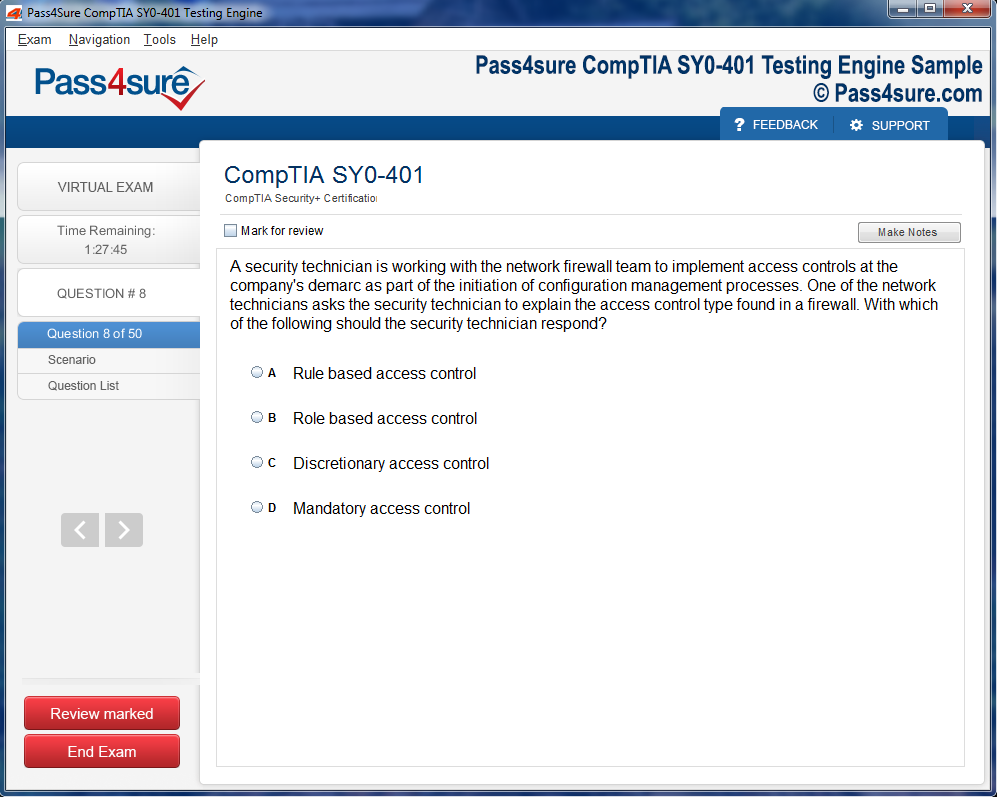
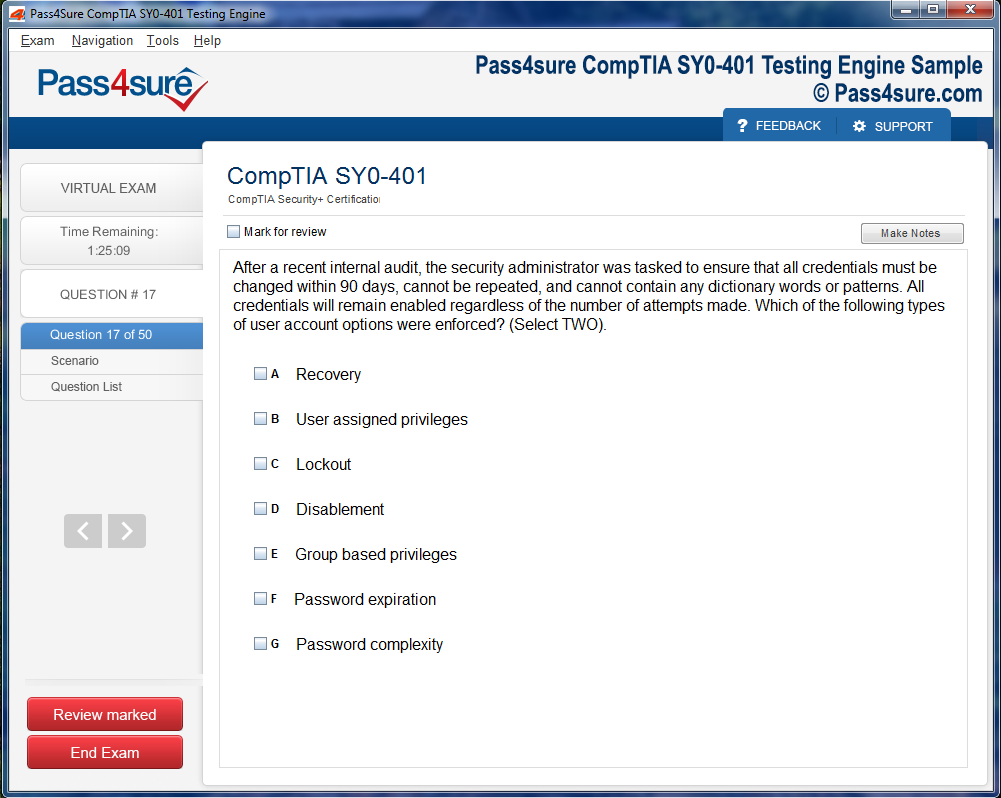
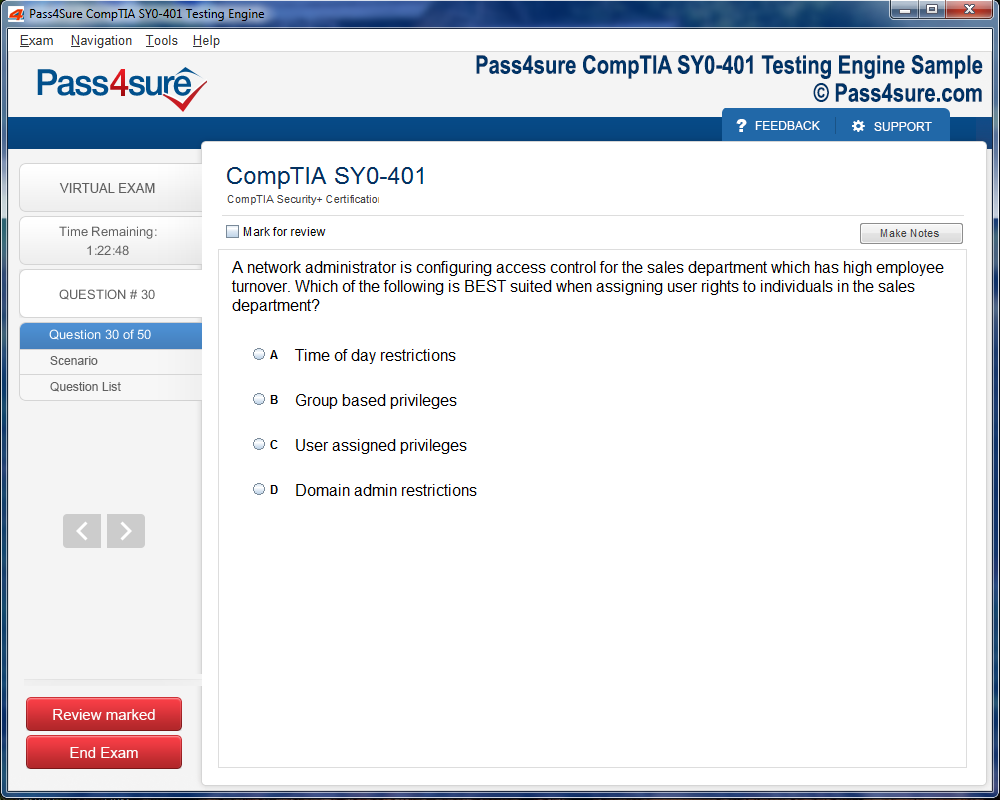
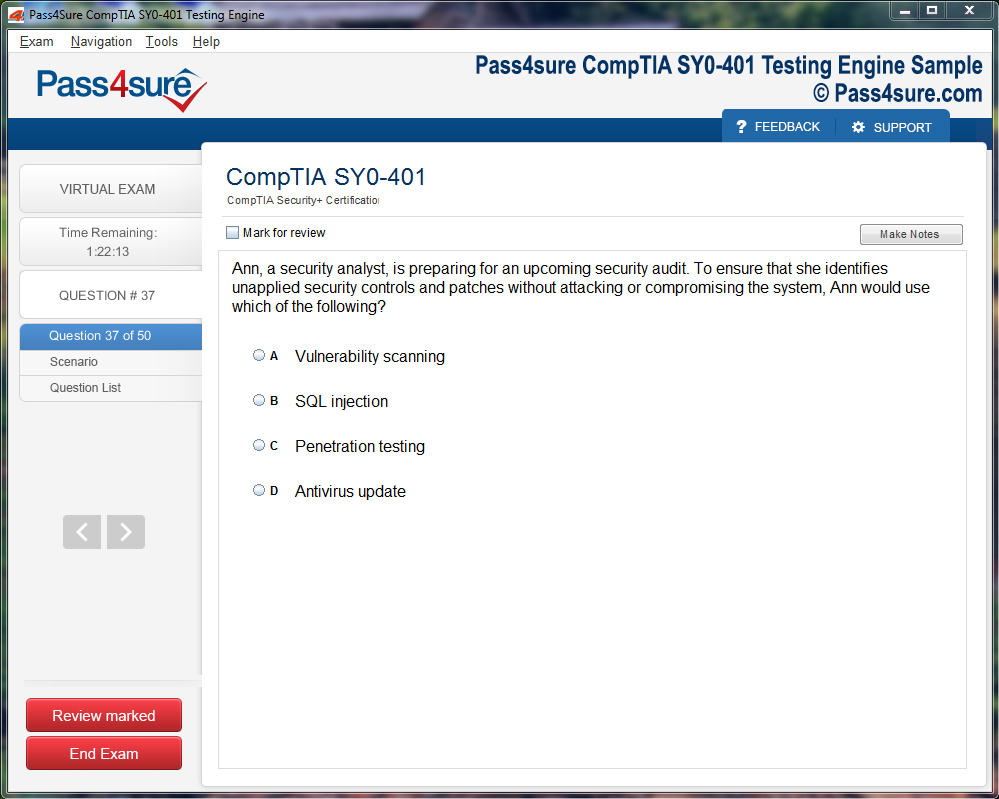
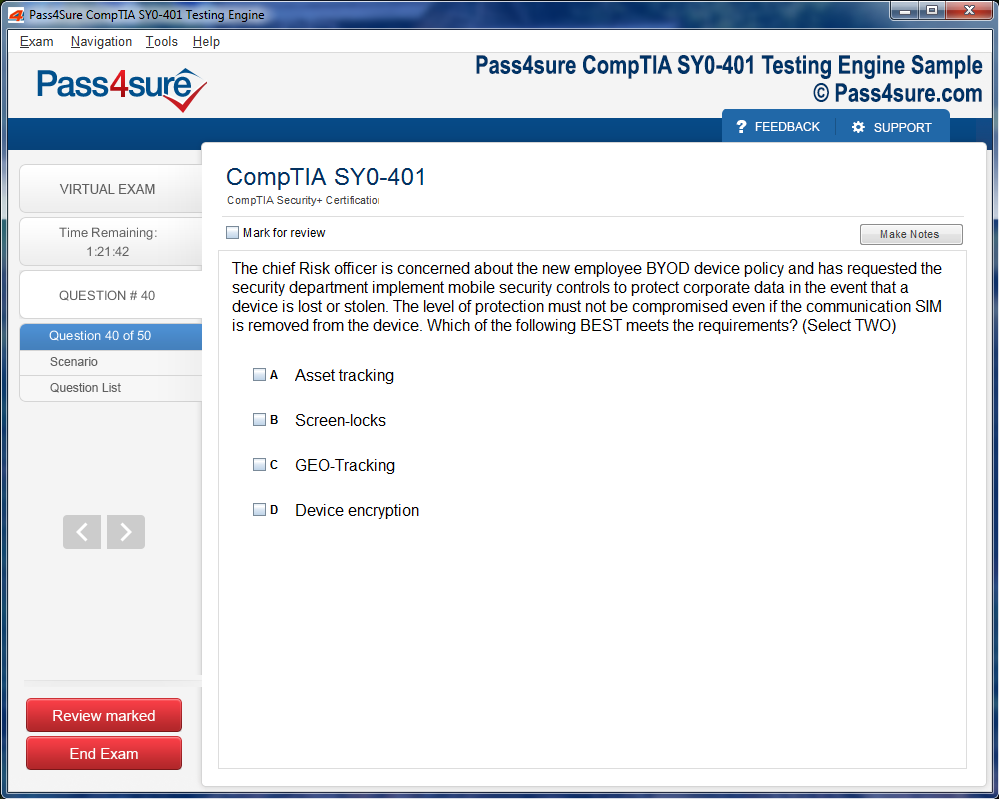
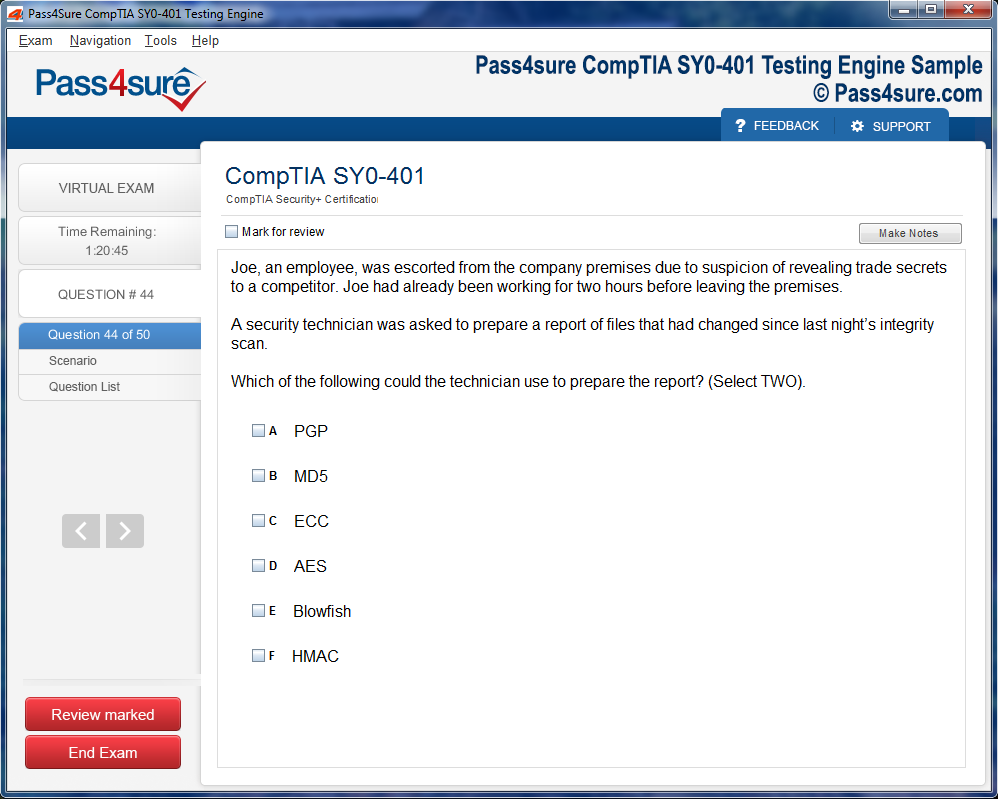
Product Screenshots




Step-by-Step Roadmap to IFPUG Certification Success
Embarking on the path to IFPUG certification is not merely a pursuit of credentialing; it is an intellectual odyssey into the mechanics of software measurement and functional analysis. IFPUG, the International Function Point Users Group, embodies a philosophy of precision and empirical rigor, providing a structured framework to quantify the otherwise intangible aspects of software functionality. Unlike superficial assessments that rely on lines of code or subjective estimations, IFPUG’s methodology translates user interactions, data flows, and external interfaces into measurable units, offering a lexicon through which software can be comprehensively evaluated and understood.
At the inception of this journey, candidates must cultivate an awareness of the philosophical and practical foundations of function point analysis. Software, in this context, is perceived not as a sequence of instructions but as a latticework of user-centered functions and interdependent modules. The measurement of these functions reveals latent complexity, guiding strategic decisions and enhancing project predictability. Understanding this multidimensional perspective is crucial; it transforms the preparation process from rote memorization into an exercise in analytical synthesis, fostering a mindset attuned to both technical detail and overarching systemic architecture.
Immersing in Core Principles: The Intellectual Bedrock
Before delving into the mechanics of measurement, aspirants must internalize the fundamental principles underpinning function point analysis. These principles include the classification of functional components—such as internal logical files, external interface files, external inputs, outputs, and inquiries—each embodying a distinct dimension of software functionality. A nuanced comprehension of these categories ensures that measurement is consistent, replicable, and meaningful, aligning with IFPUG’s rigorous standards.
Equally vital is an appreciation of complexity weighting, which adjusts measurements to account for the intricacy and interconnectivity of functions. This adjustment transforms simple tallies into predictive instruments, reflecting the effort, risk, and resource implications associated with software development. Candidates who master these subtleties gain not only a technical advantage but also an analytical lens through which software projects can be evaluated holistically. Immersion in these core principles forms the intellectual bedrock upon which subsequent preparation is constructed.
Structuring a Strategic Study Plan
Preparation without structure is akin to navigating a labyrinth blindfolded. Crafting a deliberate, phased study plan is essential to achieving IFPUG certification success. This plan should balance theoretical comprehension with practical application, gradually escalating in complexity while reinforcing foundational knowledge. Initial phases might concentrate on familiarizing oneself with definitions, measurement conventions, and the formal lexicon of function points. Subsequent stages should emphasize applied exercises, scenario analyses, and calibration against standard case studies, facilitating the internalization of analytical heuristics.
Time allocation is also critical. Candidates must estimate the temporal demands of each learning phase, incorporating both focused study sessions and reflective review periods. The strategic deployment of study hours fosters cognitive endurance, ensuring sustained engagement with material that is often dense and nuanced. A structured plan also mitigates the cognitive overload that can arise from attempting to assimilate too many concepts simultaneously, promoting steady progression and confidence accumulation.
Leveraging Authoritative Resources and Practice Materials
Access to high-quality, authoritative resources is indispensable in the journey toward certification. IFPUG guidelines, measurement manuals, and sanctioned case studies provide the canonical framework within which accurate understanding and application are cultivated. These materials not only elucidate procedural standards but also reveal subtle interpretive nuances that distinguish proficient practitioners from novices. Aspiring professionals are advised to engage deeply with these resources, annotating, cross-referencing, and interrogating the material to reinforce comprehension and recall.
Practice exercises occupy an equally pivotal role. Measurement scenarios, whether derived from real-world projects or hypothetical constructs, afford candidates the opportunity to apply theoretical knowledge under conditions that approximate examination pressures. Iterative practice nurtures analytical acuity, sharpens judgment, and enhances familiarity with the intricacies of function point determination. Frequent engagement with diverse problem sets fosters adaptive thinking, enabling candidates to navigate the ambiguity and complexity characteristic of actual IFPUG assessments.
Developing Analytical Acumen and Decision-Making Skills
IFPUG certification is as much a test of discernment as it is of knowledge. Candidates must cultivate analytical acumen, the ability to discern subtle distinctions between functional components, assess complexity accurately, and apply standard conventions judiciously. This entails developing a methodical mindset, where each measurement is approached with meticulous attention to detail, careful consideration of context, and anticipation of downstream implications. Analytical prowess is honed through repeated exposure to varied scenarios, reflective evaluation of outcomes, and iterative refinement of measurement techniques.
Decision-making skills are intimately entwined with analytical acumen. Function point analysis frequently presents situations wherein multiple interpretations are plausible, demanding that the practitioner weigh criteria, reconcile ambiguities, and select the most defensible approach. Mastery in this domain is characterized by confidence balanced with rigor, enabling candidates to navigate the nuanced terrain of functional assessment with precision and assurance. This dual cultivation of analysis and judgment is central to certification readiness.
Simulating Exam Conditions and Enhancing Cognitive Resilience
Transitioning from theoretical study to practical assessment necessitates familiarity with the examination environment. Simulating exam conditions—time constraints, scenario complexity, and sequential question formats—enhances cognitive resilience, reduces anxiety, and fosters procedural fluency. These simulations should replicate the rigor and pacing of the actual test, providing candidates with realistic benchmarks of readiness and exposing areas that require further refinement.
Cognitive resilience extends beyond temporal management; it encompasses the capacity to maintain clarity, focus, and logical reasoning under pressure. Candidates who cultivate this resilience are better equipped to navigate complex or ambiguous questions without succumbing to stress-induced errors. Techniques such as deliberate pacing, methodical annotation of problem statements, and structured reasoning protocols reinforce mental endurance, ensuring that preparation translates effectively into performance.
Engaging in Peer Learning and Mentorship
The solitary pursuit of knowledge can be enhanced through interaction with peers and mentors. Study groups, professional forums, and mentorship relationships offer opportunities to exchange insights, debate interpretations, and confront diverse perspectives. Such engagement enriches understanding, exposes latent misconceptions, and fosters adaptive thinking, equipping candidates to approach function point analysis from multiple vantage points. Mentors, in particular, provide invaluable guidance, sharing experiential wisdom, strategic tips, and nuanced interpretations that illuminate the subtleties of IFPUG standards.
Moreover, peer interaction cultivates communication skills essential for articulating measurement rationale and defending analytical decisions. The capacity to explain complex assessments clearly and persuasively mirrors real-world professional scenarios, where software measurement often intersects with managerial decision-making, cross-functional collaboration, and strategic planning. This social dimension of preparation enhances both technical mastery and professional sophistication.
Iterative Review and Continuous Refinement
A hallmark of effective preparation is iterative review. Knowledge, no matter how robust, benefits from repeated exposure, reflection, and refinement. Candidates should engage in cyclical review processes, revisiting definitions, recalibrating complexity assessments, and reevaluating prior measurements. This iterative approach consolidates memory, reinforces analytical heuristics, and uncovers latent gaps in understanding that may compromise performance.
Continuous refinement also entails self-assessment. Tracking progress, identifying recurring errors, and adjusting study strategies ensures that preparation remains dynamic and responsive to evolving needs. Candidates who embrace this philosophy cultivate both competence and confidence, approaching the examination with a sense of mastery rooted in deliberate, reflective practice rather than superficial familiarity.
Integrating Real-World Applications into Study Practice
To transcend rote preparation, candidates should integrate real-world software scenarios into their study regimen. Practical application of function point analysis to live or simulated projects bridges the gap between theoretical knowledge and operational execution. It illuminates the multifaceted interactions of functional components, contextualizes complexity assessments, and reinforces the relevance of precise measurement in decision-making processes.
Engagement with real-world applications also nurtures adaptive problem-solving. Software systems are rarely uniform; they embody idiosyncrasies, interdependencies, and emergent behaviors that challenge standard conventions. By confronting these challenges in a controlled study environment, candidates develop flexibility, innovation, and resilience—traits that distinguish exemplary practitioners from the merely competent.
Cultivating a Professional Mindset and Ethical Discipline
Beyond technical mastery, IFPUG certification demands the cultivation of a professional mindset characterized by rigor, integrity, and reflective practice. Ethical discipline guides accurate, unbiased measurement, ensuring that assessments faithfully represent software functionality without succumbing to convenience or expedience. This ethical dimension reinforces the credibility and utility of function point analysis, elevating the practitioner’s contributions within organizational and professional contexts.
A professional mindset also encompasses strategic vision. Candidates who approach certification with awareness of its broader implications—career advancement, organizational impact, and intellectual growth—align their preparation with meaningful objectives. This alignment fosters intrinsic motivation, resilience in the face of challenges, and a sustained commitment to excellence, qualities that underpin both certification success and enduring professional development.
The Architecture of Analytical Mastery
Mastery in function point analysis is less a destination than a meticulously engineered architecture, built upon layers of comprehension, reflection, and iterative refinement. Candidates traverse a trajectory that encompasses theoretical scaffolding, procedural familiarity, and practical application. Each layer contributes to a lattice of proficiency, rendering the analyst capable of perceiving subtle nuances and interstitial relationships that might elude a less disciplined practitioner.
The architecture of analytical mastery is not linear. It demands recursive engagement with concepts, where each encounter with a scenario, no matter how rudimentary, serves to reinforce, recalibrate, and extend understanding. This recursive interplay nurtures a mental schema wherein principles, patterns, and procedural heuristics coalesce into a cohesive cognitive framework. Within this framework, ambiguity ceases to be a source of apprehension; it transforms into a stimulant for strategic discernment and adaptive reasoning.
The Epistemology of Software Measurement
Function point analysis, at its core, is an epistemic enterprise. It seeks to translate the abstract ontology of software into a structured, intelligible representation. Beneath every interface, transaction, and data store lies an intricate lattice of causal relationships and operational contingencies. Quantification in this domain is not merely arithmetic; it is an interpretive act that requires sensitivity to context, an appreciation for emergent behavior, and an ability to abstract essence from procedural manifestation.
The epistemology of measurement posits that knowledge of software systems extends beyond mere visibility of code. It encompasses comprehension of intent, anticipation of behavior, and recognition of systemic symmetries and asymmetries. Function points, in this schema, act as epistemic instruments, illuminating latent structures and revealing patterns otherwise obscured by syntactic or structural opacity. Analysts become cartographers of digital landscapes, charting pathways, delineating boundaries, and mapping interdependencies.
Navigating the Labyrinth of Ambiguity
In advanced practice, ambiguity is omnipresent. Complex software systems frequently defy straightforward categorization, presenting analysts with scenarios where transaction boundaries, interface responsibilities, or data movements are blurred. Success in such environments hinges upon disciplined analytical methodologies, iterative hypothesis testing, and reflective judgment.
Candidates must cultivate an internal compass calibrated by principles and reinforced by practice. Each ambiguous scenario presents an opportunity to apply heuristics judiciously: segmenting functionality, identifying critical data intersections, and evaluating user interaction flows. The capacity to navigate ambiguity is inextricably linked to cognitive resilience—the ability to tolerate uncertainty without compromising analytical rigor or procedural fidelity.
Cognitive Heuristics in Function Point Analysis
Heuristics serve as the cognitive scaffolding upon which complex function point analyses are constructed. They enable rapid recognition of patterns, facilitate the classification of transactions, and support adaptive reasoning in uncharted scenarios. Heuristics are not rigid rules; they are flexible mental constructs that guide observation, inference, and decision-making.
Effective heuristics evolve through deliberate practice and reflective engagement. Candidates who excel in this domain cultivate a repertoire of pattern recognition skills, scenario deconstruction techniques, and verification strategies. They anticipate common pitfalls, recognize recurring structural motifs, and apply judgment with both precision and fluidity. This heuristic sophistication underpins the transformation of potentially overwhelming complexity into navigable, analyzable constructs.
Procedural Fluency and Metacognitive Awareness
Procedural fluency in function point analysis encompasses not only the accurate application of IFPUG guidelines but also the capacity to modulate procedures based on contextual exigencies. Advanced candidates display metacognitive awareness: they monitor their own analytical processes, identify potential biases, and adjust methodologies in real time.
Metacognition allows practitioners to transcend rote procedural execution. It fosters reflective judgment, enabling analysts to balance speed and accuracy, evaluate the reliability of assumptions, and prioritize high-impact functional elements. Candidates who integrate metacognition into their workflow exhibit resilience in the face of complexity, transforming uncertainty into structured inquiry and ensuring that each function point assessment is both methodically sound and contextually nuanced.
Edge Cases and Non-Standard Architectures
Complex software landscapes frequently feature edge cases that defy conventional templates. Systems may incorporate polymorphic data structures, dynamic user interfaces, or unconventional external interfaces. Accurate analysis of these systems requires both technical acumen and imaginative extrapolation, as well as an intimate familiarity with the boundaries of established guidelines.
Edge case analysis cultivates intellectual dexterity. Analysts must hypothesize, test, and validate function classifications, weighing subtle distinctions between external inputs, outputs, inquiries, and internal logical files. Detailed documentation of these atypical cases fosters a cumulative body of knowledge, facilitating future encounters with analogous scenarios and enhancing adaptive proficiency across the spectrum of function point applications.
Integrating Theoretical Principles with Applied Reasoning
Function point mastery emerges from the seamless integration of theoretical principles and applied reasoning. Candidates must internalize abstract constructs such as transaction complexity, data element granularity, and interfacial responsibility while simultaneously executing precise quantitative assessments.
This integration transforms analysis from mechanical enumeration into an artful exploration of systemic intent. Each function point becomes a lens through which the analyst perceives operational priorities, user impact, and latent structural coherence. The resulting synthesis fosters both accuracy and insight, enabling practitioners to navigate intricate systems with both clarity and strategic discernment.
Resilience and Cognitive Endurance
Complex analyses often require sustained cognitive engagement. Long scenarios, multi-tiered transactions, and extensive data interactions place significant demands on attention, memory, and judgment. High-performing candidates cultivate resilience, employing strategies that preserve cognitive stamina while maintaining analytical fidelity.
Techniques such as incremental decomposition, scenario segmentation, and intermittent validation mitigate mental fatigue. Candidates also refine the ability to maintain global system awareness while attending to local transactional details, ensuring that both macro and micro perspectives inform analytical judgment. This dual attentional capacity enhances both efficiency and precision, allowing candidates to sustain performance across protracted or cognitively dense evaluations.
Pattern Recognition and Predictive Cognition
Analytical proficiency in function point assessment is amplified by pattern recognition and predictive cognition. Experienced analysts perceive recurring motifs in transaction types, data flows, and system interactions, enabling anticipatory identification of complexity hotspots.
Predictive cognition allows candidates to preemptively evaluate potential ambiguity, estimate functional impact, and prioritize verification efforts. These predictive faculties, honed through iterative exposure and reflective practice, transform reactive analysis into proactive strategy. Candidates become adept at navigating emergent complexity with foresight, minimizing error risk, and maximizing interpretive efficiency.
The Professional Imperative
Beyond examination contexts, function point mastery possesses profound professional relevance. Software measurement informs project estimation, resource allocation, and strategic decision-making. Analysts who internalize the principles of function point analysis develop a sophisticated lens through which to evaluate system scope, assess operational efficiency, and forecast developmental trajectories.
This professional imperative extends beyond quantitative assessment. Function point analysis cultivates an appreciation for systemic interdependence, software ergonomics, and user-centric design. Analysts equipped with these insights become invaluable contributors to software architecture, project management, and operational optimization, translating theoretical acumen into tangible organizational impact.
Continuous Iteration and Reflective Calibration
The journey toward mastery is iterative. No single assessment, scenario, or theoretical engagement suffices to encompass the breadth of function point complexity. Candidates must engage in continuous iteration, revisiting prior analyses, calibrating assumptions, and refining heuristics.
Reflective calibration fosters intellectual humility and adaptive intelligence. Analysts evaluate the fidelity of past judgments, reconcile discrepancies, and adjust methodologies to accommodate newly encountered architectural paradigms. This iterative reflection consolidates expertise, ensuring that skill acquisition is durable, adaptive, and transferable across contexts.
Epistemic Elegance in Software Comprehension
Ultimately, function point analysis cultivates epistemic elegance—the capacity to apprehend software as an ordered, interpretable, and expressive system. Each function point quantified reveals a facet of systemic intent, translating abstract design choices into tangible metrics. Analysts perceive software not merely as code but as a living orchestration of operational logic, user interaction, and organizational purpose.
Through disciplined analysis, reflective practice, and integrative reasoning, candidates develop the ability to discern hidden symmetries, anticipate emergent behaviors, and elucidate latent dependencies. This epistemic sophistication transcends mechanical measurement, positioning the analyst as both interpreter and architect of comprehension within the digital domain.
Navigating Complexity Through Quantification and Insight
The labyrinthine nature of contemporary software systems necessitates a methodology that transcends superficial assessment. Function point analysis serves as a navigational compass, guiding practitioners through the dense thickets of interrelated modules, overlapping functionalities, and latent dependencies. Each measurement undertaken is both a revelation and a lens, offering a perspective on complexity that informs resource allocation, risk mitigation, and strategic planning. To approach this measurement without nuance is to risk a myopic understanding; each functional element must be contextualized within the broader architecture to apprehend its systemic significance.
Moreover, the intellectual discipline of measurement fosters an analytical acumen that extends beyond the technical. Practitioners trained in function point analysis acquire the capacity to discern subtle distinctions between functional intricacies, to anticipate emergent behaviors, and to reconcile conflicting priorities within multifaceted projects. This cognitive agility is indispensable not only for certification but for real-world application, where decisions informed by precise measurement can yield profound organizational impact. The interplay between empirical assessment and strategic foresight becomes a hallmark of mastery in this domain.
The Interwoven Fabric of Functionality and User Experience
Functionality is inseparable from the human experience it enables. Each interface, each transaction, each data retrieval constitutes a touchpoint through which users engage with software, consciously or otherwise. Function point analysis captures this interaction in its metrics, providing a bridge between abstract computational structures and the lived realities of end users. Recognizing this interplay instills in the practitioner a dual awareness: the technical intricacies of system design and the experiential contours of user engagement. Mastery of this duality allows for measurement that is not sterile but insightful, revealing both the operational capacity and the perceptual resonance of software systems.
Understanding the nuance of external interfaces, for instance, requires more than technical familiarity; it demands an appreciation for contextual variability, user intent, and potential friction points. Data movements between modules or across systems are not merely logistical events; they are carriers of meaning, influencing usability, reliability, and satisfaction. Function point methodology codifies these movements into analyzable units, rendering the abstract interplay of functionality and experience into discernible metrics. In doing so, it transforms the seemingly mundane into a rich source of insight, allowing practitioners to discern patterns and predict outcomes with surprising acuity.
Cognitive Strategies for Mastery of Measurement
The journey toward proficiency in function point analysis is as much cognitive as it is procedural. Memorization of definitions alone is insufficient; true mastery requires the internalization of patterns, the development of heuristics, and the cultivation of judgment under ambiguity. Each software system presents a unique constellation of interactions, and practitioners must navigate these without recourse to formulaic solutions. Exercises, case studies, and iterative analysis serve as scaffolding, enabling the mind to construct mental models that balance precision with flexibility. The act of measuring becomes an interpretive endeavor, where discernment and reasoning converge.
Analytical resilience is also essential. Complex scenarios, conflicting data, and ambiguous requirements are the norm rather than the exception. A practitioner’s capacity to maintain composure, reason logically, and apply standardized principles judiciously distinguishes competent measurement from superficial calculation. This cognitive robustness is cultivated through repeated exposure, reflective practice, and engagement with increasingly intricate systems. The emergent skill is not merely the ability to quantify but the capacity to perceive the underlying architecture of functionality and to anticipate the consequences of system evolution.
The Strategic Implications of Function Point Analysis
Beyond individual competency, the implications of accurate measurement reverberate across organizational strata. Function point analysis informs project estimation, resource allocation, performance benchmarking, and strategic planning. Its utility is magnified in environments characterized by complexity, dynamism, and high stakes. When measurement is precise and consistent, decision-makers are empowered to act with confidence, aligning operational execution with organizational objectives. Conversely, imprecise measurement propagates uncertainty, obscuring risk, and diminishing the efficacy of strategic interventions.
In this context, practitioners are not merely analysts but custodians of insight. Each quantification carries with it the potential to influence budgets, timelines, and quality outcomes. Awareness of this responsibility instills a disciplined approach, where methodological rigor is paired with strategic sensitivity. Function point analysis, therefore, is not an isolated technical exercise but an instrument of organizational intelligence, integrating empirical observation with foresightful planning.
The Semantics of Software Functionality
Function point analysis is more than arithmetic; it is a linguistic framework for deciphering software’s latent complexity. Each function carries semantic weight, articulating the nuances of user intent and system reaction. The meticulous delineation of internal files, interface conduits, and transactional pathways demands an acute perceptual acuity. Certification aspirants must cultivate a sense of subtlety, recognizing that the apparent simplicity of an input or output can mask a labyrinthine interaction within the system’s architecture. Function points become the dialect through which software reveals its character, transforming numerical abstraction into expressive insight.
The Nuances of Transactional Evaluation
Evaluating software transactions is an exercise in cognitive discernment. Beyond counting elements or assessing file types, the practitioner must apprehend relational intricacies, transactional coupling, and the ripple effects of minor modifications. High-complexity transactions are rarely evident at first glance; they are woven into the tapestry of interdependent functions. Mastery involves perceiving these interconnections, intuiting the operational cadence of the system, and predicting the subtle impact of data flow variations. This level of analysis distinguishes a competent professional from a mere practitioner of function point arithmetic.
Calibration Through Iterative Practice
Refinement of function point mastery requires a deliberate, iterative approach. Repetition is not rote; it is a process of attuning one’s judgment to the rhythm of functional patterns and the cadence of complexity. Analyzing diverse applications—from enterprise resource planning systems to intricate web platforms—sharpens sensitivity to structural anomalies and hidden dependencies. Each exercise becomes a crucible in which intuition is tempered by methodical reasoning, creating a cognitive resonance that bridges abstract theory and pragmatic application. Certification aspirants who engage in this recursive practice cultivate a nuanced facility that transcends formulaic calculation.
Cognitive Architecture in Estimation
Function point analysis engages not only analytical rigor but also cognitive architecture. Professionals develop a mental schema for mapping system functionality, visualizing the interplay of inputs, outputs, and data repositories. This schema is not static; it evolves with exposure to varied domains, integrating contextual subtleties and domain-specific exigencies. By internalizing this cognitive framework, candidates enhance their ability to estimate effort, predict resource requirements, and negotiate project timelines with informed confidence. The IFPUG lens transforms estimation from conjecture to systematic inference.
Function Points as Strategic Instruments
Function points are instrumental not merely in measurement but in strategic orchestration. Their value extends into decision-making processes, enabling stakeholders to evaluate scope, anticipate risk, and allocate resources judiciously. When wielded effectively, they act as a lingua franca between technical operatives and executive leadership. This strategic dimension underscores the importance of comprehension beyond calculation: function points must be interpreted, contextualized, and communicated with precision. Certification confirms that a professional can navigate this interpretive landscape with sophistication and credibility.
Embedding Analytical Reflexivity
The habitual integration of function point analysis into professional praxis fosters analytical reflexivity. Practitioners learn to interrogate assumptions, identify latent ambiguities, and reconcile discrepancies between theoretical predictions and empirical observations. Documenting each analysis, reviewing peer interpretations, and soliciting critical feedback nurtures an iterative learning cycle. Over time, this reflective discipline cultivates not only technical acuity but also strategic insight, positioning function point mastery as both a cognitive skill and an organizational asset. The journey from novice to certified expert is as much about intellectual cultivation as it is about technical proficiency.
Cognitive Architecture for Function Point Mastery
Function point comprehension extends beyond memorization into the realm of cognitive architecture, where the interplay of conceptual frameworks and analytical dexterity coalesces. Developing an internal schema for classifying functional components allows aspirants to navigate questions with preternatural efficiency. By segmenting transactional and data functions into cognitive clusters, candidates can reduce mental friction and accelerate retrieval during examination conditions. This scaffolded approach facilitates not merely recall but insightful pattern recognition, enabling subtle distinctions between seemingly analogous scenarios.
Mental rehearsal enhances cognitive fortitude. Visualizing the identification and classification of functional elements in hypothetical projects fosters neural pathways that mirror actual examination performance. The aspirant’s mind becomes an experiential laboratory, where abstract principles crystallize into actionable insight. Such cognitive rehearsal, when coupled with reflective evaluation of prior exercises, cultivates a meta-cognitive awareness that distinguishes proficient candidates from the merely prepared.
Immersive Case Study Exploration
Engagement with case studies is a keystone for embedding functional understanding in tangible contexts. Abstract theory finds resonance when applied to multidimensional scenarios, ranging from enterprise resource planning systems to bespoke software applications. Delving into diverse projects exposes candidates to atypical functional complexities, anomalous data relationships, and intricate transaction logic that are frequently overlooked in standard texts.
A nuanced exploration of these case studies demands interpretive acumen. Aspirants must discern latent functional requirements, evaluate boundary conditions, and anticipate system behavior under varying operational parameters. Such analytical immersion not only reinforces procedural fluency but cultivates a sense of anticipatory judgment, a skill that proves invaluable in high-stakes certification examinations. Continuous engagement with case-based exercises transforms passive knowledge into dynamic, applied intelligence.
Adaptive Problem-Solving Methodologies
Certification success hinges on the aspirant’s capacity for adaptive problem-solving. Function point scenarios often present with ambiguity, requiring the application of principled heuristics rather than rigid algorithms. Developing a repertoire of adaptive strategies allows candidates to navigate these murky terrains with poise. These strategies include decomposing complex transactions into elemental components, cross-referencing functional dependencies, and applying tiered validation to ensure both completeness and accuracy.
Adaptive problem-solving also entails iterative learning cycles. Each exercise becomes a diagnostic tool, highlighting cognitive biases, habitual misclassifications, and procedural blind spots. By systematically analyzing errors, candidates enhance both precision and agility. Over time, this reflective feedback loop fosters a resilient intellect capable of discerning patterns and formulating solutions under temporal pressure.
Semantic Precision and Analytical Rigor
The intricacies of function point counting demand semantic precision. Misinterpretation of terminology or functional definitions can propagate errors throughout the analytical process. Aspiring professionals must cultivate linguistic exactitude, ensuring that terms such as “internal logical file” or “external input” are consistently applied across contexts. Precision in semantic comprehension serves as a bulwark against cognitive drift, maintaining analytical integrity under stress.
Analytical rigor extends beyond definitional accuracy into structured reasoning. Each functional component should be dissected with methodical care, verifying alignment with measurement principles and corroborating with analogous examples. This meticulous attention to procedural fidelity not only mitigates error but instills confidence, reinforcing the aspirant’s readiness for the nuanced challenges of the examination.
Integrative Simulation Exercises
Simulation exercises form the nexus between theory and applied competence. By constructing realistic project scenarios and performing full-spectrum function point analysis, candidates cultivate experiential proficiency that textbooks alone cannot impart. These simulations should encompass varying system scales, from microservices architectures to enterprise ecosystems, and introduce operational ambiguities that mirror real-world uncertainty.
Integration of these exercises into a structured preparation regimen engenders a dual benefit: technical mastery and psychological acclimatization. Candidates habituate themselves to the temporal and cognitive demands of the exam environment while simultaneously refining their analytical approach. This methodical immersion creates a virtuous cycle, where experiential learning reinforces theoretical comprehension and hones performance precision.
Meta-Cognitive Refinement and Examination Poise
Attaining certification transcends technical skill, encompassing meta-cognitive refinement and poised execution. Candidates must monitor their cognitive states, recognizing fatigue, attentional lapses, and stress-induced distortion. Techniques such as deliberate pacing, micro-break integration, and controlled visualization fortify resilience and sharpen focus.
Furthermore, cultivating a sense of examination poise mitigates anxiety, allowing cognitive resources to remain dedicated to problem-solving rather than affective interference. The aspirant develops an intuitive rhythm, balancing analytical deliberation with decisive action. This synthesis of meta-cognition and procedural mastery epitomizes the zenith of preparation, transforming potential trepidation into a conduit for high-caliber performance.
Experiential Integration with Industry Practice
The final dimension of preparation involves embedding knowledge within the lived experience of software development ecosystems. Participation in measurement initiatives, consultation with seasoned practitioners, or observation of real-time functional assessment offers invaluable context. By juxtaposing theoretical constructs with operational realities, candidates acquire a holistic understanding that transcends rote competency.
This experiential integration enhances interpretive acumen, allowing aspirants to reconcile abstract metrics with tangible project dynamics. The interplay between classroom preparation and real-world observation cultivates a multifaceted intellect, capable of navigating complexity, ambiguity, and emergent functional nuances with both sophistication and agility.
Navigating Multifaceted Function Point Terrains
Even after assimilating foundational function point principles, candidates frequently confront labyrinthine scenarios that test the boundaries of analytical dexterity. These intricate configurations often transcend mere procedural comprehension, demanding an interplay of cognitive elasticity, heuristic reasoning, and nuanced discernment. The tapestry of complexity is woven from interdependent modules, obfuscated transaction flows, and nuanced interface interactions. Mastery in this arena is less a matter of rote recollection than an artful synthesis of conceptual frameworks and judicious pragmatism.
In such multifarious landscapes, systems rarely present themselves as discrete, compartmentalized entities. They manifest as interlaced mosaics where data conduits intersect and transaction typologies overlap. The discernment of functional demarcations becomes a critical competency, requiring practitioners to tease apart subtleties that demarcate an external inquiry from an external output. The differentiating criteria are often ephemeral, embedded in slight divergences in processing logic, data aggregation, or user interaction dynamics. Here, analytical rigor transforms into a strategic instrument, permitting practitioners to fragment the scenario into elemental constituents, systematically interrogate assumptions, and apply standardized axioms with unerring consistency.
Deciphering Ambiguous Interfaces
Complexity intensifies in the presence of unconventional or anomalous interfaces. Systems endowed with copious user-defined fields, polymorphic inputs, or atypical external interactions demand interpretive acuity. Standardized methodologies, such as those promulgated by IFPUG, provide scaffolding; yet, the application of these guidelines to esoteric configurations necessitates interpretive elasticity. Candidates must cultivate the capacity to apprehend the latent structure beneath superficial irregularities, discerning invariant patterns amidst apparent disarray. Iterative exposure to divergent case studies accelerates this proficiency, allowing aspirants to anticipate nonconforming constructs and navigate them with methodical sophistication.
Maintaining meticulous documentation during such endeavors amplifies cognitive retention and operational fluency. Detailed annotations of anomalous cases forge a personalized compendium, facilitating rapid reference and reinforcing conceptual consolidation. The accumulation of this knowledge repository cultivates an adaptive intelligence, enabling candidates to respond to novel challenges with alacrity and confidence. Analytical perseverance, coupled with methodical rigor, transforms these once-daunting contingencies into opportunities for intellectual amplification.
Refining Analytical Vigilance
The propensity for error escalates proportionally with scenario intricacy. Function point quantification, particularly amidst elongated or entwined scenarios, is vulnerable to oversight, misclassification, or subtle miscalculations. High-performing practitioners mitigate these risks through deliberate verification protocols, sequentially auditing counts, complexity allocations, and adjustment factors. This rigorous scrutiny mirrors the meticulous quality control paradigms prevalent in professional software engineering.
Collaborative review processes further enhance error detection. The integration of external perspectives—whether through peer evaluation, mentoring, or group exercises—illuminates latent discrepancies and enriches cognitive schemas. Such engagements not only improve immediate accuracy but also cultivate a meta-cognitive awareness, reinforcing procedural memory and adaptive problem-solving strategies. In this context, error detection transcends mere correction; it becomes a vehicle for skill refinement, fostering an anticipatory analytical posture that permeates subsequent evaluations.
Prioritization in the Face of Complexity
The kaleidoscopic nature of multifaceted scenarios necessitates judicious prioritization. Not all anomalies exert equivalent influence on function point computations; discerning the consequential from the peripheral is indispensable. Candidates must develop an acute evaluative lens to allocate cognitive and temporal resources where they will yield maximal impact. The capacity to synthesize precision with expedience, balancing thoroughness against efficiency, emerges as a hallmark of seasoned analysts.
This prioritization skill is cultivated through sustained engagement with variegated scenarios, each presenting idiosyncratic challenges and decision thresholds. Repeated exposure nurtures a dual proficiency: rapid identification of critical elements and meticulous validation of their implications. The symbiosis of velocity and accuracy transforms erstwhile cognitive strain into structured, confident problem-solving, converting complexity from an obstacle into an arena for strategic mastery.
Integrative Cognitive Synthesis
Excellence in navigating complex function point scenarios derives from the integration of theoretical comprehension and applied reasoning. Candidates who flourish in this domain internalize principles, discerning systemic motifs and predictive contingencies rather than merely memorizing procedural algorithms. This integrative cognition enables anticipatory judgment, adaptive application of rules, and the recognition of emergent patterns within intricate data landscapes.
Through iterative practice, reflection, and engagement with diverse system architectures, aspirants develop an intuitive fluency. This cognitive synthesis transcends conventional procedural knowledge, allowing practitioners to navigate labyrinthine functional matrices with poise and perspicacity. Each scenario becomes not merely a test of technical acumen but a crucible for cultivating analytical elegance and intellectual agility.
Exam Mastery: Transcending Mere Preparation
The apex of professional credentialing is not merely the accumulation of technical acumen but the orchestration of meticulous preparation with strategic cognition. Approaching the IFPUG certification examination demands more than rote familiarity; it necessitates an elegant fusion of analytical dexterity, procedural rigor, and mental poise. Candidates who traverse this terrain with intentionality transform trepidation into controlled acuity, allowing cognitive faculties to operate at their zenith.
Navigating the Labyrinth of Exam Format
The examination itself resembles a carefully structured labyrinth, where each corridor and chamber tests distinct faculties. Multiple-choice inquiries are interspersed with scenario-laden problematics and intricate function point evaluations, each designed to probe applied understanding rather than superficial recall. Attunement to these structural nuances reduces ambiguity, enabling aspirants to traverse the assessment with strategic confidence. Simulated rehearsals, executed under authentic temporal constraints, accustom the mind to sustained cognitive exertion while cultivating a rhythm of swift, yet precise, problem-solving.
Precision as a Ritual
Function point computation is an art that thrives on meticulousness. Inconsistencies in function identification or complexity assessment, even minute, can cascade into significant deviations. Candidates cultivate an almost ritualistic approach to verification, reinforcing habits of iterative cross-examination and meticulous annotation. This discipline is not merely procedural but cognitive, fostering neural patterns attuned to exactitude and efficiency. Through deliberate practice, aspirants internalize the methodology, transforming the technical intricacies into second nature.
Temporal Orchestration During the Examination
Temporal mastery is often as consequential as technical mastery. The examination’s temporal constraints necessitate a dynamic equilibrium between rapid engagement and reflective deliberation. Candidates who segment their approach—addressing accessible items before revisiting formidable scenarios—enhance both scoring potential and mental composure. This temporal choreography ensures that opportunities for retrospective correction remain viable, allowing for refined judgment and incremental confidence. Strategic allocation of time evolves into a subtle yet potent form of intellectual leverage.
Psychological Alchemy for Peak Performance
Equally critical is the cultivation of psychological alchemy: transforming anticipatory anxiety into concentrated vigor. Techniques such as diaphragmatic respiration, vivid cognitive visualization, and affirmative internal dialogue coalesce to stabilize focus. High-performing candidates adopt the posture of sagacious problem-solvers, interpreting each question as a canvas for the application of knowledge rather than a hurdle of judgment. This paradigm shift transmutes stress into disciplined engagement, amplifying clarity and decisional precision while preserving cognitive stamina.
Iterative Reflection and Enduring Competence
Post-examination reflection is a crucible for the transmutation of ephemeral effort into enduring expertise. Scrutinizing difficult scenarios, cataloging emergent insights, and synthesizing strategic refinements consolidate learning beyond the confines of certification. The iterative interplay between examination experience and professional practice engenders an ever-deepening reservoir of competence. Candidates emerge not merely credentialed but intellectually fortified, possessing a resilient architecture of applied knowledge, analytical acuity, and adaptive mastery.
Cognitive Sculpting Through Repetition
Repetition, when wielded judiciously, acts as a sculptor of cognitive resilience. Systematic engagement with function point exercises, scenario analyses, and time-bound problem-solving instills both confidence and neural agility. The mind becomes habituated to operational precision under pressure, transforming mechanical repetition into a dynamic rehearsal of expertise. This sculpted cognition ensures that performance is not contingent upon ephemeral inspiration but grounded in rigorous, habitual competence.
Strategic Mindset Beyond the Examination
Excellence in certification is but a microcosm of professional achievement. Cultivating a strategic mindset that extends beyond immediate assessment encourages continuous refinement of judgment, analytical reasoning, and procedural fidelity. Candidates trained to anticipate complexity, dissect nuanced scenarios, and adaptively apply rules are primed not only for examination success but for the exigencies of software measurement in dynamic, real-world environments. The interplay of preparation, execution, and reflection coalesces into a durable schema of professional sagacity.
Embodied Expertise in Function Point Analysis
True mastery manifests when technical knowledge becomes embodied, transcending conscious deliberation. Function point analysis, complexity classification, and adjustment calculations evolve from intellectual exercises into instinctual operations. This embodiment reduces cognitive friction, permitting fluid navigation of challenging scenarios. The aspirant moves from reactive problem-solving to proactive synthesis, orchestrating precision, efficiency, and insight in unison. This stage signifies the evolution from learner to practitioner, where expertise is lived rather than merely known.
Transcending Conventional Metrics Through Function Point Insight
Function point analysis, when wielded with dexterity, transcends mere numerical assessment and becomes a prism through which software intricacies are illuminated. Professionals attuned to these subtleties cultivate an almost prescient sense of project trajectories. Beyond raw quantification, function points serve as a heuristic instrument, revealing latent dependencies, potential bottlenecks, and the interstitial harmony—or discord—between software modules. Mastery in this domain requires not only methodical rigor but also an intuitive grasp of complexity, allowing practitioners to anticipate challenges before they crystallize into impediments.
Cultivating Cognitive Agility in Software Estimation
Sustained expertise in function point analysis demands a mind attuned to both precision and fluidity. Cognitive agility—the ability to oscillate between meticulous calculation and strategic foresight—is indispensable. Practitioners navigate a labyrinth of variable project contexts, from legacy system overhauls to avant-garde application development. Each scenario necessitates recalibration of assumptions, subtle shifts in interpretation, and an agile responsiveness to emergent information. This mental dexterity ensures that measurements retain relevance, supporting decision-making that is both empirically grounded and contextually sensitive.
Experiential Synthesis and Reflexive Practice
Expertise deepens through experiential synthesis, wherein knowledge derived from multiple projects coalesces into refined judgment. Reflexive practice—the deliberate examination of one’s methodologies and outcomes—cultivates a nuanced understanding of measurement efficacy. Professionals who engage in this iterative self-scrutiny discern patterns, subtle causalities, and recurring pitfalls. Such introspective analysis converts transient experience into durable wisdom, enhancing predictive acumen and fostering a capacity to navigate uncharted project landscapes with confidence and foresight.
The Semiotics of Software Functionality
Function points operate within a semiotic framework, encoding information about software functionality into interpretable symbols. Each component, transaction, and data interaction is an emblem of operational significance. Professionals adept in decoding these semiotic signals can perceive latent relationships between ostensibly disparate modules. This interpretive skill enriches estimation accuracy and empowers communicative clarity with stakeholders. Understanding software as a system of interlinked signs transforms analysis from mechanical tabulation into a sophisticated dialogue with the underlying architecture.
Integrative Professional Networks and Knowledge Osmosis
Sustaining mastery is inextricably linked to the ecosystems in which professionals operate. Integrative networks—comprising peers, mentors, and industry consortia—function as conduits for knowledge osmosis. Engagement in these networks exposes practitioners to unconventional methodologies, emergent tools, and divergent analytical paradigms. Dialogues within such circles provoke intellectual elasticity, challenge entrenched assumptions, and accelerate skill accretion. By participating in this dynamic interchange, professionals cultivate an adaptive expertise that is perpetually renewed and enriched by collective insight.
Ethical Stewardship in Software Measurement
Expertise encompasses more than technical acumen; it also demands ethical stewardship. Function point analysis, deployed with integrity, safeguards transparency, fosters accountability, and mitigates subjective bias in project assessment. Professionals act as custodians of measurement rigor, ensuring that metrics are applied consistently and judiciously. Ethical stewardship reinforces trust within teams, legitimizes managerial decision-making, and fortifies the credibility of the profession. In this way, mastery is inseparable from moral discernment, anchoring technical skill in principled practice.
Perpetual Evolution and Intellectual Curiosity
In the realm of software measurement, stasis is antithetical to expertise. The arc of professional growth is sustained through perpetual evolution and relentless intellectual curiosity. Exposure to novel technologies, emergent methodologies, and cross-disciplinary perspectives acts as a catalyst for refinement. Professionals who embrace this continuum of discovery expand their analytical repertoire, enrich problem-solving strategies, and enhance adaptive resilience. The journey from certified competence to enduring mastery is navigated through ceaseless inquiry, reflective experimentation, and the courage to transcend conventional paradigms.
Resonance of Mastery Within Organizational Ecosystems
Certified professionals exert influence beyond personal advancement, imprinting their expertise onto organizational ecosystems. By embedding rigorous measurement practices into project cultures, they enhance operational coherence, optimize resource allocation, and elevate the precision of forecasts. Function point insights resonate through planning, development, and delivery processes, harmonizing efforts across teams and stakeholders. This organizational resonance transforms individual mastery into collective efficacy, demonstrating that expertise is both a personal asset and a systemic catalyst.
Harmonizing Complexity Through Strategic Insight
Organizations are intricate tapestries woven from interdependent processes, human cognition, and technological architectures. Function point mastery equips professionals to traverse these labyrinthine structures with strategic clarity. By discerning latent interconnections and subtle dependencies, certified practitioners navigate complexity not as a challenge but as a landscape of opportunities. This harmonization extends beyond project timelines, influencing workflow orchestration, resource synchronization, and the alignment of objectives across hierarchies. Each measurement becomes an instrument of strategic orchestration, converting raw data into actionable intelligence.
Epistemic Vigilance in Software Metrics
Sustained professional impact necessitates epistemic vigilance—a rigorous attention to the validity, reliability, and contextual integrity of measurement. Professionals attuned to this principle scrutinize function point data, interrogate assumptions, and remain alert to cognitive biases that may distort interpretation. Such vigilance fosters robust estimations, transparent reporting, and informed decision-making. It is not merely technical rigor but a disciplined epistemological stance that elevates software measurement from mechanical tabulation to enlightened practice.
Cultivating Narrative Competence in Technical Communication
Beyond analytical proficiency, mastery requires narrative competence—the ability to translate quantitative insights into persuasive, intelligible narratives for diverse audiences. Function point metrics, when communicated effectively, bridge the chasm between technical teams and executive leadership. Professionals adept in this narrative translation render complex interdependencies intelligible, illuminate risk trajectories, and facilitate strategic deliberation. Storytelling becomes a vehicle for influence, turning empirical rigor into organizational resonance and establishing trust across domains of expertise.
Temporal Acumen and Anticipatory Analysis
Function point analysis is inherently temporal, encoding information about current states while informing anticipatory judgment. Professionals cultivate temporal acumen, perceiving trends, inferring trajectories, and projecting outcomes with calibrated confidence. This foresight enables proactive intervention, mitigates emergent risks, and guides adaptive resource allocation. Temporal sensitivity transforms static measurement into a dynamic compass, orienting organizational strategy and ensuring that mastery reverberates across both present and future operational landscapes.
Synergistic Integration with Agile Ecosystems
Modern software environments are increasingly agile, demanding rapid iteration, continuous delivery, and flexible resource deployment. Certified professionals integrate function point analysis seamlessly into these ecosystems, ensuring that measurement practices support iterative planning rather than constraining it. By aligning quantitative insight with agile workflows, they foster synergies that enhance velocity, quality, and stakeholder satisfaction. This integration exemplifies how technical mastery adapts to contextual realities, amplifying value without imposing rigidity.
Reflexive Expertise and Continuous Calibration
Organizational ecosystems are not static, and neither can expertise remain fixed. Reflexive practice—a cyclical process of assessment, recalibration, and refinement—is essential. Professionals routinely revisit their measurement frameworks, evaluate outcomes against benchmarks, and adjust techniques to accommodate shifting project contours. This continuous calibration ensures that function point application evolves in parallel with organizational dynamics, sustaining relevance, credibility, and enduring impact.
Cognitive Resonance in Collaborative Networks
Mastery amplifies when professionals operate within collaborative networks. Cognitive resonance—the alignment of analytical reasoning, intuitive judgment, and experiential knowledge among team members—enhances decision-making quality and organizational coherence. Function point practitioners facilitate this resonance by providing a shared language of measurement, establishing common reference points, and fostering interpretive consensus. As a result, collective cognition becomes richer, more precise, and better equipped to tackle emergent complexities.
Institutionalizing Measurement Excellence
Beyond individual influence, certified professionals contribute to institutionalizing excellence in software measurement. They develop guidelines, standard operating procedures, and mentorship structures that propagate best practices across departments. By embedding function point literacy into organizational DNA, they ensure that measurement rigor is sustained even as personnel transition and projects diversify. This institutionalization elevates the organization’s analytical capacity, strengthens governance frameworks, and embeds a culture of evidence-based decision-making.
Navigating Ephemeral Technologies with Durable Principles
The technology landscape is ephemeral, with frameworks, languages, and platforms evolving rapidly. Yet function point principles remain durable, providing a stable anchor for assessment and planning. Professionals who internalize these enduring principles navigate technological flux with composure, applying consistent measurement techniques across transient environments. This adaptability reinforces mastery, demonstrating that expertise is not merely reactive but strategically resilient.
The Semiotics of Organizational Functionality
Organizations can be read as semiotic systems, where each process, team, and module functions as a symbol with operational significance. Function point mastery enables professionals to decode this semiotic landscape, discerning hidden interrelations and emergent patterns. By interpreting these symbols accurately, they guide resource allocation, identify efficiency bottlenecks, and inform strategic decisions. Expertise thus transcends technical calculation, becoming a form of organizational literacy that unlocks latent potential.
Ethical Imperatives in Measurement Stewardship
Technical skill is inseparable from ethical responsibility. Function point professionals uphold standards of transparency, fairness, and integrity, ensuring that measurements reflect reality rather than convenience. Ethical stewardship mitigates the risks of misrepresentation, reinforces stakeholder trust, and enhances organizational legitimacy. This moral dimension of mastery underscores that certification is not merely a credential but a covenant to apply knowledge conscientiously and sustainably.
Adaptive Intelligence and Emergent Problem-Solving
Complex projects rarely unfold predictably; unforeseen contingencies demand adaptive intelligence. Certified professionals leverage function point insights to navigate emergent problems, recalibrating estimations, redistributing resources, and guiding corrective action. This adaptive problem-solving transforms expertise into a living capability, capable of responding to uncertainty with deliberation, creativity, and precision. It demonstrates that mastery is active, not static—a continuous engagement with dynamic organizational realities.
Amplifying Organizational Learning Through Measurement
Measurement extends beyond immediate project outcomes to catalyze organizational learning. Professionals codify lessons, analyze patterns of variance, and communicate insights across teams. Function point metrics become instruments for reflection, experimentation, and iterative improvement. By transforming experience into structured knowledge, certified practitioners elevate the organization’s collective intelligence, ensuring that past successes and failures inform future endeavors.
Conclusion
The journey toward IFPUG certification is more than a pursuit of a credential; it is a transformative process that cultivates precision, analytical thinking, and professional resilience. From understanding the philosophy behind function point analysis to mastering complex scenarios and applying knowledge in real-world projects, each stage of preparation equips candidates with tools that extend far beyond the examination room. Certification validates competence, but the true value lies in the enduring ability to measure, evaluate, and communicate software functionality with clarity and confidence.
This roadmap illustrates that success is achieved not merely through memorization but through structured learning, disciplined practice, and reflective engagement. Candidates who internalize foundational principles, navigate challenges strategically, and approach examination and application with composure and insight emerge not only as certified professionals but as innovators and leaders within their organizations. The process fosters intellectual agility, allowing practitioners to interpret complexity, anticipate challenges, and optimize software measurement practices in dynamic environments.
Moreover, IFPUG certification serves as a springboard for ongoing professional growth. By continuously applying, refining, and expanding their knowledge, certified professionals maintain relevance in a rapidly evolving technological landscape. They contribute meaningfully to projects, mentor peers, and advance organizational capabilities, transforming function point analysis from a technical methodology into a strategic instrument for success.
Ultimately, the path to IFPUG certification exemplifies the interplay between knowledge, practice, and application. It demonstrates that expertise is cultivated through persistent effort, reflective learning, and the courage to tackle complex challenges with curiosity and precision. Those who complete this journey are not just certified—they are empowered to shape the future of software measurement, elevate professional standards, and leave a lasting impact on the field. Certification is an achievement, but the mastery it represents is a lifelong asset, enriching both individual careers and the broader software industry.
Frequently Asked Questions
How does your testing engine works?
Once download and installed on your PC, you can practise test questions, review your questions & answers using two different options 'practice exam' and 'virtual exam'. Virtual Exam - test yourself with exam questions with a time limit, as if you are taking exams in the Prometric or VUE testing centre. Practice exam - review exam questions one by one, see correct answers and explanations).
How can I get the products after purchase?
All products are available for download immediately from your Member's Area. Once you have made the payment, you will be transferred to Member's Area where you can login and download the products you have purchased to your computer.
How long can I use my product? Will it be valid forever?
Pass4sure products have a validity of 90 days from the date of purchase. This means that any updates to the products, including but not limited to new questions, or updates and changes by our editing team, will be automatically downloaded on to computer to make sure that you get latest exam prep materials during those 90 days.
Can I renew my product if when it's expired?
Yes, when the 90 days of your product validity are over, you have the option of renewing your expired products with a 30% discount. This can be done in your Member's Area.
Please note that you will not be able to use the product after it has expired if you don't renew it.
How often are the questions updated?
We always try to provide the latest pool of questions, Updates in the questions depend on the changes in actual pool of questions by different vendors. As soon as we know about the change in the exam question pool we try our best to update the products as fast as possible.
How many computers I can download Pass4sure software on?
You can download the Pass4sure products on the maximum number of 2 (two) computers or devices. If you need to use the software on more than two machines, you can purchase this option separately. Please email sales@pass4sure.com if you need to use more than 5 (five) computers.
What are the system requirements?
Minimum System Requirements:
- Windows XP or newer operating system
- Java Version 8 or newer
- 1+ GHz processor
- 1 GB Ram
- 50 MB available hard disk typically (products may vary)
What operating systems are supported by your Testing Engine software?
Our testing engine is supported by Windows. Andriod and IOS software is currently under development.