

Certification: IBM Certified System Administrator - WebSphere Application Server Network Deployment V8.5.5 and Liberty Profile
Certification Full Name: IBM Certified System Administrator - WebSphere Application Server Network Deployment V8.5.5 and Liberty Profile
Certification Provider: IBM
Exam Code: C9510-401
Product Screenshots



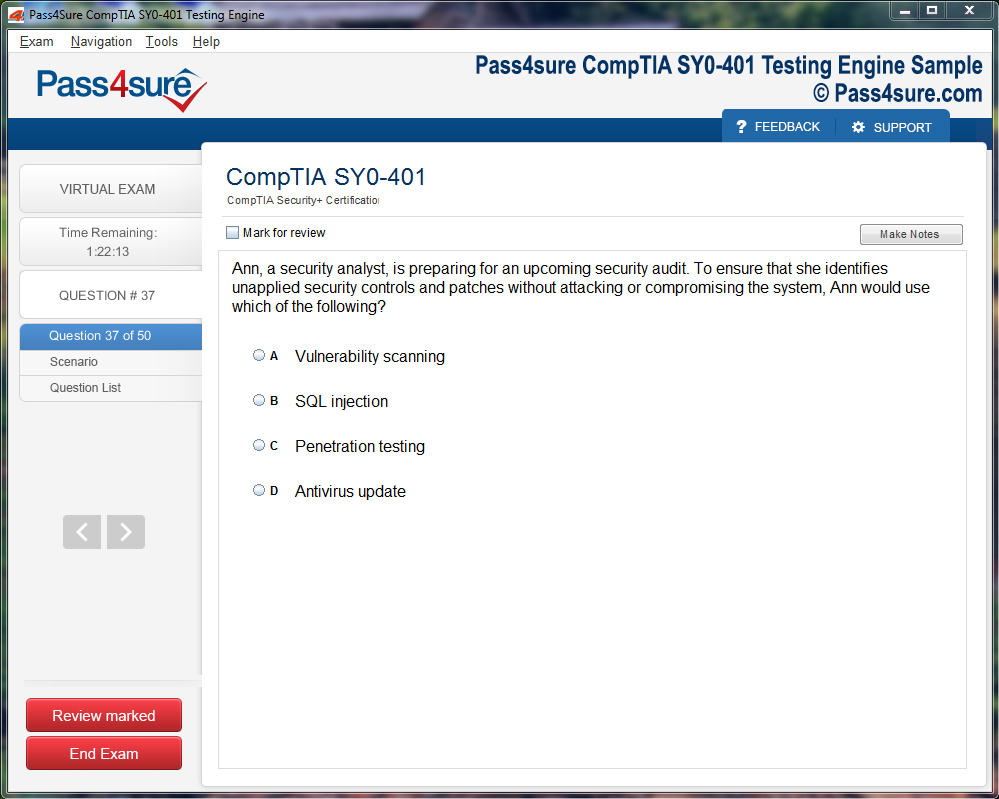
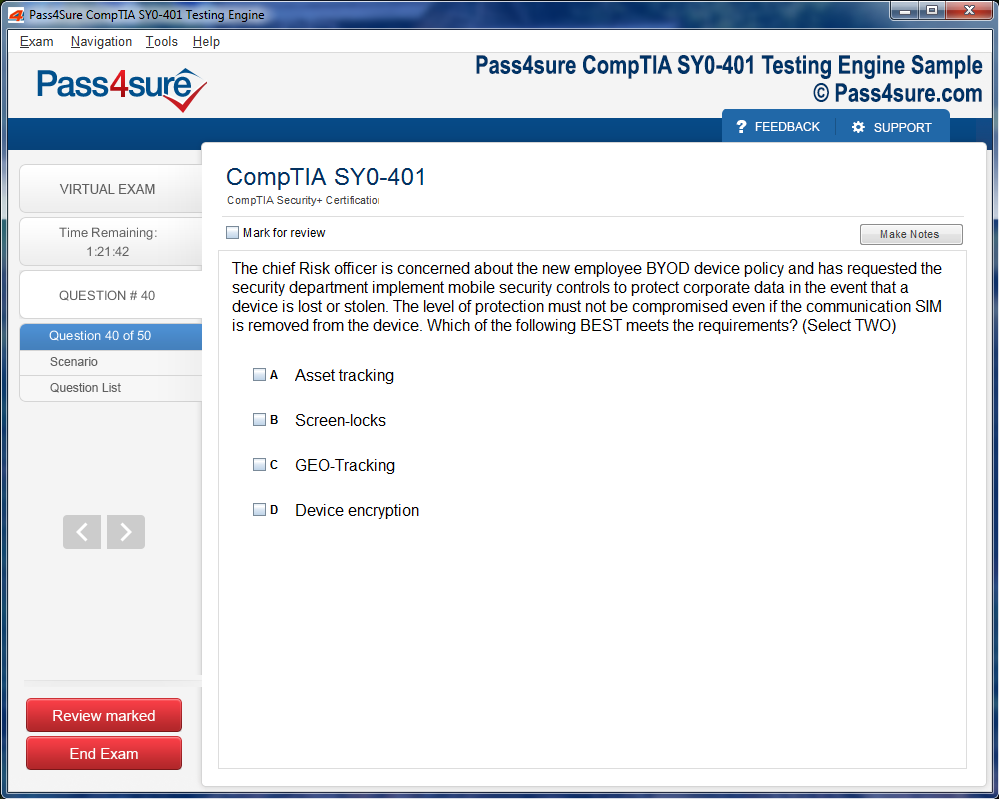

How to Prepare for the IBM Certified System Administrator - WebSphere Application Server Network Deployment V8.5.5 and Liberty Profile Exam
The architectural fabric of WebSphere Application Server (WAS) is a tapestry woven from modularity, resilience, and scalability. Administrators navigating this environment encounter a hierarchy of nodes, servers, and clusters that collectively orchestrate enterprise workloads with meticulous precision. Comprehension of this topology is not merely academic; it underpins the capacity to optimize resource allocation, ensure high availability, and mitigate potential bottlenecks in production ecosystems. Each server instance functions as a fulcrum of processing power, while nodes act as conduits for communication, forming an intricate lattice that sustains operational continuity. The nuanced interplay between these components necessitates a discerning eye for detail and an aptitude for preemptive problem resolution.
At the heart of this infrastructure lies the deployment manager, a linchpin that governs configuration synchronization across distributed servers. Its strategic role ensures that updates propagate seamlessly, obviating inconsistencies that could compromise system integrity. Coupled with node agents, which maintain real-time communication with the deployment manager, the architecture exemplifies a harmonized convergence of automation and oversight. Professionals adept in this paradigm are equipped to orchestrate deployments with minimal disruption, balancing performance imperatives with operational pragmatism.
Advanced Security Orchestration and Policy Implementation
Security in WebSphere Application Server transcends rudimentary authentication and authorization; it embodies a multifaceted schema encompassing cryptographic protocols, single sign-on configurations, and policy-driven access control. The labyrinthine nature of enterprise security demands that administrators reconcile user experience with regulatory compliance, orchestrating policies that safeguard sensitive assets without impeding productivity. The mastery of JAAS-based authentication modules, LTPA token management, and federated repositories constitutes a crucial skillset for those seeking the apex of administrative efficacy.
Strategic deployment of security policies requires a granular understanding of role-based access controls, permissions propagation, and the nuances of integration with LDAP and corporate identity providers. Administrators must anticipate potential vulnerabilities inherent in clustered environments, implementing countermeasures that fortify nodes against intrusion or misconfiguration. The ability to engineer a secure yet agile environment is emblematic of the distinction between competent administrators and those who merely follow procedural templates.
Performance Tuning and Resource Optimization
Optimization of WebSphere Application Server demands both analytical precision and intuitive foresight. Performance tuning is not confined to reactive measures but extends to anticipatory adjustments informed by continuous monitoring of metrics such as thread pool utilization, JVM heap allocation, and request-response latency. Administrators often leverage tools like Tivoli Performance Viewer and Integrated Solutions Console to derive actionable insights, enabling them to recalibrate memory parameters, connection pools, and caching strategies in alignment with workload dynamics.
Resource optimization is particularly critical in clustered configurations, where disparities between nodes can precipitate uneven load distribution. Skillful administrators preemptively employ workload balancing, session affinity, and failover strategies to harmonize system responsiveness. This meticulous attention to systemic equilibrium not only mitigates performance degradation but also amplifies operational efficiency, ensuring that enterprise applications remain robust under fluctuating demand.
Troubleshooting Complex Middleware Ecosystems
Navigating the labyrinth of middleware troubleshooting requires an amalgamation of analytical rigor and experiential intuition. Administrators must decipher cryptic logs, trace asynchronous message flows, and identify latent anomalies that may manifest intermittently across clustered nodes. Proficiency in interpreting WebSphere trace and activity logs enables practitioners to pinpoint root causes, whether stemming from application misconfiguration, network latency, or resource contention.
The diagnostic process often entails simulating production scenarios in controlled environments, deploying targeted scripts, and orchestrating controlled failovers to validate corrective measures. This proactive methodology transforms troubleshooting from a reactive exercise into a strategic instrument for resilience enhancement. Mastery in this domain engenders confidence, enabling administrators to maintain operational continuity while preempting emergent disruptions.
Automation and Scripting for Administrative Efficacy
Automation within WebSphere Application Server is a fulcrum of operational scalability, enabling repetitive tasks to be executed with deterministic precision. Administrators harness scripting languages, including wsadmin with Jython or Jacl, to orchestrate deployments, manage clusters, and manipulate configuration artifacts programmatically. This automation mitigates human error, accelerates provisioning, and ensures consistency across heterogeneous environments.
The ability to craft robust scripts reflects a deeper comprehension of the underlying architecture, as scripts must accommodate dynamic topology changes, interdependent configurations, and intricate security constraints. Automation transcends efficiency gains; it becomes an instrument for strategic agility, liberating administrators from mundane tasks to focus on architectural innovation, performance refinement, and security hardening.
Cognitive Scaffoldings for Mastery
Embarking on the path toward IBM Certified System Administrator status demands more than rote familiarity; it necessitates cognitive scaffoldings that interlace theory with praxis. Candidates are urged to cultivate a syncretic comprehension of enterprise middleware, wherein WebSphere Application Server functions not merely as a deployment vessel but as a nexus of interdependent services. The intellectual scaffolding involves grasping service orchestration, transactional boundaries, and resource virtualization. These abstract constructs underpin decision-making processes when configuring nodes, clustering servers, or optimizing deployment topologies for maximal throughput.
The Lattice of Middleware Interactions
At the crux of adept server administration lies the lattice of middleware interactions, a complex mesh where applications, databases, and network protocols interweave. Understanding these interactions requires a nuanced perspective on session management, connection pooling, and messaging infrastructures. The administrator must decipher the subtle interplay between JNDI resources, JDBC data sources, and application lifecycle events. Proficiency emerges when the practitioner can anticipate cascading effects of configuration changes, foresee potential deadlocks, and preemptively mitigate performance degradation across the ecosystem.
Experiential Dexterity Through Simulation
Simulated environments function as crucibles for experiential dexterity. Candidates are encouraged to replicate multi-node clusters, introduce artificial latency, and impose security misconfigurations to observe emergent behaviors. Through deliberate experimentation, the administrator cultivates a form of cognitive muscle memory, enabling rapid diagnosis of anomalies in production-grade systems. The iterative feedback loops inherent in simulation exercises foster an adaptive mindset, one capable of reconciling theoretical precepts with operational exigencies.
Architectural Semantics of Server Ecosystems
A profound appreciation of server ecosystems necessitates an exploration of architectural semantics. Nodes, cells, and clusters are not merely constructs but semantic vessels encoding operational intent and policy enforcement. Liberty Profile, for instance, exemplifies modularity and agility, permitting ephemeral deployment scenarios and containerized applications. Candidates must internalize the nuances of profile configurations, shared libraries, and deployment descriptors. Semantic literacy in this context transforms mundane administrative operations into orchestrated maneuvers, ensuring scalability, resilience, and adherence to governance standards.
Command-Line Fluency and Scripting Elegance
Command-line interfaces and scripting environments offer portals into the latent capabilities of the server infrastructure. Mastery of Jython scripts, Bash automation, and wsadmin commands affords the administrator unprecedented leverage in performing repetitive or intricate tasks. Elegance in scripting is not measured solely by syntactical correctness but by the ability to design idempotent, fault-tolerant routines that harmonize with the broader operational schema. This fluency reduces the cognitive load of manual interventions, enabling focus on strategic problem-solving rather than mechanistic execution.
Networking Nexus and Distributed Orchestration
Effective administration is inseparable from networking cognizance. TCP/IP, DNS resolution, firewall policies, and inter-node communication protocols form the circulatory system of distributed applications. Candidates must not only configure these networks but comprehend the emergent behaviors arising from distributed orchestration, such as latency propagation, failover sequences, and load-balancing heuristics. This nexus of networking knowledge and application insight enables administrators to preempt outages, optimize traffic flow, and maintain high availability under dynamic workloads.
Cultivating a Praxis-Oriented Mindset
Beyond technical acumen, candidates are urged to cultivate a praxis-oriented mindset, wherein reflection on prior experiences informs future actions. This involves methodical documentation of deployment strategies, post-mortem analyses of incidents, and continuous refinement of best practices. Engagement with professional peers fosters epistemic diversity, exposing administrators to unconventional solutions and fostering innovation. The interplay of practice, reflection, and communal knowledge accelerates the journey from competent practitioner to consummate administrator.
Integrative Learning and Cognitive Synergy
Structured training pathways complement experiential learning by providing a framework within which knowledge can coalesce. Synchronous instruction, self-directed study, and interactive labs converge to create cognitive synergy, whereby abstract concepts solidify into actionable competencies. This integrative approach ensures that candidates internalize both granular technical details and overarching strategic considerations. The resulting cognitive architecture supports rapid problem-solving, intuitive troubleshooting, and adaptive configuration management.
Server Deployment and Configuration Mastery
In the intricate realm of WebSphere administration, server deployment and configuration constitutes the fulcrum upon which operational stability pivots. This domain demands not merely familiarity with installation procedures but a perspicacious understanding of profile creation, node orchestration, and bespoke server customization. Administrators are summoned to engender resilient environments capable of accommodating sprawling enterprise applications without faltering. Beyond mechanical installation, the practitioner must contemplate the subtle interplay of JVM parameters, classloader hierarchies, and inter-node dependencies. Each configuration choice resonates throughout the ecosystem, influencing scalability, response latency, and fault tolerance. Precision in these tasks transforms a routine server deployment into a bastion of computational efficacy, where applications flourish in a meticulously calibrated environment.
Cluster Management and Resilience Optimization
Clusters epitomize the nucleus of high-availability architecture, and mastery over their management distinguishes a proficient administrator from a mere operator. Cluster creation, server grouping, workload distribution, and failover schematics form a lattice of interwoven responsibilities. Here, one must comprehend not only the procedural mechanics of cluster instantiation but also the esoteric nuances of synchronous node behavior, session affinity, and resource partitioning. The orchestration of cluster resources demands judicious calibration to obviate bottlenecks while maintaining elasticity in processing capacity. Administrators are often required to choreograph staged deployments, synchronize nodes with deft precision, and preemptively mitigate the risks of cascading failures. The objective transcends mere uptime; it encompasses the cultivation of a system that exhibits self-healing tendencies under duress.
Security Administration and Strategic Safeguarding
Security in WebSphere is both an operational mandate and a strategic imperative, weaving together technical rigor with organizational prudence. Configuring authentication and authorization frameworks, integrating user registries, and deploying SSL certificates form the substratum of protective measures. Yet, the seasoned administrator recognizes that security is not purely a technical endeavor—it is a philosophy embedded in the architecture itself. By instilling secure protocols, enforcing least-privilege principles, and orchestrating meticulous auditing mechanisms, the administrator ensures that enterprise applications remain impervious to intrusion while complying with rigorous regulatory frameworks. This domain demands a dual lens: the granular focus on configuration fidelity and the macroscopic awareness of organizational risk posture. Security becomes a living, adaptive layer, evolving in tandem with emergent threats and operational exigencies.
Performance Tuning and Observational Acumen
Ensuring peak performance in WebSphere environments is an exercise in continuous observation and strategic intervention. Administrators must scrutinize JVM behavior, thread pool utilization, and server log telemetry to discern latent inefficiencies. Each anomaly, however minor, may presage a cascading performance degradation if left unaddressed. Tuning operations extend beyond parameter adjustment; they require an interpretive skill to anticipate interactions among memory allocation, garbage collection, and concurrent thread execution. Diagnostic tools provide insights, yet the true acumen lies in synthesizing this information into proactive optimizations. A finely tuned system achieves more than operational competence; it demonstrates anticipatory resilience, delivering seamless application performance even under fluctuating load conditions. This domain merges analytical dexterity with an almost intuitive grasp of systemic behavior.
Troubleshooting and Analytical Resolution
Troubleshooting in enterprise server environments transcends mere problem identification—it is an intellectual odyssey of deduction, hypothesis, and empirical verification. Administrators are compelled to simulate failure scenarios, dissect complex logs, and implement corrective measures with both expediency and precision. This skill domain tests the fusion of technical knowledge with critical reasoning, demanding both lateral thinking and methodical logic. Problem-solving extends beyond reactive measures; it encompasses the foresight to predict potential disruptions, the creativity to engineer novel solutions, and the discipline to document procedural remedies for organizational continuity. The practitioner evolves into a diagnostician, capable of navigating labyrinthine system interdependencies and emergent anomalies with unerring discernment.
Liberty Profile Configuration and Modern Deployment Strategies
The Liberty Profile epitomizes the evolution of WebSphere toward agile, cloud-aligned paradigms. As a lightweight, flexible server configuration, Liberty empowers administrators to deploy microservices, integrate with container orchestration frameworks, and adapt swiftly to dynamic networked environments. Mastery of Liberty entails understanding server profiles, configuration overlays, and the orchestration of hybrid deployment topologies. Unlike traditional Network Deployment, Liberty emphasizes velocity and modularity, allowing applications to leverage ephemeral resources while maintaining coherence across distributed nodes. Administrators must comprehend both the overt mechanics of Liberty configuration and the subtle interdependencies that influence runtime behavior, ensuring that modern deployment strategies remain both robust and scalable.
Cognitive Techniques for Deep Retention
Attaining mastery over intricate concepts necessitates cognitive dexterity and deliberate memorization strategies. Mnemonic scaffolding, where abstract ideas are linked to vivid imagery or idiosyncratic narratives, exponentially enhances retention. Candidates benefit from episodic rehearsal, revisiting critical principles at staggered intervals to cement neural pathways. Conceptual chunking, the process of aggregating related information into coherent cognitive clusters, mitigates cognitive overload and amplifies comprehension of multifaceted server configurations.
Visual mnemonic aids such as schematic diagrams of network topologies or flowcharts of deployment sequences can transform esoteric configurations into digestible mental constructs. Augmenting these diagrams with personal annotations or analogical reasoning further intensifies recall efficiency. Active self-explanation, the act of verbalizing reasoning during hands-on exercises, also fosters metacognitive awareness and deepens the understanding of cause-and-effect relationships in system administration.
Experiential Learning Through Simulation
True proficiency emerges from iterative interaction with live or simulated environments. Constructing miniature sandboxes with virtualized servers allows candidates to orchestrate clusters, simulate load balancing, and troubleshoot cascading failures without risk to production systems. Experimentation with diverse scenarios, including edge cases and anomalous configurations, cultivates anticipatory problem-solving skills.
Simulated incidents, such as network partitioning, service disruptions, or security breaches, train the mind to respond analytically under duress. Logging interventions, documenting configuration amendments, and reviewing system behaviors consolidate procedural memory. The praxis of trial, error, and reflection generates a repertoire of adaptable strategies, ensuring readiness for unpredictable real-world challenges.
Analytical Review and Strategic Iteration
Analytical rigor underpins effective study methodology. Reviewing practice examinations with meticulous attention reveals patterns in conceptual vulnerabilities and common cognitive pitfalls. Strategic iteration involves recalibrating study focus based on diagnostic insights, prioritizing domains that exhibit lower fluency or frequent errors.
Reflective journaling, capturing nuances of learned techniques and unresolved ambiguities, strengthens metacognitive scaffolding. Comparing initial assumptions with outcomes of practical exercises highlights latent misconceptions, converting mistakes into cognitive leverage. Such reflective loops foster intellectual resilience and sculpt a mindset attuned to continuous improvement.
Immersive Peer Interaction
The intellectual milieu significantly influences the absorption of complex material. Engagement in dialectical discourse with peers, whether through collaborative problem-solving or scenario-based debates, exposes candidates to multifarious perspectives. This dialectic accelerates cognitive flexibility, allowing adaptation to unconventional configurations or emergent system behaviors.
Peer mentorship programs or study collectives provide scaffolds for reciprocal teaching, a technique proven to fortify retention and amplify understanding. Observing diverse approaches to problem-solving introduces adaptive heuristics, while articulating one’s reasoning to others crystallizes abstract principles. Such social immersion transforms solitary study into a dynamic ecosystem of knowledge exchange.
Adaptive Time Allocation
Temporal orchestration is a subtle yet potent determinant of exam readiness. Allocating study periods based on circadian cognitive peaks enhances focus and information assimilation. Microlearning sessions, interspersed with deliberate interludes, prevent cognitive fatigue and bolster long-term retention. Temporal compartmentalization of topics allows for intensive immersion in critical domains while ensuring proportional coverage across the syllabus.
Balancing repetitive reinforcement of core competencies with exploratory investigation into peripheral functionalities cultivates a comprehensive mastery. Flexible scheduling that accommodates iterative revision cycles and sporadic high-intensity practice ensures sustained engagement and mitigates the erosion of acquired knowledge.
Integration of Emerging Trends
Mastery of certification objectives benefits from situational awareness of evolving technological paradigms. Candidates who monitor emerging middleware enhancements, deployment methodologies, and automation strategies develop a forward-looking expertise that transcends rote memorization. Engaging with contemporary discourse, white papers, and technical bulletins contextualizes traditional knowledge within a dynamic operational landscape.
Experimenting with novel configurations, understanding the rationale behind system updates, and exploring automation frameworks enhance adaptive intelligence. This engagement transforms preparation from mere exam-oriented study into a strategic cultivation of professional acumen, positioning candidates to leverage certification as a springboard for sustained competency and innovation.
Elevating Professional Trajectories Through Certification
Acquiring IBM Certified System Administrator credentials catalyzes profound professional metamorphosis, elevating one’s trajectory beyond conventional operational roles. The certification signals not merely proficiency but an intricate mastery of middleware orchestration, intricate system topologies, and adaptive performance tuning. Professionals emerge with an aura of technological gravitas, signaling to enterprises that they possess the discernment to navigate complex infrastructures with sagacious precision.
The recognition granted by certification engenders a professional cachet that transcends hierarchical boundaries. Colleagues, clients, and stakeholders perceive certified administrators as intellectual lodestars whose guidance enhances both tactical execution and strategic vision. This heightened visibility often translates into invitations to participate in high-impact initiatives, contribute to enterprise-wide governance frameworks, or advise on avant-garde technological deployments.
Strategic Influence Within Organizational Ecosystems
Certified administrators are not confined to reactive troubleshooting; they operate as architects of systemic efficacy. Their input shapes infrastructure paradigms, informing the configuration of mission-critical applications and dictating the cadence of deployment lifecycles. Such individuals act as linchpins in operational ecosystems, harmonizing disparate components and ensuring coherence amidst complexity.
This strategic influence extends beyond the technical realm into decision-making forums where budget allocations, scalability strategies, and resilience frameworks are debated. Their recommendations are imbued with empirical insights derived from rigorous hands-on experience and nuanced understanding of middleware intricacies. Organizations frequently leverage this expertise to preempt operational bottlenecks, optimize resource utilization, and architect fault-tolerant solutions capable of withstanding unprecedented demands.
Expanding Horizons Through Cross-Disciplinary Engagement
IBM certification catalyzes cross-disciplinary exploration, enabling professionals to traverse adjacent domains with confidence. The rigorous knowledge foundation allows seamless migration into roles encompassing cloud orchestration, DevOps integration, and enterprise architecture consulting. Professionals gain dexterity in navigating hybrid cloud models, container ecosystems, and microservices topologies, rendering them indispensable in projects that necessitate convergence of multiple technological paradigms.
This expanded horizon also fosters intellectual elasticity, encouraging continuous learning and adaptation. Certified professionals frequently cultivate an acumen for emerging technologies, discerning subtle trends before they attain mainstream traction. This prescience positions them as invaluable advisors, capable of steering organizations toward innovative solutions that preempt obsolescence and sustain competitive advantage.
Monetizing Expertise in Consultancy and Advisory Capacities
Beyond traditional employment trajectories, IBM certification unlocks lucrative pathways in consultancy and advisory spheres. Professionals can leverage their credentialed expertise to provide bespoke solutions to enterprises navigating digital transformation, performance optimization, and infrastructural modernization. The market for such specialized acumen is expansive, encompassing industries ranging from finance and healthcare to telecommunications and government sectors.
In consultancy roles, certified administrators exercise autonomy and strategic influence, devising tailored frameworks, implementing robust monitoring protocols, and ensuring compliance with complex regulatory landscapes. Their insights frequently culminate in measurable operational efficiencies, cost reductions, and heightened system reliability. This capacity to deliver tangible value reinforces their professional standing and amplifies opportunities for high-profile engagements and project leadership.
Enduring Relevance Through Technological Adaptability
The dynamism inherent in contemporary IT ecosystems demands professionals who exhibit both foresight and adaptability. IBM-certified administrators possess a foundational versatility that extends across evolving architectures, from traditional enterprise middleware to cloud-native deployments and containerized applications. Their capacity to assimilate emerging paradigms ensures that their expertise remains pertinent even as technological landscapes undergo radical transformation.
This enduring relevance is reinforced by the holistic understanding cultivated during certification preparation, encompassing not only system configuration but also performance optimization, security fortification, and operational continuity. As organizations increasingly embrace hybrid models, distributed systems, and automated orchestration, the adaptive skillset of certified administrators becomes indispensable in safeguarding system integrity and ensuring seamless service delivery.
Recognition and Influence in Professional Communities
Certification confers more than technical authority; it bequeaths a voice within professional communities. Certified administrators frequently assume roles as thought leaders, contributing to discourse through publications, speaking engagements, and collaborative research. Their insights often shape best practices, inform governance standards, and inspire peers to pursue excellence in operational management.
This community recognition fosters a feedback loop wherein expertise begets influence, and influence amplifies opportunity. Professionals are invited to participate in high-visibility projects, advisory councils, and cross-functional teams, creating a fertile environment for career growth that transcends the confines of conventional organizational hierarchies.
Enduring Professional Growth Through Certification
Obtaining IBM Certified System Administrator credentials catalyzes more than immediate occupational advancement; it instills an enduring trajectory of professional enrichment. Individuals who traverse the rigorous path of certification internalize nuanced paradigms of system administration that extend beyond routine operations. The mastery of middleware environments, particularly within the WebSphere Application Server ecosystem, transcends transactional expertise and engenders profound adaptability. Certified professionals evolve into navigators of technological metamorphosis, capable of discerning subtle shifts in infrastructure paradigms and deploying anticipatory solutions with sagacity.
The credential operates as a catalyst for cultivating a sophisticated mindset that embraces complexity. The multifaceted challenges encountered during certification instill a proclivity for dissecting intricate systems, fostering cognitive agility. Professionals learn to anticipate emergent trends, decipher interdependencies within software architecture, and extrapolate implications for operational continuity. This refined analytical capacity transforms administrators into architects of enterprise resilience, rendering them indispensable in environments characterized by perpetual flux.
Mastery of Emerging Technological Trends
In the contemporary IT landscape, stagnation equates to obsolescence. IBM Certified System Administrators remain at the vanguard of technological evolution, adeptly navigating emergent trends such as Liberty Profile modernization, cloud-native deployment, and container orchestration. The intricacies of these innovations demand a synthesis of conceptual comprehension and tactical proficiency. Mastery in these domains empowers professionals to architect solutions that are not merely functional but anticipatory, capable of accommodating future exigencies with seamless precision.
Automation represents another frontier where certified administrators distinguish themselves. The confluence of intelligent orchestration tools and automated workflows necessitates a nuanced understanding of both underlying infrastructure and strategic application. Professionals who have internalized these competencies wield the capacity to optimize operational efficiency, mitigate human error, and facilitate transformative enterprise initiatives. Their proficiency becomes a linchpin for organizations seeking competitive advantage in an increasingly automated technological ecosystem.
Lifelong Learning as a Professional Ethos
Central to the IBM certification philosophy is the cultivation of lifelong learning. The credential transcends episodic examination preparation, embedding a perpetual ethos of intellectual curiosity and skill augmentation. Professionals are conditioned to engage iteratively with emerging tools, updates, and best practices, ensuring that expertise remains both current and actionable. This sustained engagement with knowledge ecosystems fortifies adaptability, enabling administrators to navigate uncharted technological landscapes with acuity.
The pursuit of continual education also amplifies strategic insight. Analytical frameworks developed during certification preparation become instrumental in holistic IT management, encompassing risk assessment, resource allocation, and process optimization. Professionals cultivate a meta-cognitive awareness that informs both tactical execution and long-range planning, equipping them to shape organizational trajectories and preempt operational bottlenecks. This persistent intellectual investment cultivates a rare amalgam of technical competence and strategic foresight.
Professional Networking and Collaborative Synergy
Certification extends beyond individual mastery; it fosters a vibrant professional ecosystem. Engaging with peers, mentors, and industry communities facilitates the exchange of innovative solutions, experiential insights, and emergent methodologies. These interactions nurture collaborative intelligence, wherein the amalgamation of diverse perspectives catalyzes problem-solving and accelerates professional development.
The network effects of certification are particularly salient in complex enterprise environments. Administrators gain access to collaborative opportunities that might otherwise remain obscured, leveraging collective expertise to navigate sophisticated technical challenges. Moreover, these professional connections often precipitate mentorship relationships, enabling the transfer of tacit knowledge and cultivation of leadership acumen. Within this ecosystem, certified professionals derive sustained support and strategic advantage, reinforcing career longevity and influence.
Personal Development and Cognitive Sophistication
Beyond technical acumen, IBM Certified System Administrator credentials engender significant personal growth. The rigorous preparation cultivates discipline, operational foresight, and critical thinking—attributes integral to effective leadership. Professionals acquire the ability to synthesize multifarious data streams, anticipate systemic ramifications, and implement proactive interventions. These cognitive faculties are not confined to IT administration; they translate seamlessly into project management, organizational strategy, and decision-making arenas.
The cultivation of such competencies enhances professional satisfaction and resilience. Individuals emerge from the certification journey with augmented self-efficacy, capable of navigating ambiguity and uncertainty with composure. This intellectual and emotional dexterity fosters a capacity to influence organizational culture, champion innovation, and inspire collaborative achievement. Over time, these qualities coalesce into a professional persona distinguished by gravitas, credibility, and strategic impact.
Strategic Influence in Middleware Management
IBM Certified System Administrators occupy a unique locus within enterprise IT ecosystems. Their expertise in WebSphere Application Server and Liberty Profile environments equips them to shape infrastructure evolution and operational strategy. By integrating technical mastery with strategic insight, these professionals influence decision-making processes, drive innovation, and ensure the seamless integration of emerging technologies.
The capacity to anticipate future requirements, optimize system performance, and mitigate risk confers a distinct competitive advantage. Certified administrators not only respond to immediate operational demands but also sculpt the technological landscape, fostering environments resilient to disruption. Their role evolves from executor to strategist, facilitating organizational agility and sustaining competitive differentiation in rapidly shifting digital contexts.
Cognitive Dexterity and Strategic Foresight
The IBM certification paradigm cultivates a profound cognitive dexterity that extends beyond conventional system administration. Professionals are trained to assimilate multifarious streams of information, discern underlying patterns, and synthesize coherent strategies from ostensibly disparate data points. This capacity for meta-analytical reasoning enables administrators to anticipate systemic perturbations and implement preemptive solutions, thereby transforming reactive problem-solving into proactive orchestration.
Strategic foresight, a corollary of cognitive dexterity, empowers administrators to architect long-term operational frameworks. By envisioning potential technological trajectories, these professionals design infrastructures capable of accommodating emergent innovations without disruption. The marriage of analytical acuity and strategic projection cultivates administrators who operate not merely as executors but as visionary architects of enterprise resilience.
Proficiency in Middleware Ecosystems
Mastery of middleware ecosystems constitutes a linchpin of professional excellence for IBM-certified administrators. Expertise in WebSphere Application Server, Liberty Profile, and associated frameworks equips individuals with the skills necessary to configure, optimize, and maintain complex enterprise systems. The nuanced understanding of transactional management, session orchestration, and resource allocation distinguishes certified administrators from general IT personnel.
This proficiency extends into performance engineering, where administrators employ diagnostic methodologies to detect latent inefficiencies. By leveraging advanced monitoring tools, resource profiling, and event correlation, professionals can preemptively remediate bottlenecks and optimize throughput. Such technical acumen ensures operational continuity while reducing latency, failure rates, and unplanned downtime.
Automation and Orchestration Mastery
The contemporary enterprise environment demands an elevated fluency in automation and orchestration paradigms. IBM certification immerses professionals in the intricacies of automated deployment, continuous integration pipelines, and containerized infrastructure orchestration. This immersion fosters a proficiency in leveraging scripts, APIs, and orchestration tools to construct repeatable, scalable workflows that reduce manual intervention and augment efficiency.
Automation mastery not only optimizes operational throughput but also mitigates human error and ensures consistency across heterogeneous environments. Certified administrators develop an instinctive understanding of process interdependencies, enabling them to architect systems that are both resilient and dynamically adaptive to evolving enterprise needs. This expertise situates administrators as indispensable enablers of technological transformation.
Advanced Troubleshooting and Diagnostic Acumen
Critical to operational excellence is the ability to perform sophisticated troubleshooting and diagnostic analysis. IBM-certified administrators are trained to identify and resolve intricate system anomalies that elude conventional monitoring protocols. By employing forensic examination of logs, memory states, and performance metrics, these professionals uncover root causes with precision and efficiency.
The cultivation of diagnostic acumen extends beyond mere technical resolution; it fosters a holistic understanding of systemic interconnectivity. Administrators gain insight into the cascading effects of individual components on broader architectural stability. This depth of comprehension enables proactive mitigation strategies, ensuring that minor perturbations do not escalate into operational crises.
Optimization of Resource Utilization
Effective resource management is another critical dimension of operational sophistication. Certified administrators are adept at calibrating computational resources, memory allocation, and network throughput to achieve maximal efficiency. By implementing dynamic load balancing, intelligent caching, and predictive resource provisioning, they ensure that enterprise applications operate at peak performance without unnecessary redundancy.
The strategic orchestration of resources requires an understanding of both technical constraints and business imperatives. Administrators must align system performance with organizational objectives, ensuring that infrastructure investments deliver measurable value while maintaining scalability and reliability.
Resilience Engineering and Risk Mitigation
IBM certification instills principles of resilience engineering, emphasizing the design of systems capable of absorbing shocks and recovering gracefully from disruptions. Professionals develop an awareness of latent vulnerabilities, from software configuration inconsistencies to network dependencies, and devise protocols that mitigate operational risk.
This mindset extends to disaster recovery planning, fault tolerance design, and redundancy implementation. Certified administrators anticipate potential points of failure and establish contingency measures that minimize downtime and safeguard organizational continuity. The integration of resilience engineering into routine administration transforms infrastructure management from a reactive exercise into a strategic imperative.
Cognitive-Operational Synergy
The integration of analytical thinking with operational execution forms a cognitive-operational synergy that is unique to certified professionals. This synergy manifests as an ability to perceive complex interdependencies, devise methodical interventions, and implement solutions with surgical precision. Professionals develop an instinct for prioritization, risk assessment, and resource allocation that balances efficiency with reliability.
Such synergy elevates the administrator’s role from tactical execution to strategic influence. Certified professionals not only maintain operational integrity but also inform executive decision-making, guide technology investments, and shape organizational policy regarding system architecture and deployment practices.
Leadership Through Technical Mastery
Beyond technical prowess, IBM-certified administrators acquire leadership capabilities rooted in mastery of complex systems. The discipline, analytical precision, and strategic foresight cultivated during certification preparation enable professionals to lead cross-functional teams, manage projects, and mentor emerging talent.
Leadership in this context is characterized by influence rather than authority. Professionals model best practices, foster a culture of continuous learning, and drive operational excellence through example. Their credibility, grounded in demonstrable technical competence, positions them to advocate for strategic initiatives, champion innovation, and align technological efforts with organizational vision.
Continuous Professional Evolution
Lifelong learning is embedded in the fabric of IBM certification, fostering a culture of perpetual professional evolution. Certified administrators remain attuned to emerging technologies, best practices, and industry paradigms, ensuring that their expertise remains relevant and actionable. This continuous evolution encompasses formal training, experiential learning, and engagement with professional communities.
By cultivating adaptability and intellectual curiosity, administrators sustain a trajectory of growth that extends beyond immediate operational concerns. They anticipate industry shifts, integrate novel methodologies, and continually refine their competencies, maintaining a competitive advantage in an environment characterized by rapid technological transformation.
Strategic Cognition and Analytical Mastery
Strategic insight emerges not as an isolated trait but as the culmination of meticulous analytical training and operational experience. IBM-certified professionals develop an unparalleled capacity to discern latent patterns, extrapolate implications, and synthesize actionable intelligence from complex data streams. This analytical acuity extends beyond mere problem-solving; it constitutes a framework for anticipating future challenges, preempting inefficiencies, and orchestrating solutions that align with long-term organizational objectives.
The cultivation of strategic cognition requires deliberate engagement with both micro-level system intricacies and macro-level enterprise dynamics. Professionals learn to navigate interdependencies within infrastructure, predict the ramifications of deployment decisions, and balance competing priorities with precision. This dual-layered perception ensures that technical interventions are not only efficient but also strategically congruent.
Integration of Business Acumen
Strategic insight is inseparable from business acumen. IBM-certified administrators acquire the ability to contextualize technological decisions within organizational goals, financial constraints, and competitive pressures. This integration fosters decision-making that transcends operational optimization, positioning technology as a driver of enterprise value rather than a mere cost center.
Professionals analyze resource allocation, forecast technology trends, and model the long-term return on investment of system enhancements. By aligning technical expertise with business imperatives, they become instrumental in shaping policy, guiding capital expenditure, and influencing strategic initiatives that resonate across departments and hierarchies.
Enterprise Architecture and Systemic Vision
A hallmark of strategic insight is the ability to comprehend and influence enterprise architecture holistically. Certified administrators are trained to visualize complex system landscapes, identify interconnections, and anticipate how modifications propagate across the technological ecosystem. This systemic vision enables professionals to design resilient, scalable, and adaptive infrastructures that endure technological and operational perturbations.
By appreciating the interplay between middleware, applications, and cloud services, administrators anticipate constraints, optimize workflows, and preempt emergent conflicts. Their expertise ensures seamless interoperability across systems, mitigating risk while enhancing performance, and positions them as architects of enterprise stability and evolution.
Predictive Operational Modeling
Strategic insight encompasses predictive operational modeling, where administrators utilize historical performance data, system analytics, and emerging trends to forecast future states. Certified professionals develop proficiency in constructing simulation environments, stress-testing infrastructures, and evaluating potential scenarios.
Through predictive modeling, they can anticipate peak loads, assess vulnerability points, and optimize resource provisioning before issues arise. This capability transforms infrastructure management from a reactive exercise into a proactive, foresight-driven discipline, ensuring continuous operational integrity and minimizing disruptions.
Risk Assessment and Mitigation Strategies
Integral to strategic insight is the capacity to evaluate, quantify, and mitigate risk. IBM-certified administrators employ rigorous methodologies to identify vulnerabilities, measure potential impact, and devise contingency frameworks. These strategies encompass disaster recovery planning, fault tolerance design, and security posture enhancement.
Professionals assess both technical and organizational risks, considering system dependencies, human factors, and external threats. Their proactive approach reduces operational fragility, safeguards enterprise continuity, and provides decision-makers with confidence in technological resilience. Strategic insight thus becomes a mechanism for transforming uncertainty into managed opportunity.
Innovation Enablement and Technology Stewardship
Certified administrators leverage strategic insight to foster innovation. By understanding technological trends, emerging frameworks, and organizational priorities, they act as stewards of transformative initiatives. Professionals identify opportunities for automation, process optimization, and architectural enhancement, driving innovation from conception to deployment.
Their influence extends to advocating for cutting-edge solutions, piloting experimental technologies, and integrating best practices that elevate operational sophistication. Strategic insight empowers administrators to champion modernization efforts that yield measurable benefits while ensuring alignment with enterprise objectives.
Leadership in Decision-Making
Strategic insight is inseparable from leadership. Certified administrators develop the ability to guide teams, influence cross-functional stakeholders, and steer projects that integrate technology with business goals. Their expertise provides a credible foundation for decision-making, allowing them to balance technical constraints with strategic priorities effectively.
Leadership informed by strategic insight emphasizes foresight, adaptability, and accountability. Professionals mentor colleagues, foster collaborative problem-solving, and promote a culture of continuous learning. Their influence ensures that technology decisions are implemented thoughtfully, responsibly, and in a manner that maximizes organizational impact.
Strategic Communication and Influence
Strategic insight encompasses the ability to communicate complex technical concepts to diverse audiences. IBM-certified professionals refine skills in translating intricate system architectures, performance metrics, and operational forecasts into accessible narratives for executives, stakeholders, and non-technical collaborators.
This capacity enhances influence, facilitates informed decision-making, and bridges the gap between technical execution and business strategy. Administrators articulate the rationale behind infrastructure investments, justify process optimizations, and convey risk assessments with clarity, thereby embedding strategic thinking into the organizational discourse.
Continuous Professional Evolution
Strategic insight is not a static achievement; it is cultivated through lifelong learning and continuous professional evolution. Certified administrators engage with emerging technologies, advanced methodologies, and evolving best practices to maintain relevance and authority.
Through workshops, practical experimentation, and peer collaboration, professionals refine their analytical and strategic capacities. They remain agile in the face of technological disruption, adapting processes, architectures, and policies to maintain operational excellence while anticipating future enterprise requirements.
Cross-Domain Integration
Modern enterprises operate within interconnected technological ecosystems. Strategic insight equips administrators to integrate knowledge across domains—middleware, cloud, cybersecurity, data analytics, and application development—creating cohesive, optimized solutions.
Certified professionals excel at identifying cross-domain synergies, mitigating intersystem conflicts, and leveraging emergent technologies to enhance enterprise functionality. This integrative capability amplifies operational efficiency, strengthens resilience, and positions administrators as indispensable contributors to strategic planning and innovation.
Data-Driven Decision Frameworks
Strategic insight thrives on data-driven decision frameworks. IBM-certified administrators leverage system metrics, performance logs, and analytical models to inform decisions with precision and accountability. They utilize statistical analyses, trend extrapolation, and predictive algorithms to optimize resource allocation, system performance, and operational resilience.
By embedding empirical evidence into strategic planning, professionals minimize uncertainty, justify technological investments, and ensure that organizational objectives are met efficiently. Data-driven insight transforms intuition into actionable intelligence, reinforcing the credibility and impact of strategic decisions.
Orchestrating Change and Transformation
Administrators with strategic insight are uniquely positioned to lead organizational change. By synthesizing technical expertise, operational knowledge, and business awareness, they design transformation initiatives that are both visionary and executable.
They anticipate resistance, manage resource transitions, and implement phased deployment strategies that balance innovation with operational stability. Strategic orchestration ensures that change initiatives achieve intended outcomes while maintaining continuity, enhancing enterprise agility, and sustaining stakeholder confidence.
Operational Analytics and Performance Optimization
A core dimension of strategic insight is mastery over operational analytics. Certified administrators analyze system performance metrics, transaction flows, and usage patterns to optimize workflows, resource allocation, and process efficiency.
By employing advanced analytics, professionals detect inefficiencies, predict system strain, and implement corrective measures proactively. This analytical rigor ensures that infrastructures operate at peak capacity, reducing downtime, enhancing throughput, and maximizing the return on technological investment.
Governance, Compliance, and Policy Influence
Strategic insight equips administrators to influence governance and compliance frameworks. Professionals understand regulatory mandates, organizational policies, and industry standards, integrating these considerations into system design, operational protocols, and risk management strategies.
Their guidance ensures that technological initiatives are compliant, auditable, and aligned with strategic objectives. Administrators act as custodians of enterprise integrity, embedding governance and ethical considerations into operational excellence.
Cultivating Intellectual Ecosystems
Mentorship extends beyond one-on-one interactions; it cultivates entire intellectual ecosystems within organizations. IBM-certified administrators construct environments where learning, inquiry, and experimentation thrive. By embedding analytical rigor and operational methodology into team structures, they foster ecosystems that are resilient, adaptive, and innovative.
These ecosystems emphasize iterative learning cycles, where feedback loops inform continuous process refinement. Administrators guide emerging professionals in developing the ability to deconstruct complex system architectures, analyze emergent issues, and propose optimized solutions. The resulting intellectual environment not only elevates individual capability but also amplifies organizational performance and agility.
Structured Mentoring Frameworks
Structured mentoring is the cornerstone of effective knowledge propagation. Certified administrators develop formalized programs that balance guidance with autonomy, allowing mentees to cultivate critical thinking, operational proficiency, and strategic foresight. These frameworks employ progressive challenges, case-based learning, and reflective exercises that accelerate skill acquisition.
Structured mentoring ensures consistency in knowledge transfer, standardizes best practices across teams, and embeds institutional memory within organizational processes. By codifying operational wisdom, administrators safeguard enterprise resilience and foster a culture of sustainable excellence.
Collaborative Knowledge Sharing
Knowledge propagation thrives on collaboration. IBM-certified administrators facilitate forums, workshops, and peer-learning environments where experiential insights and innovative solutions are shared. Collaborative knowledge-sharing platforms encourage dialogue, critical evaluation, and collective problem-solving, amplifying the impact of individual expertise.
This approach mitigates knowledge silos, ensuring that critical operational intelligence is distributed across teams. It also nurtures intellectual diversity, as professionals are exposed to alternative perspectives and novel methodologies, cultivating adaptive thinking and strategic versatility.
Fostering Analytical Acumen
Mentorship programs spearheaded by certified administrators focus intensively on cultivating analytical acumen. Emerging professionals are trained to dissect complex systems, evaluate interdependencies, and anticipate potential failure points. Analytical exercises range from scenario modeling and risk assessment to performance diagnostics and capacity forecasting.
By emphasizing analytical rigor, administrators instill a mindset capable of navigating uncertainty and complexity. Professionals develop the capacity to synthesize multifaceted data streams, identify trends, and translate insights into actionable strategies, ensuring sustained operational effectiveness.
Operational Excellence Through Mentorship
Operational excellence is reinforced through knowledge propagation. Certified administrators guide mentees in mastering system orchestration, resource optimization, and process automation. Through hands-on experience and iterative feedback, emerging professionals internalize operational standards and develop a proactive approach to problem resolution.
Mentorship reinforces adherence to best practices while encouraging innovation within defined parameters. The integration of operational mastery and creative problem-solving cultivates administrators who can optimize efficiency without compromising system integrity or strategic alignment.
Strategic Foresight Development
A critical component of mentorship involves nurturing strategic foresight. IBM-certified administrators expose mentees to long-term planning, risk evaluation, and enterprise-level decision-making. Professionals are trained to anticipate technological shifts, evaluate their impact on infrastructure, and align operational decisions with organizational goals.
Through scenario planning, predictive modeling, and enterprise simulations, emerging professionals develop the capacity to operate proactively rather than reactively. This cultivation of strategic foresight ensures that knowledge propagation transcends technical skill transfer, embedding enterprise-level thinking across teams.
Knowledge Codification and Institutional Memory
Effective mentorship incorporates the codification of knowledge into accessible repositories. IBM-certified administrators document processes, best practices, and operational insights to create institutional memory that persists beyond individual tenure.
Codified knowledge ensures continuity in operations, mitigates the risk of skill attrition, and standardizes excellence across organizational units. Professionals engage with these repositories to enhance decision-making, streamline training, and accelerate onboarding, embedding strategic insight into organizational DNA.
Cross-Functional Mentorship
Knowledge propagation extends beyond technical domains. Certified administrators engage in cross-functional mentorship, bridging gaps between IT, operations, development, and business strategy. This approach cultivates holistic understanding, enabling professionals to appreciate system interdependencies and contribute to broader organizational objectives.
Cross-functional mentorship reinforces the alignment of technology with business imperatives. Emerging professionals gain insight into decision-making processes, budgetary considerations, and strategic planning, enhancing their capacity to influence enterprise outcomes effectively.
Cognitive Resilience Through Learning
Mentorship programs also foster cognitive resilience. Certified administrators train mentees to manage ambiguity, stress, and complex problem-solving environments. Exposure to diverse scenarios, failure simulations, and contingency planning exercises cultivates adaptability, emotional intelligence, and sustained focus under pressure.
Cognitive resilience ensures that knowledge propagation equips professionals not only with technical expertise but also with the mental agility necessary to navigate dynamic technological landscapes. Administrators thereby develop a cadre of resilient practitioners capable of sustaining high performance under evolving conditions.
Innovation Culture and Knowledge Diffusion
Mentorship drives a culture of innovation through knowledge diffusion. IBM-certified administrators encourage mentees to experiment, challenge assumptions, and explore unconventional approaches to system administration. Knowledge dissemination serves as a catalyst for innovative thinking, enabling professionals to identify opportunities for efficiency, automation, and process optimization.
By promoting a culture of experimentation, administrators ensure that organizations remain adaptive and forward-looking. Knowledge propagation becomes a vehicle for innovation, embedding creativity alongside technical competence within the professional community.
Long-Term Professional Impact
The influence of mentorship extends beyond immediate skill acquisition, shaping long-term professional trajectories. IBM-certified administrators instill habits of continuous learning, reflective practice, and strategic thinking. Mentees emerge as autonomous problem-solvers, equipped to assume leadership roles and drive enterprise transformation.
This enduring impact enhances career longevity, professional satisfaction, and organizational stability. Knowledge propagation ensures that strategic insight, operational excellence, and analytical rigor perpetuate across generations of administrators, sustaining institutional capability over time.
Peer-to-Peer Learning Networks
Administrators leverage peer-to-peer learning networks to reinforce mentorship objectives. Communities of practice, discussion forums, and collaborative projects enable professionals to exchange expertise, solicit feedback, and co-develop solutions.
Such networks extend the reach of knowledge propagation beyond formal mentorship structures, fostering distributed learning and collective intelligence. Professionals gain exposure to diverse methodologies, enhancing problem-solving agility and cultivating a shared culture of excellence.
Mentorship in Emerging Technologies
As technology evolves, mentorship encompasses emerging paradigms such as cloud-native deployment, container orchestration, and automation frameworks. Certified administrators guide mentees through practical applications, architectural design, and troubleshooting within these advanced domains.
By integrating emerging technologies into mentorship programs, administrators ensure that knowledge propagation remains relevant and forward-looking. Professionals acquire the tools and strategic perspective necessary to lead organizations through complex technological transformations.
Operational and Strategic Alignment
Mentorship emphasizes the alignment of operational expertise with strategic enterprise goals. IBM-certified administrators ensure that mentees understand how day-to-day system management contributes to broader organizational objectives.
By connecting tactical execution with strategic outcomes, knowledge propagation fosters holistic thinking, enabling professionals to optimize workflows while supporting innovation, scalability, and business resilience.
Knowledge Sustainability and Scalability
Effective mentorship strategies prioritize sustainability and scalability. Administrators design frameworks that allow knowledge to be replicated, disseminated, and institutionalized across departments and geographies.
Sustainable knowledge propagation ensures that organizational expertise is not contingent on individual presence. It enables rapid onboarding, reduces dependency risks, and scales professional capability to meet the demands of complex, distributed enterprise environments.
Leadership Development Through Mentorship
Mentorship also serves as a platform for leadership cultivation. IBM-certified administrators model decision-making, accountability, and strategic influence, guiding mentees to develop their own leadership capacities.
Emerging professionals learn to manage projects, mentor others, and contribute to organizational strategy. Leadership development ensures that knowledge propagation generates a multiplier effect, cultivating future administrators who perpetuate excellence, innovation, and strategic insight.
Conclusion
IBM Certified System Administrator credentials for WebSphere Application Server Network Deployment V8.5.5 and Liberty Profile represent more than just a professional milestone—they embody a commitment to technical mastery, operational excellence, and strategic foresight. Throughout the preparation journey, candidates develop deep expertise in server deployment, cluster management, security administration, performance tuning, and troubleshooting, equipping them to manage complex enterprise environments with confidence and precision.
Certification opens doors to a myriad of career opportunities, including advanced administrative roles, middleware consultancy, technical leadership, and strategic project management. Beyond immediate career benefits, it cultivates adaptability in an ever-evolving IT landscape, empowering professionals to embrace emerging trends, implement innovative solutions, and maintain organizational resilience. The knowledge and practical skills gained during preparation foster not only professional growth but also personal development, enhancing problem-solving, analytical thinking, and leadership capabilities.
Ultimately, achieving this certification is a transformative journey that positions IT professionals as pioneers in middleware administration. It validates their expertise, amplifies their credibility, and accelerates career advancement while fostering lifelong learning and innovation. By choosing this path, professionals are not just elevating their technical proficiency—they are shaping the future of enterprise IT management, creating lasting impact, and unlocking opportunities for enduring success.
Frequently Asked Questions
How does your testing engine works?
Once download and installed on your PC, you can practise test questions, review your questions & answers using two different options 'practice exam' and 'virtual exam'. Virtual Exam - test yourself with exam questions with a time limit, as if you are taking exams in the Prometric or VUE testing centre. Practice exam - review exam questions one by one, see correct answers and explanations).
How can I get the products after purchase?
All products are available for download immediately from your Member's Area. Once you have made the payment, you will be transferred to Member's Area where you can login and download the products you have purchased to your computer.
How long can I use my product? Will it be valid forever?
Pass4sure products have a validity of 90 days from the date of purchase. This means that any updates to the products, including but not limited to new questions, or updates and changes by our editing team, will be automatically downloaded on to computer to make sure that you get latest exam prep materials during those 90 days.
Can I renew my product if when it's expired?
Yes, when the 90 days of your product validity are over, you have the option of renewing your expired products with a 30% discount. This can be done in your Member's Area.
Please note that you will not be able to use the product after it has expired if you don't renew it.
How often are the questions updated?
We always try to provide the latest pool of questions, Updates in the questions depend on the changes in actual pool of questions by different vendors. As soon as we know about the change in the exam question pool we try our best to update the products as fast as possible.
How many computers I can download Pass4sure software on?
You can download the Pass4sure products on the maximum number of 2 (two) computers or devices. If you need to use the software on more than two machines, you can purchase this option separately. Please email sales@pass4sure.com if you need to use more than 5 (five) computers.
What are the system requirements?
Minimum System Requirements:
- Windows XP or newer operating system
- Java Version 8 or newer
- 1+ GHz processor
- 1 GB Ram
- 50 MB available hard disk typically (products may vary)
What operating systems are supported by your Testing Engine software?
Our testing engine is supported by Windows. Andriod and IOS software is currently under development.