

Exam Code: EX0-008
Exam Name: Agile Scrum Foundation
Certification Provider: Exin
Corresponding Certification: EXIN Agile Scrum Foundation
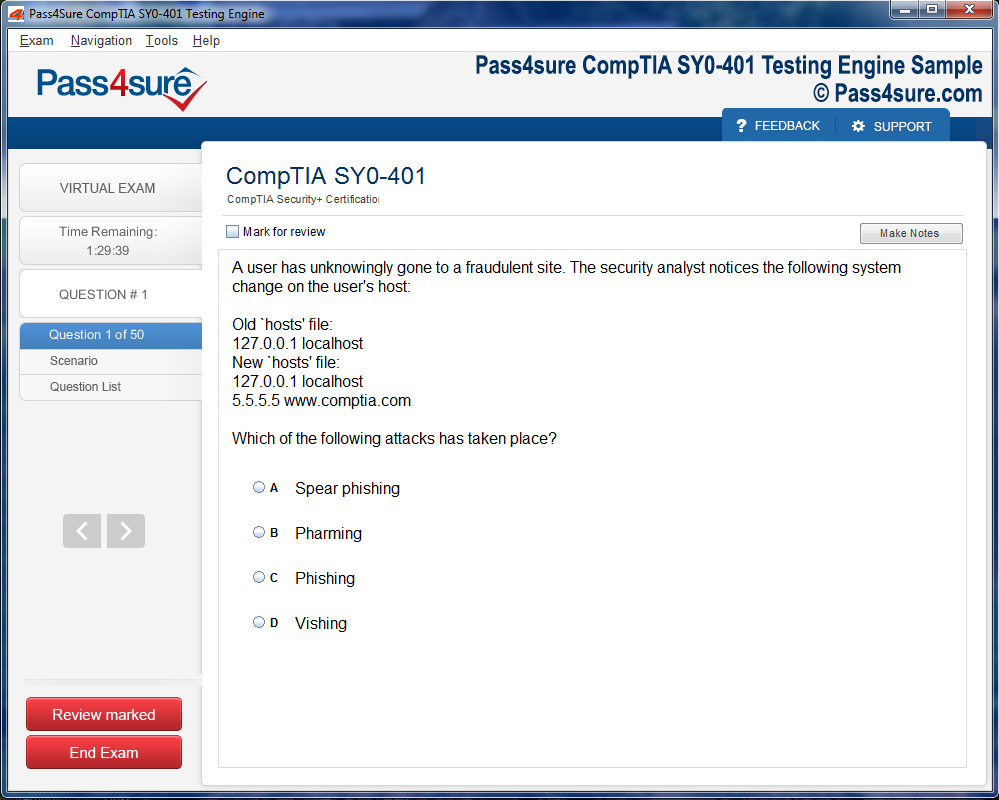
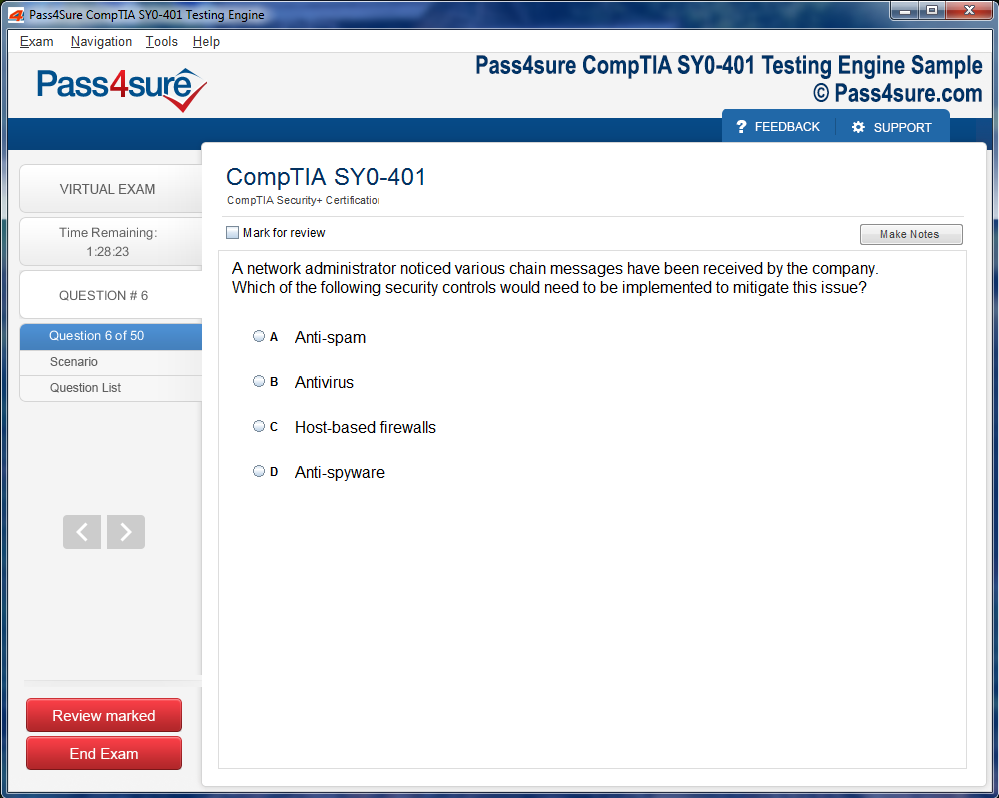
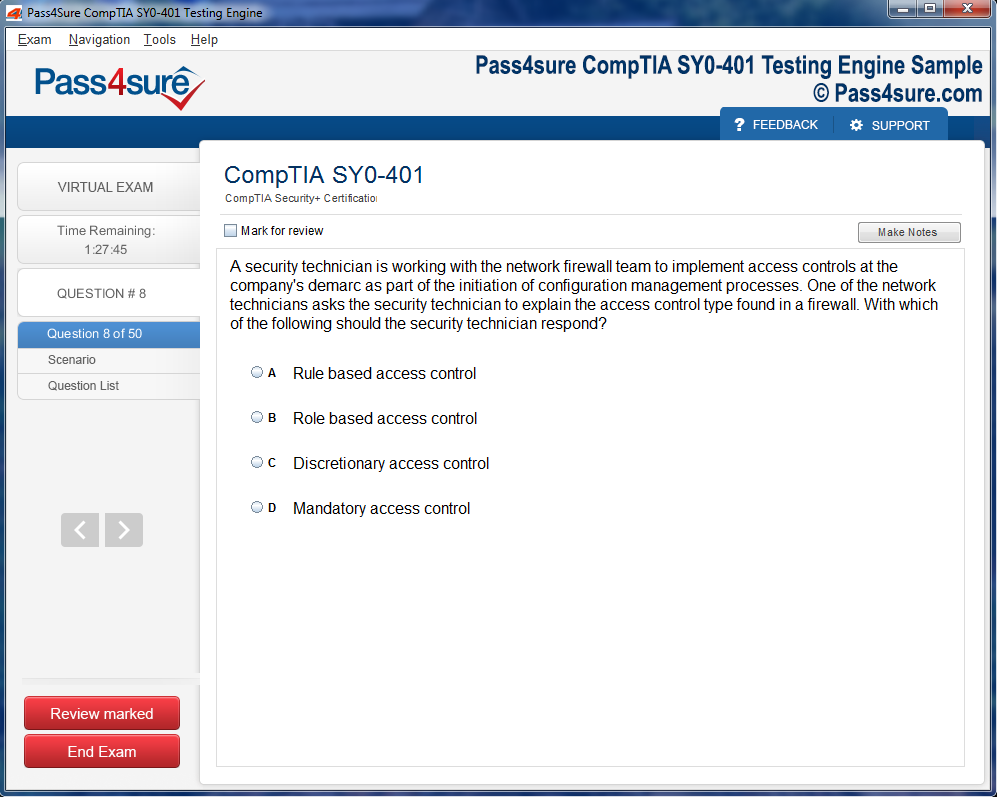
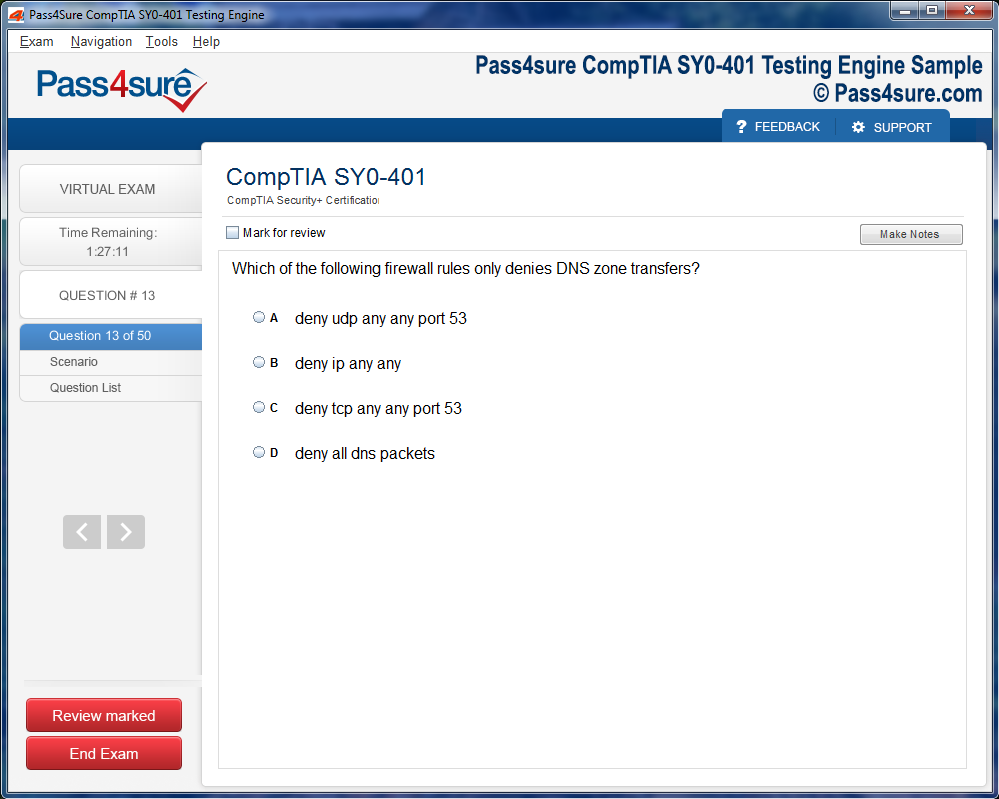
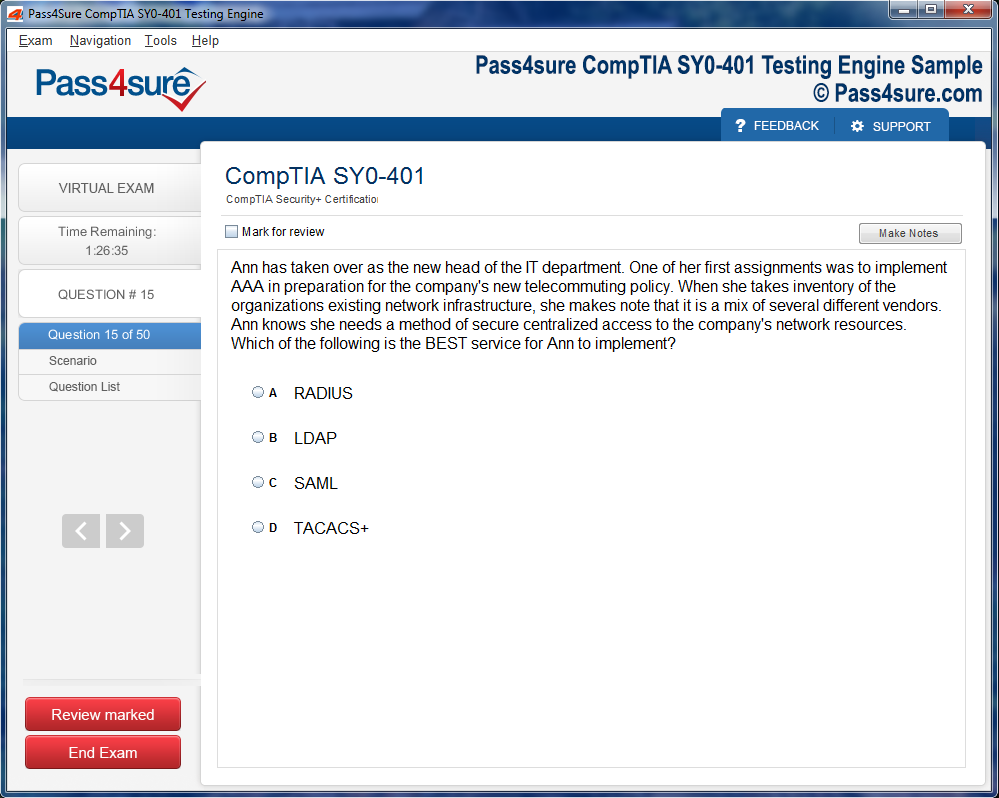
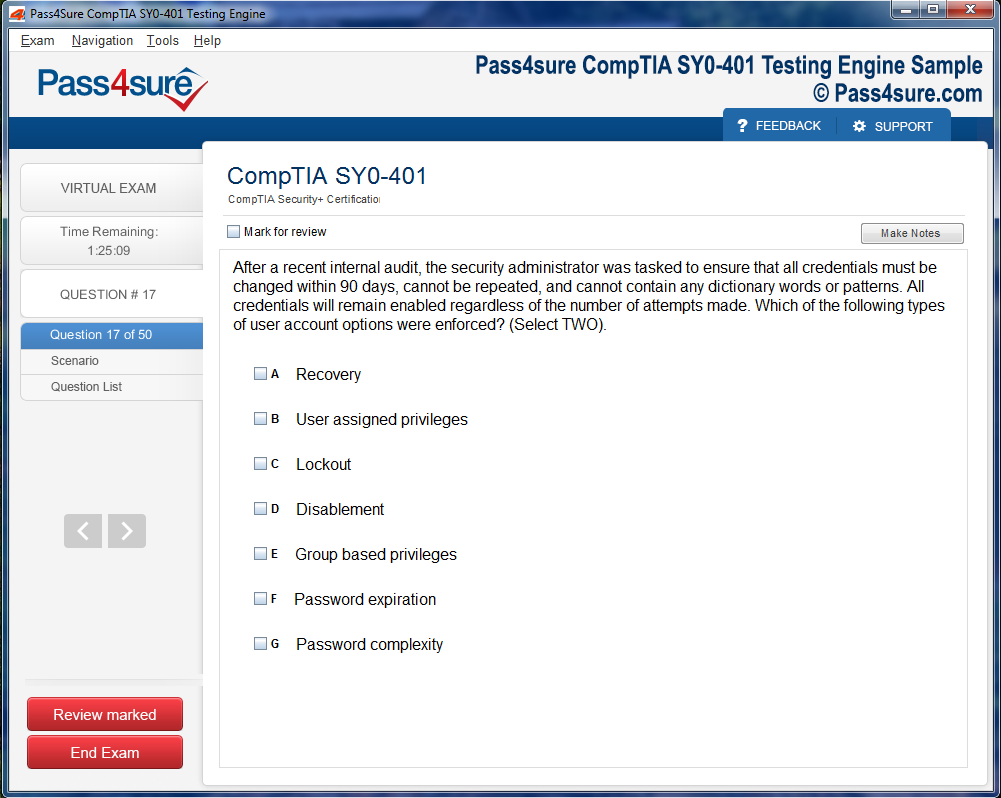
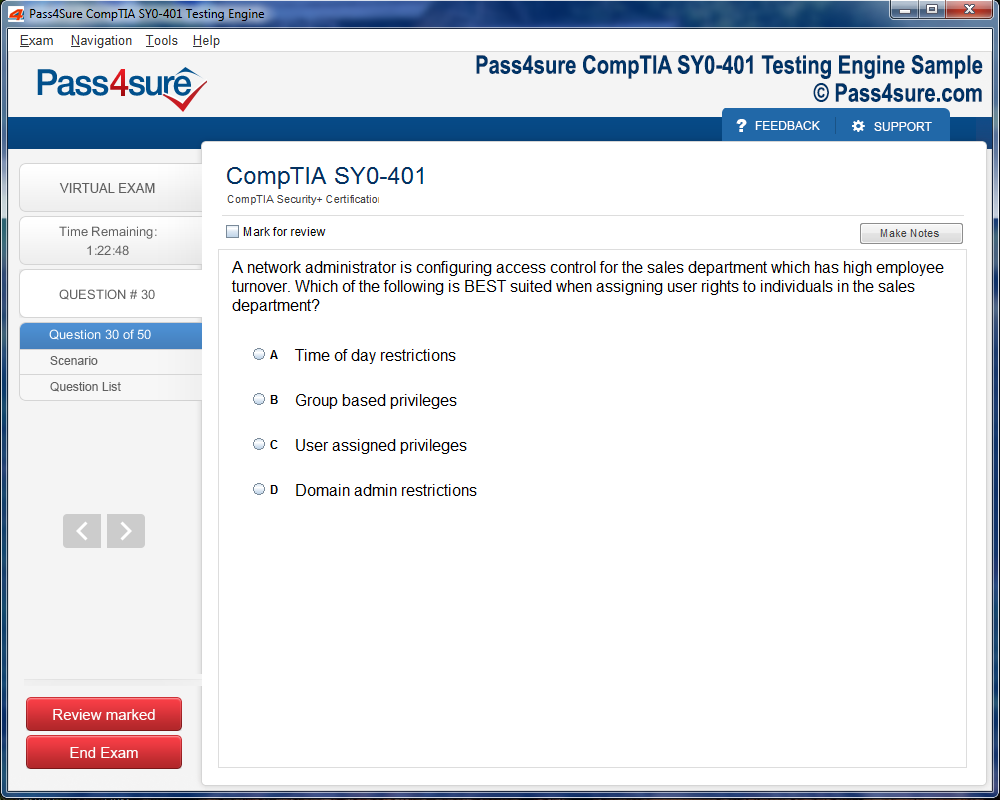
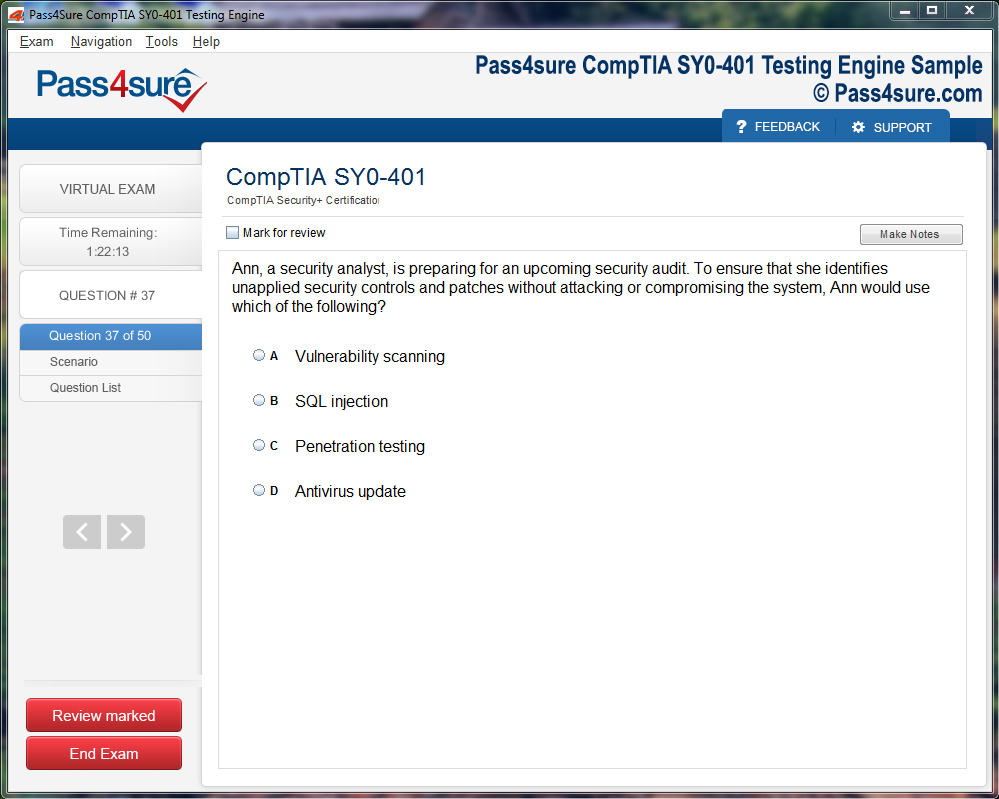
Product Screenshots
Frequently Asked Questions
How does your testing engine works?
Once download and installed on your PC, you can practise test questions, review your questions & answers using two different options 'practice exam' and 'virtual exam'. Virtual Exam - test yourself with exam questions with a time limit, as if you are taking exams in the Prometric or VUE testing centre. Practice exam - review exam questions one by one, see correct answers and explanations.
How can I get the products after purchase?
All products are available for download immediately from your Member's Area. Once you have made the payment, you will be transferred to Member's Area where you can login and download the products you have purchased to your computer.
How long can I use my product? Will it be valid forever?
Pass4sure products have a validity of 90 days from the date of purchase. This means that any updates to the products, including but not limited to new questions, or updates and changes by our editing team, will be automatically downloaded on to computer to make sure that you get latest exam prep materials during those 90 days.
Can I renew my product if when it's expired?
Yes, when the 90 days of your product validity are over, you have the option of renewing your expired products with a 30% discount. This can be done in your Member's Area.
Please note that you will not be able to use the product after it has expired if you don't renew it.
How often are the questions updated?
We always try to provide the latest pool of questions, Updates in the questions depend on the changes in actual pool of questions by different vendors. As soon as we know about the change in the exam question pool we try our best to update the products as fast as possible.
How many computers I can download Pass4sure software on?
You can download the Pass4sure products on the maximum number of 2 (two) computers or devices. If you need to use the software on more than two machines, you can purchase this option separately. Please email sales@pass4sure.com if you need to use more than 5 (five) computers.
What are the system requirements?
Minimum System Requirements:
- Windows XP or newer operating system
- Java Version 8 or newer
- 1+ GHz processor
- 1 GB Ram
- 50 MB available hard disk typically (products may vary)
What operating systems are supported by your Testing Engine software?
Our testing engine is supported by Windows. Andriod and IOS software is currently under development.
EX0-008 – Professional Certification in IT Service Management
In the ever-fluctuating techno-sphere of contemporary enterprises, IT Service Management emerges as a crucial fulcrum for operational alacrity and strategic supremacy. ITSM is not merely an assemblage of procedural steps; it embodies a philosophy that interlaces technological operations with overarching business imperatives. By perceiving services as a holistic continuum rather than discrete technical fragments, ITSM nurtures cohesion, accountability, and foresight. Professionals attuned to this paradigm gain the capacity to orchestrate IT ecosystems that catalyze organizational value and fortify customer allegiance.
The Philosophical Underpinnings of Service Lifecycles
At the heart of ITSM lies the service lifecycle—a meticulously delineated continuum from ideation to obsolescence. This lifecycle paradigm eschews reactive firefighting, embracing a proactive orchestration of services that maximizes both efficacy and relevance. Service strategy, the embryonic stage, entails discerning nuanced customer exigencies, sculpting service portfolios, and instituting governance scaffolds. Service design then transmutes these insights into operational blueprints, ensuring quality, performance, and sustainability. Service transition shepherds nascent or modified services into the operational realm, mitigating risk and preserving continuity. Service operation governs quotidian activities, encompassing incident resolution, system monitoring, and anomaly mitigation. Lastly, continual service improvement orchestrates iterative enhancements, ensuring that services remain adaptive amid technological vicissitudes.
Historical Transmogrification of ITSM Methodologies
The genesis of ITSM can be traced to the late 20th century, a period characterized by nascent attempts to codify IT operations. Early practices were predominantly reactive, hinging on ad hoc troubleshooting and ephemeral fixes. Over decades, these rudimentary approaches metamorphosed into systematic frameworks, synthesizing global best practices and institutional wisdom. Methodologies such as ITIL crystallized as compendia of structured guidance, enabling organizations to attenuate risk while amplifying service value. Adherence to these frameworks empowers professionals to navigate the intricate lattice of modern IT operations with prescience and dexterity.
Strategic Cognizance and Professional Dexterity
ITSM practitioners occupy a liminal space between technical execution and strategic orchestration. Their purview extends beyond system administration into translating technological capabilities into tangible business outcomes. This necessitates a confluence of analytical acuity, problem-solving prowess, and nuanced stakeholder management. Professionals pursuing certifications like EX0-008 cultivate both technical dexterity and strategic perspicacity, positioning themselves as pivotal architects of service excellence. Their role encompasses harmonizing cross-functional teams, ensuring regulatory compliance, and instigating initiatives that elevate service efficacy.
Navigating Modern Complexities Through Structured Management
Contemporary enterprises are ensnared in a maelstrom of digital transformation—cloud architectures, AI integrations, and automation frameworks introduce unparalleled complexity. Absent a structured ITSM scaffolding, these innovations risk engendering fragmentation, inefficiency, and operational turbulence. ITSM frameworks serve as stabilizing cartography, enabling organizations to harness technological advances without compromising service integrity. Incident management protocols expedite anomaly detection and remediation, minimizing business disruption, while change management disciplines orchestrate the introduction of novel technologies with minimal perturbation.
Cognitive Synergy Between IT and Business
The efficacy of ITSM is magnified when practitioners foster cognitive synergy between technical teams and business stakeholders. By elucidating the implications of technical decisions on strategic objectives, ITSM professionals engender mutual comprehension and collaborative problem-solving. This intellectual bridge fortifies organizational resilience and ensures that IT investments translate into quantifiable benefits. Mastery of this interplay is indispensable for those seeking advanced certifications, as it underscores the holistic value of ITSM beyond procedural adherence.
Continuous Evolution in the ITSM Paradigm
The dynamism of contemporary technological landscapes necessitates that ITSM is not static but evolutionary. Continuous assessment, iterative refinement, and anticipatory adaptation constitute the cornerstone of resilient service management. Practitioners leverage metrics, predictive analytics, and feedback mechanisms to orchestrate enhancements that align with emergent business exigencies. This relentless pursuit of optimization not only augments service quality but also cultivates a culture of perpetual innovation and operational sagacity.
The Nexus of Innovation and Operational Stability
In a milieu increasingly dominated by technological flux, ITSM functions as the fulcrum balancing innovation with stability. Structured service frameworks enable organizations to experiment, integrate emerging technologies, and deploy transformative solutions without imperiling operational continuity. This equilibrium between agility and reliability underscores the strategic indispensability of ITSM and positions trained professionals as custodians of both technological and business imperatives.
Arcane Foundations of IT Service Management
IT Service Management operates as an intricate tapestry of protocols and methodologies orchestrated to ensure the perpetual efficacy of IT provisions. The discipline is predicated upon a conceptual lattice where each service, from inception to obsolescence, occupies a deliberate niche. Comprehending this lattice is imperative for those aspiring to traverse the labyrinthine corridors of ITSM mastery, particularly in preparation for examinations that demand analytical sagacity and operational foresight. The essence of ITSM resides in harmonizing business imperatives with technological execution, ensuring that services transcend mere functionality to deliver sustainable value.
Stratagems of Service Deliberation
At the heart of ITSM lies service strategy, a crucible wherein organizational ambitions are transmuted into actionable IT offerings. This phase entails meticulous scrutiny of business exigencies, financial ramifications, and risk contingencies. Analytical rigor is paramount, as the strategist must adjudicate among competing priorities, balancing fiscal prudence against the imperative of operational excellence. Strategic planning in ITSM extends beyond immediate requisites, encompassing capacity prognostication, portfolio optimization, and governance frameworks. Professionals adept in this sphere wield foresight as an instrument, aligning service architectures with the overarching tapestry of organizational objectives, thereby engendering resilience and agility.
Architectonics of Service Conception
Service design constitutes the architectonic phase of ITSM, wherein abstract strategies are crystallized into tangible, operable constructs. This phase demands prescience, requiring architects to anticipate emergent needs, scalability constraints, and resiliency parameters. Processes such as capacity orchestration, availability assurance, and continuity mapping converge to produce a robust service schema. A meticulously crafted design mitigates operational perturbations, elevates user experience, and fortifies the organization against unforeseen exigencies. For the discerning professional, mastery of design principles confers the ability to preempt operational fragilities and cultivate enduring service frameworks.
Transitional Orchestration and Modulation
Service transition functions as the conduit between conceptual design and operational manifestation, emphasizing controlled metamorphosis and risk attenuation. Change management, deployment choreography, and codified knowledge dissemination coalesce within this domain, ensuring that novel or modified services integrate seamlessly into extant ecosystems. Proficient practitioners navigate these junctures with an acumen for minimizing disruptions while sustaining service reliability. The intricacies of transition management underscore the imperative of precision, foresight, and a nuanced comprehension of organizational dynamics, hallmarks of an ITSM virtuoso.
Operational Dynamics of IT Services
The operational phase of ITSM represents the kinetic epicenter wherein services interface with end-users. Incident mitigation, problem elucidation, event monitoring, and access governance constitute the operational lexicon. Success in this phase is measured not merely by uptime but by the seamless orchestration of resources to maintain reliability, availability, and performance metrics. The operationalist must exhibit dexterity in rapid remediation, proactive risk mitigation, and anticipatory problem resolution. By embedding robustness into everyday operations, ITSM practitioners sustain organizational continuity and augment stakeholder confidence.
Perpetual Enhancement and Iterative Refinement
Continual service improvement embodies the ethos of iterative evolution within ITSM. This paradigm advances a culture of relentless appraisal, leveraging quantitative metrics, audits, and performance diagnostics to engender progressive enhancement. By instituting feedback loops and data-driven analyses, organizations can discern latent inefficiencies and implement ameliorative interventions. The practitioner’s acumen in this domain is reflected in their capacity to orchestrate systematic advancements that propagate service excellence, operational agility, and strategic alignment. Continual improvement transcends episodic initiatives, manifesting as an enduring commitment to refinement and innovation.
Taxonomies of Services and Their Interplay
ITSM predicates itself upon a nuanced understanding of service hierarchies, distinguishing between core and ancillary provisions. Core services constitute the linchpins of business functionality, while supporting services furnish the scaffolding necessary for their efficacy. This taxonomy enables strategic prioritization, resource optimization, and risk modulation. Professionals who internalize these relationships cultivate the ability to align IT investments with mission-critical imperatives, ensuring that operational expenditures translate into discernible business outcomes. Recognizing the symbiotic dynamics between service tiers empowers organizations to fortify strategic initiatives and sustain competitive advantage.
Dichotomies in Operational Processes
Processes within ITSM often exhibit superficial similarity yet diverge in intent and execution. Incident management, oriented toward immediate restoration, contrasts with problem management, which interrogates root causality to preempt recurrence. Mastery of these processes exemplifies the practitioner’s capacity for both tactical responsiveness and strategic foresight. A nuanced comprehension of these dichotomies facilitates operational stability, mitigates systemic vulnerabilities, and augments service reliability. For aspirants, the ability to navigate these subtleties reflects a sophisticated understanding of ITSM praxis.
Metrics, Analytics, and Strategic Prognostication
Quantification underpins decision-making in ITSM, with key performance indicators and critical success factors furnishing actionable intelligence. Metrics such as mean resolution intervals, system availability indices, and stakeholder satisfaction scores afford insights into operational efficacy and guide remedial interventions. Analytical competence in interpreting these data points transforms metrics into strategic instruments, enabling evidence-based decision-making that propels service quality and organizational advancement. Practitioners versed in metrics wield quantification as a lens through which inefficiencies are discerned and ameliorative strategies devised.
Synergistic Alignment of IT and Business
The quintessence of ITSM resides in the alchemy of harmonizing technological capability with business aspiration. Through meticulous orchestration of strategy, design, transition, operation, and continual enhancement, IT services evolve into instruments of organizational potency. Professionals who grasp this synergy navigate complex environments with dexterity, ensuring that services are not merely functional but catalytic in driving enterprise objectives. The interplay of foresight, operational acuity, and iterative refinement delineates the contours of a consummate ITSM practitioner, capable of sustaining innovation while maintaining operational equilibrium.
The Technological Nexus of IT Service Management
In the intricate lattice of modern enterprises, IT Service Management operates as the sinew binding operational efficacy to strategic agility. The orchestration of IT processes is underpinned by a constellation of sophisticated instruments and technologies that transcend mundane task execution. These mechanisms not only bolster incident resolution but also cultivate an anticipatory operational mindset, allowing organizations to navigate complexity with perspicacity. For aspirants of EX0-008 certification, immersive acquaintance with these technological vectors is not merely advantageous—it is quintessential.
Service Desk Architectures and Operational Fluidity
Central to ITSM orchestration are service desk architectures, which function as fulcrums of incident management and request fulfillment. These platforms facilitate seamless dialogue between end-users and technical operatives, translating user perturbations into actionable intelligence. Beyond mere ticket logging, contemporary service desk systems integrate dynamic workflows, automated escalation matrices, and predictive routing algorithms that mitigate latency in problem resolution. Proficiency in these tools enables professionals to maintain operational equanimity even under surges of requests, engendering a user experience that is both transparent and responsive.
Configuration Repositories and Strategic Cognition
Configuration Management Databases represent the cerebral cortex of ITSM environments. By cataloging assets, interdependencies, and configurations, CMDBs provide a panoramic view of an organization’s technological topography. These repositories facilitate incisive impact analyses, guiding change management and incident response with unparalleled clarity. EX0-008 candidates gain strategic leverage by mastering the nuances of CMDB utilization, translating granular data into high-level operational decisions. The interplay between configuration intelligence and proactive problem anticipation forms a cornerstone of service resiliency.
Continuous Oversight Through Monitoring and Event Orchestration
The surveillance of IT ecosystems demands vigilance that extends beyond reactive intervention. Monitoring and event orchestration platforms furnish real-time insights into system performance, preempting anomalies before they metastasize into critical disruptions. Sophisticated event correlation engines and automated alerting mechanisms transform data deluges into digestible intelligence, empowering IT teams to act with precision. Mastery of these tools not only sustains service availability but also demonstrates an operator’s capacity for anticipatory stewardship—a competency heavily evaluated in ITSM certification paradigms.
Knowledge Ecosystems and Cognitive Capital
Knowledge management platforms crystallize organizational learning into tangible operational assets. By curating an evolving corpus of procedural guides, diagnostic schemas, and best practices, these systems cultivate cognitive capital that permeates all layers of service delivery. Skilled ITSM professionals leverage these repositories to accelerate resolution cycles, enhance user satisfaction, and instill methodological consistency. The ability to synthesize and deploy organizational wisdom exemplifies a form of intellectual dexterity that extends beyond routine competence, aligning with the advanced proficiency benchmarks of EX0-008 evaluation frameworks.
Automation and the Algorithmic Paradigm
The infusion of automation and artificial intelligence has redefined the operational paradigm of ITSM. Routine workflows, once burdened by manual execution, are now delegated to algorithmic agents capable of performing complex sequences with unwavering precision. Predictive analytics harnesses historical datasets to forecast incidents, optimize resource allocation, and propose remedial actions with unprecedented foresight. The adoption of AI-infused methodologies enhances both operational velocity and service reliability, positioning ITSM professionals at the vanguard of technological innovation.
Analytical Discernment and Data-Driven Augmentation
Reporting and analytics constitute the analytical spine of continual service enhancement. These instruments distill voluminous operational data into intelligible metrics, revealing performance bottlenecks and emergent trends. Visual dashboards, interactive heat maps, and multivariate performance charts facilitate decision-making with empirical rigor. Professionals adept in these analytical frameworks can orchestrate interventions that are both tactical and strategic, ensuring that ITSM processes evolve in alignment with organizational imperatives.
Cloud-Enabled Service Management Landscapes
Cloud adoption has transmuted the ITSM landscape, offering elasticity, ubiquitous accessibility, and seamless integration with enterprise ecosystems. Cloud-based platforms provide pre-engineered workflows, regulatory compliance scaffolds, and AI-augmented functionalities, creating a robust substrate for efficient service delivery. Familiarity with cloud architectures empowers ITSM practitioners to leverage scalability while maintaining operational fidelity, a skill set that aligns closely with the competencies assessed in EX0-008 certification.
Emerging Confluences of ITSM Technologies
The future of IT Service Management is characterized by a confluence of cognitive automation, predictive analytics, and interconnected digital ecosystems. Tools are no longer isolated functional entities but interdependent nodes within a dynamic network of service orchestration. Professionals who cultivate dexterity across this spectrum of technologies position themselves to navigate complexity with strategic foresight, ensuring resilience, efficiency, and superior user engagement.
The Quintessence of Process-Oriented Paradigms in IT Service Management
In the labyrinthine corridors of contemporary IT ecosystems, a process-oriented paradigm emerges as an indispensable fulcrum for sustainable efficacy. Organizations striving for IT service mastery must embed meticulous workflows that transcend mere procedural adherence. A nuanced understanding of process architecture fosters predictability while mitigating operational entropy. Codifying procedures ensures continuity amidst personnel flux and establishes a lexicon of shared understanding that permeates all organizational tiers. Those embarking on the EX0-008 certification voyage must internalize the nuances of process frameworks, appreciating the symbiosis between theoretical scaffolding and practical deployment.
Synergistic Alignment of IT and Enterprise Objectives
Strategic congruence between information technology initiatives and overarching enterprise objectives serves as the lodestar for IT service management. Services should not meander in isolated silos but rather act as vectors propelling organizational aspirations. Resource allocation, underpinned by service portfolio discernment, directs attention toward endeavors with the most pronounced impact. Professionals adept at orchestrating this alignment navigate the labyrinth of competing priorities, articulate the intrinsic value of IT interventions, and rationalize investments with empirical sagacity. Mastery in this domain allows for nuanced prioritization that resonates through the strategic and operational strata of the enterprise.
The Imperative of Perpetual Refinement
Continuous evolution constitutes the heartbeat of resilient IT service delivery. By instituting systematic feedback loops, performance analytics, and iterative evaluations, organizations cultivate an environment of perpetual refinement. Incident retrospectives, change outcome assessments, and process recalibrations underpin a culture where innovation flourishes and stagnation dissipates. For certification aspirants, grasping the mechanics of iterative enhancement is crucial, as it reflects an ability to anticipate emergent challenges and sculpt adaptive frameworks that withstand the vicissitudes of digital transformation.
Eloquent Communication and Interdisciplinary Synergy
Effective IT service stewardship necessitates an aptitude for articulate communication that bridges technical acumen and business acumen. Professionals act as conduits, translating intricate system behaviors into intelligible insights for stakeholders. Cultivating interdisciplinary synergy through collaborative platforms and cross-functional dialogues ensures that collective expertise converges toward optimal outcomes. Candidates for EX0-008 certification must demonstrate dexterity in fostering environments where transparency and constructive discourse are not peripheral, but foundational elements of operational coherence.
Prognostic Risk Management and Preemptive Strategy
Resilient IT ecosystems hinge upon proactive identification and attenuation of potential threats. Sophisticated risk stratagems encompass meticulous assessment of vulnerabilities and the implementation of countermeasures that preempt service disruption. Change orchestration constitutes a core pillar of this endeavor, mandating rigorous evaluation and controlled execution. Mastery of this praxis empowers professionals to safeguard continuity and fortify organizational robustness against unforeseen contingencies, a competency often scrutinized in certification evaluations.
Elevating User Experience to a Strategic Imperative
IT service management transcends technical orchestration; it is fundamentally a conduit for enhancing user experience and engendering trust. User-centric design, feedback assimilation, and diligent monitoring converge to create service encounters that are seamless, responsive, and intuitive. Professionals attuned to these dimensions cultivate a symbiotic rapport with end-users, fostering loyalty and sustained engagement. In certification scenarios, the capacity to reconcile operational imperatives with experiential excellence underscores a practitioner’s holistic comprehension of service value.
Knowledge Codification and Institutional Memory
The perpetuation of IT service excellence is inextricably linked to structured knowledge management. Codifying expertise, archiving procedural insights, and maintaining accessible knowledge repositories mitigate reliance on transient institutional memory. This praxis not only anchors operational consistency but also serves as a scaffold for training, compliance adherence, and audit readiness. Those navigating EX0-008 preparation are expected to appreciate the transformative potential of knowledge stewardship as a bedrock of enduring operational competence.
Harnessing Technological Vanguards in Service Management
Embracing emergent technologies catalyzes a paradigm shift in IT service execution. Automation, predictive analytics, and artificial intelligence serve as accelerants for operational agility, enabling anticipatory problem resolution and data-informed decision-making. Savvy ITSM professionals leverage these innovations to streamline workflows, diminish redundancies, and elevate reliability. Certification aspirants must internalize the strategic integration of technological vanguards, recognizing that contemporary best practices are inseparable from adaptive, forward-looking toolsets.
Adaptive Governance and Strategic Oversight
Governance frameworks constitute the scaffolding upon which IT service efficacy is constructed. Strategic oversight, anchored in policy coherence and regulatory alignment, ensures that operational imperatives resonate with organizational ethos. Adaptive governance facilitates nimble responses to shifting business landscapes while preserving the integrity of service delivery. Professionals adept in this domain negotiate the delicate equilibrium between control and flexibility, orchestrating structures that are resilient yet responsive, a dimension frequently examined in evaluative scenarios.
Navigating the Expanse of EX0-008 Certification
Embarking on the odyssey of EX0-008 certification is an intellectual pilgrimage into the labyrinthine realm of IT Service Management. The journey transcends rote memorization, demanding nuanced comprehension of lifecycle processes, service orchestration, and continual enhancement paradigms. Candidates must cultivate a mental scaffolding robust enough to accommodate complex interrelationships among service strategy, design, transition, operation, and improvement. The certification is not merely a validation of knowledge; it is a testament to one’s capacity for analytical dexterity and operational sagacity in dynamic IT ecosystems.
Dissecting the Exam Architecture
Comprehending the exam architecture is paramount. EX0-008 interrogates multifaceted knowledge domains through scenario-laden questions that probe decision-making acumen. Candidates should internalize the proportional emphasis of topics, recognizing that the spectrum spans strategic foresight, tactical execution, and operational pragmatism. Familiarity with the blueprint is akin to mapping the topography before an expedition; without this cartographic insight, efforts may scatter and efficacy wane. Meticulous study plans that allot temporal and cognitive bandwidth to each domain cultivate a methodical and resilient preparation framework.
Harnessing Cognitive Resonance Through Active Learning
Passive perusal of study guides rarely engenders profound retention. Candidates benefit from constructing cognitive scaffolds such as intricate flowcharts, synoptic diagrams, and heuristic summaries that render abstract ITSM concepts palpable. Articulating concepts aloud, engaging in peer tutelage, or simulating real-world scenarios triggers neural consolidation, transforming ephemeral exposure into enduring comprehension. The incorporation of mock examinations introduces an element of kinetic familiarity, allowing candidates to navigate temporal constraints, interrogate scenario-based problems, and refine strategic reasoning under simulated duress.
Experiential Embedding of ITSM Principles
Practical immersion amplifies theoretical knowledge. Interaction with service desk ecosystems, configuration management matrices, and incident-monitoring frameworks reveals the nuanced choreography of ITSM processes. The tactile engagement of incident resolution, change orchestration, and performance evaluation instills an intuitive grasp of operational cadence, bridging the chasm between abstraction and praxis. Even meticulously crafted simulations or guided exercises act as crucibles for cognitive and procedural synthesis, enabling the candidate to internalize principles that are frequently encapsulated within scenario-based exam questions.
Temporal Dexterity and Exam Stratagem
Temporal acuity and exam strategy underpin successful navigation of EX0-008. Candidates must cultivate a metacognitive awareness of pacing, ensuring comprehensive engagement with all items while preserving analytical rigor. Mastery of keyword discernment, probabilistic elimination of implausible options, and judicious prioritization of high-confidence responses are tactical imperatives. The fusion of knowledge mastery with strategic foresight ensures not only question completion but also optimization of scoring potential under temporal duress, reflecting the symbiotic interplay of intellect and strategy.
Synergistic Learning Through Professional Confluences
Immersive interaction with peer cohorts and professional enclaves cultivates cognitive diversification. Forums, workshops, and virtual colloquia expose candidates to heterogeneous perspectives, nuanced practices, and anecdotal insights that textbooks cannot encapsulate. Collaboration fosters a dialectic environment where comprehension is tested, assumptions are challenged, and adaptive strategies emerge. Exposure to real-world case studies facilitates the internalization of pragmatic solutions, heightening the candidate’s acuity in scenario evaluation and fortifying the intellectual resilience necessary for the certification gauntlet.
Cyclical Reinforcement and Knowledge Longevity
Sporadic engagement with study material is insufficient for durable mastery. Continual review cycles, iterative note augmentation, and exposure to novel problem matrices engender cognitive plasticity and long-term retention. Candidates must cultivate a mindset oriented toward understanding the underlying principles of ITSM rather than mechanical recitation. This approach nurtures adaptive expertise, enabling the application of conceptual frameworks to unforeseen scenarios, mirroring the pragmatic essence of EX0-008 and the dynamic reality of IT service landscapes.
Integrative Equilibrium and Cognitive Fortitude
Mental acuity and emotional poise are integral to preparation. Structured study intervals, restorative interludes, and stress modulation techniques potentiate cognitive performance. Candidates who harmonize intellectual exertion with physiological and psychological equilibrium navigate complex exam scenarios with clarity, insight, and composure. The symbiosis of discipline, focus, and stamina exemplifies a holistic preparation ethos, where cognitive resilience parallels technical mastery.
Pragmatic Synthesis of Certification Competencies
EX0-008 preparation is a confluence of strategic study, experiential engagement, professional interaction, and meta-cognitive refinement. Understanding the exam framework, leveraging active learning, embedding real-world practices, and deploying test-taking tactics coalesce into a comprehensive strategy. Beyond credential attainment, this preparation instills a durable repertoire of competencies applicable to multifarious ITSM contexts, enriching professional versatility and operational efficacy. Candidates emerge not only certified but intellectually fortified, equipped to navigate and optimize complex service environments.
Navigating Complex Service Ecosystems
The complexity of modern IT service ecosystems mandates a keen understanding of interdependencies. Candidates must appreciate the symphony of processes where incident resolution, change management, service continuity, and continual improvement interact with subtlety and precision. Recognizing these interactions allows for anticipatory problem-solving, efficient resource allocation, and adaptive strategy deployment. Mastery extends beyond memorized procedures; it encompasses the ability to intuitively respond to system perturbations, aligning service delivery with organizational objectives and strategic intent.
Elevating Analytical Acumen Through Scenario Exploration
Scenario-based analysis is central to EX0-008. Candidates are required to dissect multilayered problems, weigh competing priorities, and anticipate cascading effects of operational decisions. Engaging with diverse scenarios sharpens analytical acumen, encourages strategic foresight, and cultivates probabilistic thinking. Exercises in scenario extrapolation and consequence evaluation transform theoretical knowledge into actionable wisdom, preparing candidates to navigate the subtle intricacies of service management with dexterity and confidence.
The Strategic Significance of EX0-008 Certification
EX0-008 certification embodies a confluence of technical dexterity and strategic acumen, acting as a fulcrum for professionals seeking to harmonize IT Service Management with overarching business objectives. This credential is not merely a testament to procedural knowledge; it reflects a profound understanding of the symbiotic relationship between operational efficiency and organizational value. Professionals who acquire this distinction often find themselves navigating complex organizational landscapes with heightened confidence and precision.
The certification also functions as a beacon of credibility. In industries where reputational capital is intertwined with demonstrable expertise, the EX0-008 designation conveys a signal of competence that transcends conventional resumes. It serves as a lodestar for hiring managers seeking individuals capable of orchestrating service delivery with both foresight and agility, ensuring that IT frameworks are aligned with dynamic enterprise imperatives.
Amplifying Professional Trajectory
Holding an EX0-008 certification catalyzes an expansion of professional horizons, unlocking corridors of opportunity that might otherwise remain obscured. Career trajectories become less linear and more stratified, offering avenues into specialized domains of IT Service Management, consultancy, and strategic planning. Possession of this credential frequently precipitates invitations to spearhead high-stakes projects, act as advisory voices in governance frameworks, and mentor nascent talent within organizational ecosystems.
Beyond mere vertical ascension, the certification facilitates lateral mobility across interdisciplinary domains. The skills honed through EX0-008 preparation—ranging from risk mitigation and resource optimization to nuanced stakeholder communication—equip professionals to traverse IT, operational strategy, and business consultancy realms with dexterity. This multidimensional capability often engenders a reputation as a polymathic practitioner, one capable of synthesizing technical solutions with strategic imperatives.
Enhancing Operational Mastery
EX0-008 certification cultivates an unparalleled mastery of operational intricacies, enabling professionals to orchestrate service management practices with surgical precision. The curriculum emphasizes a panoramic perspective of IT operations, encompassing process optimization, service lifecycle management, and metrics-driven performance evaluation. This comprehensive insight empowers certified professionals to preempt disruptions, streamline workflows, and implement solutions that resonate with both operational exigencies and strategic objectives.
The acquisition of this expertise fosters an analytical mindset, one that thrives on diagnosing systemic inefficiencies and crafting pragmatic interventions. Professionals develop the capacity to anticipate emergent challenges, align technological resources with evolving organizational priorities, and instill resilience within service frameworks. This aptitude not only amplifies day-to-day operational performance but also positions practitioners as indispensable architects of organizational agility.
Elevating Professional Recognition
Possessing the EX0-008 credential bestows a level of professional recognition that transcends routine acknowledgment. It signals a commitment to continuous learning and a proficiency that extends beyond superficial familiarity with IT frameworks. Colleagues, supervisors, and industry peers perceive certified professionals as authoritative figures whose insights carry weight in strategic deliberations and operational planning.
Recognition manifests in both tangible and intangible forms. Tangibly, certified professionals are often entrusted with critical responsibilities, invited to join high-profile projects, and positioned as decision-making stakeholders. Intangibly, they gain a reputation for reliability, strategic insight, and the capacity to bridge technical execution with executive vision. This dual recognition catalyzes both career advancement and professional gravitas, cultivating an aura of expertise that enhances influence within organizational and industry spheres.
Navigating Emerging Industry Landscapes
EX0-008 certification equips professionals with the tools to navigate the ever-evolving terrain of IT Service Management with confidence and acuity. As enterprises embrace digital transformation, cloud integration, and automated service delivery, certified practitioners are uniquely poised to interpret, implement, and optimize these shifts. Their ability to translate technical innovation into strategic advantage renders them vital contributors to organizational evolution.
In addition to technical adaptability, the certification nurtures an anticipatory mindset. Professionals learn to discern trends, evaluate potential disruptions, and design adaptive strategies that mitigate risk while capitalizing on emerging opportunities. This forward-looking perspective distinguishes certified individuals from peers who may excel in routine operational execution but lack the capacity to proactively steer organizations through complex, unpredictable landscapes.
Unlocking Global Opportunities
The EX0-008 credential carries international recognition, providing professionals with the leverage to pursue opportunities across diverse geographic and industrial contexts. Multinational organizations and transnational projects increasingly value certified expertise, recognizing it as an indicator of standardized proficiency and strategic insight. Certified individuals can transcend local market constraints, positioning themselves as competitive candidates in global talent ecosystems.
This mobility extends beyond mere employment prospects. Professionals gain access to a rich tapestry of cross-cultural collaborations, exposure to varied operational methodologies, and participation in global forums of knowledge exchange. Such experiences enrich both technical proficiency and intercultural competence, cultivating a holistic professional identity that thrives in diverse environments.
The Metamorphic Nature of IT Service Ecosystems
Modern IT landscapes are marked by constant flux, where technological architectures evolve at an almost protean pace. Within this milieu, IT Service Management assumes the role of a stabilizing matrix, ensuring that enterprises can adapt without succumbing to chaos. ITSM frameworks act as scaffolds upon which complex service ecosystems can be constructed, maintained, and refined. Each service, from routine helpdesk functions to sophisticated cloud deployments, operates within a meticulously orchestrated schema, reducing redundancies and mitigating operational entropy.
Organizations that embrace this metamorphic approach perceive ITSM not merely as a process but as an intellectual infrastructure that transforms reactive technicians into strategic orchestrators. The cognizance of interdependencies, the anticipation of bottlenecks, and the foresight to align technical resources with business exigencies characterize the hallmark of advanced ITSM practitioners.
Service Portfolio Alchemy
One of the most esoteric yet impactful facets of ITSM lies in the conceptualization and stewardship of service portfolios. The service portfolio transcends a mere catalog of offerings; it is a dynamic repository of organizational value propositions, each meticulously analyzed for cost, risk, and benefit. In managing a portfolio, ITSM professionals engage in an intellectual alchemy that transmutes operational capabilities into strategic assets. Decisions regarding service retention, enhancement, or retirement require an intricate balancing of fiscal prudence, technological feasibility, and stakeholder expectations.
Service portfolio management embodies a dialectic between innovation and constraint. While new technologies promise transformative outcomes, they must be evaluated within the context of resource allocation, systemic compatibility, and long-term viability. This evaluative rigor ensures that enterprises are not swayed by ephemeral technological trends but remain anchored to sustainable, high-impact service strategies.
The Semiotics of IT Service Quality
Quality within ITSM transcends the superficial metrics of uptime and response time; it encompasses a semiotic understanding of service value, perception, and impact. Each interaction, whether a resolved incident or a deployed service, communicates organizational competency and influences stakeholder trust. Professionals versed in ITSM learn to decode these subtle semiotics, using them to refine service delivery, enhance user experience, and cultivate a culture of excellence.
Metrics and KPIs, while indispensable, are mere instruments of a broader epistemology. Advanced ITSM practitioners interpret these measures not as endpoints but as heuristic guides that illuminate inefficiencies, predict future challenges, and foster iterative refinement. In this sense, service quality becomes a living narrative, continuously authored through meticulous observation, analytical reasoning, and responsive adaptation.
Incident Management as Organizational Sentience
Incidents, ranging from minor service disruptions to critical system failures, act as litmus tests for organizational resilience. ITSM frameworks equip enterprises with the protocols necessary to convert these disruptions into opportunities for insight and improvement. Incident management transcends the procedural rectification of faults; it embodies a form of organizational sentience, whereby systems, teams, and processes collectively respond to perturbations with calibrated precision.
Through incident management, organizations cultivate reflexive capabilities—anticipating recurring issues, prioritizing response strategies, and integrating lessons learned into broader service enhancements. This reflexivity engenders not only operational efficiency but also a profound confidence among stakeholders that the enterprise is capable of navigating complexity with assurance.
Change Management as Controlled Metamorphosis
The introduction of novel technologies, upgrades, or process alterations constitutes a metamorphic event within any IT ecosystem. Change management frameworks within ITSM are designed to regulate this metamorphosis, ensuring that innovation occurs without destabilizing existing operations. This controlled approach requires meticulous planning, risk assessment, stakeholder alignment, and post-implementation evaluation.
Change management is as much an art as a science. It necessitates the harmonization of divergent interests, the anticipation of unintended consequences, and the orchestration of seamless transitions. Professionals adept in this discipline are not merely implementers; they are custodians of systemic integrity, balancing ambition with prudence and innovation with reliability.
The Esoterica of Knowledge Management
Knowledge management within ITSM is often undervalued, yet it represents a fulcrum for organizational intelligence and resilience. Beyond mere documentation, knowledge management entails the curation, dissemination, and contextualization of insights that empower personnel to resolve issues expeditiously, optimize workflows, and innovate effectively.
Advanced knowledge management fosters an ecosystem of collective cognition. It transforms individual expertise into organizational capability, ensuring that insights gleaned from past incidents, service transitions, and performance evaluations are institutionalized. By embedding knowledge within procedural frameworks and cultural norms, ITSM practitioners create an environment where learning is continuous, mistakes are instructive, and innovation is systematically nurtured.
Metrics and Analytics as Cognitive Instruments
In the contemporary ITSM paradigm, metrics and analytics serve as cognitive instruments that augment strategic discernment. Beyond the quantification of service performance, these tools illuminate patterns, predict disruptions, and inform proactive interventions. By leveraging data with analytical rigor, ITSM professionals can transcend reactive paradigms, anticipating trends, and orchestrating interventions before issues crystallize into crises.
Analytics facilitate a granular understanding of service behavior, revealing bottlenecks, inefficiencies, and latent opportunities for enhancement. Sophisticated visualization and predictive modeling transform raw data into actionable intelligence, empowering decision-makers to align operational execution with strategic objectives. The discerning use of metrics thus converts information into insight, and insight into organizational advantage.
Risk Management as Strategic Vigilance
Every IT service embodies a constellation of risks—technical failures, security breaches, regulatory noncompliance, or resource constraints. ITSM frameworks embed risk management as a core competency, ensuring that potential disruptions are anticipated, evaluated, and mitigated. This strategic vigilance is not reactive; it is proactive, iterative, and deeply integrated into service lifecycle management.
Risk management within ITSM encompasses scenario planning, impact assessment, and contingency orchestration. It demands foresight, analytical acuity, and the capacity to navigate ambiguity. Professionals who master this discipline cultivate organizational resilience, enabling enterprises to pursue innovation and efficiency while maintaining operational stability.
Automation as Symbiotic Enhancement
The advent of automation within ITSM represents a profound transformation, offering symbiotic augmentation of human capabilities. Automation expedites repetitive processes, reduces error propensity, and liberates professionals to focus on strategic and creative endeavors. However, automation is most potent when integrated thoughtfully, harmonizing with human oversight, contextual judgment, and adaptive learning.
Sophisticated ITSM environments leverage automation not as a replacement for human ingenuity but as a catalyst for its amplification. Routine incident responses, monitoring, reporting, and workflow orchestration can be automated, while humans attend to complex problem-solving, strategic planning, and stakeholder engagement. This symbiosis cultivates efficiency, precision, and innovative potential within IT service delivery.
The Interstitial Role of AI in ITSM
Artificial intelligence introduces a new dimension of cognitive capacity within ITSM ecosystems. Predictive analytics, anomaly detection, and intelligent automation enable organizations to anticipate service disruptions, optimize resource allocation, and personalize service experiences. AI acts as both a sentinel and an advisor, enhancing human decision-making with predictive foresight and analytical depth.
The integration of AI necessitates a nuanced understanding of its capabilities and limitations. ITSM professionals must navigate ethical considerations, data governance, and systemic bias while leveraging AI for enhanced operational intelligence. Mastery of AI within ITSM signifies a transition from reactive management to prescient orchestration, positioning organizations at the vanguard of technological sophistication.
Cultural Stewardship and Organizational Psyche
ITSM transcends technical rigor; it embodies cultural stewardship. Service management practices influence organizational psyche, shaping behaviors, expectations, and collaborative dynamics. By fostering a culture of accountability, continuous learning, and proactive engagement, ITSM professionals instill values that resonate throughout the enterprise.
Cultural stewardship involves modeling exemplary behaviors, incentivizing knowledge sharing, and embedding service excellence into organizational identity. It ensures that frameworks, processes, and technologies are not merely procedural artifacts but living expressions of organizational ethos. This cultural dimension magnifies the impact of ITSM, transforming operational excellence into a strategic hallmark.
Labyrinthine Constructs of IT Governance
IT governance constitutes the scaffolding upon which IT Service Management flourishes. It is a multifaceted architecture of policies, standards, and accountability frameworks designed to ensure that technology initiatives coalesce with organizational imperatives. Governance transcends perfunctory compliance, acting as a sentinel that enforces alignment, mitigates risk, and fosters strategic transparency. Within this domain, executives and practitioners must adjudicate competing priorities, balancing innovation with risk containment. Governance mechanisms such as audit trails, escalation matrices, and control frameworks ensure that ITSM initiatives retain integrity while adapting to dynamic business landscapes.
Orchestration of Risk and Contingency
Risk is an omnipresent variable within the IT service ecosystem. Effective ITSM transcends mere mitigation, embracing proactive risk anticipation and contingency planning. Practitioners cultivate the ability to identify latent vulnerabilities, assess probabilistic impacts, and implement safeguards that preclude operational derailments. Risk orchestration encompasses not only technical threats but also organizational, regulatory, and strategic exposures. By constructing resilient service architectures, professionals can absorb perturbations, maintain continuity, and preserve stakeholder confidence. Mastery in this realm epitomizes the synthesis of foresight, analytical rigor, and tactical prudence.
Cognitive Dimensions of Knowledge Management
Knowledge management is the cerebral axis of ITSM, wherein institutional memory, best practices, and operational insights coalesce. Effective knowledge stewardship transforms tacit experience into explicit, accessible intelligence that informs decision-making and operational execution. Knowledge repositories, documentation protocols, and collaborative platforms serve as the bedrock for informed intervention and systemic learning. The adept ITSM professional leverages these cognitive infrastructures to expedite problem resolution, enhance service reliability, and cultivate a culture of continuous learning. Knowledge, when codified and disseminated, becomes both a shield against operational disruption and a catalyst for innovation.
Temporal Flux and Change Management
Change management navigates the temporal flux inherent in IT service evolution. Every modification, whether incremental or transformative, introduces potential disruption. Meticulous orchestration is required to ensure that alterations integrate seamlessly without perturbing operational equilibrium. Change protocols encompass risk assessment, approval hierarchies, impact analysis, and rollback contingencies. Professionals who excel in this domain combine analytical discernment with situational awareness, ensuring that service modifications amplify value rather than engender instability. The artistry of change management lies in harmonizing inevitability with controlled execution.
Semantic Stratification of Service Catalogs
A comprehensive service catalog is not merely a listing but a semantically stratified compendium that conveys value, dependencies, and operational parameters. Core services, ancillary services, and enabling components are delineated with precision to facilitate decision-making, resource allocation, and stakeholder comprehension. Semantic clarity empowers organizations to prioritize interventions, anticipate service interdependencies, and optimize resource utilization. ITSM professionals skilled in catalog structuring can translate complex technological landscapes into intelligible frameworks that guide strategic and operational imperatives.
Ontology of Incident and Problem Resolution
Incident and problem resolution constitute intertwined yet discrete modalities within ITSM. Incident response is kinetic, emphasizing immediacy and service restoration, whereas problem management is analytical, interrogating causal vectors to forestall recurrence. Mastery of these modalities requires a dual mindset: operational agility tempered by investigative rigor. Escalation protocols, root cause analyses, and trend monitoring converge to form a sophisticated toolkit that enables practitioners to sustain operational stability while driving preemptive improvements. The synergy of reactive and proactive strategies exemplifies the intellectual dexterity demanded by ITSM excellence.
Epistemology of Metrics and Performance Analytics
Metrics are the epistemological instruments through which ITSM professionals apprehend organizational efficacy. Beyond superficial measurement, metrics embody diagnostic acuity, revealing hidden inefficiencies, emergent trends, and potential vulnerabilities. Key performance indicators, critical success factors, and service-level metrics coalesce to provide a granular view of operational health. Professionals must cultivate interpretive sophistication, translating numerical abstractions into actionable insights. By harnessing metrics strategically, ITSM practitioners inform decision-making, optimize performance, and cultivate a culture of evidence-driven excellence.
Symbiotic Dynamics Between Business and IT
The symbiosis between business objectives and IT service delivery is a foundational precept of ITSM. Services are not merely operational artifacts but instruments of strategic leverage, enabling organizations to achieve market differentiation, operational efficiency, and stakeholder satisfaction. Practitioners who internalize this interplay orchestrate service portfolios that harmonize technological capabilities with corporate imperatives. This requires a nuanced understanding of organizational priorities, environmental contingencies, and stakeholder expectations. The resultant alignment transforms IT services from reactive utilities into proactive enablers of enterprise success.
Cognitive Load and User Experience Optimization
User experience within ITSM is not ancillary but central to the perception of value and efficacy. Cognitive load theory elucidates how end-users interact with services, revealing the thresholds beyond which complexity impedes functionality. Service architects must anticipate user behavior, streamline interactions, and reduce friction to optimize satisfaction and operational adoption. Effective design, intuitive interfaces, and responsive support coalesce to create seamless experiential flows. Professionals attuned to these dynamics embed usability and cognitive ergonomics into every facet of service design, enhancing both operational efficiency and stakeholder engagement.
Emergent Paradigms in Automation and AI Integration
Automation and artificial intelligence are emergent paradigms reshaping ITSM landscapes. Intelligent algorithms, predictive analytics, and autonomous orchestration enable organizations to preempt incidents, optimize workflows, and augment decision-making. Integration of these technologies necessitates careful alignment with operational processes, governance frameworks, and service-level expectations. Professionals adept in AI-driven ITSM leverage machine learning for trend detection, anomaly prediction, and process optimization, transforming service delivery from reactive to anticipatory. The infusion of intelligence amplifies efficiency while preserving strategic oversight.
Semantic Integrity and Data Governance
Data governance is the custodial framework ensuring the semantic integrity, accuracy, and security of information within ITSM. Data underpins every decision, metric, and strategic initiative; its fidelity is paramount. Governance frameworks delineate responsibilities, access hierarchies, and compliance mandates, mitigating the risks of corruption, misinterpretation, or breach. Practitioners must cultivate both technical proficiency and ethical vigilance, ensuring that data assets are both reliable and responsibly managed. The orchestration of semantic integrity reinforces trust, informs strategic decisions, and sustains operational continuity.
Contingency Architectures and Disaster Preparedness
Disaster preparedness within ITSM extends beyond rudimentary backups into holistic contingency architectures that anticipate multifaceted disruptions. Redundancy planning, failover mechanisms, and recovery orchestration coalesce to form resilient infrastructures capable of absorbing shocks without operational paralysis. Professionals engaged in this sphere combine foresight, simulation modeling, and procedural rigor to ensure that service continuity endures under extreme conditions. Mastery of contingency architectures exemplifies the intersection of strategic anticipation and operational exactitude.
Interdisciplinary Synergies and Collaborative Ecosystems
ITSM does not operate in isolation; it thrives within interdisciplinary ecosystems where collaboration, communication, and cross-functional synergies are paramount. Alignment with finance, operations, human resources, and executive leadership ensures that service initiatives resonate with organizational priorities. Collaborative protocols, transparent reporting, and integrative platforms enable seamless interaction across diverse stakeholders. Practitioners adept at navigating these ecosystems leverage relational intelligence alongside technical expertise, fostering cohesion, reducing friction, and enhancing collective efficacy.
Temporal Analytics and Predictive Resource Allocation
Temporal analytics in ITSM harnesses historical data and trend projections to anticipate resource demands, optimize capacity, and preempt operational bottlenecks. By extrapolating patterns from event logs, incident histories, and performance metrics, practitioners forecast load distributions, allocate resources efficiently, and calibrate service availability with precision. Predictive resource allocation transforms reactive management into strategic foresight, ensuring that infrastructure and personnel are poised to meet evolving organizational needs without excess or deficiency.
Incident Management as an Intellectual Discipline
Incident management transcends the mere rectification of technical anomalies; it is a disciplined exercise in rapid cognition and procedural dexterity. Modern ITSM ecosystems employ intelligent routing mechanisms that prioritize incidents based on potential business impact rather than chronological order alone. This prioritization necessitates a deep understanding of organizational workflows, interdependencies, and critical operational nodes. Professionals adept in incident triage employ heuristic evaluation and scenario modeling, anticipating ripple effects that a superficial assessment might overlook. EX0-008 aspirants benefit from studying these paradigms, as certification questions often emphasize the interplay between operational acuity and strategic foresight.
Problem Management and Root-Cause Alchemy
While incidents are episodic, problems represent latent systemic vulnerabilities that require analytical excavation. Problem management in ITSM is akin to an alchemical process—distilling complex data streams into actionable insight. Root-cause analysis methodologies, such as Ishikawa diagrams, Pareto evaluation, and anomaly pattern detection, provide structural frameworks for dissecting persistent failures. Sophisticated ITSM environments integrate predictive analytics to identify recurring patterns before they manifest as tangible disruptions. Mastery of these techniques underscores a professional’s capacity for proactive stewardship, aligning operational intervention with organizational resilience.
Change Management and Adaptive Orchestration
Change is inevitable in any dynamic technological ecosystem, but unmanaged change is perilous. ITSM tools facilitate adaptive orchestration of modifications, encompassing software updates, infrastructure adjustments, and policy shifts. Change management platforms provide impact simulations, approval workflows, and rollback contingencies, ensuring that transformations occur with minimal operational perturbation. Professionals capable of synthesizing these tools with contextual awareness are able to execute changes that harmonize with existing configurations while mitigating risk. Such expertise is a critical facet of EX0-008 preparation, emphasizing procedural rigor intertwined with situational judgment.
Service Level Management and Performance Symbiosis
Service level management is the art of translating contractual or aspirational objectives into operational reality. ITSM tools monitor adherence to service level agreements, measuring response times, resolution efficiency, and system availability. Analytical dashboards synthesize these metrics into intelligible indicators of performance health, guiding managerial decision-making and resource allocation. The nuanced interpretation of these metrics allows professionals to optimize workflow distribution, preempt SLA violations, and cultivate an environment of continuous improvement. Understanding these processes is pivotal for ITSM practitioners, as it bridges operational execution with strategic accountability.
Knowledge-Centric Service Delivery
Modern ITSM philosophy emphasizes knowledge-centric service delivery, where operational efficiency is amplified through the codification and dissemination of expertise. Knowledge repositories are no longer static archives; they are dynamic, evolving ecosystems that capture lessons learned, best practices, and procedural refinements. Integrating artificial intelligence enables these systems to recommend solutions based on historical precedents, accelerating resolution cycles and reducing cognitive load on service personnel. Professionals who excel in knowledge management cultivate organizational memory, ensuring continuity, consistency, and enhanced user experience across fluctuating operational landscapes.
Event Correlation and Predictive Vigilance
Event correlation engines epitomize the shift from reactive to predictive ITSM paradigms. These systems aggregate disparate signals from monitoring tools, discerning patterns that may indicate imminent disruption. By contextualizing anomalies within operational topology, IT teams can prioritize interventions with surgical precision. Predictive vigilance reduces downtime, optimizes resource utilization, and fosters a culture of anticipatory maintenance. EX0-008 candidates who understand these mechanisms demonstrate an elevated comprehension of ITSM’s proactive ethos, essential for navigating complex enterprise environments.
Automation as Cognitive Leverage
Automation within ITSM is not merely an efficiency tool; it is cognitive leverage that amplifies human decision-making. Repetitive tasks, from ticket routing to system updates, are delegated to intelligent scripts, freeing professionals to engage in strategic problem-solving. Robotic process automation combined with machine learning can detect trends, forecast demand, and recommend corrective action autonomously. By mastering these automated ecosystems, ITSM practitioners transform operational capacity into strategic advantage, demonstrating a sophisticated grasp of both technological and organizational dynamics.
Artificial Intelligence and Decision Amplification
Artificial intelligence within ITSM extends beyond automation into decision amplification. Advanced AI engines synthesize historical incident data, performance metrics, and environmental variables to propose solutions with probabilistic reasoning. Such systems can suggest configuration adjustments, optimize resource distribution, and anticipate systemic vulnerabilities. For EX0-008 aspirants, familiarity with AI-infused ITSM tools represents not only an understanding of technology but an appreciation of strategic foresight—leveraging intelligence to maintain service continuity and elevate operational excellence.
Monitoring Topology and Systemic Cognition
Effective monitoring transcends superficial observation; it requires a systemic cognition of technological landscapes. Modern ITSM monitoring platforms integrate performance analytics, anomaly detection, and historical trend evaluation, providing a multidimensional view of enterprise IT health. Professionals who interpret these signals holistically can identify latent risks, optimize capacity, and orchestrate proactive interventions. This elevated form of monitoring transforms routine oversight into strategic intelligence, aligning operational vigilance with organizational imperatives.
Cloud Synergy and Digital Elasticity
The advent of cloud-based ITSM solutions has introduced unparalleled elasticity and integration potential. Cloud platforms harmonize disparate workflows, providing centralized oversight while accommodating distributed teams and hybrid infrastructures. These platforms often include AI-enabled predictive tools, automated compliance frameworks, and dynamic configuration management, collectively enhancing service agility. Professionals adept in cloud ITSM harness these capabilities to scale operations, ensure resilience, and streamline user engagement. Such proficiency underscores the modern ITSM practitioner’s need for both technical acumen and strategic adaptability.
ITSM Ecosystem Interoperability
In contemporary enterprises, ITSM does not operate in isolation but within a vast ecosystem of interconnected platforms. Service desk tools, monitoring engines, CMDBs, automation scripts, and knowledge repositories must interoperate seamlessly to provide coherent service delivery. Achieving this interoperability demands both technical literacy and architectural foresight. Professionals capable of orchestrating these interdependencies optimize operational efficiency, minimize systemic friction, and create resilient frameworks for service continuity. Understanding this intricate web is essential for aspirants of advanced ITSM certification.
Advanced Analytics and Strategic Prognostication
Data analytics within ITSM has evolved from retrospective reporting to forward-looking prognostication. Leveraging machine learning and advanced visualization techniques, professionals can detect emergent trends, predict incidents, and allocate resources preemptively. Heat maps, anomaly scoring, and predictive dashboards translate raw metrics into actionable insight, enabling strategic decision-making that transcends reactive paradigms. Mastery of these analytical tools equips ITSM practitioners to transform operational data into a strategic asset, reinforcing both resilience and efficacy.
Digital Transformation and ITSM Evolution
ITSM is both a beneficiary and an enabler of digital transformation. As enterprises integrate cloud, AI, and agile methodologies, ITSM frameworks evolve to accommodate rapid change while ensuring operational stability. Professionals who embrace this duality—leveraging ITSM tools to support transformation while adapting methodologies to novel challenges—occupy a strategic vantage point. This perspective aligns closely with the competencies assessed in EX0-008, emphasizing adaptability, foresight, and operational dexterity within technologically dynamic environments.
The Subtle Art of Service Strategy Formulation
Service strategy forms the cornerstone of ITSM excellence and EX0-008 mastery. Candidates must cultivate the capacity to envision service portfolios holistically, integrating business objectives, technological capabilities, and user exigencies. Strategic foresight requires analytical imagination and anticipatory cognition—enabling professionals to forecast demand fluctuations, resource bottlenecks, and evolving stakeholder expectations. Emphasis should be placed on value co-creation, where services are not merely delivered but orchestrated to catalyze organizational transformation. This conceptual sophistication, when internalized, empowers candidates to navigate complex exam scenarios with discernment and nuance.
Decoding Service Design Intricacies
Service design encapsulates the intricate choreography of processes, architectures, and interfaces. Candidates must internalize the symbiotic relationships among service catalogs, service-level agreements, capacity planning, and continuity protocols. Rarely does mastery emerge from passive reading; instead, it flourishes through constructing mental schematics that delineate interdependencies and failure modes. Engaging in scenario simulations, where theoretical designs are stress-tested against operational constraints, enhances understanding. The ability to conceptualize service ecosystems, anticipate emergent issues, and propose adaptive architectures aligns closely with the cognitive demands of EX0-008.
Transitioning from Design to Operational Excellence
Service transition is a crucible where design visions meet operational realities. Candidates should comprehend the meticulous orchestration of change management, release planning, and knowledge transfer. Each process possesses cascading implications for downstream operations and customer satisfaction. By studying historical case studies and analyzing hypothetical transitions, candidates can refine their evaluative reasoning, anticipate systemic bottlenecks, and internalize risk-mitigation strategies. The capacity to bridge design aspirations with operational pragmatism is central to both examination success and real-world ITSM efficacy.
Orchestrating Service Operation Dynamics
Service operation is the arena where theoretical constructs are dynamically enacted. Candidates must familiarize themselves with incident management, problem resolution, event monitoring, and request fulfillment at a granular level. Understanding operational cadence, escalation hierarchies, and performance metrics fosters a sense of temporal and procedural rhythm that is critical during the exam. Engaging with interactive simulations, virtual labs, and operational dashboards develops intuitive fluency, enabling candidates to swiftly evaluate scenario-based questions, anticipate potential failures, and prescribe evidence-based interventions.
The Quintessence of Continual Service Improvement
Continual service improvement (CSI) transcends cyclical evaluation; it embodies an ethos of perpetual enhancement. Candidates should cultivate an analytical lens attuned to metrics, feedback loops, and iterative optimization. Understanding key performance indicators, trend analyses, and root-cause investigations enables dynamic adaptation of processes to emergent challenges. By internalizing CSI principles, candidates develop an anticipatory mindset, recognizing patterns of inefficiency, devising remedial measures, and fostering sustainable excellence—a perspective that directly informs both exam responses and professional practice.
Cognitive Mapping and Conceptual Integration
High-level cognitive integration distinguishes proficient candidates from those relying on superficial knowledge. Cognitive mapping involves constructing interrelated mental frameworks where processes, stakeholders, and outcomes converge. Techniques such as concept chaining, systemic visualization, and scenario extrapolation transform abstract notions into accessible mental models. Candidates benefit from repeatedly navigating these mental constructs, identifying weak nodes, and reinforcing connections. This approach not only enhances memory retention but also cultivates the analytical agility needed to dissect complex, multi-layered exam scenarios.
Simulation-Driven Experiential Learning
Simulation-driven exercises serve as cognitive accelerants, enabling candidates to test theoretical insights under controlled constraints. Virtual service desks, incident-response drills, and configuration-change exercises provide a microcosm of operational pressures. Candidates can experiment with decision-making heuristics, assess the ramifications of procedural deviations, and internalize best practices without jeopardizing real-world systems. This immersive methodology transforms passive knowledge into actionable competence, fortifying both exam readiness and practical proficiency in service management landscapes.
Strategic Time Allocation and Exam Cognition
Temporal dexterity underpins effective exam execution. Candidates must cultivate meta-cognitive awareness of question complexity, scenario density, and time constraints. By practicing temporal triage—allocating cognitive resources based on difficulty and confidence—candidates enhance throughput and precision. The capacity to dynamically adjust pacing, revisit uncertain items, and employ probabilistic elimination strategies optimizes scoring potential. Integrating temporal management with conceptual clarity ensures candidates approach the exam not merely as a knowledge test, but as a dynamic exercise in analytical efficiency.
Professional Discourse and Knowledge Osmosis
Engaging with seasoned professionals and vibrant study communities fosters knowledge osmosis. Dialogue with peers, mentorship under experienced practitioners, and participation in knowledge exchanges expose candidates to tacit insights often absent from formal materials. Discussions illuminate subtle process nuances, reveal latent pitfalls, and elucidate decision-making rationales. Such interactions cultivate intellectual agility, promote adaptive reasoning, and instill confidence in addressing multifaceted scenarios. The reciprocal nature of professional discourse reinforces comprehension while nurturing a collaborative mindset vital for ITSM success.
Metacognitive Strategies for Cognitive Fortification
Metacognition—awareness of one’s cognitive processes—enhances learning efficiency. Candidates should periodically self-assess comprehension, identify conceptual lacunae, and recalibrate study approaches accordingly. Techniques such as reflective journaling, scenario deconstruction, and peer quizzing foster cognitive self-regulation. By becoming attuned to personal learning rhythms, candidates optimize retention, enhance analytical acuity, and cultivate resilience in high-stakes testing environments. Metacognitive sophistication thus functions as both a preparatory instrument and a strategic advantage during the EX0-008 assessment.
Navigating Interdisciplinary Confluences
EX0-008 preparation demands fluency across interdisciplinary boundaries. Knowledge of IT operations, organizational behavior, project management, and service design must converge seamlessly. Candidates who appreciate these intersections can interpret scenario contexts holistically, anticipate cross-domain repercussions, and propose integrated solutions. Analytical dexterity is amplified when one understands that service failures often arise from complex interdependencies rather than isolated errors. Integrative thinking fosters both exam preparedness and operational efficacy in multifaceted IT ecosystems.
Engaging in Heuristic Problem Solving
Heuristic approaches enable candidates to tackle ambiguous or underspecified scenarios effectively. By applying pattern recognition, analogy, and probabilistic reasoning, candidates can formulate solutions when prescriptive instructions are absent. Heuristic thinking aligns closely with EX0-008’s emphasis on scenario-based questioning, where the optimal path often requires balancing theoretical ideals with pragmatic constraints. Mastery of heuristics cultivates flexibility, reduces cognitive rigidity, and reinforces adaptive problem-solving, which is indispensable in both the examination hall and professional practice.
Knowledge Articulation Through Peer Tutelage
Teaching is an accelerant for comprehension. Candidates who articulate concepts to peers consolidate understanding, reveal knowledge gaps, and refine explanatory skills. Peer tutelage fosters dialogic reasoning, where questions and counterarguments stimulate deeper cognitive engagement. This practice also simulates the analytical process required in scenario-based questions, where articulation of rationale enhances clarity, decision-making, and precision. By transforming knowledge into communicable insight, candidates internalize ITSM principles more robustly and develop transferable professional competencies.
The Dynamics of Incident and Problem Management
Incident and problem management are critical operational pillars. Candidates must understand the subtle distinction between reactive resolution and proactive remediation. Incident management emphasizes rapid response and restoration of service, while problem management investigates root causes and implements preventive measures. Mastery of these processes requires familiarity with workflow orchestration, escalation matrices, and performance monitoring. Scenario exercises that simulate concurrent incidents or cascading problems train candidates to apply systematic reasoning, prioritize effectively, and evaluate the broader implications of operational decisions.
Risk Cognition and Mitigation Strategies
Risk management is both an art and a science in ITSM. Candidates should cultivate the capacity to identify latent vulnerabilities, quantify potential impact, and propose mitigation strategies. The EX0-008 framework often presents scenarios requiring assessment of risk exposure and prioritization of remedial actions. Understanding risk interdependencies, contingency planning, and probabilistic outcomes enhances decision-making rigor. Engaging in risk-mapping exercises equips candidates with anticipatory insight, enabling nuanced responses to both exam scenarios and real-world operational challenges.
Service Measurement and Analytical Discernment
Measurement is the lingua franca of service improvement. Candidates must interpret performance metrics, analyze trends, and extrapolate actionable insights. Familiarity with key indicators such as availability, incident resolution time, and customer satisfaction indices allows for informed evaluation of service quality. Analytical discernment—distinguishing signal from noise—enables candidates to formulate reasoned interventions, anticipate systemic failures, and validate process enhancements. Rigorous engagement with measurement frameworks underpins both exam proficiency and sustained operational excellence.
Cultivating Adaptive Expertise
Adaptive expertise transcends static knowledge. Candidates should embrace dynamic learning approaches, continuously integrating new insights, technologies, and process innovations. The capacity to generalize principles to novel contexts, anticipate emergent challenges, and devise innovative solutions exemplifies adaptive proficiency. This form of expertise aligns with the EX0-008’s emphasis on scenario analysis and complex decision-making, ensuring that candidates not only succeed in the examination but also evolve as versatile practitioners capable of navigating unpredictable IT landscapes.
The Quintessence of Process-Oriented Paradigms in IT Service Management
In the labyrinthine corridors of contemporary IT ecosystems, a process-oriented paradigm emerges as an indispensable fulcrum for sustainable efficacy. Organizations striving for IT service mastery must embed meticulous workflows that transcend mere procedural adherence. A nuanced understanding of process architecture fosters predictability while mitigating operational entropy. Codifying procedures ensures continuity amidst personnel flux and establishes a lexicon of shared understanding that permeates all organizational tiers. Those embarking on the EX0-008 certification voyage must internalize the nuances of process frameworks, appreciating the symbiosis between theoretical scaffolding and practical deployment.
Process standardization is not a mere bureaucratic exercise; it embodies the nexus of efficiency and strategic control. By institutionalizing process choreography, IT organizations cultivate resilience against ad hoc decision-making and operational volatility. Mapping service pathways, defining interdependencies, and implementing checkpoints enable continuous monitoring and iterative enhancement. Furthermore, process orientation cultivates analytical literacy among IT professionals, as they gain the capacity to dissect complex workflows, identify latent inefficiencies, and recommend evidence-driven refinements. This analytical rigor is particularly pertinent for those seeking certification, as it demonstrates a practitioner’s ability to translate procedural knowledge into tangible operational outcomes.
Synergistic Alignment of IT and Enterprise Objectives
Strategic congruence between information technology initiatives and overarching enterprise objectives serves as the lodestar for IT service management. Services should not meander in isolated silos but rather act as vectors propelling organizational aspirations. Resource allocation, underpinned by service portfolio discernment, directs attention toward endeavors with the most pronounced impact. Professionals adept at orchestrating this alignment navigate the labyrinth of competing priorities, articulate the intrinsic value of IT interventions, and rationalize investments with empirical sagacity. Mastery in this domain allows for nuanced prioritization that resonates through the strategic and operational strata of the enterprise.
The alchemy of alignment necessitates a profound comprehension of organizational intent, business value metrics, and risk tolerance thresholds. IT leaders must cultivate an epistemic acuity that enables them to discern which initiatives generate sustainable advantage versus transient expedience. Through dynamic portfolio assessment and iterative validation, professionals can ensure that IT resources are neither squandered on low-impact undertakings nor concentrated excessively in isolated silos. Strategic alignment also involves the reconciliation of operational constraints with aspirational objectives, harmonizing tactical imperatives with visionary foresight. This interplay is at the heart of EX0-008 competencies, emphasizing evaluative judgment and pragmatic strategy implementation.
The Imperative of Perpetual Refinement
Continuous evolution constitutes the heartbeat of resilient IT service delivery. By instituting systematic feedback loops, performance analytics, and iterative evaluations, organizations cultivate an environment of perpetual refinement. Incident retrospectives, change outcome assessments, and process recalibrations underpin a culture where innovation flourishes and stagnation dissipates. For certification aspirants, grasping the mechanics of iterative enhancement is crucial, as it reflects an ability to anticipate emergent challenges and sculpt adaptive frameworks that withstand the vicissitudes of digital transformation.
The practice of continual improvement extends beyond procedural fine-tuning; it encompasses a philosophical embrace of adaptability and reflective introspection. Organizations that institutionalize cyclical review processes—leveraging metrics, KPIs, and stakeholder narratives—cultivate the dexterity to anticipate systemic fragilities. Change management, incident analysis, and service audits converge to form a living ecosystem of self-corrective processes. For EX0-008 candidates, demonstrating proficiency in these methodologies involves illustrating not only theoretical understanding but also pragmatic application in scenarios that demand judicious prioritization and risk-aware innovation.
Eloquent Communication and Interdisciplinary Synergy
Effective IT service stewardship necessitates an aptitude for articulate communication that bridges technical acumen and business acumen. Professionals act as conduits, translating intricate system behaviors into intelligible insights for stakeholders. Cultivating interdisciplinary synergy through collaborative platforms and cross-functional dialogues ensures that collective expertise converges toward optimal outcomes. Candidates for EX0-008 certification must demonstrate dexterity in fostering environments where transparency and constructive discourse are not peripheral, but foundational elements of operational coherence.
Communication within ITSM transcends the mere transference of information; it embodies a deliberate orchestration of understanding, influence, and alignment. Technical teams, business units, and executive leadership often operate in divergent epistemic frameworks. By adopting a lingua franca that harmonizes technical nuance with strategic context, ITSM professionals facilitate decision-making, preempt conflict, and galvanize coordinated action. Furthermore, interdisciplinary synergy demands relational intelligence—an ability to perceive latent frictions, foster collaborative trust, and catalyze collective problem-solving. Certification scenarios often examine candidates’ acumen in this domain, evaluating their capacity to mediate competing interests and align operational initiatives with broader enterprise goals.
Prognostic Risk Management and Preemptive Strategy
Resilient IT ecosystems hinge upon proactive identification and attenuation of potential threats. Sophisticated risk stratagems encompass meticulous assessment of vulnerabilities and the implementation of countermeasures that preempt service disruption. Change orchestration constitutes a core pillar of this endeavor, mandating rigorous evaluation and controlled execution. Mastery of this praxis empowers professionals to safeguard continuity and fortify organizational robustness against unforeseen contingencies, a competency often scrutinized in certification evaluations.
Preemptive risk strategy extends beyond reactive contingency planning; it necessitates an anticipatory cognition of systemic fragility, emergent threats, and latent dependencies. By integrating predictive analytics, scenario modeling, and probabilistic assessment, ITSM practitioners cultivate the foresight required to forestall operational perturbations. Change governance, risk prioritization, and mitigation planning converge to create a resilient architecture capable of absorbing shocks while sustaining service reliability. For certification aspirants, this domain underscores the intersection of analytical acumen, strategic foresight, and procedural discipline, emphasizing the capacity to operationalize abstract risk principles into actionable interventions.
Elevating User Experience to a Strategic Imperative
IT service management transcends technical orchestration; it is fundamentally a conduit for enhancing user experience and engendering trust. User-centric design, feedback assimilation, and diligent monitoring converge to create service encounters that are seamless, responsive, and intuitive. Professionals attuned to these dimensions cultivate a symbiotic rapport with end-users, fostering loyalty and sustained engagement. In certification scenarios, the capacity to reconcile operational imperatives with experiential excellence underscores a practitioner’s holistic comprehension of service value.
A user-centric orientation necessitates a deep empathy for behavioral patterns, contextual expectations, and cognitive load. ITSM practitioners must anticipate friction points, calibrate service interfaces, and streamline interaction pathways to optimize engagement. Service level agreements, performance monitoring, and adaptive feedback loops function synergistically to elevate operational efficacy while nurturing trust. In practice, this orientation requires balancing technical constraints with perceptual quality, ensuring that system reliability, responsiveness, and accessibility coalesce into a coherent and satisfying user journey.
Knowledge Codification and Institutional Memory
The perpetuation of IT service excellence is inextricably linked to structured knowledge management. Codifying expertise, archiving procedural insights, and maintaining accessible knowledge repositories mitigate reliance on transient institutional memory. This praxis not only anchors operational consistency but also serves as a scaffold for training, compliance adherence, and audit readiness. Those navigating EX0-008 preparation are expected to appreciate the transformative potential of knowledge stewardship as a bedrock of enduring operational competence.
Knowledge management extends into the realm of epistemic architecture, where organizational wisdom is systematized, curated, and rendered actionable. The codification of tacit knowledge—often residing within individual practitioners—translates into replicable procedures, training modules, and decision-support tools. This continuity not only reduces cognitive load but also enhances resilience during periods of turnover or systemic change. For certification candidates, mastery of this domain signals an understanding of institutional sustainability, operational rigor, and the strategic leverage conferred by accessible knowledge ecosystems.
Harnessing Technological Vanguards in Service Management
Embracing emergent technologies catalyzes a paradigm shift in IT service execution. Automation, predictive analytics, and artificial intelligence serve as accelerants for operational agility, enabling anticipatory problem resolution and data-informed decision-making. Savvy ITSM professionals leverage these innovations to streamline workflows, diminish redundancies, and elevate reliability. Certification aspirants must internalize the strategic integration of technological vanguards, recognizing that contemporary best practices are inseparable from adaptive, forward-looking toolsets.
The strategic infusion of technological vanguards extends into proactive orchestration, predictive maintenance, and intelligent workload distribution. Automation liberates cognitive and operational bandwidth, allowing practitioners to concentrate on high-value analysis and strategic intervention. Artificial intelligence and machine learning facilitate anomaly detection, root cause analysis, and predictive remediation, enhancing the reliability and responsiveness of IT services. For EX0-008 aspirants, comprehension of these technologies entails an appreciation for their operational, strategic, and ethical implications, demonstrating the ability to integrate cutting-edge tools without compromising governance, security, or user experience.
Conclusion
Governance frameworks constitute the scaffolding upon which IT service efficacy is constructed. Strategic oversight, anchored in policy coherence and regulatory alignment, ensures that operational imperatives resonate with organizational ethos. Adaptive governance facilitates nimble responses to shifting business landscapes while preserving the integrity of service delivery. Professionals adept in this domain negotiate the delicate equilibrium between control and flexibility, orchestrating structures that are resilient yet responsive, a dimension frequently examined in evaluative scenarios.
Adaptive governance is characterized by iterative policy refinement, performance validation, and dynamic accountability mechanisms. It requires a nuanced understanding of compliance frameworks, risk tolerance thresholds, and organizational culture. Professionals must calibrate oversight processes to accommodate emergent threats, evolving business priorities, and technological innovations. This agility transforms governance from a static enforcement function into a dynamic enabler of strategic alignment, operational excellence, and risk mitigation. In the context of certification, mastery of adaptive governance reflects a practitioner’s capacity to integrate regulatory, operational, and strategic dimensions into coherent and actionable frameworks.