

Exam Code: 250-513
Exam Name: Administration of Symantec Data Loss Prevention 12 (Broadcom)
Certification Provider: Symantec
Corresponding Certification: SCS Data Loss Prevention
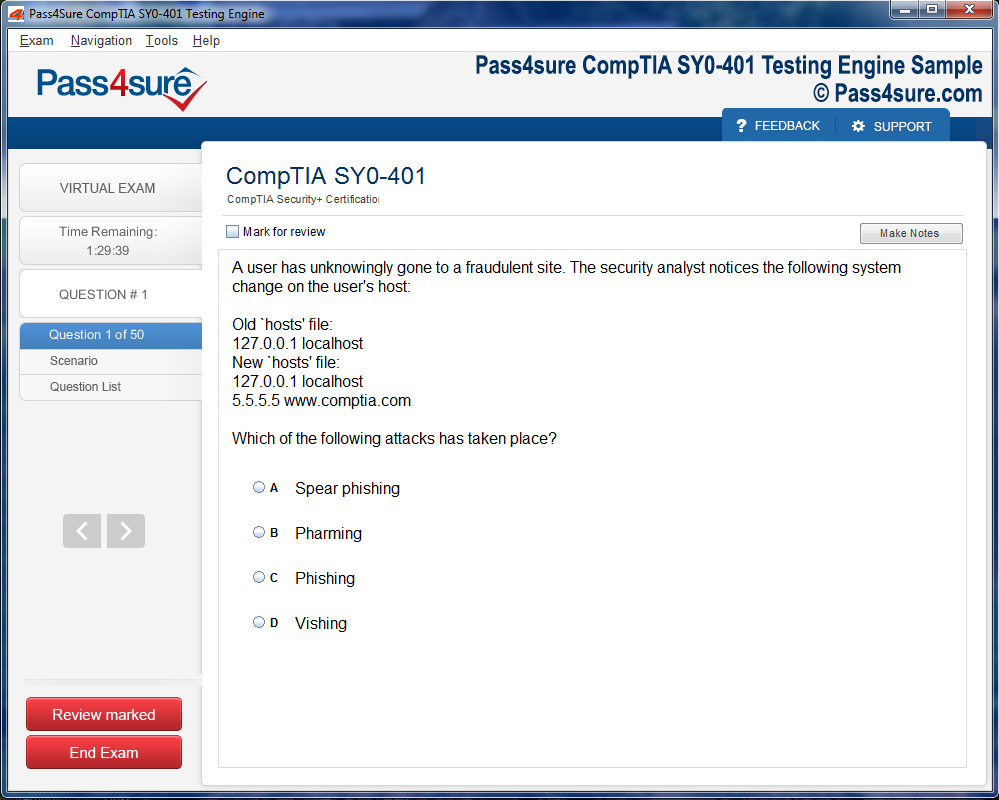
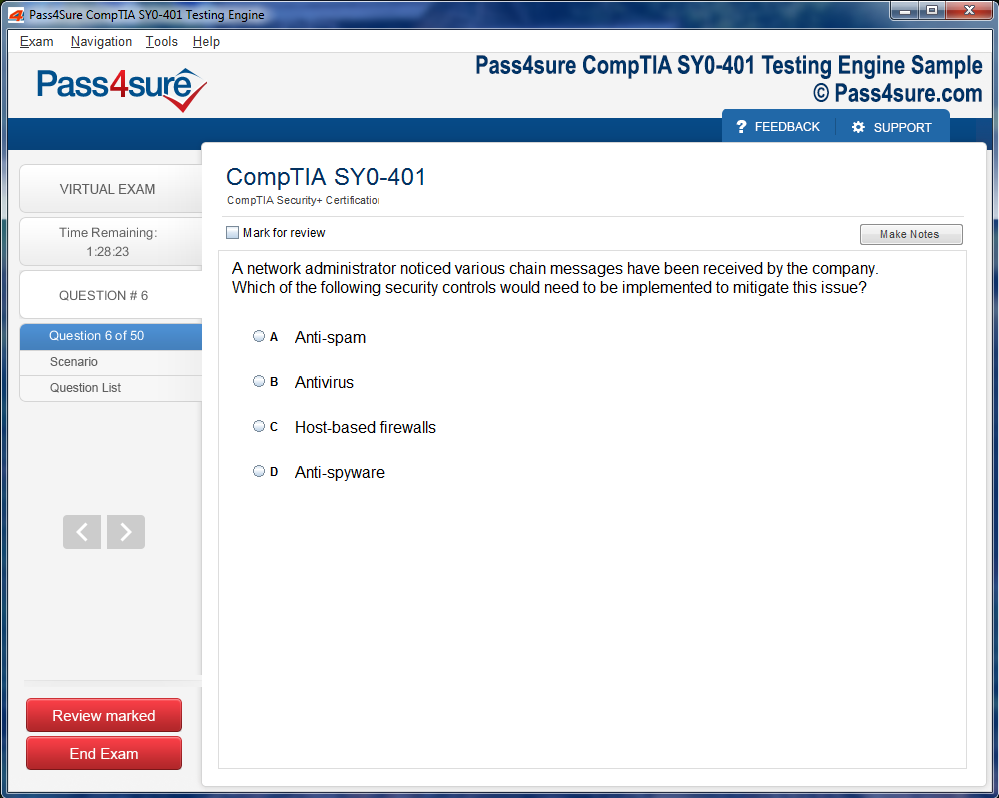
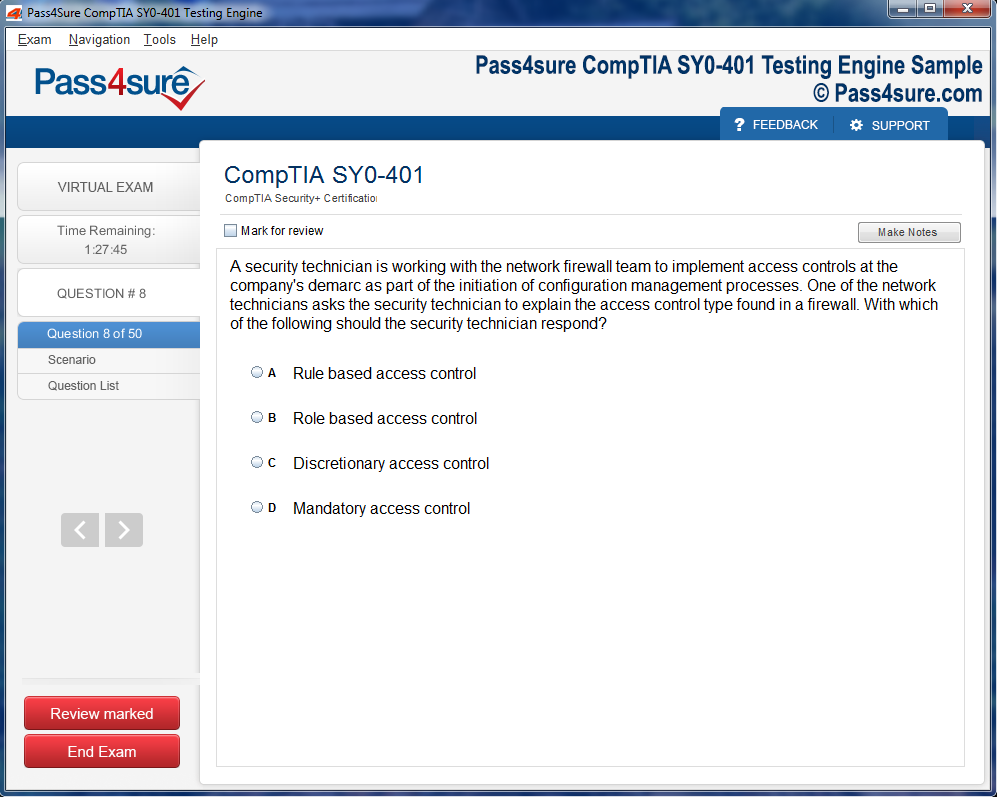
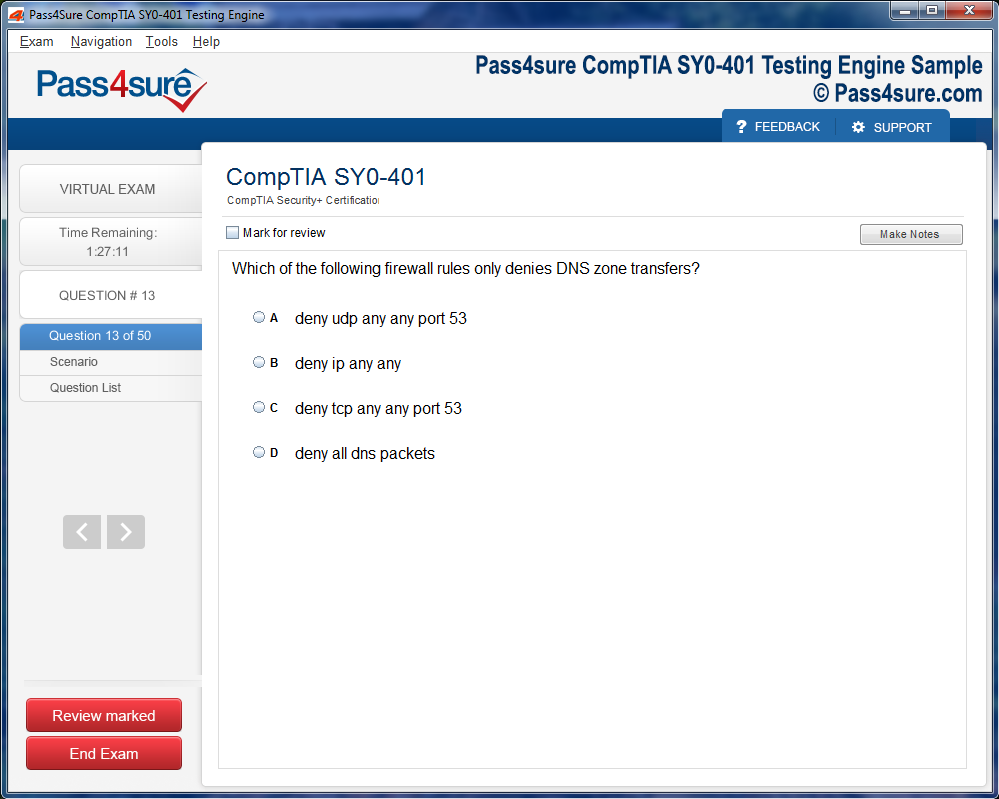
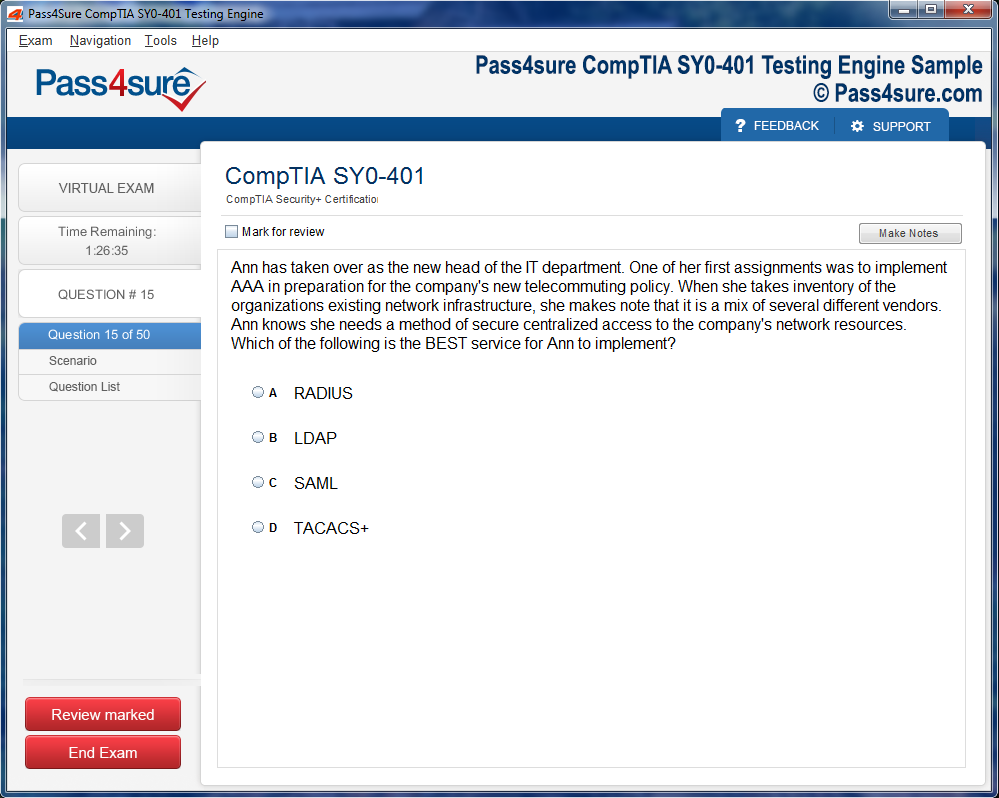
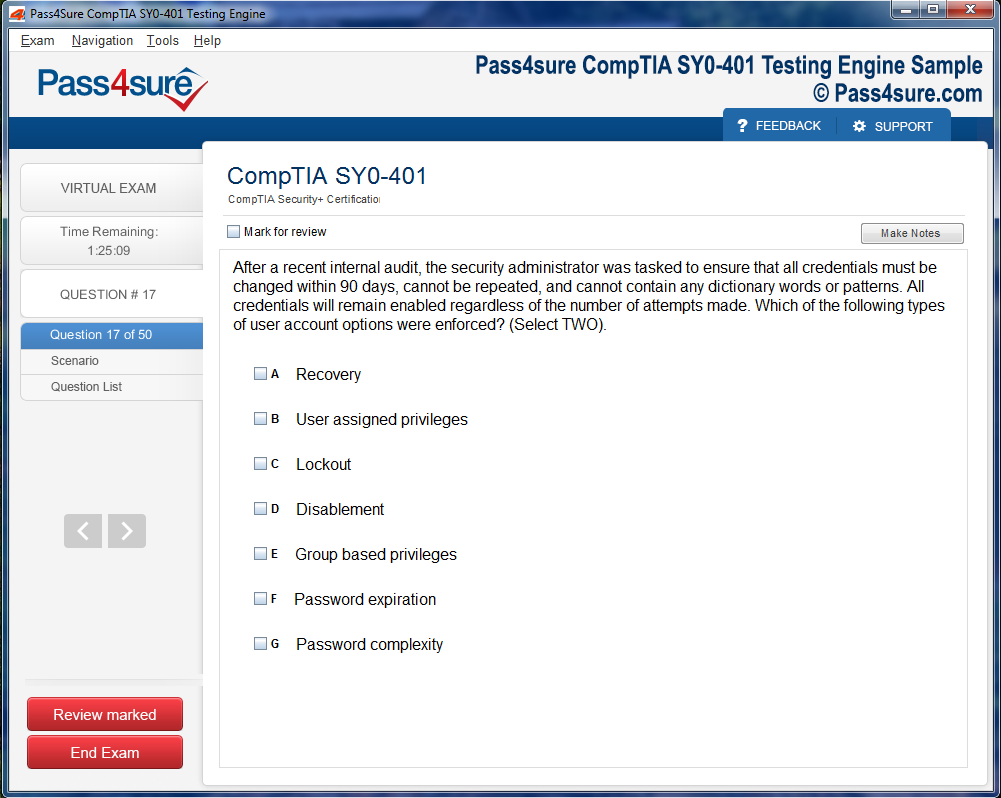
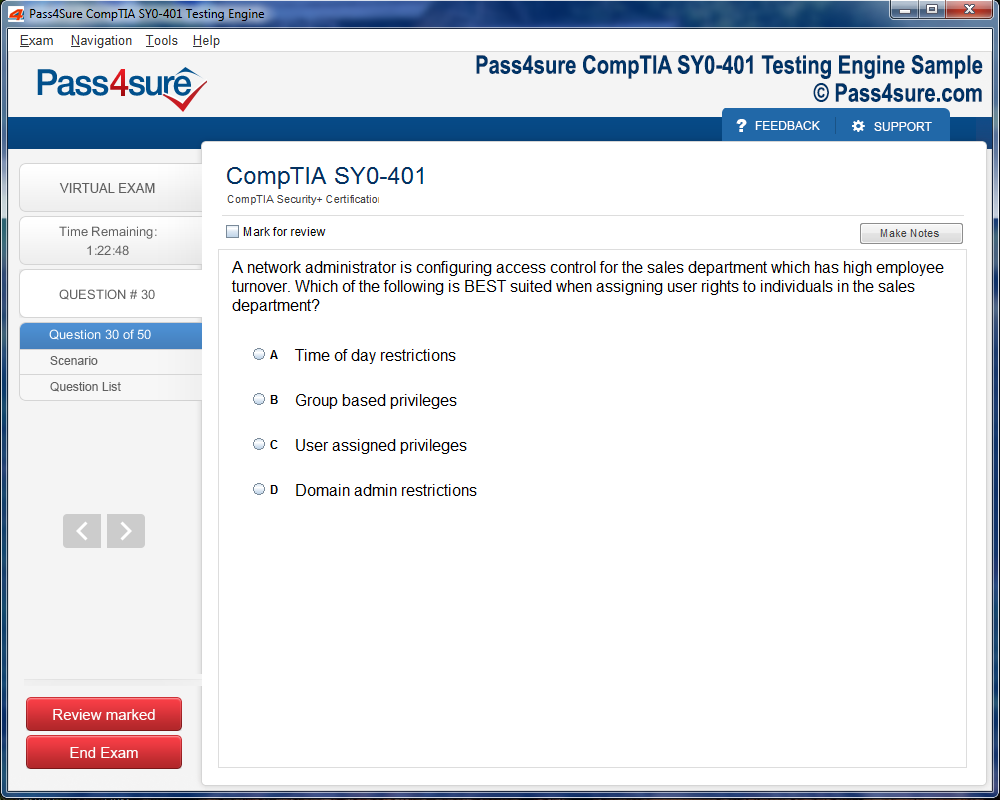
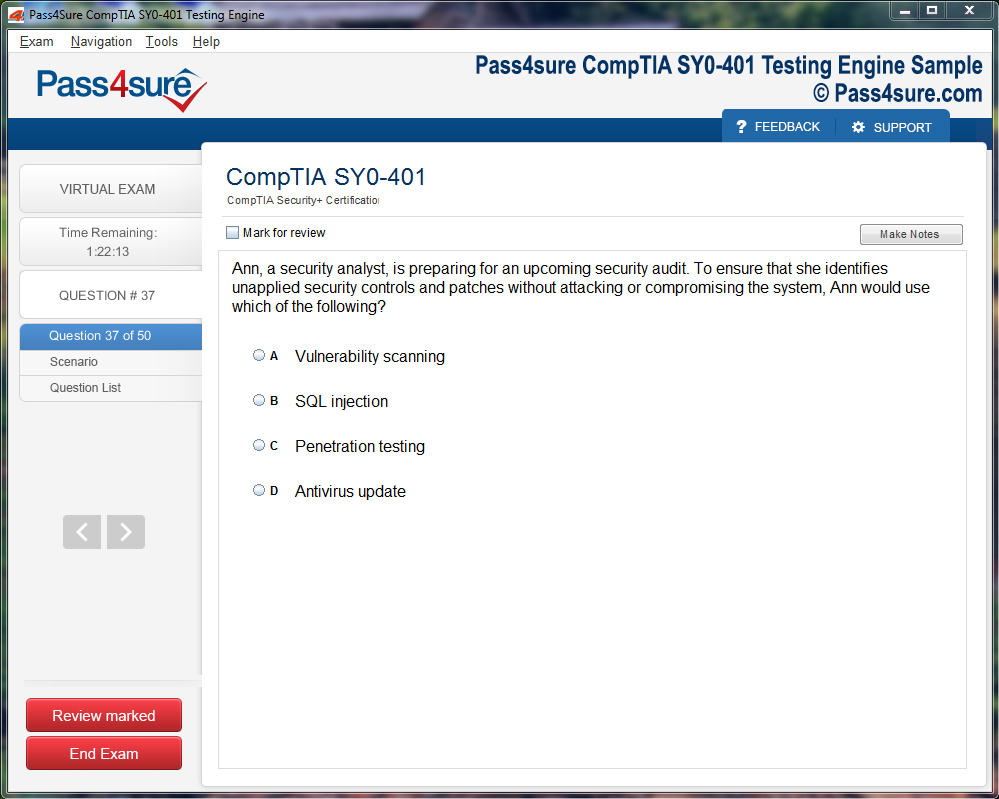
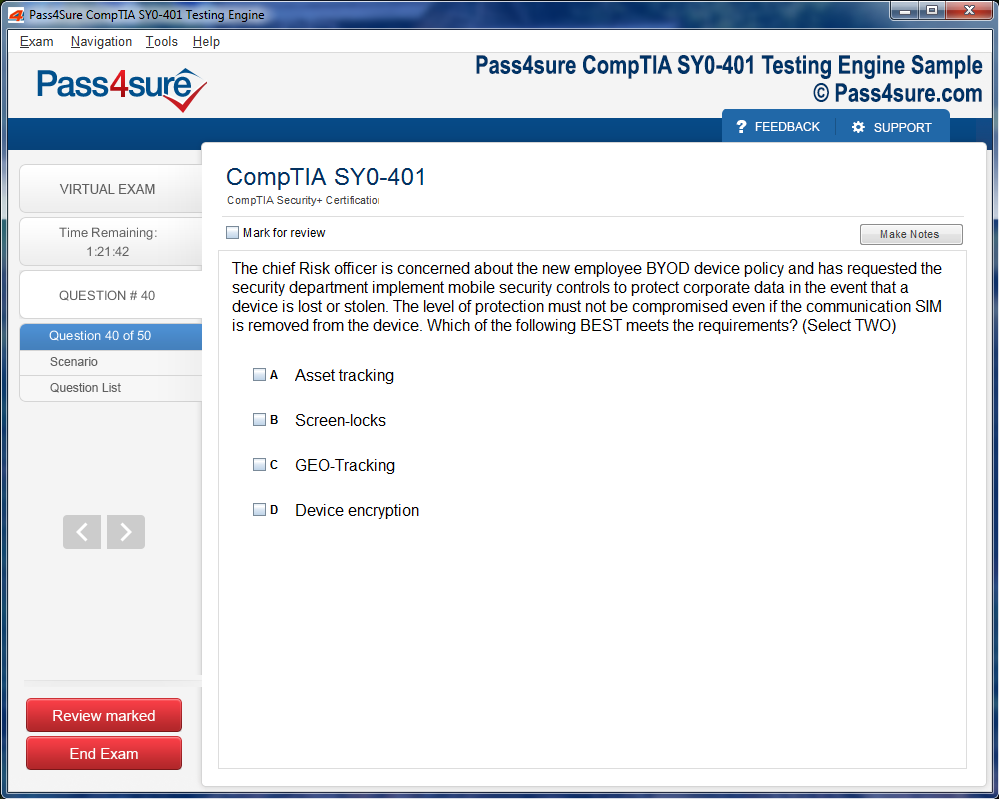
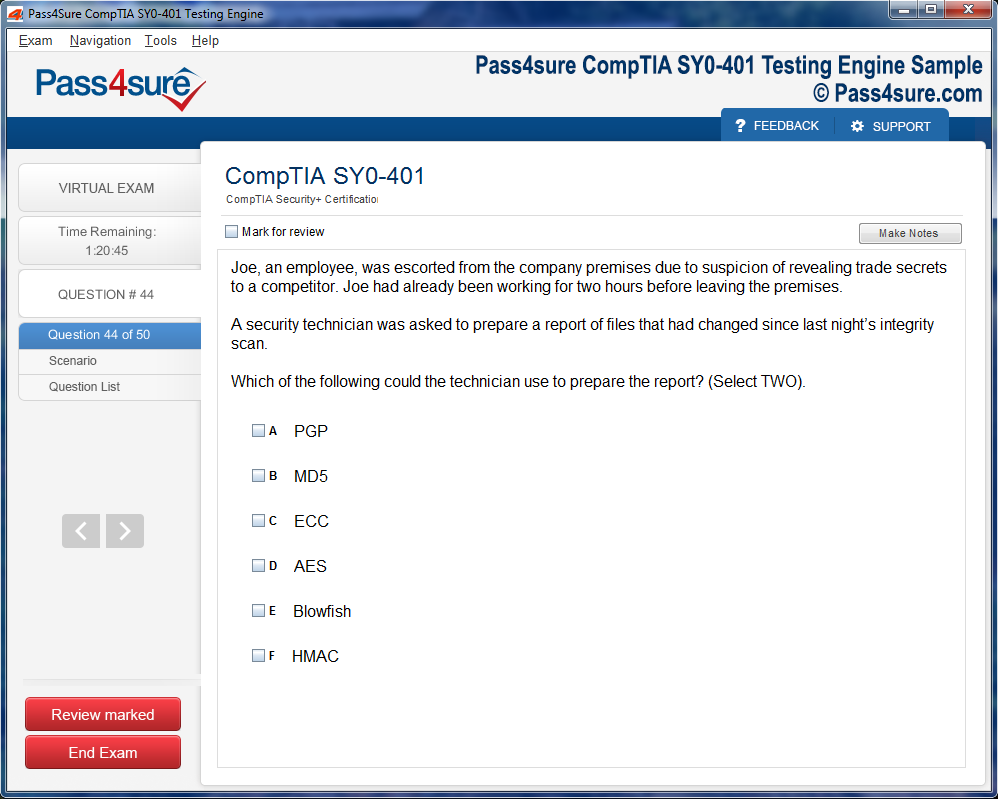
Product Screenshots
Frequently Asked Questions
How does your testing engine works?
Once download and installed on your PC, you can practise test questions, review your questions & answers using two different options 'practice exam' and 'virtual exam'. Virtual Exam - test yourself with exam questions with a time limit, as if you are taking exams in the Prometric or VUE testing centre. Practice exam - review exam questions one by one, see correct answers and explanations.
How can I get the products after purchase?
All products are available for download immediately from your Member's Area. Once you have made the payment, you will be transferred to Member's Area where you can login and download the products you have purchased to your computer.
How long can I use my product? Will it be valid forever?
Pass4sure products have a validity of 90 days from the date of purchase. This means that any updates to the products, including but not limited to new questions, or updates and changes by our editing team, will be automatically downloaded on to computer to make sure that you get latest exam prep materials during those 90 days.
Can I renew my product if when it's expired?
Yes, when the 90 days of your product validity are over, you have the option of renewing your expired products with a 30% discount. This can be done in your Member's Area.
Please note that you will not be able to use the product after it has expired if you don't renew it.
How often are the questions updated?
We always try to provide the latest pool of questions, Updates in the questions depend on the changes in actual pool of questions by different vendors. As soon as we know about the change in the exam question pool we try our best to update the products as fast as possible.
How many computers I can download Pass4sure software on?
You can download the Pass4sure products on the maximum number of 2 (two) computers or devices. If you need to use the software on more than two machines, you can purchase this option separately. Please email sales@pass4sure.com if you need to use more than 5 (five) computers.
What are the system requirements?
Minimum System Requirements:
- Windows XP or newer operating system
- Java Version 8 or newer
- 1+ GHz processor
- 1 GB Ram
- 50 MB available hard disk typically (products may vary)
What operating systems are supported by your Testing Engine software?
Our testing engine is supported by Windows. Andriod and IOS software is currently under development.
How 250-513 Certification Can Elevate Your IT Career
Acquiring technical knowledge is only the first step in a professional’s journey. The true value lies in converting that knowledge into strategic advantage within an organization. IT professionals with the 250-513 certification are uniquely positioned to bridge the divide between technical operations and business objectives. Their ability to interpret complex system architectures and align them with organizational goals transforms routine technical execution into strategic outcomes. Employers recognize this as an essential trait because it reduces risk, enhances efficiency, and drives innovation simultaneously.
Through this certification, professionals cultivate the skill of contextual thinking. Each system, network, or application is no longer seen as an isolated tool but as a vital component of a larger ecosystem. Understanding these interconnections enables certified individuals to make informed decisions that optimize performance across departments. Projects that might have taken longer or encountered setbacks can now be executed with precision and foresight, illustrating the profound impact that mastery of technical concepts can have on operational success.
Moreover, the strategic advantage extends beyond immediate problem-solving. It manifests in the capacity to anticipate challenges, design resilient systems, and implement solutions that scale with evolving business needs. In this way, IT professionals are not merely technicians but architects of enterprise resilience. Their input influences procurement decisions, infrastructure planning, and long-term technology roadmaps. Organizations increasingly value this holistic approach, viewing it as an indispensable asset that drives competitiveness and sustainability in a technology-driven market.
Navigating Complex Systems with Confidence
In the modern IT landscape, complexity is a constant companion. Systems are layered, networks are interdependent, and data flows across platforms in ways that require meticulous oversight. The 250-513 certification equips professionals with the tools to navigate this complexity with confidence. Rather than feeling overwhelmed by intricate configurations or interwoven protocols, certified individuals develop a methodical approach that prioritizes clarity, accuracy, and efficiency.
This confidence is built through rigorous preparation, which emphasizes both depth and breadth of knowledge. Candidates are encouraged to explore not only technical functions but also their underlying principles. Understanding why a system behaves in a certain way or how network traffic interacts with application performance provides a foundation for more advanced problem-solving. As a result, certified professionals can troubleshoot effectively under pressure, reducing downtime and maintaining operational continuity.
The ability to manage complex systems also enhances collaboration. Teams rely on individuals who can articulate technical challenges in clear terms, propose practical solutions, and implement changes without disrupting workflows. Certified professionals often become anchors within their teams, offering guidance, training, and mentorship. Their presence reduces uncertainty and promotes a culture of competence and reliability, qualities that are indispensable in high-stakes IT environments.
Elevating Problem-Solving Through Analytical Mastery
Analytical skills are the cornerstone of effective IT practice. The 250-513 certification emphasizes the development of these skills, fostering a mindset that is both methodical and innovative. Professionals learn to deconstruct intricate problems into manageable components, identify causal relationships, and design solutions that address underlying issues rather than superficial symptoms. This level of analysis ensures that interventions are sustainable and impactful.
Beyond technical troubleshooting, analytical mastery influences decision-making at higher levels. Professionals who possess these skills contribute to policy design, workflow optimization, and strategic planning. Their ability to forecast potential risks and outcomes enables organizations to take proactive measures, rather than merely reacting to crises. In doing so, they become integral to the decision-making process, enhancing both operational effectiveness and organizational resilience.
The cultivation of analytical thinking also promotes creativity. By exploring multiple pathways to solve a single problem, professionals develop adaptive approaches that are flexible and responsive to evolving conditions. This combination of precision and creativity distinguishes certified IT experts as problem-solvers who can deliver innovative solutions even in unpredictable environments, reinforcing their value to any organization.
Expanding Horizons Through Career Versatility
One of the most compelling aspects of the 250-513 certification is the career versatility it affords. IT professionals are not confined to a single role or function; instead, they gain access to a spectrum of opportunities across various disciplines. Systems engineering, network administration, cybersecurity, cloud architecture, and data analytics are just a few areas where certified individuals can excel. Each path leverages the foundational skills honed during the certification process, while also demanding specialized knowledge that further expands professional capabilities.
Career versatility enhances resilience in an ever-changing job market. Professionals who can pivot between roles, adapt to emerging technologies, and integrate new methodologies are less vulnerable to obsolescence. They remain relevant and valuable, capable of contributing meaningfully to multiple aspects of an organization. This adaptability also encourages lifelong learning, as professionals continuously update their skills to align with industry trends and technological advancements.
In practical terms, career versatility opens doors to leadership opportunities. Individuals who understand multiple facets of IT are better equipped to oversee cross-functional projects, coordinate diverse teams, and implement strategies that drive efficiency and innovation. Their comprehensive perspective allows them to see the bigger picture while managing the minute details, making them invaluable contributors to organizational growth.
Cultivating a Global Network of Professionals
The benefits of certification extend beyond individual competence to the broader professional community. Earning the 250-513 credential integrates individuals into a global network of peers, mentors, and thought leaders. Engaging with this network provides opportunities for collaboration, knowledge sharing, and exposure to diverse problem-solving approaches that may not be available within a single organization or region.
Networking in this context is not merely social; it is a conduit for intellectual growth and professional development. Professionals exchange insights about best practices, emerging technologies, and innovative strategies. They may collaborate on projects, participate in workshops, or contribute to forums that shape the future of the industry. This exposure to a wide spectrum of expertise accelerates learning and fosters a culture of excellence that transcends geographic boundaries.
Additionally, a strong professional network enhances career mobility. Opportunities for new roles, partnerships, or projects often arise through connections made within this community. Mentorship relationships provide guidance, support, and access to experiences that might otherwise take years to acquire. Certified professionals become part of a dynamic ecosystem where knowledge is continuously refreshed and innovation is actively pursued.
Building Resilience and Leadership Presence
Certification impacts more than technical and professional capabilities; it also strengthens personal resilience and leadership presence. The rigorous preparation process demands discipline, perseverance, and the ability to manage complex workloads. Professionals who achieve this milestone demonstrate a capacity to embrace challenges, learn from setbacks, and sustain focus under pressure. These qualities are transferable to leadership roles, where decision-making, team coordination, and strategic planning require composure and clarity.
Leadership presence is further enhanced by the confidence gained through certification. Individuals who master advanced technical concepts project authority and credibility, enabling them to influence peers, guide projects, and advocate for innovative solutions. Their ability to communicate complex ideas in accessible terms bridges gaps between technical teams and executive stakeholders, fostering trust and collaboration.
Resilience also manifests in adaptability. Certified professionals can navigate disruptions, whether technological, operational, or organizational, with agility. They are adept at assessing risks, recalibrating strategies, and ensuring continuity in the face of uncertainty. This combination of resilience and leadership presence not only elevates individual performance but also strengthens the broader organization, creating a culture of reliability, innovation, and strategic foresight.
Understanding the Foundations of 250-513 Certification
The 250-513 certification stands as a milestone in the professional journey of IT experts, representing more than a credential—it embodies mastery over intricate technological concepts that are essential in modern IT landscapes. At its core, the certification focuses on equipping individuals with a comprehensive grasp of systems integration, network architecture, and troubleshooting strategies. The preparation process itself is rigorous, designed to instill not only theoretical knowledge but practical problem-solving abilities that directly translate into workplace proficiency. IT professionals who undertake this certification learn to dissect complex systems, recognize interdependencies, and anticipate challenges before they manifest, creating a foundation that transforms abstract concepts into actionable intelligence.
The emphasis on real-world application differentiates this certification from others in the IT sphere. Rather than limiting candidates to memorizing terminologies or isolated procedures, the program immerses them in scenarios that mirror professional environments. This approach ensures that each concept learned can be immediately applied, whether in network maintenance, server management, or cybersecurity monitoring. By bridging theoretical frameworks with practical execution, certified professionals cultivate a mindset that balances analytical reasoning with operational efficiency. This foundation becomes indispensable as IT infrastructures grow increasingly complex, requiring professionals to possess not only knowledge but the agility to apply it judiciously.
Moreover, the foundational modules of the 250-513 certification foster a holistic perspective of IT ecosystems. Professionals are trained to view systems not as individual entities but as interconnected components, each influencing the overall performance and security posture of an organization. This systems-oriented approach cultivates foresight, enabling professionals to identify potential bottlenecks, optimize resource allocation, and implement preventive measures before issues escalate. The early stages of training emphasize understanding relationships between hardware, software, networks, and users, creating a nuanced appreciation for the dynamics that govern technological environments.
In addition, the certification nurtures an analytical mindset that goes beyond technical mechanics. Candidates are encouraged to critically assess processes, question assumptions, and develop solutions that prioritize both efficiency and resilience. This analytical orientation becomes a cornerstone of their professional identity, shaping the way they approach challenges and interact with colleagues. As organizations increasingly rely on technology for critical operations, the ability to combine technical acumen with strategic thinking positions certified professionals as invaluable assets, capable of translating complex technical requirements into actionable business outcomes.
System Integration and Network Optimization Skills
The practical training embedded within the 250-513 certification hones a professional's ability to manage, integrate, and optimize complex IT systems. Network optimization emerges as one of the most tangible benefits, as candidates develop an intuitive understanding of how interconnected devices, servers, and applications function cohesively. Through scenario-based exercises, they gain insight into identifying inefficiencies, eliminating redundancies, and streamlining operations to maximize performance. This capability ensures that enterprises can maintain high uptime, reduce latency, and enhance overall system reliability.
System integration extends beyond simply connecting disparate technologies. Certified professionals learn to implement solutions that align with organizational objectives, ensuring that software, hardware, and network components operate seamlessly. The training emphasizes best practices for compatibility, configuration, and performance tuning, empowering individuals to create resilient infrastructures capable of supporting evolving business needs. By mastering integration, IT professionals become capable of designing environments that are both scalable and maintainable, reducing long-term operational challenges.
An additional advantage of expertise in system integration lies in disaster preparedness and recovery planning. Certified individuals can anticipate potential failure points, design redundancies, and establish backup protocols that protect organizational assets. This proactive approach minimizes downtime during critical incidents and ensures continuity of operations. The combination of integration skills and foresight fosters a professional identity centered around reliability, precision, and problem-solving excellence, traits highly valued across IT teams and leadership structures.
Moreover, the ability to optimize networks and systems enhances not only technical outcomes but also user experience. Certified professionals understand the importance of smooth connectivity, low latency, and efficient data flow. By anticipating and mitigating potential disruptions, they create environments where users can operate without hindrance. This dual focus on technical proficiency and user-centric thinking reinforces the tangible value of the 250-513 certification, bridging the gap between operational efficiency and business success.
Advanced Security and Compliance Understanding
Cybersecurity and compliance represent critical arenas where the 250-513 certification equips professionals with distinctive advantages. In a climate of increasingly sophisticated threats, organizations demand IT experts who can implement robust security measures without compromising operational efficiency. Through structured learning and hands-on exercises, certified candidates acquire a comprehensive understanding of security protocols, network defenses, and risk management strategies. They become adept at identifying vulnerabilities, evaluating threat landscapes, and devising mitigation techniques that protect organizational assets.
Security training within the certification emphasizes a balance between accessibility and protection. Professionals are encouraged to design frameworks that safeguard critical data while ensuring seamless operational flow. This nuanced understanding of security architecture fosters an ability to anticipate potential breaches, implement preventive measures, and respond decisively when incidents occur. As cyber threats evolve, certified professionals maintain a strategic posture, adapting policies and practices to emerging challenges with confidence and accuracy.
Compliance is another dimension where the certification demonstrates its practical relevance. Professionals gain familiarity with regulatory frameworks, internal policies, and industry standards that govern secure technology usage. By integrating compliance considerations into daily operations, they ensure that organizational practices align with legal and ethical requirements. This dual focus on security and compliance enhances professional credibility, positions individuals as trusted advisors, and reinforces the integrity of IT operations across diverse business contexts.
The broader impact of this expertise is evident in organizational culture. Certified professionals often become champions of security awareness, guiding colleagues in understanding potential risks and fostering responsible practices. Their ability to translate complex security concepts into understandable terms promotes a culture of vigilance and accountability. This integration of technical knowledge with communication skills amplifies the practical value of the certification, ensuring that its benefits resonate across both technological and human dimensions.
Project Management and Strategic Execution
The 250-513 certification extends its influence beyond technical proficiency, cultivating capabilities in project management and strategic execution. Certified professionals are trained to navigate projects that involve multifaceted systems, cross-functional teams, and diverse objectives. The curriculum emphasizes planning, resource allocation, risk assessment, and timely delivery, equipping candidates with the skills necessary to transform strategic visions into tangible outcomes. By blending technical knowledge with organizational insight, professionals can oversee projects that achieve both operational efficiency and business impact.
Strategic thinking forms a core component of this training. Professionals learn to anticipate challenges, evaluate alternative solutions, and prioritize actions that optimize results. Their decision-making processes become informed by both data-driven analysis and practical experience, fostering a capacity to respond intelligently to complex scenarios. This competence enhances leadership potential, enabling individuals to assume roles that influence project trajectories, team dynamics, and organizational success.
Collaboration emerges as a complementary skill, as certified professionals navigate stakeholder expectations, align diverse objectives, and maintain clear communication channels. The certification encourages effective articulation of technical concepts in a manner accessible to non-technical audiences, ensuring that decision-makers have the insights needed to guide projects confidently. This capacity to bridge technical and managerial perspectives strengthens both team cohesion and project outcomes, reinforcing the holistic value of the certification.
Additionally, certified individuals are adept at monitoring project progress, evaluating performance metrics, and implementing corrective actions when necessary. Their attention to detail and commitment to quality ensure that projects are executed efficiently, with minimal disruption to organizational operations. By integrating strategic thinking, collaboration, and technical execution, the certification empowers professionals to drive meaningful impact that extends far beyond immediate technical responsibilities.
Enhancing Communication and Collaborative Dynamics
Effective communication and collaboration are critical competencies reinforced by the 250-513 certification. While technical expertise forms the foundation of professional development, the ability to convey complex ideas clearly is equally essential. Certified professionals acquire skills that allow them to present technical concepts in accessible language, facilitating understanding among diverse audiences. This capability enhances interactions with colleagues, managers, and clients, fostering environments where informed decisions can be made swiftly and accurately.
Collaboration extends beyond verbal communication to include active participation in problem-solving and project implementation. Certified individuals learn to coordinate with teams, manage expectations, and integrate feedback into practical solutions. This cooperative mindset ensures that multiple perspectives are considered, promoting more comprehensive and resilient outcomes. By nurturing both interpersonal and technical skills, the certification cultivates professionals who are not only competent but also approachable and effective contributors to team success.
The certification also encourages the development of mentorship and leadership abilities. Experienced certified professionals often serve as guides for junior team members, sharing insights, best practices, and strategic approaches. This dynamic strengthens organizational knowledge, improves team performance, and fosters a culture of continuous learning. By embedding communication and collaboration into technical training, the certification ensures that professionals are prepared to excel in multifaceted environments where synergy and coordination are paramount.
Adaptability and Response to Technological Change
In the ever-evolving landscape of information technology, adaptability is a defining trait of successful professionals. The 250-513 certification instills a mindset attuned to change, equipping candidates with the skills to navigate emerging technologies, shifting requirements, and unforeseen challenges. This adaptability enables professionals to integrate new solutions, optimize existing systems, and respond effectively to critical incidents without disruption to organizational operations.
The certification emphasizes hands-on experience with dynamic scenarios, ensuring that candidates develop confidence in troubleshooting unfamiliar issues and implementing novel solutions. Professionals learn to analyze situations quickly, assess potential impacts, and execute informed strategies with precision. This proactive orientation toward change transforms challenges into opportunities for innovation, reinforcing both individual competence and organizational resilience.
Adaptable professionals also contribute significantly to long-term strategic goals. Their ability to anticipate trends, embrace new tools, and guide teams through transitions positions them as influential contributors to growth and innovation. By combining technical proficiency with cognitive flexibility, certified individuals embody a professional paradigm that thrives amidst uncertainty, fostering stability and progress even in rapidly shifting technological environments.
Career Advancement and Professional Recognition
The practical applications of the 250-513 certification extend to career growth and industry recognition. Certified professionals often experience enhanced job mobility, increased earning potential, and greater access to leadership opportunities. The credential signals both technical mastery and the ability to apply knowledge strategically, qualities highly valued by employers seeking reliable, skilled, and adaptable IT personnel.
Recognition is not limited to organizational settings; industry peers also regard certified individuals as thought leaders and problem solvers. The combination of technical expertise, project management capability, and effective communication fosters professional respect, creating pathways for mentorship, collaboration, and networking. These relationships amplify career prospects, opening doors to roles that require both technical and strategic insight.
Moreover, the certification encourages continuous professional development. Certified professionals are often motivated to explore emerging technologies, pursue advanced certifications, and engage in knowledge-sharing initiatives. This commitment to lifelong learning reinforces the value of the 250-513 credential, ensuring that its holders remain at the forefront of technological innovation, capable of contributing meaningfully to their organizations and the broader IT community.
Understanding the Power of Professional Certifications in IT
Professional certifications in information technology are more than mere credentials; they are markers of dedication, skill, and strategic foresight. In an industry defined by rapid technological evolution, possessing a recognized certification demonstrates a commitment to excellence and an ability to navigate complex systems with precision. Unlike informal learning, certifications offer structured, comprehensive training that equips professionals with both theoretical understanding and practical application. They signal to employers that an individual has invested time and effort to achieve measurable competence, bridging the gap between knowledge and actionable expertise.
The landscape of IT is vast, encompassing areas as diverse as network architecture, cloud computing, cybersecurity, and systems administration. In such a landscape, certifications provide a navigational compass, guiding professionals toward specialization and mastery. By focusing on a defined set of competencies, certifications help streamline career paths, offering clarity and direction in a field that can otherwise feel overwhelming. More than a piece of paper, they serve as proof of a professional’s ability to operate effectively in high-stakes, technically demanding environments, giving them an edge over peers and reinforcing their value within organizations.
Certifications also cultivate a disciplined approach to learning and problem-solving. The preparation process encourages individuals to engage deeply with content, practice hands-on scenarios, and develop critical thinking skills that translate into workplace effectiveness. These qualities extend beyond immediate job functions, enhancing adaptability, analytical reasoning, and decision-making capabilities. Employers recognize this readiness, often prioritizing certified professionals for challenging roles where precision, reliability, and strategic insight are paramount.
Elevating Credibility and Marketability
The impact of a professional certification extends directly to credibility. In the competitive IT sector, certifications serve as a visible marker of competence and reliability. Hiring managers and decision-makers interpret these credentials as evidence of technical proficiency, structured learning, and a commitment to ongoing professional development. Unlike experience alone, certifications provide an objective measure of skills, reducing uncertainty and increasing trust in a professional’s ability to perform.
Marketability is another facet elevated by certifications. Certified individuals often enjoy enhanced visibility in recruitment processes and are considered for high-value roles earlier in their careers. This effect is particularly pronounced for certifications that are rare or highly specialized, as they denote expertise that is in short supply. Organizations seeking talent in critical areas such as network design, cloud architecture, or systems security are naturally drawn to professionals who carry these formal endorsements, making certification a strategic differentiator in competitive job markets.
The benefits of credibility and marketability are interlinked. Professionals who combine recognized certifications with practical experience create a compelling profile that stands out to employers and colleagues alike. This combination often translates into opportunities for advancement, access to specialized projects, and invitations to join strategic initiatives that expand both influence and professional impact.
Exploring Specialized IT Domains
The IT industry thrives on specialization, and professional certifications often serve as gateways to advanced domains. While foundational knowledge in computing is important, expertise in niche areas is what distinguishes professionals in a crowded market. Certifications allow individuals to delve into specific disciplines, whether enterprise network design, advanced systems security, or cloud infrastructure, providing a structured path to mastery.
Specialization brings multiple advantages. First, it allows professionals to command higher compensation, as expertise in critical areas is highly valued. Second, it fosters job security, as individuals with specialized skills are indispensable in organizations managing complex IT ecosystems. Third, it expands career flexibility, enabling professionals to transition between roles, industries, and even geographies with greater ease. The focus on advanced domains also ensures that learning remains dynamic, equipping individuals with knowledge that is not only current but also anticipatory of future technological trends.
The preparation process for certification emphasizes both theory and practice. Professionals engage with concepts in depth, gaining the analytical frameworks necessary to solve intricate problems. Simultaneously, hands-on exercises build confidence in applying skills to real-world scenarios, bridging the gap between knowledge and practical application. This dual approach ensures that certified individuals are not only knowledgeable but also operationally effective, capable of thriving in demanding and technically sophisticated roles.
Building Networks and Mentorship Pathways
Professional certifications offer more than knowledge—they provide access to networks and mentorship opportunities that can accelerate career growth. Many certification programs foster communities of practice, connecting individuals with peers, industry experts, and thought leaders. These networks become invaluable resources, providing insights into emerging technologies, industry trends, and strategic practices that might otherwise remain inaccessible.
Mentorship within these networks enhances career trajectories. Experienced professionals can offer guidance on navigating complex organizational dynamics, tackling challenging projects, and identifying opportunities for growth. The shared knowledge from peers and mentors creates a support system that extends beyond technical learning, encompassing professional development, leadership skills, and strategic thinking.
Networking also contributes to visibility. Participation in professional communities, conferences, and collaborative projects enables individuals to showcase their expertise and establish a reputation as thought leaders in their domain. These connections often lead to opportunities that are not advertised publicly, such as project leadership, consulting roles, or specialized assignments that accelerate career progression.
Enhancing Confidence and Decision-Making
One of the less tangible but highly impactful benefits of certification lies in the development of confidence and decision-making skills. Professionals equipped with comprehensive knowledge and practical skills are better positioned to assess complex situations, evaluate alternatives, and recommend solutions with clarity and conviction. This confidence translates into action, enabling individuals to influence outcomes, lead teams, and navigate high-pressure scenarios effectively.
Decision-making becomes sharper when backed by a foundation of structured knowledge. Certified professionals approach challenges methodically, combining analytical thinking with practical insight. This capacity to make informed, confident choices is particularly valuable in IT, where errors can have far-reaching consequences, and success often depends on rapid, precise responses to evolving circumstances.
Confidence also enhances leadership potential. Supervisors and colleagues recognize individuals who demonstrate both expertise and assurance in their decisions, often entrusting them with responsibilities that require initiative, strategic oversight, and problem-solving. Over time, this visibility fosters a cycle of growth, where confidence drives action, action drives results, and results reinforce professional credibility and influence.
Cultivating Adaptability in a Dynamic Environment
The pace of change in IT is relentless, making adaptability a critical trait for long-term career success. Certification programs cultivate a mindset of continuous learning, encouraging professionals to embrace innovation, update their skills, and respond effectively to emerging technologies. This adaptability ensures that professionals remain relevant even as systems, protocols, and tools evolve rapidly.
Adaptable professionals are highly valued by organizations navigating digital transformation, cybersecurity challenges, and cloud migration initiatives. They are able to pivot seamlessly, adopt new methodologies, and integrate novel solutions into existing systems without disruption. This resilience not only secures career longevity but also positions individuals as indispensable contributors capable of driving innovation and transformation.
Furthermore, adaptability fosters a culture of exploration and experimentation. Certified professionals are often more willing to tackle new challenges, test innovative approaches, and contribute to strategic initiatives that push organizational boundaries. This proactive mindset reinforces their role as leaders in technological advancement, enhancing both personal growth and enterprise success.
Maximizing Career Trajectory with Certification
Investing in professional certification is a strategic move that amplifies career trajectory. The benefits extend beyond immediate recognition, encompassing enhanced credibility, marketability, access to specialized domains, networking opportunities, confidence, and adaptability. Together, these advantages create a foundation for sustained growth, positioning professionals to seize opportunities that might otherwise remain inaccessible.
Certified individuals often find themselves on accelerated career paths. They are considered for promotions earlier, invited to participate in high-impact projects, and entrusted with responsibilities that influence organizational outcomes. The certification serves as a signal of readiness, competence, and ambition, differentiating individuals in competitive job markets and within their organizations.
The long-term impact of certification is evident in professional influence and strategic contribution. Individuals equipped with knowledge, networks, and confidence become key drivers of initiatives that shape technological strategy, improve operational efficiency, and enhance organizational resilience. By leveraging the skills and recognition gained through certification, professionals can navigate complex career landscapes with purpose, clarity, and sustained momentum.
The Enduring Significance of 250-513 Certification in IT
The 250-513 certification represents more than a milestone in a professional’s career; it embodies a commitment to mastery and enduring relevance in an ever-shifting technological landscape. Professionals who earn this credential often witness a transformation not only in their technical capabilities but also in their cognitive approach to challenges. The preparation process demands meticulous study, hands-on practice, and the integration of abstract concepts into tangible solutions. These experiences cultivate a nuanced understanding of IT systems, creating a foundation that remains valuable long after initial certification. Over time, this enduring significance translates into heightened adaptability, career resilience, and sustained employability in a field defined by innovation and perpetual change.
The certification’s importance is not merely transactional but profoundly developmental. Unlike temporary achievements, it fosters intellectual rigor and methodological thinking. By engaging with complex scenarios during preparation, professionals internalize strategies for problem-solving, risk assessment, and system optimization. These strategies become deeply ingrained cognitive tools, allowing individuals to navigate unfamiliar environments with confidence and efficacy. Consequently, the 250-513 certification functions as both a credential and a framework for ongoing professional evolution, anchoring skills that adapt to emerging technologies and shifting organizational needs.
Cultivating Expertise Through Rigorous Preparation
One of the most notable benefits of 250-513 certification is the cultivation of specialized expertise that persists across professional contexts. The preparation phase demands comprehensive mastery of systems architecture, network infrastructure, security protocols, and operational workflows. This knowledge is not superficial; it penetrates the structural logic underlying technology, enabling professionals to predict system behavior, troubleshoot complex issues, and optimize processes. Such expertise transcends immediate job requirements, providing a durable intellectual asset that enhances problem-solving and decision-making capacity in diverse scenarios.
Moreover, this expertise is iterative and accumulative. Certified professionals often discover that skills acquired for one domain—such as network optimization—can be applied to others, including cloud deployment or enterprise resource management. The interconnectivity of these competencies fosters a versatile skill set, equipping individuals to handle technological shifts without disruption. In essence, the certification instills not only specific technical knowledge but also a systemic understanding of IT operations, ensuring long-term applicability and sustained professional relevance.
Strategic Thinking and Cognitive Resilience
The long-term value of the 250-513 certification extends beyond technical skill, encompassing strategic thinking and cognitive resilience. Preparing for this credential cultivates the ability to analyze complex systems, anticipate potential failures, and design scalable solutions. Professionals trained in this manner develop a mindset that values foresight, precision, and structured problem-solving, qualities that endure throughout the span of a career. This cognitive resilience allows individuals to maintain effectiveness amid changing technological landscapes, ensuring that they can contribute meaningfully to both routine and innovative projects.
Strategic thinking also enhances adaptability, a critical factor in long-term career growth. Certified professionals can transition between roles, industries, or even emerging technological paradigms without losing efficacy. This versatility stems from the analytical skills embedded during certification, which enable individuals to deconstruct challenges, identify underlying patterns, and implement solutions with foresight. As a result, the 250-513 credential nurtures a mindset capable of navigating complexity, mitigating risk, and driving sustainable outcomes in diverse professional environments.
Leadership Potential and Professional Influence
Beyond personal competence, the 250-513 certification nurtures leadership potential and professional influence. As professionals gain mastery over technical domains, they often find themselves positioned to mentor colleagues, guide projects, and shape organizational strategy. The combination of technical insight, structured problem-solving, and communication skills acquired through certification forms a foundation for effective leadership. Individuals are not only capable of executing tasks with precision but also of inspiring collaboration, fostering innovation, and facilitating knowledge transfer across teams.
Leadership development associated with the certification is iterative, expanding as professionals encounter new challenges. Experienced certified individuals often leverage their skills to influence decision-making processes, align operational strategies with business objectives, and cultivate environments that encourage learning and experimentation. This sustained professional influence underscores the long-term value of the 250-513 credential, demonstrating that mastery of technology can serve as a catalyst for broader organizational impact and career advancement.
Expanding Professional Networks
The social dimension of certification further enhances its long-term value. Being part of a community of 250-513 certified professionals provides ongoing access to industry insights, peer mentorship, and collaborative opportunities. These networks are dynamic, reflecting the continuous evolution of technology and professional practices. Engaging with this community enables individuals to remain current with emerging trends, exchange practical knowledge, and participate in initiatives that expand both technical expertise and career horizons.
Professional networks also offer avenues for sustained collaboration and mutual growth. Relationships forged during certification preparation or through professional forums often evolve into partnerships that support innovation, knowledge sharing, and career mobility. The cumulative effect of these connections is significant, providing a reservoir of resources, mentorship, and opportunities that enhance long-term employability and professional satisfaction.
Personal Growth and Resilience
The rigorous demands of 250-513 certification contribute not only to professional competence but also to profound personal growth. The process requires discipline, focus, and perseverance, fostering traits that extend beyond technical proficiency. Professionals develop resilience in the face of complex challenges, patience when confronting intricate problems, and a problem-solving mindset that can be applied to both professional and personal contexts. These qualities cultivate a sense of confidence and self-efficacy that supports long-term career and life success.
Additionally, the personal growth derived from certification reinforces adaptability and emotional intelligence. Navigating the pressures of preparation and application enhances one’s capacity to respond constructively to uncertainty, manage stress effectively, and engage collaboratively with diverse teams. Over time, these traits contribute to a holistic professional profile, blending technical mastery with interpersonal acumen, strategic thinking, and enduring resilience.
Continuous Professional Relevance
A defining feature of the 250-513 certification is its capacity to preserve continuous professional relevance. The IT industry is characterized by rapid technological evolution, frequent paradigm shifts, and emerging standards. Professionals who hold this credential possess a framework for lifelong learning, enabling them to assimilate new technologies, adapt to changing environments, and maintain operational competence. The skills, mindset, and knowledge cultivated through certification act as a stabilizing force, ensuring that individuals remain valuable contributors regardless of the pace of industry transformation.
Furthermore, continuous professional relevance is reinforced by the cumulative benefits of expertise, strategic thinking, leadership, networking, and personal growth. These interconnected dimensions create a multifaceted advantage, allowing certified professionals to navigate technological, organizational, and personal challenges with poise and effectiveness. The long-term impact of the 250-513 certification is therefore both practical and transformative, supporting not only career longevity but also the ability to thrive amid complexity and innovation.
The Transformative Power of 250-513 Certification
In the contemporary landscape of technology, certifications serve as tangible proof of expertise and dedication. Among them, the 250-513 certification has carved a niche as a beacon for professionals aiming to elevate their careers and impact their organizations. Its significance stretches beyond a simple credential; it becomes a transformative tool that reshapes the trajectory of one’s professional life. The certification acts as a gateway, enabling individuals to transcend ordinary responsibilities and embrace roles of greater responsibility and influence.
The journey toward earning this certification is, in itself, a profound experience. Candidates immerse themselves in advanced concepts, spanning network infrastructure, system optimization, and cybersecurity. Each module cultivates a mindset tuned to analytical precision and strategic thinking. As professionals progress, they acquire not only technical proficiency but also the confidence to approach complex challenges with clarity and foresight. This dual cultivation of skill and mindset forms the foundation upon which real-world success is built.
Earning the 250-513 certification often serves as a catalyst for career acceleration. Many professionals report that it opened doors to positions previously beyond their reach. A systems engineer, for instance, might find themselves entrusted with enterprise-scale projects, while a network administrator could oversee critical infrastructure with newfound authority. These advancements are not merely titles; they represent expanded opportunities to influence decisions, shape strategies, and contribute meaningfully to organizational objectives. The certification, therefore, embodies both competence and credibility, signaling to employers a commitment to mastery and forward-thinking leadership.
Elevating Professional Credibility and Influence
Credibility in the professional realm is an invaluable asset, often determining the extent to which one’s expertise is sought and respected. The 250-513 certification enhances this credibility, positioning certified professionals as reliable authorities within their organizations. By demonstrating mastery over complex technical domains, individuals gain the trust of colleagues, supervisors, and stakeholders. This trust translates into opportunities to lead high-impact projects, guide strategic initiatives, and mentor emerging talent.
Moreover, the certification fosters influence beyond immediate responsibilities. Certified professionals often find themselves invited to contribute to cross-departmental discussions, participate in strategic planning sessions, and advise on organizational technology adoption. This expanded sphere of influence is not merely a consequence of technical knowledge; it is a reflection of the confidence, foresight, and problem-solving acumen cultivated during the certification process. As a result, professionals evolve from functional contributors into strategic partners, capable of shaping both technological direction and organizational priorities.
The tangible effects of credibility are evident in measurable outcomes. Employers notice that certified staff are more adept at anticipating challenges, mitigating risks, and implementing solutions that align with organizational objectives. These professionals are trusted to manage complex systems, oversee sensitive data, and ensure operational continuity. Their contributions often extend to areas such as cybersecurity compliance, network resilience, and resource optimization, where the stakes are exceptionally high. Through these endeavors, the 250-513 certification becomes a symbol of reliability and excellence.
Enhancing Project Outcomes Through Expertise
One of the most immediate impacts of the 250-513 certification is observed in project outcomes. Professionals equipped with this credential consistently deliver results that exceed expectations. Their training equips them to approach challenges methodically, assess risks comprehensively, and implement solutions that optimize efficiency. From reducing system downtime to enhancing security protocols, their influence permeates every layer of operational management.
The ability to anticipate potential bottlenecks and address them proactively is a defining feature of certified professionals. For instance, in network administration, these individuals are adept at identifying vulnerabilities before they escalate into critical issues. In systems engineering, they streamline processes, ensuring that infrastructure supports both current demands and future scalability. The effect is not only operational efficiency but also increased organizational confidence in technology investments. Certified professionals create a ripple effect, where the reliability of systems strengthens business continuity, client satisfaction, and overall institutional performance.
Project leadership also benefits from the strategic mindset fostered by the certification. Professionals are trained to balance technical requirements with organizational priorities, ensuring that solutions are both feasible and impactful. Their analytical skills allow them to navigate complex dependencies, allocate resources judiciously, and maintain alignment with overarching business goals. The result is a culture of proactive problem-solving and sustained operational excellence, where teams rely on certified professionals to navigate critical initiatives with precision and insight.
Confidence and Leadership in Practice
Beyond technical expertise, the 250-513 certification instills a profound sense of confidence in professionals. This confidence manifests in leadership, collaboration, and strategic engagement. Certified individuals approach meetings with assurance, present solutions with clarity, and advocate for initiatives with conviction. The ability to articulate complex ideas in accessible language bridges gaps between technical teams and executive leadership, fostering a collaborative environment that drives innovation.
Mentorship is another dimension where confidence plays a pivotal role. Certified professionals often guide less experienced colleagues, sharing knowledge, strategies, and practical insights. This mentorship not only strengthens the skillset of the broader team but also reinforces the mentor’s authority and visibility within the organization. By cultivating a culture of knowledge sharing, certified professionals become integral to both team development and organizational growth.
The influence of confidence extends into risk management and decision-making. Professionals who hold the certification approach complex scenarios with a balance of caution and initiative. They are equipped to weigh potential outcomes, implement contingency plans, and make decisions that safeguard both operational integrity and business objectives. Their judgment is informed by both theoretical knowledge and practical experience, creating a framework for leadership that is both credible and impactful.
Networking and Community Engagement
The benefits of 250-513 certification extend beyond organizational boundaries into a vibrant professional community. Engaging with peers, mentors, and industry experts fosters connections that are invaluable for career growth. This network provides access to emerging technologies, best practices, and collaborative opportunities that may not be readily available within a single workplace. The community acts as a living repository of knowledge, where shared experiences and insights accelerate both personal and professional development.
Participation in this community often leads to collaborative ventures, knowledge exchange, and exposure to innovative approaches. Certified professionals can leverage these connections to stay ahead of industry trends, anticipate technological shifts, and identify opportunities for career advancement. This interconnectedness creates a feedback loop where learning, application, and influence reinforce each other, cultivating professionals who are both adaptable and visionary.
Networking also enhances visibility and reputation. Professionals who actively engage with the certification community are recognized as thought leaders and contributors to collective advancement. Their involvement demonstrates commitment, curiosity, and a proactive approach to growth, attributes that resonate with potential employers, collaborators, and industry peers. In essence, the certification serves not only as a skill-building instrument but also as a bridge to a dynamic ecosystem of knowledge and opportunity.
Personal Transformation and Career Trajectories
The stories of individuals who have earned the 250-513 certification illuminate its transformative potential. Many professionals describe a journey from constrained roles to positions of substantial responsibility and impact. The credential empowers them to redefine what is possible, equipping them with the tools, confidence, and credibility necessary to excel in high-stakes environments. Their experiences underscore the certification’s ability to catalyze both personal and professional evolution.
Career trajectories following certification are often marked by accelerated growth, leadership opportunities, and participation in strategic projects. Certified professionals are entrusted with complex responsibilities, from leading enterprise-scale implementations to guiding organizational cybersecurity initiatives. These experiences reinforce skill application, strategic thinking, and problem-solving acumen, creating a cycle of continuous improvement and recognition.
Ultimately, the 250-513 certification embodies more than knowledge; it represents empowerment. It enables individuals to transcend limitations, navigate professional challenges with assurance, and make meaningful contributions to both technology and organizational strategy. The credential acts as a testament to dedication, proficiency, and the willingness to embrace continuous growth, shaping careers in profound and lasting ways.
Understanding the Core of 250-513 Certification
The 250-513 certification embodies a fusion of technical acumen and professional dedication, designed to elevate individuals within the intricate sphere of information technology. At its essence, the certification represents more than just a formal recognition; it is a reflection of sustained effort, strategic learning, and cognitive agility. Those who pursue this path engage in a process that cultivates analytical reasoning, problem-solving capabilities, and the ability to orchestrate complex systems with precision. This foundation provides a vantage point from which professionals can navigate multifaceted challenges in IT environments.
The journey toward certification itself is transformative. It demands immersion in network structures, cybersecurity mechanisms, and systems management techniques. Candidates learn to dissect intricate architectures, diagnose performance bottlenecks, and deploy solutions that balance efficiency with security. As knowledge deepens, so too does confidence, forming a robust platform for continuous professional development. The certification does not merely validate skills; it crystallizes the capacity for sustained technical insight, encouraging proactive engagement with the evolving landscape of IT.
Integrating Certification Skills into Daily Practice
Merely acquiring a credential is insufficient without deliberate integration into everyday tasks. The real power of the 250-513 certification lies in the application of its principles to practical scenarios. Professionals often translate conceptual understanding into tangible outcomes, whether by optimizing network throughput, reinforcing system defenses, or streamlining workflow processes. Through consistent application, learned strategies evolve into instinctive approaches that elevate efficiency and reliability within organizational operations.
Integration also fosters a reputation of competence and trustworthiness. When peers and supervisors observe the effective application of advanced skills, it builds confidence in an individual's ability to handle complex tasks. Over time, habitual excellence transforms into a form of professional capital, providing leverage for career growth. The interplay between theoretical mastery and applied proficiency is what distinguishes those who merely hold a certification from those who fully embody its value.
Expanding Professional Networks and Influence
Networking is an often-overlooked dimension of certification impact, yet it carries profound implications for career trajectory. Engagement with fellow professionals facilitates knowledge exchange, offers exposure to emerging technologies, and creates avenues for collaborative problem-solving. Forums, workshops, and professional events serve as conduits for interaction, allowing individuals to absorb diverse perspectives and develop innovative approaches to familiar challenges.
Beyond technical learning, networking enhances influence and visibility. Certified professionals who actively participate in communities cultivate a presence that attracts opportunities for mentorship, project leadership, and strategic collaboration. The relationships formed often extend beyond the immediate circle of IT specialists, providing cross-disciplinary insights that enrich decision-making and broaden professional horizons. In this way, the 250-513 certification acts as a bridge, connecting technical skill with social capital and career advancement.
Strategic Career Alignment and Advancement
Certification alone does not guarantee upward mobility; purposeful alignment with career goals is essential. Individuals who synchronize the credential with specific professional ambitions gain a measurable advantage. Whether aiming for leadership positions, specialized roles, or consultancy opportunities, the strategic application of acquired skills is a decisive factor. The certification opens doors to advanced roles in network architecture, systems engineering, and cybersecurity, but capitalizing on these pathways requires deliberate positioning and proactive engagement.
Career alignment entails selecting projects and responsibilities that reinforce the skills certified by the 250-513. Professionals who embrace challenging assignments, lead transformative initiatives, and contribute to organizational innovation accelerate both learning and recognition. Over time, this strategic approach compounds, building a portfolio of experiences that not only validates the certification but also positions individuals as indispensable assets within their professional domain.
Staying Current with Emerging Technologies
The realm of information technology is inherently dynamic, characterized by rapid innovation and evolving threats. Professionals who maintain relevance beyond initial certification demonstrate foresight and adaptability. Continuous learning, whether through advanced courses, workshops, or self-directed study, fortifies the foundation established by the 250-513 certification. By staying abreast of emerging tools, frameworks, and methodologies, individuals ensure their expertise remains applicable and impactful.
Adapting to technological evolution is not merely about knowledge accumulation; it is about cultivating an anticipatory mindset. Those who proactively engage with trends, assess potential applications, and experiment with new approaches gain a competitive edge. Organizations value professionals who can forecast changes, guide strategic decisions, and implement solutions that preempt challenges. In this context, the certification serves as both a starting point and a springboard, enabling continuous relevance and sustained professional influence.
Enhancing Personal Confidence and Leadership
Beyond technical proficiency, the 250-513 certification fosters personal growth, confidence, and leadership acumen. Certified professionals often find themselves better equipped to navigate complex projects, communicate effectively with diverse stakeholders, and mentor peers. This confidence is not superficial; it stems from the integration of knowledge, experience, and demonstrated capability, allowing individuals to act decisively under pressure.
Leadership derived from certification manifests in multiple dimensions. Professionals who apply their skills judiciously inspire trust, influence decision-making, and contribute to the broader organizational culture. The capacity to lead initiatives, provide guidance, and collaborate across teams enhances both personal satisfaction and career trajectory. Certification thus becomes a tool not only for technical mastery but also for cultivating a presence that resonates across professional environments.
Cultivating Lifelong Learning and Adaptability
Lifelong learning is the ultimate complement to any professional credential. The 250-513 certification lays the groundwork, but sustained growth depends on continuous engagement with new knowledge and experiences. Individuals who approach their careers with curiosity, resilience, and adaptability are able to leverage the certification as a springboard for long-term advancement. They seek out new challenges, refine existing skills, and expand their expertise into adjacent domains, thereby ensuring enduring professional relevancLeveraging Certification for Organizational Impact
The 250-513 certification empowers professionals to contribute meaningfully to organizational goals. Beyond individual advancement, certified individuals play a pivotal role in shaping processes, enhancing efficiency, and improving security standards. Their ability to analyze systems, identify weaknesses, and implement robust solutions translates into tangible business value. Organizations benefit not only from technical improvements but also from the strategic insight that certified professionals bring to decision-making processes.
Application of knowledge at the organizational level requires an understanding of both technology and business objectives. Certified professionals often bridge this gap, translating complex technical concepts into actionable strategies. By aligning IT initiatives with organizational priorities, they foster synergy between departments, reduce operational friction, and create a culture of proactive problem-solving. Over time, these contributions establish the certified individual as a trusted advisor and key driver of enterprise success.
Mentorship and Knowledge Sharing
An often-overlooked advantage of certification lies in the ability to mentor others. Professionals who have navigated the rigorous path of 250-513 certification are uniquely positioned to guide peers and newcomers. Mentorship enhances learning on both sides, as experienced individuals refine their communication and leadership skills while mentees gain practical insights and confidence. This cyclical exchange enriches the professional community and reinforces a culture of continuous improvement.
Knowledge sharing extends beyond one-on-one mentorship. Certified professionals often contribute to internal training programs, workshops, or collaborative projects, disseminating their expertise to larger groups. This not only accelerates organizational capability but also cultivates recognition for the individual as a thought leader. The act of teaching and guiding others strengthens mastery, as explaining concepts demands clarity, depth, and adaptability—qualities that further amplify professional influence.
Developing Analytical and Problem-Solving Excellence
The 250-513 certification emphasizes analytical rigor and problem-solving acuity. Professionals develop the ability to dissect complex challenges, evaluate multiple scenarios, and implement effective solutions. This skillset is invaluable in environments where systems are interconnected and decisions carry significant operational consequences. Over time, the habit of critical analysis becomes second nature, enabling rapid, precise, and confident decision-making.
Problem-solving extends beyond immediate technical issues. Certified professionals are often called upon to optimize workflows, anticipate risks, and design scalable solutions. They approach challenges with a structured methodology, leveraging both technical knowledge and experiential insight. The capacity to identify root causes, weigh alternatives, and implement sustainable remedies positions individuals as indispensable contributors to organizational resilience and innovation.
Enhancing Communication and Collaboration Skills
Technical mastery alone does not define professional excellence; the ability to communicate and collaborate effectively is equally critical. The process of earning 250-513 certification cultivates these soft skills indirectly, as candidates must articulate complex concepts, document procedures, and often work in team-oriented learning environments. Over time, these experiences translate into enhanced clarity, persuasion, and teamwork capabilities.
Effective communication strengthens collaboration across diverse teams, from IT specialists to managerial leadership. Certified professionals can convey technical recommendations in accessible language, foster consensus, and support collective problem-solving. Their ability to navigate both technical and interpersonal domains enhances project outcomes, encourages innovation, and builds trust within the organization. In this way, communication becomes a multiplier, amplifying the impact of technical expertise.
Harnessing Certification for Global Opportunities
The 250-513 credential is not limited to local or regional recognition; it carries global significance. Professionals who pursue international opportunities benefit from a credential that signals competence, reliability, and adaptability. Multinational organizations and cross-border projects often prioritize certified individuals for roles involving complex systems, security oversight, and infrastructure optimization. The certification acts as a universal marker of technical proficiency and professional credibility.
Global engagement also fosters exposure to diverse methodologies, regulatory environments, and technology ecosystems. Certified professionals who participate in international collaborations acquire broader perspectives, expand problem-solving frameworks, and adapt to varied operational standards. This experience enhances versatility and cultural competence, enriching both personal and professional development while opening doors to leadership roles in global enterprises.
Building Long-Term Career Resilience
In an era of constant technological evolution, career resilience is paramount. The 250-513 certification equips professionals with a toolkit that supports adaptability, continuous learning, and proactive growth. By integrating certification knowledge with strategic career planning, individuals can anticipate shifts in demand, pivot to emerging roles, and maintain employability in competitive markets. Resilience stems from a combination of technical mastery, professional credibility, and an ongoing commitment to skill enhancement.
Long-term resilience also involves foresight and self-reflection. Certified professionals often evaluate their skill gaps, monitor industry trends, and seek targeted development opportunities. This approach ensures that career progression is deliberate rather than reactive. The certification, therefore, functions not merely as a credential but as a catalyst for ongoing evolution, allowing individuals to sustain relevance, influence, and satisfaction throughout their professional journey.
Adaptability also encompasses the ability to respond to unforeseen challenges. In a technology landscape where disruption is constant, professionals who anticipate change, adjust strategies, and embrace novel solutions are positioned to thrive. The 250-513 certification cultivates the analytical rigor and technical versatility necessary for this level of agility, reinforcing a cycle of growth, recognition, and influence that extends well beyond the immediate benefits of the credential.
Conclusion
The 250-513 certification is more than a credential; it is a transformative journey that equips IT professionals with deep technical knowledge, practical skills, and the confidence to excel in a rapidly evolving industry. Across every stage of a career, from daily operational tasks to strategic leadership roles, the certification enhances credibility, opens doors to advanced opportunities, and fosters adaptability in the face of technological change.
Real-world success stories demonstrate that certified professionals are better positioned to manage complex systems, lead critical projects, and influence organizational strategy. The credential’s long-term value lies not only in career acceleration but also in continuous personal and professional growth, networking opportunities, and the ability to navigate emerging technologies with foresight and precision.
By strategically applying the skills gained, staying engaged with the professional community, and embracing lifelong learning, IT professionals can maximize the impact of the 250-513 certification. It empowers individuals to move beyond competence, achieving meaningful influence, recognition, and fulfillment in their careers. For those who aspire to thrive in a competitive IT landscape, the 250-513 certification is both a launchpad and a compass, guiding them toward sustained success and professional excellence.