

Exam Code: 220-010
Exam Name: VCE Vblock Systems Administration
Certification Provider: VCE
Corresponding Certification: VCE-CIAE
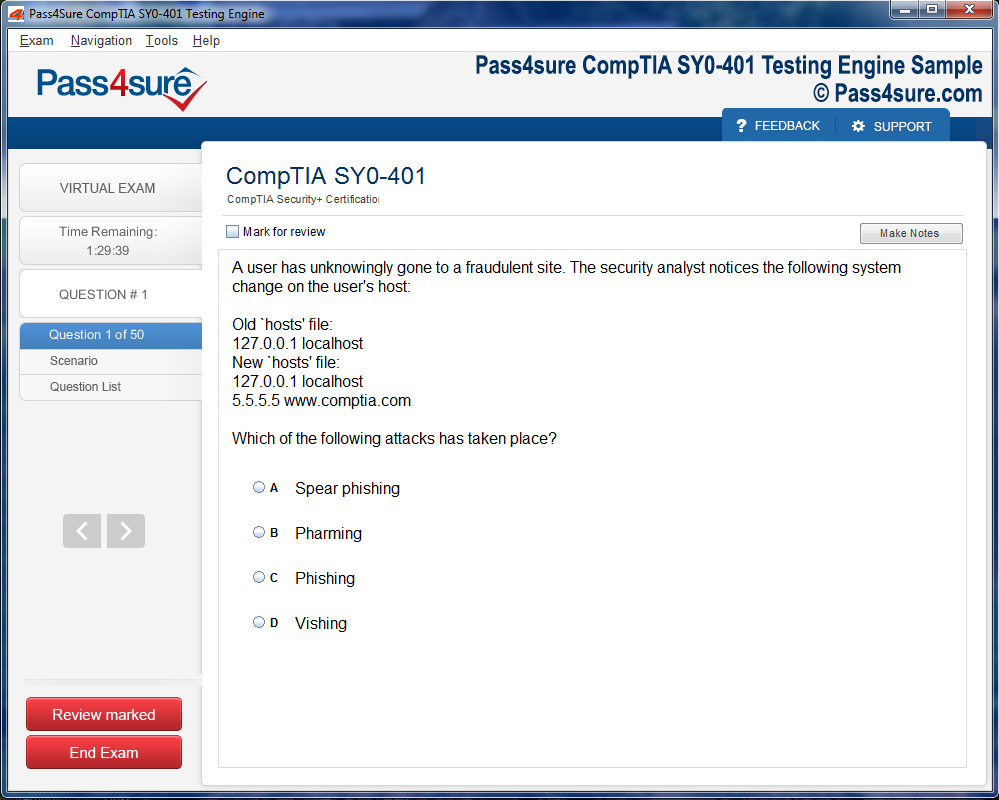
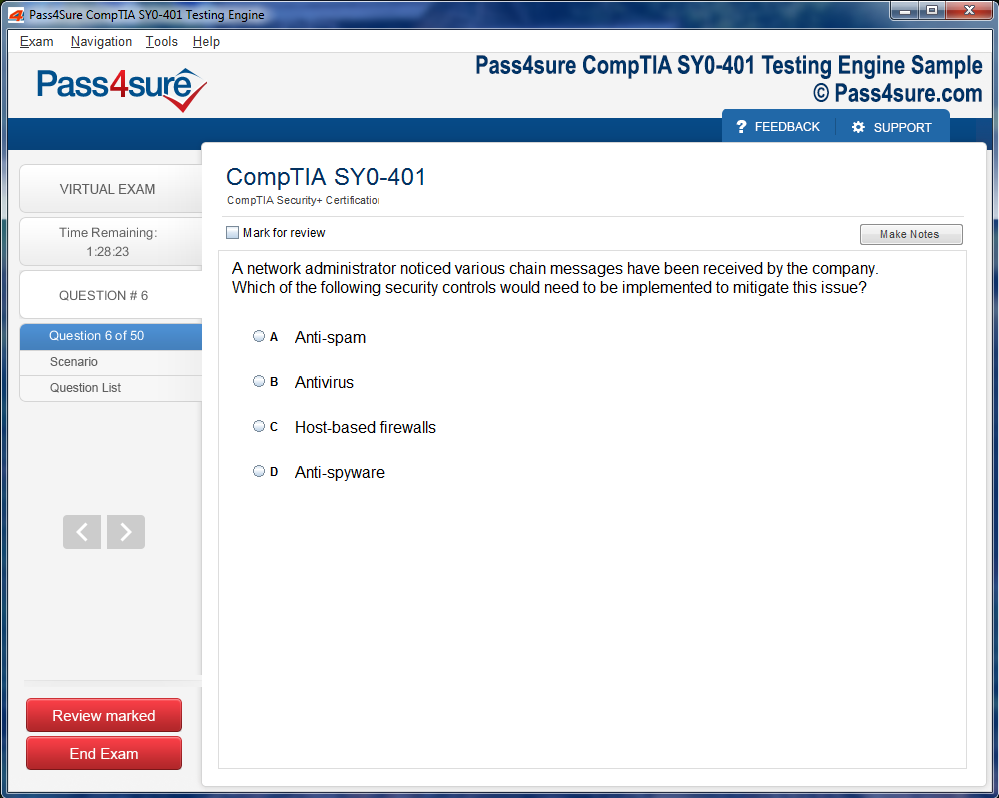
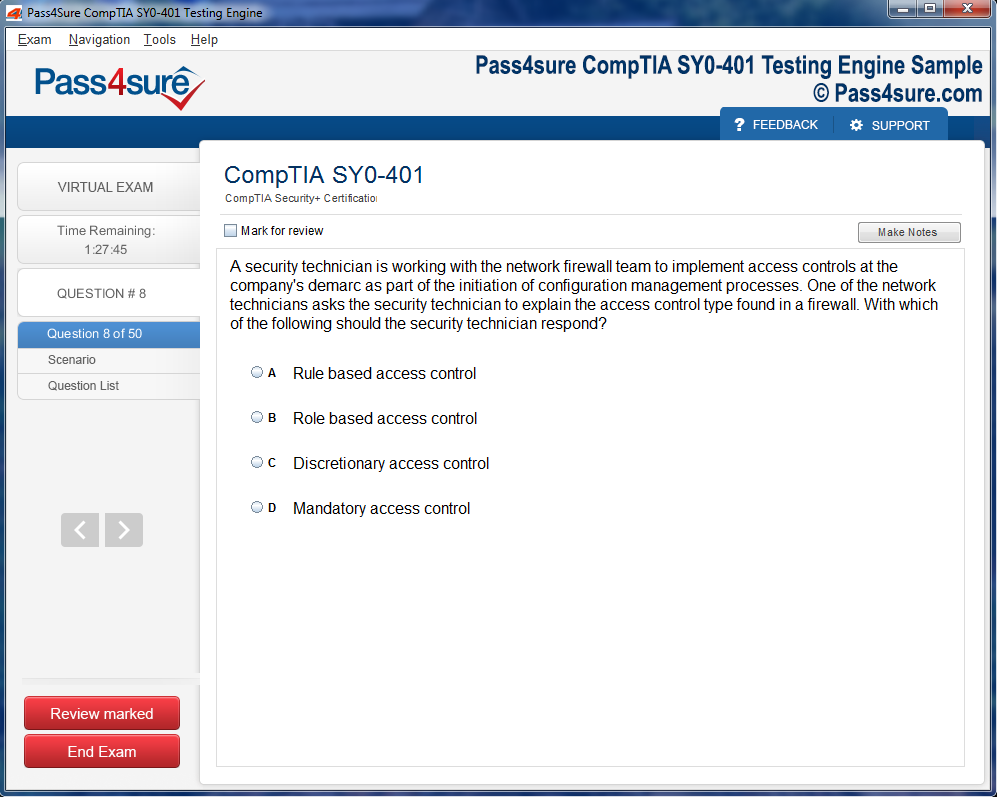
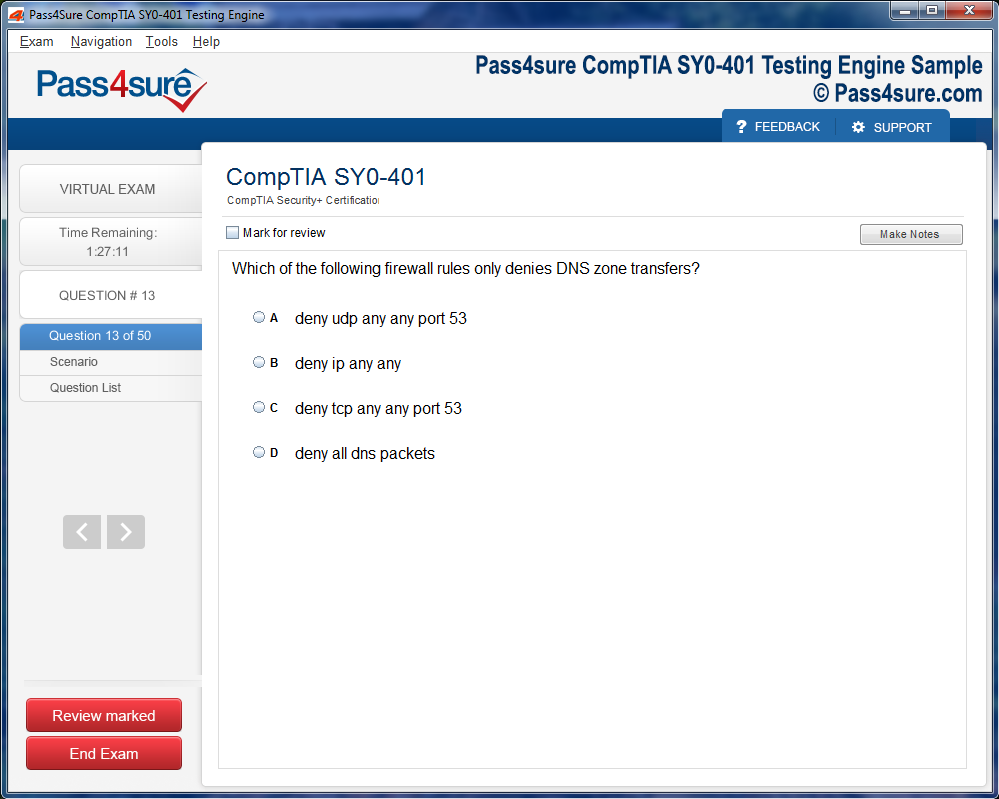
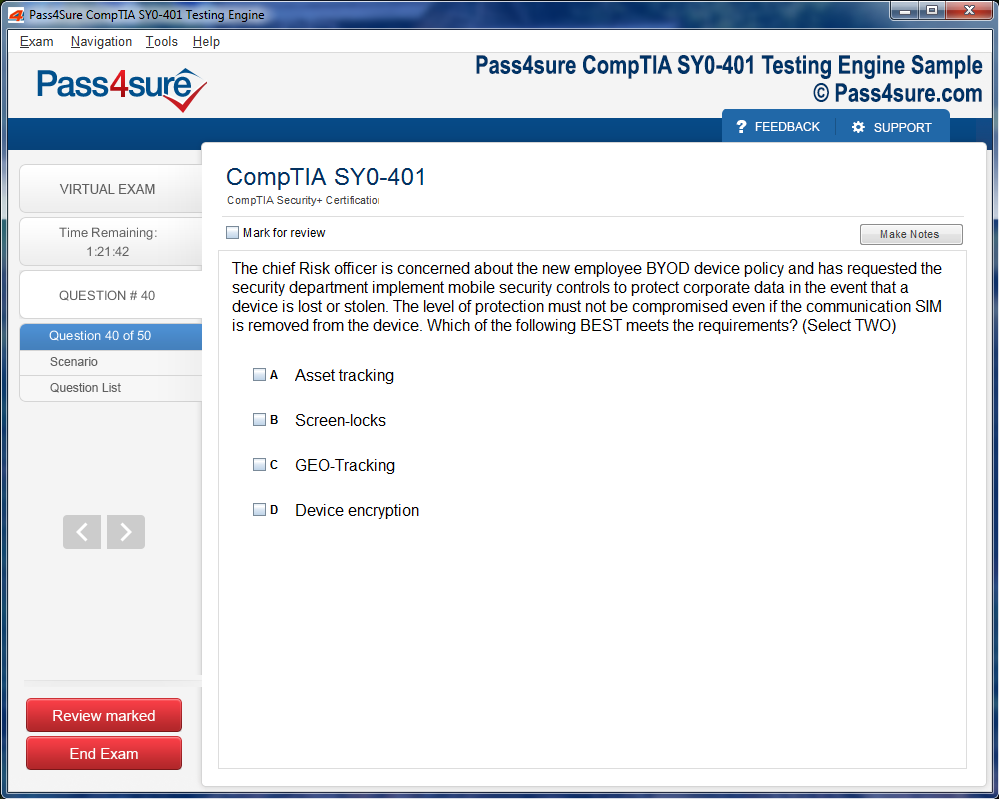
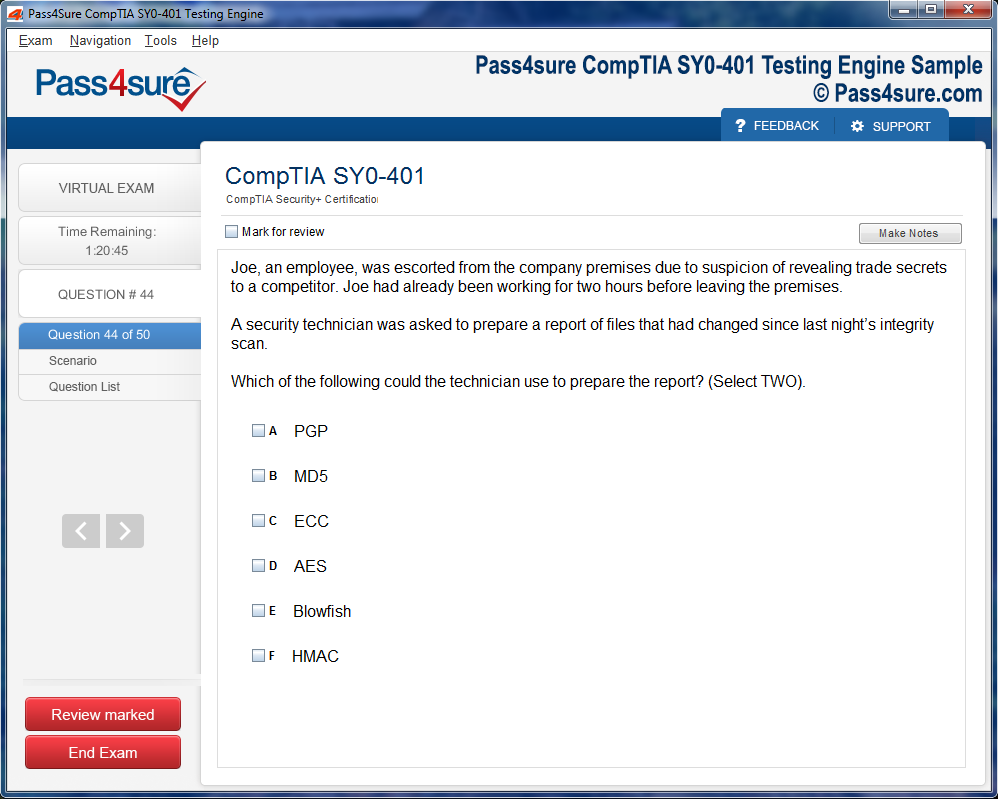
Product Screenshots
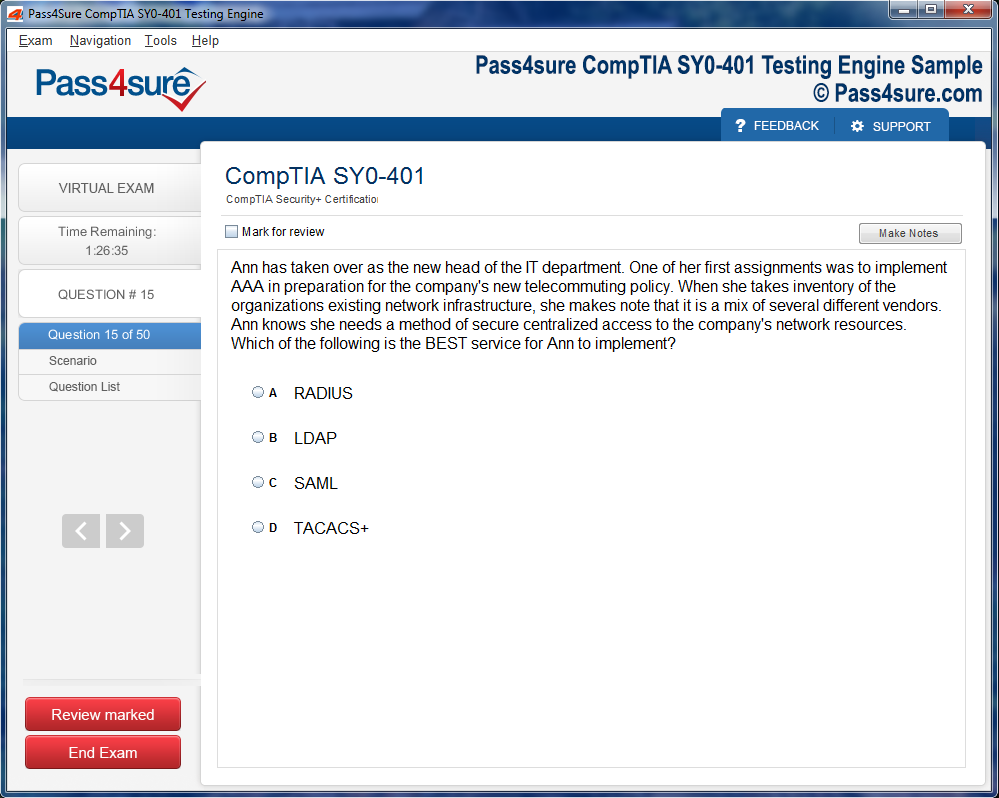
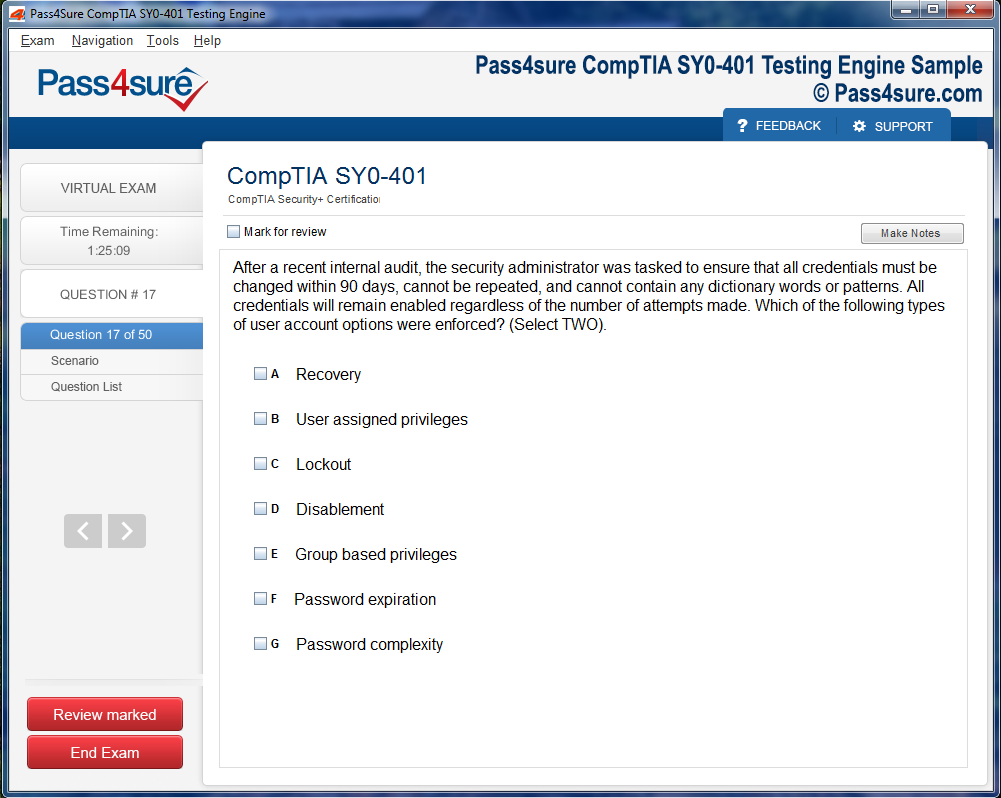
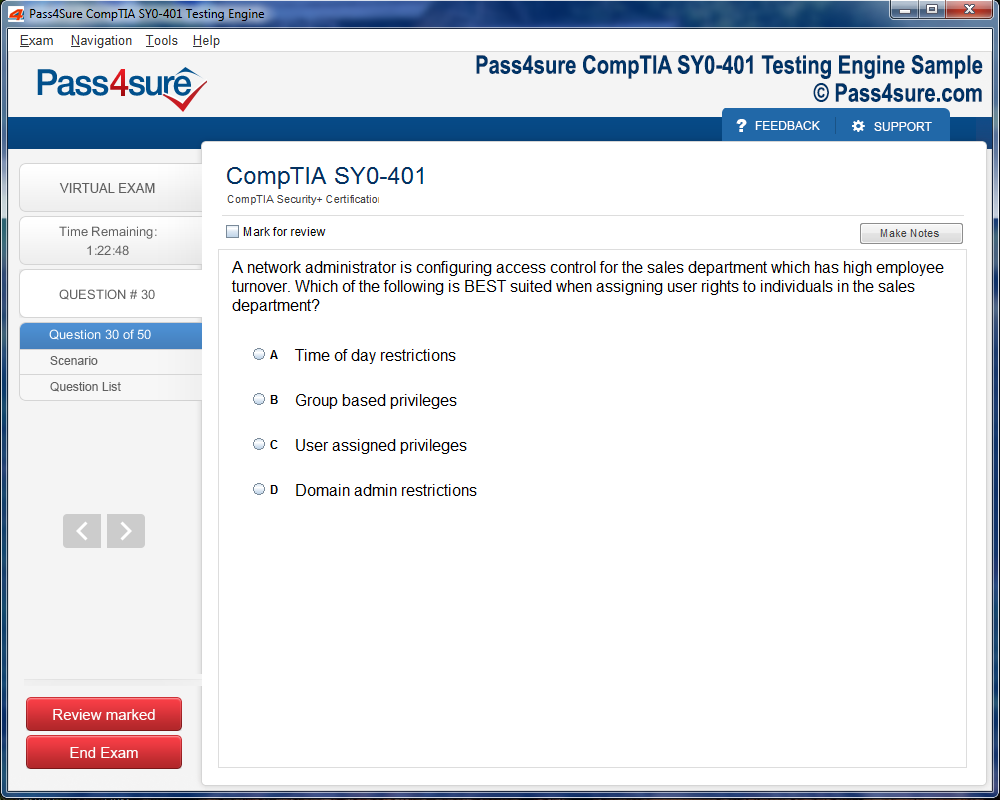
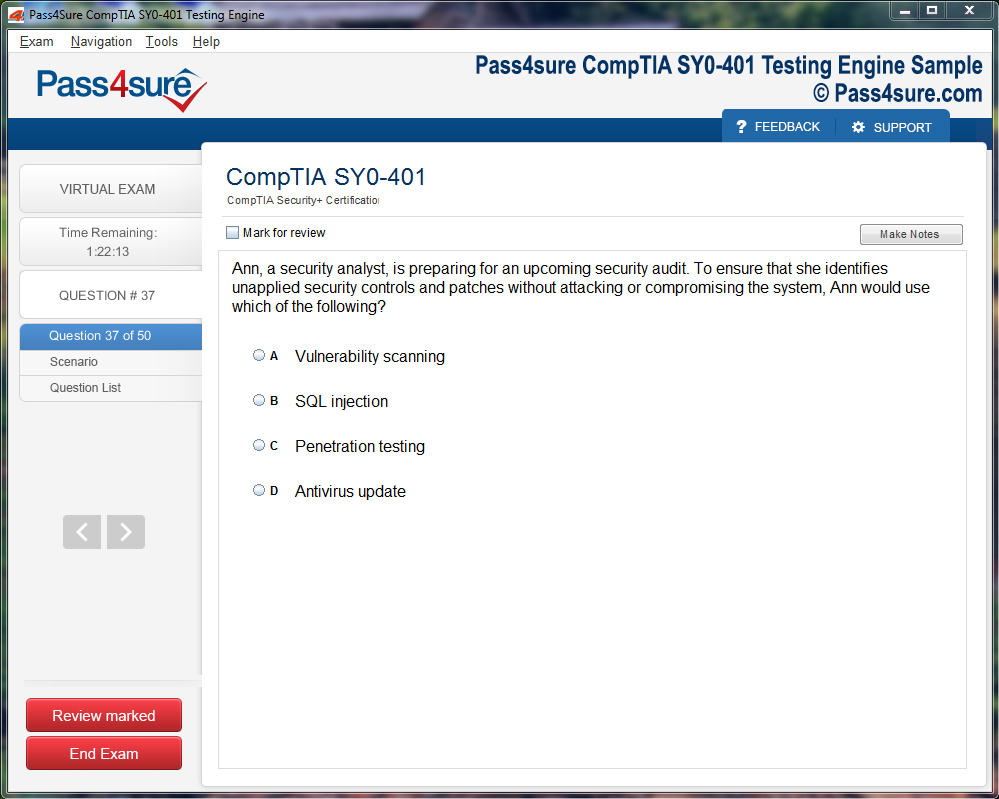
Frequently Asked Questions
How does your testing engine works?
Once download and installed on your PC, you can practise test questions, review your questions & answers using two different options 'practice exam' and 'virtual exam'. Virtual Exam - test yourself with exam questions with a time limit, as if you are taking exams in the Prometric or VUE testing centre. Practice exam - review exam questions one by one, see correct answers and explanations.
How can I get the products after purchase?
All products are available for download immediately from your Member's Area. Once you have made the payment, you will be transferred to Member's Area where you can login and download the products you have purchased to your computer.
How long can I use my product? Will it be valid forever?
Pass4sure products have a validity of 90 days from the date of purchase. This means that any updates to the products, including but not limited to new questions, or updates and changes by our editing team, will be automatically downloaded on to computer to make sure that you get latest exam prep materials during those 90 days.
Can I renew my product if when it's expired?
Yes, when the 90 days of your product validity are over, you have the option of renewing your expired products with a 30% discount. This can be done in your Member's Area.
Please note that you will not be able to use the product after it has expired if you don't renew it.
How often are the questions updated?
We always try to provide the latest pool of questions, Updates in the questions depend on the changes in actual pool of questions by different vendors. As soon as we know about the change in the exam question pool we try our best to update the products as fast as possible.
How many computers I can download Pass4sure software on?
You can download the Pass4sure products on the maximum number of 2 (two) computers or devices. If you need to use the software on more than two machines, you can purchase this option separately. Please email sales@pass4sure.com if you need to use more than 5 (five) computers.
What are the system requirements?
Minimum System Requirements:
- Windows XP or newer operating system
- Java Version 8 or newer
- 1+ GHz processor
- 1 GB Ram
- 50 MB available hard disk typically (products may vary)
What operating systems are supported by your Testing Engine software?
Our testing engine is supported by Windows. Andriod and IOS software is currently under development.
VCE 220-010 Study Strategy for Busy Professionals
The VCE 220-010 landscape encompasses a diverse array of technologies that converge to form modern IT ecosystems. Mastery of these principles requires a deliberate balance between theoretical comprehension and practical aptitude. Core areas such as networking, virtualization, security, and storage management are not isolated constructs but parts of a dynamic system that interacts continuously. Professionals who excel often perceive the certification not as a set of discrete topics but as a fluid architecture where each component influences the other.
Networking, for instance, is more than understanding protocols or configurations. It is about grasping the flow of information, how data packets traverse pathways, and the role of redundancy and failover mechanisms. Similarly, virtualization is not merely creating virtual machines but appreciating how abstracted computing resources can optimize performance, enhance security, and reduce operational overhead. When these principles are studied in isolation, the richness of interconnectivity is lost, leaving gaps in practical understanding.
Security principles demand a meticulous mindset, as even small oversights can undermine entire infrastructures. Professionals must internalize concepts like authentication hierarchies, encryption standards, and intrusion detection methodologies. Security is not a static shield but a constantly evolving landscape shaped by emerging threats. Integrating security awareness with networking, storage, and virtualization ensures a holistic comprehension that can be applied confidently both in exams and real-world scenarios.
Storage management, often underestimated, is central to the VCE 220-010 syllabus. Effective management requires understanding different storage types, data redundancy strategies, and performance optimization techniques. Beyond technical knowledge, storage proficiency demands an appreciation for cost-efficiency, scalability, and regulatory compliance. Professionals who internalize these principles develop a mindset where every technological decision is evaluated through a lens of performance, risk, and sustainability.
Recognizing the symbiosis among these technologies transforms preparation from rote memorization into strategic knowledge acquisition. Instead of treating each topic as a silo, learners can view them as interlaced threads in a cohesive fabric, enhancing both retention and applicability.
Efficient Learning Techniques for Busy Professionals
Time scarcity is one of the most significant hurdles faced by candidates pursuing the VCE 220-010 certification. To navigate this challenge, efficient learning techniques are indispensable. Distributed practice, also known as spaced repetition, capitalizes on the brain’s natural memory consolidation processes. Instead of cramming material, professionals benefit from shorter, frequent study sessions that reinforce neural pathways and minimize cognitive fatigue.
Active learning techniques further amplify retention. Passive reading, while comforting, rarely translates into long-term comprehension. Engaging in exercises that require application, such as scenario-based problem-solving, interactive simulations, and peer-to-peer discussions, ensures that knowledge is actively processed rather than superficially absorbed. Reflection, journaling, and mind mapping also provide opportunities to connect new information with existing knowledge, enhancing conceptual clarity.
Visualization is another powerful tool. Representing complex systems through diagrams or flowcharts enables professionals to perceive relationships and dependencies that might be invisible in textual descriptions. Similarly, mnemonic devices and analogies can anchor abstract concepts in familiar mental frameworks, easing recall during high-pressure exam situations.
Equally critical is self-regulation and emotional resilience. Professionals often face competing priorities, and maintaining focus amid distractions requires conscious effort. Techniques such as time blocking, meditation, and intentional micro-breaks during study sessions foster sustained attention and mental clarity. Learning becomes not just a cognitive exercise but a deliberate, holistic practice that integrates mind, body, and environment.
Navigating Scenario-Based Questions
A defining feature of the VCE 220-010 exam is its emphasis on scenario-based questions. These questions assess the ability to synthesize knowledge across domains, requiring both analytical reasoning and practical judgment. Unlike conventional assessments that reward memorization, scenario-based questions demand contextual understanding. Professionals must evaluate constraints, predict outcomes, and propose solutions grounded in established best practices.
Approaching these questions strategically begins with dissecting the scenario. Identifying core issues, recognizing constraints, and mapping relationships among elements provides a framework for structured responses. Jumping directly to solutions often results in incomplete or flawed reasoning. By first constructing a mental model of the scenario, candidates gain clarity and can apply knowledge systematically rather than improvising under pressure.
Practicing scenario-based questions also develops adaptive thinking. Professionals encounter diverse problem types, from network optimization to data security dilemmas, each requiring nuanced application of principles. Repetition strengthens cognitive flexibility, enabling candidates to navigate unfamiliar contexts with confidence. Moreover, post-practice reflection—analyzing both correct and incorrect responses—solidifies understanding and reinforces a problem-solving mindset that extends beyond the exam.
Simulation tools and virtual labs provide an ideal environment to practice these scenarios. By replicating real-world configurations and challenges, learners can experiment with solutions, observe outcomes, and refine approaches without risking operational disruption. This experiential learning bridges the gap between theoretical knowledge and applied competence, fostering a sense of preparedness that extends into professional practice.
Mastering Networking Foundations
Networking is the backbone of modern IT systems, and mastery of its foundations is crucial for the VCE 220-010 certification. Networking extends beyond the mechanics of switches, routers, and cabling; it encompasses protocols, traffic management, and fault tolerance mechanisms that sustain reliable data flow. Professionals must internalize how networks function under varying loads, how failures propagate, and how redundancy and load balancing mitigate risk.
Conceptual understanding is reinforced through practical engagement. Configuring virtual networks, simulating traffic flows, and analyzing logs cultivate an intuitive grasp of system behavior. Learning becomes experiential rather than abstract, enabling professionals to anticipate issues, troubleshoot efficiently, and implement optimizations with confidence. Understanding the interplay between networking and other domains, such as security and virtualization, further enriches comprehension, as network performance directly impacts application availability, security monitoring, and data storage efficiency.
Protocols serve as the language of networks, and fluency in their principles is non-negotiable. Knowledge of TCP/IP hierarchies, routing protocols, and secure communication standards empowers professionals to design resilient infrastructures. Networking mastery also includes monitoring strategies, identifying bottlenecks, and implementing corrective measures proactively rather than reactively. The depth of understanding transforms preparation from rote memorization to strategic capability, equipping candidates to excel in both exams and professional environments.
Security Awareness and Implementation
Security is a pervasive concern in every aspect of IT infrastructure, and the VCE 220-010 exam rigorously tests candidates’ understanding of protective measures and threat mitigation. Security awareness begins with comprehension of fundamental principles, including authentication, encryption, access control, and incident response. Beyond theory, professionals must recognize practical vulnerabilities, understand attack vectors, and evaluate the implications of system design choices on overall security posture.
Proficiency develops through repetitive, applied practice. Configuring firewalls, implementing encryption protocols, and monitoring simulated intrusion attempts cultivate hands-on skills that reinforce theoretical knowledge. Security is inherently dynamic, requiring continuous adaptation to evolving threats. Professionals who integrate ongoing awareness and practice into their study routine gain a competitive advantage, as they internalize both preventive strategies and responsive actions.
The interconnection between security and other domains is equally significant. Network design decisions influence security exposure, while storage configurations affect data confidentiality and integrity. Recognizing these interdependencies fosters holistic thinking, enabling professionals to anticipate risks and implement robust solutions across the IT ecosystem. Security mastery is therefore not merely a technical requirement but a mindset that prioritizes vigilance, resilience, and strategic foresight.
Optimizing Storage and Virtualization
Storage management and virtualization are central to VCE 220-010 competencies, forming the infrastructure that supports scalable and resilient IT solutions. Understanding storage technologies involves both technical and strategic perspectives. Professionals must grasp different storage types, redundancy mechanisms, and performance optimization strategies. Equally important is evaluating cost-efficiency, scalability, and long-term sustainability, as these considerations often dictate practical implementation choices in professional environments.
Virtualization enhances system agility, enabling efficient resource allocation, simplified management, and improved fault tolerance. Candidates must comprehend hypervisor technologies, virtual machine orchestration, and integration with storage and networking layers. Virtualization is not a theoretical exercise; proficiency emerges through configuration, testing, and scenario-based experimentation. Hands-on engagement reinforces understanding, transforming abstract concepts into actionable skills that can be applied confidently in both the exam and workplace scenarios.
Integrating storage and virtualization knowledge with other domains fosters cohesive system design thinking. Professionals who understand how these technologies interact with networking and security principles can devise solutions that balance performance, resilience, and operational efficiency. The synergy of knowledge across domains enhances not only exam readiness but also practical problem-solving ability, equipping candidates to navigate complex IT environments with assurance and competence.
Understanding the Core Concepts of VCE 220-010
Grasping the fundamental principles of VCE 220-010 is pivotal for any professional aspiring to achieve mastery. Beyond memorization, true comprehension demands immersion in the conceptual framework, where ideas are interconnected rather than isolated. Each topic serves as a building block, and understanding their interdependencies cultivates a holistic perspective. This approach allows learners to anticipate exam questions not merely through rote recall but by extrapolating scenarios from core tenets.
Conceptual clarity begins with identifying the architecture of knowledge within the certification. Key domains such as system administration, virtualization, and cloud integration are not isolated silos; they form a continuum where one principle informs another. By visualizing these connections, professionals can create mental scaffolding that aids in retention. Analogies drawn from professional experience further reinforce comprehension, transforming abstract concepts into familiar, operationally relevant frameworks.
Moreover, a deliberate emphasis on terminology precision enhances cognitive agility. VCE 220-010 relies heavily on accurate use of technical language, and ambiguity can hinder both understanding and performance. Practicing articulation of concepts in clear, concise language strengthens neural pathways associated with professional reasoning. Over time, repeated engagement with precise terminology cultivates an intuitive grasp, enabling learners to navigate complex questions efficiently.
Lastly, understanding core concepts demands curiosity-driven exploration. Professionals who probe the reasoning behind each principle develop not only memory retention but also problem-solving versatility. Engaging with multiple sources of explanation, from textual descriptions to practical demonstrations, stimulates different cognitive pathways, enriching comprehension and reinforcing the underlying logic of each subject area.
Implementing Active Learning Techniques
Active learning is a transformative strategy for professionals seeking depth and retention. Passive reading alone is insufficient for internalizing the intricate material of VCE 220-010. Techniques such as self-questioning, role-playing scenarios, and peer teaching elevate cognitive engagement, fostering deeper connections with content. By actively manipulating knowledge rather than merely observing it, learners reinforce neural networks and accelerate mastery.
One particularly effective approach is the integration of teaching exercises into study routines. Explaining complex topics to a colleague or even articulating them aloud enhances both recall and understanding. This practice forces the mind to reorganize information, identify gaps, and clarify ambiguities. Professionals often report that once they can teach a concept fluently, retention and application become significantly more robust.
Simulation-based practice is another avenue for active learning. Virtual environments and scenario-based problem-solving encourage learners to confront challenges in a controlled, yet realistic, setting. By experimenting with solutions and observing outcomes, professionals gain experiential insight that static study cannot provide. The trial-and-error process not only deepens comprehension but also cultivates adaptability, a skill that proves invaluable during high-stakes examinations.
Mind mapping represents a visual-active strategy that transforms scattered information into structured knowledge. Constructing intricate diagrams that illustrate relationships between topics allows learners to visualize abstract patterns. Over time, these cognitive maps evolve into mental shortcuts, expediting retrieval and facilitating connections between seemingly disparate subjects.
Finally, alternating study modalities—reading, writing, speaking, and practicing—stimulates multiple cognitive pathways. This multi-sensory engagement strengthens memory consolidation, enabling professionals to retain information more efficiently and recall it under the pressure of timed assessments. By systematically rotating techniques, learners maintain engagement while simultaneously reinforcing mastery across different dimensions of understanding.
Leveraging Spaced Repetition for Long-Term Retention
The human memory system is prone to forgetting, but structured repetition can counteract this decay. Spaced repetition exploits the natural rhythm of memory retention, reinforcing neural connections at intervals optimized for long-term recall. Professionals who implement this strategy in their VCE 220-010 preparation often observe dramatic improvements in retention and confidence.
Spaced repetition begins by breaking down material into discrete units. Each unit, whether a definition, procedure, or principle, is reviewed at increasing intervals. Early reviews occur frequently to cement initial understanding, while subsequent sessions are spaced further apart to challenge the brain and strengthen memory consolidation. Digital platforms and manual index card systems both facilitate this process, allowing learners to track progress and adjust intervals based on performance.
The power of this method lies in its alignment with cognitive psychology. By revisiting material just as the mind is on the verge of forgetting, neural pathways are reinforced without redundancy. This approach maximizes efficiency, ensuring that study time is used productively rather than wasted on material already mastered. Over weeks and months, spaced repetition transforms fleeting knowledge into enduring expertise.
Integration of spaced repetition with practical exercises amplifies its effectiveness. For instance, reviewing a network troubleshooting concept should be accompanied by a corresponding hands-on simulation. This dual exposure—conceptual and practical—creates multiple retrieval cues, enhancing both comprehension and application. Professionals often find that knowledge retained through this combination remains accessible even under the pressures of complex, multi-step exam questions.
Enhancing Cognitive Endurance Through Microlearning
Sustaining attention over extended study periods can be challenging, particularly for professionals juggling multiple responsibilities. Microlearning addresses this by fragmenting content into manageable, focused segments. These brief, intensive sessions are structured to maximize concentration while minimizing cognitive fatigue.
Microlearning sessions, typically ranging from twenty to forty minutes, allow learners to immerse themselves fully in a single concept or task without distraction. Following each session with a short, restorative break prevents mental saturation and maintains optimal focus. Over time, these condensed learning bursts accumulate into substantial knowledge, proving more effective than prolonged, unfocused study marathons.
An additional advantage of microlearning is adaptability. Professionals can adjust session length, timing, and intensity to match their personal rhythms and professional obligations. By aligning learning with natural attention cycles, retention and understanding improve, and study becomes less burdensome. The flexibility of microlearning also facilitates incorporation of active learning techniques, practical exercises, and spaced repetition within each session, creating a holistic and efficient study ecosystem.
Furthermore, microlearning encourages frequent evaluation of comprehension. By concluding each session with a brief self-assessment or problem-solving exercise, learners reinforce memory pathways and identify gaps before they solidify. This iterative process of focused engagement and reflection ensures that learning is both continuous and cumulative, creating a resilient foundation for the high cognitive demands of the VCE 220-010 exam.
Integrating Real-World Applications
Abstract knowledge gains significant potency when tethered to real-world experience. Professionals who link theoretical study with practical application enhance both understanding and retention. Observing parallels between exam concepts and workplace scenarios solidifies learning by demonstrating relevance and fostering intuition.
Case-based study is particularly effective in this regard. Examining actual incidents or hypothetical simulations allows learners to apply theoretical principles in context. By identifying problem-solving pathways, potential pitfalls, and strategic solutions, professionals cultivate analytical skills that extend beyond the confines of textbooks. This experiential learning nurtures both confidence and competence, bridging the gap between study and practice.
Similarly, scenario-based exercises encourage adaptive thinking. Real-world problems rarely present themselves in textbook formats, and professionals who have practiced flexible application of principles are better equipped to navigate complexity. By deliberately challenging themselves with unfamiliar or ambiguous scenarios, learners train their minds to think critically and creatively, skills essential for both examination success and professional advancement.
Additionally, documenting the application of theoretical principles reinforces comprehension. Writing detailed accounts of problem-solving approaches, solutions, and outcomes creates a tangible record of knowledge in action. This reflective practice consolidates learning, highlights areas requiring further study, and provides a resource for rapid review in the weeks leading up to the exam.
Maintaining Mental Resilience and Motivation
Sustained preparation for VCE 220-010 demands more than intellectual effort; emotional resilience plays a critical role. Persistent stress, fatigue, and self-doubt can erode progress, making the cultivation of mental stamina essential. Professionals who prioritize emotional well-being alongside study often exhibit higher engagement, retention, and problem-solving efficiency.
Mindfulness practices and brief meditation sessions interspersed with study blocks help regulate stress and enhance concentration. By fostering present-moment awareness, these techniques mitigate cognitive overload and prevent burnout. Professionals who incorporate even short periods of mindful reflection report clearer thinking and more effective study sessions.
Equally, motivation is reinforced through goal-setting and incremental achievement tracking. Breaking preparation into tangible milestones provides a sense of progression and accomplishment. Each completed module, successfully solved problem, or mastered concept contributes to a growing reservoir of confidence, reinforcing persistence and sustaining engagement through the long preparation period.
Finally, maintaining balance between study and personal life strengthens overall resilience. Adequate sleep, social interaction, and recreational activity rejuvenate cognitive resources and support sustained performance. By treating mental well-being as an integral component of preparation rather than a peripheral concern, professionals create a sustainable study rhythm that is both productive and psychologically rewarding.
The Art of Time Sculpting for Learning
Time, for busy professionals, often seems fragmented and elusive, slipping through the grasp like fine sand. Effective study demands a reconceptualization of time itself, transforming fragmented intervals into fertile learning moments. Micro-sessions of concentrated focus, even as brief as fifteen minutes, can yield remarkable retention if approached with deliberate attention. By partitioning study schedules into modular blocks, learners maximize cognitive energy while minimizing fatigue. Each block serves as a deliberate incision into the day, ensuring that even brief engagements accumulate into substantial knowledge acquisition.
Strategic sequencing further refines temporal management. Prioritizing high-difficulty topics during periods of peak mental alertness and reserving review or reinforcement tasks for lower-energy periods amplifies efficiency. This temporal alignment aligns with circadian rhythms and intrinsic cognitive cycles, allowing learners to operate at optimal mental capacity. Professionals who master this orchestration often discover that the seeming scarcity of time is an illusion, replaced instead by precision-guided intervals of intensive learning.
Cognitive Alchemy Through Memory Techniques
Memory is not a passive repository but a dynamic forge where information is transmuted into durable knowledge. Techniques such as chunking, mnemonics, and the method of loci enable professionals to convert sprawling content into cohesive cognitive structures. Chunking organizes material into digestible units, preventing mental saturation. Mnemonics embed abstract information within familiar linguistic or visual patterns, creating mental hooks that expedite recall. The method of loci, leveraging spatial memory, situates concepts along imagined pathways, transforming memorization into a spatially navigable journey.
Repetition alone does not suffice; spaced repetition, carefully timed intervals of review, strengthens neural connections and counters forgetting. By interleaving topics, professionals not only retain information longer but also cultivate cognitive flexibility, ensuring that knowledge is adaptable rather than brittle. This blend of methodical structuring and imaginative anchoring transforms rote memorization into an engaging mental exercise, fostering both retention and practical agility.
Immersive Engagement with Practical Scenarios
Abstract knowledge thrives only when applied. Immersive engagement with realistic scenarios bridges theoretical understanding with practical execution. Professionals preparing for the VCE 220-010 benefit immensely from contextualizing concepts within simulated work environments. Scenario-based exercises, such as configuring virtual networks or troubleshooting cloud instances, convert passive reading into dynamic problem-solving. This procedural enactment cultivates fluency, enabling learners to anticipate pitfalls, diagnose issues, and execute solutions with confidence.
Furthermore, reflective practice enhances learning outcomes. Following each scenario, professionals benefit from deliberate analysis, questioning their decisions, and mapping alternative strategies. This iterative cycle transforms errors into instructive insights and reinforces the principle that mastery is forged through experience, not mere observation. By repeatedly traversing simulated challenges, learners internalize processes, ensuring that knowledge is robust under the unpredictable conditions of examination or workplace application.
Harmonizing Focus and Mental Resilience
Sustained learning demands more than cognitive techniques; it requires the cultivation of mental resilience. Distraction and cognitive overload are formidable adversaries for professionals juggling multifaceted responsibilities. Mindful focus, cultivated through practices such as controlled breathing and brief meditation, enhances attentional stability and fortifies the mind against fatigue. Even short intervals of deliberate mindfulness can heighten clarity, sharpen analytical capacity, and improve retention during study sessions.
Equally important is the regulation of stress. Cognitive performance diminishes when pressure escalates beyond manageable thresholds. Professionals who integrate stress management strategies, including relaxation exercises and structured reflection, preserve mental resources and maintain composure during intensive study. This equilibrium between focused engagement and restorative practice transforms learning into a sustainable endeavor, allowing knowledge to crystallize with clarity and confidence.
The Synergy of Multimodal Learning
Engagement deepens when learners interact with material through diverse modalities. Reliance on a single form of content—text, video, or audio—limits the channels through which information is encoded. Incorporating varied media enriches comprehension and strengthens recall by reinforcing concepts through multiple sensory pathways. Video demonstrations, interactive tutorials, and auditory explanations complement textual study, converting abstract notions into tangible understanding.
This multimodal approach also mitigates monotony, a critical consideration for busy professionals whose attention spans are perpetually tested. Alternating formats invigorates study sessions, sustaining motivation and preventing cognitive fatigue. The interplay of visual, auditory, and kinesthetic engagement ensures that knowledge is not only retained but accessible across contexts, whether under examination conditions or during applied professional tasks.
Analytical Synthesis and Conceptual Mapping
Learning is amplified when professionals adopt analytical synthesis, transforming discrete facts into coherent conceptual frameworks. Conceptual mapping enables learners to visualize connections among principles, processes, and applications. By constructing networks of interrelated ideas, learners perceive patterns that reveal underlying structures, rendering complex topics more approachable.
This synthesis also promotes higher-order thinking, encouraging learners to evaluate, compare, and integrate knowledge rather than passively absorb it. When professionals cultivate this integrative perspective, they develop a cognitive scaffold capable of supporting rapid adaptation, problem-solving, and application. The capacity to navigate interconnected knowledge networks is especially valuable for examinations that demand both recall and analytical insight, reinforcing the practical utility of structured, synthesized thinking.
Peer Interaction and Collaborative Refinement
Learning, while often solitary, flourishes through collaborative refinement. Peer engagement offers opportunities to articulate understanding, challenge assumptions, and receive immediate feedback. Study discussions and professional forums cultivate a dynamic interchange of perspectives, exposing learners to alternative methods and solutions that may elude solo study.
Articulating concepts to others consolidates knowledge, forcing precision in explanation and revealing latent gaps. These collaborative exercises also nurture resilience, as exposure to diverse problem-solving approaches fosters adaptability and creative thinking. By participating in an interactive learning ecosystem, professionals transform isolated study into a vibrant process of shared discovery, where the exchange of insight accelerates mastery and reinforces enduring comprehension.
Harnessing the Dynamics of Modern Learning
The landscape of professional certification has been transformed by the advent of technology-driven learning mechanisms. Individuals preparing for the VCE 220-010 certification encounter a universe of resources that can be finely tailored to personal learning trajectories. The traditional model of repetitive textbook study has evolved into a multi-dimensional experience, where content delivery adapts to the learner’s pace and comprehension. Structured platforms now integrate interactive modules, immersive simulations, and progressive evaluations that replicate the nuanced complexity of real-world scenarios. By engaging with these dynamic tools, candidates traverse an accelerated learning curve, converting theoretical knowledge into practical fluency. This transformation underscores the capacity of modern learning ecosystems to compress experience and expertise into manageable, strategically segmented study sessions.
Adaptive learning engines stand at the forefront of this revolution. Unlike static material, these systems continuously assess comprehension, pinpoint weaknesses, and recalibrate content accordingly. The result is a highly efficient methodology that directs energy toward areas requiring reinforcement while sparing redundant repetition. Learners benefit from a personalized feedback loop that promotes mastery without the friction inherent in conventional methods. Those constrained by professional responsibilities or irregular schedules can maintain momentum through focused, time-optimized sessions, mitigating the friction between career obligations and rigorous preparation demands. In essence, adaptive learning converts preparation into a tailored, intelligent process, ensuring each hour invested produces maximal cognitive yield.
Cloud-based collaboration platforms introduce a communal dimension to the pursuit of certification. The solitary nature of study is counterbalanced by virtual workspaces where shared documents, discussion forums, and collaborative simulations converge. These digital arenas facilitate peer-to-peer interaction, enabling learners to exchange perspectives, troubleshoot complex scenarios, and engage in problem-solving reminiscent of professional settings. Beyond knowledge reinforcement, such interactions nurture accountability and motivation, cultivating a sense of collective purpose that enhances engagement. The social component of learning mirrors real-world operational environments, where dialogue, negotiation, and iterative feedback are intrinsic to task completion and decision-making.
Mobile learning applications further amplify accessibility and flexibility. The portability of smartphones and tablets transforms idle periods into opportunities for micro-learning, whether through interactive flashcards, scenario-driven challenges, or adaptive quizzes. The cumulative effect of consistent, bite-sized engagement is profound, producing measurable gains over time without imposing rigid temporal structures. This modality aligns seamlessly with contemporary lifestyles, supporting incremental knowledge acquisition that integrates seamlessly into daily routines. The capacity to engage with material anywhere and anytime cultivates persistence and sustained interest, key ingredients in successful certification endeavors.
Cultivating Strategic Time Management
Success in certification preparation is contingent not merely upon content absorption but on the meticulous orchestration of temporal resources. Time management is an underappreciated but crucial skill, particularly for professionals balancing study with vocational obligations. A strategic approach begins with realistic assessment of available study windows, followed by deliberate allocation of focus to high-priority content areas. Segmentation of study periods into concentrated intervals maximizes cognitive retention, leveraging the brain’s propensity for focused absorption during shorter bursts of attention. Prolonged, unfocused sessions yield diminishing returns, whereas disciplined scheduling fosters sustained momentum and heightened engagement.
Prioritization extends beyond the mere division of hours to encompass content relevance and difficulty. By identifying topics that historically present greater challenges or carry heavier exam weight, learners channel effort toward domains offering the greatest potential payoff. This precision prevents the dilution of attention across peripheral material, optimizing the efficiency of preparation. Integrated review sessions further consolidate understanding, allowing learners to revisit complex concepts while tracking incremental progress. Through deliberate temporal structuring, preparation transcends mere repetition, transforming into a deliberate, outcome-oriented endeavor.
Integration of restorative breaks is an equally vital component of time management. Cognitive performance diminishes under prolonged strain, rendering uninterrupted study counterproductive. Strategic interludes, whether brief physical movement or relaxation exercises, rejuvenate focus and enhance retention. The interplay between focused work and restorative rest establishes a rhythm conducive to sustainable learning, mitigating fatigue and fostering long-term retention. By respecting cognitive limitations while optimizing engagement windows, professionals maintain peak performance throughout the preparation journey.
Leveraging technology amplifies these temporal strategies. Calendar integrations, reminder systems, and productivity tracking tools convert abstract schedules into actionable routines. Data-driven insights, derived from performance analytics, inform the recalibration of study sessions, ensuring time is invested where it yields maximal benefit. In this manner, time management is not a static plan but an evolving, responsive system that adapts to individual progress and cognitive rhythms.
Embracing Multisensory Learning Modalities
Cognitive science underscores the potency of multisensory engagement in fostering durable learning. Traditional textual study, while foundational, is significantly enhanced when supplemented with auditory, visual, and kinesthetic modalities. Interactive simulations allow learners to navigate scenarios that mimic professional challenges, translating abstract principles into tangible experiences. Visual aids, ranging from infographics to detailed diagrams, anchor complex concepts in memory through structured representation, while narrated tutorials provide auditory reinforcement that complements visual processing.
Switching between modalities prevents cognitive monotony, sustaining attention and reducing mental fatigue. This approach also accommodates diverse learning preferences, ensuring inclusivity in knowledge acquisition. The synergistic interplay between multiple sensory channels consolidates memory traces more effectively than single-mode study, promoting deeper comprehension and recall. By leveraging multisensory resources, learners cultivate versatility in cognitive processing, enhancing their ability to apply concepts dynamically under exam conditions or real-world applications.
Scenario-based learning constitutes a particularly effective strategy within this framework. Learners confront problem-solving exercises that replicate workplace challenges, compelling the application of theoretical knowledge in contextually relevant situations. This active engagement transforms passive recognition into practical mastery, reinforcing analytical reasoning, decision-making, and situational adaptability. By immersing in realistic contexts, candidates internalize patterns of professional behavior and procedural knowledge, cultivating readiness that transcends rote memorization.
Optimizing Cognitive Retention through Analytical Feedback
The iterative process of feedback is indispensable in optimizing cognitive retention and performance. Practice assessments, when combined with detailed analytical review, illuminate patterns of error and highlight areas requiring reinforcement. Metrics such as response latency, accuracy distribution, and conceptual misalignment provide actionable intelligence that informs targeted remediation strategies. Learners gain insight into not merely what mistakes are made but why they occur, facilitating the development of corrective habits and adaptive reasoning.
Performance analytics extend beyond mere identification of weaknesses. They enable strategic sequencing of study material, prioritizing reinforcement where it yields maximum improvement. Temporal tracking of progress reveals trends in proficiency, allowing learners to anticipate potential pitfalls and adjust preparation intensity proactively. This evidence-based approach transforms the preparation journey from speculative effort into a systematic, measurable progression toward mastery. Cognitive growth becomes quantifiable, empowering learners to calibrate effort with precision and confidence.
Reflection exercises further enhance retention by compelling learners to articulate understanding in their own words. Summarization, teaching exercises, and peer explanations activate higher-order cognitive processes that deepen comprehension. Coupled with performance analytics, these exercises create a feedback loop where knowledge is continuously tested, refined, and internalized. The synergy between analytical insight and reflective practice fortifies mental structures, ensuring that acquired knowledge is resilient under the pressures of professional application and examination.
Integrating Professional Networks into Learning
Engagement with professional communities provides an invaluable dimension to certification preparation. Digital networks, forums, and mentorship programs connect learners with experienced practitioners who offer real-world perspectives, guidance, and best practices. Exposure to experiential insights complements theoretical preparation, bridging the gap between conceptual understanding and practical execution. Learners gain awareness of common pitfalls, nuanced procedural conventions, and emerging trends that may influence examination relevance or professional application.
Networking also fosters collaborative problem-solving and critical discourse. Discussion of complex scenarios with peers and mentors enhances analytical agility, prompting learners to articulate reasoning, defend solutions, and consider alternative perspectives. These interactions cultivate intellectual flexibility and situational awareness, qualities that enhance professional competence and confidence. By embedding learning within a community context, preparation transcends individual endeavor, benefiting from collective intelligence and shared experience.
Mentorship relationships provide an added dimension of accountability and guidance. Regular consultation with experienced professionals offers structured direction, timely feedback, and motivational reinforcement. Mentors impart insights that accelerate comprehension, streamline focus on high-impact areas, and model exemplary professional conduct. The combination of experiential learning, reflective discussion, and guided mentorship creates a comprehensive ecosystem for preparation that is both efficient and deeply enriching.
Leveraging Simulation and Practical Application
Simulation-based learning is a cornerstone in bridging theoretical knowledge with practical execution. Digital laboratories, interactive case studies, and procedural walkthroughs enable learners to experiment with complex scenarios without risk of real-world consequences. These simulations promote adaptive reasoning, procedural fluency, and situational judgment, essential components of professional competency. The iterative nature of simulation fosters resilience, as repeated engagement with challenging scenarios cultivates confidence and skill under pressure.
Scenario repetition and progressive complexity ensure mastery over foundational principles before advancing to sophisticated challenges. Learners develop the ability to recognize patterns, anticipate outcomes, and implement appropriate strategies under varying conditions. This experiential approach reinforces cognitive flexibility, preparing candidates for both examination contexts and practical professional application. Through immersive practice, theoretical concepts solidify into operational expertise, minimizing the gap between knowledge acquisition and effective execution.
Integration of simulation outcomes with analytical feedback enhances the learning cycle. Performance metrics from virtual exercises reveal proficiency trends, error frequency, and decision-making efficiency, informing subsequent study focus. This convergence of practical engagement and reflective analysis transforms preparation into a dynamic, responsive process that continually evolves to optimize skill acquisition and professional readiness.
Elevating Engagement through Gamification and Motivation
Sustained engagement is a critical determinant of effective preparation. Gamification techniques leverage intrinsic motivation by transforming study into interactive challenges that reward progress, mastery, and consistency. Points, levels, and scenario-based achievements provide immediate feedback and reinforce continued effort. By introducing playful competition, either against oneself or peers, motivation is amplified, mitigating the monotony often associated with extended study periods.
Gamified learning encourages risk-taking in a safe environment, enabling exploration of complex scenarios without consequence. Learners experiment, fail, adapt, and succeed, cultivating resilience and problem-solving dexterity. The iterative reinforcement of skills through game-like structures enhances retention and deepens cognitive integration. By combining entertainment with rigorous practice, gamification converts preparation into an engaging, psychologically stimulating endeavor that sustains interest and accelerates mastery.
Cognitive rewards, such as visible progress tracking and milestone recognition, further strengthen engagement. Observing tangible evidence of advancement cultivates a sense of achievement and momentum, reinforcing positive learning behaviors. This combination of challenge, feedback, and recognition establishes a motivational ecosystem that drives consistent effort, fosters confidence, and ensures preparation remains both effective and enjoyable.
Understanding the Foundations of Expertise
Every journey toward mastery begins with a firm grasp of foundational principles. Without solid roots, even the most ambitious pursuits risk faltering under pressure. In professional contexts, these fundamentals extend beyond theoretical knowledge; they encompass cognitive strategies, methodological rigor, and disciplined practice. Acquiring expertise requires a continuous cycle of observation, reflection, and adaptation. Observing patterns in problem-solving, reflecting on personal strengths and weaknesses, and adapting methods to suit evolving challenges accelerates competence.
Beyond mere memorization, understanding the foundations involves recognizing interconnections among concepts. Linking seemingly disparate ideas forms a cohesive framework that aids memory retention and practical application. Experts often report that their ability to navigate complex situations stems not from rote learning but from the cognitive maps they construct during early study. These maps guide decision-making under uncertainty, allowing learners to approach novel problems with structured insight rather than improvisation.
Attention to detail is an often-overlooked component of foundational understanding. Small errors or overlooked nuances can snowball into larger mistakes in advanced scenarios. Cultivating meticulous habits early prevents future pitfalls and instills confidence in decision-making. The process of refining observation skills—discerning subtle patterns, anomalies, and inconsistencies—becomes a cornerstone of expert performance, fostering clarity amidst complexity.
Moreover, foundational understanding is inseparable from cognitive flexibility. Professionals who embrace adaptability at the outset find it easier to pivot strategies when conventional methods fail. Flexibility allows for experimentation, hypothesis testing, and iterative refinement, turning setbacks into opportunities for learning. By cultivating a mindset oriented toward growth and resilience, learners establish a bedrock upon which advanced skills can flourish.
Strategic Time Allocation and Cognitive Efficiency
Time is an elusive resource, particularly for professionals balancing work, study, and personal commitments. Strategic allocation of time transforms scarcity into an advantage. The first step involves a candid assessment of current routines and energy rhythms. Mapping high-energy periods to cognitively demanding tasks enhances productivity, while reserving low-energy moments for simpler or mechanical activities ensures efficiency.
Cognitive efficiency is further enhanced through deliberate practice. Unlike passive reading, deliberate practice targets weak points, requiring focused attention and active problem-solving. Breaking down complex topics into granular tasks prevents overwhelm and maintains engagement. Interleaving subjects—switching between related areas rather than concentrating on a single topic—promotes neural integration, enabling deeper understanding and retention.
Micro-scheduling complements these strategies by creating a sense of temporal control. Allocating short, intensive bursts of study interspersed with restorative breaks optimizes memory consolidation and prevents mental fatigue. The Pomodoro technique or similar interval-based methods exemplify this approach, leveraging cycles of attention and rest to maximize cognitive output.
Equally important is the avoidance of multitasking. Although multitasking may appear efficient, it fragments attention and diminishes long-term retention. Concentrating on one task at a time, with full engagement, produces superior results. Professionals who internalize this principle often discover that focused sessions yield more tangible progress than protracted periods of scattered effort.
Cognitive Structuring and Information Retention
Information retention is not merely a function of exposure; it depends on the organization and integration of knowledge. Cognitive structuring involves creating mental frameworks that facilitate recall and application. Concept mapping, hierarchical organization, and thematic clustering are practical methods to impose order on complex subject matter.
Chunking is another critical technique. By grouping information into meaningful units, learners reduce cognitive load and enhance recall. For instance, memorizing a sequence of procedural steps is more effective when steps are grouped logically rather than learned individually. Similarly, interleaving complementary topics strengthens associative memory, enabling learners to draw connections between theoretical concepts and practical applications.
Active engagement amplifies retention. Writing summaries, teaching peers, and applying knowledge in simulated scenarios transform passive understanding into functional expertise. Repetition alone is insufficient; the brain consolidates knowledge more effectively when challenged to manipulate, interpret, and apply information in novel contexts.
Mnemonic devices, though often underestimated, also play a valuable role. Cleverly crafted associations between concepts, images, or words facilitate long-term retention, particularly for abstract or procedural information. When combined with conceptual frameworks, mnemonics create a layered memory architecture that supports both depth and breadth of knowledge.
Finally, reflection solidifies cognitive structuring. Regularly reviewing progress, identifying gaps, and revising mental models ensures that knowledge remains accurate, integrated, and adaptable. Reflection transforms isolated facts into a coherent, interconnected understanding, enabling professionals to respond fluidly to emerging challenges.
Motivation Dynamics and Sustained Engagement
Sustained engagement hinges on understanding the dynamics of motivation. Motivation is not static; it fluctuates in response to internal states and external pressures. Recognizing these fluctuations allows professionals to implement strategies that maintain momentum, even during periods of difficulty.
Intrinsic motivation, derived from personal curiosity and the desire for mastery, serves as a powerful driver. Professionals who cultivate intrinsic interest in their field report higher engagement and resilience. Nurturing curiosity through exploration, questioning assumptions, and experimenting with new approaches enhances intrinsic motivation and deepens understanding.
Extrinsic motivation, while secondary, reinforces progress. Milestone achievement, recognition from peers, and measurable improvements in performance provide tangible feedback that sustains effort. The interplay between intrinsic and extrinsic motivators creates a synergistic effect, where curiosity fuels exploration, and external acknowledgment validates accomplishments.
Visualization techniques can also enhance motivation. Mentally rehearsing success, imagining mastery of complex skills, and anticipating positive outcomes create psychological momentum. Visualization engages emotional pathways, linking effort to reward in ways that reinforce continued action.
Accountability mechanisms further strengthen engagement. Sharing goals with peers, mentors, or professional networks creates social reinforcement. Public commitment encourages consistent effort and fosters a supportive environment where challenges are normalized rather than stigmatized.
Finally, balancing challenge and skill is critical for sustained motivation. Tasks that are too simple induce boredom, while overly difficult tasks provoke frustration. Optimal engagement occurs in the zone where effort aligns with ability, creating a sense of flow that maximizes learning and satisfaction. Professionals who consciously calibrate challenge levels maintain a continuous trajectory of growth.
Managing Stress and Cognitive Resilience
Stress is an inevitable companion to professional development and examination preparation. While moderate stress can enhance focus, excessive pressure impairs cognitive performance. Managing stress is therefore integral to sustained progress and knowledge consolidation.
Mindfulness practices enhance awareness of internal states and promote emotional regulation. Techniques such as focused breathing, body scanning, and meditation cultivate equanimity, enabling professionals to navigate challenges without succumbing to anxiety. Regular practice reinforces resilience, allowing for clearer thinking under pressure.
Physical activity complements cognitive stress management. Exercise stimulates neurochemical pathways that enhance mood, attention, and memory function. Even brief periods of movement, such as walking or stretching, can counteract the cognitive depletion associated with prolonged study sessions.
Structured breaks further protect mental resources. Periodic disengagement from study tasks prevents burnout and fosters recovery. Short breaks allow for the consolidation of learned material, while longer intervals support broader reflection and perspective. By integrating breaks intentionally, professionals maintain sustained cognitive performance over extended periods.
Social support also contributes to resilience. Engaging with colleagues, mentors, or peers provides emotional validation, reduces perceived isolation, and facilitates problem-solving. Sharing strategies and experiences normalizes challenges, creating a sense of shared endeavor that mitigates stress.
Finally, cultivating perspective strengthens resilience. Viewing challenges as temporary and surmountable, rather than insurmountable, transforms adversity into opportunity. Professionals who embrace a growth-oriented mindset interpret setbacks as learning experiences, fostering adaptive strategies and long-term competence.
Resource Optimization and Knowledge Ecosystems
Effective learning requires not only dedication but also strategic management of resources. Overabundance of materials can paradoxically hinder progress, creating confusion and dilution of effort. Professionals benefit from curating a focused, high-quality knowledge ecosystem aligned with objectives.
Identifying core materials ensures efficiency. Authoritative textbooks, seminal papers, and targeted practice exercises form the backbone of preparation. Supplementary resources, such as multimedia tutorials or case studies, can reinforce understanding but should be selectively integrated to avoid cognitive overload.
Active engagement with resources enhances effectiveness. Reading with intent, annotating key concepts, and summarizing findings transforms passive exposure into functional knowledge. Practice exercises, simulations, and scenario-based applications further solidify understanding by linking abstract principles to real-world contexts.
Cross-referencing multiple sources strengthens comprehension. Comparing perspectives, analyzing divergent approaches, and synthesizing insights deepens cognitive frameworks. Professionals who approach learning as an integrative process, rather than a linear accumulation of facts, develop robust, adaptable expertise.
Technology can amplify resource efficiency. Digital tools for note-taking, spaced repetition, and progress tracking enable systematic review and reinforce retention. Automation of routine tasks, such as flashcard generation or scheduling reminders, conserves cognitive energy for higher-order learning.
Finally, iterative refinement of resources supports continuous improvement. Periodically evaluating the relevance, accuracy, and utility of materials ensures alignment with evolving objectives. By maintaining a curated, adaptive knowledge ecosystem, professionals optimize learning efficiency and maintain clarity amidst abundant information.
Adaptability and Dynamic Learning Strategies
In a professional context, adaptability is not merely advantageous; it is essential. Static approaches are vulnerable to disruption by evolving content, unexpected obligations, or unforeseen challenges. Dynamic learning strategies enable professionals to pivot efficiently, maintaining momentum in the face of uncertainty.
Modular planning enhances flexibility. Breaking goals into discrete, independent units allows progress to continue even when external factors interrupt specific tasks. Professionals who structure study plans modularly can rearrange priorities without sacrificing continuity or coherence.
Experimentation with learning techniques fosters adaptability. Exploring alternative methods—visual, auditory, kinesthetic, or interactive—reveals strategies that align with individual cognitive preferences. Adjusting approaches based on outcomes promotes self-awareness and enhances overall efficiency.
Continuous feedback loops are essential for dynamic learning. Self-assessment, mentor guidance, and peer review provide actionable insights that inform iterative adjustments. Professionals who embrace feedback as a tool for refinement cultivate resilience and sustain progress over time.
Integration of multiple cognitive strategies amplifies adaptability. Combining focused attention, interleaving, retrieval practice, and spaced repetition creates a layered approach capable of accommodating diverse challenges. Flexibility in application ensures that learning is not rigidly constrained by a single method or framework.
Finally, mindset underpins adaptability. Viewing change as opportunity, rather than disruption, transforms potential setbacks into catalysts for growth. Professionals who internalize this perspective approach challenges with curiosity, creativity, and strategic foresight, sustaining development even in unpredictable environments.
The Essence of Modern Professional Growth
In today’s fast-paced world, professional growth extends beyond mere technical proficiency. It demands a harmonious balance of cognitive dexterity, emotional intelligence, and adaptability. Knowledge acquisition, while crucial, is only the cornerstone of a broader architecture of competence. Professionals who cultivate awareness of both their field and themselves create pathways for enduring success. The subtle interplay between skill mastery and self-reflection shapes a trajectory that is both sustainable and remarkable.
Adopting a growth-oriented mindset transforms challenges into opportunities for learning. Individuals who view setbacks as feedback rather than failure harness resilience, making each obstacle a stepping stone toward expertise. This approach fosters an environment where curiosity thrives, and innovation becomes second nature. Over time, habitual self-assessment and conscious learning practices converge, enhancing decision-making and situational judgment in ways that are rarely achieved through passive study alone.
The integration of knowledge into everyday practice ensures that skills are not confined to theoretical understanding. When professionals actively apply concepts to real-life scenarios, they reinforce retention and deepen comprehension. This practical assimilation bridges the gap between classroom learning and workplace execution, making competence visible, measurable, and impactful. Consequently, learning transforms from a temporal activity into a continuous, self-reinforcing cycle that fuels long-term advancement.
Cognitive Strategies for Effective Learning
Effective learning is rarely an outcome of rote memorization. Cognitive strategies, including visualization, association, and scenario-based problem solving, cultivate deeper understanding. Visualization allows learners to mentally simulate tasks, anticipating potential complications and rehearsing solutions. Association, on the other hand, links new information to existing knowledge, creating a network of interconnected insights that enhance recall. Scenario-based exercises challenge the mind to apply concepts under variable conditions, solidifying knowledge through practice.
Structured reflection amplifies the effects of these techniques. After engaging with new material, taking time to dissect processes, understand reasoning, and analyze outcomes enhances neural pathways responsible for memory. Professionals who embrace reflective practice often exhibit superior problem-solving skills and faster adaptation to unfamiliar challenges. Cognitive exercises, when repeated consistently, foster mental agility and equip learners to handle complex, unpredictable scenarios with confidence and precision.
Equally important is the role of emotional regulation in cognitive efficiency. Anxiety and pressure can disrupt concentration, memory retrieval, and analytical clarity. Techniques such as deep breathing, focused attention, and deliberate pacing act as cognitive stabilizers. By integrating these approaches into regular study routines, professionals maintain clarity, reduce stress-induced errors, and maximize the efficacy of each learning session. The symbiotic relationship between cognitive strategies and emotional control forms the backbone of effective knowledge acquisition.
Immersive Practice and Real-World Application
The journey from understanding to mastery is accelerated through immersive practice. Immersive practice entails engaging with material in ways that mimic real-world scenarios, enabling learners to contextualize abstract concepts. Simulation exercises, project-based assignments, and hands-on experimentation transform passive learning into active problem-solving. Through this method, professionals internalize procedures, anticipate challenges, and develop adaptive strategies that translate seamlessly into practical competence.
Consistent application of skills reinforces retention while highlighting gaps in understanding. Professionals who test their knowledge against real-world situations encounter nuanced complexities that textbooks cannot fully convey. Each misstep or incomplete solution becomes a diagnostic moment, providing insight into areas needing refinement. This iterative process cultivates precision, adaptability, and confidence, establishing a foundation for professional excellence that persists beyond immediate objectives.
Immersive practice also encourages the development of meta-cognitive awareness. As learners navigate challenges, they simultaneously monitor their thought processes, recognizing patterns, biases, and habitual responses. This heightened self-awareness enables adjustments in approach, fostering efficiency and innovation. In essence, mastery is not merely about accumulation of knowledge but about cultivating the ability to think critically, act decisively, and adapt fluidly within diverse contexts.
Strategic Planning for Knowledge Consolidation
Strategic planning serves as the scaffolding for effective learning. Professionals who outline clear objectives, timelines, and milestones create a structured environment conducive to progress. Breaking down complex goals into manageable tasks ensures that each phase of learning is purposeful and measurable. By aligning daily efforts with long-term aspirations, learners maintain momentum and avoid the common pitfalls of overwhelm or aimlessness.
In addition, strategic planning incorporates periodic review and self-assessment. Scheduling intervals for revisiting material reinforces retention, strengthens comprehension, and exposes overlooked gaps. This disciplined cadence of review transforms ephemeral knowledge into enduring expertise. Furthermore, tracking performance against predefined benchmarks provides tangible feedback, motivating sustained engagement and allowing refinements to methodology as required.
Planning also involves anticipating potential obstacles and devising contingency strategies. Recognizing areas prone to misunderstanding or difficulty enables proactive reinforcement, reducing the likelihood of stagnation. By harmonizing ambition with structured methodology, professionals cultivate not only proficiency but also resilience and adaptability—qualities indispensable for navigating complex professional landscapes.
Mental Conditioning and Performance Optimization
Excellence is equally dependent on mental preparedness as on technical skill. Mental conditioning encompasses techniques that enhance focus, composure, and confidence under pressure. Visualization of successful outcomes, rehearsal of scenario-based problem-solving, and deliberate attention to mindset cultivate resilience. By training the mind to anticipate challenges and respond calmly, professionals can convert anxiety into performance-enhancing energy.
Consistency in mental conditioning develops cognitive endurance, a critical factor in prolonged tasks or high-stakes situations. Regular practice in controlled simulations mirrors the intensity of real-world demands, allowing individuals to acclimate to stressors without compromising accuracy. Over time, these practices cultivate a psychological rhythm where concentration, decision-making, and efficiency operate in harmony, producing consistently superior outcomes.
Integration of relaxation techniques complements mental conditioning. Mindful breathing, meditative pauses, and focused awareness reduce cognitive fatigue, enabling sustained engagement over extended periods. By balancing intense study with restorative practices, professionals ensure that their mental faculties remain sharp, resilient, and responsive, maximizing both retention and practical application of knowledge.
Lifelong Integration and Professional Agility
The ultimate goal of skill development is enduring integration into professional practice. Knowledge that remains dormant fails to contribute to competence or career growth. Active engagement with acquired skills in real-world contexts solidifies understanding, enhances efficiency, and fosters innovation. Professionals who continuously apply concepts across diverse tasks transform static knowledge into a dynamic asset, reinforcing expertise with each iteration.
Continuous engagement with emerging technologies, methodologies, and industry trends ensures that proficiency evolves alongside the field. Professionals who maintain curiosity and adopt experimental approaches expand their capabilities beyond the confines of certification or initial training. This adaptability underpins career agility, enabling individuals to pivot seamlessly in response to shifting demands, seize opportunities, and maintain relevance in competitive environments.
Periodic reflection and reassessment further amplify long-term retention. Reviewing past experiences, analyzing outcomes, and refining techniques maintain alignment with current challenges. This iterative process transforms learning into a self-reinforcing cycle where each success and failure contributes to an increasingly sophisticated understanding of both discipline and context. Through sustained application, professionals convert initial preparation into enduring mastery and demonstrable expertise.
The Transformative Power of Continuous Engagement
Sustained professional growth hinges on active, deliberate engagement. Curiosity drives exploration beyond prescribed curricula, while practical application transforms theory into tangible skill. The interplay between learning, practice, and reflection generates a feedback loop that enhances retention, sharpens judgment, and cultivates innovation. Individuals who commit to continuous engagement experience growth that extends well beyond immediate objectives, creating pathways to leadership, influence, and meaningful impact.
Integration of professional networks and collaborative learning environments amplifies the benefits of continuous engagement. Exchanging perspectives, confronting diverse challenges, and participating in discourse cultivates adaptability, empathy, and problem-solving sophistication. Interaction with peers and mentors provides exposure to alternative strategies and novel insights, fostering a holistic understanding of complex subjects. This communal dimension transforms solitary learning into a multidimensional, enriched experience.
Active engagement also nurtures resilience in the face of evolving demands. Professionals who embrace change, experiment with new approaches, and remain receptive to feedback develop a mindset capable of thriving amid uncertainty. This resilience is not incidental but cultivated through intentional, persistent effort—a testament to the transformative potential of continuous learning and deliberate practice.
Conclusion
Preparing for the VCE 220-010 exam as a busy professional may seem daunting at first, but with a structured strategy, focused study techniques, and the right use of technology, success becomes not only attainable but sustainable. The journey is less about cramming knowledge and more about cultivating understanding, applying concepts in practical scenarios, and reinforcing learning through repetition and reflection.
Time management, active engagement, and prioritization are the pillars that transform limited study hours into meaningful progress. By integrating wellness practices, leveraging collaborative tools, and maintaining a growth mindset, professionals can navigate the challenges of balancing work, life, and preparation. Each obstacle—whether cognitive overload, motivation dips, or resource abundance—can be addressed through deliberate strategies, ensuring steady advancement toward mastery.
Ultimately, achieving VCE 220-010 certification is not merely about passing an exam. It is about building enduring competence that enhances professional performance, fosters confidence, and opens doors to further growth. By approaching preparation strategically, busy professionals can turn the constraints of time into an advantage, creating a learning experience that is both effective and enriching. The skills, discipline, and knowledge gained extend far beyond the certification itself, empowering professionals to thrive in dynamic, real-world environments.