

Exam Code: TB0-118
Exam Name: Architecting Composite Applications and Services with TIBCO
Certification Provider: Tibco
Corresponding Certification: TCP
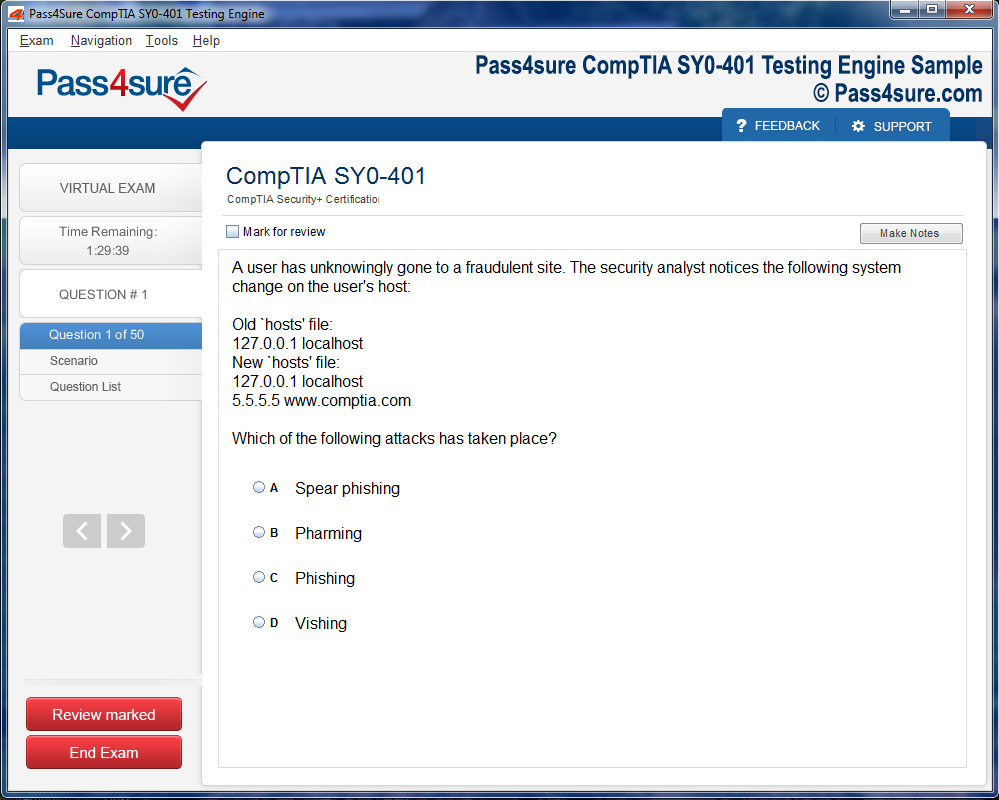
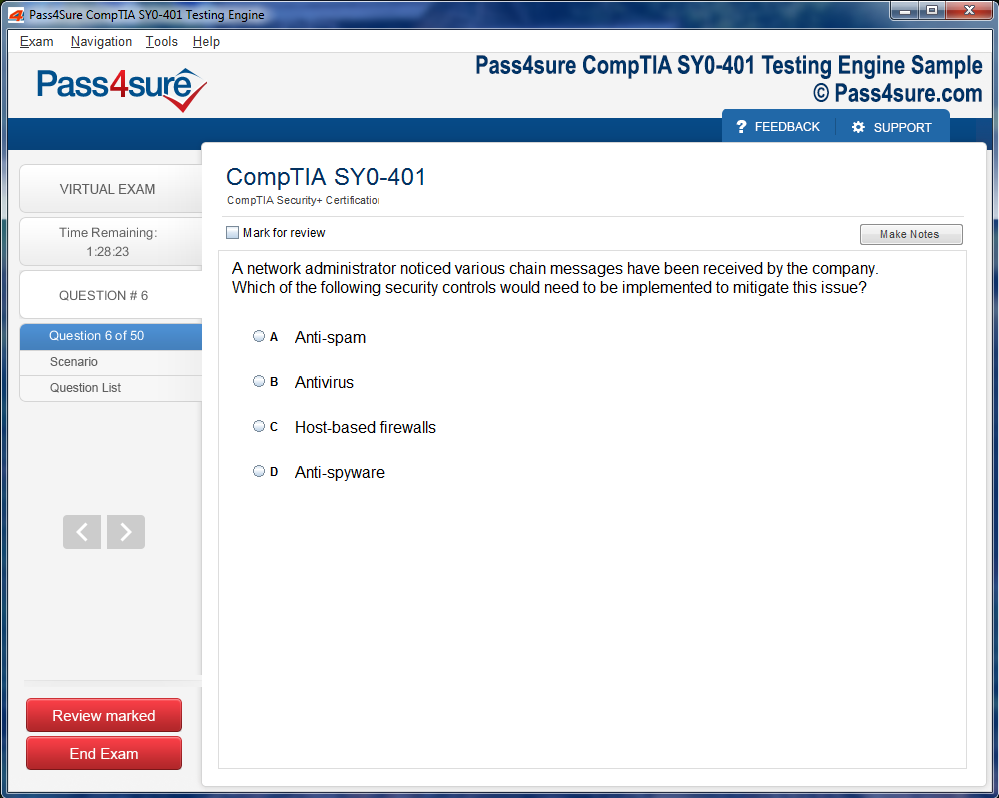
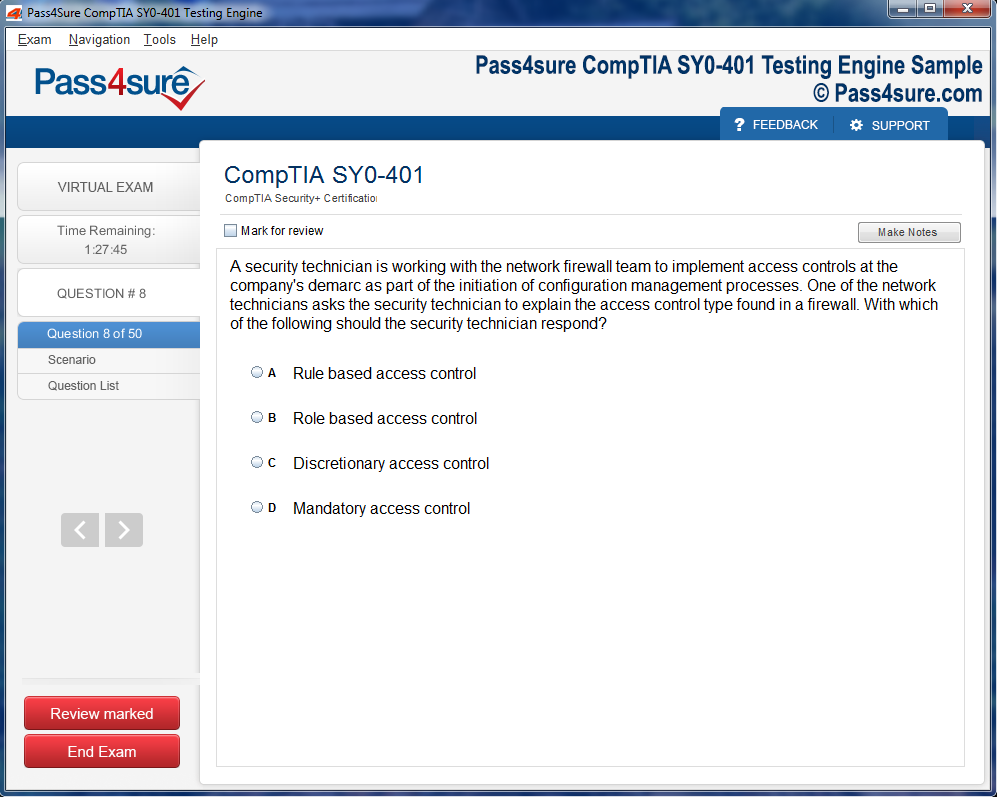
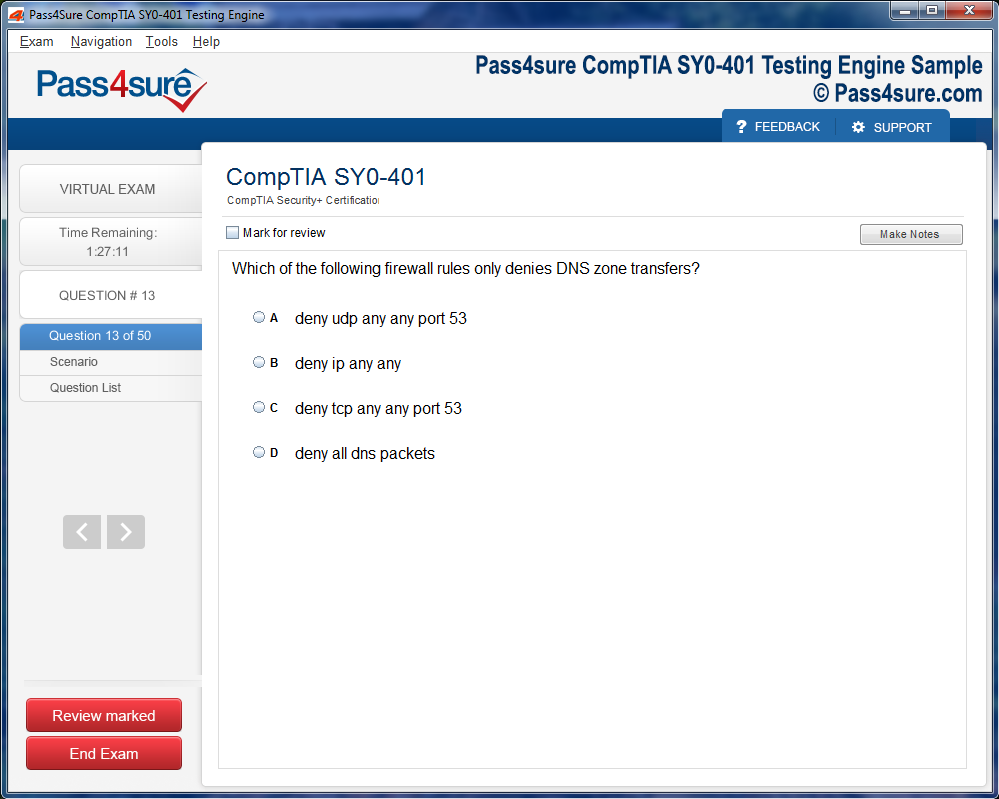
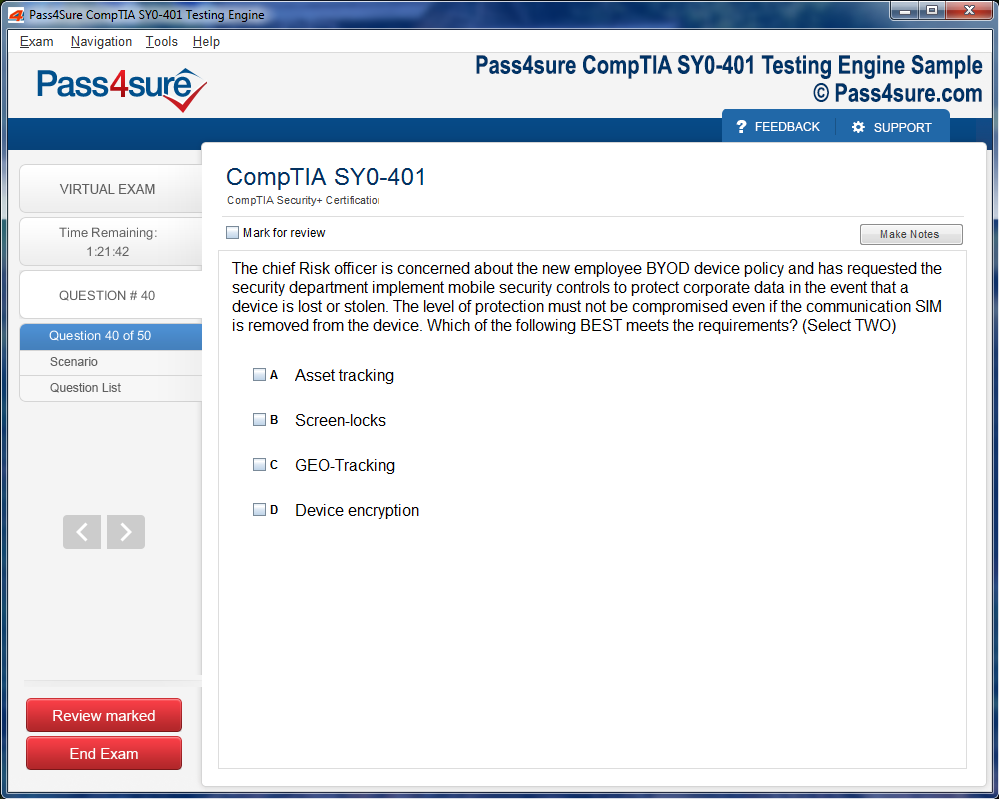
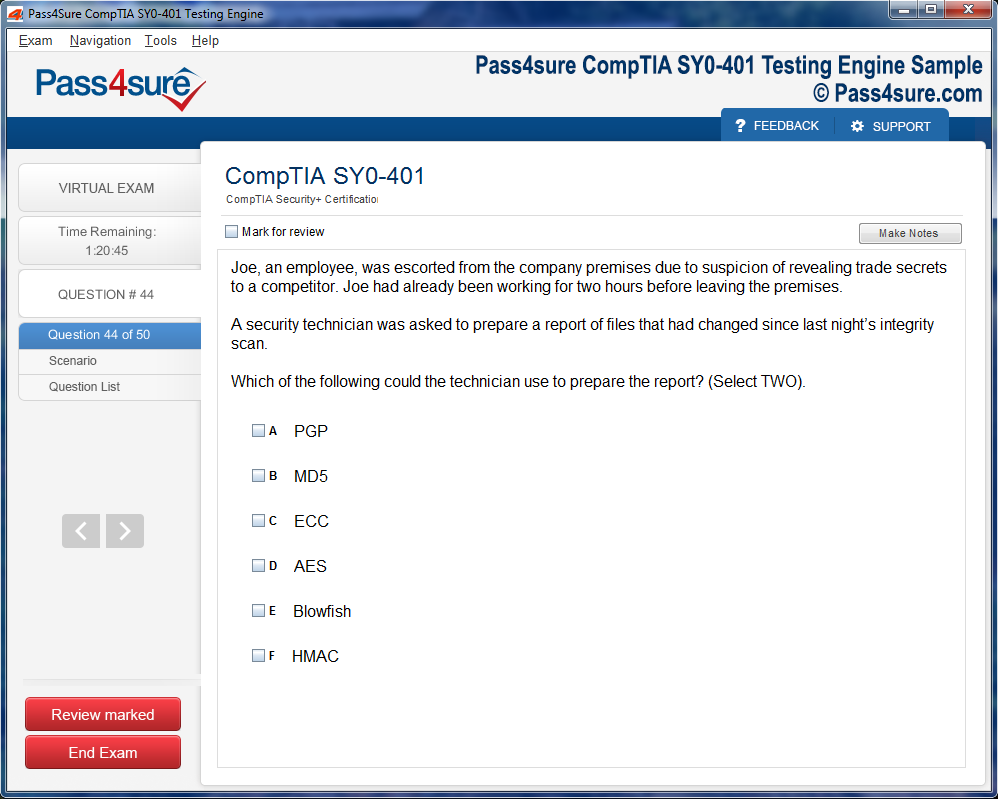
Product Screenshots
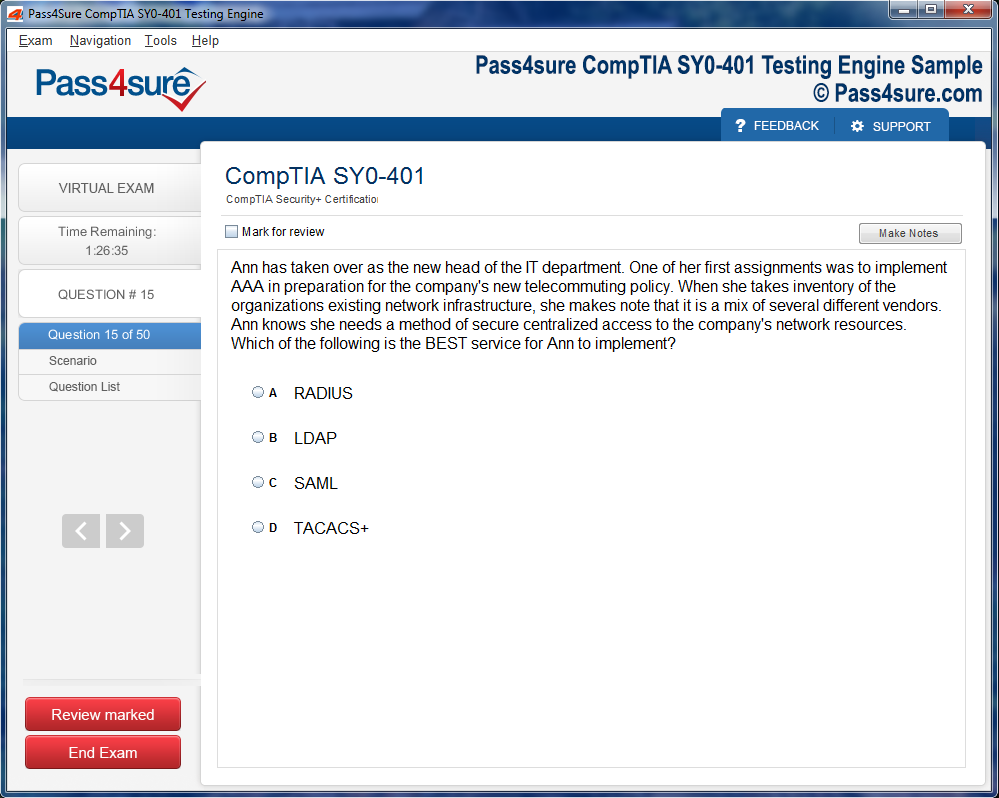
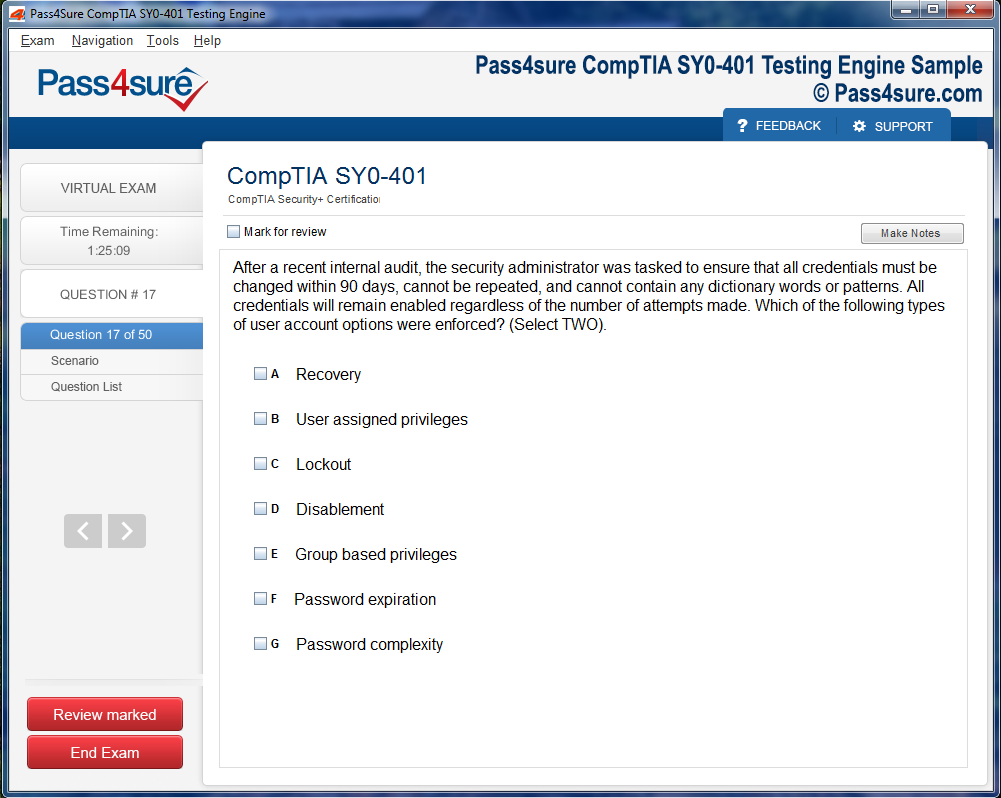
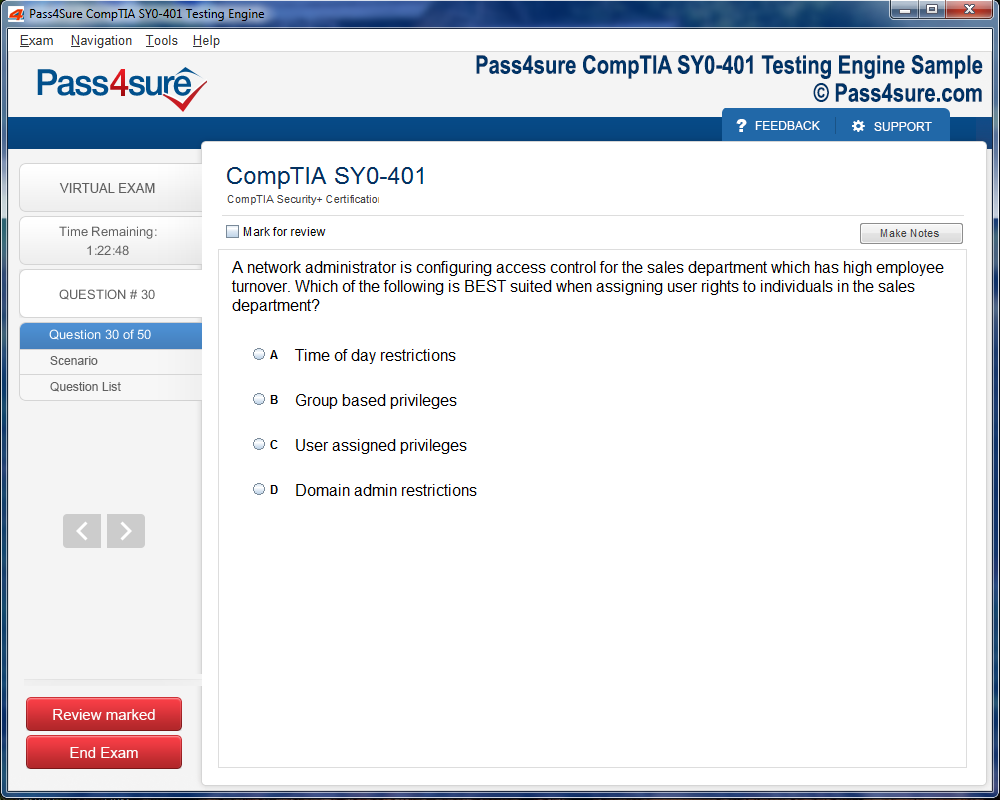
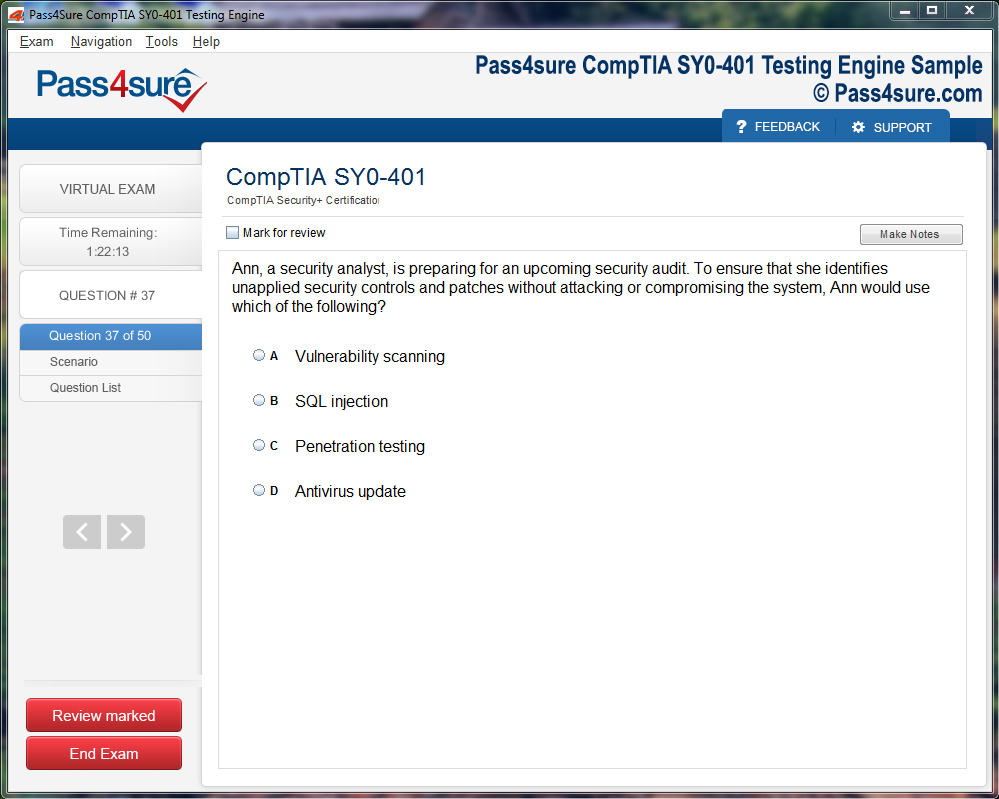
Frequently Asked Questions
How does your testing engine works?
Once download and installed on your PC, you can practise test questions, review your questions & answers using two different options 'practice exam' and 'virtual exam'. Virtual Exam - test yourself with exam questions with a time limit, as if you are taking exams in the Prometric or VUE testing centre. Practice exam - review exam questions one by one, see correct answers and explanations.
How can I get the products after purchase?
All products are available for download immediately from your Member's Area. Once you have made the payment, you will be transferred to Member's Area where you can login and download the products you have purchased to your computer.
How long can I use my product? Will it be valid forever?
Pass4sure products have a validity of 90 days from the date of purchase. This means that any updates to the products, including but not limited to new questions, or updates and changes by our editing team, will be automatically downloaded on to computer to make sure that you get latest exam prep materials during those 90 days.
Can I renew my product if when it's expired?
Yes, when the 90 days of your product validity are over, you have the option of renewing your expired products with a 30% discount. This can be done in your Member's Area.
Please note that you will not be able to use the product after it has expired if you don't renew it.
How often are the questions updated?
We always try to provide the latest pool of questions, Updates in the questions depend on the changes in actual pool of questions by different vendors. As soon as we know about the change in the exam question pool we try our best to update the products as fast as possible.
How many computers I can download Pass4sure software on?
You can download the Pass4sure products on the maximum number of 2 (two) computers or devices. If you need to use the software on more than two machines, you can purchase this option separately. Please email sales@pass4sure.com if you need to use more than 5 (five) computers.
What are the system requirements?
Minimum System Requirements:
- Windows XP or newer operating system
- Java Version 8 or newer
- 1+ GHz processor
- 1 GB Ram
- 50 MB available hard disk typically (products may vary)
What operating systems are supported by your Testing Engine software?
Our testing engine is supported by Windows. Andriod and IOS software is currently under development.
How to Pass TB0-118 Certification on Your First Attempt: Step-by-Step Guide
Embarking on the journey to achieve the TB0-118 certification, known as "Architecting Composite Applications and Services with TIBCO," requires a comprehensive understanding of the exam's structure, objectives, and the skills it assesses. This foundational knowledge sets the stage for effective preparation and successful completion of the certification.
The TB0-118 exam is designed to evaluate your proficiency in architecting composite applications and services using TIBCO technologies. It encompasses a range of topics, including service-oriented architecture, business process management, and enterprise application integration. Grasping these core areas is crucial, as they form the backbone of the exam's content.
The exam typically consists of multiple-choice questions that assess both theoretical knowledge and practical application. Familiarity with the exam format and question types allows you to approach each item with confidence, making it possible to focus on understanding rather than guesswork.
Service-Oriented Architecture and Its Relevance
A deep comprehension of service-oriented architecture is pivotal for any aspiring TIBCO architect. SOA is a design paradigm that enables the creation of modular, reusable services, which can be orchestrated into complex business processes. Each service represents a discrete unit of functionality, facilitating seamless interaction across diverse applications.
In the context of TB0-118, understanding SOA principles goes beyond knowing definitions. It involves recognizing how services can be designed for reusability, scalability, and maintainability. Candidates are expected to understand service contracts, messaging patterns, and the implications of synchronous versus asynchronous communications.
Moreover, SOA in TIBCO is closely intertwined with event-driven architecture and messaging middleware. Comprehending how services communicate asynchronously through message queues or topics helps build more robust and decoupled systems. Knowledge of these patterns is essential for demonstrating the ability to architect solutions that withstand real-world complexities.
Business Process Management and Workflow Orchestration
Business process management, often referred to as BPM, forms a significant portion of the TB0-118 syllabus. BPM emphasizes the modeling, execution, and optimization of business processes to align IT solutions with organizational objectives. The exam tests the ability to design efficient workflows that combine human tasks, automated services, and decision logic.
TIBCO provides tools that facilitate BPM by enabling process orchestration and monitoring. Candidates should understand process modeling conventions, such as the use of swimlanes, gateways, and events. Recognizing how to capture business rules and integrate them into automated workflows is critical for demonstrating applied expertise.
An intricate aspect of BPM lies in exception handling and compensatory actions. Designing processes that can gracefully recover from errors or adapt to dynamic business conditions is a hallmark of advanced competency. Such scenarios are frequently mirrored in exam questions, where the ability to balance flexibility with stability is evaluated.
Enterprise Application Integration and Connectivity
Enterprise application integration serves as the connective tissue of modern IT ecosystems, and it is a central theme in the TB0-118 exam. EAI involves linking disparate systems, enabling data and process flow across heterogeneous environments. Candidates must understand integration strategies, including point-to-point, hub-and-spoke, and bus architectures.
TIBCO’s suite of tools provides mechanisms for message transformation, routing, and mediation. Proficiency in these capabilities ensures seamless interoperability among systems, whether on-premises, in the cloud, or spanning hybrid infrastructures. Understanding protocol variations, message formats, and error-handling strategies is crucial for designing resilient integration solutions.
Equally important is the concept of transactional integrity. In composite applications, transactions may span multiple services or systems. Knowing how to implement atomicity, consistency, isolation, and durability (ACID) principles ensures that business processes remain reliable even in complex, distributed environments.
Practical Application and Scenario-Based Thinking
The TB0-118 exam emphasizes not only theoretical knowledge but also the ability to apply concepts in practical scenarios. Candidates are often presented with case studies or problem statements requiring analytical thinking, architectural design, and decision-making.
For instance, understanding when to use asynchronous messaging versus synchronous communication can drastically impact system performance and user experience. Similarly, evaluating whether a process should be orchestrated within a single workflow or decomposed into microservices reflects the candidate's strategic thinking.
Scenario-based preparation encourages a mindset that blends creativity with structured problem-solving. Practicing real-world examples, such as integrating a CRM system with an ERP or designing a fault-tolerant process, equips candidates with intuition that goes beyond rote memorization. Such exercises cultivate the ability to reason through unfamiliar challenges, a skill that is directly assessed in the exam.
Tools and Technologies Within the TIBCO Ecosystem
A comprehensive understanding of TIBCO tools is indispensable for passing TB0-118. The exam assesses familiarity with components such as TIBCO BusinessWorks, TIBCO Enterprise Message Service, TIBCO ActiveMatrix, and TIBCO Hawk. Each tool serves a unique purpose, from workflow orchestration to real-time monitoring, and mastery over their application is essential.
Candidates should explore the capabilities and limitations of each technology. BusinessWorks, for instance, facilitates the design and execution of integration workflows, while EMS provides reliable messaging channels for communication between services. ActiveMatrix extends application deployment and governance, and Hawk supports system health monitoring. Understanding how these tools interconnect to form composite applications demonstrates holistic expertise.
Equally critical is hands-on experience. Familiarity with creating projects, configuring adapters, and testing integrations strengthens comprehension. Practical exposure ensures that candidates can navigate challenges efficiently and apply theoretical principles with confidence during the exam.
Exam Preparation Strategies and Mindset
Strategic preparation is fundamental to achieving success in TB0-118. This involves structuring study time, identifying knowledge gaps, and reinforcing understanding through practice and review. High-engagement learning, such as interactive exercises and simulations, enhances retention and promotes conceptual clarity.
Developing a study plan that prioritizes weaker areas while reinforcing strengths is effective. Breaking down complex topics into manageable sections allows for focused learning and prevents overwhelm. Regularly revisiting previously covered concepts consolidates understanding and builds confidence.
Equally important is cultivating a mindset oriented toward problem-solving and analytical reasoning. Approaching study with curiosity, rather than anxiety, fosters deeper engagement and a willingness to explore intricate scenarios. Practicing under timed conditions simulates the exam environment, helping candidates manage pacing, focus, and composure.
Crafting a Strategic Study Plan
A well-structured study plan is the cornerstone of successful preparation for the TB0-118 certification exam. Crafting this plan begins with a comprehensive understanding of the exam syllabus. The exam encompasses a variety of topics, including TIBCO business events, administration, integration, and analytics. It is essential to break down each domain into manageable segments, allowing you to focus on individual components without feeling overwhelmed. Allocating sufficient time to each topic ensures that every concept is thoroughly explored and understood.
An effective strategy involves prioritizing areas where your knowledge is weaker. Rather than attempting to cover all topics uniformly, concentrate on sections that challenge you most. For instance, if the integration workflows seem complex, dedicate more hours to exploring the intricacies of TIBCO BusinessWorks and its components. Similarly, if analytics modules appear daunting, immerse yourself in TIBCO Spotfire or other analytics tools to solidify your conceptual clarity.
Diverse study materials can enrich your learning process. Official TIBCO documentation offers authoritative guidance and serves as a foundation for theoretical understanding. Complementing this with online courses, webinars, and practice labs can introduce different perspectives, facilitating a deeper comprehension of practical applications. Engaging with multiple sources not only reinforces concepts but also ensures that you are prepared to encounter questions phrased in unfamiliar ways.
Hands-on practice is indispensable in bridging theoretical knowledge with real-world application. TIBCO tools are intricate, and familiarity with their interfaces, functions, and workflows can significantly enhance exam performance. Create mini-projects or simulate real-world scenarios to apply the concepts you study. This experiential approach cultivates confidence and prepares you for situational questions that demand applied knowledge rather than rote memorization.
Consistent assessment is another critical component of a robust study plan. Utilize self-quizzes, flashcards, and mock exams to evaluate your grasp of the material. These assessments not only highlight gaps in knowledge but also foster a habit of active recall, which is vital for long-term retention. Each evaluation session should be followed by reflection, where you analyze mistakes, understand why they occurred, and incorporate corrective measures into your study plan.
Flexibility is key to sustaining motivation and effectiveness. While it is important to adhere to your schedule, it is equally crucial to adjust it based on progress and evolving needs. Some topics may require more time than initially anticipated, while others might be mastered more quickly. Regularly reviewing your plan ensures that your preparation remains aligned with your strengths, weaknesses, and overall goals.
Incorporating incremental goals within your study plan can enhance focus and provide a sense of accomplishment. For example, aim to master a particular module each week or complete a set number of practice questions daily. Achieving these milestones fosters a positive feedback loop, reinforcing discipline and maintaining momentum throughout the preparation journey.
Time management within your study sessions is also pivotal. Break your study hours into focused intervals with short breaks in between, a technique often referred to as the Pomodoro method. This approach prevents mental fatigue and sustains concentration over longer periods. During each interval, immerse yourself fully in the topic, avoiding distractions, and maximizing retention.
Leveraging peer interactions can supplement individual study efforts. Engaging in study groups or discussion forums allows you to explore alternative explanations, ask questions, and gain insights from others’ experiences. Teaching a concept to someone else is also a powerful method of reinforcement, as it forces you to articulate your understanding clearly and identify any lingering ambiguities.
Maintaining a healthy balance between study and personal well-being is essential for sustained performance. Adequate sleep, nutrition, and physical activity contribute to mental clarity and energy levels, enhancing learning efficiency. Avoiding prolonged periods of uninterrupted study prevents burnout and ensures that each session is productive and focused.
Tracking your progress meticulously helps in identifying trends and areas needing improvement. Maintain a study journal or log, recording the topics covered, the time spent, and the performance in self-assessments. Over time, this record becomes a valuable tool for recognizing patterns, adjusting strategies, and ensuring comprehensive coverage of the syllabus.
Adopting active learning techniques can further elevate your preparation. Instead of passively reading material, engage in summarizing concepts, creating mind maps, and drafting flow diagrams. These activities stimulate cognitive processes, enabling better retention and comprehension. Practical exercises such as configuring TIBCO workflows or simulating message queues not only solidify technical skills but also reinforce theoretical knowledge.
Understanding the exam’s structure and question patterns is another vital component of your strategic plan. Analyze previous exam trends, if available, to familiarize yourself with common question formats. This insight allows you to approach questions methodically, improving accuracy and reducing anxiety during the actual exam. Simulated exams under timed conditions replicate the real testing environment, training your mind to perform efficiently under pressure.
Motivation and mindset are intertwined with effective study planning. Visualize your goals and remind yourself of the purpose behind your preparation. Setting both short-term and long-term objectives helps maintain focus and instills a sense of direction. Celebrate small victories along the way to reinforce motivation and sustain momentum throughout the preparation process.
Incorporating a cyclical review system ensures that knowledge is retained over time. Revisiting previously studied topics periodically prevents forgetting and strengthens connections between concepts. Spaced repetition, a method where review intervals gradually increase, is particularly effective in embedding knowledge into long-term memory.
It is equally important to refine your problem-solving approach. Rather than memorizing solutions, understand the underlying principles that guide TIBCO processes. Analyzing scenarios, troubleshooting errors, and exploring multiple solutions cultivate analytical thinking, which is indispensable for tackling complex questions in the exam.
In summary, a strategic study plan for TB0-118 certification integrates structured scheduling, targeted focus on weaker areas, diverse study materials, hands-on practice, regular assessment, flexibility, incremental goal setting, time management, peer interaction, well-being, meticulous tracking, active learning, exam familiarity, motivation, cyclical review, and analytical thinking. Each component synergizes to create a comprehensive framework that not only prepares you for the exam but also cultivates skills applicable to real-world TIBCO applications.
Deep Diving into Core Concepts
Mastering the TB0-118 exam requires more than superficial familiarity with TIBCO technologies. It demands a profound understanding of the core concepts that drive efficient application design and integration. At the heart of these concepts lies service-oriented architecture (SOA), a methodology that enables modular, reusable, and loosely coupled components to work harmoniously. By internalizing the principles of SOA, learners gain the ability to design composite applications that can scale effortlessly while maintaining flexibility. This knowledge also lays the foundation for more advanced topics, ensuring that candidates can navigate complex integration scenarios with confidence.
Business process management (BPM) is another pivotal concept. BPM is not merely a set of tools; it is a disciplined approach to modeling, executing, and monitoring business processes. Understanding BPM methodologies allows developers to align technical workflows with organizational objectives. By grasping the nuances of process orchestration, exception handling, and workflow automation, candidates can design solutions that enhance efficiency, reduce redundancies, and provide measurable business value. Familiarity with process patterns and monitoring strategies is particularly valuable when preparing for exam scenarios that test real-world application design.
Enterprise application integration (EAI) forms the backbone of modern IT environments. Organizations often rely on disparate systems that must communicate seamlessly to ensure operational continuity. Understanding EAI patterns, such as message routing, transformation, and orchestration, equips candidates with the ability to bridge these diverse systems effectively. By studying integration frameworks and middleware functionalities, learners can anticipate potential challenges and implement solutions that ensure reliability and performance. Knowledge of EAI also enhances one’s ability to troubleshoot integration issues and optimize communication between heterogeneous applications.
Another crucial component is event-driven architecture (EDA). In EDA, systems respond to events in real time, enabling faster decision-making and greater responsiveness. For TB0-118 preparation, understanding event streams, topics, and subscribers is essential. Candidates should explore how events trigger processes, how event-driven workflows differ from traditional request-response mechanisms, and how to manage asynchronous communication effectively. Mastery of EDA principles ensures that candidates can design resilient, responsive systems capable of handling dynamic operational demands.
Messaging infrastructure is equally significant in the context of TIBCO technologies. Familiarity with message brokers, queues, and topics provides candidates with the ability to handle data exchange between services reliably. Understanding message delivery patterns, reliability guarantees, and transactional messaging enables learners to design applications that maintain consistency even in high-volume environments. By exploring message routing strategies and prioritization, candidates can optimize performance and ensure that critical communications are never delayed or lost.
Integration with cloud environments represents a contemporary requirement in many exam scenarios. Cloud-based applications demand flexibility, scalability, and interoperability with on-premises systems. Candidates should explore how TIBCO technologies support hybrid deployment models, enabling seamless communication between cloud services and traditional infrastructure. Grasping concepts such as API gateways, cloud messaging, and secure data transfer is instrumental in designing future-proof integration solutions that meet organizational needs while maintaining security and compliance standards.
Data management and transformation remain foundational topics. Effective handling of data ensures that integrated applications can communicate without data loss, inconsistency, or corruption. Candidates should understand data mapping, transformation rules, and schema evolution to ensure smooth information flow between systems. Additionally, mastering tools for validating, cleaning, and enriching data enhances the quality of integrations and reduces the likelihood of operational failures. This knowledge forms a critical link between technical proficiency and business success, as accurate data underpins decision-making and operational efficiency.
Security considerations cannot be overlooked. Secure integration protects sensitive information while maintaining operational fluidity. Candidates should focus on authentication, authorization, and encryption techniques relevant to TIBCO technologies. Understanding how to implement secure messaging, role-based access controls, and certificate management ensures that applications comply with organizational policies and regulatory requirements. Security expertise also enables candidates to anticipate vulnerabilities and implement mitigations proactively, a capability highly valued in real-world integration projects.
Monitoring and troubleshooting are vital skills for any integration professional. Proactive monitoring enables early detection of issues, minimizing downtime and ensuring service reliability. Candidates should explore how to leverage monitoring tools, logs, and alerts to maintain optimal system performance. Additionally, troubleshooting techniques, including root cause analysis and performance tuning, are essential for resolving integration challenges quickly. By mastering these skills, candidates not only prepare for exam scenarios but also gain practical competencies directly applicable to enterprise environments.
Understanding deployment strategies enhances operational efficiency. Candidates should examine best practices for deploying TIBCO applications across diverse environments, including development, testing, and production. Knowledge of deployment automation, version control, and rollback mechanisms ensures smooth releases and reduces operational risk. Familiarity with containerization and orchestration tools further equips candidates to manage complex application landscapes efficiently. These deployment skills complement technical design knowledge, forming a holistic understanding required for certification success.
Performance optimization represents another area of focus. Efficient applications reduce latency, conserve resources, and improve user satisfaction. Candidates should analyze methods for optimizing message flows, reducing bottlenecks, and tuning system parameters. Understanding caching strategies, parallel processing, and load balancing empowers learners to design high-performing solutions capable of handling enterprise-scale workloads. Performance proficiency enhances the candidate’s ability to address both functional and non-functional requirements, a critical factor in exam scenarios.
Testing and validation form the final pillar of deep conceptual mastery. Comprehensive testing ensures that integration solutions operate as intended under varied conditions. Candidates should study techniques for unit testing, system testing, and integration testing within TIBCO environments. Knowledge of automated testing frameworks, test data management, and scenario simulation strengthens the candidate’s ability to deliver reliable applications. Testing skills also contribute to faster troubleshooting and iterative improvement, reinforcing the practical value of deep conceptual understanding.
Process optimization extends beyond testing into continuous improvement. Candidates should explore methodologies for refining business processes, enhancing system efficiency, and reducing operational overhead. By analyzing metrics, identifying inefficiencies, and implementing targeted improvements, learners develop a mindset aligned with organizational growth and innovation. Continuous improvement principles not only aid in exam preparation but also equip candidates with capabilities that elevate their professional expertise.
Understanding the interplay between different TIBCO components is crucial. Integration solutions rarely operate in isolation, and candidates must grasp how messaging, BPM, SOA, and EAI interact to form cohesive applications. Exploring interdependencies, data flow, and operational sequencing allows learners to anticipate challenges and design robust, scalable solutions. This holistic understanding reinforces the candidate’s ability to address complex exam scenarios that require multi-component integration.
Collaboration and communication are often understated yet vital for exam readiness and practical success. Integration professionals must work closely with business analysts, architects, and developers. Candidates should develop skills for documenting workflows, explaining technical decisions, and aligning technical implementations with business objectives. Effective communication ensures that solutions meet requirements and facilitates smoother implementation, a competency that adds both practical and evaluative value in certification contexts.
Exploring advanced features of TIBCO software expands the candidate’s toolkit. Features such as adaptive routing, predictive analytics, and real-time monitoring provide powerful mechanisms for enhancing application performance. Candidates should investigate how to leverage these capabilities to create dynamic, responsive integration solutions. Familiarity with advanced functionalities demonstrates technical sophistication and prepares learners to handle scenarios that challenge conventional integration approaches.
In addition, candidates must remain aware of version-specific changes and updates in TIBCO products. Software evolves rapidly, and awareness of the latest capabilities ensures that candidates apply current best practices. Studying release notes, upgrade methodologies, and compatibility considerations equips learners to design solutions that are not only functional but also sustainable over time. Version awareness also minimizes the risk of relying on outdated methodologies that could hinder performance or create vulnerabilities.
Finally, mastering documentation practices solidifies conceptual understanding. Comprehensive documentation ensures clarity, repeatability, and maintainability of integration solutions. Candidates should focus on creating clear architectural diagrams, process flows, and technical specifications. High-quality documentation facilitates troubleshooting, onboarding, and long-term system management. It also demonstrates a candidate’s ability to translate complex technical knowledge into actionable insights, a skill highly valued in both exam and professional contexts.
Through disciplined study of these core concepts, candidates develop a holistic understanding of TIBCO technologies. By integrating knowledge of SOA, BPM, EAI, EDA, messaging, security, monitoring, deployment, and advanced features, learners gain the confidence and competence needed to excel in the TB0-118 exam. Deep conceptual mastery transforms rote learning into applied expertise, enabling candidates to tackle diverse scenarios with precision, efficiency, and creativity.
Understanding the Power of Practice Exams
Practice exams serve as a cornerstone in the journey toward certification success. They offer more than just a review of concepts; they create a mental simulation of the actual exam environment. When you engage with these tests, you are immersing yourself in a setting where time pressure, question formats, and the sequence of challenges are identical to what you will face during the real assessment. This familiarity reduces stress and builds confidence, which is often the difference between a pass and a fail.
The repeated exposure to exam-like conditions trains your mind to function efficiently under constraints. Over time, you begin to recognize patterns in question construction, the way scenarios are presented, and common pitfalls. These insights are crucial because they allow you to develop strategies for managing time and approaching questions systematically. The rhythm of answering question after question sharpens your ability to focus on essential details while filtering out distractions, a skill that translates directly to improved performance on the real test.
Moreover, practice exams provide immediate feedback, highlighting both your strengths and areas that require further attention. By carefully analyzing the results, you can pinpoint topics that need reinforcement. This targeted approach ensures that your study sessions are productive and concentrated on high-yield areas, maximizing your preparation efficiency.
Building Confidence Through Repetition
Repetition is a powerful tool when preparing for any challenging exam. Engaging repeatedly with practice exams fosters a sense of mastery and resilience. Each time you attempt a mock test, your familiarity with question styles increases, diminishing the surprise element that can often disrupt performance.
Confidence, however, is not merely the absence of fear; it is the presence of preparation. When you know that you have encountered and successfully solved similar problems in a simulated environment, your self-assurance grows. This psychological advantage cannot be overstated, as exams are as much a test of mental composure as they are of knowledge.
Practice exams also teach you the subtle skill of pacing. Many candidates struggle with allocating time properly across questions, often spending too long on certain problems and rushing through others. By simulating real exam conditions, you train yourself to distribute your time wisely, ensuring that you have the opportunity to address all questions methodically without feeling rushed.
Identifying Knowledge Gaps
One of the most significant benefits of using practice exams is the ability to identify knowledge gaps. These assessments reveal not only what you know but also what you do not yet fully understand. When a question stumps you or results in an incorrect answer, it provides a clear signal that the corresponding topic requires additional attention.
This diagnostic aspect of practice exams allows for targeted study. Instead of spending equal time on every topic, you can focus on areas that will have the most impact on your overall score. For example, if integration patterns or data transformation processes consistently pose difficulties, you can revisit tutorials, documentation, and hands-on exercises specific to those concepts. This strategic approach ensures that your preparation is efficient and effective, rather than diffuse and overwhelming.
Furthermore, recognizing recurring mistakes helps you understand your cognitive tendencies. You may notice patterns, such as misreading questions, overlooking small details, or applying incorrect formulas. Once these tendencies are identified, you can develop corrective strategies, such as underlining keywords or rechecking answers systematically, which further enhances your performance.
Hands-On Experience Through Simulations
While practice exams test your theoretical knowledge, simulations provide an essential bridge between theory and practical application. Simulations replicate the TIBCO environment, allowing you to interact with platforms, manipulate data, and perform tasks in a controlled, risk-free setting. This experiential learning is invaluable because it translates abstract concepts into tangible skills.
Working with simulations familiarizes you with the tools and interfaces you will encounter on the job and during the exam. Tasks such as designing integration flows, configuring event-driven processes, or troubleshooting errors become more intuitive when practiced in a simulated environment. The repetition of these exercises ensures that the steps become second nature, reducing the likelihood of mistakes during the real assessment.
Simulations also encourage problem-solving and critical thinking. In real-world scenarios, solutions are rarely linear, and unexpected challenges often arise. By navigating these challenges in a simulation, you develop adaptability and resourcefulness, which are crucial traits for both the exam and professional practice.
Integrating Practice Exams and Simulations
To maximize your preparation, it is essential to integrate practice exams with simulations in a structured study plan. Start with simulations to build foundational skills and confidence in performing practical tasks. Once comfortable, transition to practice exams to test your knowledge under time constraints and identify gaps.
Alternating between simulations and exams creates a reinforcing cycle. Simulations deepen your understanding of concepts, while practice exams test your ability to recall and apply that knowledge under pressure. Over time, this approach solidifies both your practical and theoretical proficiency, ensuring that you are fully prepared to tackle the exam with confidence and competence.
A balanced study plan might include daily or weekly cycles of simulated exercises followed by timed practice exams. For instance, spend the morning working through a complex integration scenario in a simulation, and in the afternoon, attempt a set of practice questions related to the same topic. This iterative process allows for immediate application and reinforcement, enhancing retention and understanding.
Strategies for Maximizing Exam Readiness
To fully leverage practice exams and simulations, certain strategies can significantly improve outcomes. First, treat each practice session as seriously as the actual exam. Time yourself strictly and avoid distractions. This will train your mind to perform under realistic conditions and minimize anxiety on test day.
Second, review each incorrect answer thoroughly. Understanding why a particular solution is incorrect is as important as knowing the correct one. This reflective approach transforms mistakes into learning opportunities, reinforcing concepts and improving problem-solving skills.
Third, track your progress over time. Maintain a log of scores, frequently missed topics, and areas where you feel less confident. Monitoring trends in your performance allows you to adjust your study plan dynamically, focusing more on weaker areas while maintaining proficiency in stronger ones.
Finally, simulate the entire exam experience before the actual test day. This includes sitting through a full-length timed exam without interruptions, using only the resources permitted in the real test. This final rehearsal conditions your mind, builds endurance, and ensures that you are psychologically and practically prepared for the challenge.
The Psychological Advantage of Familiarity
Beyond technical skills, practice exams and simulations provide a significant psychological advantage. Familiarity reduces uncertainty, which is a major source of stress during exams. Knowing the format, understanding the types of questions, and being comfortable with the tools diminishes fear and enhances performance.
Confidence built through repeated exposure fosters a calm, focused mindset. When anxiety is minimized, cognitive resources can be fully devoted to problem-solving and application of knowledge, rather than being wasted on stress or uncertainty. This mental clarity is often what separates high scorers from those who struggle under pressure.
Furthermore, the sense of accomplishment from completing practice exams and simulations reinforces motivation. Each successfully completed exercise or exam serves as a tangible measure of progress, fueling determination and perseverance. This combination of skill, confidence, and motivation forms a solid foundation for success on the actual certification exam.
Mastering Time Management and Exam Strategies
Effective preparation for the TB0-118 exam is not only about mastering content but also about refining your approach to the exam itself. Time management is a cornerstone of exam success, and mastering it can transform your performance from adequate to exceptional. Allocating your time wisely during the exam ensures that every question receives sufficient attention, while preventing unnecessary stress or rushed mistakes. The principle is simple yet profound: those who control their time control their results. Practicing pacing through simulated exams allows candidates to develop an intuitive sense of timing. By creating an internal rhythm for tackling questions, you reduce the risk of becoming entangled in particularly challenging items and maintain steady momentum throughout the test.
Building a personal strategy for addressing different question types is essential. Multiple-choice questions, scenario-based questions, and practical problem-solving sections all demand distinct approaches. For example, complex scenario-based questions often contain embedded hints or contextual clues that can guide your thought process. By reading questions carefully and identifying key indicators, you can efficiently navigate these challenges. Conversely, for more straightforward knowledge-based items, rapid recognition and recall are critical. The balance between speed and accuracy is delicate, yet with disciplined practice, candidates can achieve a level of proficiency that feels almost instinctive.
Strategic skipping is another valuable tactic for managing time effectively. Encountering a particularly perplexing question can derail concentration and consume precious minutes. Rather than allowing frustration to mount, it is often wiser to bypass the question temporarily, continuing with the remainder of the exam. This method ensures that you maximize points on questions you are confident about while leaving room to revisit difficult items if time permits. Skilled candidates often identify which questions are worth immediate attention and which should be deferred, creating a dynamic approach that adapts to the exam’s unfolding rhythm.
Careful reading of each question is an understated but powerful tool. Subtle wording and phrasing often hold the key to selecting the correct answer. Candidates should develop a habit of identifying keywords that dictate the focus of the question. Phrases like “most appropriate,” “primary benefit,” or “critical consideration” are not merely decorative; they are guiding principles that shape the response. Understanding these nuances enables precise targeting, minimizing the risk of selecting an answer that is technically correct but contextually irrelevant. A meticulous reading habit separates highly effective test-takers from those who rely solely on rote knowledge.
Elimination techniques further enhance the probability of correct responses. By systematically ruling out obviously incorrect options, candidates reduce the field and increase the likelihood of success even when guessing becomes necessary. This approach requires a blend of knowledge and logical deduction. Often, an answer that seems plausible on the surface can be eliminated by identifying subtle inconsistencies with the question’s intent. Developing a keen eye for such discrepancies is a skill that grows with practice, enabling candidates to navigate complex question sets with confidence and efficiency.
In addition to strategy during the exam, preparation leading up to test day is pivotal. Structured study schedules, which divide content into manageable segments, prevent last-minute cramming and foster retention. By spacing learning over weeks or months, candidates allow concepts to solidify in long-term memory, ensuring rapid recall under the pressure of time constraints. Mock exams serve a dual purpose in this regard: they reinforce content familiarity and condition the mind for the exam’s pacing. Regular simulation of test conditions, including timing, environment, and pressure, reduces anxiety and builds resilience, making the actual exam a familiar and navigable landscape rather than an unpredictable challenge.
Developing mental stamina is equally important. Exams are often as much about endurance as they are about knowledge. Long periods of focus can strain concentration, leading to mistakes if candidates are not accustomed to sustained attention. Incorporating techniques to maintain mental clarity, such as scheduled breaks during study sessions or mindfulness exercises, can have a substantial impact on performance. By training the mind to remain alert over extended periods, candidates create a foundation for consistent, accurate decision-making even when fatigue threatens to undermine efficiency.
Another subtle yet impactful strategy is prioritization based on personal strengths. Identifying areas of expertise allows candidates to quickly gain confidence and secure points early in the exam. Conversely, recognizing weaker areas permits the allocation of additional study time and targeted revision prior to test day. This self-awareness transforms preparation into a strategic endeavor, reducing wasted effort and enhancing overall efficiency. High-performing candidates often maintain detailed logs of progress, tracking mastery of topics and adjusting study focus dynamically to optimize outcomes.
During the exam, the interplay between instinct and logic is essential. While knowledge provides the raw material for answers, intuition guides rapid decision-making under time constraints. Experienced candidates develop a sense of when an instinctive choice aligns with logical deduction, enabling them to respond quickly without sacrificing accuracy. This skill is honed through repeated practice, where exposure to a wide variety of questions allows patterns and common traps to become familiar. As a result, responses that once required careful deliberation become second nature, freeing cognitive resources for more complex problem-solving.
Time management extends beyond individual questions to encompass the overall exam strategy. Allocating specific time blocks to each section, while leaving buffer time for review, ensures comprehensive coverage. This macro-level planning complements micro-level tactics, creating a cohesive framework that supports efficiency and accuracy. Candidates who excel in this domain treat time as a structured resource rather than a constraint, using it to guide both pacing and decision-making. This perspective fosters calmness and confidence, mitigating the stress that can otherwise impair performance under pressure.
Exam preparation also benefits from reflective practice. After completing mock exams, thorough analysis of mistakes and successes illuminates patterns that inform future strategy. Candidates can identify which question types consistently pose difficulty, which time management habits are effective, and which cognitive biases may influence decision-making. By iteratively refining their approach based on concrete feedback, candidates move beyond rote learning to cultivate a sophisticated, adaptive exam strategy. This iterative process transforms preparation from passive study into a deliberate, skill-enhancing practice.
The integration of concentration techniques further enhances performance. Mental clarity and focus are prerequisites for processing complex information efficiently. Strategies such as mental rehearsal, visualization of question-solving sequences, and controlled breathing can anchor attention, preventing lapses during critical moments. When combined with structured time management and strategic pacing, these methods elevate candidates’ ability to respond accurately, even in high-pressure environments. The interplay between physical readiness, mental clarity, and strategic thinking constitutes a holistic approach that maximizes performance potential.
Confidence building is another vital element intertwined with time management. A well-prepared candidate approaches the exam with a sense of assurance derived from familiarity, skill mastery, and practiced strategies. This confidence mitigates hesitation, reduces second-guessing, and fosters decisive action. It is cultivated through repeated exposure to exam conditions, thorough understanding of the material, and a systematic approach to time management. By internalizing the rhythm of the exam and trusting one’s preparation, candidates can navigate even challenging questions with poise.
Finally, balancing meticulous preparation with adaptive flexibility is essential. While structured plans provide a roadmap, the unpredictable nature of exam questions necessitates nimble thinking and adjustment. Candidates must remain alert to the dynamics of the exam, capable of modifying pacing, prioritizing questions, and shifting focus based on real-time assessment. This adaptive skill separates competent test-takers from exceptional ones, allowing them to convert strategy into tangible results. Mastery of time management and exam tactics is therefore a synthesis of preparation, practice, self-awareness, and adaptability, creating a comprehensive framework for success.
Cultivating a Resilient Mindset
Embarking on the journey toward certification requires more than mere memorization. It demands a resilient mindset that embraces challenges as opportunities for growth. A resilient mind is attuned to both strengths and weaknesses, allowing you to navigate the preparation process with unwavering focus. Each study session becomes a deliberate act of reinforcement, weaving concepts into memory while fostering a sense of mastery over the material. Avoid the temptation to compare your progress with others, as true growth emerges from consistent effort and self-awareness.
Resilience also entails managing distractions and external pressures that may interfere with your preparation. Establishing a dedicated study space and clear routines cultivates an environment conducive to concentration. When setbacks occur, view them as temporary obstacles rather than indicators of failure. The ability to recover quickly and adjust your approach amplifies learning and fortifies confidence. This mental fortitude transforms stress into motivation and uncertainty into structured planning, creating a solid foundation for exam success.
Structured Time Management
Effective preparation hinges on structured time management, where each moment is allocated with purpose. Begin by mapping out a study schedule that balances intensity with rest. Break the syllabus into manageable segments, allowing for gradual mastery of each topic. Prioritize challenging areas without neglecting fundamental concepts, ensuring a comprehensive understanding that minimizes gaps. Short, focused sessions interspersed with brief breaks enhance retention and prevent burnout, fostering a rhythm that sustains long-term engagement.
Time management extends beyond study hours, encompassing sleep, nutrition, and mental recovery. Adequate rest enhances cognitive processing, while nutritious meals provide the energy necessary for sustained focus. Mindful pauses during the day, even if brief, recalibrate attention and reinforce motivation. By embracing structured time management, preparation becomes a disciplined yet flexible journey, where progress is measured not only by completion but by the quality of learning.
Strategic Concept Reinforcement
Memorization alone is insufficient for enduring understanding. Strategic concept reinforcement is essential to embed knowledge deeply. Techniques such as summarizing key points in your own words, creating mental associations, and teaching concepts aloud accelerate retention. Revisiting complex topics multiple times solidifies comprehension and transforms abstract ideas into actionable knowledge. This approach ensures that you can recall information with ease under exam conditions, rather than relying on last-minute cramming.
Interleaving subjects and practicing retrieval strengthens neural pathways, enhancing both recall and application. For instance, alternating between technical frameworks and scenario-based applications cultivates versatility. Reinforcement also benefits from contextual learning, where concepts are tied to real-world examples. By repeatedly engaging with material in varied ways, understanding evolves from superficial recognition to confident mastery, equipping you to tackle even unexpected challenges on exam day.
Enhancing Focus and Concentration
Maintaining focus is pivotal for effective preparation and exam performance. Distractions, whether digital or environmental, fragment attention and impede progress. Implement strategies that cultivate sustained concentration, such as the Pomodoro technique, where study periods are followed by short, deliberate breaks. Minimize interruptions by creating a quiet, organized workspace and limiting access to non-essential devices. Mindful awareness exercises, including meditation and controlled breathing, further enhance attentional control, reducing susceptibility to stress and mental fatigue.
Focus is also nurtured through mental engagement with material. Active learning, rather than passive reading, stimulates cognitive processing. Asking yourself how concepts interconnect, visualizing processes, and mentally rehearsing procedures fortify retention. By approaching preparation with an attentive and immersive mindset, concentration becomes a natural state, enabling deeper comprehension and swift recall. This heightened focus directly translates to improved performance during timed assessments.
Stress Management and Emotional Equilibrium
Exam preparation can be emotionally taxing, and unmanaged stress may hinder performance. Cultivating emotional equilibrium involves recognizing stress signals and employing proactive strategies to mitigate their impact. Regular physical activity, even brief walks or stretches, releases tension and supports cognitive clarity. Structured breathing exercises and relaxation techniques reduce physiological responses to stress, allowing for calm reflection and rational problem-solving.
Equally important is maintaining perspective. Viewing the exam as a milestone rather than an ultimate judgment cultivates a balanced emotional state. Celebrate incremental achievements during preparation to reinforce motivation and sustain positivity. Emotional equilibrium is not passive serenity but a dynamic balance between alertness and composure, enabling resilience in the face of challenges. This balanced state ensures that knowledge and skills are accessible, even under the pressures of a high-stakes assessment.
Practical Exam Simulation
Simulating the exam environment is a critical step in preparation, bridging the gap between study and performance. Conducting timed practice sessions under realistic conditions familiarizes you with the format, pacing, and pressure of the actual exam. This method reduces anxiety, identifies weaknesses, and enhances time management skills. Each simulation provides insight into areas requiring further reinforcement, guiding focused study and strategic revision.
During practice, approach each question methodically, mirroring the disciplined strategy intended for exam day. Analyze mistakes not as failures but as learning opportunities, adjusting techniques and refining understanding. Repeated simulation fosters confidence, reduces uncertainty, and sharpens decision-making under pressure. By embedding exam-like conditions into preparation, performance becomes a reflection of mastery rather than chance, reinforcing composure and ensuring readiness.
Sustaining Confidence and Motivation
Confidence is cultivated through preparation, consistency, and self-belief. Maintaining motivation requires a balance of discipline and self-compassion. Acknowledge the progress made, however incremental, and remain steadfast in daily commitments. Visualizing success reinforces positive expectation and strengthens commitment, while internalizing achievements nurtures a sense of capability. Avoid negative self-talk, which undermines confidence, and replace it with affirmations of preparedness and skill.
Sustained motivation also benefits from purposeful variety in study routines. Engaging with material through diverse methods—reading, practice, discussion, and application—prevents monotony and invigorates learning. Celebrate milestones, reflect on personal growth, and recognize adaptability as an asset. This continuous reinforcement of confidence, coupled with resilient motivation, ensures that when exam day arrives, focus, composure, and mastery converge seamlessly, empowering success.Building Mental Endurance
Success in any certification exam is not only a product of knowledge but also of mental endurance. Long hours of preparation, repeated practice, and reviewing complex concepts demand sustained cognitive energy. Developing mental endurance involves gradually increasing study intensity while maintaining clarity and focus. Begin by setting progressive study goals, where each session challenges your concentration slightly more than the previous one. Over time, your mind adapts to prolonged engagement, making lengthy exam sessions less taxing and more manageable.
Mental endurance also depends on periodic mental resets. Brief intervals of reflection, mindfulness, or light physical activity rejuvenate cognitive resources and prevent burnout. During preparation, it is crucial to recognize mental fatigue early and respond by adjusting pace rather than forcing continued study. This adaptive approach ensures consistent productivity while preserving mental resilience, a trait that directly contributes to performance under exam conditions.
Optimizing Cognitive Recall
Optimal performance depends on the ability to recall information quickly and accurately. Cognitive recall is strengthened through repetition, contextual association, and active engagement with material. Visual aids, diagrams, and flowcharts help organize information spatially, making retrieval faster during stressful moments. Rehearsing key principles aloud, teaching concepts to an imagined audience, or summarizing material in your own words reinforces memory pathways and enhances long-term retention.
Practicing retrieval under time constraints simulates the pressure of the exam and conditions your mind to access information efficiently. Combining this with interleaved study methods, where topics are alternated instead of learned consecutively, creates flexible memory connections. This flexibility ensures that knowledge is not isolated to single topics but integrated across the subject, enabling comprehensive understanding and confident application when confronted with unfamiliar scenarios.
Developing Strategic Problem Solving
Beyond memorization, exams test your ability to think strategically and solve problems effectively. Strategic problem solving requires analyzing situations, identifying critical elements, and applying learned concepts methodically. Training this skill involves breaking down complex questions into manageable components and approaching each with deliberate reasoning. Avoid rushing through answers; instead, focus on accuracy and logical flow. Developing a mental checklist for approaching problems enhances efficiency and reduces errors under timed conditions.
Repeated exposure to diverse problem types fosters adaptability, allowing you to tackle unfamiliar scenarios with confidence. Incorporating scenario-based practice into daily study routines strengthens analytical thinking while reinforcing foundational knowledge. Strategic problem solving transforms preparation into an interactive process, where learning is not passive absorption but active engagement, cultivating the mindset needed to navigate any challenge presented by the exam.
Nurturing Physical Well-being
Physical well-being directly influences mental performance. Sustained preparation requires energy, alertness, and resilience, all of which are supported by a healthy body. Regular exercise, even in moderate forms, enhances circulation, improves mood, and reduces stress. Nutritional choices impact cognitive clarity, with balanced meals providing the fuel necessary for optimal brain function. Hydration, often overlooked, is critical for maintaining focus and preventing fatigue during study sessions and the exam itself.
Sleep is equally vital, as it consolidates memory, repairs neural pathways, and regulates emotional balance. Avoid sacrificing rest for extra study time, as cognitive performance declines sharply with fatigue. Integrating physical wellness into the preparation routine ensures that both mind and body are equipped to handle the demands of intensive learning and high-pressure assessments, creating a holistic approach to success.
Reinforcing Confidence Through Practice
Confidence is reinforced through structured, consistent practice. Each successful recall, completed simulation, and correctly solved problem strengthens self-belief. Approach practice as a progressive journey, celebrating incremental achievements while remaining vigilant of areas needing improvement. This balance between recognition of success and identification of weaknesses nurtures a grounded confidence, preventing overestimation of skills while reinforcing preparedness.
Practice also familiarizes you with the pacing of the exam, building endurance and timing awareness. By repeatedly engaging with material in realistic settings, exam anxiety diminishes, replaced by assurance in one’s capabilities. Confidence cultivated in this manner is not superficial optimism but a deeply rooted certainty in your readiness and competence, equipping you to approach the exam with calm determination.
Sustaining Motivation Through Challenges
Motivation fluctuates naturally during intensive preparation, and sustaining it requires conscious effort. Break study routines into achievable milestones, ensuring a sense of accomplishment at every stage. Varying methods of engagement, such as integrating practice tests, interactive study tools, or real-world scenario application, maintains interest and prevents monotony. Recognize that difficulties encountered during study are indicators of growth rather than setbacks, transforming challenges into motivational fuel.
Mental visualization reinforces motivation by allowing you to imagine successful outcomes and the fulfillment that comes with achievement. Daily reflection on progress, coupled with a focus on personal improvement rather than comparison with others, maintains intrinsic motivation. This continuous drive ensures that preparation remains purposeful, energizing, and aligned with the ultimate goal of exam success.
Integrating Mind and Strategy
The most effective preparation integrates mental discipline with strategic execution. This involves aligning study techniques with cognitive strengths, using time efficiently, and approaching problem-solving with clarity and adaptability. Combine structured review with flexible application, ensuring that knowledge is not only retained but also usable in diverse contexts. Emphasize synthesis over rote learning, linking concepts together to create a comprehensive understanding that can be applied seamlessly in the exam environment.
Strategic integration also includes anticipating potential challenges and planning responses in advance. Develop mental contingency strategies for difficult questions, unexpected scenarios, or moments of distraction. This preparedness reduces anxiety, promotes composure, and allows for decisive action under pressure. The synergy of mind and strategy ensures that knowledge, focus, and execution converge, producing optimal performance and reinforcing the sense of mastery essential for confidence.
Conclusion
Achieving the TB0-118 certification on your first attempt is a realistic goal when approached with a structured and disciplined strategy. By understanding the exam objectives, crafting a detailed study plan, and diving deeply into core TIBCO concepts, you build a solid foundation for success. Leveraging practice exams and simulations bridges the gap between theory and real-world application, while mastering time management and exam strategies ensures that you perform efficiently under pressure. Maintaining confidence and composure throughout your preparation and on exam day enhances your ability to think clearly and respond accurately. With consistent effort, focused practice, and a positive mindset, you can navigate the challenges of the TB0-118 exam and secure your certification, opening doors to advanced career opportunities and professional growth in the field of TIBCO architecture and integration.