

Exam Code: S90.01
Exam Name: Fundamental SOA & Service-Oriented Computing (S90-01A)
Certification Provider: SOA
Corresponding Certifications: Certified SOA Architect, Certified SOA Professional
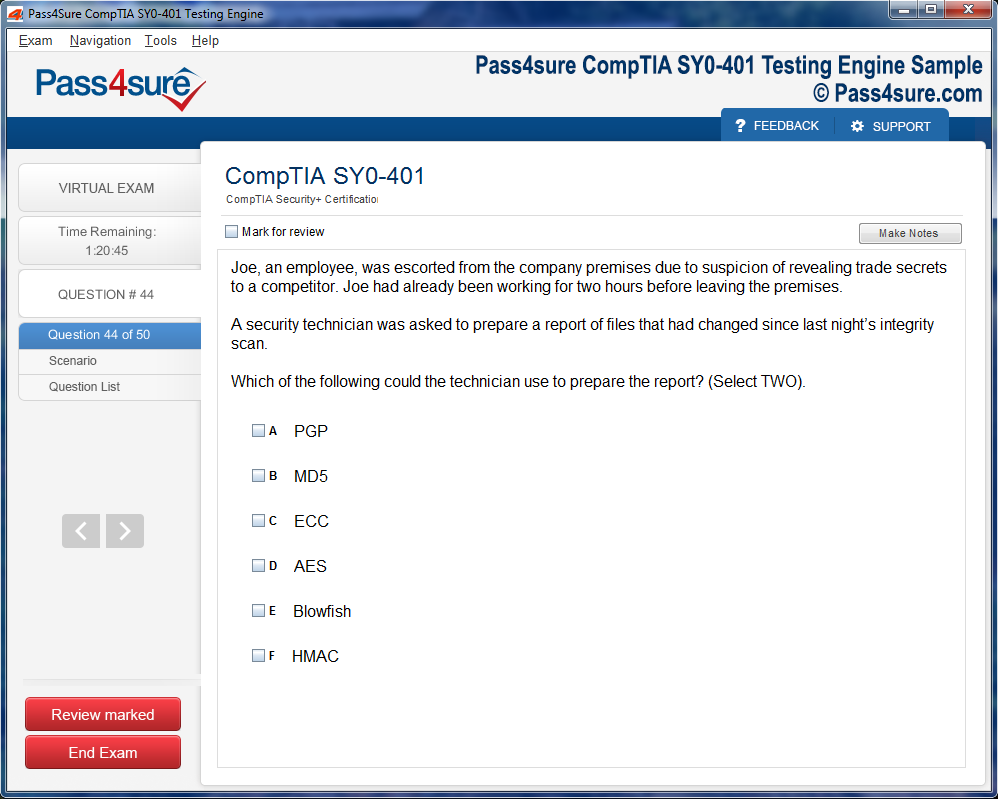
Product Screenshots
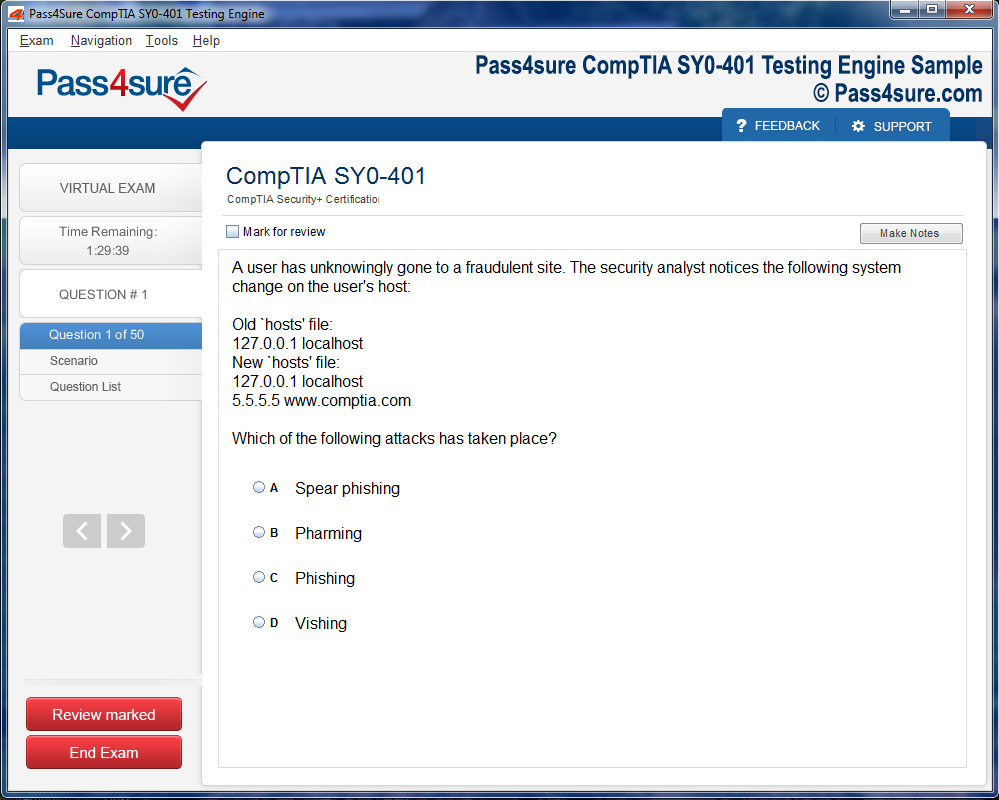
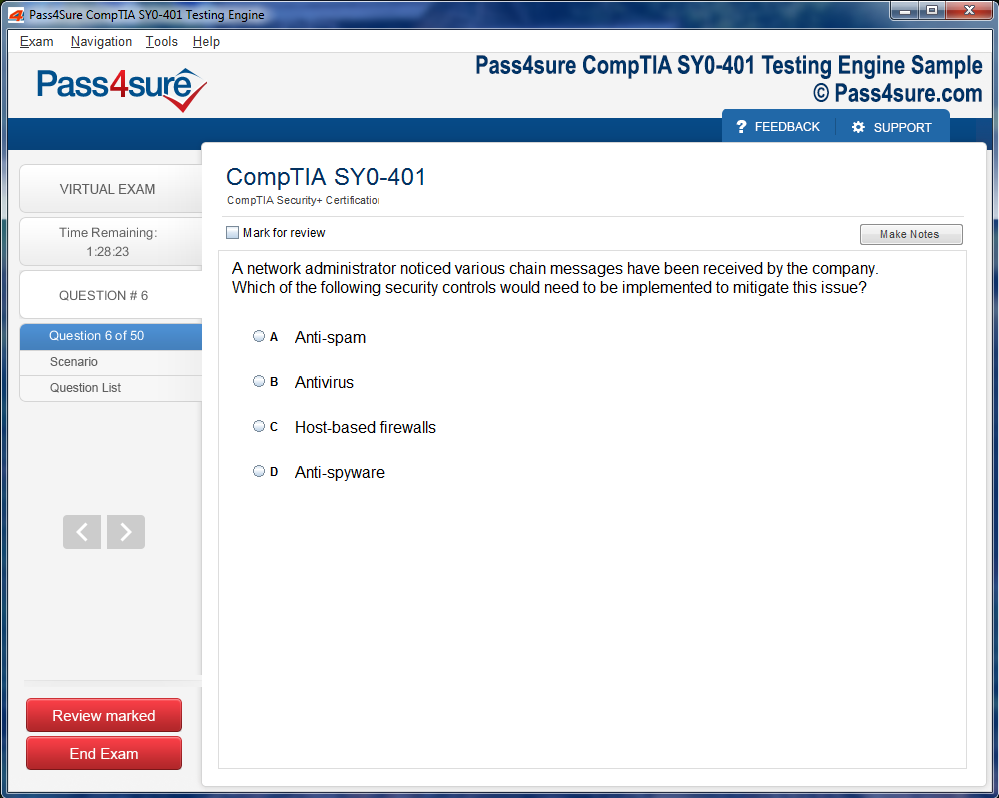
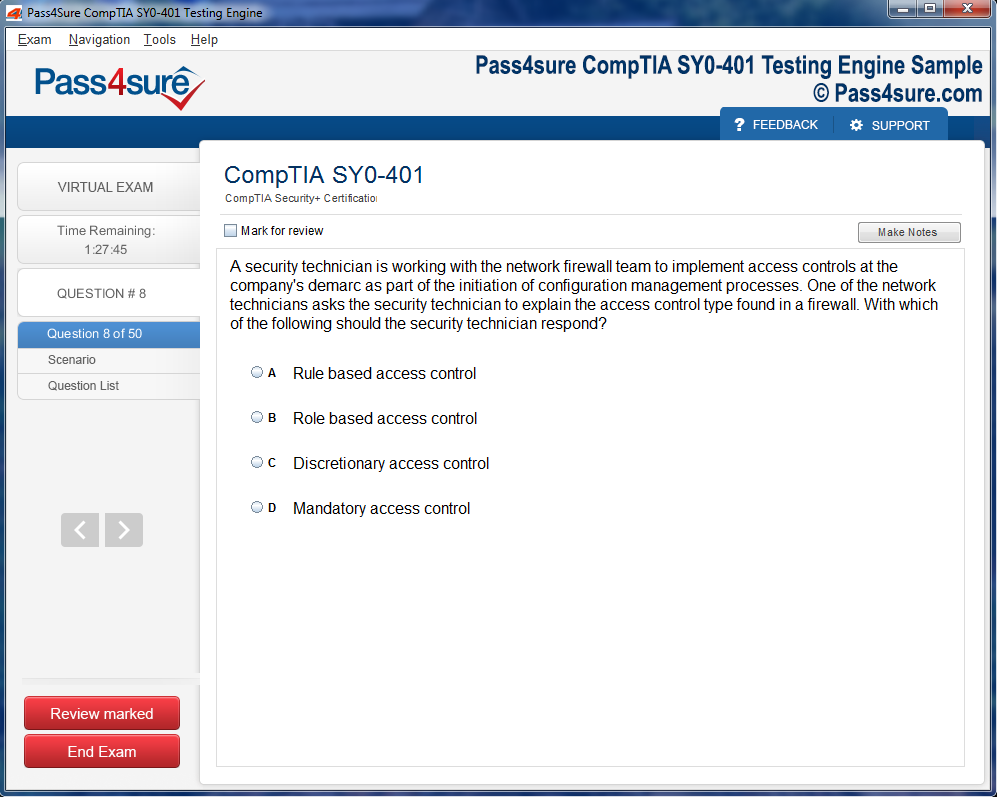

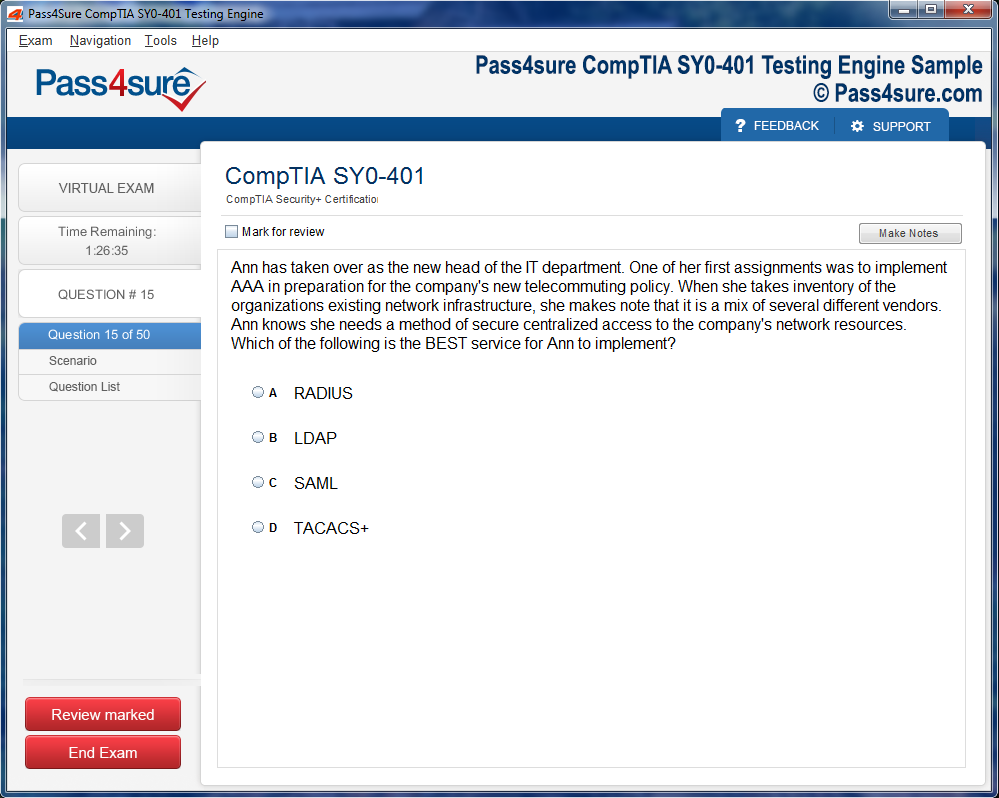
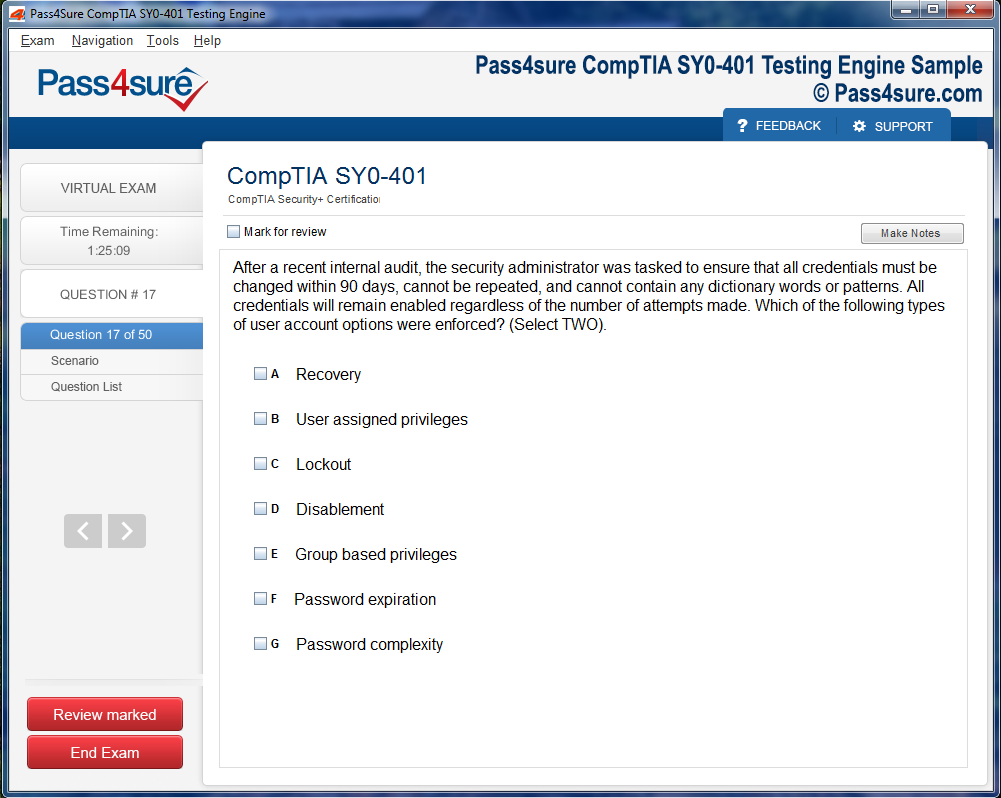
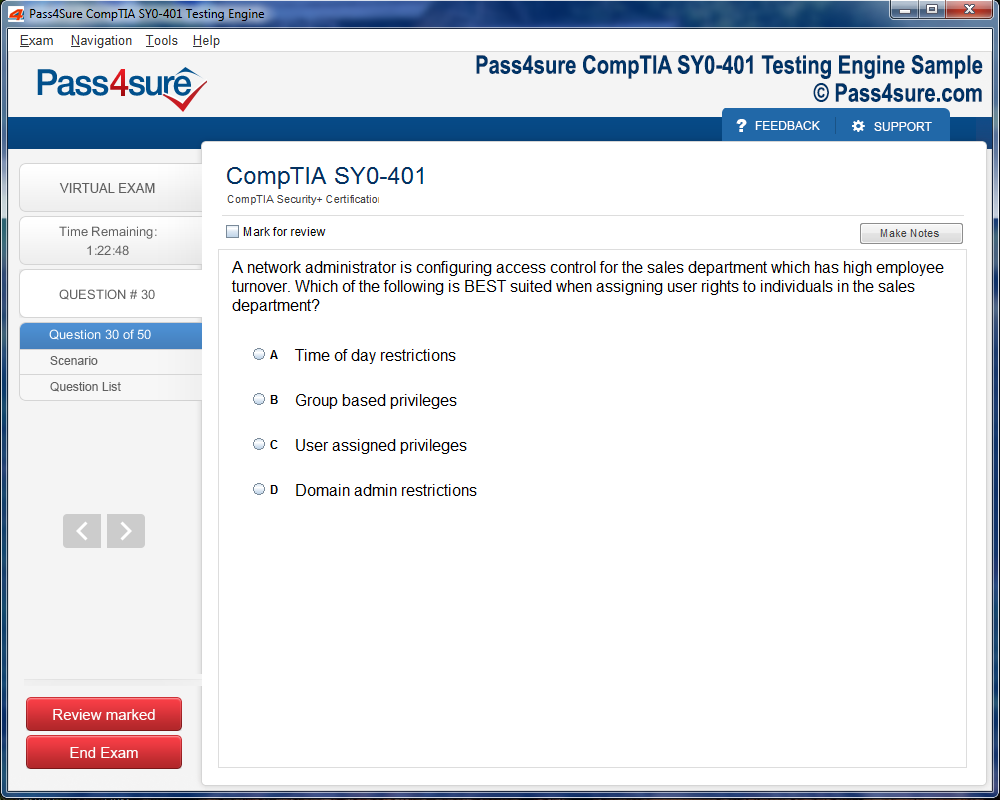
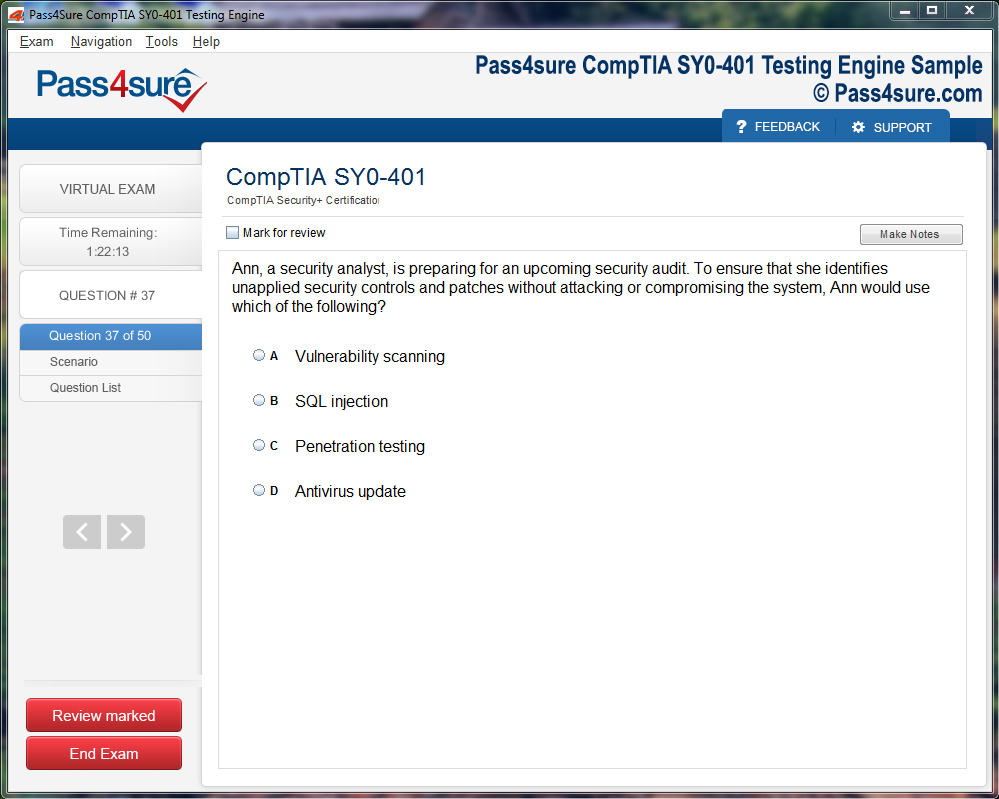
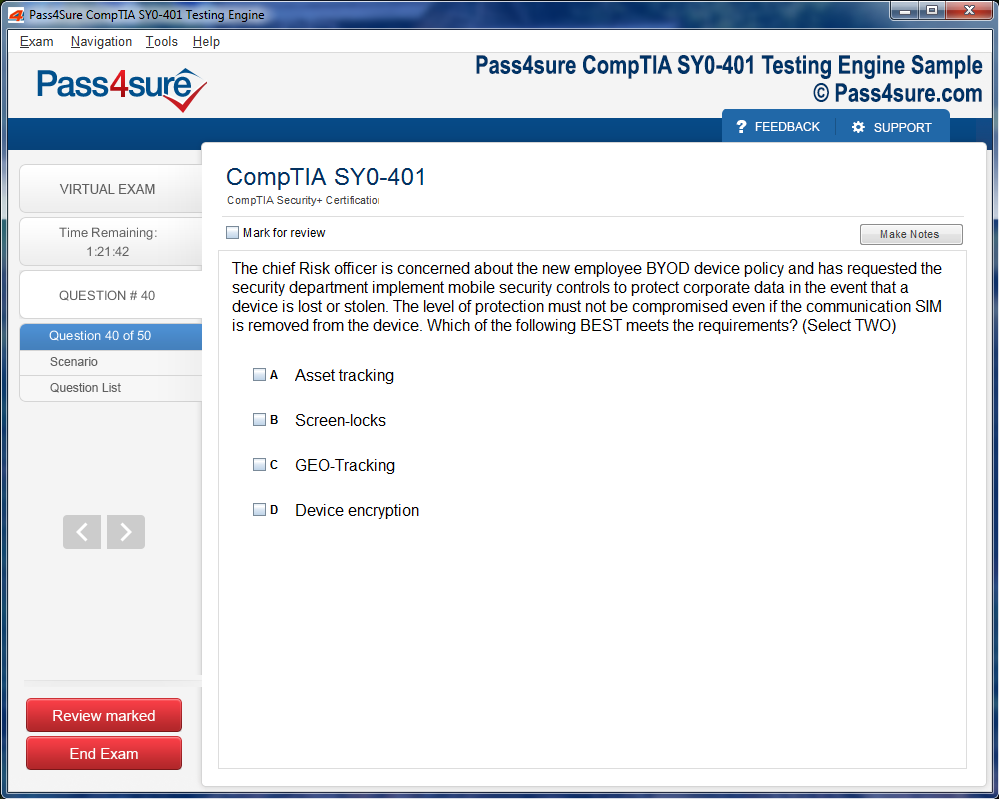
Frequently Asked Questions
How does your testing engine works?
Once download and installed on your PC, you can practise test questions, review your questions & answers using two different options 'practice exam' and 'virtual exam'. Virtual Exam - test yourself with exam questions with a time limit, as if you are taking exams in the Prometric or VUE testing centre. Practice exam - review exam questions one by one, see correct answers and explanations.
How can I get the products after purchase?
All products are available for download immediately from your Member's Area. Once you have made the payment, you will be transferred to Member's Area where you can login and download the products you have purchased to your computer.
How long can I use my product? Will it be valid forever?
Pass4sure products have a validity of 90 days from the date of purchase. This means that any updates to the products, including but not limited to new questions, or updates and changes by our editing team, will be automatically downloaded on to computer to make sure that you get latest exam prep materials during those 90 days.
Can I renew my product if when it's expired?
Yes, when the 90 days of your product validity are over, you have the option of renewing your expired products with a 30% discount. This can be done in your Member's Area.
Please note that you will not be able to use the product after it has expired if you don't renew it.
How often are the questions updated?
We always try to provide the latest pool of questions, Updates in the questions depend on the changes in actual pool of questions by different vendors. As soon as we know about the change in the exam question pool we try our best to update the products as fast as possible.
How many computers I can download Pass4sure software on?
You can download the Pass4sure products on the maximum number of 2 (two) computers or devices. If you need to use the software on more than two machines, you can purchase this option separately. Please email sales@pass4sure.com if you need to use more than 5 (five) computers.
What are the system requirements?
Minimum System Requirements:
- Windows XP or newer operating system
- Java Version 8 or newer
- 1+ GHz processor
- 1 GB Ram
- 50 MB available hard disk typically (products may vary)
What operating systems are supported by your Testing Engine software?
Our testing engine is supported by Windows. Andriod and IOS software is currently under development.
How SOA S90.01 Works: A Simple Guide to Service-Oriented Architecture Certification
Service-Oriented Architecture, colloquially condensed to SOA, represents a paradigmatic metamorphosis in contemporary software engineering. It orchestrates an ecosystem where autonomous services converse effortlessly, emancipated from the constraints of heterogeneous underlying technologies. The SOA S90.01 certification crystallizes the methodology, codifying both principles and praxis into a structured schema that delineates proficiency in this architectural paradigm. But why has this framework ascended as a lodestar for IT connoisseurs and corporate technocrats alike? A meticulous examination unravels its foundational axioms, intrinsic objectives, and the profound significance it carries in enterprise ecosystems.
At its quintessence, SOA encapsulates the notion of services as modular entities. Each service performs a discrete function, much like specialized ateliers in a vast bazaar, each mastering a singular craft yet contributing to a harmonious marketplace. These units are inherently autonomous, inherently reusable, and meticulously orchestrable, allowing developers to compose intricate applications without the cumbersome inertia characteristic of monolithic systems. The architecture’s ingenuity lies in its modular dexterity, which permits iterative enhancement without destabilizing the overarching framework.
The S90.01 standard augments this vision with a methodical compass for service governance and implementation. It diverges from archaic, monolithic frameworks by prioritizing adaptability, interoperability, and procedural governance. Through S90.01, the architecture is codified not merely as a technical scaffold but as a living methodology encompassing definitions, descriptions, and deployment protocols to ensure consistent performance across variegated operational milieus. This codification mitigates ambiguity, affording organizations a robust template to instantiate SOA with methodological rigor.
A salient attribute of SOA is its reliance on the principle of loose coupling. Technologically, loose coupling enforces an elegant separation of concerns: alterations in one service’s internal mechanics propagate minimal perturbations to ancillary components. This engenders not only enhanced flexibility but a systemic resilience that mitigates cascading failures. S90.01 amplifies this principle, furnishing pragmatic exemplars, architectural templates, and best-practice paradigms that are indispensable for architects and developers navigating complex integration landscapes.
For the discerning professional, SOA S90.01 certification constitutes both a credential and a navigational instrument for skill cultivation. Certified practitioners grasp not only the ontological foundations of service-oriented architecture but also the operational intricacies encompassing service contracts, messaging protocols, and orchestration strategies. In an era characterized by ceaseless integration exigencies, this expertise is a highly coveted intellectual commodity, conferring both strategic leverage and operational dexterity.
Enterprises imbibing the SOA ethos, as codified by S90.01, are poised to unlock unprecedented efficiency. Modular services expedite development cycles, simplify maintenance, and enhance scalability. Rather than reconstructing entire systems to assimilate novel functionalities, organizations can seamlessly integrate new services or recalibrate existing ones. This elasticity translates to fiscal prudence, accelerated time-to-market, and an agile responsiveness to shifting commercial currents. Moreover, this approach mitigates technological debt, rendering enterprises less susceptible to obsolescence in rapidly evolving markets.
The SOA paradigm under S90.01 is not solely a technical construct; it is a strategic instrument. It promulgates a philosophy of modular elegance, emphasizing systemic coherence without sacrificing adaptability. The standard fosters an intellectual rigor in defining service interfaces, delineating orchestration flows, and enforcing governance policies that harmonize organizational objectives with technological infrastructure. The S90.01 framework’s codified procedures and illustrative exemplars serve as both a beacon for organizational strategy and a heuristic roadmap for professional mastery.
Central to SOA’s allure is its capacity to reconcile heterogeneity. In a digital ecosystem replete with disparate platforms, databases, and communication protocols, SOA provides a lingua franca, enabling disparate systems to interoperate with minimal friction. The S90.01 standard codifies strategies for achieving this interoperability, emphasizing the importance of semantic consistency, message fidelity, and adherence to interface contracts. By formalizing these practices, S90.01 empowers organizations to architect complex, scalable, and resilient infrastructures with predictable outcomes.
Equally pivotal is the concept of service reusability. In traditional software constructs, redundancy proliferates, engendering inefficiencies and bloated codebases. SOA mitigates this through a modular approach: once a service is defined and rigorously tested, it becomes a reusable asset capable of integration into multiple workflows. S90.01 enhances this paradigm by delineating rigorous service definition criteria, ensuring that reusability does not compromise integrity or performance. This fosters a culture of disciplined development and continuous refinement, crucial in enterprise-scale deployments.
Moreover, SOA S90.01 imbues organizations with a framework for strategic agility. In an environment characterized by rapid technological flux, the capacity to adapt is paramount. Modular services permit incremental evolution, obviating the need for wholesale redesigns. Whether integrating emergent technologies, responding to regulatory mandates, or scaling operations, SOA enables nimble adaptation without disruption. The S90.01 certification ensures that professionals internalize these adaptive methodologies, bridging theoretical understanding with actionable execution.
From a governance perspective, SOA under S90.01 emphasizes structured oversight. Services must adhere to standardized contracts, interface specifications, and operational guidelines to ensure predictability. This governance architecture mitigates risks associated with integration failures, service redundancy, and performance degradation. Furthermore, it fosters accountability and traceability, enabling organizations to monitor service health, compliance, and utilization metrics with precision. In essence, governance under S90.01 is both prophylactic and facilitative, safeguarding system integrity while promoting innovation.
Another dimension of SOA’s potency lies in its facilitation of orchestration. Services, while autonomous, often operate in concert to achieve composite objectives. Orchestration governs these interactions, dictating the sequence, dependencies, and conditional logic underlying service execution. S90.01 provides both conceptual frameworks and procedural templates to implement orchestration efficiently, ensuring that inter-service communication is robust, fault-tolerant, and semantically coherent. This orchestration underpins the dynamic capabilities of modern enterprise applications, enabling sophisticated workflows to emerge from modular foundations.
The S90.01 certification also serves as a conduit for professional evolution. Beyond technical literacy, it cultivates strategic acumen, emphasizing the alignment of service-oriented design with organizational objectives. Professionals gain insights into cost-benefit analyses, risk assessment, and lifecycle management of services, positioning them as architects not merely of code but of enterprise capability. The certification, therefore, is a synthesis of theory, praxis, and strategic foresight, conferring a holistic understanding of service-oriented systems.
In addition, SOA’s intrinsic modularity fosters a culture of continuous improvement. By segmenting functionality into discrete services, organizations can iteratively refine and optimize individual components without destabilizing the entire architecture. S90.01 codifies methodologies for versioning, regression testing, and performance monitoring, enabling practitioners to implement improvements with minimal risk. This iterative capability is especially vital in dynamic markets, where responsiveness and adaptability are decisive competitive advantages.
Technological ecosystems adopting SOA under the guidance of S90.01 also experience enhanced interoperability with third-party solutions. The adherence to standardized service definitions and interface protocols ensures that external applications can integrate seamlessly, extending organizational capabilities without necessitating extensive redevelopment. This interoperability is a cornerstone of digital transformation initiatives, facilitating collaboration, ecosystem participation, and cross-platform functionality.
Lastly, SOA S90.01 is emblematic of a broader philosophical shift in software engineering: from monolithic rigidity to modular fluidity. It celebrates abstraction, encapsulation, and composability, enabling enterprises to transcend traditional limitations. Through rigorous standardization, practical exemplars, and governance paradigms, S90.01 empowers both professionals and organizations to harness the full potential of service-oriented architecture. In subsequent sections, we will delve into structural nuances, implementation methodologies, certification pathways, application scenarios, common challenges, and evolving trajectories within the SOA ecosystem.
The Intricacies of Service-Oriented Architecture
Service-Oriented Architecture (SOA) manifests as a paradigm of computational elegance, weaving modular services into a cohesive digital symphony. Its beauty lies not merely in abstraction, but in its tangible capability to harmonize disparate systems, enabling businesses to orchestrate complex operations with minimal friction. SOA transcends conventional monolithic design by emphasizing composability, reusability, and interoperability, thereby transforming the enterprise digital landscape into a fluid, adaptive ecosystem.
Core Components of SOA
At the nucleus of SOA are three cardinal entities: the service provider, the service consumer, and the service registry. Each element embodies a discrete yet interdependent function, forging a dynamic interplay that ensures seamless service execution. The service provider, the custodian of functionality, develops and exposes services adhering to stringent quality metrics. The service consumer, in contrast, leverages these functionalities to fulfill explicit business objectives. Interposed between them, the service registry operates as an omniscient repository, facilitating discovery and reducing dependency on intricate system knowledge.
The Role of Service Providers
Service providers are the architects of functionality, meticulously crafting services to meet robust criteria. Beyond mere operational execution, providers shoulder responsibilities of performance optimization, security fortification, and reliability assurance. Each service is meticulously instrumented to comply with standards, ensuring predictable interactions across diverse consumer landscapes. Providers function as the linchpins of enterprise agility, enabling modular expansion without destabilizing existing infrastructures.
Service Consumers and Their Strategic Importance
Service consumers occupy a pivotal position in the SOA ecosystem, bridging business needs with computational capabilities. By invoking services through well-defined interfaces, consumers translate abstract operations into tangible outcomes. The sophistication of consumer engagement extends beyond invocation; it encompasses error handling, response aggregation, and adherence to service contracts. Effective consumer implementation ensures operational efficiency while preserving system integrity.
The Essential Service Registry
The service registry, often underestimated, constitutes the central nervous system of SOA. It offers an authoritative directory wherein services are cataloged and classified according to functional, operational, and performance parameters. By enabling seamless discovery, the registry reduces integration latency and accelerates deployment cycles. Its dynamic nature supports rapid evolution, allowing enterprises to onboard new services without disruption.
Significance of Service Contracts
Service contracts epitomize the principle of formalized interaction within SOA. They delineate precise rules governing communication between providers and consumers, including input parameters, output expectations, and protocol specifications. These contracts act as cognitive scaffolding, preventing misinterpretation and integration anomalies. Through rigorous adherence to contract stipulations, organizations achieve predictable interoperability while retaining the freedom to enhance internal service logic.
Orchestration and Choreography
SOA’s versatility is exemplified in its dual paradigms of orchestration and choreography. Orchestration centralizes control, allowing a coordinator to dictate the sequence and interaction of multiple services. Choreography, by contrast, enables autonomous services to collaborate in a decentralized fashion, each aware of its role yet independent in execution. Mastery of these paradigms equips professionals with strategic options, tailoring service interaction patterns to organizational needs.
Governance and Policy Enforcement
Governance emerges as a critical determinant of SOA success, bridging design excellence with operational discipline. Effective governance encompasses policy enforcement, service monitoring, and audit mechanisms, ensuring that services adhere to compliance, performance, and security mandates. SOA without governance risks devolving into uncontrolled proliferation, where redundant or conflicting services erode enterprise coherence. S90.01 delineates governance protocols that fortify stability and encourage accountability.
Reusability and Service Modularity
The modular ethos of SOA encourages maximal reusability, transforming services from isolated units into versatile assets. Each service is constructed with encapsulation principles, allowing it to function autonomously yet integrate harmoniously. Reusability mitigates development overhead, accelerates deployment, and reduces error propagation. By leveraging modular services, organizations achieve adaptive capability without incurring systemic fragility.
Scalability and Incremental Adoption
One of SOA’s most alluring attributes is its facilitation of incremental adoption. Enterprises can integrate services progressively, aligning digital evolution with operational capacity. Coupled with scalability considerations, SOA enables organizations to expand computational infrastructure in response to burgeoning demand, without precipitating disruption or degradation. This flexibility renders SOA a strategic enabler of digital transformation initiatives.
Interoperability Across Platforms
Interoperability remains the cornerstone of SOA, enabling services to transcend platform boundaries. By adhering to standardized protocols and data exchange formats, services communicate predictably across heterogeneous environments. This cross-platform compatibility fosters collaboration between legacy systems and emerging technologies, unlocking latent enterprise potential. Mastery of interoperability principles is indispensable for architects seeking to harmonize multi-vendor ecosystems.
Monitoring and Performance Optimization
Continuous monitoring forms the backbone of operational excellence within SOA. It provides granular visibility into service invocation, latency patterns, and throughput bottlenecks. Coupled with performance optimization strategies, monitoring ensures that services not only meet functional expectations but do so with efficiency. Real-time telemetry, predictive analytics, and adaptive tuning converge to uphold reliability and responsiveness in dynamic environments.
Security Imperatives in SOA
Security within SOA transcends conventional perimeter defense, emphasizing service-level protection. Authentication, authorization, encryption, and data integrity safeguards are integrated directly into service design. By embedding security within each service layer, enterprises mitigate the risk of exposure while maintaining operational fluidity. S90.01 underscores security as a continuous, proactive process rather than a reactive measure.
Advanced Service Composition Techniques
Beyond elementary service interactions, advanced composition techniques facilitate intricate process flows. Services can be aggregated, sequenced, or orchestrated to model complex business scenarios. These techniques enable dynamic adaptation, allowing services to respond intelligently to changing operational contexts. Advanced composition ensures that SOA remains a living architecture, capable of evolving alongside organizational imperatives.
Documentation and Knowledge Preservation
Comprehensive documentation and knowledge preservation form essential pillars of sustainable SOA deployment. Every service, contract, and orchestration blueprint must be meticulously chronicled, enabling continuity despite personnel changes or system evolution. Knowledge codification enhances troubleshooting efficiency, fosters training, and reduces reliance on institutional memory, ensuring operational resilience.
Conceptualizing SOA in Contemporary Enterprises
Service-oriented architecture (SOA) is often misconstrued as merely a technological trend, yet its profundity lies in orchestrating business processes into agile, interoperable components. In modern enterprises, the labyrinthine interdependencies among legacy systems necessitate a paradigm that embraces modularity, adaptability, and semantic coherence. S90.01 emerges as a compendium of pragmatic protocols, enabling organizations to transcend theoretical constructs and implement a sustainable, service-oriented ecosystem. The initial undertaking involves an introspective audit of current infrastructures, discerning both latent redundancies and underutilized capabilities, thereby delineating the scope for service proliferation.
Piloting Incremental Deployments
S90.01 advocates an incremental approach to deployment, mitigating risk while engendering organizational confidence. Pilot projects serve as microcosms wherein services are instantiated, evaluated, and iteratively refined. These controlled environments facilitate empirical assessment of interoperability, performance, and scalability. Early successes cultivate stakeholder trust and elucidate the nuanced choreography required for complex service orchestration. Additionally, small-scale deployments provide a crucible for experimenting with novel technologies, patterns, and integration methodologies without jeopardizing enterprise-wide stability.
Defining Service Boundaries with Precision
A cardinal tenet of SOA implementation under S90.01 is the meticulous delineation of service boundaries. Ambiguous demarcations precipitate redundancy, convoluted dependency chains, and maintenance quandaries. By establishing lucid boundaries, organizations can curtail cognitive load, streamline orchestration, and enhance service reusability. The framework prescribes rigorous documentation protocols, standardized naming conventions, and uniform interface schemas. This semantic uniformity not only facilitates inter-team comprehension but also ensures consistency across heterogeneous technological landscapes.
Orchestration and Composition Techniques
Upon defining service boundaries, the next fulcrum of implementation revolves around orchestration and composition. Orchestration mechanisms synthesize discrete services into cohesive business processes without necessitating reengineering of underlying functionalities. Composition techniques allow modular services to coalesce into complex workflows, leveraging automation to achieve operational efficiency. S90.01 emphasizes a judicious balance between granularity and abstraction, ensuring that services remain sufficiently decoupled while enabling intricate inter-service interactions. The orchestration layer functions as the nexus of operational intelligence, coordinating transactional integrity, exception handling, and performance optimization.
Rigorous Testing Paradigms
Testing in SOA environments transcends conventional quality assurance; it necessitates a multidimensional evaluation of individual service integrity and systemic interoperability. Unit tests, integration tests, and end-to-end simulations are indispensable to validate functionality, adherence to contracts, and performance under load. S90.01 underscores the necessity for automated test harnesses and continuous integration pipelines, enabling rapid feedback loops and minimizing defect propagation. Equally important is the evaluation of idempotency, latency, and fault tolerance, which collectively safeguard service reliability in distributed and dynamic contexts.
Security Considerations in SOA Implementation
The security paradigm in SOA extends beyond conventional perimeter defenses, necessitating robust mechanisms to protect data in transit and at rest. Services often handle sensitive information and traverse multiple trust domains, rendering encryption, authentication, and authorization paramount. S90.01 prescribes multi-layered security strategies, incorporating role-based access controls, tokenized authentication, and end-to-end encryption. Additionally, monitoring for anomalous interactions and employing threat intelligence feeds are essential to preempt exploitation. The objective is to maintain an equilibrium between rigorous security postures and operational agility, ensuring that services remain resilient without impeding functionality.
Continuous Monitoring and Adaptive Optimization
SOA ecosystems demand vigilant oversight to sustain efficacy and adaptability. Monitoring strategies encompass metrics for latency, throughput, error rates, and resource utilization, enabling proactive identification of performance bottlenecks. S90.01 emphasizes iterative refinement, where services are continuously analyzed, optimized, and evolved in response to emergent requirements. Adaptive mechanisms, such as dynamic load balancing, predictive scaling, and self-healing orchestration, reinforce system robustness. This perpetual cycle of observation and refinement embodies the agile ethos, allowing enterprises to preempt obsolescence and maintain competitive advantage in fluctuating markets.
Legacy System Integration and Interoperability Challenges
In real-world deployments, integrating legacy systems presents a labyrinth of technical and operational intricacies. Monolithic applications often lack service interfaces or adhere to idiosyncratic protocols, necessitating adapters, wrappers, or middleware layers. S90.01 offers structured guidance on encapsulating legacy functionality as discrete services while preserving data integrity and transactional semantics. Interoperability challenges also extend to heterogeneous data formats, asynchronous messaging, and cross-platform orchestration. Addressing these challenges requires a combination of schema harmonization, event-driven architectures, and standardized messaging protocols to achieve seamless connectivity.
Governance Models and Policy Enforcement
Effective governance underpins sustainable SOA implementations, providing a framework for compliance, standardization, and risk mitigation. S90.01 delineates governance models encompassing service lifecycle management, policy enforcement, and version control. Governance policies dictate service creation, modification, and deprecation procedures, ensuring consistency and traceability across organizational silos. Additionally, governance extends to monitoring service utilization, evaluating adherence to quality metrics, and instituting escalation pathways for anomaly resolution. A robust governance framework mitigates the peril of service sprawl, facilitates accountability, and cultivates a culture of disciplined service stewardship.
Cultural and Organizational Adaptation
Successful SOA adoption is as much a cultural transformation as it is a technological initiative. Organizations must cultivate a mindset that prioritizes modularity, collaboration, and iterative improvement. S90.01 emphasizes stakeholder engagement, cross-functional collaboration, and education to overcome resistance to change. Establishing communities of practice, sharing best practices, and incentivizing innovation fosters an environment conducive to service-oriented thinking. Organizational adaptation also encompasses redefining roles and responsibilities, where architects, developers, and operational teams converge in a symbiotic ecosystem that values agility and resilience.
Validation of Specialized Expertise
Acquiring the SOA S90.01 certification serves as an emblematic testament to an individual’s mastery of service-oriented architecture paradigms. This credential is not merely ornamental; it substantiates a profound understanding of service design, orchestration, and lifecycle governance. Professionals who attain this distinction can articulate their competencies with perspicuous authority, bolstering trust among stakeholders, clients, and executive cohorts. Such validation transcends conventional resumes, positioning individuals as thought leaders in a niche yet burgeoning technological domain.
Amplification of Career Trajectories
SOA S90.01-certified practitioners often experience accelerated vocational ascension. The certification signals to employers that the individual possesses not only theoretical acumen but also pragmatic dexterity in orchestrating services within multifaceted enterprise ecosystems. This heightened recognition can precipitate invitations to spearhead high-stakes projects, participate in strategic IT initiatives, or assume consultative roles in complex digital transformations. The certification cultivates a compelling professional narrative, demonstrating both initiative and a commitment to continual intellectual enrichment.
Enhancement of Organizational Cohesion
For enterprises, embracing S90.01-certified personnel catalyzes cohesive implementation of service-oriented frameworks. By internalizing S90.01 principles, organizations can mitigate the fragmentation often observed in legacy system integration. Certified professionals act as vanguards, ensuring architectural uniformity, optimizing service interdependencies, and fostering a resilient digital fabric. This alignment transcends mere technical compliance; it engenders a symbiotic culture where service design, development, and deployment operate with synchrony and methodological rigor.
Mitigation of Integration Risks
One of the paramount organizational benefits of S90.01 certification lies in its capacity to attenuate integration-related vulnerabilities. Enterprises navigating heterogeneous IT landscapes frequently encounter interoperability challenges, redundant processes, and unanticipated service collisions. S90.01 standards offer a meticulously codified blueprint that prescribes coherent integration pathways, thereby curtailing latent operational disruptions. Organizations adhering to these guidelines experience a diminution in project overruns, reduced incidence of system conflicts, and heightened confidence in service deployment.
Optimization of IT Agility
S90.01 certification fosters organizational nimbleness by emphasizing modularity, reusability, and rapid adaptability. Certified architects can craft services that are not only functional but intrinsically malleable, capable of responding to evolving market imperatives. This agility enhances an organization’s ability to pivot quickly, whether accommodating emergent customer requirements, integrating novel technologies, or scaling operations. The resultant elasticity in service delivery is a strategic differentiator, empowering businesses to maintain competitiveness in volatile environments.
Economization Through Service Reuse
A salient advantage of S90.01 compliance is the amplification of resource efficiency via service reusability. By promoting the design of interoperable, standardized services, organizations minimize redundancy and maximize return on prior development investments. The strategic repurposing of well-defined services accelerates time-to-market, diminishes developmental expenditure, and liberates technical teams to focus on innovation rather than repetitive implementation. This judicious reutilization fosters a virtuous cycle of cost-effective agility and sustainable digital growth.
Fortification of Governance Mechanisms
S90.01 certification intrinsically enhances governance frameworks by delineating explicit policies, monitoring protocols, and operational safeguards. Organizations benefit from heightened accountability, error minimization, and stringent adherence to regulatory mandates. Certified professionals implement service oversight practices that ensure consistency, quality, and compliance across all layers of the architecture. In highly regulated sectors, this governance scaffolding delivers operational assurance, mitigating legal exposure and bolstering stakeholder confidence.
Elevation of Service Quality
The structured methodologies promulgated by S90.01 facilitate the consistent delivery of superior-quality services. Through meticulous design, rigorous validation, and continuous monitoring, certified architects cultivate services that are reliable, scalable, and performant. Elevated service quality engenders user satisfaction, enhances brand credibility, and reduces remediation costs. This unwavering commitment to excellence becomes a hallmark of S90.01-compliant enterprises, distinguishing them in competitive technological ecosystems.
Strategic Advantage in Competitive Markets
Enterprises leveraging SOA S90.01 certification derive a measurable strategic advantage by harmonizing technological execution with business imperatives. Certified frameworks enable rapid, predictable deployment of services that underpin critical business processes. Organizations can exploit this capability to innovate more swiftly, capture emerging market opportunities, and deliver differentiated customer experiences. The convergence of technical proficiency and strategic insight positions S90.01-adherent organizations at the forefront of industry evolution.
Catalyzation of Innovation Ecosystems
SOA S90.01 certification stimulates innovation by liberating teams from the encumbrances of inconsistent or convoluted architectures. When services are standardized, modular, and reusable, developers are empowered to experiment, iterate, and explore novel solutions without fear of systemic disruption. This environment fosters intellectual curiosity, cross-functional collaboration, and accelerated prototyping. Consequently, certified organizations are often incubators of transformative digital initiatives, pioneering cutting-edge approaches to service orchestration and business agility.
Reinforcement of Risk Management Strategies
An often-overlooked benefit of S90.01 certification is the inherent fortification of risk management protocols. By codifying service definitions, dependencies, and governance procedures, certified enterprises can proactively identify vulnerabilities, predict system bottlenecks, and mitigate potential failures before they materialize. This structured risk awareness not only preserves operational continuity but also instills a culture of anticipatory problem-solving, where teams are pre-armed to respond effectively to technological contingencies.
Promotion of Cross-Domain Collaboration
Certified practitioners serve as linchpins in fostering cross-domain collaboration. S90.01 principles encourage transparent communication, standardized terminology, and harmonized design philosophies across development, operations, and business units. This collaborative ethos reduces silos, streamlines decision-making, and enables holistic architectural planning. Organizations benefit from a shared understanding of service objectives, performance metrics, and quality expectations, which amplifies cohesion and collective efficacy.
Empowerment Through Knowledge Standardization
The certification promulgates knowledge standardization, ensuring that best practices are codified and disseminated across the enterprise. Professionals are equipped with a common lexicon, methodologies, and reference frameworks, reducing variability in design and implementation. This intellectual alignment enhances training efficiency, accelerates onboarding, and diminishes the probability of inconsistent service behavior. Standardized knowledge underpins both operational consistency and strategic scalability, reinforcing the organization’s architectural integrity.
Augmentation of Organizational Credibility
Organizations with S90.01-certified personnel gain augmented credibility in the eyes of clients, investors, and industry partners. Certification serves as a verifiable indicator of technological sophistication, procedural rigor, and commitment to quality. This external validation can influence procurement decisions, foster stakeholder trust, and create competitive differentiation. The prestige associated with certification extends beyond internal operations, contributing to reputational capital and market positioning.
Facilitation of Continuous Improvement
S90.01-certified frameworks emphasize iterative refinement and continuous improvement. Organizations adopting these standards are equipped to evaluate service performance, assimilate feedback, and implement enhancements systematically. This perpetual optimization cycle ensures that services remain aligned with evolving business needs, technological trends, and user expectations. Continuous improvement cultivates a culture of resilience, adaptability, and proactive innovation.
The Labyrinth of Overcomplicated Service Design
One of the quintessential obstacles in Service-Oriented Architecture adoption is the propensity to weave an intricate tapestry of services that ultimately becomes unmanageable. This labyrinthine approach often originates from a misconception that hyper-granular services epitomize architectural sophistication. However, an excess of granularity precipitates a proliferation of inter-service calls, engendering communication overhead that impedes agility. Practitioners must cultivate discernment, delineating which functionalities merit isolation and which thrive within composite services. Without judicious calibration, systems descend into an opaque morass where diagnosing faults becomes a Sisyphean endeavor.
Governance Vacuums and Their Repercussions
Neglecting governance is akin to navigating a vessel through stormy seas without a rudder. Governance vacuums in SOA environments manifest as inconsistent policies, uneven service quality, and opaque accountability. The absence of rigorous oversight exacerbates security vulnerabilities, allowing unauthorized data flows to proliferate unnoticed. Compliance deviations may silently accumulate, imperiling both operational stability and regulatory adherence. S90.01 certification delineates governance protocols, instilling a disciplined framework that aligns service proliferation with strategic objectives while safeguarding organizational integrity.
Integration Complexity as an Underestimated Nemesis
Integrating disparate services is deceptively treacherous. Organizations frequently underestimate the complexity inherent in orchestrating heterogeneous systems, resulting in convoluted dependency chains and brittle interactions. Legacy applications, proprietary interfaces, and asynchronous communication patterns can generate unforeseen latency and synchronization conflicts. Recognizing integration as a multidimensional endeavor—encompassing data consistency, message reliability, and transactional coherence—is imperative. The guidance embedded in S90.01 equips architects with heuristics to mitigate these integration pitfalls, transforming potential quagmires into seamless interconnectivity.
Overemphasis on Microservices and Fragmentation Risk
The allure of microservices often tempts organizations into fragmenting functionalities excessively. While modularity can enhance flexibility, disproportionate segmentation creates operational friction. Each microservice introduces deployment intricacies, network overhead, and monitoring burdens. Inadequate orchestration may lead to cascading failures, eroding user trust and system resilience. Professionals versed in S90.01 principles learn to harmonize modular decomposition with pragmatic cohesion, ensuring that service granularity augments rather than undermines enterprise agility.
Monitoring Deficiencies and Performance Inconsistencies
Neglecting to implement robust monitoring mechanisms constitutes a pervasive pitfall in SOA adoption. Without continuous observability, anomalous behavior can propagate silently, compromising reliability. Performance inconsistencies often manifest as erratic response times, unpredictable load-handling capabilities, or intermittent service outages. By leveraging performance metrics, tracing mechanisms, and health indicators, organizations can preempt degradation, diagnose latent faults, and maintain predictable service levels. S90.01 guidelines advocate comprehensive monitoring regimes, embedding vigilance into the operational fabric of service ecosystems.
Security Oversights and Compliance Fragility
Security in a service-oriented paradigm demands meticulous foresight. Overlooking authentication, authorization, or encryption imperatives exposes systems to infiltration and data exfiltration. Compounded by governance lapses, these oversights can precipitate compliance fragility, jeopardizing adherence to statutory mandates. Organizations must adopt a proactive stance, integrating security protocols, auditing practices, and threat mitigation strategies into the service lifecycle. S90.01 frameworks codify these imperatives, furnishing a structured approach to fortifying SOA landscapes against malevolent incursions.
The Perils of Ambiguous Service Contracts
Service contracts serve as the lingua franca between interacting services. Ambiguity or incompleteness within these contracts sows confusion, misalignment, and inadvertent coupling. Poorly defined interfaces amplify the risk of downstream errors, as consumers of the service may make erroneous assumptions about expected inputs, outputs, or behavioral constraints. Clear, precise, and versioned contracts are indispensable, facilitating interoperability while mitigating latent operational hazards. S90.01 emphasizes contract clarity, ensuring that service expectations are transparent, enforceable, and resilient to evolving business demands.
Organizational Resistance and Cultural Friction
Beyond technical hurdles, SOA adoption often encounters organizational inertia. Legacy mindsets, entrenched silos, and resistance to change can stymie progress. Cultural friction manifests in inconsistent adherence to architectural standards, reluctance to embrace reusable services, and uneven commitment to governance protocols. Overcoming these obstacles requires deliberate change management strategies, continuous education, and incentivization mechanisms that align personnel behavior with architectural vision. S90.01 certification underscores the synergy between technical competence and organizational culture, advocating holistic adoption strategies that encompass both process and people.
Resource Misallocation and Cost Escalation
An underappreciated challenge in SOA initiatives is resource misallocation. Over-investing in low-value services, underestimating maintenance overhead, or misjudging infrastructural capacity can catalyze cost escalation. Financial and human resources must be apportioned judiciously, prioritizing services that deliver tangible business impact. S90.01 guidelines provide a disciplined approach to resource stewardship, helping organizations forecast demand, allocate expertise, and optimize deployment pipelines without succumbing to profligacy.
Latency and Communication Overhead
Excessive inter-service communication is a subtle yet formidable pitfall. Each service invocation introduces network latency, serialization overhead, and protocol-induced delays. In high-throughput environments, these factors aggregate, producing perceptible performance degradation. Strategic design considerations—including caching, batching, and asynchronous processing—are paramount to mitigating latency. S90.01 frameworks reinforce the importance of architectural efficiency, enabling service ecosystems to maintain responsiveness even under substantial transactional load.
Documentation Deficiency and Knowledge Erosion
Inadequate documentation erodes institutional knowledge, complicating maintenance, onboarding, and evolution of service landscapes. Without meticulous records, the rationale behind design decisions, service dependencies, and interface specifications becomes obscured over time. This opacity increases the likelihood of redundant development, misconfiguration, and operational errors. S90.01 emphasizes comprehensive documentation as a cornerstone of sustainable SOA practices, ensuring that both technical and procedural knowledge is preserved and accessible across the enterprise lifecycle.
Inconsistent Service Lifecycle Management
SOA adoption demands disciplined lifecycle management. Inconsistent versioning, erratic decommissioning, and neglect of service evolution introduce instability and compatibility challenges. A coherent lifecycle strategy encompasses design, implementation, deployment, monitoring, and retirement, with rigorous governance at each stage. Adherence to S90.01 principles provides a structured methodology, aligning lifecycle management with enterprise objectives and facilitating predictable, maintainable, and scalable service ecosystems.
Interoperability Challenges in Heterogeneous Environments
Operating in heterogeneous environments amplifies interoperability challenges. Disparate platforms, divergent data schemas, and incompatible communication protocols create friction that undermines seamless service interaction. Achieving true interoperability requires rigorous standardization, transformation mechanisms, and protocol mediation strategies. S90.01 certification imparts methodologies to reconcile heterogeneity, enabling diverse services to coalesce into cohesive operational networks that transcend underlying technological disparities.
Overlooking Evolutionary Architecture Principles
Finally, neglecting the evolutionary nature of enterprise architecture constitutes a latent hazard. SOA is not a static construct but a dynamic framework that must adapt to emerging business requirements, technological innovations, and market conditions. Rigid architectures fail to accommodate growth, triggering costly reengineering efforts. S90.01 emphasizes evolutionary design, advocating modularity, extensibility, and adaptability to ensure that SOA investments remain resilient, relevant, and capable of sustaining organizational transformation.
The Evolutionary Trajectory of Service-Oriented Architecture
Service-oriented architecture has undergone a metamorphosis, transcending its nascent stages of siloed enterprise integration to a holistic, dynamic ecosystem. The paradigm now embraces not merely inter-service communication but a symphony of loosely coupled, self-contained modules orchestrating intricate workflows. Emerging paradigms, such as microservices, accentuate the granularity of interactions while retaining adherence to SOA principles. This evolutionary trajectory signals that architecture is no longer static; it is an animate framework, capable of self-reconfiguration and autonomous adaptation.
Microservices as the New Vanguards of Modularity
Microservices epitomize the quintessence of modularity in contemporary architecture. Each service manifests as a discrete functional unit, endowed with independent deployment, scalability, and fault tolerance. By distilling monolithic structures into finer-grained services, enterprises achieve an unprecedented level of operational dexterity. This modularity catalyzes not only responsiveness but also fortifies system resilience, engendering a landscape where failure in one microservice need not propagate as systemic catastrophe.
The Symbiosis of Cloud Computing and SOA
Cloud computing constitutes a transformative vector for service-oriented systems, facilitating ubiquitous accessibility, elastic scalability, and resource optimization. When SOA principles intersect with cloud paradigms, services transcend organizational boundaries, leveraging distributed resources across geospatially disparate data centers. This symbiosis fosters an architecture that is not only robust but inherently global, enabling cross-organizational collaborations with minimal latency and maximal throughput.
Containerization: A Catalyst for Agile Deployments
Containerization has emerged as an indispensable adjunct to SOA, encapsulating applications and their dependencies into portable, reproducible units. This methodology obviates the notorious "it works on my machine" conundrum, harmonizing development, testing, and production environments. Containers facilitate continuous integration and continuous deployment (CI/CD) pipelines, empowering architects to iterate rapidly without compromising the stability or integrity of enterprise services.
Interoperability in a Hyperconnected World
The future of SOA is inextricably linked to interoperability—the capacity for heterogeneous systems to exchange, interpret, and act upon data seamlessly. With organizations increasingly participating in sprawling digital ecosystems, the ability to communicate across disparate platforms becomes paramount. Standards, protocols, and semantic frameworks serve as the scaffolding for such interactions, enabling services to transcend technological, linguistic, and procedural boundaries.
Flexibility as the Cornerstone of Resilient Architectures
In an era of perpetual technological flux, flexibility emerges as a cardinal virtue. SOA, underpinned by S90.01 principles, provides a blueprint for adaptive architectures capable of assimilating novel paradigms with minimal friction. Flexibility extends beyond mere structural elasticity; it encompasses cognitive adaptability, allowing systems to anticipate, respond to, and evolve alongside emergent business exigencies.
Scalability: From Enterprise to Expanse
Scalability in SOA is no longer a linear proposition; it is an exponential imperative. As digital ecosystems burgeon, the demand for services to accommodate volumetric surges becomes critical. Architectures must seamlessly scale horizontally and vertically, ensuring uninterrupted performance under stochastic workloads. Scalability thus metamorphoses from a technical requisite into a strategic differentiator, underpinning competitive advantage in volatile markets.
Autonomous Systems and Predictive Service Management
Emergent SOA architectures increasingly incorporate autonomous orchestration mechanisms, leveraging artificial intelligence and machine learning to anticipate demand, preempt failures, and optimize resource allocation. Predictive service management transforms reactive maintenance into proactive stewardship, allowing enterprises to transcend traditional monitoring paradigms. These autonomous capabilities are not mere enhancements—they are foundational pillars for next-generation, self-sustaining digital ecosystems.
Security Paradigms in Distributed Architectures
As services proliferate across networks and clouds, security paradigms must evolve concomitantly. SOA frameworks demand end-to-end encryption, fine-grained access controls, and anomaly detection mechanisms to safeguard sensitive operations. Security is no longer a bolt-on feature but an intrinsic aspect of architectural design, permeating service logic, orchestration layers, and integration conduits alike. S90.01 emphasizes these principles, equipping professionals to embed security seamlessly into complex, distributed ecosystems.
The Confluence of Edge Computing and SOA
Edge computing introduces a paradigm shift, relocating computation closer to data sources. When integrated with SOA, it enables latency-sensitive services, real-time analytics, and decentralized decision-making. This confluence reduces dependency on centralized data centers, enhancing responsiveness and operational efficiency. It also amplifies the capacity for context-aware services, tailored to local conditions and instantaneous environmental cues.
Orchestration Versus Choreography in Modern SOA
Modern SOA increasingly distinguishes between orchestration and choreography. Orchestration centralizes control, directing service interactions from a singular coordinator, whereas choreography relies on decentralized, peer-to-peer interactions with emergent behavior. This distinction is crucial in designing architectures that balance control, autonomy, and resilience. S90.01 frameworks offer guidance in navigating these paradigms, ensuring coherent yet adaptable system behavior.
Observability and Telemetry as Strategic Assets
Observability transcends traditional monitoring, encompassing comprehensive insight into system internals, performance metrics, and operational anomalies. Telemetry streams, event tracing, and predictive diagnostics equip architects with actionable intelligence to optimize service performance. In SOA, observability is both a safeguard and an accelerant, enabling iterative refinement, anomaly anticipation, and continuous operational excellence.
Structural Nuances of SOA S90.01
At the heart of Service-Oriented Architecture lies a meticulously orchestrated structure that transcends conventional software design paradigms. SOA S90.01 delineates this structure with remarkable granularity, emphasizing the symbiosis between autonomy and interdependence among services. Each service operates as an independent nexus of functionality, yet collectively they form an intricate tapestry of computational logic. The architecture is not merely an assemblage of components but a dynamic ecosystem governed by principles of modularity, loose coupling, and composability.
The architecture’s stratification is essential for understanding its operational elegance. SOA S90.01 articulates three foundational strata: the service layer, the orchestration layer, and the governance layer. The service layer encapsulates discrete functionality, exposing well-defined interfaces to external consumers. These interfaces act as contractual gateways, ensuring that services interact predictably and consistently. The orchestration layer dictates the temporal and logical interactions among services, governing execution sequences, dependencies, and error-handling protocols. Finally, the governance layer oversees policy enforcement, service lifecycle management, and compliance verification, ensuring that the ecosystem remains coherent, resilient, and auditable.
Service granularity is another pivotal structural nuance. SOA S90.01 advocates for services that are neither excessively monolithic nor trivially atomic. Proper granularity ensures that services are sufficiently cohesive to encapsulate meaningful business functions while remaining flexible enough for recombination in varied workflows. Granularity decisions influence performance, maintainability, and reuse potential, making it a critical consideration in architecture design.
The standard also emphasizes interface formalization. Services must expose explicit contracts that define inputs, outputs, and behavioral expectations. This formalization ensures that consumers can interact with services without intimate knowledge of internal implementations. By codifying interface specifications, S90.01 enhances interoperability, mitigates integration risk, and facilitates the evolution of services independently from consumers. Semantic consistency across interfaces further reinforces cohesion and reduces the cognitive load on developers navigating complex service ecosystems.
Another structural hallmark is service discoverability. In dynamic environments, the ability to locate, comprehend, and integrate services is vital. S90.01 delineates mechanisms for service registration, discovery, and metadata management. A well-curated service registry functions as a navigational compendium, cataloging available services, their capabilities, and operational status. Discoverability not only accelerates integration efforts but also fosters a culture of reuse, reducing redundancy and promoting architectural efficiency.
Implementation Methodologies of SOA S90.01
Implementing SOA under the auspices of S90.01 requires a meticulous synthesis of technical proficiency, strategic foresight, and disciplined project management. The methodology is iterative and adaptive, emphasizing incremental adoption, continuous evaluation, and evolutionary refinement. Rather than imposing a monolithic migration, S90.01 encourages organizations to gradually decouple legacy systems into discrete services, orchestrating them into coherent workflows over time.
A critical facet of implementation is service modeling. This process entails abstracting business capabilities into modular, reusable services. Analysts and architects collaborate to define service boundaries, delineate responsibilities, and specify interfaces. S90.01 prescribes modeling techniques that encompass use case analysis, process decomposition, and domain-driven design, ensuring that services reflect authentic business logic while remaining technically tractable.
Service development follows a disciplined lifecycle. Once modeled, services are implemented adhering to best practices in encapsulation, exception handling, and messaging standards. S90.01 emphasizes standardization of communication protocols, message formats, and error semantics to guarantee interoperability across heterogeneous environments. Service testing, both unit and integration, is integral, ensuring that each component functions correctly in isolation and in concert with others. Regression testing is equally emphasized, particularly in iterative environments where services evolve incrementally.
Orchestration and choreography form the operational nexus of SOA implementation. Orchestration governs the sequential execution of services, coordinating interactions to realize complex business processes. S90.01 provides guidelines for defining workflows, handling transactional dependencies, and implementing compensation mechanisms for failure scenarios. Choreography, in contrast, focuses on decentralized coordination, where services autonomously interact following agreed-upon protocols. Balancing orchestration and choreography is crucial, as excessive centralization can impede scalability, while over-decentralization can compromise predictability.
Governance is the fulcrum of successful SOA implementation. S90.01 outlines comprehensive governance practices, encompassing policy definition, compliance monitoring, and lifecycle management. Governance ensures that services adhere to established standards, maintain contractual integrity, and evolve predictably. This layer also addresses security, access control, and auditing, safeguarding the ecosystem against operational risks and external threats. Through governance, SOA transforms from a technical construct into a strategically managed enterprise capability.
Certification Pathways for SOA S90.01
Obtaining SOA S90.01 certification is both a rite of passage and a pragmatic investment in professional development. The certification pathway is designed to ensure that candidates internalize theoretical principles while demonstrating operational proficiency. It typically encompasses preparatory coursework, practical exercises, and evaluative assessments that gauge comprehension of service-oriented design, implementation strategies, and governance mechanisms.
The certification curriculum emphasizes conceptual mastery alongside applied expertise. Candidates study service modeling techniques, orchestration paradigms, interface formalization, and governance practices. Real-world scenarios are integral, simulating integration challenges, service evolution, and fault management. Through this blend of theory and praxis, candidates cultivate an intuitive understanding of how to architect resilient, scalable, and interoperable systems.
Practical exercises often involve the design and implementation of multi-service workflows. Participants must define service boundaries, implement interfaces, orchestrate interactions, and enforce governance policies. Assessment criteria focus on modularity, reusability, fault tolerance, and compliance with S90.01 standards. This rigorous approach ensures that certified professionals are not merely theoretically knowledgeable but operationally competent, capable of leading enterprise-level SOA initiatives.
The professional benefits of certification extend beyond technical acumen. SOA S90.01 certification signals credibility, strategic awareness, and commitment to excellence. In an era of rapid technological change, organizations value professionals who can navigate complex integration landscapes, optimize service reuse, and implement governance protocols effectively. Consequently, certification enhances employability, career trajectory, and industry recognition.
Practical Applications of SOA S90.01
The adoption of SOA principles guided by S90.01 spans multiple domains, from large-scale enterprises to niche technological ventures. One compelling application lies in digital transformation initiatives. By modularizing legacy systems into discrete services, organizations can modernize infrastructure incrementally, integrating cloud-based solutions, mobile interfaces, and third-party applications without wholesale disruption.
Financial institutions leverage SOA to manage complex transactional workflows. Services encapsulate account management, payment processing, fraud detection, and compliance reporting. Orchestration ensures that these services interact seamlessly, maintaining transactional integrity while facilitating rapid deployment of new financial products. The S90.01 framework ensures that each service adheres to rigorous governance standards, mitigating operational risk and regulatory exposure.
Healthcare systems also benefit from SOA’s modularity. Patient management, electronic health records, diagnostic services, and billing systems can be decoupled into interoperable services. This modularization enhances scalability, improves data consistency, and facilitates integration with external providers. Under S90.01 guidelines, these services maintain semantic coherence, secure communication, and compliance with healthcare regulations, ensuring patient safety and operational efficiency.
In the e-commerce sector, SOA enables dynamic composition of services such as inventory management, order processing, payment gateways, and customer relationship management. Modular services permit rapid adaptation to market fluctuations, seasonal demand, and emerging technologies. S90.01 governance ensures that service evolution does not compromise transactional reliability, data integrity, or user experience, creating a resilient and adaptable commercial ecosystem.
Telecommunications networks also capitalize on SOA for service provisioning, billing, and network management. Services encapsulate discrete functions like user authentication, session management, and bandwidth allocation. Orchestration ensures that these services cooperate seamlessly to deliver end-to-end functionality, while governance protocols maintain compliance, security, and quality-of-service standards. This application underscores SOA’s capacity to manage highly complex, high-throughput environments.
Common Pitfalls in SOA S90.01 Implementation
Despite its transformative potential, SOA implementation is fraught with challenges that demand careful navigation. One prevalent pitfall is service over-granularity. Excessively fine-grained services increase orchestration complexity, elevate communication overhead, and impede maintainability. S90.01 emphasizes the importance of appropriate granularity, balancing cohesion with modularity to achieve optimal operational efficiency.
Conversely, under-granularity poses a different challenge. Monolithic services resist reuse, hinder scalability, and limit adaptability. Striking a balance requires meticulous analysis of business processes, operational dependencies, and reuse potential. Failure to calibrate granularity undermines the very benefits that SOA seeks to provide, rendering systems inflexible and costly to evolve.
Interoperability failures also represent a significant hazard. Services developed in isolation may adhere to divergent protocols, message formats, or interface semantics. Without stringent adherence to S90.01 standards, integration becomes error-prone, leading to system instability and operational delays. Implementing rigorous interface formalization, semantic alignment, and standardized communication protocols mitigates this risk.
Governance lapses are another common challenge. Inadequate oversight can lead to service redundancy, contract violations, and uncontrolled evolution. S90.01 emphasizes the centrality of governance, encompassing policy enforcement, lifecycle management, and compliance auditing. Neglecting this layer exposes organizations to operational inefficiencies, security vulnerabilities, and unpredictable system behavior.
Performance bottlenecks also merit attention. Distributed services introduce network latency, transaction overhead, and resource contention. S90.01 advises performance monitoring, load testing, and optimization strategies to maintain responsiveness and reliability. Orchestration and choreography decisions directly influence performance, requiring careful architectural planning to avoid systemic degradation.
Lastly, cultural and organizational resistance can impede SOA adoption. Transitioning from monolithic systems to modular architectures requires mindset shifts, interdisciplinary collaboration, and process reengineering. Without executive sponsorship, structured training, and clear communication, SOA initiatives may falter despite technical merit. Certification programs and methodical implementation frameworks, such as those codified in S90.01, help bridge this gap, equipping professionals with both technical and organizational acumen.
Conclusion
In today’s fast-paced digital landscape, service-oriented architecture is no longer a luxury—it is a necessity for organizations seeking agility, scalability, and efficiency. SOA S90.01 certification provides a structured, practical, and forward-looking framework that empowers both professionals and businesses to harness the full potential of modular, interoperable services.
By understanding the fundamentals, implementing best practices, and adhering to governance standards outlined in S90.01, organizations can create systems that are resilient, adaptable, and capable of evolving alongside emerging technologies. Certified professionals gain not only technical expertise but also strategic insight, allowing them to design solutions that align seamlessly with business objectives.
The journey to mastering SOA is both a personal and organizational transformation. It fosters a culture of reuse, standardization, and proactive problem-solving, ensuring long-term operational excellence. As cloud computing, microservices, and global integration continue to reshape the IT landscape, the principles of SOA S90.01 remain a guiding compass, equipping enterprises to navigate change confidently.
Ultimately, SOA S90.01 is more than a certification—it is a roadmap to building robust, future-ready systems, empowering professionals to contribute meaningfully to organizational success and technological innovation. Embracing this framework positions both individuals and organizations to thrive in an increasingly interconnected digital world.