

Exam Code: 1D0-538
Exam Name: Object Oriented Analysis and Design Test (JCERT)
Certification Provider: CIW
Corresponding Certification: Master CIW Enterprise Developer
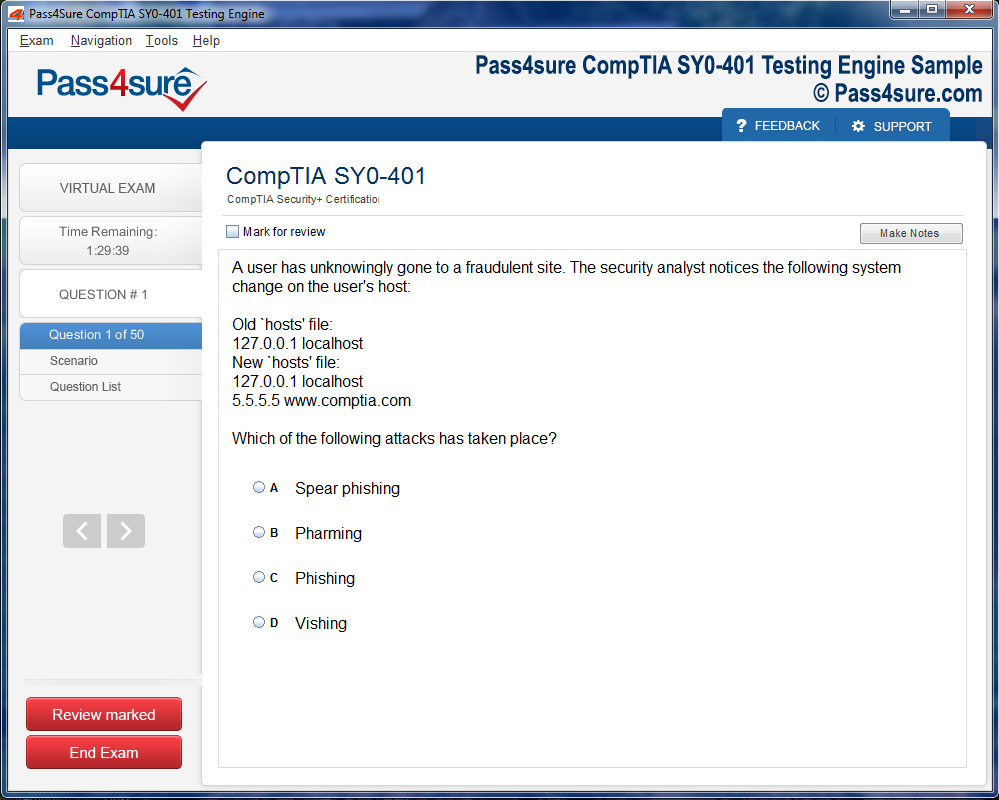
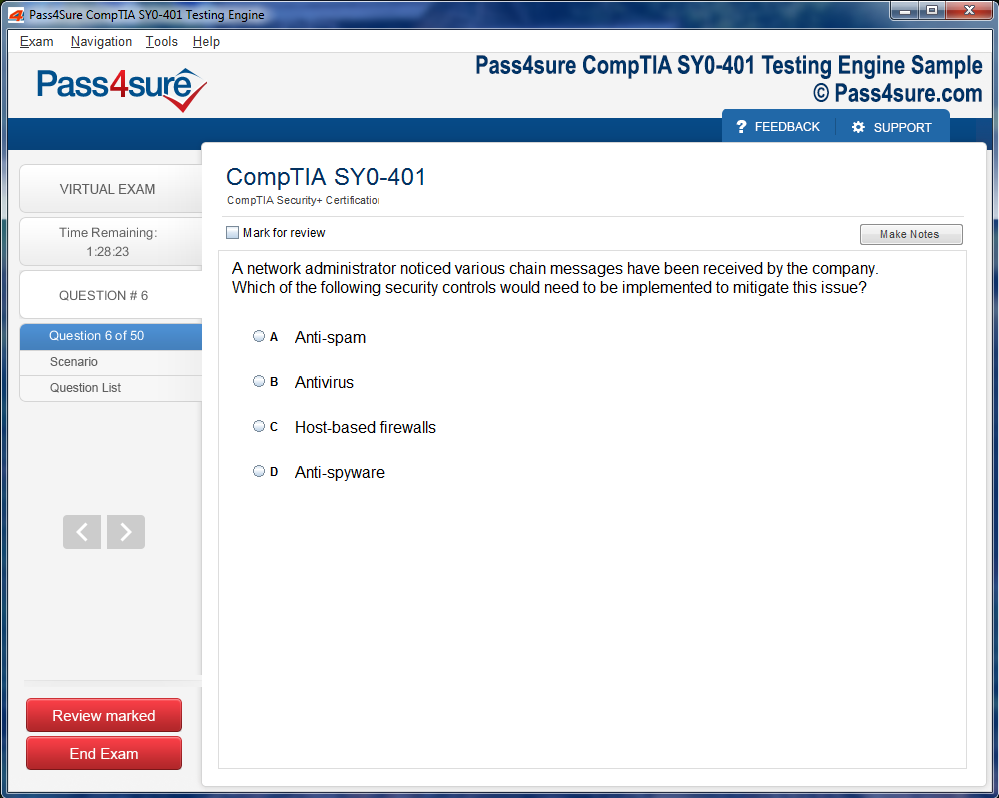
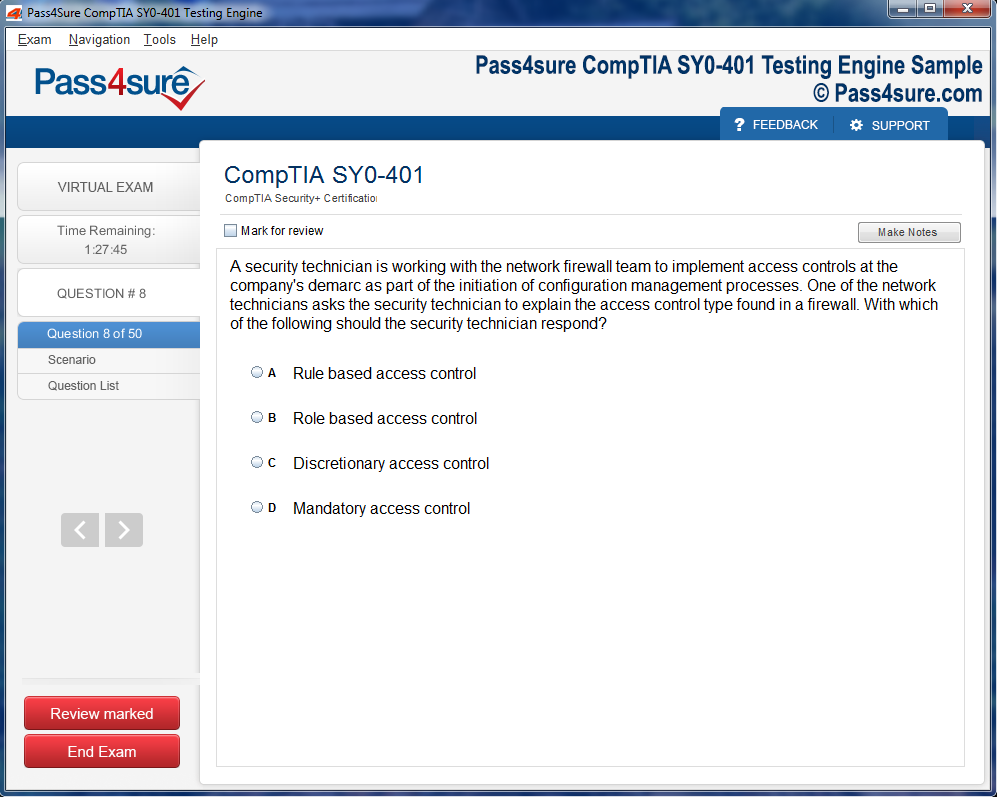
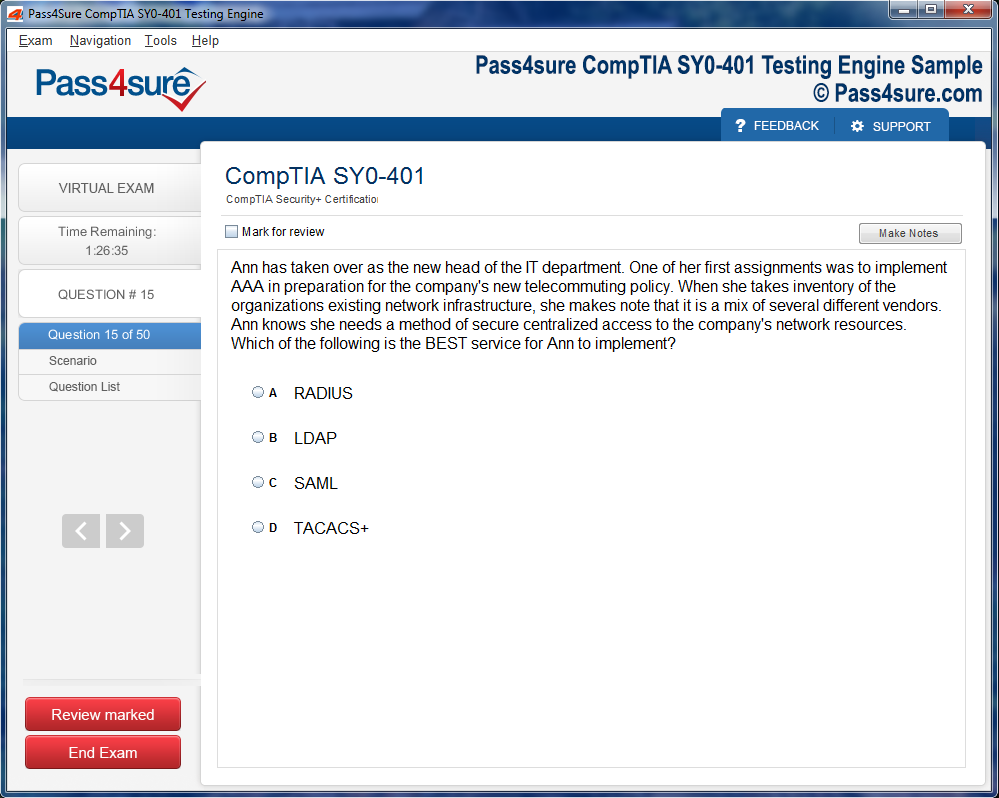
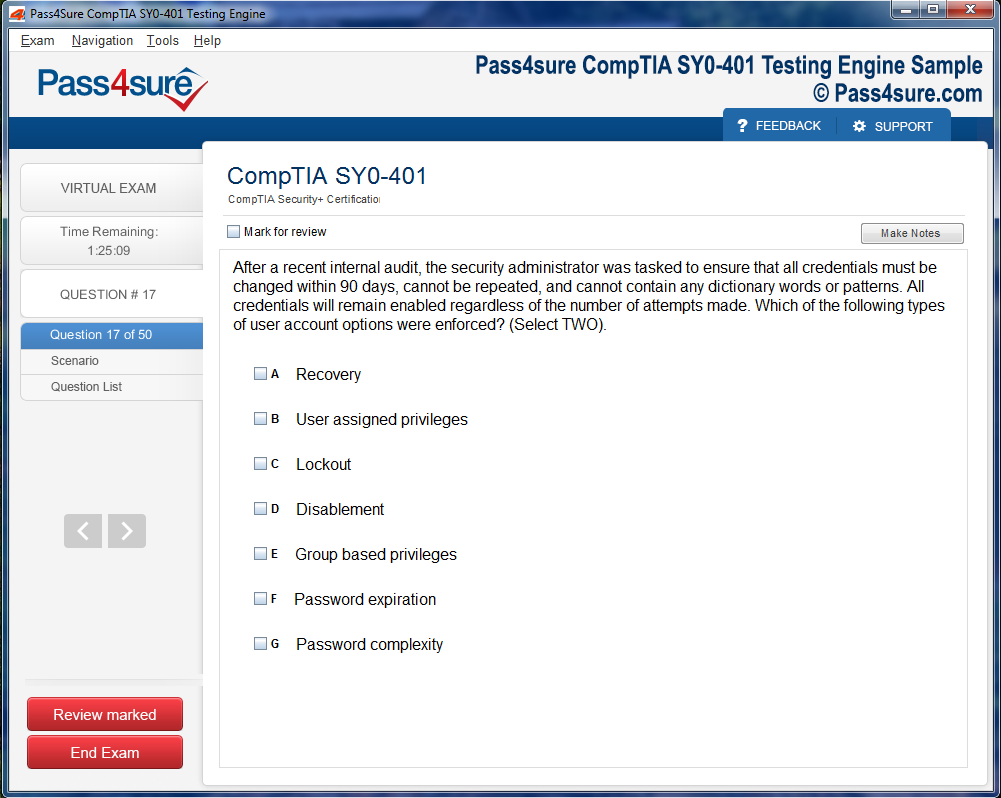
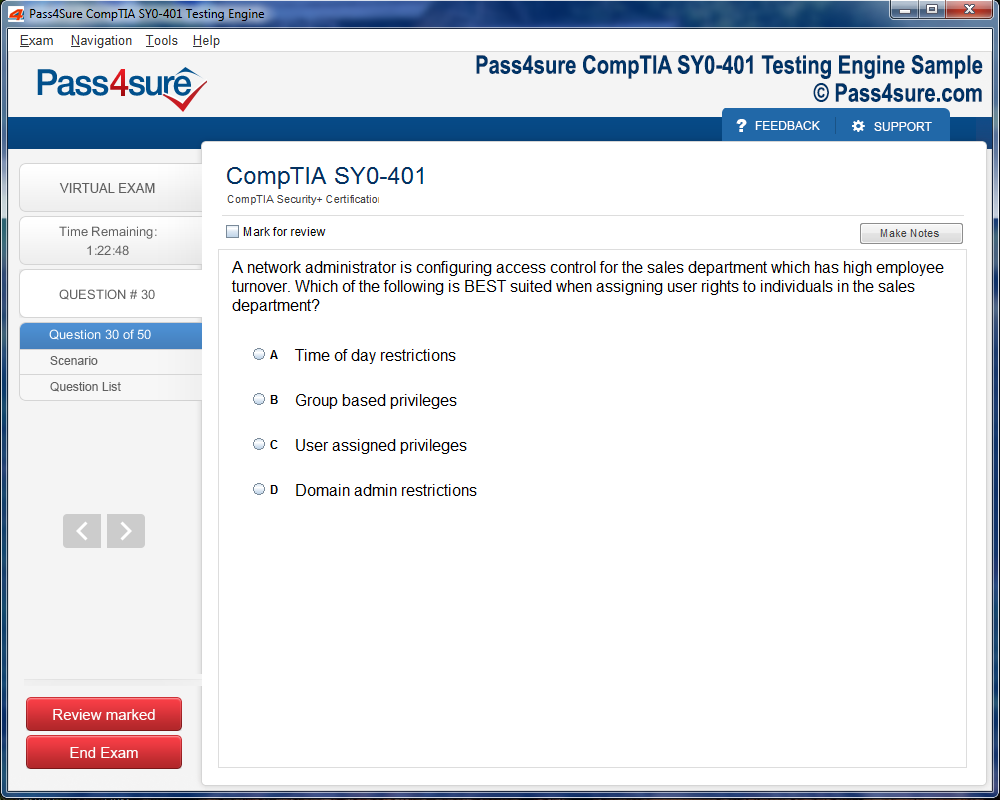
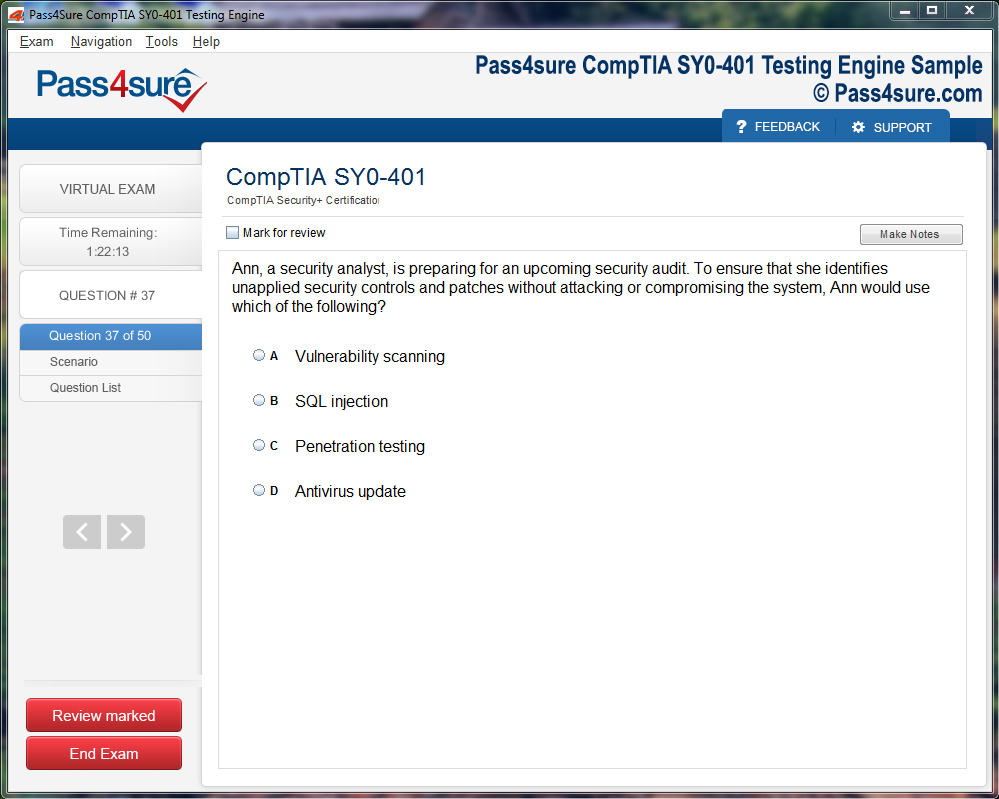
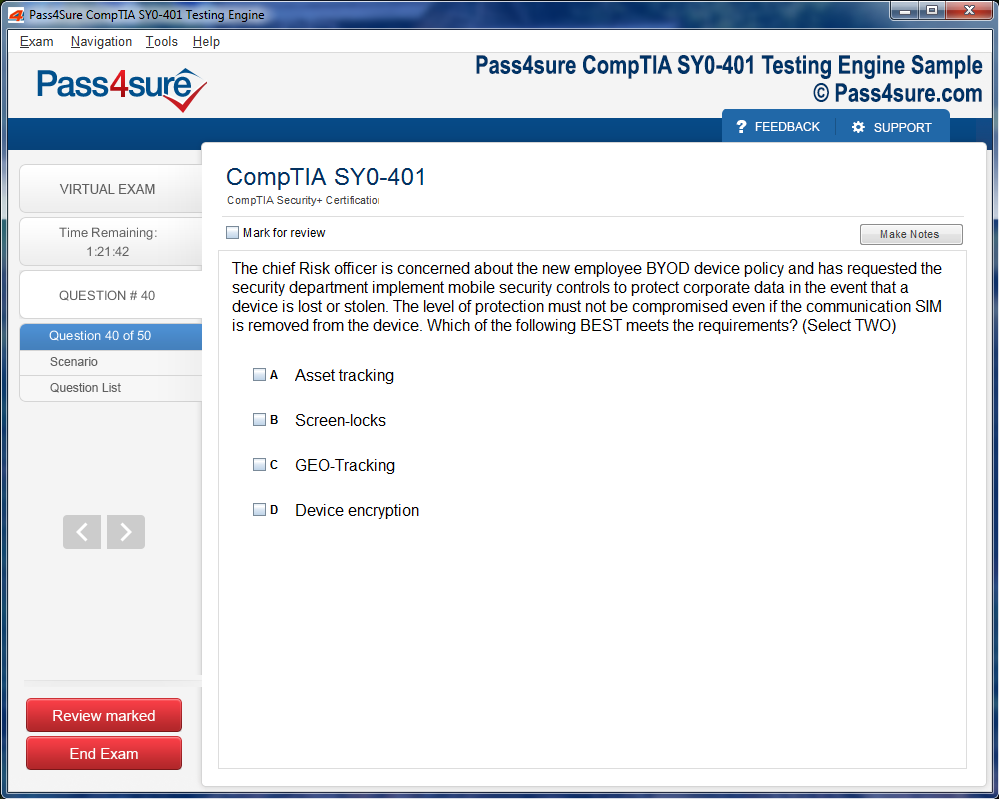
Product Screenshots


Frequently Asked Questions
How does your testing engine works?
Once download and installed on your PC, you can practise test questions, review your questions & answers using two different options 'practice exam' and 'virtual exam'. Virtual Exam - test yourself with exam questions with a time limit, as if you are taking exams in the Prometric or VUE testing centre. Practice exam - review exam questions one by one, see correct answers and explanations.
How can I get the products after purchase?
All products are available for download immediately from your Member's Area. Once you have made the payment, you will be transferred to Member's Area where you can login and download the products you have purchased to your computer.
How long can I use my product? Will it be valid forever?
Pass4sure products have a validity of 90 days from the date of purchase. This means that any updates to the products, including but not limited to new questions, or updates and changes by our editing team, will be automatically downloaded on to computer to make sure that you get latest exam prep materials during those 90 days.
Can I renew my product if when it's expired?
Yes, when the 90 days of your product validity are over, you have the option of renewing your expired products with a 30% discount. This can be done in your Member's Area.
Please note that you will not be able to use the product after it has expired if you don't renew it.
How often are the questions updated?
We always try to provide the latest pool of questions, Updates in the questions depend on the changes in actual pool of questions by different vendors. As soon as we know about the change in the exam question pool we try our best to update the products as fast as possible.
How many computers I can download Pass4sure software on?
You can download the Pass4sure products on the maximum number of 2 (two) computers or devices. If you need to use the software on more than two machines, you can purchase this option separately. Please email sales@pass4sure.com if you need to use more than 5 (five) computers.
What are the system requirements?
Minimum System Requirements:
- Windows XP or newer operating system
- Java Version 8 or newer
- 1+ GHz processor
- 1 GB Ram
- 50 MB available hard disk typically (products may vary)
What operating systems are supported by your Testing Engine software?
Our testing engine is supported by Windows. Andriod and IOS software is currently under development.
Boost Your Career with CIW 1D0-538 – Object-Oriented Analysis and Design Certification
In the labyrinthine ecosystem of cyberspace, threats manifest with a chameleonic agility, eluding conventional defenses and exploiting even the most arcane vulnerabilities. Modern cyber adversaries wield an arsenal of polymorphic malware, adaptive ransomware, and clandestine infiltration tools designed to subvert firewalls, circumvent encryption, and compromise system integrity. Understanding the anatomy of these threats requires a meticulous dissection of attack vectors, behavioral patterns, and technological loopholes that enable their proliferation. Unlike rudimentary viruses, contemporary threats exhibit sentience-like adaptability, recalibrating themselves in response to environmental variables and security countermeasures.
Network Fortifications and Intrusion Countermeasures
At the heart of resilient web security lies the intricate orchestration of network fortifications. Firewalls, intrusion detection systems, and anomaly monitoring protocols constitute the first bastion against unauthorized ingress. However, a network’s fortitude is not merely predicated on technological deployment but on the sagacious calibration of these defenses. Holistic security encompasses the continuous assessment of packet flows, latency anomalies, and cryptographic integrity, thereby ensuring that data channels remain impervious to clandestine exfiltration. The CIW 1D0-538 framework emphasizes that understanding these mechanisms is tantamount to mastering the ebb and flow of digital vigilance.
Cryptography as a Custodian of Digital Trust
Cryptography functions as the sentient custodian of trust within the digital expanse. Symmetric and asymmetric encryption paradigms, digital certificates, and cryptographic hash functions converge to create a lattice of inviolable communication. Each algorithm and protocol operates with precision, ensuring that even in scenarios of interception, the intelligibility of data remains obscured. Professionals versed in the CIW 1D0-538 curriculum acquire the acumen to implement encryption schemas judiciously, balancing performance constraints with impervious security postures. This mastery transforms cryptography from an abstract mathematical exercise into a pragmatic instrument of organizational resilience.
Authentication Mechanisms and Identity Assurance
Identity, in the digital realm, is a fragile construct vulnerable to exploitation. Authentication mechanisms, ranging from multifactor protocols to biometric verification, serve as the bulwark against impersonation and unauthorized access. Beyond mere password policies, advanced systems integrate behavioral analytics, session monitoring, and adaptive challenge-response methodologies to ensure that access is granted exclusively to legitimate entities. CIW 1D0-538 enshrines the principle that identity assurance is not a static check but a dynamic continuum, requiring perpetual vigilance and recalibration.
Application Hardening and Secure Coding Paradigms
Software applications remain the most susceptible conduits for cyber incursions, often harboring latent vulnerabilities that adversaries exploit. Application hardening entails a meticulous process of fortifying code against injection attacks, buffer overflows, and cross-site scripting exploits. It demands an intimate familiarity with secure coding paradigms, including input validation, parameterized queries, and rigorous error handling. Candidates pursuing CIW 1D0-538 are trained to imbue software with resilience, ensuring that the pathways through which data flows are both impermeable and agile enough to withstand emergent threats.
Data Sovereignty and Regulatory Conformance
In the modern web ecosystem, data assumes the status of sovereign capital, necessitating judicious stewardship and regulatory conformance. Compliance frameworks mandate that organizations not only safeguard information but also adhere to legal strictures governing privacy, retention, and accessibility. Professionals cognizant of CIW 1D0-538 principles develop strategies that harmonize technical defenses with statutory obligations, creating environments where ethical imperatives and security imperatives converge seamlessly. Failure to respect this duality exposes entities to both operational compromise and legal censure.
Proactive Threat Intelligence and Predictive Security
The paradigm of proactive security is predicated upon the anticipation of threats rather than reactive mitigation. Threat intelligence encompasses the continuous aggregation, analysis, and interpretation of cyber activity patterns to forecast potential incursions. Predictive security leverages machine learning, heuristic modeling, and anomaly detection to illuminate vulnerabilities before they are exploited. CIW 1D0-538 encourages practitioners to cultivate this prescient awareness, transforming reactive operations into anticipatory stratagems that diminish the probability and impact of breaches.
Incident Response and Forensic Methodologies
Even the most fortified digital bastions are susceptible to incursions, necessitating sophisticated incident response and forensic methodologies. Rapid identification, containment, and eradication of threats are only the initial phases; exhaustive post-incident analysis ensures that lessons are codified and systemic vulnerabilities remedied. Forensic rigor entails meticulous log examination, metadata correlation, and artifact preservation, enabling organizations to reconstruct attack vectors and preempt future exploits. CIW 1D0-538 instills the proficiency to orchestrate these processes with precision, balancing expedience with evidentiary integrity.
Emerging Threat Landscapes and Adaptive Countermeasures
Cyber threats evolve at a velocity rivaling the pace of technological innovation itself. Emerging landscapes feature the convergence of artificial intelligence, quantum computing, and decentralized infrastructures, each presenting novel attack vectors. Professionals must remain conversant with these developments, anticipating exploits that leverage AI-driven reconnaissance, quantum decryption, or blockchain vulnerabilities. Adaptive countermeasures, which recalibrate defenses in real time, become essential in navigating this flux. CIW 1D0-538 equips candidates to not only respond to current threats but to architect solutions resilient to the vicissitudes of future cyber contingencies.
The Intricacies of Malware Propagation
Malware dissemination is rarely haphazard; it often exhibits methodical orchestration, exploiting nuanced vulnerabilities within digital architectures. Virulent code may exploit memory corruption, buffer overflows, or privilege escalation to entrench itself within a network. Worms, in particular, demonstrate autonomous propagation, traversing interconnected systems without user interaction. Trojans, by contrast, cloak their malign intent within ostensibly innocuous applications, capitalizing on user trust and software dependencies. Spyware, often clandestine, siphons sensitive data, silently feeding it to malicious operators who operate beneath conventional detection thresholds. The capacity to discern these mechanisms is paramount, as CIW 1D0-538 candidates are trained to correlate system anomalies with underlying infiltration vectors.
Psychological Exploitation in Phishing Campaigns
Phishing transcends mere technical subterfuge, delving into psychological manipulation. Perpetrators leverage cognitive biases, urgency heuristics, and social conformity to coerce targets into divulging confidential information. Email spoofing, deceptive hyperlinks, and counterfeit web portals constitute common vectors. Education and situational awareness are critical defenses, empowering users to identify anomalies before cognitive biases are exploited. Multi-factor authentication and robust email filtering mechanisms act as additional bulwarks, ensuring that even compromised credentials do not yield immediate access. A sophisticated understanding of human-centric vulnerabilities distinguishes adept practitioners from those reliant solely on automated defenses.
Vulnerabilities in Web Application Architecture
Web applications possess a constellation of latent vulnerabilities that attackers exploit with surgical precision. SQL injection, by manipulating structured queries, can bypass authentication and expose databases to unauthorized retrieval or modification. Cross-site scripting subverts user sessions, embedding malevolent scripts that execute within trusted contexts. Exploiting these vulnerabilities often requires meticulous reconnaissance and knowledge of application logic. Secure coding paradigms, including parameterized queries, rigorous input validation, and context-sensitive output encoding, serve as the primary prophylactics against such incursions. Mastery of these principles not only mitigates risk but fosters resilient application ecosystems resistant to evolving attack patterns.
Network Siege Tactics and Denial-of-Service
Denial-of-service intrusions epitomize assaults on network reliability rather than data integrity. By inundating resources with superfluous requests, attackers degrade performance or render services unavailable to legitimate users. Distributed variants amplify this effect, co-opting botnets and compromised endpoints to generate overwhelming traffic surges. Countermeasures include architectural segmentation, redundant routing, and real-time intrusion detection that can differentiate between legitimate load spikes and orchestrated assaults. Awareness of emergent network anomalies and rapid incident response protocols ensures continuity and fortifies the perception of reliability, a crucial factor in both organizational resilience and user confidence.
Misconfigurations and the Fragility of Access Control
System misconfigurations constitute an insidious vector often overlooked in conventional security paradigms. Default credentials, excessive permissions, and unpatched software create exploitable entry points, granting attackers unfettered access to critical systems. The principle of least privilege, coupled with rigorous auditing of configurations, establishes a defensive lattice that constrains potential damage. Password rotation, complexity enforcement, and access monitoring augment these measures, converting latent vulnerabilities into managed risk. CIW 1D0-538 training underscores the symbiosis between technical control and procedural diligence, emphasizing that even sophisticated defenses falter in the absence of disciplined configuration management.
Persistent and Stealthy Intrusions
Advanced persistent threats epitomize the apex of cyber sophistication. These incursions unfold over extended temporal horizons, embedding themselves within network topologies while evading conventional detection. Attackers engage in reconnaissance, lateral movement, and data exfiltration with meticulous discretion. Continuous monitoring, behavioral anomaly detection, and threat intelligence integration are essential countermeasures, allowing security professionals to anticipate intrusion vectors and implement preemptive containment. Such vigilance requires not only technical proficiency but an anticipatory mindset, envisioning potential attack trajectories and intercepting them before irreparable compromise occurs.
Insider Threats and the Human Element
While technical vulnerabilities dominate discourse, human actors represent an equally formidable threat surface. Insider threats arise when employees inadvertently or deliberately compromise security. Negligent handling of sensitive data, succumbing to social engineering, or intentional sabotage can all precipitate catastrophic breaches. Role-based access control, rigorous activity monitoring, and continuous training programs mitigate these risks. Cultivating a security-conscious culture transforms human potential from a liability into a bulwark against both internal and external adversaries, underscoring the duality of technological and human-centric defense imperatives.
Holistic Threat Intelligence
The practice of security extends beyond reactive measures; it demands anticipatory intelligence. Threat landscapes evolve dynamically, shaped by geopolitical currents, technological innovation, and emergent adversary tactics. Security professionals synthesize historical data, behavioral analytics, and anomaly detection to construct predictive models of potential incursions. This holistic intelligence facilitates preemptive interventions, transforming organizational posture from reactive to proactive. In mastering this synthesis, CIW 1D0-538 candidates cultivate the discernment to identify subtle threat indicators and respond with calibrated precision, fortifying systems against both commonplace and sophisticated incursions.
The Imperative of Network Vigilance
In the sprawling digital ecosystem, networks operate as the neural pathways of modern enterprises. The CIW 1D0-538 framework underscores that vigilance in network security is not a mere technical obligation but a strategic imperative. Each node, switch, and router represents a potential conduit for malevolent incursions. The labyrinthine structure of interconnected systems necessitates a rigorous surveillance regimen capable of detecting anomalies before they metastasize into catastrophic compromises. Proactive vigilance transforms reactive troubleshooting into anticipatory defense, minimizing exposure and fortifying organizational resilience.
Firewalls as Digital Sentinels
Firewalls function as sentinels at the threshold of internal networks, executing the dual mandate of filtration and protection. These mechanisms operate with varying sophistication, from rudimentary packet-filtering models to stateful inspection systems and the vanguard of next-generation firewalls. Mastery of these technologies entails an understanding of nuanced traffic patterns, anomaly detection, and adaptive response techniques. Properly architected firewalls not only impede intrusive traffic but also preserve the fluidity of legitimate communication, maintaining operational continuity while enforcing security prerogatives.
Intrusion Detection and Preemptive Measures
Intrusion detection systems serve as the nervous system of network defense, perceiving subtle perturbations in traffic and operational flow. By alerting administrators to anomalous behavior, these systems act as precursors to preemptive countermeasures. Intrusion prevention systems extend this vigilance by actively intervening to neutralize threats, creating an automated bulwark against intrusion. Integrating detection and prevention into a cohesive, multi-layered strategy cultivates a defensive posture that anticipates adversarial maneuvers and mitigates potential damage with alacrity.
Access Control Paradigms
Access control embodies the principle of calibrated permissioning, ensuring that users engage with network resources commensurate with their responsibilities. The spectrum of methodologies—from role-based access control to discretionary and mandatory access paradigms—offers nuanced mechanisms to regulate interaction with sensitive information. Authentication extends beyond mere passwords, encompassing multi-factor verifications and biometric validation to corroborate user identity with precision. These measures construct an intricate lattice of permissions, obfuscating unauthorized access while enabling legitimate operational throughput.
Cryptographic Fortifications
Encryption constitutes the linchpin of confidential communications in networked environments. Protocols such as SSL, TLS, and VPN configurations erect formidable barriers against eavesdropping and data manipulation. Proficiency in cryptographic deployment involves not merely activation but meticulous configuration to preempt vulnerabilities. By encoding information in transit, administrators preserve the integrity and confidentiality of sensitive data, ensuring that interception does not equate to compromise. Cryptography, therefore, acts as both shield and cipher, transforming raw information into an inscrutable digital bastion.
Strategic Network Segmentation
Segmentation transforms the network into a constellation of isolated, manageable zones. By demarcating critical assets—databases, application servers, and administrative nodes—network architects constrain the lateral mobility of intruders. This approach mitigates systemic risk, ensuring that breaches within one segment do not cascade uncontrollably. Thoughtful segmentation balances accessibility with defensive isolation, fostering environments where operational efficacy and security coalesce harmoniously. It is an exercise in spatial digital strategy, where architecture itself becomes a mechanism of defense.
Continuous Surveillance and Analytic Acumen
Monitoring transcends mere observation, demanding analytic acumen capable of discerning subtle aberrations. Logs, traffic matrices, and authentication patterns converge to form an intelligence mosaic, revealing the undercurrents of network activity. Skilled interpretation of this data empowers administrators to anticipate incidents, calibrate defenses, and orchestrate tactical responses with precision. CIW 1D0-538 emphasizes this confluence of technical proficiency and cognitive interpretation, framing network security as an interplay between mechanistic rigor and strategic foresight.
Human Factors in Cybersecurity
Technical safeguards alone cannot suffice; human cognition and behavior constitute both a vulnerability and a line of defense. Policies and training instill an ethos of conscientious usage, alerting personnel to phishing stratagems, unsafe device practices, and password mismanagement. Cultivating cyber hygiene across the user base transforms potential liabilities into active participants in defense. By harmonizing procedural rigor with technological mechanisms, organizations engender a culture where security permeates behavior, not merely infrastructure.
Evolution of Threat Paradigms
The landscape of network threats is mercurial, continuously evolving in complexity and subtlety. Attack vectors proliferate across novel channels, leveraging social engineering, polymorphic malware, and sophisticated zero-day exploits. CIW 1D0-538 educates candidates to anticipate these transformations, emphasizing adaptive frameworks that integrate threat intelligence, predictive analytics, and automated response orchestration. Understanding the dynamism of threat vectors equips professionals to counteract emergent risks, transforming uncertainty into a managed variable within the security apparatus.
Threat Modeling and Preemptive Security Design
The inception of a resilient web application resides in meticulous threat modeling. By delving into the arcane intricacies of data flow, candidate interactions, and backend logic, developers illuminate potential avenues of exploitation that might elude casual scrutiny. Threat modeling is not merely a defensive exercise but an anticipatory cognition of adversarial behavior, a prelude to fortifying application architecture. It cultivates a mindset attuned to latent vulnerabilities, ensuring that the scaffolding of an application is impervious to clandestine intrusion.
Obfuscation and Input Sanitization
Beyond the superficial veneer of code correctness, lies the domain of obfuscation and rigorous input sanitization. Applications that indiscriminately accept user input invite nefarious incursions such as SQL injection, cross-site scripting, or buffer overflow attacks. By employing stringent parsing mechanisms, pattern matching, and canonicalization, developers can expunge anomalous input before it pollutes the sanctity of application logic. This proactive filtration is the crucible in which secure applications are forged, where each character is scrutinized and every entry validated against anticipated norms.
Authentication Alchemy
Authentication within web applications transcends the simplistic paradigm of usernames and passwords. It embodies a nuanced alchemy of identity verification and access orchestration. Multi-factor authentication synergizes knowledge, possession, and inherence-based factors to elevate assurance levels. Session tokens, meticulously crafted and ephemeral in nature, prevent hijacking while maintaining fluidity in user experience. The cryptographic essence of these mechanisms ensures that credentials are ephemeral phantoms, resistant to interception and tampering, even in hostile digital milieus.
Encryption and Cryptographic Sanctuaries
Data security is anchored in the sanctity of encryption, a realm where plaintext is transfigured into inscrutable cipher. End-to-end encryption, coupled with judicious key management, forms a cryptographic sanctuary for sensitive information. Whether data traverses ephemeral networks or rests dormant within storage arrays, encryption serves as a bulwark against prying eyes. Algorithms are chosen not solely for computational efficiency but for resilience against emerging cryptanalytic techniques, ensuring that confidentiality and integrity remain inviolate across temporal and technological vicissitudes.
Session Management and Temporal Security
Secure session management is the linchpin of user trust. Beyond conventional session cookies, ephemeral session identifiers and time-bound access windows mitigate the likelihood of hijacking. Session revocation protocols, coupled with anomaly detection, empower developers to act preemptively against suspicious activities. The nuanced orchestration of session lifecycle, token entropy, and renewal frequency constitutes an invisible lattice of defense, silently safeguarding interactions without impinging upon usability.
Error Handling as Defensive Stratagem
Error handling transcends mere debugging; it is a defensive stratagem woven into application architecture. Erroneously verbose messages can inadvertently divulge the topology of system internals, guiding adversaries to potential exploits. By employing sanitized reporting and conditional verbosity, applications reveal operational transparency to legitimate stakeholders while obfuscating critical intelligence from malicious entities. Concurrently, meticulous logging transforms routine activity into a lattice of forensic intelligence, enabling proactive incident response and retrospective vulnerability analysis.
Vigilance Over Third-Party Dependencies
In the mosaic of modern application development, third-party libraries and frameworks offer both acceleration and potential peril. Unvetted or deprecated dependencies are fertile ground for latent exploits. Developers must engage in continual vetting, monitoring, and patch application, ensuring that every integrated component meets stringent security benchmarks. This ongoing vigilance transforms the dependency landscape from a liability into a controlled asset, where efficiency and security coexist harmoniously.
Penetration Testing and Iterative Fortification
The final bulwark in secure application development is relentless testing. Penetration testing, both automated and manual, exposes hidden fissures in application defenses. Coupled with static and dynamic code analysis, it forms a cyclical process of detection, remediation, and reinforcement. Iterative fortification ensures that applications remain adaptive in the face of evolving threat landscapes, where yesterday’s defenses are insufficient against tomorrow’s exploits. Through disciplined evaluation, applications transcend fragility, becoming resilient constructs capable of withstanding sophisticated adversarial campaigns.
DevSecOps Integration
Security is no longer a postscript appended to development; it is an intrinsic principle interwoven within DevOps practices. Continuous integration and continuous deployment pipelines now incorporate automated security scans, policy enforcement, and anomaly detection. By embedding security into the cadence of deployment, developers preemptively identify regressions and vulnerabilities, transforming the development lifecycle into a vigilant sentinel rather than a reactive responder. This holistic integration ensures that security is both pervasive and adaptive, congruent with the velocity of modern software engineering.
Cryptographic Key Governance
Central to the preservation of application confidentiality is meticulous key governance. Keys must not only be robust but rotated systematically to prevent compromise. Secure enclaves, hardware-backed storage, and algorithmic obfuscation safeguard keys from both software-level attacks and insider threats. Proper governance extends beyond storage, encompassing access control, auditing, and lifecycle management. The result is a cryptographic framework that elevates the resilience of every encrypted data packet traversing the application.
Ethical Hacking as a Vanguard of Cybersecurity
Ethical hacking emerges as a vanguard discipline within the labyrinthine ecosystem of digital security. Unlike nefarious intrusions that imperil systems surreptitiously, ethical hacking is a deliberate, codified examination of technological fortresses. Professionals in this domain leverage an amalgamation of analytical perspicacity, technical dexterity, and forensic intuition to illuminate vulnerabilities that lurk beneath seemingly impervious architectures. Within the ambit of CIW 1D0-538, candidates are meticulously trained to scrutinize networked infrastructures and application frameworks, cultivating an aptitude for preemptive fortification rather than reactive remediation.
The ethos of ethical hacking is predicated upon a dual paradigm: legality and prudence. A transgressive breach, even under the guise of testing, risks cascading consequences, both juridical and reputational. Hence, the educational scaffolding emphasizes rigorous adherence to statutory mandates, corporate protocols, and ethical canons, engendering a professional demeanor wherein the hacker operates as a sentinel rather than a saboteur. This philosophical grounding elevates the craft beyond mere technical proficiency, embedding a moral compass into every keystroke and packet inspection.
Penetration Testing Methodologies and Stratagems
Penetration testing constitutes the operational backbone of ethical hacking. It is a systematic orchestration of simulated incursions designed to uncover latent vulnerabilities in systems, networks, and applications. The process is stratified into discrete stages, each calibrated to mirror the methodology of adversarial actors while remaining within controlled boundaries. Reconnaissance serves as the reconnaissance vanguard, collecting intelligence on system architecture, open ports, and exposed services. This preliminary exploration forms the substrate upon which subsequent scanning and exploitation are judiciously constructed.
During the scanning phase, sophisticated tools parse network topologies, probe firewall configurations, and enumerate service versions. Candidates are instructed to decipher these data streams, translating cryptic network signatures into actionable intelligence. Exploitation then tests the efficacy of these findings, simulating the mechanics of unauthorized access to reveal systemic weaknesses. Reporting crystallizes the insights gleaned, transforming technical anomalies into narratives intelligible to stakeholders. Each stage underscores the iterative interplay between observation, hypothesis, and empirical validation, cultivating a holistic understanding of security dynamics.
Legal and Ethical Parameters in Hacking
Navigating the ethical landscape of hacking necessitates an intricate understanding of regulatory frameworks and organizational compliance mandates. Permissions, scopes, and reporting protocols are codified to preclude inadvertent transgressions. CIW 1D0-538 rigorously integrates these precepts, ensuring that candidates internalize the boundaries within which they must operate. Transgressing these boundaries, even inadvertently, may precipitate severe legal ramifications, emphasizing that mastery of the craft extends beyond technical competence to encompass jurisprudential literacy.
Ethical hackers must also reconcile the tension between exhaustive testing and operational continuity. Overzealous exploitation can destabilize systems, precipitating downtime or data corruption. Hence, a nuanced comprehension of risk calculus is indispensable, balancing thoroughness with prudence. Inculcating such discernment transforms technical acumen into strategic foresight, a hallmark of elite penetration testing professionals.
Tools and Technological Armamentarium
The arsenal of an ethical hacker is eclectic, encompassing both automated software and bespoke utilities. Network scanners, vulnerability assessment engines, and cryptographic testing suites constitute the primary instrumentation for probing systemic resilience. CIW 1D0-538 emphasizes not merely operational proficiency but interpretive discernment, instructing candidates to analyze outputs critically, identify false positives, and prioritize remediation.
Password-cracking algorithms, often misunderstood in popular discourse, are deployed in controlled environments to assess authentication robustness. Similarly, penetration testers may leverage exploit frameworks to evaluate patch efficacy and response latency. Beyond mechanical proficiency, the pedagogical emphasis lies in cultivating adaptive cognition—the ability to improvise, synthesize disparate data points, and anticipate unconventional attack vectors.
Social Engineering and Human Vector Assessment
Despite the sophistication of technological defenses, human behavior remains a primary vector for compromise. Social engineering exercises, including simulated phishing campaigns, pretexting, and behavioral manipulation scenarios, probe this dimension. Ethical hackers must gauge susceptibility, discern patterns of cognitive bias, and propose countermeasures that enhance organizational awareness.
CIW 1D0-538 integrates these methodologies to underscore the symbiosis between human and technological factors. Assessing end-user vigilance, cultivating awareness programs, and simulating real-world attack scenarios transforms abstract vulnerability into tangible educational insight. By confronting the human element, ethical hackers fortify the weakest link in the security chain, demonstrating that comprehensive protection extends beyond code and circuitry.
Reporting, Documentation, and Strategic Communication
The culmination of penetration testing lies not merely in the identification of flaws but in the articulation of findings. Ethical hackers are trained to construct reports that translate technical minutiae into strategic intelligence. This involves elucidating risk profiles, quantifying potential impact, and recommending actionable mitigations. Precision, clarity, and contextualization are paramount; a report that obfuscates critical insights is tantamount to a failure in professional accountability.
Documentation practices also serve a longitudinal purpose. They enable organizations to track vulnerability remediation over time, monitor compliance with standards, and inform subsequent risk assessments. CIW 1D0-538 emphasizes this continuum, instilling in candidates an appreciation for reporting as both a tactical and strategic instrument in cyber defense.
Cultivating a Vigilant and Adaptive Mindset
At its core, ethical hacking is a cognitive discipline as much as a technical one. It requires relentless curiosity, analytical acuity, and anticipatory foresight. CIW 1D0-538 fosters these qualities, encouraging professionals to remain vigilant against evolving threat landscapes, continuously refine their skill sets, and engage in proactive problem-solving.
The ethos of vigilance transcends mere system evaluation. Ethical hackers internalize patterns of attacker behavior, anticipate emergent vulnerabilities, and cultivate an anticipatory mindset. This intellectual elasticity, combined with methodological rigor, positions them as indispensable custodians of digital ecosystems, capable of navigating complexity while preempting crises before they materialize.
Strategic Foundations for CIW 1D0-538 Mastery
Embarking upon the CIW 1D0-538 journey necessitates more than superficial familiarity with security principles; it demands an intricate lattice of comprehension and applied proficiency. Candidates must immerse themselves in the structural anatomy of web security paradigms, decoding the labyrinthine interplay of threat vectors, defensive protocols, and cryptographic safeguards. The examination itself is a crucible that tests not merely rote memorization but the capacity for agile reasoning under digitally dynamic conditions. Developing an intellectual scaffolding that bridges theoretical knowledge with applied dexterity establishes the groundwork for both exam triumph and professional efficacy.
Immersive Learning Modalities
A holistic approach to preparation involves a symphony of study modalities. Textual compendiums furnish exhaustive expositions on security architectures, whereas interactive simulations transmute abstract concepts into tangible, operative experiences. Candidates benefit from orchestrating these methodologies in tandem, cultivating an environment where cognitive absorption meets experiential enactment. Engaging with virtual labs and sandboxed scenarios fosters intuitive understanding of vulnerabilities, exploits, and countermeasures, creating a cognitive reflex for security problem-solving. This multi-sensory immersion ensures that retention transcends superficial familiarity, cementing competencies indispensable for both examination and enterprise application.
Cognitive Prowess and Time Calibration
Metacognition and temporal orchestration are paramount in navigating the rigorous demands of the CIW 1D0-538 evaluation. Candidates must delineate their preparation into granular segments, employing deliberate repetition to reinforce challenging concepts. The judicious allocation of cognitive resources ensures equilibrium between comprehension and retention, mitigating the cognitive fatigue that often besets intensive study regimens. Practice examinations act as cognitive barometers, revealing latent weaknesses and enabling strategic recalibration. Mastery of pacing, coupled with iterative exposure to diverse question architectures, transforms tentative knowledge into robust, reflexive expertise.
Ethical Hacking and Proactive Defense Strategies
A pivotal facet of CIW 1D0-538 mastery resides in the assimilation of ethical hacking methodologies and proactive defense postures. Candidates must cultivate a nuanced appreciation for penetration testing, threat simulation, and vulnerability assessment. This entails not merely understanding potential exploit vectors but synthesizing preemptive countermeasures within complex network infrastructures. By internalizing the principles of ethical intrusion, professionals fortify systems against malevolent incursions, enhancing organizational resilience. The ability to navigate the delicate interstice between offensive insight and defensive prudence underscores the distinctive value of CIW-certified practitioners.
Credential Impact on Professional Trajectory
Attaining CIW 1D0-538 certification precipitates profound ramifications for career advancement and professional recognition. The credential operates as a veritable sigil of expertise, signaling both proficiency and dedication to prospective employers. Certified professionals are positioned to undertake responsibilities encompassing secure software development, network fortification, and comprehensive threat management. Organizations, recognizing the strategic advantage conferred by certified staff, increasingly entrust them with roles demanding elevated accountability and technical acuity. The certification thus serves as both a testament to mastery and a catalyst for vocational mobility within the cyber defense ecosystem.
Organizational Synergy and Risk Mitigation
Certified CIW professionals contribute to organizational efficacy by embedding security-conscious praxis across operational domains. Their acumen facilitates the design, implementation, and oversight of resilient digital infrastructures capable of withstanding sophisticated attacks. By synthesizing contemporary threat intelligence with established best practices, these practitioners cultivate environments where data sanctity, regulatory compliance, and operational continuity converge. The strategic foresight imbued by certification mitigates systemic vulnerabilities, engendering a culture of preemptive vigilance that permeates organizational workflows and fortifies reputational integrity.
Lifelong Learning in Cybersecurity
Cybersecurity is an arena of perpetual metamorphosis, necessitating a commitment to continuous intellectual evolution. Even post-certification, professionals must immerse themselves in emerging paradigms, novel threat vectors, and evolving regulatory landscapes. Participation in specialized forums, symposiums, and collaborative networks enhances both knowledge depth and contextual acuity. The cultivation of a professional praxis anchored in perpetual learning ensures that certified individuals remain adaptive, insightful, and authoritative in an environment defined by ceaseless technological flux. Engagement with the wider community fosters a symbiotic ecosystem of innovation, resilience, and professional excellence.
Applied Proficiency and Real-World Relevance
Beyond theoretical acumen, CIW 1D0-538 certification underscores the imperative of actionable proficiency. Professionals are expected to translate conceptual understanding into operational effectiveness, safeguarding digital assets and fortifying network integrity. Real-world application—through scenario-based exercises, simulated breaches, and practical coding challenges—hones critical thinking, rapid problem-solving, and strategic foresight. The capacity to anticipate vulnerabilities, deploy protective measures, and respond adeptly to emergent threats transforms knowledge into tangible value, distinguishing certified practitioners as indispensable architects of secure cyberspaces.
Advanced Network Security Architectures
At the apex of CIW 1D0-538 mastery lies an intricate comprehension of advanced network security architectures. Candidates must navigate a lattice of interconnected systems, each susceptible to unique threat vectors. These architectures encompass firewalls, intrusion detection and prevention systems, segmented network topologies, and encrypted communication protocols. A nuanced understanding of these components facilitates the orchestration of holistic security frameworks, transforming reactive mitigation into proactive fortification. Professionals adept in these architectures not only respond to intrusions but anticipate vulnerabilities, crafting resilient infrastructures capable of withstanding sophisticated cyber incursions.
The interplay between system design and security implementation demands a careful balance. Overly rigid defenses can impede operational agility, whereas lax configurations invite exploitations. CIW-certified practitioners excel at calibrating these parameters, leveraging threat intelligence to inform real-time adjustments. By simulating attacks, analyzing breach patterns, and fortifying weak points, candidates cultivate a mindset that integrates vigilance with adaptive innovation. The capacity to architect secure yet functional networks distinguishes exceptional cybersecurity professionals from their peers.
Cryptographic Competency and Data Integrity
Cryptography forms the bedrock of secure digital communication, and proficiency in its applications is central to CIW 1D0-538 excellence. Candidates must comprehend encryption algorithms, hash functions, digital signatures, and certificate management, recognizing their role in preserving data confidentiality, authenticity, and integrity. Advanced scenarios involve key exchange mechanisms, asymmetric encryption paradigms, and cryptanalysis, where practitioners discern potential weaknesses in ostensibly robust schemes. A deep cryptographic acumen equips professionals to safeguard sensitive information against increasingly sophisticated adversaries while maintaining operational efficiency.
Data integrity extends beyond encryption; it encompasses mechanisms for auditing, redundancy, and recovery. CIW practitioners integrate checksums, hash verification, and blockchain-inspired ledger systems to ensure tamper-evident records. By embedding these safeguards within digital ecosystems, they create an operational environment resistant to both internal misconfigurations and external exploitations. The synthesis of cryptographic rigor with systemic vigilance epitomizes the elevated expertise signaled by CIW certification.
Vulnerability Assessment and Threat Intelligence
Effective cybersecurity praxis demands rigorous vulnerability assessment coupled with real-time threat intelligence. Candidates are trained to identify systemic weaknesses, catalog potential exploits, and quantify the associated risk. This entails utilizing advanced scanning tools, network sniffers, and heuristic analysis to detect anomalies. Threat intelligence further enhances this process, providing context on emerging exploits, malware variants, and adversary tactics. Professionals who synthesize these streams of information can prioritize interventions, allocate resources efficiently, and preemptively neutralize threats before they manifest.
The intelligence-driven approach to security transcends mere technical execution; it cultivates strategic foresight. CIW-certified individuals learn to map threat landscapes, anticipate adversary behavior, and design layered defenses that integrate physical, technical, and procedural safeguards. By adopting a proactive posture rather than reactive remediation, they shift the balance of power from potential attackers to defenders, reducing organizational exposure and enhancing resilience.
Ethical Hacking Methodologies
Ethical hacking represents a cornerstone of CIW 1D0-538 competence, requiring an intricate understanding of both offensive and defensive tactics. Practitioners simulate attacks to identify weaknesses, probe system boundaries, and evaluate response mechanisms. This controlled exploitation necessitates precision, discretion, and adherence to legal and ethical standards. Candidates develop skills in penetration testing, social engineering simulations, and exploit research, enabling them to anticipate adversarial strategies while maintaining organizational integrity.
The sophistication of ethical hacking extends to its methodological rigor. CIW preparation emphasizes structured reconnaissance, enumeration, exploitation, and reporting cycles. Each phase demands analytical precision and operational discipline, ensuring that identified vulnerabilities are documented and remediated without causing collateral disruption. The ethical hacker’s lens transforms potential threats into actionable intelligence, creating a dynamic feedback loop that informs network hardening and policy refinement.
Secure Software Development Practices
Modern cybersecurity challenges are inextricably linked to software vulnerabilities, making secure coding proficiency a crucial dimension of CIW 1D0-538 expertise. Candidates must internalize principles of defensive programming, input validation, secure authentication, and session management. By integrating security at the design and development phases, practitioners prevent common exploits such as SQL injection, cross-site scripting, and buffer overflows. The emphasis on proactive security ensures that software systems are resilient from inception rather than retrofitted post-incident.
Beyond technical implementation, secure software development requires a philosophical commitment to anticipatory vigilance. CIW-certified professionals cultivate a mindset that regards potential threats as integral to the design process. They leverage threat modeling, code reviews, and automated testing frameworks to validate security assumptions continually. The result is a development lifecycle where security is both a guiding principle and an operational reality.
Regulatory Compliance and Governance
CIW 1D0-538 mastery encompasses more than technical competence; it requires fluency in regulatory compliance and governance frameworks. Candidates must navigate statutes, standards, and organizational policies that govern data protection, privacy, and cybersecurity hygiene. Knowledge of frameworks such as ISO/IEC 27001, NIST guidelines, and emerging regional legislation equips professionals to design systems that align with legal and ethical mandates. By embedding compliance into security strategies, they reduce organizational exposure to liability, enhance stakeholder trust, and institutionalize risk mitigation practices.
Governance extends beyond formal regulations; it encompasses cultural, procedural, and procedural dimensions. CIW-certified professionals influence organizational behavior, advocating for security-conscious workflows, audit protocols, and continuous improvement cycles. By marrying technical expertise with governance acumen, they create an environment where security is both a technical imperative and an organizational ethos.
Continuous Professional Development
Cybersecurity is characterized by ceaseless evolution, with threat landscapes, technologies, and methodologies perpetually in flux. CIW-certified professionals recognize the necessity of continuous professional development to maintain relevance and efficacy. Engagement with professional networks, participation in specialized workshops, and subscription to threat intelligence feeds constitute essential habits. By cultivating a mindset of lifelong learning, candidates remain agile, informed, and capable of addressing emergent challenges with authority.
Professional development also encompasses cross-disciplinary exploration. CIW practitioners often integrate knowledge from fields such as artificial intelligence, behavioral analysis, and systems engineering to augment their cybersecurity expertise. This interdisciplinary approach fosters innovation, enabling the design of holistic defenses that anticipate complex attack vectors. Continuous education transforms certification from a static credential into a dynamic tool for sustained professional excellence.
Psychological Resilience and Cognitive Agility
The pressures inherent in cybersecurity roles necessitate psychological resilience and cognitive agility. CIW-certified professionals often confront high-stakes scenarios demanding rapid assessment, decision-making under uncertainty, and stress management. Cultivating mental fortitude, adaptive problem-solving, and strategic patience allows candidates to navigate crises with composure. Cognitive agility—an ability to synthesize information from disparate sources, pivot approaches, and anticipate cascading effects—is a hallmark of top-tier practitioners.
These cognitive and psychological skills complement technical expertise, creating a holistic professional profile. Organizations increasingly value such multifaceted capabilities, recognizing that cybersecurity is as much about human judgment as it is about technology. The CIW credential thus validates a blend of analytical, emotional, and operational mastery, equipping individuals to excel in complex digital ecosystems.
Real-World Implementation Scenarios
CIW 1D0-538 certification emphasizes the translation of knowledge into operational impact through real-world implementation scenarios. Candidates are trained to design secure network infrastructures, deploy intrusion detection systems, and implement encryption protocols under realistic constraints. Scenario-based exercises reinforce adaptive thinking, situational analysis, and practical execution. These immersive experiences bridge the chasm between academic preparation and professional performance, ensuring that certified practitioners deliver tangible value in operational contexts.
By simulating attack and defense cycles, candidates internalize cause-and-effect relationships inherent in cybersecurity ecosystems. They learn to anticipate adversarial actions, mitigate vulnerabilities, and implement strategic safeguards. This experiential learning ensures that certification holders are not only knowledgeable but operationally proficient, capable of defending digital landscapes with precision and foresight.
Reconnaissance and the Art of Digital Observation
Reconnaissance is the intellectual overture of penetration testing, a cerebral exercise in collecting and interpreting digital breadcrumbs. It is the phase where ethical hackers immerse themselves in system topography, network architecture, and application ecosystems, mapping the contours of potential vulnerabilities. This stage is an intricate choreography of passive and active observation, where digital footprints—DNS records, IP addresses, and public-facing services—are meticulously cataloged. The practitioner must balance curiosity with discretion, extracting insights without tripping intrusion alerts or violating legal parameters.
CIW 1D0-538 emphasizes that reconnaissance is not mere data accumulation; it is interpretive analysis. Candidates learn to decode subtle indicators, such as server versioning discrepancies or exposed directories, that suggest latent weaknesses. By synthesizing this intelligence, ethical hackers craft attack blueprints that anticipate adversary behavior while remaining within authorized boundaries. This cerebral rigor underscores a key principle: knowledge without comprehension is ineffectual, but analysis imbued with strategic foresight transforms raw data into actionable intelligence.
Exploitation and Controlled Breach Simulation
Exploitation is the apex of the penetration testing continuum, where theoretical vulnerabilities are tested in controlled environments. Here, ethical hackers leverage the findings from reconnaissance and scanning phases to attempt system intrusion, validating weaknesses and gauging their potential impact. CIW 1D0-538 teaches candidates to approach exploitation with surgical precision, ensuring that tests are both demonstrative and non-disruptive.
This phase demands a nuanced understanding of system behavior. Memory management flaws, input validation errors, and misconfigured services provide gateways for controlled incursions. Ethical hackers simulate attack vectors that a malicious actor might employ, measuring both the depth and breadth of potential compromise. The pedagogical objective is twofold: to illuminate vulnerabilities and to cultivate the foresight necessary for anticipating future exploits. In doing so, candidates internalize the delicate balance between operational efficacy and ethical responsibility, a hallmark of professional penetration testing.
Advanced Vulnerability Analysis
Vulnerability analysis is not simply a checklist exercise; it is a rigorous interrogation of digital ecosystems to unearth systemic fragilities. CIW 1D0-538 integrates advanced methodologies for prioritizing and categorizing vulnerabilities based on exploitability, impact, and contextual risk. Candidates learn to differentiate between theoretical weaknesses and those that pose tangible threats, enabling organizations to allocate resources efficiently.
Complex scenarios, such as chained exploits or multi-vector attacks, illustrate that vulnerabilities rarely exist in isolation. An overlooked misconfiguration may amplify the risk posed by a seemingly innocuous flaw, producing cascade effects that threaten data integrity and system availability. Ethical hackers are trained to recognize these interdependencies, employing a combination of analytical frameworks, simulation, and heuristic evaluation to construct a comprehensive vulnerability profile.
Cryptography and Secure Communication Assessment
Cryptography remains an indispensable pillar of cybersecurity, and ethical hackers must possess the acuity to evaluate its efficacy. Encryption algorithms, hashing protocols, and certificate configurations are scrutinized to determine resilience against cryptanalytic attacks. CIW 1D0-538 equips candidates with both theoretical understanding and practical application, enabling them to identify weaknesses in data-at-rest and data-in-transit protections.
Testing cryptographic systems involves simulating attacks such as brute-force decryption, padding oracle exploits, and key management failures. Candidates learn to assess not only algorithmic robustness but also implementation fidelity, as even the most sophisticated protocols can be undermined by poor configuration. This dual focus—on mathematics and operational deployment—ensures that ethical hackers can advise organizations on both theoretical vulnerabilities and pragmatic mitigation strategies.
Network Security Evaluation and Intrusion Detection
A network’s architecture is often its most complex and vulnerable layer. Ethical hackers analyze routing configurations, firewall rules, VPN deployments, and intrusion detection systems to evaluate resilience against adversarial activity. CIW 1D0-538 teaches candidates to simulate reconnaissance and attack sequences that probe perimeter defenses, test segmentation efficacy, and assess monitoring responsiveness.
Intrusion detection and prevention systems (IDPS) are of particular interest. Ethical hackers assess signature databases, anomaly thresholds, and event correlation rules to identify potential blind spots. By simulating evasion techniques, candidates can uncover deficiencies in alerting mechanisms, providing organizations with prescriptive recommendations to enhance situational awareness. This process transforms passive monitoring into a dynamic, adaptive shield against evolving threats.
Social Engineering in Depth
Social engineering exploits cognitive biases, emotional triggers, and behavioral predictability. CIW 1D0-538 emphasizes that technology alone cannot secure an organization; human factors often dictate vulnerability. Ethical hackers design simulations that test susceptibility to phishing, pretexting, baiting, and other manipulative strategies. These exercises reveal not only gaps in procedural training but also underlying cultural vulnerabilities, such as over-reliance on email authentication or trust in authority figures.
Advanced social engineering assessments extend beyond simple phishing campaigns. Candidates might orchestrate complex, multi-stage scenarios that emulate persistent threat actors, measuring the response fidelity of security personnel and end users alike. The results inform targeted awareness programs, policies, and reinforcement strategies, highlighting that human cognition is as critical a battlefield as code and network topology.
Reporting as a Strategic Instrument
The value of ethical hacking is realized only through lucid communication. Reporting is not an administrative formality; it is a strategic instrument that translates technical findings into actionable intelligence. CIW 1D0-538 instructs candidates to craft reports that balance precision, clarity, and persuasive reasoning, elucidating risk levels, exploitability, and potential organizational impact.
Advanced reporting integrates risk matrices, probabilistic models, and scenario projections, enabling stakeholders to prioritize remediation with confidence. Beyond technical exposition, effective reports anticipate organizational concerns, addressing resource constraints, compliance mandates, and operational continuity. In this sense, reporting becomes a bridge between technical insight and executive decision-making, ensuring that ethical hacking exercises yield tangible organizational benefit.
Continuous Learning and Threat Anticipation
Ethical hacking is inherently dynamic, reflecting the perpetual evolution of threats and technological paradigms. CIW 1D0-538 cultivates a mindset of perpetual learning, encouraging professionals to monitor emerging vulnerabilities, dissect novel attack frameworks, and experiment within controlled environments.
Threat anticipation extends beyond technical exploits. Candidates learn to forecast trends, such as zero-day vulnerabilities, AI-driven attacks, or supply chain compromises, and to devise proactive countermeasures. This anticipatory cognition transforms reactive defenders into proactive architects of digital resilience, equipping organizations to withstand both current and emergent threats with agility and strategic foresight.
Ethical Hacking in Complex Ecosystems
Modern digital ecosystems are multilayered, spanning cloud services, IoT devices, mobile applications, and legacy infrastructure. Ethical hackers trained through CIW 1D0-538 are prepared to navigate this heterogeneity, integrating assessments across disparate technologies. Cross-platform vulnerabilities, misaligned protocols, and interdependent services create nuanced security challenges that demand both analytical dexterity and operational creativity.
Penetration testers must synthesize findings across these domains, recognizing systemic interconnections and potential cascading failures. The holistic perspective engendered by this approach ensures that security measures are cohesive, robust, and adaptive, rather than fragmented or superficial. Ethical hackers emerge not merely as technical operators but as strategic architects of digital integrity.
Threat Anticipation and Predictive Defense
In the labyrinthine topology of contemporary web applications, security is predicated on foresight. Predictive defense entails anticipating adversarial vectors before they manifest as tangible threats. This approach demands a cerebral synthesis of historical attack patterns, heuristic modeling, and anomaly prediction. Developers who cultivate this anticipatory acumen can preemptively architect safeguards, erecting invisible bulwarks that deflect incursions before they penetrate the application’s perimeter. Predictive defense is less reactive and more akin to a strategic chess match, where the moves of potential intruders are envisioned and countered in advance.
Microsegmentation for Containment
Beyond broad security policies lies the nuanced discipline of microsegmentation. By dividing applications and their underlying infrastructures into discrete, insulated segments, developers reduce the lateral mobility of attackers. In the event of a breach, microsegmentation ensures that the compromise is localized, preventing escalation into critical systems. This granular control necessitates sophisticated network orchestration, meticulous access governance, and dynamic policy enforcement, collectively forming a lattice of containment that mitigates damage and preserves operational integrity.
Defensive Coding Paradigms
Secure coding is not merely an adherence to syntax rules but a philosophy of anticipatory caution. Developers cultivate defensive paradigms that preempt unexpected behaviors and thwart malicious intent. Techniques such as fail-safe defaults, principle of least privilege, and explicit input validation form the cornerstone of resilient code. Defensive coding transforms software from a passive instrument into an active sentinel, scrutinizing each operation for anomalies, and rejecting deviations that could compromise the sanctity of execution.
Cryptographic Agility
Static cryptographic practices are insufficient in a landscape where algorithms are incessantly challenged by advances in computational power and cryptanalysis. Cryptographic agility—the ability to pivot between algorithms, key lengths, and hashing mechanisms—ensures long-term resilience. By designing applications with modular cryptography, developers future-proof security, enabling seamless adaptation to emergent threats. This flexibility is indispensable, particularly in industries where regulatory frameworks evolve rapidly and adversarial techniques become increasingly sophisticated.
Secure API Design
Modern web applications are heavily reliant on APIs, which serve as conduits for data exchange and functional interoperability. However, APIs are often exploited as vectors for unauthorized access, data exfiltration, or service disruption. Secure API design mandates rigorous authentication, tokenization, rate limiting, and input sanitization. By embedding these safeguards, developers ensure that APIs function as controlled gateways rather than inadvertent vulnerabilities, maintaining both accessibility and integrity.
Behavioral Anomaly Detection
Static defenses are insufficient against dynamic, intelligent threats. Behavioral anomaly detection adds a layer of proactive observation, wherein user interactions, request patterns, and system behaviors are continuously monitored for deviations from established norms. Machine learning models, statistical profiling, and heuristic algorithms enable the identification of suspicious activity in real time. This surveillance transforms applications into adaptive ecosystems, capable of self-alerting to potential compromises and initiating automated countermeasures.
Immutable Logging and Audit Trails
The integrity of logs is paramount for forensic investigation, compliance, and ongoing security assessment. Immutable logging, leveraging append-only storage and cryptographic verification, ensures that recorded events are tamper-evident and authentic. Audit trails extend beyond mere record-keeping; they provide a temporal narrative of activity, allowing security teams to reconstruct incidents, analyze attack vectors, and refine defensive protocols. Such meticulous documentation becomes both a deterrent and a tool for continuous improvement.
Redundancy and Failover Security
Robust applications anticipate not only direct attacks but systemic failures. Redundancy and failover mechanisms ensure operational continuity even under duress. Distributed architectures, replicated data stores, and automated recovery protocols prevent a single point of compromise from cascading into catastrophic downtime. Security and availability converge in this paradigm, underscoring that resilient applications must defend against both intentional intrusion and inadvertent disruption.
Secure Configuration Management
Application security is deeply entwined with configuration integrity. Misconfigured servers, improper permissions, and unmonitored default settings often serve as covert entry points. Secure configuration management entails codifying baselines, automating compliance checks, and instituting continuous monitoring. By embedding configuration governance into the development lifecycle, applications maintain consistency, resist drift, and reduce the probability of inadvertent exposure.
Advanced Session Security Techniques
While foundational session management is essential, advanced techniques enhance resilience against sophisticated threats. Token binding, context-aware session expiration, and device fingerprinting transform passive sessions into active security assets. These mechanisms integrate behavioral heuristics, environmental factors, and cryptographic safeguards to ensure that sessions remain both functional and impervious to hijacking. In effect, session security evolves from a procedural task into an intelligent, adaptive defense system.
Dependency Risk Intelligence
The reliance on external components necessitates a continuous intelligence process regarding dependency risks. Beyond routine patching, developers engage in risk scoring, vulnerability trend analysis, and provenance verification. This intelligence-driven approach identifies components susceptible to zero-day exploits, deprecated APIs, or inadequate maintenance. By preemptively mitigating these risks, applications maintain structural integrity while leveraging the efficiency and innovation inherent in third-party libraries.
Adaptive Threat Response
Applications are no longer static artifacts; they exist in fluid threat landscapes that demand adaptive responses. Automated threat mitigation, real-time patching, and dynamic firewall rules exemplify the operationalization of adaptive security. By integrating intelligence feeds, anomaly detection, and conditional access controls, applications can respond to novel attack vectors in real time. Adaptive threat response transforms security from a reactive posture to a proactive, almost sentient mechanism, capable of evolving alongside adversaries.
Holistic Security Mindset
Finally, secure web application development transcends technical implementations; it is a holistic mindset. Developers internalize security as a pervasive ethos, influencing architectural decisions, code design, operational procedures, and user interaction. This mindset emphasizes vigilance, foresight, and accountability at every stage of development. By fostering a culture where security is inseparable from functionality, applications achieve a synthesis of robustness, usability, and resilience that is both rare and indispensable in today’s digital ecosystem.
Conclusion
The CIW 1D0-538 certification stands as a comprehensive testament to an individual’s mastery of web security principles, practical defense strategies, and ethical considerations in protecting digital environments. Across the six parts of this series, we explored foundational concepts, the spectrum of security threats, network and application safeguards, ethical hacking practices, and strategic approaches to exam preparation and career advancement. Each element reinforces the critical interplay between technology, policy, and human vigilance in maintaining secure web systems.
Earning this credential demonstrates not only technical expertise but also a proactive mindset toward cybersecurity. Professionals equipped with CIW 1D0-538 knowledge are capable of anticipating potential vulnerabilities, implementing preventive measures, and responding effectively to evolving threats. They contribute meaningfully to organizational resilience, safeguarding sensitive data, and promoting trust in web-based operations.
Moreover, the certification encourages continuous learning and adaptability, essential traits in a field that evolves rapidly with emerging technologies and sophisticated cyber threats. By mastering the principles and practical skills outlined in the CIW 1D0-538 curriculum, candidates position themselves for rewarding career opportunities, from network security administration to web application protection and ethical hacking roles.
Ultimately, CIW 1D0-538 is more than a credential—it is a commitment to excellence, vigilance, and innovation in web security. Those who pursue it gain the knowledge, confidence, and professional credibility to navigate complex digital landscapes and make meaningful contributions to the safety and integrity of web environments.