

Exam Code: GCFA
Exam Name: GIAC Certified Forensic Analyst
Certification Provider: GIAC
Corresponding Certification: GCFA
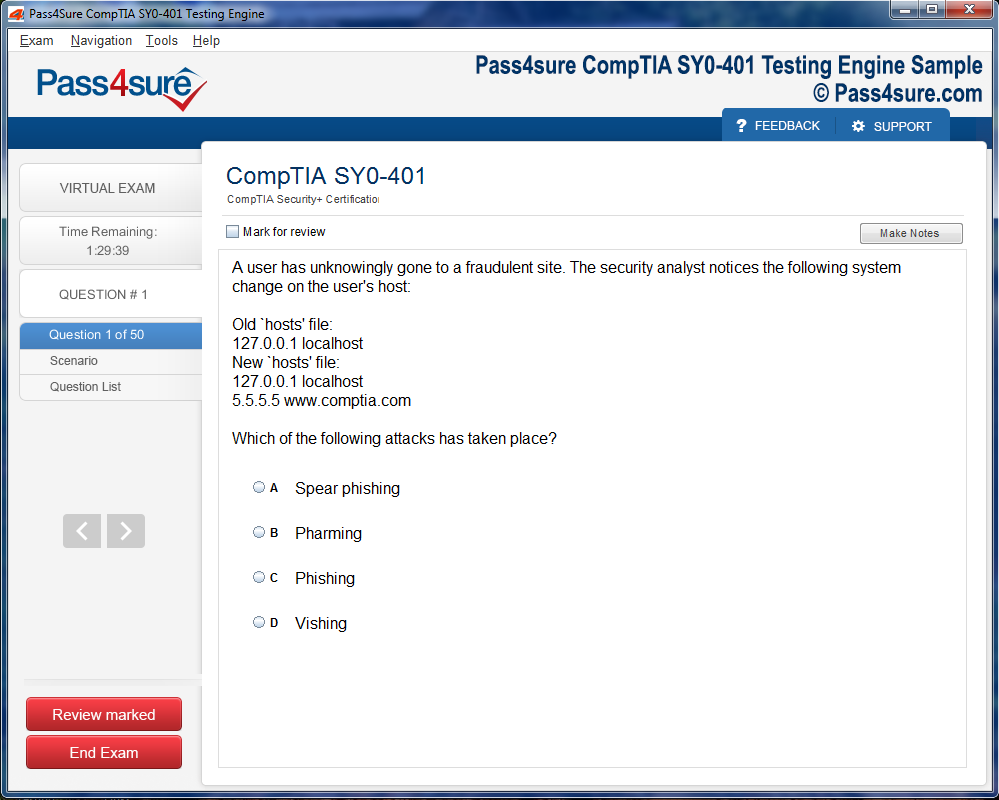
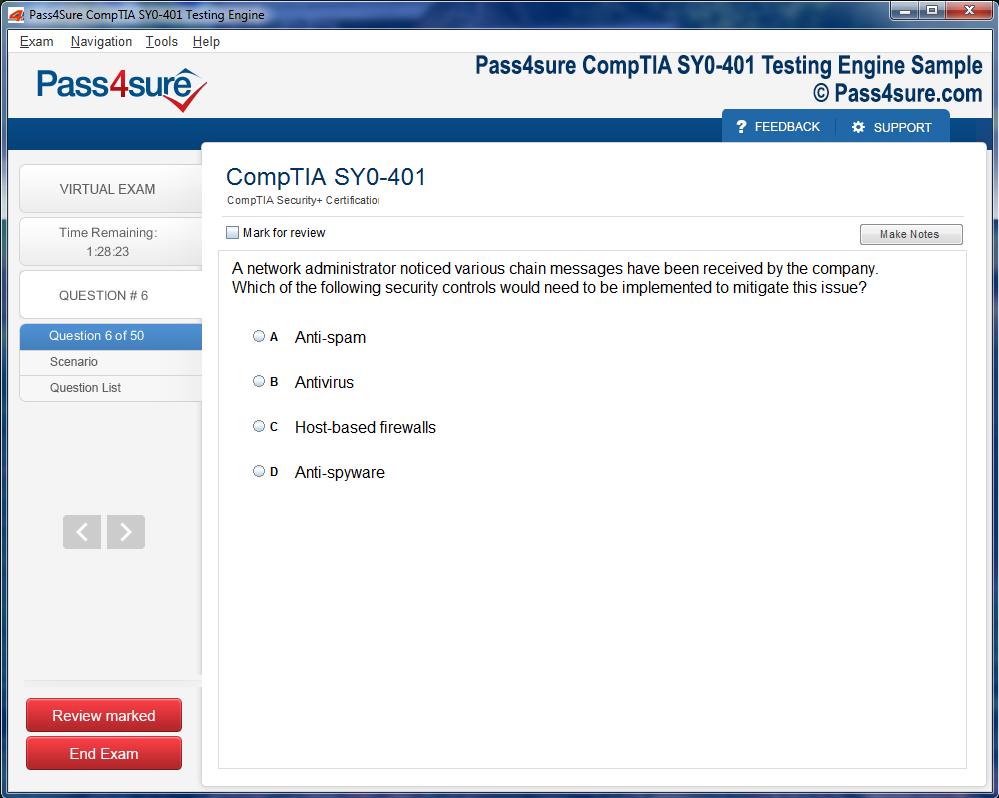
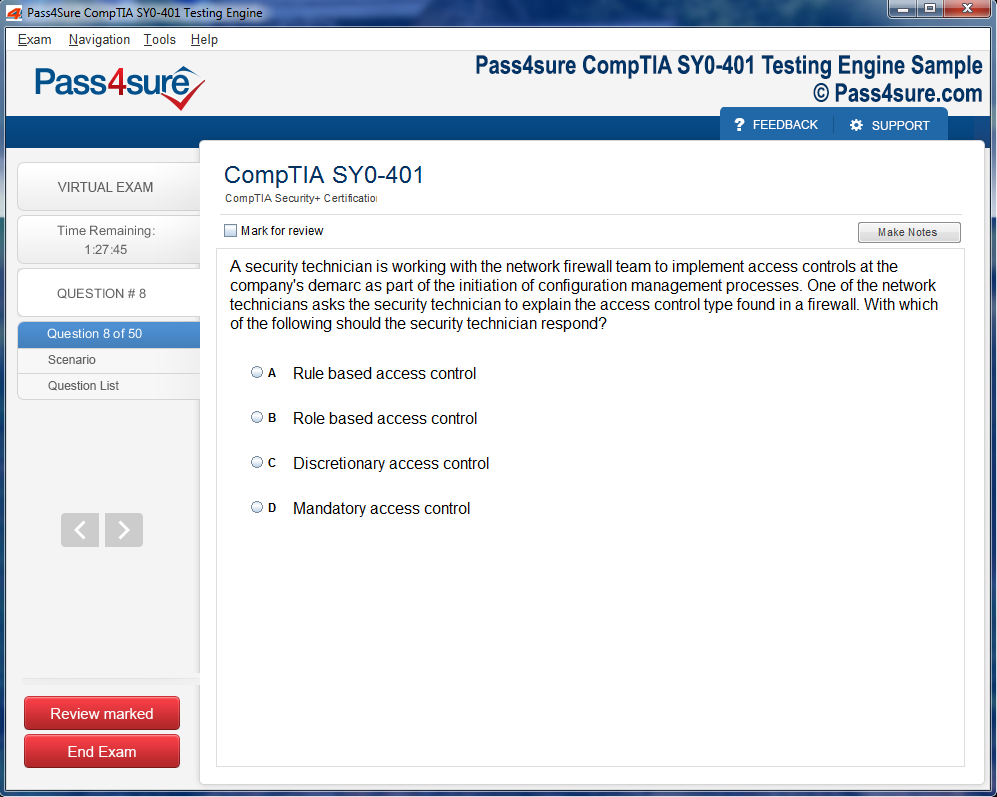
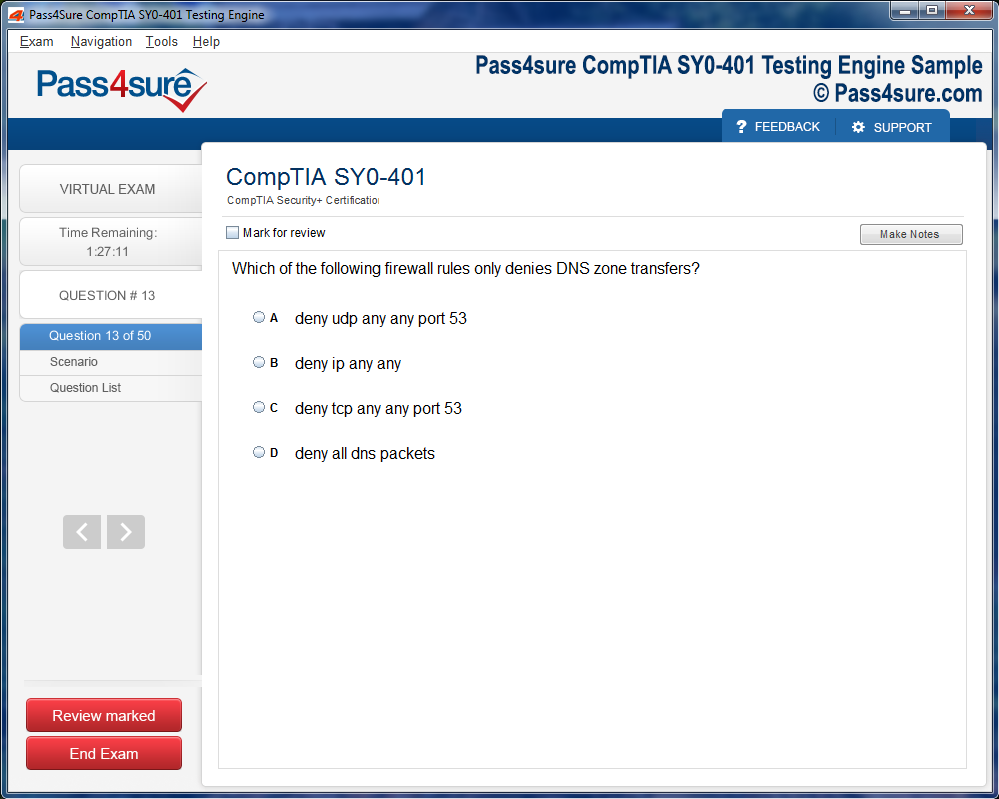
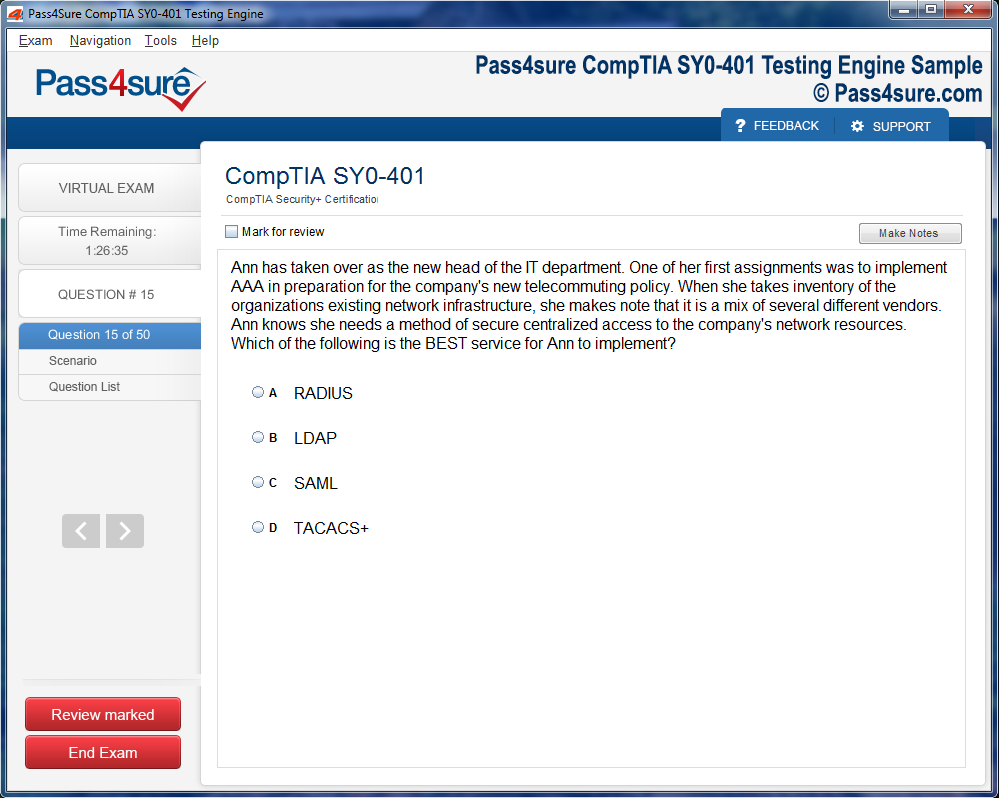
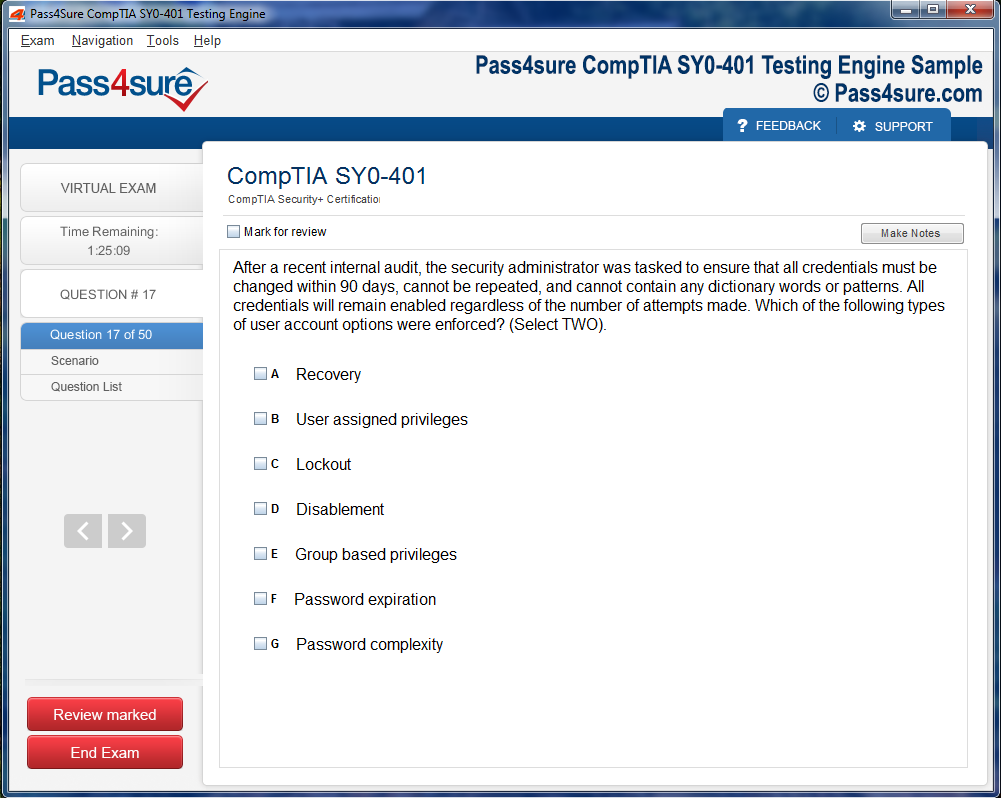
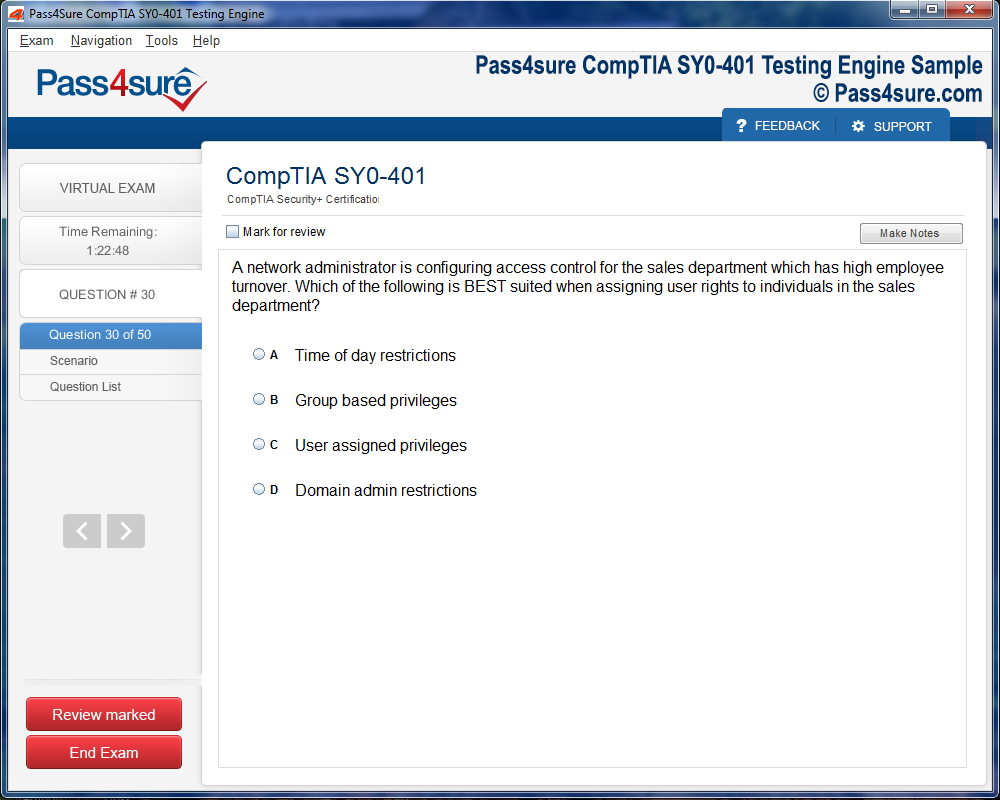
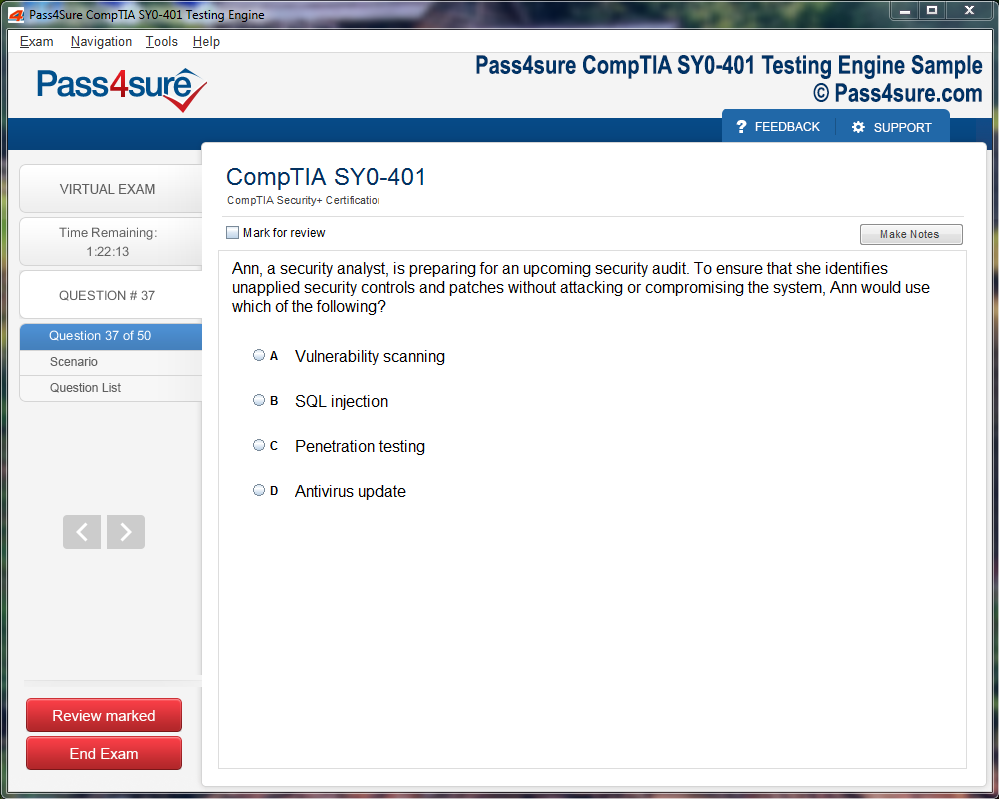
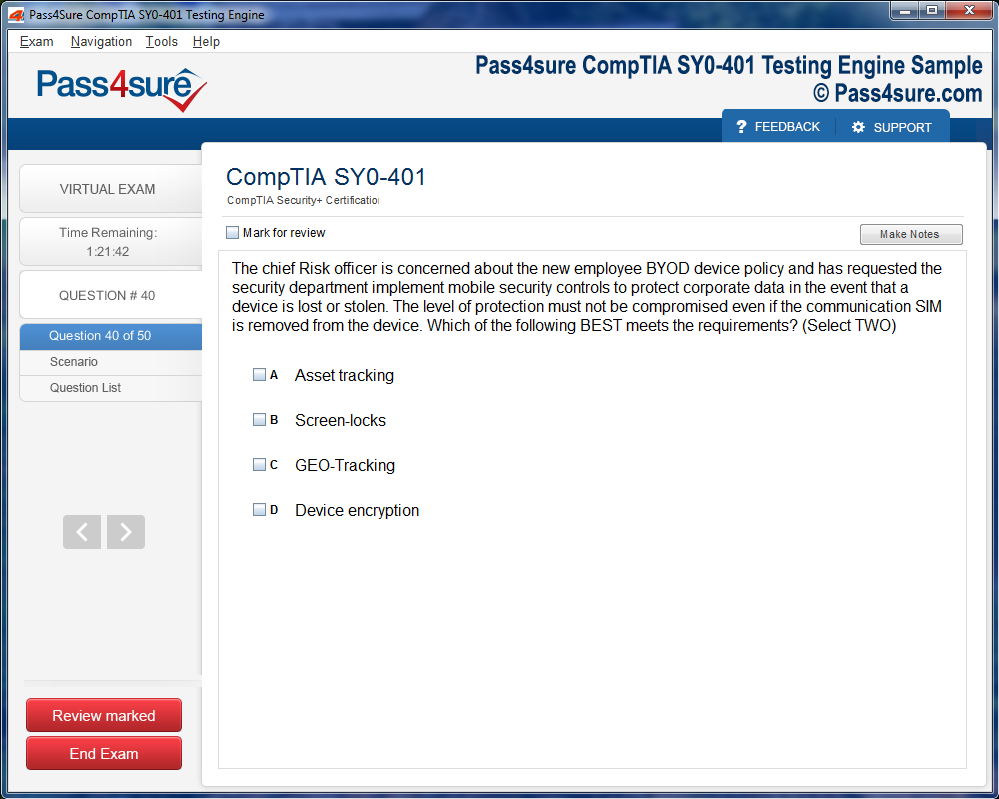
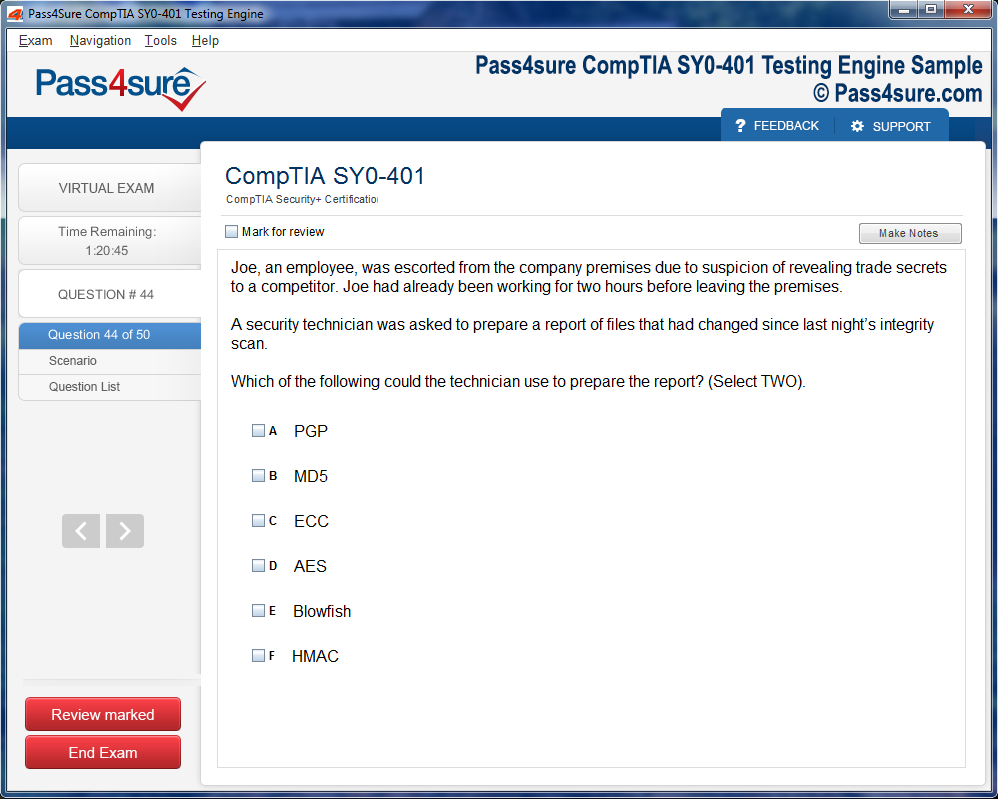
Product Screenshots
Product Reviews
One Wonderful Experience
"I just wanted to thank you so much for your GCFA exam package. I followed all the instructions and took the GIAC GCFA exam. Today I found out I passed the Forensics GCFA exam. It has been over 25 years since I have been in grad school and your materials were invaluable. Thank you so much for making this second career comes true in my life!
Greg"
felt amazing with pass 4 sure!!
"Taking the GCFA exam looked / felt / read just like the pass 4 sure review. Thanks pass 4 sure! Spot on instruction down to the last detail. Taking the GIAC GCFA exam looked / felt / read just like the pass 4 sure review. I passed all four sections on the first attempt in 6 months from start to finish. I even had time in there to move to a different state and take Christmas break off with my family. Taking the GIAC GCFA exam looked / felt / read just like the pass 4 sure review. I passed all four sections on the first attempt in 6 months from start to finish. I even had time in there to move to a different state and take Christmas break off with my family.
Julie Salvitti"
Q&As Only
"That’s right! All I needed was Q&As in order to clear the GCFA exam. However, I still had to stop being a lazy bum and work hard. I bought the product for GIAC GCFA exam and practiced the questions till I was confident about my prep. I passed Forensics GCFA exam and can attest to the fact that all I really sued was the Q&As. This is Jean Grey."
Pass4sure provides a success path
"IT certifications are easy to pass with pass4sure. Pass4sure has all the readymade material that is required for clearing GCFA exams. I personally tried their exam practice questions for my GIAC GCFA exams and found them to be helpful and effective. By using their exam preparation material I was ready to take my exams before time and attempted them real well. The fastest way to secure IT certifications using latest preparation material surely rests with pass4sure and I truly believe that I would not have been able to clear my Forensics GCFA exams without the help of pass4sure.
Sarah Peterson"
Pass4sure changed my entire view point
"Hey Pass4sure
Like so many others I never believed in you testimonial page but after preparing, taking and passing my GCFA exam my entire view point has changed. I used your GIAC GCFA exam pack and did my preparations with it, with in 12 days I was ready for the exam, I did not left even a single question unsolved and now I am myself writing here that I have passed Forensics GCFA actual exam with 91 percent.
This was my first exam and I will be back surely for the next exams.
Thank you
Siemens Miriam"
Easy to understand!
"I just passed my GCFA exam due to pass4sure. I used Pass4sure first time as my friend recommended me. And I found Pass4sure GIAC GCFA exam material of PASS4SURE very convenient and easy. I am really thankful to Pass4sure for providing me such quality material which really helped me in my Forensics GCFA exam preparation.
Doug"
polished my skills at pass4sure
"I always wanted to improve/polish my existing skills because there is a lot of competition at my workplace. It was hard for me to join an institute but I am really thankful to pass4sure for offering me with GIAC GCFA online training. Due to the preparations with pass4sure’s GCFA online training things became so easy for me that I finished preparations with in 14 days and appeared for the Forensics GCFA actual exam. I scored great percentages and now I am being appreciated a lot at my work place. Credit goes to pass4sure only.
Thank you so much
Claudia Richter"
So helpful
"I used PASS4SURE for my GCFA exam preparation. I found GIAC GCFA exam material extremely helpful, easy to understand and prepared me fully. I do not think that I could have passed the Forensics GCFA exam without Pass4sure. I am so indebted to Pass4sure.
Morgan"
I am now GCFA certified thank you pass4sure
"I am really proud to write here that I have passed GCFA exam. I prepared with pass4sure’s GIAC GCFA study pack and it’s really an amazing product it made me maintain a strong grip on the basics and now I don’t feel any issues while doing job as Senior Manager at my workplace. After Forensics GCFA exam I have much bigger plans and I am sure that pass4sure is the only source which can help me fulfill all of them.
Thanks
Steve Stuart."
There is NO POSSIBLE WAY I could have passed
"There is NO POSSIBLE WAY I could have passed the GCFA exam with out pass 4 sure review. I graduated with an accounting degree in 1990 and have not sat for the GIAC GCFA exam in 20 years. I have two kids, a wife, run a company of 25 employees, coach youth athletics, and teach youth at our local church. As if I did n’t have enough to do already, I decided obtaining my Forensics GCFA would be good for our company and our clients. There is NO POSSIBLE WAY I could have passed the Forensics GCFA exam with out pass 4 sure review. I highly recommend this program; pass 4 sure!
Thomas Harris Brandon"
Frequently Asked Questions
How does your testing engine works?
Once download and installed on your PC, you can practise test questions, review your questions & answers using two different options 'practice exam' and 'virtual exam'. Virtual Exam - test yourself with exam questions with a time limit, as if you are taking exams in the Prometric or VUE testing centre. Practice exam - review exam questions one by one, see correct answers and explanations.
How can I get the products after purchase?
All products are available for download immediately from your Member's Area. Once you have made the payment, you will be transferred to Member's Area where you can login and download the products you have purchased to your computer.
How long can I use my product? Will it be valid forever?
Pass4sure products have a validity of 90 days from the date of purchase. This means that any updates to the products, including but not limited to new questions, or updates and changes by our editing team, will be automatically downloaded on to computer to make sure that you get latest exam prep materials during those 90 days.
Can I renew my product if when it's expired?
Yes, when the 90 days of your product validity are over, you have the option of renewing your expired products with a 30% discount. This can be done in your Member's Area.
Please note that you will not be able to use the product after it has expired if you don't renew it.
How often are the questions updated?
We always try to provide the latest pool of questions, Updates in the questions depend on the changes in actual pool of questions by different vendors. As soon as we know about the change in the exam question pool we try our best to update the products as fast as possible.
How many computers I can download Pass4sure software on?
You can download the Pass4sure products on the maximum number of 2 (two) computers or devices. If you need to use the software on more than two machines, you can purchase this option separately. Please email sales@pass4sure.com if you need to use more than 5 (five) computers.
What are the system requirements?
Minimum System Requirements:
- Windows XP or newer operating system
- Java Version 8 or newer
- 1+ GHz processor
- 1 GB Ram
- 50 MB available hard disk typically (products may vary)
What operating systems are supported by your Testing Engine software?
Our testing engine is supported by Windows. Andriod and IOS software is currently under development.
GIAC GCFA Exam: How Certification Elevates Your Cybersecurity Career
In an era defined by the proliferation of digital networks, the protection of information has become a paramount concern for organizations across the globe. Cyber threats are no longer simplistic or opportunistic; they are meticulously orchestrated and often operate under sophisticated concealment strategies. Within this intricate ecosystem, the GIAC Certified Forensic Analyst (GCFA) certification emerges as a keystone credential for professionals aiming to master the art and science of digital forensics and incident response. The GCFA designation is not merely a badge of knowledge; it is a testament to the bearer’s capability to navigate convoluted cyber landscapes and neutralize threats with precision.
This certification emphasizes a pragmatic approach to cybersecurity, underscoring the importance of analyzing forensic artifacts, discerning abnormal activity, and preserving data integrity under rigorous standards. By undertaking the GCFA, professionals signal to employers that they possess the expertise necessary to dissect and understand both overt and covert cyber intrusions. Beyond technical acumen, the GCFA embodies strategic thinking, analytical rigor, and a deep understanding of adversarial behavior in cyberspace.
The credential's value extends to multiple sectors, from corporate enterprises to governmental agencies, all of which are increasingly reliant on digital infrastructures. Organizations face a dual challenge: the necessity to protect sensitive data while simultaneously maintaining compliance with complex legal frameworks. The GCFA certification equips practitioners to meet these challenges, bridging the gap between technical execution and legal defensibility, ensuring that investigations are thorough, credible, and actionable.
Core Competencies Developed Through GCFA
At its heart, GCFA revolves around cultivating advanced competencies that enable cybersecurity professionals to respond effectively to intricate threats. These skills include deep knowledge of file system structures, the ability to reconstruct timelines from digital artifacts, and the discernment to identify anomalies that may signify malicious activity. Candidates learn to scrutinize logs, detect traces of insider threats, and counteract advanced persistent threats (APTs) that operate beneath conventional detection mechanisms.
One of the most crucial elements emphasized in the GCFA program is the understanding of anti-forensic techniques. Malicious actors often deploy methods to obscure their actions, erase traces, or manipulate system logs to avoid detection. Professionals equipped with GCFA training are adept at recognizing these tactics, mitigating their impact, and restoring the integrity of compromised systems. This specialized expertise ensures that investigations do not merely identify breaches but also elucidate the methods and motives behind them, providing a comprehensive view of the incident landscape.
GCFA also reinforces the importance of volatility prioritization, which entails assessing and capturing ephemeral data before it dissipates. Memory analysis, process inspection, and volatile data collection form the backbone of effective forensic investigations. Professionals trained under the GCFA framework are thus capable of constructing detailed incident narratives, reconstructing attacker behavior, and generating insights that inform both remediation efforts and future defense strategies.
Exam Structure and Preparation Strategies
The GCFA examination distinguishes itself from traditional assessments through its open-book format, which necessitates not only comprehension but also the skill to apply knowledge under pressure. Unlike conventional exams that reward rote memorization, the GCFA requires candidates to demonstrate analytical agility, rapid information retrieval, and methodical problem-solving.
Preparation for the GCFA entails more than simple study; it demands a deliberate and disciplined approach. Candidates are encouraged to immerse themselves in hands-on labs, simulating real-world scenarios to develop practical problem-solving skills. These simulations include forensic reconstruction exercises, incident analysis, and malware examination, all designed to cultivate a nuanced understanding of attacker behavior and system vulnerabilities.
Organizational acumen is equally important. Exam takers must develop strategies for quickly referencing materials, tagging critical concepts, and structuring their responses with clarity and precision. The combination of theoretical knowledge and practical application ensures that certified professionals can navigate complex cyber incidents with confidence, making informed decisions under conditions that mirror the pressures of an operational cybersecurity environment.
The Strategic Advantage of GCFA Certification
The GCFA certification conveys far more than technical competence; it represents a strategic advantage for professionals seeking to distinguish themselves in the cybersecurity arena. Certified practitioners are often perceived as thought leaders, capable of handling sophisticated incidents that demand meticulous analysis and decisive action. Their skill set enhances organizational resilience, strengthens security postures, and fosters trust among stakeholders who rely on robust cybersecurity measures.
In addition to professional recognition, the GCFA credential offers tangible career benefits. The demand for skilled digital forensics analysts continues to grow, driven by the increasing frequency and complexity of cyber threats. Employers value GCFA-certified professionals for their ability to provide actionable intelligence, identify vulnerabilities, and implement preventive measures. This market recognition translates into expanded career opportunities, elevated earning potential, and the possibility to influence cybersecurity strategy at an organizational level.
Furthermore, the GCFA credential ensures that professionals remain current with evolving threats and investigative techniques. Continuous learning is integral to the certification's ethos, encouraging practitioners to refine their knowledge, explore emerging methodologies, and adapt to the dynamic nature of cyber risk. This adaptability is a hallmark of elite cybersecurity professionals, enabling them to anticipate challenges before they escalate into critical incidents.
Practical Applications of GCFA Skills in Real-World Scenarios
The competencies honed through the GCFA certification have profound implications in real-world cybersecurity operations. Professionals leverage their training to conduct in-depth investigations following security breaches, reconstruct attack timelines, and determine the full scope of compromise. By analyzing system artifacts, identifying indicators of compromise, and correlating events across multiple platforms, GCFA-certified analysts provide organizations with actionable insights that inform both immediate response and long-term security planning.
In addition to reactive applications, GCFA skills empower professionals to implement proactive defense measures. Understanding attacker methodologies allows analysts to anticipate intrusion attempts, strengthen security protocols, and enhance monitoring capabilities. Memory analysis, log review, and file system examination contribute to early threat detection, reducing dwell time and limiting potential damage. Organizations benefit not only from rapid incident containment but also from a sustained capacity to withstand future attacks.
The utility of GCFA extends beyond technical investigation. Professionals trained in this domain often participate in cross-functional teams, collaborating with legal, compliance, and operational units to ensure that forensic findings align with regulatory requirements. Their ability to present complex technical information in a clear, structured, and legally defensible manner is invaluable, bridging the gap between technical insight and organizational strategy.
Integration of GCFA Expertise into Organizational Security Frameworks
Integrating GCFA expertise into an organizational security framework elevates the overall resilience of an enterprise. Certified professionals contribute to policy development, threat modeling, and risk assessment, ensuring that security strategies are both comprehensive and evidence-based. By aligning forensic analysis capabilities with operational objectives, organizations can respond to incidents with precision, minimizing disruption and preserving critical assets.
GCFA-certified analysts often lead the creation of incident response playbooks, establishing standardized procedures that enhance preparedness and reduce reaction time during crises. Their insights inform security architecture, guiding the implementation of defensive controls and monitoring mechanisms that detect anomalous behavior in real time. Through this integration, organizations gain a dual benefit: immediate operational effectiveness and long-term strategic foresight.
Moreover, GCFA expertise supports continuous improvement initiatives. By analyzing past incidents, identifying systemic weaknesses, and recommending procedural enhancements, certified professionals foster a culture of learning and adaptation. This iterative process strengthens organizational security, enhances stakeholder confidence, and positions enterprises to proactively confront the evolving threat landscape.
The Future of Cybersecurity Through GCFA-Driven Expertise
As cyber threats grow in sophistication and frequency, the role of GCFA-certified professionals becomes increasingly pivotal. The ability to combine technical proficiency with strategic insight equips organizations to navigate a complex and dynamic security environment. These professionals act as both guardians and advisors, providing critical oversight and shaping the trajectory of cybersecurity practices across industries.
Emerging technologies, such as artificial intelligence, cloud computing, and IoT networks, introduce novel vulnerabilities that demand advanced forensic and analytical capabilities. GCFA-trained analysts are uniquely positioned to address these challenges, applying their skills to secure cutting-edge systems, investigate breaches, and develop forward-looking defense mechanisms. Their expertise is essential for organizations seeking to innovate while maintaining the integrity of digital assets and operational continuity.
Ultimately, the proliferation of GCFA-certified professionals strengthens the cybersecurity ecosystem as a whole. By disseminating knowledge, refining investigative techniques, and championing best practices, they contribute to a safer digital environment. Their work exemplifies the fusion of technical mastery, ethical responsibility, and strategic vision, setting a benchmark for excellence in digital forensics and incident response.
The Essence of Digital Forensics in Modern Cybersecurity
In the labyrinthine world of digital interactions, the art and science of digital forensics has become paramount. Forensic analysis is no longer confined to isolated investigations; it is an omnipresent necessity that safeguards organizational assets and personal data alike. A professional versed in digital forensics possesses the capacity to reconstruct the subtle intricacies of cyber activity, discerning both routine operations and nefarious maneuvers. This domain requires an analytical mindset capable of interpreting fragmented evidence, understanding temporal sequences, and recognizing deviations from normal behavior.
The digital landscape is replete with ephemeral data, transient logs, and complex file systems. Effective forensic professionals navigate these environments with precision, identifying critical artifacts that illuminate user actions and system responses. Each byte of information can carry profound significance, offering insights into the methods and motives behind digital incidents. The ability to synthesize scattered information into coherent narratives elevates the role of a forensic analyst from mere observer to strategic interpreter.
Moreover, the forensic process is intrinsically intertwined with operational security. Analysts must ensure the integrity of collected evidence while navigating legal and regulatory frameworks. This delicate balance of technical acumen and procedural rigor forms the foundation of competent forensic investigation. Professionals who master this domain are adept at transforming chaotic datasets into structured insights that inform decision-making and fortify cybersecurity postures.
Mastery of Windows and Linux Forensic Artifacts
Windows and Linux systems, as dominant operating environments, present a vast landscape of forensic artifacts waiting to be deciphered. Each platform has its idiosyncrasies, requiring the analyst to adapt methods according to structural and behavioral distinctions. For Windows, the registry serves as a rich repository of user preferences, system configurations, and historical activity. Understanding registry hives, keys, and values allows analysts to unravel patterns of usage, detect unauthorized changes, and identify potential compromise. Similarly, log files, prefetch data, and event history offer vital temporal insights into system operations and user activity.
Linux systems, renowned for their flexibility and transparency, provide an equally complex terrain for forensic investigation. Log files distributed across directories, system journals, and configuration files collectively narrate the story of system interactions. Analysts must be proficient in navigating hierarchical file systems, interpreting timestamp formats, and correlating events across multiple subsystems. This dual-platform expertise empowers forensic practitioners to operate seamlessly in heterogeneous environments, enhancing their versatility and effectiveness.
The true challenge lies in distinguishing typical behavior from anomalous or malicious activity. Adversaries often employ obfuscation techniques, including log tampering, file masquerading, and stealthy persistence mechanisms. By cultivating a keen understanding of normal system operations, analysts can detect deviations that signal potential threats. This discerning eye is the hallmark of proficient forensic investigation, enabling professionals to uncover concealed adversarial tactics and preempt further compromise.
Navigating the Intricacies of Advanced Persistent Threats
Advanced Persistent Threats, or APTs, represent some of the most insidious dangers in modern cybersecurity. These attacks are characterized by prolonged engagement, meticulous planning, and stealthy execution. APT actors infiltrate networks with specific objectives, often seeking sensitive data or strategic disruption. Forensic analysts are tasked with detecting these hidden incursions, mapping attacker movements, and neutralizing threats before significant damage occurs.
Analyzing APTs demands an interdisciplinary skill set that combines threat intelligence, behavioral analysis, and forensic methodology. Analysts must recognize subtle indicators of compromise, correlate disparate events, and trace the sequence of intrusions. The complexity of these threats often necessitates innovative thinking, as attackers continually refine their techniques to evade detection. Successful analysts develop an intuitive sense of adversarial behavior, allowing them to anticipate movements, uncover hidden footholds, and fortify defenses proactively.
In addition, managing APT incidents requires strategic containment and remediation. Analysts must isolate compromised systems, preserve volatile evidence, and implement measures that prevent lateral movement. Each decision carries operational and legal ramifications, underscoring the need for meticulous documentation and procedural fidelity. The ability to respond decisively to APTs distinguishes highly skilled practitioners from those who rely solely on automated tools, cementing their role as indispensable guardians of digital environments.
Detecting and Countering Anti-Forensic Techniques
Anti-forensic methods pose significant challenges to investigators, as adversaries deliberately manipulate or obliterate evidence to impede analysis. Techniques such as data wiping, timestamp modification, and encryption are designed to obscure malicious activity and complicate forensic reconstruction. Forensic analysts must recognize these tactics, adapt their investigative approach, and ensure the integrity of evidence throughout the process.
One core principle in combating anti-forensics is maintaining a strict chain of custody. Each step of data collection, preservation, and analysis must be meticulously documented, safeguarding the evidence against legal scrutiny. Analysts prioritize data based on volatility, securing ephemeral memory content before examining persistent storage. This hierarchy ensures that the most critical information is captured before it disappears or is altered, preserving the narrative of system events.
Beyond procedural rigor, analysts employ specialized tools and techniques to detect manipulation. File signature analysis, log cross-referencing, and anomaly detection reveal inconsistencies that hint at tampering. By combining technical insight with investigative acumen, professionals can reconstruct events even in the presence of deliberate obfuscation. The synergy of methodical discipline and creative problem-solving transforms anti-forensics from a barrier into an opportunity for deeper understanding.
Timeline Analysis as a Forensic Compass
Timelines function as navigational beacons in the complex landscape of forensic investigation. By chronologically organizing system events, analysts can discern patterns, detect anomalies, and establish causality. Effective timeline construction requires not only technical proficiency but also interpretive insight, as seemingly mundane entries can carry critical significance when viewed in context.
Different operating systems store temporal data in varying formats, from Windows file creation timestamps to Linux journal logs. Analysts must reconcile these discrepancies, normalize data, and account for potential manipulations. This synthesis transforms raw data into coherent narratives, illuminating the sequence of intrusions, user actions, and system responses. In practice, timelines enable professionals to identify the initial compromise, trace attacker movements, and evaluate the overall impact of incidents.
Timeline analysis also fosters predictive understanding. By recognizing recurring patterns and sequences, analysts can anticipate potential threats and preemptively mitigate risks. This dynamic interplay between historical insight and forward-looking strategy enhances organizational resilience, positioning forensic practitioners as proactive agents of cybersecurity rather than reactive responders.
Contextual Understanding of Enterprise Environments
Modern enterprises embody intricate networks of systems, applications, and user interactions. Effective forensic analysis extends beyond technical examination to encompass a holistic understanding of organizational context. Analysts must consider the interplay of network topology, security controls, operational workflows, and potential adversarial motivations. This contextual awareness informs investigative priorities, guiding attention toward the most critical assets and vulnerable vectors.
Enterprise environments present diverse challenges, including mixed operating systems, distributed infrastructure, and complex access hierarchies. Analysts navigate these environments with a strategic lens, evaluating potential attack surfaces and anticipating adversarial approaches. The integration of technical insight with organizational awareness allows professionals to identify both overt and covert threats, enhancing the precision and efficacy of incident response.
Furthermore, understanding organizational culture and operational dynamics aids communication and decision-making. Analysts convey findings in a manner that resonates with stakeholders, translating technical complexities into actionable insights. This bridging of technical and managerial domains amplifies the impact of forensic analysis, ensuring that cybersecurity measures are informed, effective, and aligned with organizational objectives.
Hands-On Proficiency and Practical Expertise
Theoretical knowledge alone cannot suffice in the realm of digital forensics. Practical expertise is the cornerstone of competency, as analysts must navigate real-world scenarios fraught with ambiguity, urgency, and evolving threats. Hands-on experience with forensic tools, log analysis, malware investigation, and incident management cultivates the skills necessary for effective operational performance.
Simulated exercises and controlled incident scenarios provide invaluable learning opportunities. Analysts develop dexterity in data acquisition, artifact examination, and anomaly detection under realistic constraints. These exercises foster confidence, speed, and accuracy, enabling professionals to perform effectively when confronted with actual breaches. The iterative process of practice, reflection, and refinement ensures that knowledge is internalized and readily deployable.
Practical proficiency also encompasses adaptive problem-solving. Analysts encounter unfamiliar tools, novel malware, and unorthodox attack methods. The ability to improvise, experiment, and synthesize solutions distinguishes exceptional practitioners from their peers. By combining theoretical foundations with applied experience, forensic professionals cultivate a holistic mastery that equips them to confront the multifaceted challenges of modern cybersecurity.
The Foundation of Strategic GCFA Preparation
Embarking on the journey to master the GCFA examination demands more than surface-level memorization. Candidates must cultivate a strategic mindset, where organization and deliberate practice become cornerstones of their preparation. The exam’s open-book format necessitates not only knowledge retention but also the ability to retrieve and apply that knowledge seamlessly under stringent time constraints. Therefore, the initial step involves constructing a foundational system that integrates all reference materials into an accessible and coherent framework.
Creating a meticulously detailed reference index is pivotal. Candidates should immerse themselves in SANS training manuals and supplementary textbooks, highlighting essential segments and annotating margins with practical insights. By compiling an organized repository of notes, charts, and quick-reference tables, learners develop a navigable map of complex concepts. This proactive approach transforms the open-book environment into an advantage, as candidates can swiftly locate information without losing cognitive momentum. The structured organization of content fosters confidence and minimizes the mental friction that often accompanies high-pressure examinations.
Beyond static references, effective preparation also involves recognizing the interconnectedness of concepts. Understanding how digital forensic principles intersect with incident response scenarios or threat-hunting methodologies enhances comprehension. Candidates should practice linking disparate ideas into a cohesive mental framework, enabling them to anticipate questions and synthesize knowledge during the exam. This cognitive scaffolding not only aids memory retention but also strengthens analytical capabilities, which are essential for tackling multi-layered case studies embedded within the GCFA assessment.
Immersive Hands-On Training
Practical application lies at the heart of GCFA mastery. Theoretical knowledge alone is insufficient when the exam tests the ability to interpret real-world cybersecurity incidents. The GIAC FOR508 course provides a structured platform for experiential learning, immersing candidates in exercises that simulate genuine attacks and forensic challenges. These scenarios require learners to analyze compromised systems, trace malicious activity, and reconstruct events with precision, mirroring the dynamic conditions they will face during the exam.
Engaging with hands-on exercises cultivates procedural fluency. As candidates repeatedly navigate forensic tools and methodologies, they develop an intuitive grasp of workflows, enabling faster and more accurate responses. This repetitive exposure builds a mental toolkit that transforms abstract principles into actionable skills. For example, systematically examining volatile memory, parsing log files, or tracking intruder movements through a network becomes second nature, allowing the candidate to focus on problem-solving rather than procedural recall.
Moreover, practical exercises foster confidence, a critical yet often overlooked element of exam readiness. The ability to approach complex scenarios with calm and methodical reasoning reduces cognitive stress and enhances decision-making under pressure. By simulating real incidents, candidates learn to anticipate potential pitfalls, evaluate evidence meticulously, and prioritize investigative steps effectively, which mirrors the time-sensitive demands of the GCFA examination.
Mastery Through Practice Exams
Repeated engagement with practice exams serves as an indispensable strategy for GCFA candidates. These simulations mirror the format, complexity, and time constraints of the actual assessment, providing a realistic rehearsal environment. By repeatedly exposing themselves to these conditions, candidates gain familiarity with the pacing and structure of the exam, reducing anxiety and fostering competence in high-pressure situations.
Practice exams serve multiple functions beyond mere assessment. They illuminate knowledge gaps, revealing areas that require intensified focus or supplementary study. Candidates can refine their strategies for information retrieval, ensuring that reference materials are efficiently navigable during the test. Furthermore, practice exercises encourage strategic thinking: learners must balance the thorough analysis of evidence with timely completion of questions, cultivating both speed and accuracy.
In addition, engaging with simulated scenarios hones critical interpretation skills. Forensic examinations often present intricate datasets, requiring candidates to differentiate between relevant and extraneous information. Practice tests encourage the prioritization of key evidence and the construction of coherent narratives that reflect real-world investigative standards. This repeated, hands-on engagement reinforces cognitive agility, ensuring that candidates are well-prepared to address complex challenges without hesitation.
Collaborative Learning and Peer Insight
While self-study is essential, engaging with peer communities amplifies understanding and retention. Study groups and online forums offer platforms for knowledge exchange, allowing candidates to compare approaches, discuss nuances, and share practical tips. Exposure to diverse problem-solving methods enriches comprehension and highlights alternative perspectives that may not emerge through solitary study.
Collaborative learning also cultivates accountability and sustained motivation. Regular interactions with peers establish a rhythm of preparation, encouraging consistent progress and mitigating procrastination. Candidates benefit from observing strategies that have proven effective for others, gaining insights into efficient information organization, rapid evidence assessment, and nuanced interpretation techniques.
Moreover, interaction with peers provides exposure to unique case studies and atypical challenges. Such experiences expand cognitive flexibility, equipping candidates to tackle unexpected or unconventional questions during the exam. The collective intelligence of a study community can uncover subtleties and provide clarifications that accelerate mastery, reinforcing both confidence and competence in exam-related skills.
Advanced Time Management Techniques
Time management is an indispensable skill for GCFA success. The open-book format, while supportive, introduces its own complexities: candidates must swiftly locate information while maintaining analytical precision. Efficient allocation of time across sections, coupled with prioritization of high-impact tasks, enables a balance between depth and completion.
A practical approach involves segmenting preparation into structured intervals. Candidates can allocate specific time blocks for reviewing reference materials, practicing hands-on exercises, and taking simulated exams. During practice, it is essential to time each task, gradually reducing response times while preserving accuracy. This iterative process strengthens temporal awareness, ensuring that candidates can pace themselves effectively during the actual examination.
Additionally, strategic navigation of reference materials enhances efficiency. By tagging frequently used concepts, creating cross-references, and developing mnemonic cues, candidates reduce retrieval latency. Prioritizing volatile or high-complexity evidence ensures that critical analyses receive sufficient attention without derailing overall progress. Mastery of temporal and procedural balance minimizes stress and optimizes performance, allowing candidates to approach the exam with a structured, methodical mindset.
Cognitive Resilience and Mental Preparedness
Mental acuity plays a decisive role in exam performance. The GCFA assessment demands sustained concentration, analytical thinking, and the ability to process complex information under pressure. Candidates must cultivate cognitive resilience, enabling them to maintain focus and clarity throughout extended testing periods.
Developing mental preparedness begins with establishing a balanced routine. Adequate rest, nutrition, and physical activity contribute to optimal cognitive function. Incorporating mindfulness practices or stress-relief techniques, such as breathing exercises or meditation, enhances mental stamina and reduces susceptibility to anxiety. Candidates should view preparation holistically, integrating study sessions with wellness strategies that promote clarity, focus, and retention.
In parallel, reinforcing confidence through repetition and familiarity diminishes psychological barriers. Repeated exposure to practice scenarios, mastery of reference systems, and successful problem-solving experiences collectively build self-efficacy. This psychological readiness complements technical competence, ensuring that candidates approach the exam with composure, decisiveness, and an analytical mindset capable of navigating complex digital forensic challenges.
Integrating Theory with Practical Application
A hallmark of effective GCFA preparation is the seamless integration of theoretical knowledge with practical application. Candidates must move beyond rote memorization to understand the underlying principles that govern digital forensic processes, incident response strategies, and threat detection methodologies. By contextualizing theory within real-world scenarios, learners develop a dynamic understanding that supports critical thinking and adaptive problem-solving.
This integrative approach involves scenario-based exercises that require the synthesis of multiple knowledge domains. For example, reconstructing a network breach may necessitate understanding malware behavior, tracing log anomalies, and applying investigative protocols concurrently. By repeatedly practicing these integrative tasks, candidates internalize complex workflows and develop the cognitive agility to navigate multi-layered challenges efficiently.
Furthermore, linking theory with practice enhances retention and recall. When abstract concepts are consistently applied to tangible problems, neural pathways strengthen, facilitating rapid information retrieval. This synergy between knowledge and action ensures that candidates can translate preparation into precise, informed responses during the exam, demonstrating mastery of both conceptual understanding and practical proficiency.
Unveiling the Transformative Power of GCFA Certification
The GIAC Certified Forensic Analyst (GCFA) credential represents more than a mere acknowledgment of technical proficiency—it embodies a transformative force in the landscape of cybersecurity and digital forensics. Professionals who pursue this certification engage in an intricate exploration of digital crime investigation, incident response, and evidence preservation. Unlike standard qualifications, GCFA demands meticulous comprehension of intricate systems, network architectures, and the subtle behaviors of malicious actors. The journey toward certification fosters a rigorous mindset, emphasizing analytical dexterity, methodical reasoning, and a penchant for uncovering hidden truths in complex digital environments.
This credential not only validates knowledge but cultivates an aura of professional gravitas. In a domain where precision, vigilance, and timeliness dictate outcomes, GCFA-certified individuals emerge as authoritative figures capable of steering critical investigations with unwavering confidence. Employers perceive this certification as a tangible guarantee that the holder can navigate convoluted cyber incidents, extract actionable intelligence, and present findings that withstand scrutiny in high-stakes scenarios. Consequently, the GCFA transforms aspirants into sought-after experts whose insights influence organizational security strategies on multiple fronts.
Expanding Horizons: Career Trajectories for GCFA Holders
GCFA certification catalyzes professional elevation, unlocking access to roles that demand acute forensic expertise and sophisticated incident response skills. The digital ecosystem is rife with organizations that confront intricate cyber threats daily, ranging from stealthy data exfiltration to ransomware incursions. Within such high-pressure contexts, GCFA-certified professionals thrive in roles like digital forensic analyst, incident responder, threat hunter, and cybersecurity consultant. Each of these positions demands a combination of technical acumen, strategic foresight, and the capacity to operate under intense operational pressure.
Beyond immediate technical responsibilities, these professionals often assume strategic advisory roles, influencing policy development, threat mitigation frameworks, and organizational resilience initiatives. The certification amplifies career mobility, equipping holders with credentials recognized across industries, sectors, and geographic regions. For those seeking to traverse corporate, governmental, or consultancy domains, GCFA acts as both a passport and a lever, granting access to opportunities that extend well beyond conventional cybersecurity positions.
Amplifying Professional Credibility and Industry Recognition
Possession of the GCFA credential elevates a professional’s standing within the cybersecurity ecosystem, signaling not only technical competence but also a profound commitment to ethical practice, continuous improvement, and analytical rigor. In competitive markets where resumes often converge on similar experiences, GCFA certification differentiates individuals by demonstrating mastery over advanced forensic methodologies and incident response frameworks. Employers, peers, and clients alike interpret this credential as evidence of reliability, strategic judgment, and operational excellence.
The recognition associated with GCFA extends into professional networks and communities. Conferences, workshops, and specialized forums often highlight certified individuals as thought leaders, leveraging their insights for broader industry benefit. This visibility can lead to invitations to participate in research initiatives, collaborative investigations, or advisory committees. By combining technical skill with recognized credibility, GCFA-certified professionals command respect and influence, fostering trust and facilitating collaboration in environments where accuracy and accountability are paramount.
Strategic Advantage in Incident Response and Threat Management
GCFA certification equips professionals with a strategic toolkit essential for navigating the complex terrain of cybersecurity threats. The modern threat landscape is multifaceted, encompassing state-sponsored incursions, organized cybercrime syndicates, and opportunistic attacks targeting vulnerabilities in networks and applications. In this context, incident response extends beyond reactive measures; it requires foresight, analytical precision, and a capacity to synthesize disparate data into coherent investigative narratives.
Certified individuals apply advanced forensic techniques to uncover the sequence of cyber events, identify root causes, and reconstruct attack vectors. This meticulous approach enhances organizational resilience by enabling preemptive measures and informed mitigation strategies. Employers rely on GCFA holders not only to remediate incidents but also to strengthen defenses against future threats. Their analytical mindset and investigative rigor provide a competitive advantage, transforming raw incident data into actionable intelligence that shapes operational and strategic decisions.
Global Mobility and Cross-Industry Relevance
The impact of GCFA certification is not confined to local markets or singular industries; its recognition resonates across international boundaries. Organizations worldwide acknowledge the credential as a benchmark of expertise, enabling certified professionals to pursue opportunities in diverse sectors, including finance, healthcare, defense, and government. This global relevance enhances career mobility, allowing individuals to transition seamlessly between regions while maintaining credibility and professional influence.
Furthermore, the GCFA’s versatility accommodates cross-functional roles. Beyond core forensic duties, certified professionals often engage in cybersecurity strategy formulation, compliance audits, risk assessments, and advisory capacities. By bridging technical proficiency with organizational insight, GCFA holders contribute meaningfully to holistic security initiatives. The credential thus transcends a narrow focus on incident investigation, positioning its holders as strategic assets capable of shaping enterprise-wide cybersecurity frameworks.
Continuous Professional Growth and Lifelong Learning
The cybersecurity domain is inherently dynamic, characterized by the relentless evolution of attack methodologies, defensive technologies, and regulatory requirements. GCFA certification embodies an ethos of continuous professional growth, encouraging holders to remain abreast of emerging trends, forensic tools, and investigative techniques. Unlike static credentials, GCFA necessitates sustained engagement with the evolving landscape, fostering adaptability and intellectual agility.
This culture of ongoing learning benefits both the individual and the organization. Professionals enhance their analytical capabilities, refine investigative techniques, and develop nuanced perspectives on threat landscapes. Simultaneously, organizations gain from an internal cadre of experts whose knowledge remains current, relevant, and actionable. Through this dual impact, GCFA certification cultivates a professional identity rooted in perpetual growth, resilience, and strategic foresight.
Enhancing Organizational Security and Strategic Influence
Beyond individual advancement, GCFA-certified professionals contribute to organizational fortification and strategic intelligence. Their expertise in digital forensics and incident response enables enterprises to detect anomalies, trace threat actors, and implement corrective measures that minimize operational disruption. By applying rigorous analytical methodologies, they uncover vulnerabilities, identify systemic weaknesses, and recommend improvements that enhance overall cybersecurity posture.
In addition to technical contributions, these professionals often shape governance, compliance, and policy initiatives. Their insights inform risk management strategies, ensure adherence to legal and regulatory frameworks, and support decision-making processes that safeguard organizational integrity. By integrating forensic precision with strategic awareness, GCFA holders become instrumental in transforming reactive cybersecurity measures into proactive, intelligence-driven operations that resonate across multiple levels of the enterprise.
The Transformative Essence of Cybersecurity Expertise
In the ever-evolving landscape of digital systems, cybersecurity has transcended its traditional boundaries, emerging as a crucial fulcrum of organizational stability and trust. Professionals navigating this domain are not merely technicians; they are architects of protection, vigilant sentinels guarding against the intricate web of cyber adversities. Mastery in cybersecurity entails more than understanding firewalls or malware signatures—it demands a profound comprehension of systemic vulnerabilities, human behavior patterns, and the dynamic interplay between technology and threat vectors.
Digital environments teem with latent risks that can destabilize even the most robust infrastructures. From subtle infiltrations to overt attacks, every digital breach carries the potential for cascading consequences across operational, financial, and reputational spectra. Thus, cultivating an analytical mindset is paramount. Cybersecurity experts engage in continuous assessment, anticipating potential vectors of intrusion while designing preemptive measures that fortify networks against emerging hazards.
The journey of expertise in this field fosters not only technical dexterity but also strategic acumen. Professionals develop the capability to synthesize complex datasets, discern patterns of abnormal activity, and craft actionable insights from seemingly chaotic streams of information. This combination of precision, intuition, and foresight transforms cybersecurity from a reactive discipline into a proactive strategic imperative for organizations worldwide.
The Strategic Significance of Digital Forensics
Digital forensics represents the investigative backbone of cybersecurity, transforming raw data into actionable intelligence. Through meticulous examination of system logs, network traffic, and digital artifacts, forensic experts unravel the narratives embedded within cyber incidents. Each byte of information may harbor clues critical to understanding the scope, origin, and methodology of an attack.
In professional practice, digital forensics is governed by principles of rigor, accountability, and reproducibility. Evidence must be collected and preserved in ways that withstand scrutiny, ensuring that findings are defensible in both internal assessments and legal proceedings. The discipline emphasizes the importance of procedural adherence, from maintaining the chain of custody to methodical documentation of investigative steps. Such diligence ensures the credibility of forensic conclusions and reinforces trust in organizational cybersecurity protocols.
Moreover, forensic professionals cultivate a nuanced appreciation for the ethical dimensions of their work. Handling sensitive information demands discretion, adherence to regulatory frameworks, and unwavering integrity. Through their expertise, they provide organizations not only with clarity on past incidents but also with strategic insights to prevent future compromises. Digital forensics thus embodies both a reactive and proactive paradigm, blending analytical precision with strategic foresight.
Mastering Incident Response with Analytical Precision
Incident response forms the operational epicenter of cybersecurity resilience. Effective response hinges on timely detection, precise analysis, and coordinated action. Professionals trained in this domain possess the capability to dissect complex security events, identify underlying vulnerabilities, and orchestrate interventions that mitigate damage while preserving critical evidence.
Central to incident response is the cultivation of a systematic approach. Professionals learn to categorize events, prioritize threats, and employ diagnostic techniques that reveal the nuanced behavior of malicious actors. Beyond technical skills, they develop a keen sense of situational awareness, enabling them to anticipate potential escalations and adapt strategies in real-time.
The impact of adept incident response extends beyond containment. By analyzing attack vectors, correlating evidence across diverse systems, and deriving actionable intelligence, professionals contribute to long-term organizational resilience. These insights inform policy adjustments, technological enhancements, and workforce education initiatives, creating a feedback loop that strengthens security postures over time. In essence, incident response is both a tactical skill and a strategic instrument for sustaining digital integrity.
Cultivating Lifelong Learning in a Dynamic Domain
Cybersecurity is not static. Threat landscapes evolve continuously, introducing novel challenges that demand adaptive expertise. Professionals committed to long-term effectiveness embrace a culture of lifelong learning, integrating new methodologies, tools, and threat intelligence into their operational repertoire.
Engagement with evolving frameworks, emerging technologies, and advanced analytical techniques is essential. Professionals attend workshops, participate in simulations, and interact with peer communities to refine their skills and expand their knowledge base. This perpetual growth ensures that expertise remains relevant, enabling individuals to navigate emerging threats with confidence and sophistication.
Lifelong learning also nurtures intellectual agility. Cybersecurity professionals cultivate the ability to rapidly assimilate information, discern emerging trends, and apply innovative solutions to complex problems. This cognitive flexibility underpins resilience, enabling practitioners to thrive amid uncertainty and complexity. Ultimately, the commitment to continuous learning transforms cybersecurity from a profession into a dynamic journey of intellectual and professional enrichment.
Enhancing Problem-Solving and Analytical Prowess
At the heart of cybersecurity lies the capacity for rigorous problem-solving. Professionals must navigate multidimensional challenges, correlate disparate data points, and draw precise conclusions from incomplete or ambiguous information. Analytical prowess in this context is not merely technical competence—it represents the ability to perceive underlying structures, anticipate cascading effects, and craft strategic interventions.
Complex cyber incidents often require integration of insights from diverse sources. Professionals synthesize network logs, system alerts, and behavioral indicators, weaving them into coherent narratives that illuminate attack methodologies and potential vulnerabilities. This process demands patience, attention to detail, and methodical reasoning, fostering skills that transcend disciplinary boundaries and enrich broader strategic thinking capabilities.
The cultivation of problem-solving skills also promotes innovation. Professionals encounter unprecedented challenges that require creative approaches, whether devising novel detection algorithms or implementing adaptive security frameworks. By fostering analytical rigor alongside imaginative thinking, cybersecurity experts contribute not only to immediate threat mitigation but also to the evolution of resilient digital ecosystems.
Navigating Legal and Ethical Dimensions of Cybersecurity
The intersection of law, ethics, and cybersecurity forms a critical dimension of professional practice. Effective professionals recognize that technical skill alone is insufficient; decisions must align with legal frameworks, ethical standards, and organizational responsibilities. Navigating these dimensions demands awareness of regulatory compliance, privacy considerations, and the broader societal implications of digital security measures.
Ethical practice extends to the treatment of sensitive information, investigative conduct, and communication of findings. Professionals adhere to principles of transparency, accuracy, and accountability, ensuring that their interventions uphold trust and legitimacy. Legal literacy enables individuals to implement defensible measures, protect stakeholder interests, and mitigate liability exposure.
Beyond compliance, ethical mindfulness fosters organizational culture. Leaders and practitioners who prioritize integrity cultivate environments in which security practices are respected, understood, and consistently applied. By integrating legal and ethical awareness into everyday operations, cybersecurity professionals contribute to a holistic approach that balances technical efficacy with societal responsibility.
The Long-Term Professional and Strategic Benefits
Investing in advanced cybersecurity expertise offers enduring professional advantages. Beyond immediate skill acquisition, professionals enhance strategic thinking, organizational influence, and career mobility. Certification and advanced training signal dedication, proficiency, and a commitment to excellence, distinguishing individuals in competitive professional landscapes. Professionals equipped with advanced knowledge are better positioned to navigate complex organizational environments, offering solutions that are both technically sound and strategically aligned with broader business objectives. This integration of technical mastery with strategic insight ensures that cybersecurity specialists are not merely reactive troubleshooters but proactive contributors to organizational vision.
Long-term benefits extend to cognitive and behavioral dimensions. Analytical discipline, methodical problem-solving, and adaptability cultivated through rigorous training empower professionals to navigate complex challenges with confidence. These attributes enhance decision-making capabilities, strengthen leadership potential, and position individuals as trusted advisors in organizational contexts. As professionals progress, they acquire the ability to anticipate threats before they manifest, recognize subtle indicators of systemic vulnerability, and orchestrate interventions that prevent operational disruption. Such foresight is not merely reactive; it is predictive, grounded in patterns of historical data and informed by emerging intelligence on evolving threat landscapes.
Furthermore, advanced expertise facilitates cross-disciplinary impact. Skills honed in cybersecurity—data analysis, investigative reasoning, strategic planning—translate seamlessly to domains such as risk management, compliance, and operational optimization. This versatility amplifies professional value, ensuring that individuals remain indispensable contributors to organizational resilience, innovation, and strategic foresight. Professionals with this breadth of capability are often called upon to lead cross-functional initiatives, bridging gaps between technical teams, executive leadership, and regulatory bodies. Their capacity to communicate complex technical concepts in an accessible language fosters collaboration, enhances organizational coherence, and supports informed decision-making at all levels.
Another significant dimension of long-term advantage is the cultivation of professional reputation and trustworthiness. Advanced training and certification establish a foundation of credibility that extends beyond the immediate workplace. Organizations, clients, and peers recognize these qualifications as markers of rigorous discipline, ethical integrity, and mastery of critical skill sets. Over time, this credibility evolves into influence, enabling professionals to shape security policies, contribute to organizational strategy, and mentor emerging talent within the cybersecurity community. By establishing themselves as thought leaders and reliable practitioners, professionals amplify their impact, fostering a culture of excellence and vigilance.
The strategic benefits of advanced expertise are also reflected in career mobility and adaptability. As the cybersecurity landscape evolves, so too do the roles and responsibilities of professionals within it. Individuals with advanced skills are better prepared to transition into leadership roles, advisory positions, or specialized technical niches. Their capacity to adapt to emerging technologies, frameworks, and threat vectors ensures sustained relevance, safeguarding against obsolescence in a field characterized by rapid innovation and continual evolution. In addition, professionals who invest in lifelong learning often cultivate the ability to anticipate industry trends, positioning themselves as early adopters of cutting-edge methodologies and solutions.
Moreover, advanced cybersecurity expertise fosters a profound sense of intellectual confidence. Professionals trained to analyze complex incidents, synthesize large volumes of data, and derive actionable intelligence develop an internal assurance in their judgment. This confidence translates into more decisive actions during high-stakes situations, including incident response, risk assessment, and strategic planning. By relying on structured methodologies and evidence-based reasoning, experts mitigate uncertainty, reduce operational risk, and strengthen organizational resilience. The combination of technical acumen, analytical rigor, and strategic foresight creates a professional profile that is both formidable and highly sought after in a competitive labor market.
The long-term advantages also encompass the development of a mentoring and leadership ethos. Experienced professionals are uniquely positioned to guide junior staff, cultivate talent pipelines, and disseminate best practices within their organizations. Mentorship not only reinforces the mentor's knowledge but also amplifies the overall effectiveness of the cybersecurity team. By fostering a culture of continuous learning and strategic awareness, professionals contribute to sustainable organizational growth, ensuring that expertise is preserved, enhanced, and propagated across generations of practitioners.
Finally, the strategic benefits extend to personal fulfillment and professional satisfaction. Engaging deeply with complex challenges, contributing to organizational resilience, and maintaining mastery over a dynamic, evolving domain cultivates a profound sense of purpose. Professionals who achieve advanced certification often report heightened motivation, pride in their achievements, and an enduring commitment to their craft. This intrinsic reward, coupled with external recognition, reinforces the value of investment in expertise and cements the professional as both a guardian and innovator within the digital landscape. In this way, the pursuit of advanced cybersecurity mastery becomes not merely a career choice but a long-term journey of growth, influence, and enduring impact.
Conclusion
The GIAC Certified Forensic Analyst certification represents far more than a credential—it is a transformative journey that equips cybersecurity professionals with the skills, confidence, and insight to tackle the most complex digital threats. Across the five-part series, we explored the depth and breadth of GCFA: from understanding its value and core competencies to exam preparation strategies, career opportunities, and long-term professional advantages.
GCFA-certified professionals emerge as experts in digital forensics, incident response, and threat detection, capable of analyzing complex data, preserving legal evidence, and mitigating sophisticated cyberattacks. The certification emphasizes both technical mastery and strategic thinking, ensuring that candidates are prepared to respond effectively to evolving threats in diverse enterprise environments.
Beyond technical knowledge, GCFA fosters analytical rigor, ethical awareness, and continuous learning. It opens doors to global recognition, advanced career opportunities, and the ability to make meaningful contributions to organizational security. By embracing this journey, professionals not only advance their careers but also become guardians of digital integrity, safeguarding critical systems and data against an ever-changing threat landscape.
Ultimately, GCFA is a passport to excellence in cybersecurity—a mark of expertise, resilience, and dedication that positions professionals as leaders in forensic analysis and incident response. For those ready to tackle the challenges of modern cybersecurity, the GCFA journey is an investment in knowledge, credibility, and lifelong professional growth.
